Brain Computer Interfaces: Research, Applications & Ethics
- Brain computer interfaces are rapidly advancing, offering new hope for restoring mobility and communication to paralyzed individuals.
- Major investments from companies like Neuralink and Synchron are driving breakthroughs in neurotechnology and AI.
- The ethics of brain computer interfaces raise significant concerns regarding data privacy, security, and human autonomy.
- While invasive implants yield the most striking results, researchers are also exploring non-invasive brain-computer interface devices.
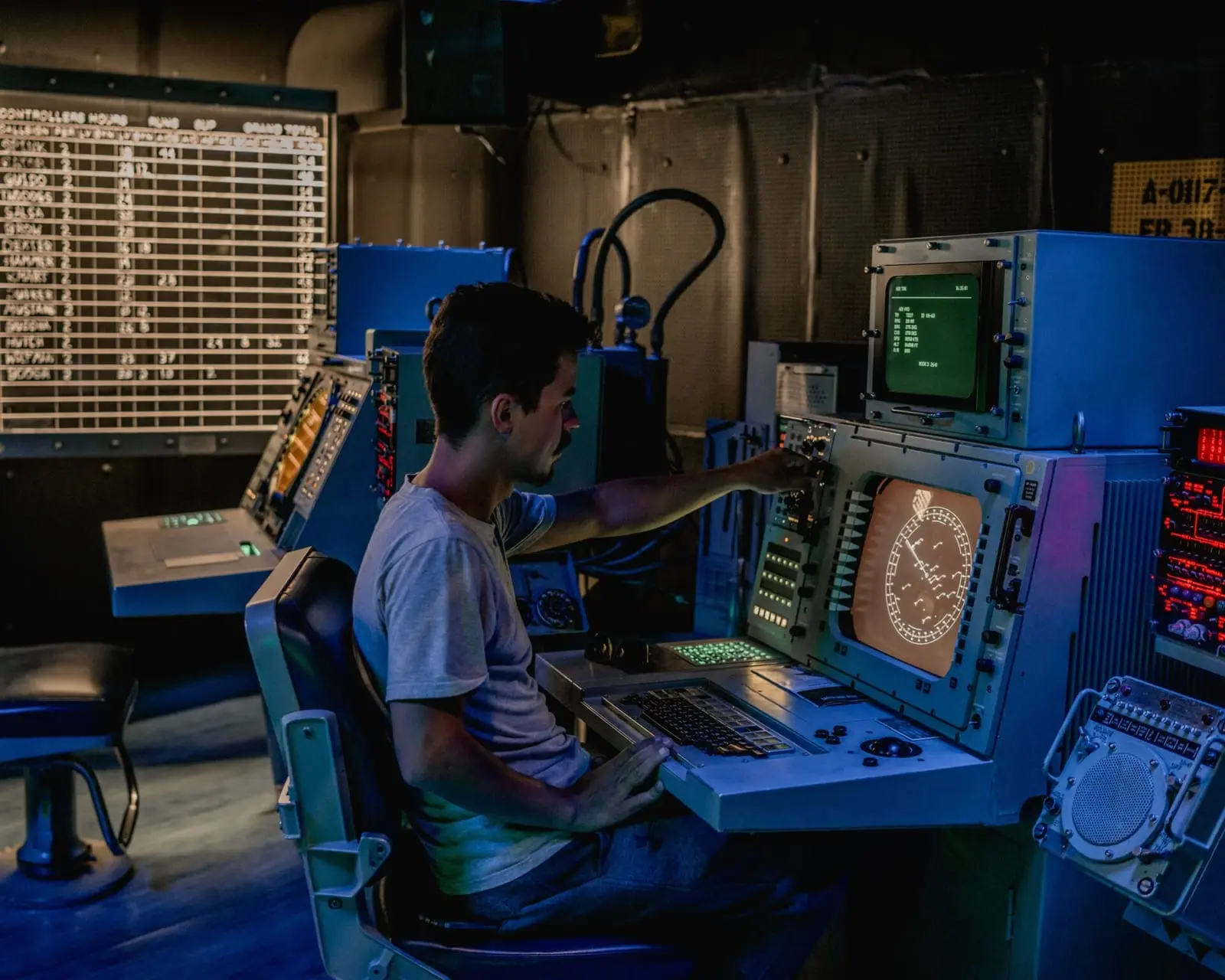
- Brain computer interfaces advance: AI and neurotechnology will help people live beyond physical limits
- Security concerns and the ethics of brain computer interfaces
- Promising results from AI and neurotechnology projects are already emerging
- Technological breakthroughs and research ambitions blur the line between human and machine
- Brain implants restore both sensation and hope for paralyzed patients
- Artificial intelligence may soon be able to read our minds
Brain computer interfaces advance: AI and neurotechnology will help people live beyond physical limits
Brain implants and direct connections between the mind and machines have long been the stuff of science fiction. Today, this fantasy has turned into tangible reality rather than a prophecy for the future. This evolution has provided incredible potential to help those suffering from paralysis and neurological diseases, but it has also raised significant concerns regarding security, privacy, and ethical considerations.
The field of brain computer interfaces has advanced rapidly in recent years. Scientists and engineers have developed brain-computer interface devices that can be implanted into the brain, allowing direct communication between human neural networks and computers. One of the most promising brain-computer interface applications is in the field of neurorehabilitation. Here is how these technologies can change the world:
- Restoring mobility: By connecting the brain to robotic limbs or exoskeletons, paralyzed individuals can regain control of their movements. By bypassing damaged areas of the spinal cord, brain signals can directly control these devices.
- Improving communication: People suffering from severe paralysis or conditions like multiple sclerosis can use brain-computer interface devices to communicate. These tools can translate brain activity into text or speech, giving a voice to those who have lost the ability to speak.
- Assisting with sensory loss: Brain-computer interface research is underway to restore sensory perception, such as vision or touch, using brain implants, offering hope to those with sensory impairments.
Security concerns and the ethics of brain computer interfaces
While the applications are inspiring, brain implants also raise serious questions about privacy and security. Data security is a major issue because information transmitted between the brain and external devices could be intercepted. Ensuring the security of this highly sensitive data is crucial [1].
Privacy violations are an unsettling potential outcome of such innovations. The ability to access someone's thoughts and emotions brings up profound ethical problems. Strict regulations must be implemented to protect individual privacy. The potential misuse of such data and information raises many regulatory questions. There is a real risk that these technologies could be used for malicious purposes, such as unauthorized surveillance or manipulation.
Another major concern is ensuring that these life-changing technologies are accessible to everyone, regardless of socioeconomic status. Beyond security and privacy, the ethics of brain computer interfaces also touch on deep philosophical issues:
- Consent and autonomy: Ensuring that individuals fully understand the risks and benefits and can make independent decisions regarding the use of these technologies.
- Human identity and enhancement: Addressing questions about what it means to be human and the possibilities of enhancing or altering human capabilities.
Firmly rooted in science fiction, brain implants are becoming a reality, and ongoing medical research indicates they will play an important role in our future. A massive financial influx, reaching billions of dollars, is driving specialized companies to find ways to treat some of the most debilitating diseases.

Promising results from AI and neurotechnology projects are already emerging
A Dutch motorcyclist paralyzed in an accident regained the ability to walk through implants that restored the connection between his brain and spinal cord. This trial, among others, generated significant excitement in the industry. In the decade leading up to 2020, according to UNESCO, more than $30 billion was invested in neurotechnology. This trend continues to grow, partly driven by advances in artificial intelligence, which scientists use to interpret implant data. UNESCO itself acknowledges that the field requires regulation [2].
Elon Musk's Neuralink has also taken the spotlight, securing $280 million after receiving approval for human trials in May 2023. Other companies, even if led by less famous figures, are thriving and providing hope to patients suffering from conditions ranging from rare neurological diseases to severe epilepsy [3].
One such company, Synchron, raised $75 million in 2023, backed by influential names like Bill Gates and Jeff Bezos. After receiving US approval in 2021, it placed its implant in nine individuals with amyotrophic lateral sclerosis (ALS). This device allows patients to communicate online using only eye movements and thoughts. Unlike other implants, using Synchron does not require invasive surgery.
Both safety and long-term brain monitoring were the initial goals of the Synchron trial, and according to Dr. David Putrino, who led the medical study, both objectives were met. Synchron founder Tom Oxley believes the brain-computer interface industry is at a crucial turning point and emphasizes the need for broad accessibility.
However, significant challenges remain, including the fact that the most striking results often come from the most invasive implants. The discomfort and long-term viability of certain implants, such as the Utah array, are still questionable.
Technological breakthroughs and research ambitions blur the line between human and machine
While most industry players focus primarily on medical applications, Elon Musk stands out with his futuristic visions of telepathy, memory storage, human enhancement, and even the concept of transferring consciousness into new bodies or robots. Although such ideas remain highly speculative, his enthusiasm reflects a broader belief that implants could be crucial for the symbiosis of humans and future superintelligent machines.
These developments reveal a world teetering on the edge of transformative change, where advances in brain implant technology not only break through scientific barriers but also force us to rethink the very nature of human existence. Brain implants, once confined to the realm of imaginative fiction, are now becoming a potentially transformative technology in the real world.
Specialized companies, armed with billions of dollars in funding, are exploring treatments for some of humanity's most debilitating diseases. Innovative brain-computer interface research is making significant strides, and real-world applications are beginning to emerge. Despite the progress, major challenges persist. The most impactful results are often achieved using invasive implants, which introduce complex problems.
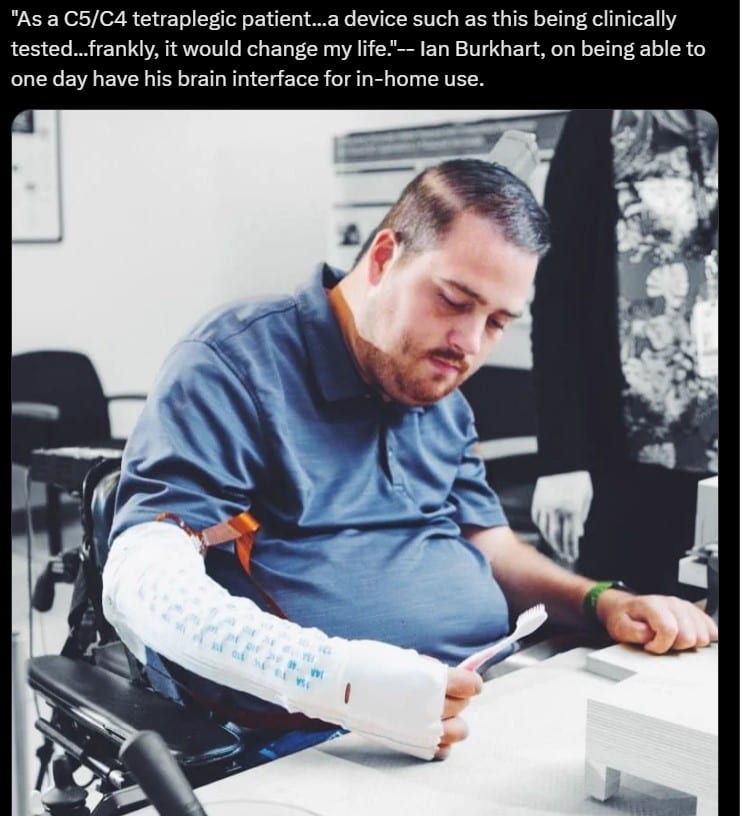
Brain implants restore both sensation and hope for paralyzed patients
US patient Ian Burkhart described his ability to control his limbs through an implant as a "magical moment," but this was only achievable in a laboratory setting. The Utah array used for his treatment was uncomfortable, and the brain's natural defenses can interfere with the effectiveness of these devices [4].
Some scientists are exploring non-invasive methods, such as those developed at the University of Texas at Austin, where brain scans and artificial intelligence modeling are used to interpret thoughts. However, this research is still in its early stages. As the field advances, it must overcome complex challenges, ethical considerations, and the balance between fantastical aspirations and tangible applications. The intersection of technology, medicine, and imagination is unfolding before our eyes, and the implications for the future are both thrilling and profound.
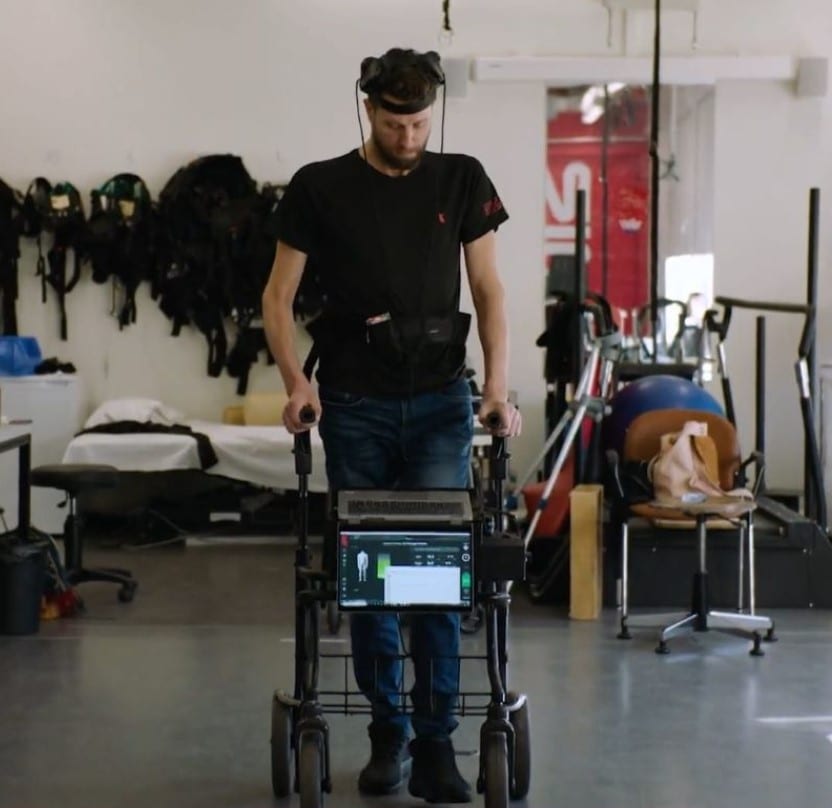
After suffering a severe traffic accident 12 years ago, Dutchman Gert-Jan Oskam sustained major spinal cord damage and faced a grim prognosis of being confined to a wheelchair for life [5]. Yet, in 2023, he stood and took several steps, supported by a walker. This remarkable achievement was made possible using brain implants that monitor the electrical activity of tens of thousands of neurons in his skull.
These signals are then interpreted by artificial intelligence, translating his thoughts about walking into messages sent to another implant in his spine, which stimulates leg movement. For Oskam, now 40, the changes have been fundamental, strengthening his independence and improving his mental and physical well-being. He expressed no reservations about having holes drilled into his skull so the device could monitor his brain.
Artificial intelligence may soon be able to read our minds
However, this technology raises a profound question for all of us: will we allow a computer direct access to our minds? This is no longer just a theoretical question. For example, Bob Knight, a professor at the University of California, Berkeley, used implants to study how the brain processes music. AI successfully recreated a version of Pink Floyd's "Another Brick in the Wall" based solely on brain activity.
Such incredible achievements are happening rapidly, from AI's ability to infer visual stimuli from brain scans to mind-controlled prosthetic limbs. This progress raises concerns, including potential new forms of "thought crime." Experts predict that the monitoring of neural data will be widely used over the next decade. There are fears regarding potential employer abuse, discrimination against neurodivergent individuals, and hacking risks.
Equally alarming is the possibility that devices could reveal private or unfiltered thoughts. This risk highlights the need for safeguards, perhaps even specific legal definitions and neural data protections, similar to those safeguarding health, ethnicity, and sexuality data. However, there are significant limits to what AI can determine about our minds, especially without invasive procedures like implants. External monitoring systems, such as mind-reading helmets, provide only vague and muffled information compared to direct implants [6].
Furthermore, the complexity of the brain poses its own challenges. While the motor cortex, responsible for movement, is relatively accessible, the networks responsible for abstract thought remain enigmatic. The individual uniqueness of brain function also raises questions about whether a universal AI solution is possible, or if personalized systems—which could take a lifetime to train—will be required.
Perhaps one day a laboratory in California or Beijing will unlock the deep secrets of consciousness. For now, however, it is worth noting that current technologies already reveal more about our thoughts through our social media interactions and search histories than the most advanced neurotechnology.
Frequently asked questions
What are the main brain-computer interface applications?
The primary applications currently focus on neurorehabilitation, such as restoring mobility for paralyzed individuals, improving communication for those with severe neurological conditions, and assisting with sensory loss.
What are the ethics of brain computer interfaces?
Ethical concerns include data privacy, the risk of unauthorized surveillance or hacking, ensuring equitable access, and philosophical questions about human identity, consent, and cognitive enhancement.
How do brain-computer interface devices work?
These devices monitor the electrical activity of neurons in the brain. Artificial intelligence then interprets these signals and translates them into commands that can control external devices, such as robotic limbs, exoskeletons, or computer software.
Sources
- Engadget: AI-enabled brain implant helps patient regain feeling and movement
- RFI: Neurotech and AI together threaten 'mental privacy', says Unesco
- CNN: Neuralink, Elon Musk’s brain implant startup, raises $280 million
- Newsmax: The Race to Link Our Brains to Computers Is Heating Up
- The Australian: Artificial intelligence will read your mind sooner than you think
- Freethink: These mind-reading helmets could be a Fitbit for your brain
Log in to comment
No comments yet. Be the first.