Cat Breeds: 50 Popular Breeds With Pictures, Size & Temperament
- List of 50 Popular Cat Breeds
- Three Breeds Make Up Nearly 60% of FIFe Kittens
- Popularity and Registration in the United States
- How to Choose a Cat Breed Based on Your Lifestyle
- Purebred or Mixed Breed – Both Can Be Great Choices
- You Cannot Determine a Cat's Breed by a Photo
- There Are No Hypoallergenic Cats – The Fel d 1 Protein Causes Allergies
- Microchipping, Registration, and Pedigrees in the US
- What Determines the Price of a Purebred Kitten
- Local Laws and Ethical Breeding Practices in the US
- Health Tests Worth Asking the Breeder For
- How Long Cats Live: Breed Differences Span Several Years
- FIFe Divides Breeds Into Four Categories
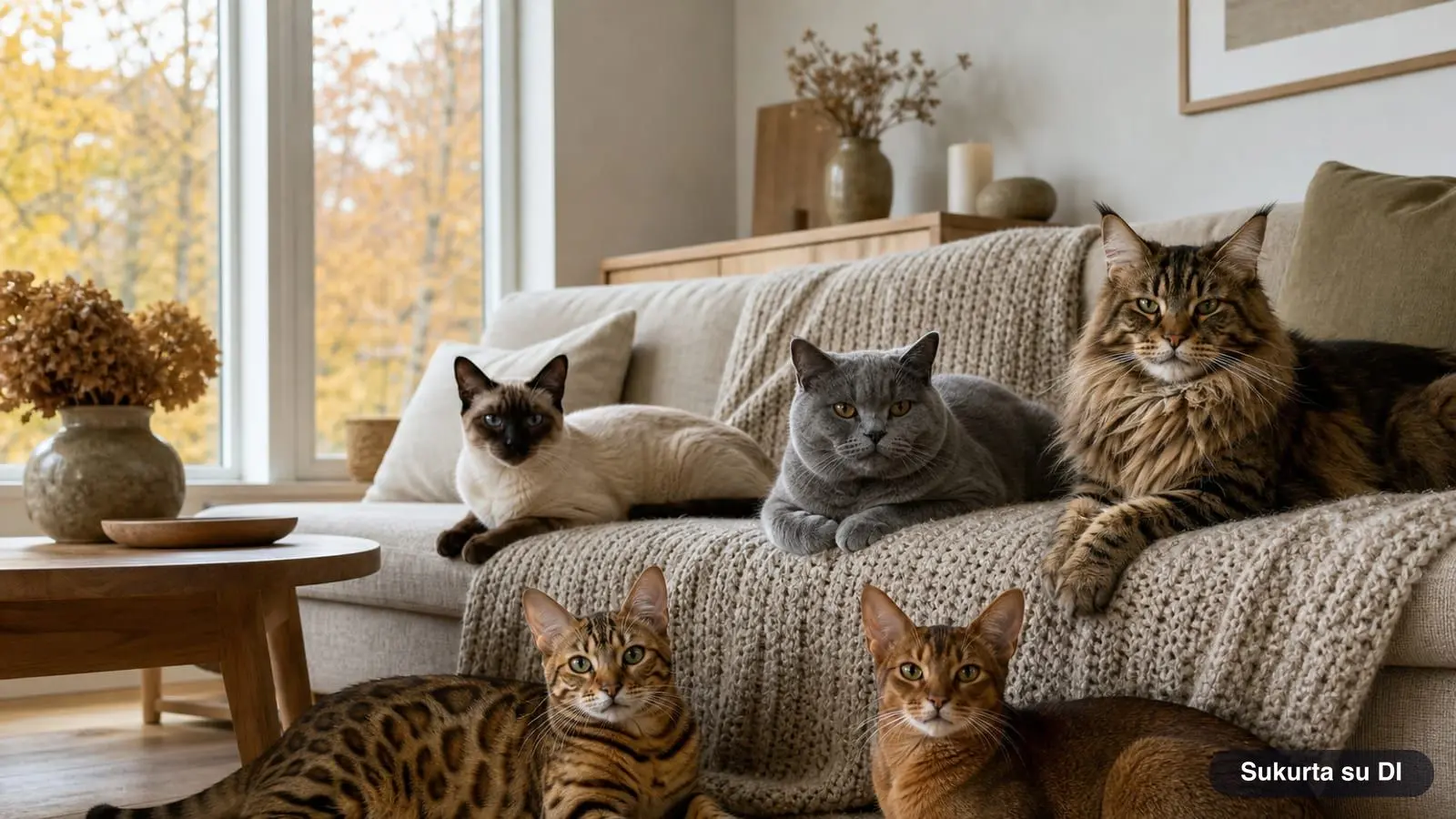
Cats are beloved members of countless households, and increasingly, people are choosing specific purebreds like the Maine Coon, British Shorthair, or Ragdoll. A breed determines more than just appearance: it tells you a lot about a cat's temperament, activity level, grooming needs, and hereditary health conditions. This cat breed guide is a comprehensive catalog where 50 popular breeds are described using a consistent format: origin and history, appearance and breed standard, temperament, health and genetic testing, care, who the breed is best suited for, and how to choose a kitten. We have ranked these breeds based on their overall search popularity, and each profile features authentic photos of the cats.
List of 50 Popular Cat Breeds
The table below features all the breeds covered in this guide. The origin indicates where the breed was developed or purposefully bred. The coat column will help you quickly identify longhair, shorthair, curly, or hairless cats. The final column shows whether the breed is recognized by the Fédération Internationale Féline (FIFe), a major international cat federation: only kittens of recognized breeds can receive FIFe pedigrees and compete in their shows.
| Breed | Origin | Coat | FIFe Recognition |
|---|---|---|---|
| Maine Coon | USA | semi-longhair | yes |
| Siamese | Thailand | shorthair | yes |
| Abyssinian | Great Britain | shorthair, ticked | yes |
| British Shorthair | Great Britain | shorthair, plush | yes |
| Sphynx | Canada | hairless | yes |
| Bengal | USA | shorthair, spotted | yes |
| Devon Rex | Great Britain | shorthair, curly | yes |
| Ragdoll | USA | semi-longhair | yes |
| Cornish Rex | Great Britain | shorthair, curly | yes |
| Scottish Fold | Great Britain (Scotland) | shorthair or semi-longhair | no |
| Siberian | Russia | semi-longhair | yes |
| Munchkin | USA | shorthair or longhair | no |
| Persian | Persia, Great Britain | longhair | yes |
| Birman | France | semi-longhair | yes |
| Savannah | USA | shorthair, spotted | no |
| Oriental Shorthair | Great Britain | shorthair or semi-longhair | yes |
| Norwegian Forest Cat | Norway | semi-longhair | yes |
| Russian Blue | Russia | shorthair | yes |
| Burmese | USA | shorthair | yes |
| Turkish Van | Turkey | semi-longhair | yes |
| Peterbald | Russia | hairless or shorthair | yes |
| Somali | USA and Canada | semi-longhair, ticked | yes |
| Egyptian Mau | Egypt | shorthair, spotted | yes |
| Bombay | USA | shorthair | yes (preliminary) |
| Chartreux | France | shorthair | yes |
| Selkirk Rex | USA | curly | yes |
| Kurilian Bobtail | Russia (Kuril Islands) | shorthair or semi-longhair | yes |
| American Shorthair | USA | shorthair | no |
| Balinese | USA | semi-longhair | yes |
| Burmilla | Great Britain | shorthair | yes |
| Turkish Angora | Turkey | semi-longhair | yes |
| Singapura | Singapore | shorthair, ticked | yes |
| British Longhair | Great Britain | semi-longhair | yes |
| Toyger | USA | shorthair, striped | no |
| Korat | Thailand | shorthair | yes |
| Exotic Shorthair | USA | shorthair, plush | yes |
| Tonkinese | Canada and USA | shorthair | no |
| Himalayan | USA and Great Britain | longhair | same as Persian cat |
| Ocicat | USA | shorthair, spotted | yes |
| Nebelung | USA | semi-longhair | no |
| RagaMuffin | USA | semi-longhair | no |
| Lykoi | USA | sparse, mixed | yes (preliminary) |
| Thai | Thailand | shorthair | yes |
| Pixie-Bob | USA | shorthair or semi-longhair | no |
| Chausie | USA | shorthair | no |
| American Bobtail | USA | shorthair or semi-longhair | no |
| American Curl | USA | shorthair or semi-longhair | yes |
| Japanese Bobtail | Japan | shorthair | yes |
| Manx | Isle of Man | shorthair | yes |
| European Shorthair | Scandinavia | shorthair | yes |
Three Breeds Make Up Nearly 60% of FIFe Kittens
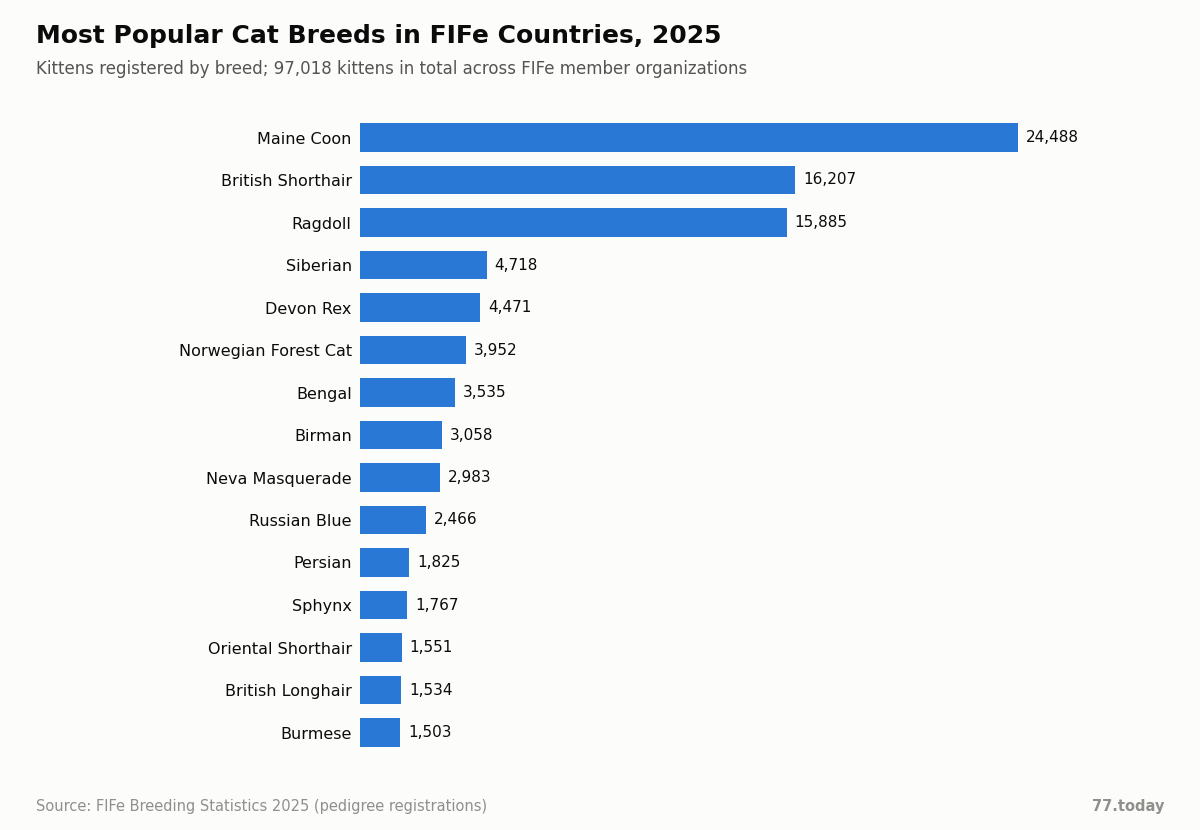
FIFe (Fédération Internationale Féline) is a major European cat federation with members in dozens of countries. Their 2025 breeding statistics show that 97,018 kittens were registered in their studbooks. The most popular, as in previous years, was the Maine Coon with 24,488 kittens, or 25.2%. In second place was the British Shorthair (16,207, 16.7%), and in third was the Ragdoll (15,885, 16.4%). Together, these three breeds account for 58.3% of all registrations.
Significantly fewer kittens—between 3,000 and 5,000 each—were registered for Siberian cats, Devon Rexes, Norwegian Forest Cats, and Bengals. Rounding out the top ten are the Birman, Neva Masquerade (a colorpoint variety of the Siberian, considered a separate breed by FIFe), and the Russian Blue. Some breeds that are incredibly popular online do not appear in FIFe statistics at all: the Scottish Fold, Munchkin, and Savannah are not recognized by FIFe.
Popularity and Registration in the United States
In the United States, the Cat Fanciers' Association (CFA) and The International Cat Association (TICA) are the primary registries for purebred cats. While exact registration numbers fluctuate, breeds like the Ragdoll, Maine Coon, and Exotic Shorthair consistently top the CFA's most popular lists year after year. The British Shorthair, Persian, and Abyssinian also maintain strong followings among American cat lovers. These statistics reflect the breeds that reputable US breeders focus on, ensuring proper health testing and adherence to breed standards. Keep in mind that many popular internet breeds, such as the Scottish Fold or Munchkin, may have different recognition statuses depending on the specific registry.
How to Choose a Cat Breed Based on Your Lifestyle
The most beautiful breed won't necessarily be the best fit for you. Before choosing, it is worth answering a few honest questions: how much time will the cat spend alone, are there young children or other pets in the home, how much time can you dedicate to grooming and playing, and is anyone in the family allergic? Below are breed groups categorized by common lifestyle needs.
Calm and Independent Cats
If you work outside the home and are looking for a cat that can calmly handle a few hours of solitude, consider the British Shorthair, Chartreux, Russian Blue, Persian, or Exotic Shorthair. The Ragdoll, RagaMuffin, and Birman have very gentle temperaments but do seek out human companionship. The Maine Coon is calm, but due to its size, it requires more space.
Active, Vocal, and Affectionate Cats
The Siamese, Oriental Shorthair, and Balinese are famous for their voices and desire to be involved in everything. The Abyssinian, Somali, Bengal, and Egyptian Mau are restless athletes. The Devon Rex, Cornish Rex, and Sphynx become very attached to their humans and tolerate long periods of solitude poorly. These cats require daily playtime, high shelves, and sometimes a second cat for company.
The Largest Cat Breeds
The largest non-hybrid breed is the Maine Coon, with males typically weighing 18–22 lbs. Ragdolls, Norwegian Forest Cats, Siberians, and RagaMuffins are also large and slow-maturing. Even taller are the hybrid Savannah and Chausie cats, which descend from the wild Serval and Jungle Cat.
Longhair and Shorthair
The Persian and Himalayan have the longest coats, requiring daily brushing. Semi-longhair breeds—like the Maine Coon, Ragdoll, Birman, Norwegian Forest Cat, Siberian, Turkish Van, Turkish Angora, British Longhair, and Nebelung—usually only need brushing a few times a week. Shorthairs are the easiest to maintain: British Shorthair, Russian Blue, Bombay, Korat, and European Shorthair.
Hairless, Curly, and Short-Tailed Breeds
Hairless cats include the Sphynx and Peterbald; their skin requires bathing and protection from the cold. Curly coats are found on the Devon Rex, Cornish Rex, and Selkirk Rex. A short tail or no tail at all is characteristic of the Manx, Japanese Bobtail, Kurilian Bobtail, American Bobtail, and Pixie-Bob. Unusual ears define the American Curl (curled backward) and the Scottish Fold (folded forward), while the Munchkin is known for its very short legs.
Wild-Looking Cats
Leopard spots or tiger stripes are characteristic of the Bengal, Savannah, Chausie, Toyger, Ocicat, and Egyptian Mau. It is important to know that Bengals, Savannahs, and Chausies originate from crossbreeding with wild cats, and some local US laws restrict the breeding or ownership of early-generation hybrids. The Ocicat, Toyger, and Egyptian Mau have no wild blood.
Cats for Families with Children and Other Pets
Patient and playful breeds usually get along well with children: the Ragdoll, Maine Coon, British Shorthair, American Shorthair, Abyssinian, or Devon Rex. However, children must be taught that a cat is not a toy: British Shorthairs dislike being carried, and the bare skin of a Sphynx is sensitive to scratches. Social breeds generally get along with dogs, especially if the animals grow up together from a young age and are introduced gradually. It is not advisable to keep rodents or birds near wild-looking cats, especially Bengals, as their hunting instincts are very strong.
Purebred or Mixed Breed – Both Can Be Great Choices
The vast majority of cats are mixed breeds, and they make equally wonderful pets. A purebred cat offers one major advantage: predictability. You know in advance how large it will grow, how long its coat will be, its likely temperament, and what hereditary diseases need to be tested for. On the other hand, due to limited genetic diversity or extreme physical traits, some breeds carry more health risks than the average mixed breed. For example, flat-faced Persians and Exotic Shorthairs are more prone to breathing and eye-tearing issues, while the gene responsible for the Scottish Fold's ears disrupts cartilage development.
If a cat's pedigree isn't important to you, it is well worth visiting an animal shelter. There, you will find adult cats whose personalities are already established, and sometimes even purebred cats that owners had to surrender. If you choose a purebred, look for a reputable breeder who willingly shows you the parents, health test results, and pedigrees, asks you questions about your living situation, and offers a formal contract. A kitten without papers and health tests is often cheaper upfront, but the money saved can quickly vanish at the veterinary clinic.
You Cannot Determine a Cat's Breed by a Photo
A common question is, "What breed is my cat?" The answer is simple: a breed is only confirmed by a pedigree document listing registered ancestors. A cat that looks like a British Shorthair or a Maine Coon but lacks documentation is a similar-looking mixed breed. This doesn't mean it has no purebred ancestry, but it cannot be verified, and its appearance might be coincidental. For example, a bluish-gray short coat is typical not only of British Shorthairs but also Russian Blues, Chartreux, and Korats, while dark facial points and blue eyes are seen in Siamese, Birmans, Ragdolls, and many mixed breeds.
Based on appearance, you can only guess which breed a cat most closely resembles. Pay attention to the head shape (round, wedge, or square), ear size and placement, coat length and texture, eye shape, and tail. In each profile of this guide, you will find the breed standard characteristics and a comparison table with the most similar breeds. There are also commercial feline DNA tests that show which breed populations a cat is genetically closest to and screen for some hereditary diseases, but they do not replace a pedigree.
There Are No Hypoallergenic Cats – The Fel d 1 Protein Causes Allergies
One of the most frequent searches is for "hypoallergenic cats." Unfortunately, there are no cats that are completely free of allergens. The primary cat allergen is the Fel d 1 protein, which cats produce in their saliva and sebaceous glands. When a cat grooms itself, it spreads this protein onto its coat, and once it dries, it becomes airborne dander. Therefore, even a hairless Sphynx can trigger allergies: the CFA notes that a freshly bathed Sphynx may cause fewer symptoms, but that does not make it a low-allergen cat.
For allergy sufferers, low-shedding breeds are often recommended—such as the Devon Rex, Cornish Rex, Sphynx, and Peterbald—as well as the Siberian. In a study by a Siberian cat breeders' association involving over 300 cats, about half of the Siberians produced less Fel d 1 than other breeds, and less than a fifth produced very low levels, but Fel d 1 was still found in all their samples. Females of all breeds generally produce less of this allergen than males. The only reliable method is to spend a few hours with a specific cat or its parents before bringing it home.
Microchipping, Registration, and Pedigrees in the US
While there is no nationwide federal mandate in the US, many states, counties, and cities require cats to be microchipped and licensed. Microchipping involves a veterinarian inserting a tiny chip under the skin between the shoulder blades, providing a permanent ID that is registered in a national database. Shelters and veterinarians strongly recommend this practice, as it is the best way to recover a lost pet. Local ordinances often dictate that cats must be registered with the municipality and up to date on their rabies vaccinations.
A pedigree, on the other hand, is a document issued by a cat registry (such as the CFA or TICA) listing several generations of ancestors. It confirms the cat's purebred status but does not guarantee health. Therefore, it is crucial to ask the breeder for genetic health test results and veterinary records. Reputable registries stipulate that kittens should not leave their mother until they are at least 12 to 14 weeks old and fully vaccinated. An unusually cheap 'purebred' kitten offered without paperwork at 8 weeks old is a major red flag.
What Determines the Price of a Purebred Kitten
Kitten prices can vary significantly even within the same breed, so it is helpful to understand what you are paying for. The biggest factor is pedigree and documentation: a kitten from a registered cattery with a pedigree, parental genetic tests, and veterinary clearances costs more than a similar-looking cat without papers. The second factor is the breed's rarity and demand: the CFA, for example, notes that Sphynx cats are among the more expensive breeds. The third is purpose: a kitten that a breeder considers suitable for showing or breeding usually costs more than a pet-quality kitten, which is often already spayed or neutered.
There are ways to save money without compromising on quality. CFA breeders often offer retired show or breeding adult cats, which cost less than kittens. Kittens of certain breeds that lack a defining characteristic—such as a coated Sphynx or a straight-haired Selkirk Rex—have the same temperament but are less expensive. An unusually low price without papers, rushing the sale, or offering to hand over a kitten before 14 weeks are signs that you should look for another breeder.
Local Laws and Ethical Breeding Practices in the US
The United States has no federal law on cat breeds; instead, cat breeding is shaped by a combination of state laws, local ordinances, and the ethical guidelines of major registries to regulate cat breeding. Important considerations for US buyers and breeders include:
- Hybrid Restrictions: Early-generation hybrids resulting from crossing domestic cats with wild species (like early-generation Bengals, Savannahs, and Chausies) are restricted or banned in several states and municipalities. Always check your local laws before bringing a hybrid cat home.
- Ethical Breeding: Reputable US registries and breed clubs strictly prohibit the mating of close relatives (such as parents to offspring or full siblings) to maintain genetic diversity and health.
- Extreme Physical Traits: Animal welfare organizations and responsible breeders advocate against breeding cats with extreme physical exaggerations that compromise their quality of life, such as severe brachycephaly (flat faces) that causes breathing issues.
- Kitten Mills and Pet Stores: Several US states and many cities have enacted laws banning the sale of commercially bred dogs and cats in pet stores to combat unethical breeding facilities. Prospective owners are encouraged to work directly with reputable breeders or adopt from rescues and shelters.
Health Tests Worth Asking the Breeder For
Most hereditary cat diseases are specific to certain breeds, and for many of them, simple genetic tests using saliva or blood are available. A responsible breeder will show you the parents' test results without hesitation.
| Condition | How it is tested | Breeds affected |
|---|---|---|
| Hypertrophic cardiomyopathy (HCM) | genetic test (for some breeds) and echocardiogram | Maine Coon, Ragdoll, Sphynx, British Shorthair, Bengal |
| Polycystic kidney disease (PKD) | PKD1 genetic test, kidney ultrasound | Persian, Exotic Shorthair, Himalayan, British Shorthair, Scottish Fold |
| Progressive retinal atrophy (PRA) | genetic test | Abyssinian, Somali, Siamese, Bengal (PRA-b) |
| Pyruvate kinase deficiency (anemia) | genetic test | Abyssinian, Somali, Bengal |
| Spinal muscular atrophy (SMA) | genetic test | Maine Coon |
| Osteochondrodysplasia | genetic test, X-ray | Scottish Fold |
| Blood type B | blood type test | Devon Rex, British Shorthair |
How Long Cats Live: Breed Differences Span Several Years
In a UK veterinary records study, the overall life expectancy for all cats was 11.74 years. Breeds differed significantly, though some sample sizes were small, so these numbers should be viewed as general estimates.
| Breed | Life expectancy in UK study |
|---|---|
| Burmese | 14.4 yrs (45 cats) |
| Birman | 14.4 yrs (38 cats) |
| Siamese | 11.7 yrs |
| Persian | 10.9 yrs |
| Ragdoll | 10.3 yrs (in a larger 2025 study – median 12.85 yrs) |
| Maine Coon | 9.7 yrs |
| British Shorthair and Longhair | 9.6 yrs |
| Bengal | 8.5 yrs |
| All cats | 11.74 yrs |
FIFe Divides Breeds Into Four Categories
FIFe-recognized breeds are grouped into four categories based on coat and body type. The first category includes longhair and semi-longhair massive cats: the Persian, Exotic Shorthair, Ragdoll, Birman, and Turkish Van. The second category consists of semi-longhairs: the Maine Coon, Norwegian Forest Cat, Siberian, Neva Masquerade, Turkish Angora, American Curl, and LaPerm. The third category features shorthairs and Somali-types: the British Shorthair, Bengal, Burmese, Chartreux, European Shorthair, Korat, Egyptian Mau, Ocicat, Singapura, Manx, Kurilian Bobtail, Burmilla, Selkirk Rex, and others. The fourth category comprises Siamese and Oriental types, as well as slender breeds: the Siamese, Oriental Shorthair, Balinese, Abyssinian, Somali, Russian Blue, Devon Rex, Cornish Rex, Sphynx, Peterbald, Thai, Japanese Bobtail, and Donskoy.
The oldest FIFe-recognized breeds, known since the federation's founding in 1949, are the Abyssinian, Chartreux, European Shorthair, Manx, Persian, Russian Blue, Birman, and Siamese. The newest, with preliminary recognition, are the Bombay and Lykoi.
Frequently asked questions
What are the most popular cat breeds?
In 2025, the most registered breeds in FIFe studbooks were Maine Coons (24,488), British Shorthairs (16,207), and Ragdolls (15,885)—together making up nearly 60% of all 97,018 kittens. They are followed by Siberian cats, Devon Rexes, Norwegian Forest Cats, and Bengals. These breeds also consistently rank high in US registries like the CFA and TICA.
Are there any hypoallergenic cat breeds?
There are no completely hypoallergenic cats. The main allergen is the Fel d 1 protein, which cats produce in their saliva and sebaceous glands, meaning it is even present on hairless Sphynx cats. Some breeds (Devon Rex, Cornish Rex, Sphynx) shed less, and studies show some Siberian cats produce less Fel d 1, but you must spend time with a specific cat before bringing it home.
What is the largest cat breed?
The largest non-hybrid breed is the Maine Coon, with males typically weighing 18–22 lbs. Ragdolls, Norwegian Forest Cats, and Siberians are also quite large. The only cats taller than the Maine Coon are hybrid Savannah cats, which descend from the African Serval.
Is it mandatory to microchip and register a cat?
Microchipping and licensing requirements vary widely by state, county, and city in the US. While not universally mandated by federal law, many local ordinances require cats to be microchipped and registered with the city or county. Veterinarians and shelters highly recommend microchipping as it is the most reliable way to reunite lost pets with their owners.
At what age can you bring a purebred kitten home?
Reputable registries and breeder associations generally require kittens to stay with their mother and littermates until they are at least 12 to 14 weeks old and fully vaccinated. During this crucial time, the kitten learns essential socialization and behavioral skills from its mother and siblings.
How long do cats live?
In a UK veterinary records study, the overall life expectancy for cats was 11.74 years. However, this varies by breed: the same study found Burmese and Birman cats lived over 14 years, Siamese 11.7 years, Maine Coons 9.7 years, British Shorthairs 9.6 years, and Bengals 8.5 years.
What is the difference between a purebred cat and a similar-looking mixed breed?
A purebred cat has a pedigree issued by a recognized cat registry (like the CFA or TICA) that lists several generations of ancestors. A cat that looks similar but lacks documentation is considered a mixed breed. While mixed breeds make wonderful pets, they do not come with the same guarantees regarding predictable appearance, temperament, or hereditary health testing.
Are there restrictions on breeding or owning certain cat breeds?
In the US, breeding and ownership regulations vary by state and municipality. Some local laws or homeowners associations restrict early-generation hybrid cats, such as Savannahs or Bengals, due to their wild ancestry. Additionally, reputable registries and animal welfare organizations strongly discourage breeding close relatives or cats with extreme physical traits that compromise their health and well-being.
All parts of the guide
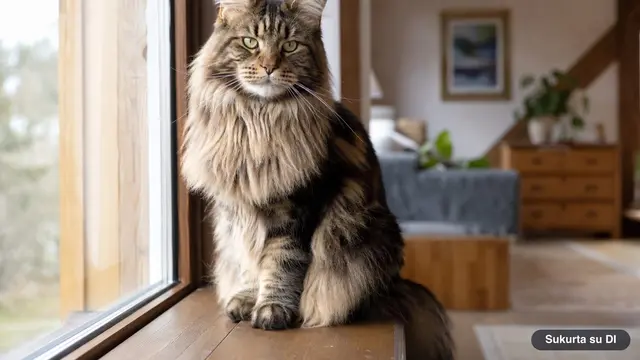 Maine CoonThe Maine Coon is the largest non-hybrid domestic cat breed: learn about their size, gentle temperament, coat care, HCM testing, and what to know before buying a kitten.
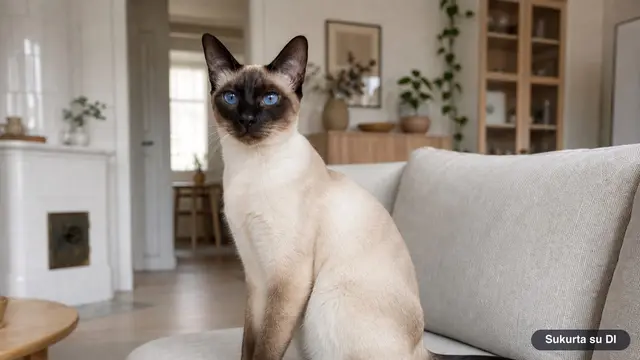 SiameseDiscover the Siamese cat: famous for its blue eyes, dark points (seal, blue, chocolate, lilac), and vocal, affectionate nature. Learn about their health, care, and how they differ from the Thai cat.
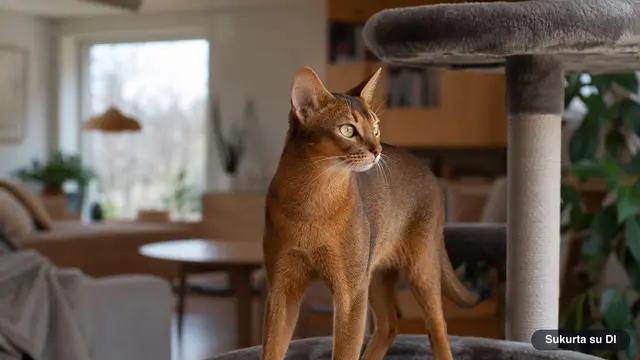 AbyssinianThe Abyssinian cat: ticked "wild" coat, ruddy, sorrel, blue, and fawn colors, highly active and curious temperament, size, health (PRA, PK deficiency, amyloidosis), and care.
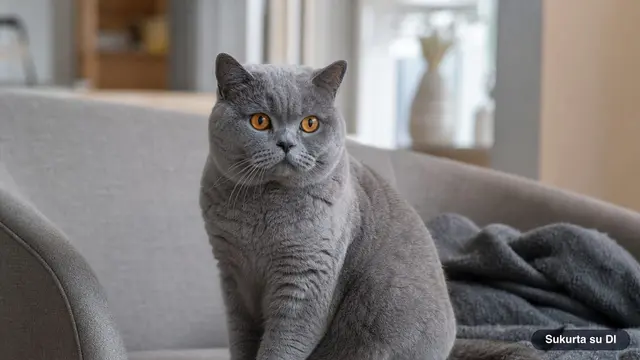 British ShorthairThe British Shorthair features a plush blue-gray coat, round head, and copper eyes. Learn about their calm temperament, size, colors, HCM and PKD risks, and care.
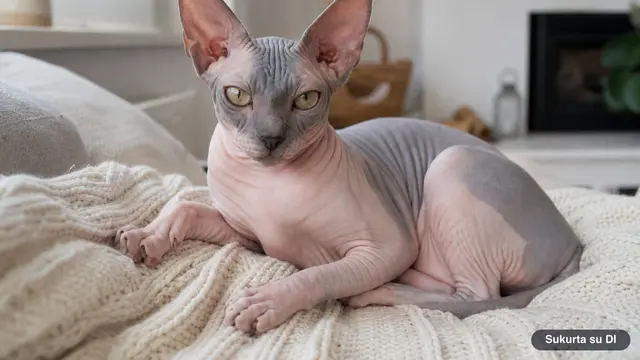 SphynxThe Sphynx is a hairless cat known for its suede-like skin. Learn about their genetics, grooming needs, HCM risks, and why they aren't truly hypoallergenic.
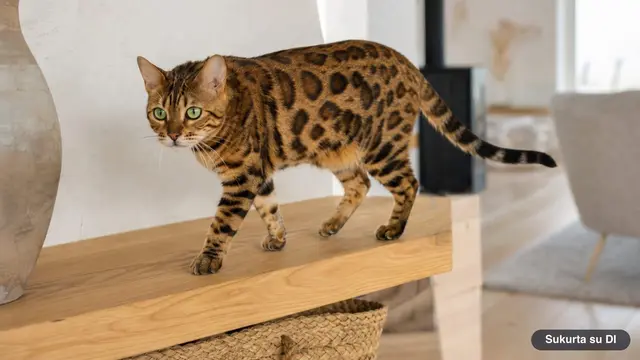 BengalThe Bengal cat features leopard rosettes and a glitter coat, descending from the Asian leopard cat. Discover F1-F4 generations, temperament, health (HCM, PRA-b, PK), and care.
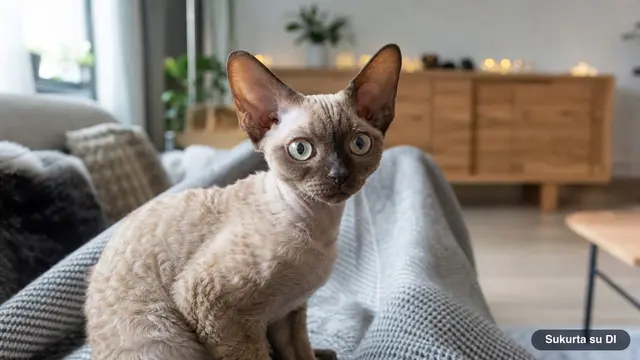 Devon RexThe Devon Rex is an elf-like cat with a wavy coat, huge ears, and a dog-like personality. Learn about their shedding, blood type B, hereditary myopathy, and grooming needs.
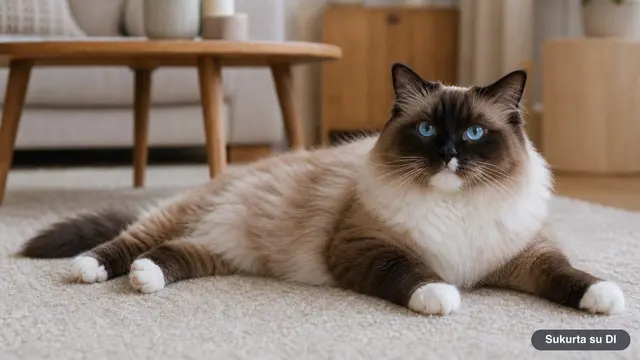 RagdollThe Ragdoll is a large, blue-eyed cat known for going limp when held. Discover their colorpoint, mitted, and bicolor patterns, size, temperament, HCM testing, and care.
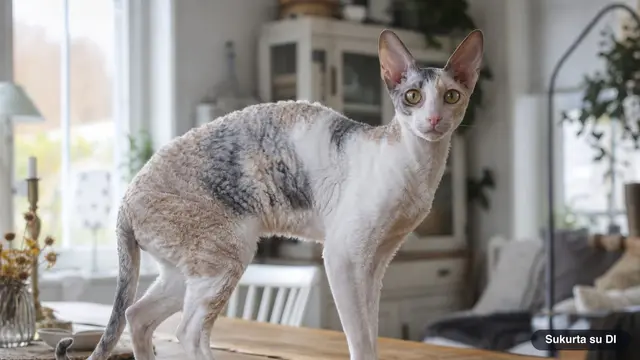 Cornish RexLearn about the Cornish Rex: a curly-coated "Greyhound of the cat world" with no guard hairs, its energetic personality, LPAR6 mutation, and care needs.
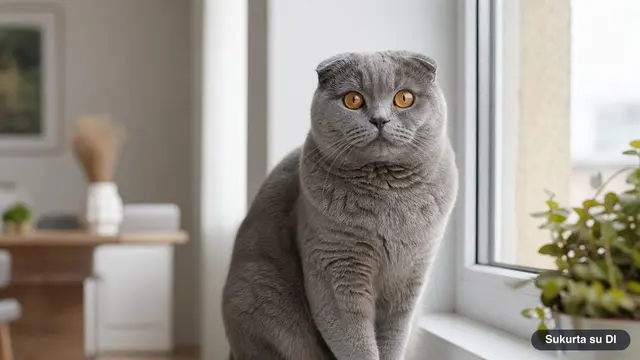 Scottish FoldDiscover the Scottish Fold and Scottish Straight: why their folded ears are linked to a cartilage disease (osteochondrodysplasia), where breeding is restricted, and what to know before buying.
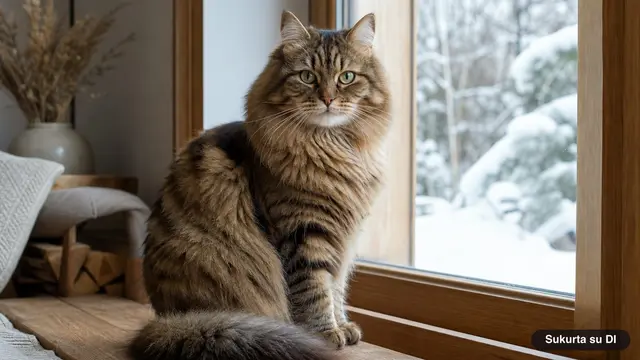 SiberianDiscover the Siberian cat: its water-resistant triple coat, strong build, round head, Neva Masquerade variant, hypoallergenic qualities (Fel d 1), temperament, shedding, health, and care.
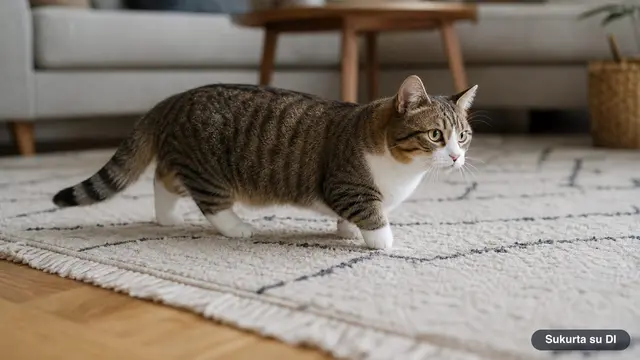 MunchkinThe Munchkin is a short-legged cat breed: discover its origins, why chondrodysplasia causes its short legs, which registries recognize it, health risks, and care tips.
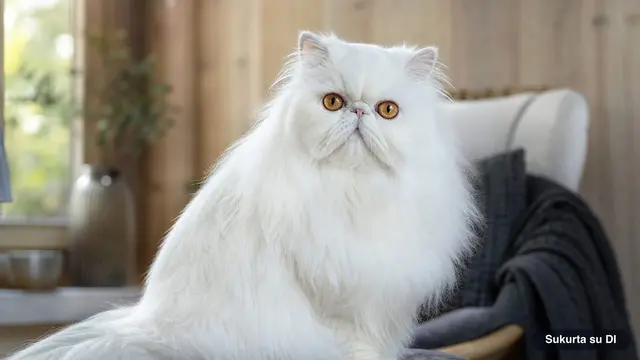 PersianThe Persian cat features a long, fluffy coat and a round head. Discover the differences between traditional and flat-faced types, daily grooming needs, and health risks like PKD and brachycephaly.
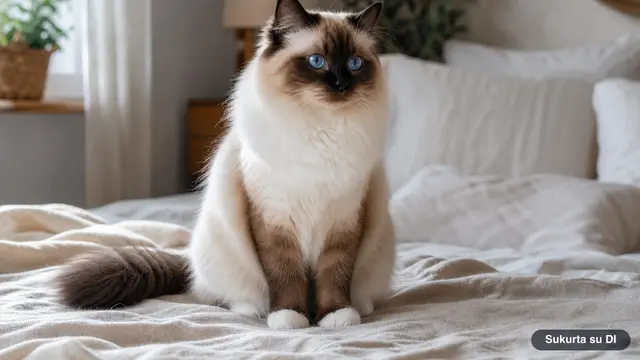 BirmanThe Birman cat features blue eyes, dark points, and white "gloves." Discover their temple legends, gentle temperament, easy-care coat, and potential kidney health risks.
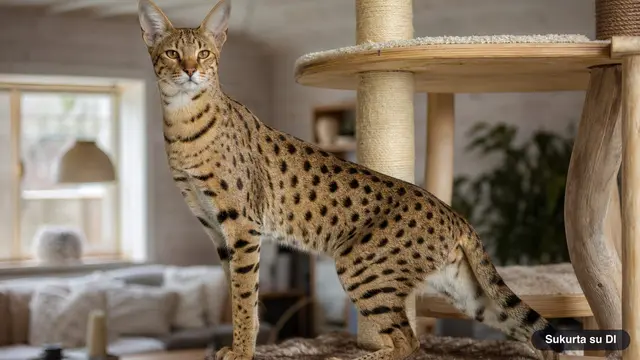 SavannahDiscover the Savannah cat, a serval hybrid known for its large size and wild look. Learn about F1–F5 generations, temperament, health, and legal restrictions.
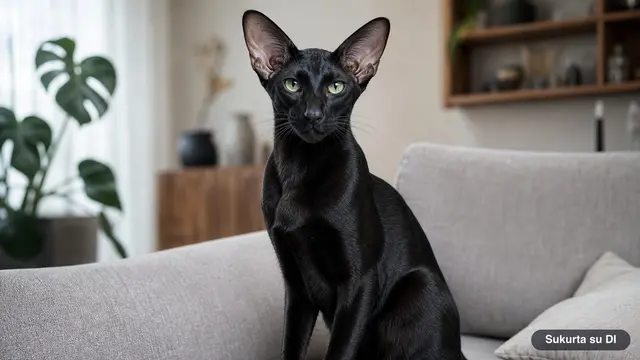 Oriental ShorthairThe Oriental Shorthair (and Longhair) is the Siamese's sibling without the point gene, boasting hundreds of colors, green eyes, a vocal personality, and specific care needs.
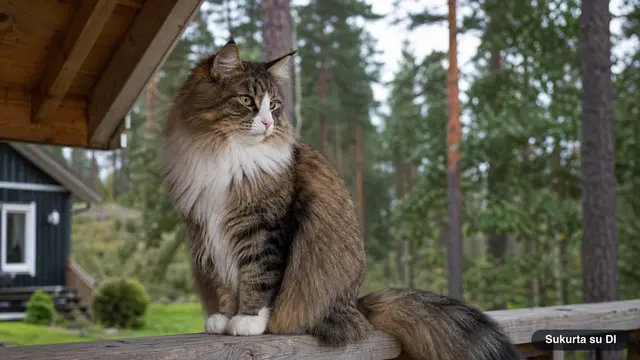 Norwegian Forest CatThe Norwegian Forest Cat features a waterproof double coat, a triangular head, and Viking origins. Known for their independent nature and climbing skills, they require GSD IV and HCM health testing.
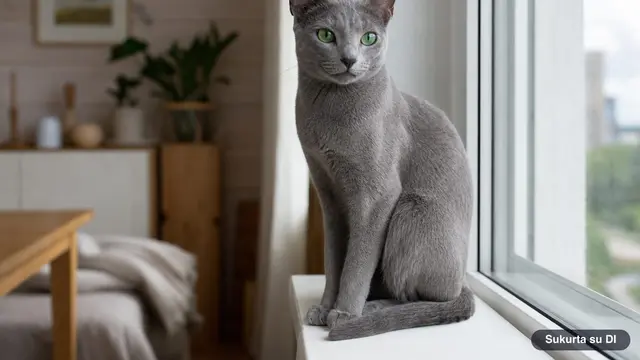 Russian BlueKnown for their silver-tipped blue-gray coat and emerald eyes, the Russian Blue is a calm, intelligent cat with origins in northern Russia.
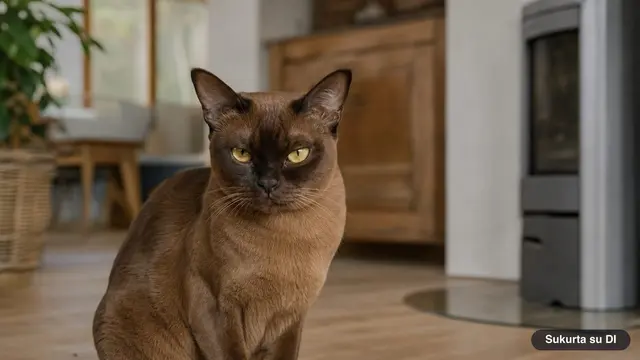 BurmeseThe Burmese cat: sable brown satin coat, golden eyes, European and American types, dog-like affection, health (hypokalemia, diabetes, head defect), and care.
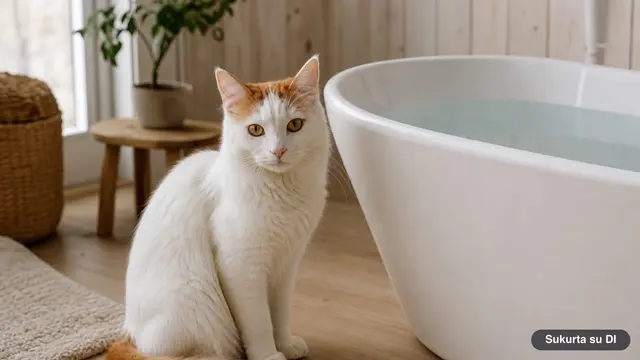 Turkish VanThe Turkish Van cat: a chalk-white coat with color only on the head and tail, cashmere-like fur with no undercoat, their famous love for water, size, temperament, and care.
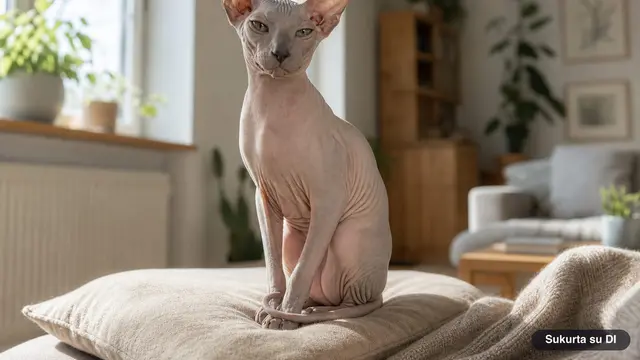 PeterbaldThe Peterbald is a hairless Oriental-type cat from St. Petersburg, featuring coat types from completely bald to brush, a dominant hairless gene, and an affectionate personality.
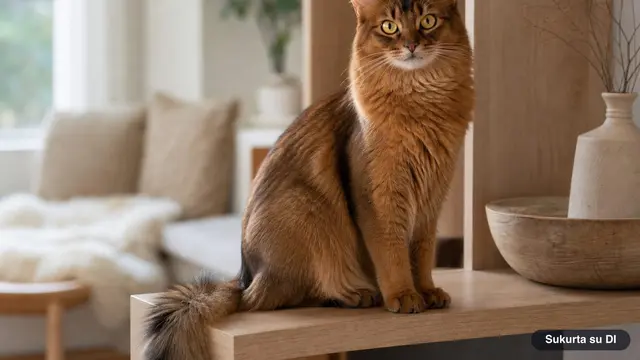 SomaliThe Somali is a long-haired Abyssinian known as the 'fox cat,' featuring a ticked semi-long coat, an active and curious personality, and specific health and grooming needs.
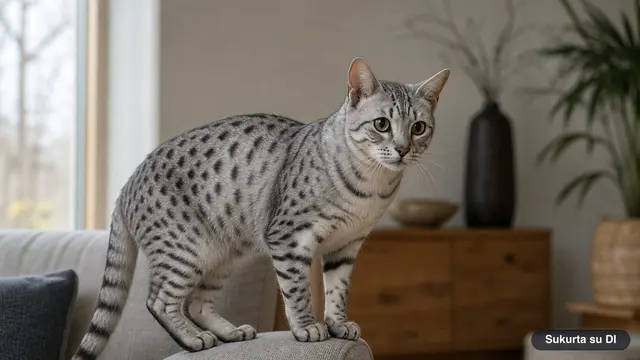 Egyptian MauThe Egyptian Mau is a naturally spotted cat known for its silver, bronze, and smoke colors, a scarab mark on its forehead, incredible running speed, and striking gooseberry green eyes.
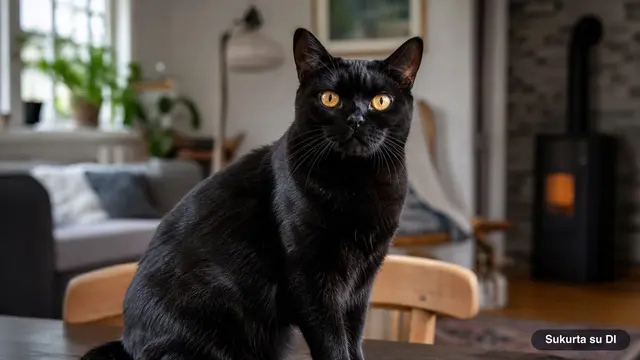 BombayThe Bombay is a "miniature black panther" with a glossy black coat and copper eyes. Learn about the American and British types, their Burmese roots, temperament, health, and care.
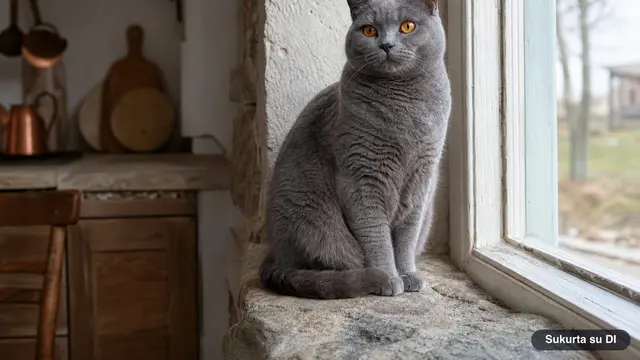 ChartreuxThe Chartreux is France's national cat, known for its woolly blue coat, "smiling" expression, copper eyes, quiet loyalty, and fascinating monastic legends.
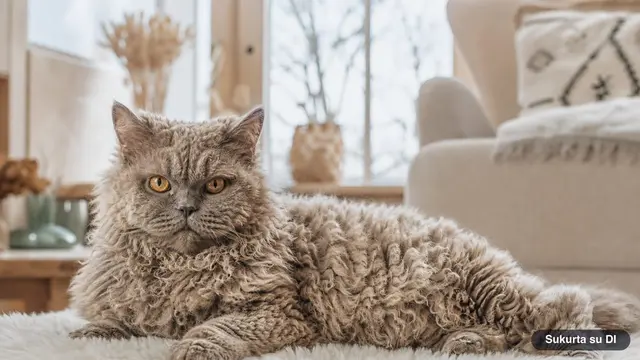 Selkirk RexKnown as the cat in sheep's clothing, the Selkirk Rex features loose curls, a sturdy build, and a sweet personality. Learn about their dominant KRT71 gene, grooming needs, and health tests.
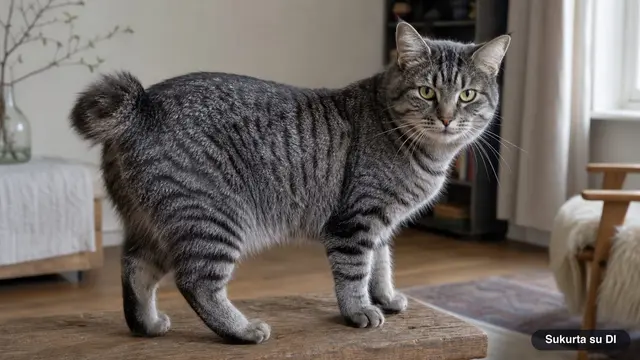 Kurilian BobtailThe Kurilian Bobtail is a natural Russian breed with a distinctive pom-pom tail, available in short and longhair varieties. Known for their hunting skills and love of water, they make great pets.
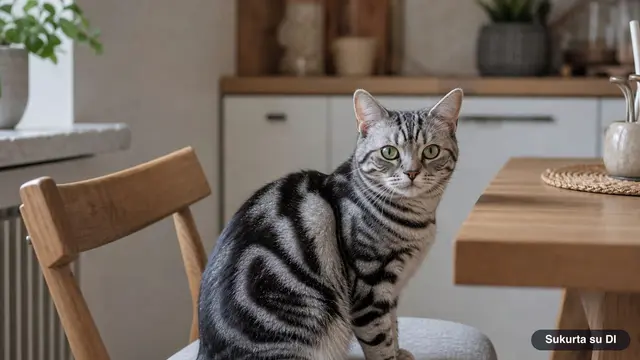 American ShorthairThe American Shorthair is a descendant of colonial ship mousers, famous for its silver tabby coat, calm and independent nature, "silent meow," and robust health.
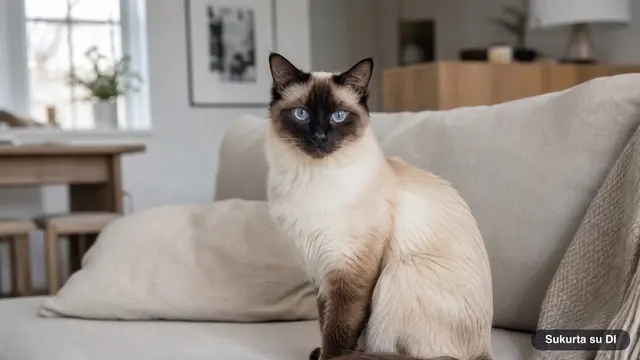 BalineseThe Balinese is a long-haired Siamese with a silky, undercoat-free coat, a plumed tail, sapphire blue eyes, and a highly intelligent, talkative personality.
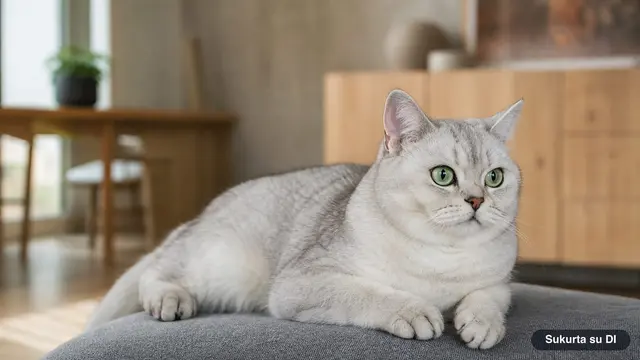 BurmillaBorn from an accidental cross between a Chinchilla Persian and a Burmese, the Burmilla boasts a sparkling silver coat, striking "makeup" lines, and a playful yet calm temperament.
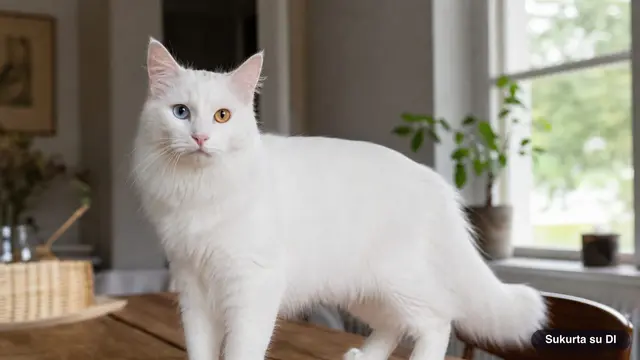 Turkish AngoraThe Turkish Angora is an ancient, natural breed from Turkey. Known as the ballerina of the cat world, they feature a silky single coat, striking eyes, and a playful, highly intelligent personality.
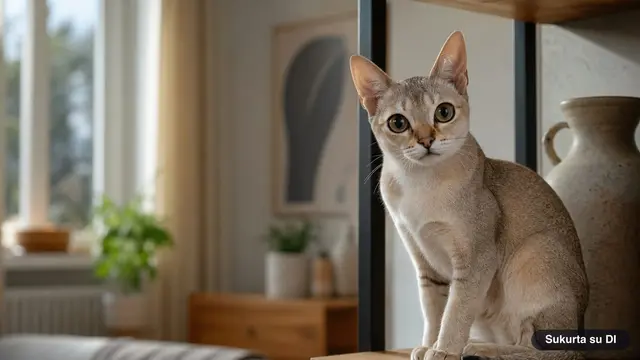 SingapuraThe Singapura is the smallest recognized cat breed, featuring a sepia ticked coat, large ears, and a playful, affectionate personality. Discover their history, health, and care needs.
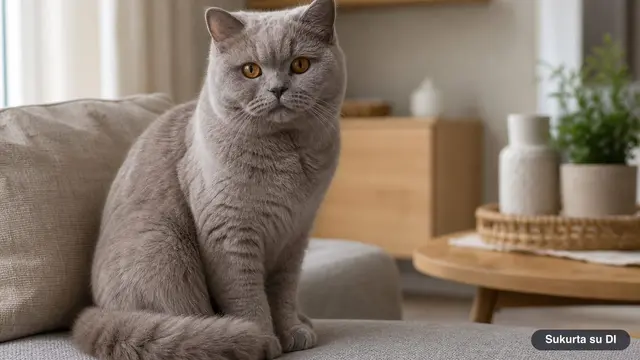 British LonghairThe British Longhair is a semi-longhaired sister to the British Shorthair, boasting Persian heritage, a calm demeanor, and a plush, easygoing nature.
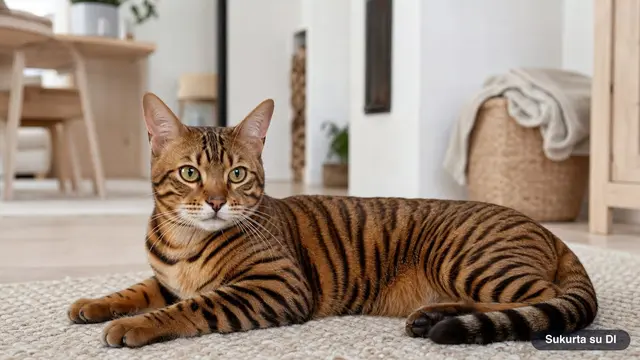 ToygerThe Toyger is a domestic cat with tiger stripes. Discover how Judy Sugden created this 'toy tiger,' the TICA standard, temperament, care, and how it differs from the Bengal.
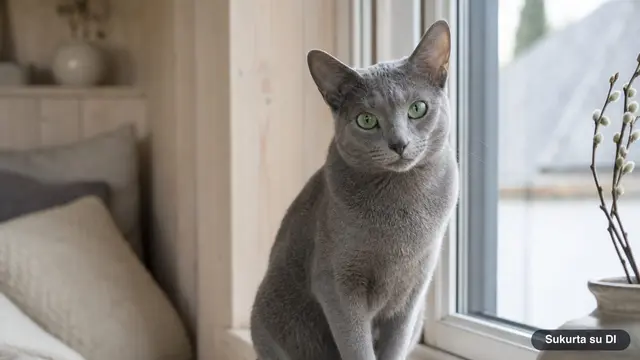 KoratDiscover the Korat, Thailand's good luck cat, featuring a shimmering silver-blue coat, a heart-shaped head, a highly intelligent personality, and specific health testing needs.
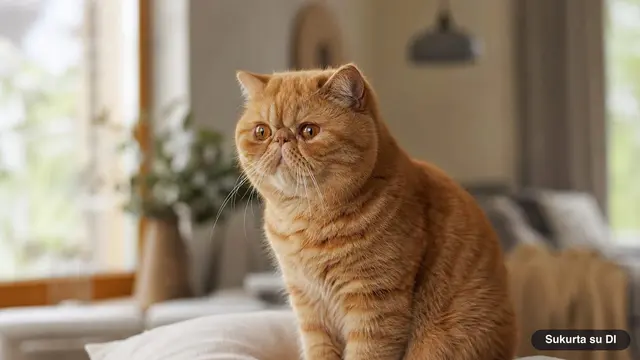 Exotic ShorthairThe Exotic Shorthair is the 'lazy man's Persian,' offering the same calm temperament and flat face but with a short, plush coat that requires less grooming.
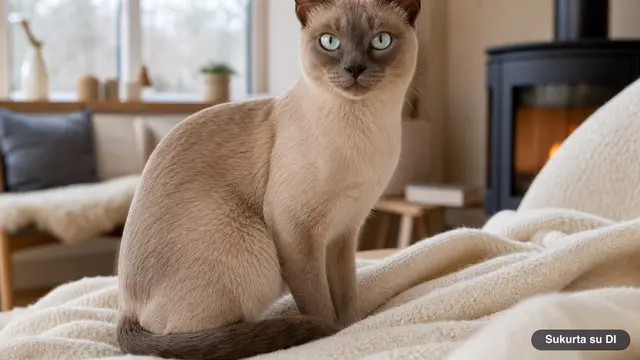 TonkineseThe Tonkinese is the happy medium between Siamese and Burmese cats, known for its mink coat, aqua eyes, and incredibly social, talkative personality.
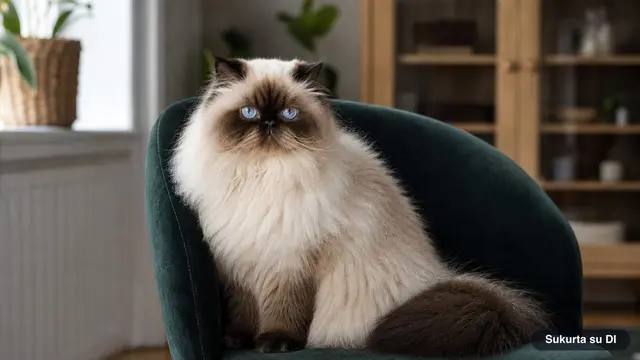 HimalayanThe Himalayan (or colorpoint Persian) combines a Persian's long coat and flat face with Siamese points and blue eyes. Discover their history, health, and daily care.
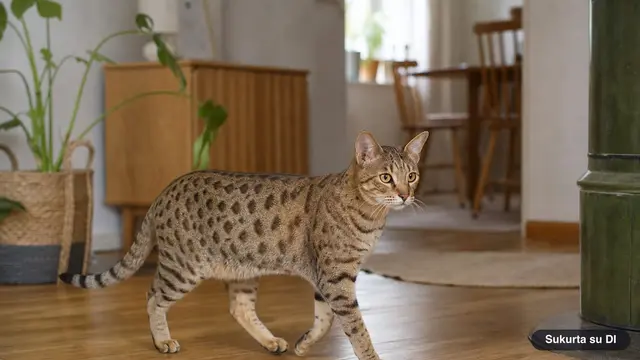 OcicatThe Ocicat is a spotted domestic cat with no wild blood, bred from Abyssinian, Siamese, and American Shorthair cats, known for its 12 colors, dog-like personality, and athletic build.
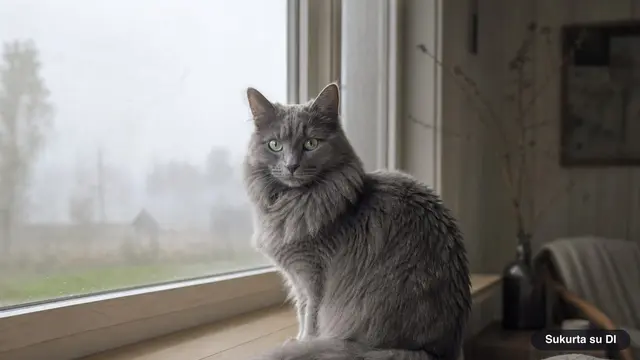 NebelungThe Nebelung is a rare "creature of the mist"—a semi-longhaired blue cat with a silvery sheen and green eyes, closely related to the Russian Blue.
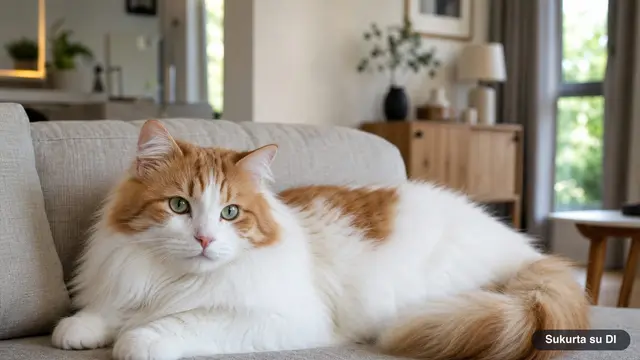 RagamuffinA close cousin to the Ragdoll, the Ragamuffin is a large, affectionate lap cat with a plush coat, known for its sweet temperament, rabbit-like fur, and easygoing nature.
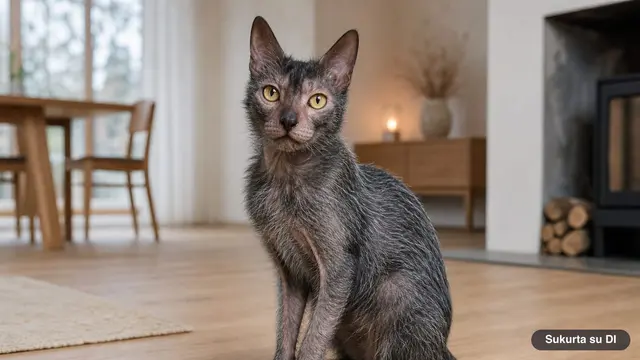 LykoiThe Lykoi is a unique breed born from a natural mutation, featuring a rare roan coat, a hairless face mask, shedding cycles, and a highly active, affectionate personality.
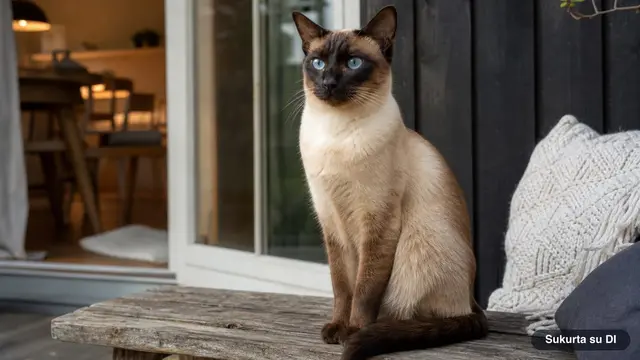 ThaiThe Thai cat (Wichien Maat) is the traditional old-style Siamese, featuring a moderate body, rounder head, dark points, and blue eyes. Discover their origins, care, and personality.
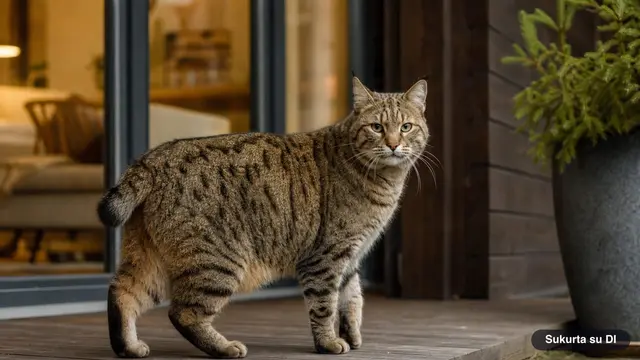 Pixie-bobThe Pixie-bob is a domestic cat resembling a wild bobcat, featuring a short tail and often extra toes. Discover the "Legend Cat" history, DNA facts, appearance, temperament, and health.
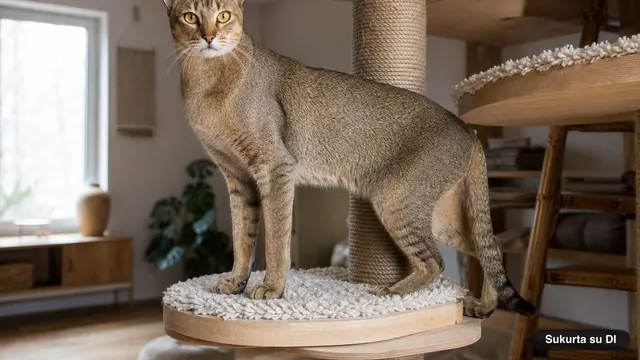 ChausieThe Chausie is a unique jungle cat hybrid. Discover their ancient Egyptian origins, TICA recognition, F1 to SBT generations, diet needs, and US legal restrictions.
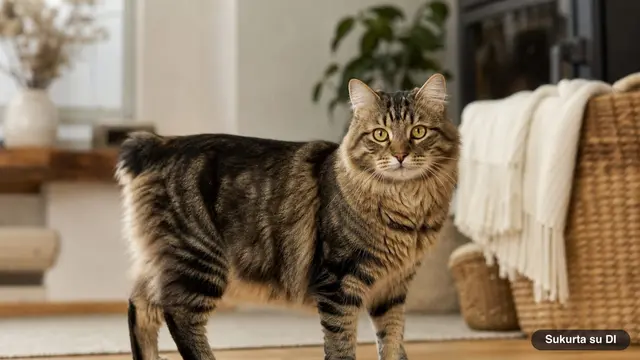 American BobtailThe American Bobtail is a large, wild-looking domestic cat with a naturally short tail. Discover their history, dominant tail gene, appearance, temperament, and care.
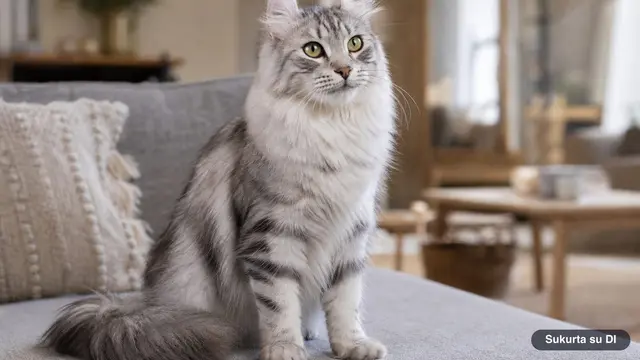 American CurlLearn all about the American Curl, a unique cat with backward-curling ears, including the dominant Cu gene, Shulamith's story, temperament, and ear care.
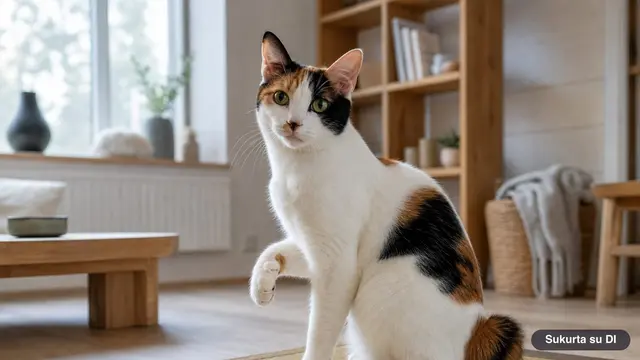 Japanese BobtailThe Japanese Bobtail is an ancient breed with a unique bunny-like tail. Learn about their history since the 6th century, the maneki-neko legend, mi-ke coloring, appearance, personality, and health.
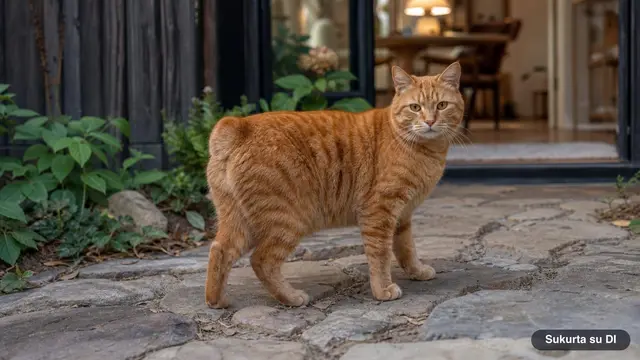 ManxThe Manx is a tailless cat from the Isle of Man. Discover their tail types (from rumpy to longy), the dominant gene, Manx syndrome, the longhaired Cymric, and their loyal, dog-like personality.
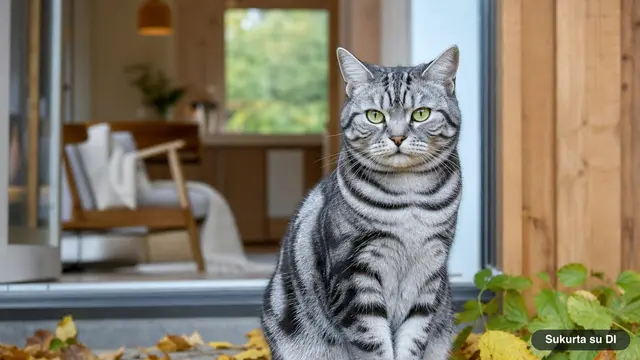 European ShorthairThe European Shorthair (or Celtic Shorthair) is the pedigreed version of the traditional European house cat: its 1982 split from the British Shorthair, appearance, temperament, and health.
Sources
- FIFe Breeding Statistics 2025 (registrations by breed and country)
- FIFe: List of recognized cat breeds and standards
- FIFe Breeding & Registration Rules (2.3.3 - kittens no earlier than 14 weeks)
- Wikipedia: List of cat breeds
- Wikipedia: Fel d 1
- Wikipedia: Siberian cat (Fel d 1 studies)
- Wikipedia: Burmese cat (lifespan)
- Wikipedia: Birman (lifespan)
- Wikipedia: Maine Coon
- Wikipedia: British Shorthair
- Wikipedia: Bengal cat
- Wikipedia: Persian cat
- Wikipedia: Hypertrophic cardiomyopathy (HCM)
- Wikipedia: Polycystic kidney disease
- CFA: Sphynx breed profile (allergens, price)
- CFA: Selkirk Rex breed profile
Log in to comment
No comments yet. Be the first.