Ragamuffin Cat: Size, Personality, Care & Health
- Ragamuffins branched off from Ragdolls in 1994 when a group of Ann Baker's IRCA breeders started their own program.
- The foundation was the IRCA Cherubim cats developed between 1971 and 1994, later outcrossed with longhaired domestic cats and Persians.
- Unlike the Ragdoll, the Ragamuffin can come in any color and pattern, and their eyes can be any solid color.
- The CFA registered the breed in 2003 and granted it championship status in 2011; FIFe does not recognize the Ragamuffin.
- They mature slowly, taking up to 4 years to reach full size, with males weighing up to 20 lbs.
This article is part of the 77.today cat breeds guide, prepared by the 77.today editors from the sources listed at the end.
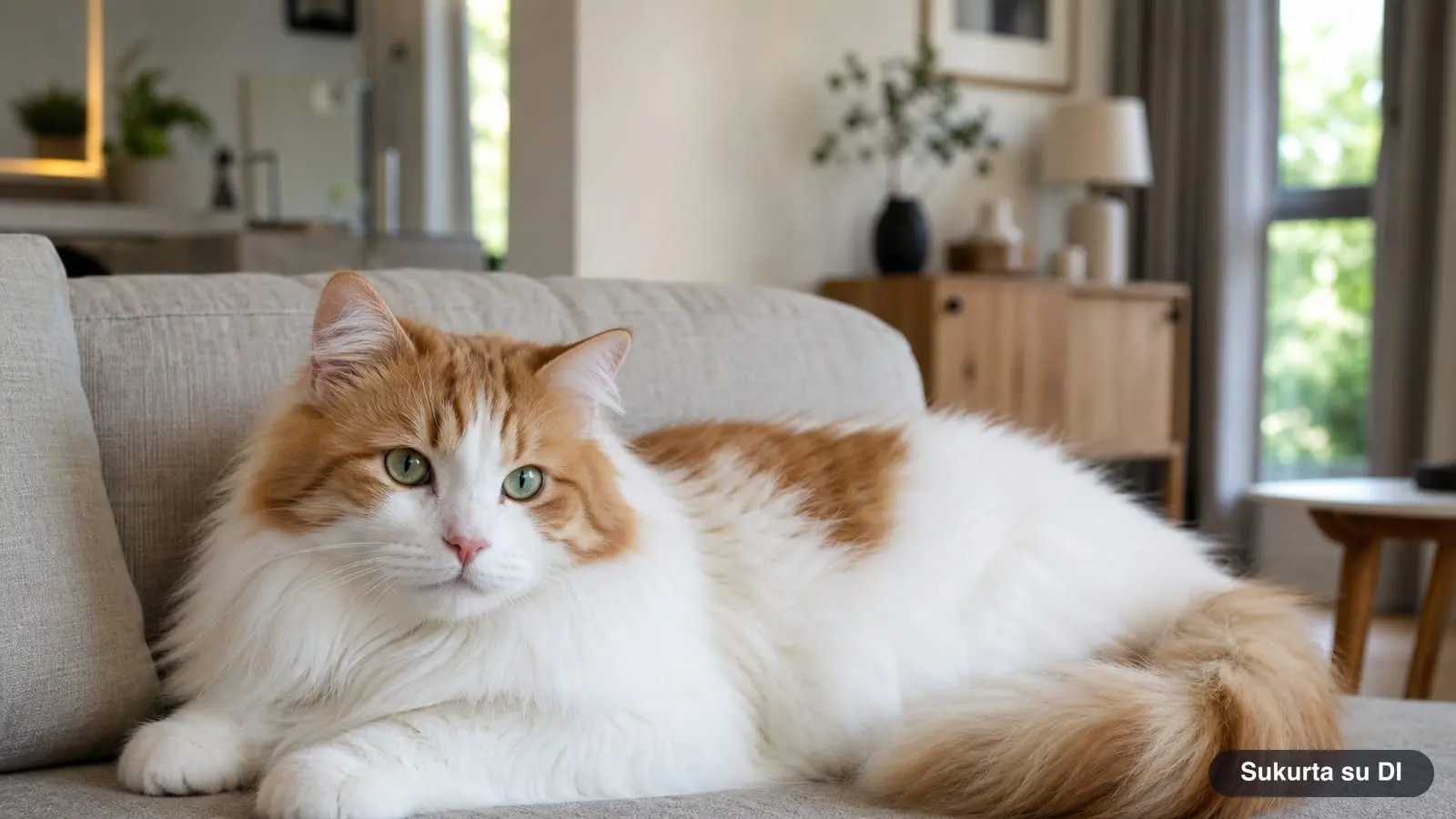
If you love the Ragdoll but wish the cat could come in any color, meet the Ragamuffin. This is a large, heavy-boned, semi-longhaired cat with a plush coat that feels like a rabbit's, large walnut-shaped eyes, and puffy whisker pads that give the face a sweet expression. The CFA writes that Ragamuffins are "built to cuddle." In our cat breed directory, you will find the Ragamuffin's origins, differences from the Ragdoll, temperament, and care requirements.
| Origin | USA, from Ann Baker's IRCA cats |
|---|---|
| Recognition | UFO and ACFA in 1994; CFA registration in 2003, championship status in 2011; GCCF; FIFe does not recognize |
| Weight | males up to ~20 lbs, females up to ~15 lbs |
| Body | rectangular, broad chest, heavy-boned |
| Head | broad modified wedge, rounded contours, nose dip |
| Coat | semi-long, dense, silky, plush |
| Colors | all colors and patterns, with or without white |
| Eyes | large, walnut-shaped, any solid color |
| Grooming | 1–2 times a week |
Ragamuffin and Ragdoll: Shared Roots, Different Paths
The history of the Ragamuffin is inseparable from the Ragdoll. In the 1960s in California, Ann Baker developed the Ragdoll, trademarked the names "Ragdoll" and "Cherubim," and founded her own IRCA registry with strict rules. The Ragdoll breed is based on IRCA lines developed between 1971 and 1975, while the Ragamuffin's foundation was a broader group of Cherubim cats developed between 1971 and 1994, including the "Miracle Ragdolls," "Honey Bears," and "Maxamillion" lines.
In 1994, a group of IRCA breeders, dissatisfied with increasing restrictions, left to create their own program. Since they could not use the old names, they renamed the cats Ragamuffins. To improve health and genetic diversity, breeders allowed limited outcrossing with longhaired domestic cats that fit the standard, and later with Persians. The UFO was the first organization to grant full championship status, followed by the ACFA that same year. The CFA accepted Ragamuffins for registration in 2003 and granted them full championship status in 2011.
All Colors and Walnut-Shaped Eyes
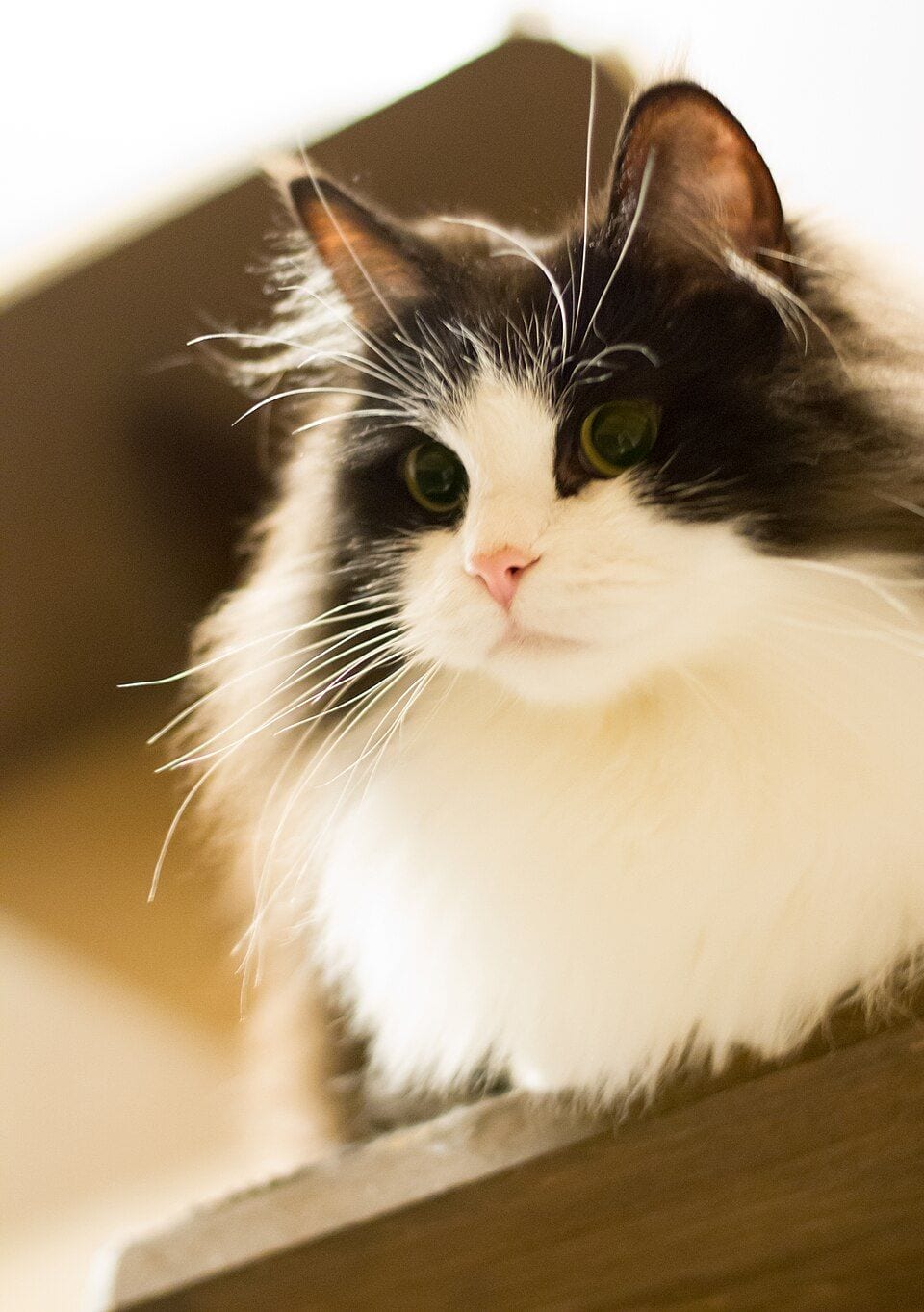
The most obvious difference from the Ragdoll is color. Ragdolls always have dark points, whereas Ragamuffins can come in any color and pattern: solid, tabby, tortoiseshell, with white patches, black, blue, red, cream, chocolate, lilac, cinnamon, or mixed. The CFA and GCCF allow pointed Ragamuffins to be registered and used in breeding programs, but they cannot be shown in championship classes. Their eyes can be any solid color, and some even have odd eyes (heterochromia). Kittens are typically born white, with their pattern developing as they grow.
The body is rectangular, with a broad chest and shoulders, and a muscular hindquarters that is just as broad as the shoulders; a fatty pad on the lower abdomen is expected. The head is a broad modified wedge with a rounded forehead, a short muzzle, and an obvious nose dip. The coat is dense and silky, growing longer around the neck and the edges of the face to form a ruff. The breed standard emphasizes that the Ragamuffin's eyes are large, round, and walnut-shaped, whereas the Ragdoll's are narrower and almond-shaped.
Temperament: A True Lap Kitten
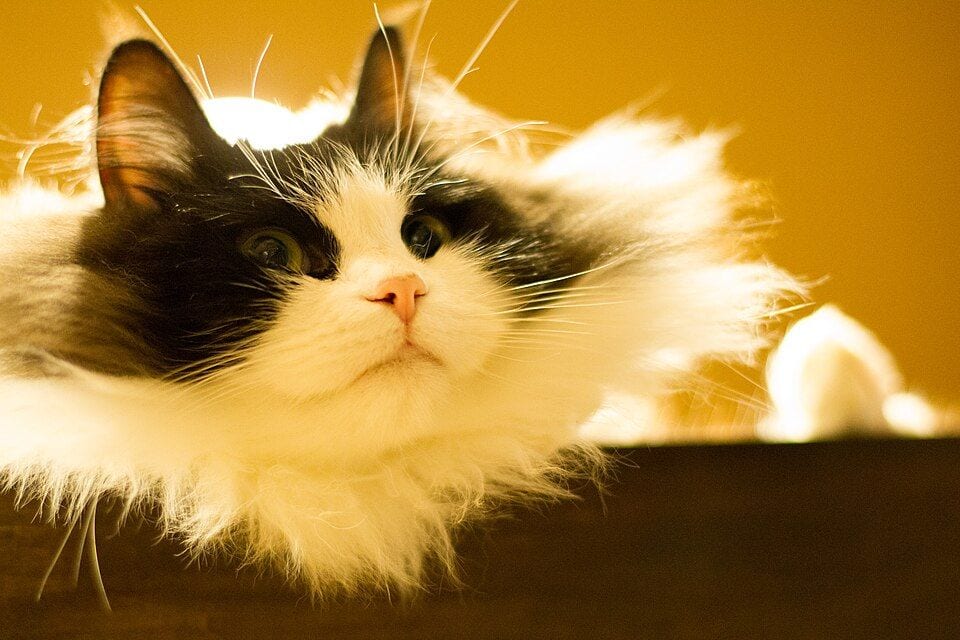
The CFA notes that Ragamuffins are known more for their sweet nature than for exceptional intelligence, though they are certainly not foolish. They are eager to please their owners, which is why many learn to walk on a harness and leash, and some will even fetch toys. While they can be playful, most are happiest playing the role of a "lap cat," spending hours cuddling with their favorite person.
Ragamuffins are incredibly easygoing, making them a perfect fit for families with young children as well as for people living alone. They are trusting of others and enjoy the company of dogs and other cats. However, because they are rarely aggressive, they should be introduced to other pets carefully to ensure they do not get bullied. They communicate in a friendly manner but are not overly vocal.
Health: A Sturdy Breed with Standard Feline Tests
The CFA points out that due to their diverse background, Ragamuffins are generally sturdy and healthy, with no known breed-specific genetic diseases. However, breeders still screen for hereditary conditions common to all cats, such as hypertrophic cardiomyopathy (HCM) and polycystic kidney disease (PKD), using genetic testing. Because Ragamuffins are related to Ragdolls, it is wise to ask about HCM testing, and due to their Persian outcrosses, PKD screening is also important. These large, calm cats can easily become overweight, so portion control is essential.
Care: Combing 1–2 Times a Week
- Coat. According to the CFA, the long coat resists matting, so combing it once or twice a week with a long-toothed comb is sufficient. Bathing is rarely necessary.
- Weight. Weigh their food portions and engage them in daily play with a wand toy or balls.
- Space. A large cat needs wide beds, sturdy scratching posts, and a generously sized litter box.
- Safety. Because they are so trusting and non-aggressive, Ragamuffins are safest living indoors or with access to a securely enclosed patio or "catio."
Ragamuffin, Ragdoll, and Birman
| Trait | Ragamuffin | Ragdoll | Birman |
|---|---|---|---|
| Colors | all | only pointed | pointed with white paws |
| Eyes | any solid color | blue | blue |
| Coat | plush | silky or plush | silky |
| FIFe | not recognized | recognized | recognized |
Daily Life with a Large, Calm Cat
A cat weighing up to 20 lbs requires different household items than an average-sized feline: a large, low-sided litter box, a heavy-duty scratching post securely anchored to the wall, and a wide, supportive bed. Because Ragamuffins are calm and less active than high-energy breeds, it is important to measure their food portions and play with them for at least a few short sessions every day to help them stay in shape. Their quiet nature does not mean they enjoy solitude; if you are away from home for long hours, their best company is another friendly cat.
How to Choose a Ragamuffin Kitten
Ragamuffins are still relatively rare, so you may need to join a waitlist or travel out of state to find a kitten. When looking for a reputable breeder, ensure they register their litters with major organizations like the CFA or ACFA, and ask what paperwork will be provided. Always request the parents' HCM and PKD health test results. Keep in mind that kittens are born light-colored, and their true pattern will develop later. As with any pet, we discussed the importance of microchipping and local registration in our guide introduction.
You can find a closely related breed in the Ragdoll profile, and read about another large, gentle semi-longhaired cat in our Maine Coon guide.
Frequently asked questions
How does the Ragamuffin differ from the Ragdoll?
A Ragdoll always has dark points and blue eyes, while a Ragamuffin can be any color and pattern, with eyes of any solid color. The Ragamuffin standard calls for walnut-shaped eyes, rounder contours between the ears, a nose dip, and a level back line, along with a plush coat. The Ragdoll has narrower, almond-shaped eyes and a head with flatter planes.
Is the Ragamuffin a good family cat?
Absolutely. The CFA notes that Ragamuffins are so easygoing they will let young children include them in tea parties or dress them up in doll clothes. They are also wonderful companions for single households.
How much does a Ragamuffin weigh?
According to the CFA, a mature male can weigh up to 20 lbs, while females can reach up to 15 lbs. The breed matures slowly, reaching its full size only at around 4 years of age.
Is a Ragamuffin's coat hard to maintain?
No. Even though their coat is long, it is tangle-resistant. The CFA recommends combing it with a long-toothed comb once or twice a week. Daily grooming is not required.
Where does the name Ragamuffin come from?
When breeders split from Ann Baker's registry, they could not use her trademarked names 'Ragdoll' and 'Cherubim.' The name 'Liebling' was initially proposed, but co-founder Curt Gehm suggested 'Ragamuffin' as a nod to the breed's origins from street cats.
Log in to comment
No comments yet. Be the first.