Dog Breeds: 50 Popular Breeds With Pictures, Size & Temperament
- Catalog of 50 Popular Dog Breeds
- The FCI Divides All Dog Breeds Into Ten Groups
- Small and Large Dog Breeds Differ by More Than Just Weight
- A Breed's Original Purpose Reveals a Lot About Its Temperament
- There Are No Truly Hypoallergenic Dog Breeds
- Breed-Specific Legislation and Insurance Restrictions Vary by State
- Microchipping and Licensing Rules Vary by County
- Finding a Reputable Breeder vs. Puppy Mills and Pet Stores
- Choose a Dog Breed Based on Your Lifestyle, Not Just Looks
- A Responsible Breeder Provides the Parents' Health Clearances
- Respiratory Issues in Short-Snouted Dogs Are a Common Breed Problem
- A Puppy's First Months Shape Their Temperament for Life
- Adopting Through Shelters and Breed-Specific Rescues
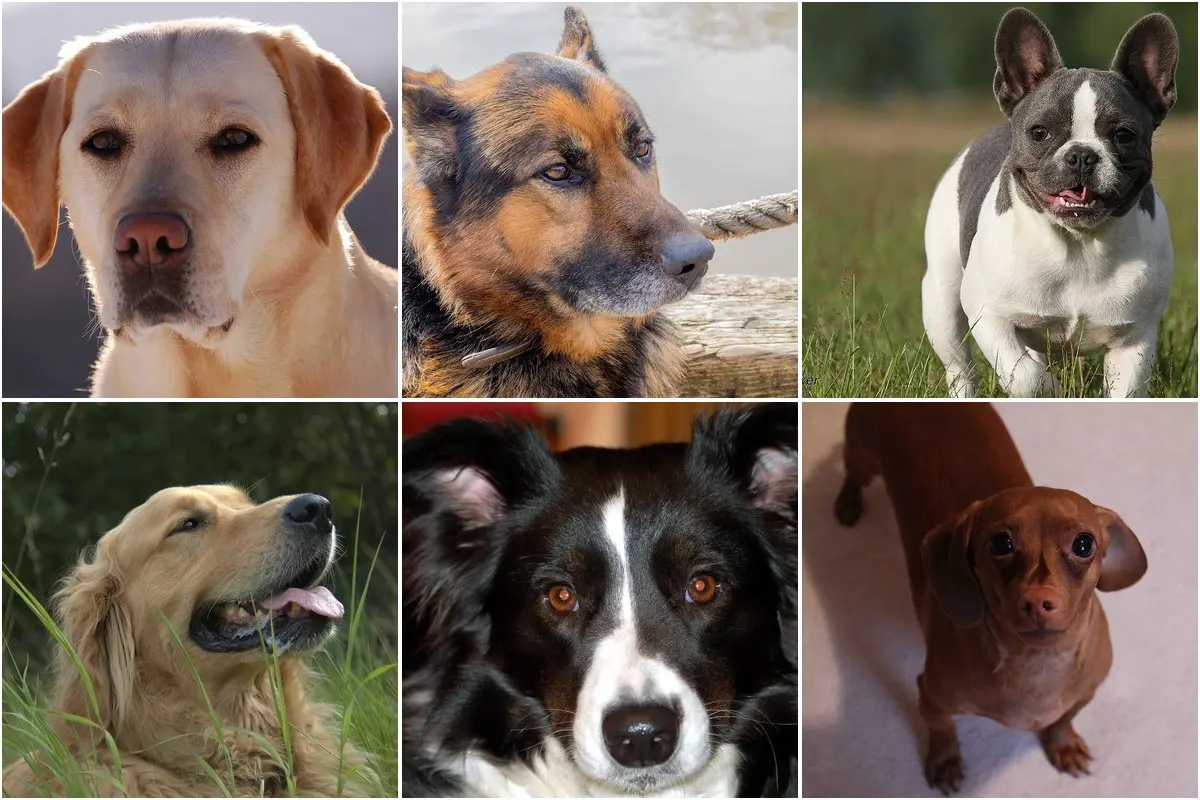
Dogs live in millions of homes across the country, and increasingly, they are not just yard guardians but specific breed family members—like a Labrador Retriever, German Shepherd, or French Bulldog. A breed determines more than just appearance: it tells you a lot about a dog's energy levels, trainability, grooming needs, adult size, and hereditary health conditions. This dog breed guide is a catalog where 50 popular breeds are described using a consistent format: origin and history, appearance and standard, temperament, health and genetic tests, care, who the breed is best suited for, and how to choose a puppy. We have listed 50 of the most popular breeds people search for, and in each profile, you will find real photos of the breed from Wikimedia Commons.
Catalog of 50 Popular Dog Breeds
The table below lists all the breeds in our guide. We indicate size generally: toy / very small – up to 9 lbs, small – up to 22 lbs, medium – 22–65 lbs, large – 65–100 lbs, and extra-large / giant – over 100 lbs. The FCI column shows the Fédération Cynologique Internationale breed group; "unrecognized" means the FCI has not included this breed or mixed breed in its nomenclature.
| Breed | Origin | Size | FCI |
|---|---|---|---|
| Labrador Retriever | Great Britain | large | Group 8 |
| German Shepherd | Germany | large | Group 1 |
| Cane Corso | Italy | extra-large | Group 2 |
| Poodle | France (FCI) | small to large | Group 9 |
| Golden Retriever | Great Britain | large | Group 8 |
| French Bulldog | France | small | Group 9 |
| Shiba Inu | Japan | small | Group 5 |
| Chihuahua | Mexico | toy / very small | Group 9 |
| Doberman Pinscher | Germany | large | Group 2 |
| Border Collie | Great Britain | medium | Group 1 |
| Dachshund | Germany | small | Group 4 |
| Yorkshire Terrier | Great Britain | toy / very small | Group 3 |
| Maltipoo and other Poodle mixes | – | small | unrecognized |
| Siberian Husky | Russia (Chukotka) | medium | Group 5 |
| Pomeranian | Germany | toy / very small | Group 5 |
| Beagle | Great Britain | small to medium | Group 6 |
| Belgian Malinois | Belgium | large | Group 1 |
| Akita | Japan | extra-large | Group 5 |
| Bernese Mountain Dog | Switzerland | extra-large | Group 2 |
| Caucasian Shepherd Dog | Caucasus | extra-large | Group 2 |
| Cavalier King Charles Spaniel | Great Britain | small | Group 9 |
| Lithuanian Hound | Lithuania | large | unrecognized |
| Great Dane | Germany | giant | Group 2 |
| English Bulldog | Great Britain | medium | Group 2 |
| Pug | China | small | Group 9 |
| Pembroke Welsh Corgi | Great Britain | small to medium | Group 1 |
| Samoyed | Russia (Siberia) | medium | Group 5 |
| Saint Bernard | Switzerland | giant | Group 2 |
| West Siberian Laika | Russia | medium | Group 5 |
| Australian Shepherd | USA | medium | Group 1 |
| Rottweiler | Germany | extra-large | Group 2 |
| English Cocker Spaniel | Great Britain | medium | Group 8 |
| Bichon Frise | Belgium, France | small | Group 9 |
| Central Asian Shepherd Dog (Alabai) | Central Asia | extra-large | Group 2 |
| Staffordshire Bull Terrier | Great Britain | medium | Group 3 |
| Jack Russell Terrier | Great Britain | small | Group 3 |
| Shih Tzu | Tibet | small | Group 9 |
| Pekingese | China | small | Group 9 |
| Bull Terrier | Great Britain | medium | Group 3 |
| Maltese | Mediterranean region | toy / very small | Group 9 |
| Newfoundland | Canada | giant | Group 2 |
| Schnauzer | Germany | small to large | Group 2 |
| Whippet | Great Britain | medium | Group 10 |
| Alaskan Malamute | USA (Alaska) | large | Group 5 |
| Tibetan Mastiff | Tibet | giant | Group 2 |
| Brussels Griffon | Belgium | toy / very small | Group 9 |
| Weimaraner | Germany | large | Group 7 |
| Boston Terrier | USA | small | Group 9 |
| American Pit Bull Terrier | USA | medium | unrecognized |
| Boxer | Germany | large | Group 2 |
The FCI Divides All Dog Breeds Into Ten Groups
The world's largest canine organization, the Fédération Cynologique Internationale (FCI), unites national kennel clubs from nearly a hundred countries. While the American Kennel Club (AKC) and United Kennel Club (UKC) are the primary registries in the US and operate with their own group systems, the FCI standard is widely recognized internationally. Under the FCI nomenclature, breeds are divided into ten groups based on their origin and the work they were bred to do:
- Sheepdogs and Cattledogs – German Shepherd, Border Collie, Belgian Malinois, Pembroke Welsh Corgi, Australian Shepherd.
- Pinschers and Schnauzers, Molossoid and Swiss Mountain Dogs – Doberman Pinscher, Cane Corso, Rottweiler, Bernese Mountain Dog, Saint Bernard, Boxer.
- Terriers – Yorkshire Terrier, Jack Russell Terrier, Staffordshire Bull Terrier, Bull Terrier.
- Dachshunds – the only single-breed group: Dachshund.
- Spitz and Primitive types – Shiba Inu, Siberian Husky, Akita, Samoyed, Alaskan Malamute, Pomeranian.
- Scenthounds and related breeds – Beagle.
- Pointing Dogs – Weimaraner.
- Retrievers, Flushing Dogs, and Water Dogs – Labrador Retriever, Golden Retriever, English Cocker Spaniel.
- Companion and Toy Dogs – Poodle, French Bulldog, Chihuahua, Pug, Shih Tzu, Bichon Frise, Maltese.
- Sighthounds – Whippet.
Not all popular breeds are in the FCI nomenclature. The American Pit Bull Terrier is recognized by American organizations like the UKC and ADBA, the Maltipoo is a mixed breed without a standard, and the Lithuanian Hound—a unique regional hound—has a local standard but is still awaiting full FCI recognition.
Small and Large Dog Breeds Differ by More Than Just Weight
Size determines almost everything: how much space a dog needs, the cost of their food and medications, their lifespan, and the health conditions they might face. The smallest dogs weigh just 2 to 6 lbs, while males of the largest breeds can weigh 150 to 180 lbs or more.
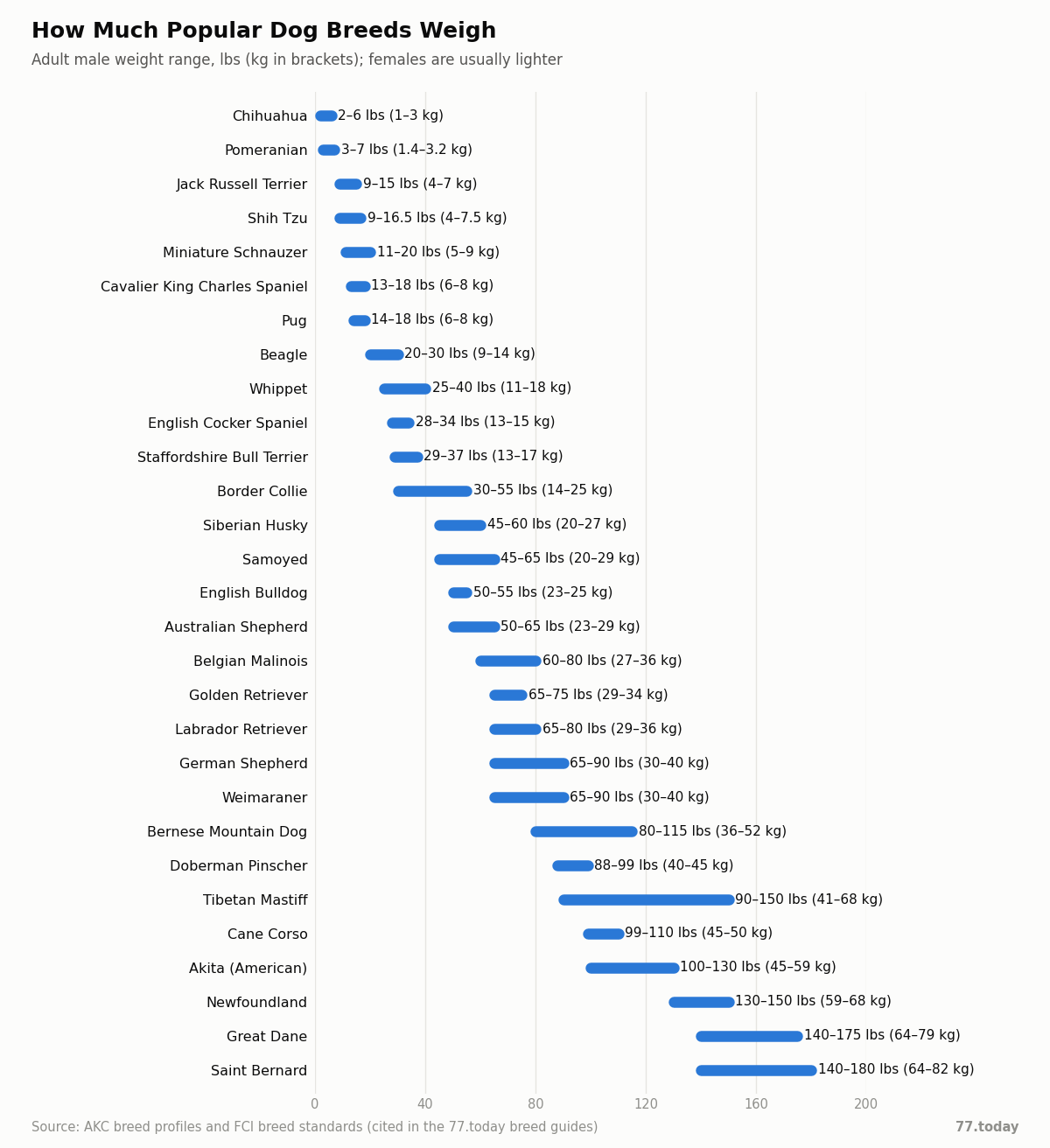
Small dog breeds are often chosen for apartment living due to convenience: the Chihuahua, Pomeranian, Yorkshire Terrier, Maltese, Brussels Griffon, Shih Tzu, Pug, and French Bulldog. However, small doesn't always mean calm—a Jack Russell Terrier or Yorkshire Terrier has just as much energy as a herding dog. Small dogs are more prone to luxating patellas, dental issues, and tracheal collapse, and they can easily injure themselves falling from a couch or someone's arms.
Large dog breeds—like the Labrador Retriever, German Shepherd, Cane Corso, Rottweiler, Bernese Mountain Dog, Great Dane, Saint Bernard, and Newfoundland—require not only space but also consistent training from a young age. A 110 lb dog that doesn't know how to heel quickly becomes a problem. Their puppies grow rapidly, so it is crucial to provide large-breed specific food and moderate exercise to protect their joints. Large breeds are more susceptible to hip and elbow dysplasia, as well as dangerous gastric dilatation-volvulus (bloat).
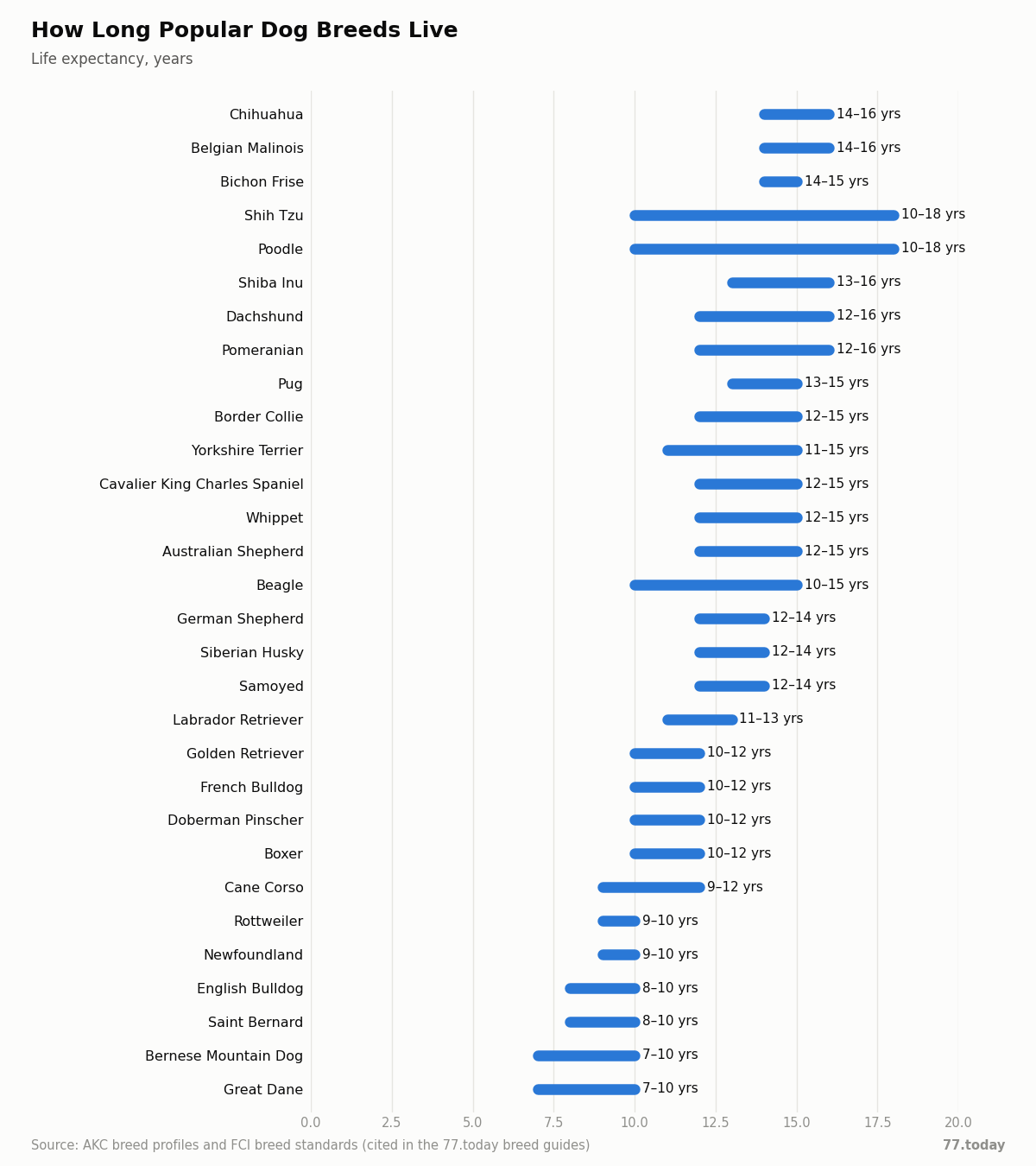
The differences in lifespan are significant: most small breeds live 12 to 16 years, while giant breeds may only live 7 to 10 years. The Bernese Mountain Dog and Great Dane have particularly short lifespans. Short-snouted dogs—like the French Bulldog, English Bulldog, and Pug—even though they are small, often suffer from respiratory issues that can shorten their lives and reduce their quality of life.
A Breed's Original Purpose Reveals a Lot About Its Temperament
Most breeds were developed for a specific job, and those instincts haven't disappeared, even if the dog lives in a city apartment. Therefore, when choosing a breed, first look into what its ancestors were bred to do.
- Herding dogs – Border Collie, Australian Shepherd, Pembroke Welsh Corgi, German Shepherd, Belgian Malinois – constantly monitor their environment, love having a job, and will invent one if they don't: they might try to "herd" children or cyclists. They need mental stimulation just as much as physical exercise.
- Hunting dogs – Beagle, Lithuanian Hound, West Siberian Laika, Weimaraner, English Cocker Spaniel, Dachshund – have a strong tracking or chasing instinct. If let off the leash in an unfenced area, they might follow a scent and ignore your calls.
- Guard and livestock protection dogs – Caucasian Shepherd Dog, Central Asian Shepherd Dog (Alabai), Tibetan Mastiff, Cane Corso, Rottweiler – are independent, wary of strangers, and decide for themselves what constitutes a threat. They require early socialization and an experienced owner.
- Sled dogs – Siberian Husky, Alaskan Malamute, Samoyed – are highly enduring, love to run, and are often prone to escaping. They thrive in the cold but have a hard time handling summer heat.
- Companions – Cavalier King Charles Spaniel, Bichon Frise, Shih Tzu, Pekingese, Maltese, Brussels Griffon – were bred to be by a person's side, so companionship is their top priority, rather than long hikes.
There Are No Truly Hypoallergenic Dog Breeds
"Hypoallergenic dogs" is one of the most common search terms, but allergy researchers emphasize that no such breeds exist. Allergens are proteins found in a dog's saliva and dander, meaning all dogs produce them, even hairless ones. Recent studies have found no significant differences between breeds, and in one study, the coats of so-called hypoallergenic dogs actually contained more of the allergen, while the air and floors had the same amount.
However, low-shedding dogs—like the Poodle, Bichon Frise, Maltese, Shih Tzu, Schnauzer, Yorkshire Terrier, and Maltipoo—drop less hair around the house, and some allergy sufferers tolerate a specific dog better than others. If you have allergies, spend time with the specific dog several times before bringing them home, and consult with an allergist. Keep in mind that non-shedding coats require regular clipping and brushing.
Breed-Specific Legislation and Insurance Restrictions Vary by State
In the United States, there is no federal list of dangerous or banned dog breeds. However, breed-specific legislation (BSL) is enforced at the local level in many cities and counties. These ordinances can range from mandatory spay/neuter and strict containment rules to outright bans on owning certain breeds. Breeds most commonly targeted by BSL include the American Pit Bull Terrier, Staffordshire Bull Terrier, American Bulldog, and various mastiff types, as well as mixes of these breeds.
Even if your local government does not restrict specific breeds, homeowners and renters insurance policies often do. Insurance companies may deny coverage or charge higher premiums if you own a breed they classify as high-risk. Common restrictions apply to:
- Restricted Breeds: Insurer lists differ, but large guardian and bully-type breeds such as the Rottweiler, Doberman Pinscher and Cane Corso frequently appear on them. Ask your insurer before you commit to a breed.
- Housing Rules: Landlords and property management companies frequently have their own breed and weight restrictions.
- Liability: Owners of powerful breeds must be prepared for the added responsibility of securing their property and ensuring safe public walks.
Breeds like the Bull Terrier or Central Asian Shepherd Dog (Alabai) might not be banned everywhere, but the responsibility for managing a strong, protective dog's behavior always falls entirely on the owner.
Microchipping and Licensing Rules Vary by County
In the US, dog licensing and microchipping requirements are determined by state and local county laws. Most jurisdictions require dogs to be licensed annually and vaccinated against rabies by the time they are 3 to 4 months old. While microchipping is not universally mandated by law, it is strongly recommended by veterinarians, shelters, and rescues nationwide. A microchip provides permanent identification, significantly increasing the chances of a lost dog being returned home. When adopting or buying a puppy, check if they are already microchipped, and always remember to register the chip's number with your current contact information in a national database.
Finding a Reputable Breeder vs. Puppy Mills and Pet Stores
When looking for a purebred puppy in the US, navigating the difference between reputable breeders, backyard breeders, and puppy mills is crucial for animal welfare. The AKC and other organizations set breeding standards, but it is up to the buyer to do their due diligence:
- Puppies should never be separated from their mother before they are 8 weeks old.
- Reputable breeders focus on health and temperament, carefully selecting mating pairs to avoid passing down genetic diseases.
- A good breeder will raise puppies in their home, not in outdoor kennels or cages, ensuring early socialization.
- Avoid pet stores and online brokers, as they frequently source puppies from commercial breeding facilities (puppy mills) where dogs are kept in poor conditions.
- Responsible breeders will always take a dog back at any point in its life if you can no longer care for it.
- Adoption is always a great alternative; local shelters and breed-specific rescues have many wonderful purebreds and mixed breeds waiting for a home.
Choose a Dog Breed Based on Your Lifestyle, Not Just Looks
The biggest disappointments happen when a dog is chosen solely from a picture. Before making a decision, answer a few key questions:
- How much time can you dedicate to exercise? The Border Collie, Belgian Malinois, Australian Shepherd, Siberian Husky, and Weimaraner need several hours of vigorous activity every day. Calmer companions include the Cavalier King Charles Spaniel, Bichon Frise, Pug, and Pekingese.
- How many hours will the dog be alone? Breeds that are deeply attached to their humans will get bored, bark, or destroy things if left alone for long periods.
- Do you have experience? Independent and powerful dogs—like the Akita, Caucasian Shepherd Dog, Central Asian Shepherd Dog (Alabai), Tibetan Mastiff, and Shiba Inu—will be a challenge for a beginner. The Labrador Retriever, Golden Retriever, and Poodle are generally easier to train.
- How big is your home and car? A giant dog needs space not only in the house but also when traveling.
- How much time will you spend on grooming? Poodles, Shih Tzus, and Yorkies require regular clipping, while the Samoyed, Alaskan Malamute, and Siberian Husky shed intensely several times a year.
- Are there children or other pets in the home? Hunting dogs and some terriers may have a high prey drive and chase cats.
A Responsible Breeder Provides the Parents' Health Clearances
Every breed is prone to certain hereditary diseases, which is why the parents must be health-tested before breeding. For large breeds, this means X-rays for hip and elbow dysplasia; for many breeds, it includes eye exams and DNA tests (such as for degenerative myelopathy, progressive retinal atrophy, or MDR1 drug sensitivity). The parents of short-snouted breeds—like French and English Bulldogs, Pugs, and Boston Terriers—should be evaluated for brachycephalic obstructive airway syndrome; dogs that struggle to breathe should not be bred.
You can recognize a reliable breeder because they will willingly show you the health test results and introduce you to the puppy's mother. The puppy will not go home before 8 weeks of age, will be vaccinated and microchipped, and will come with registration papers and veterinary records. If the price is significantly lower than average, or if the seller offers to meet you in a parking lot to hand over the puppy, it is a major red flag. Shelters and rescues also have many purebreds and mixed breeds waiting for homes—this is always a worthy alternative.
Respiratory Issues in Short-Snouted Dogs Are a Common Breed Problem
The French Bulldog, Pug, and English Bulldog charm people with their "baby-like" appearance, but a flat face comes at a cost. Brachycephalic obstructive airway syndrome (BOAS) consists of several anatomical abnormalities: narrowed nostrils, an elongated soft palate, a narrow trachea, and everted laryngeal saccules. It most commonly affects these breeds: the English Bulldog, French Bulldog, Pug, and Boston Terrier; less frequently, the Pekingese, Shih Tzu, Cavalier King Charles Spaniel, Boxer, and Brussels Griffon.
These dogs snore, tire quickly, and struggle to breathe in the heat and during physical exertion; some even require surgery. Some owners consider these symptoms normal for the breed and only consult a vet after a severe episode. In the Netherlands, the kennel club restricted the registration of twelve dog breeds in 2020 based on muzzle length due to this exact issue. When choosing a short-snouted puppy, it is worth looking for a breeder who strives for a more moderate muzzle and open nostrils, and you must avoid walking such a dog for long periods in the summer heat.
A Puppy's First Months Shape Their Temperament for Life
Even a puppy from the best parents can grow up to be fearful or aggressive if they don't experience the world during their youth. A puppy needs to safely encounter various people, children, other dogs, city noises, traffic, and the veterinary clinic. Good breeders start this work at home, and the new owners just need to continue it: short daily training sessions, gentle reward-based methods, and puppy socialization classes yield much better results than harsh discipline.
It is equally important to vaccinate your puppy on time, deworm them regularly, and protect them from ticks and fleas—consult your veterinarian for the proper vaccination schedule. Large breed puppies should avoid long runs and high jumps during their first few months, while small breeds should be discouraged from jumping off furniture. Clear rules from day one help the dog understand what is expected of them and prevent behavioral problems that are much harder to fix later.
Adopting Through Shelters and Breed-Specific Rescues
While buying a puppy from a reputable breeder is one option, adopting a dog is an incredibly rewarding alternative. Across the US, animal shelters and breed-specific rescues are filled with wonderful dogs looking for a second chance. If you have your heart set on a specific breed, from a Beagle to a Doberman Pinscher, you can often find dedicated rescue organizations that specialize in rehoming them.
Adopting an older dog means you often skip the challenging puppy phase, and the rescue can give you a clear picture of the dog's adult temperament and energy level. You can find the rest of our pet guides in the cat breeds section, where 50 of the most popular cat breeds are described using the same comprehensive approach.
Frequently asked questions
What are the most popular dog breeds?
The American Kennel Club (AKC) registration rankings consistently show the French Bulldog at the top, followed closely by the Labrador Retriever, Golden Retriever, German Shepherd, and Dachshund. Other highly searched breeds include the Cane Corso and Poodle.
Are there any truly hypoallergenic dog breeds?
No. All dogs produce allergens in their saliva and dander, so even a hairless dog isn't completely safe for allergy sufferers. Studies haven't found significant differences between breeds, but low-shedding dogs like the Poodle, Bichon Frise, Maltese, and Shih Tzu leave less hair around the house. It is always best to spend time with a specific dog before bringing them home.
Are certain dog breeds restricted or banned?
Yes, breed-specific legislation (BSL) varies widely by city, county, and state across the US. Breeds commonly affected by local ordinances or homeowners insurance restrictions include the American Pit Bull Terrier, Staffordshire Bull Terrier, Rottweiler, and various mastiff types. Always check your local laws and housing agreements before getting a dog.
Is it mandatory to microchip and license my dog?
Microchipping and licensing requirements vary by state and county. While many local jurisdictions require all dogs to be licensed and vaccinated against rabies, microchipping is highly recommended by veterinarians and shelters nationwide to ensure your pet can be safely returned if lost. Some cities do mandate microchipping, so check your local ordinances.
What are the smallest and largest dog breeds?
The smallest recognized breed is the Chihuahua, typically weighing 2 to 6 lbs. The tallest dogs are Great Danes, with males standing 30 to 32 inches at the shoulder. The heaviest breeds include the Saint Bernard, Great Dane, and Newfoundland, with males often weighing between 130 and 180 lbs.
How long do dogs live?
Most dogs live 10 to 14 years, but this varies greatly by breed. Small breeds like the Chihuahua, Shih Tzu, Poodle, and Dachshund often reach 15 years or more. Giant breeds like the Great Dane, Saint Bernard, and Bernese Mountain Dog typically have a shorter lifespan of 7 to 10 years.
What is the difference between a purebred dog and a mixed breed?
A purebred dog has a pedigree registered with a recognized organization like the AKC or UKC, documenting its lineage. A mixed breed or a dog without papers may look similar, which isn't necessarily a bad thing, but it doesn't offer the same predictability regarding adult size, temperament, and parental health clearances.
How can I ensure I am buying a puppy from a reputable breeder?
A reputable breeder prioritizes the health and temperament of their dogs over profit. They will happily show you the parents' health test results, allow you to meet the mother, provide a clear contract, and never sell through pet stores or puppy mills. Good breeders also keep puppies with their mother until they are at least 8 weeks old.
All parts of the guide
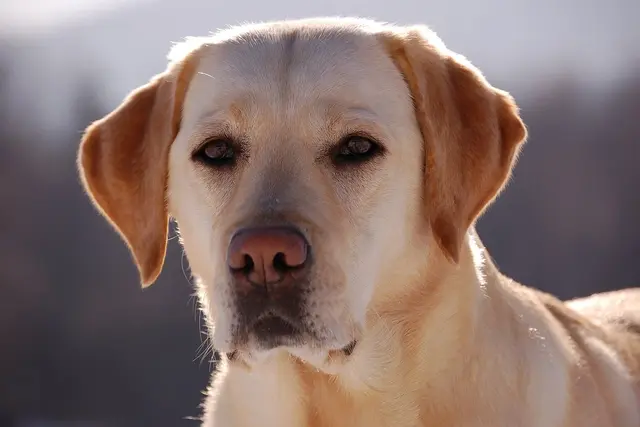 Labrador RetrieverThe Labrador Retriever is a friendly, energetic dog originally from Newfoundland. Discover their history, size, three standard colors, temperament, health risks, and how to find a reputable breeder.
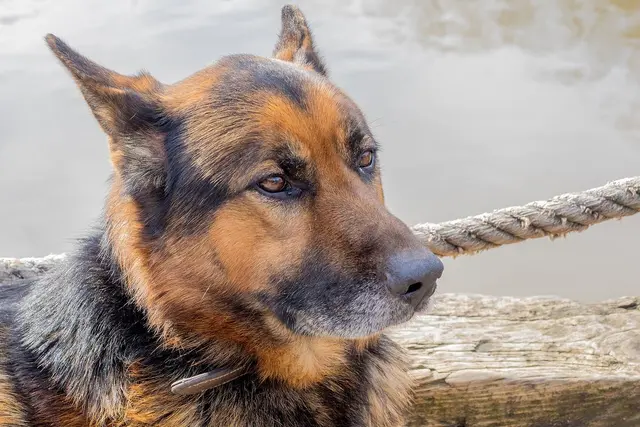 German ShepherdThe German Shepherd is a versatile working dog: learn about Max von Stephanitz, coat types, temperament, health risks, training, and how to choose a puppy.
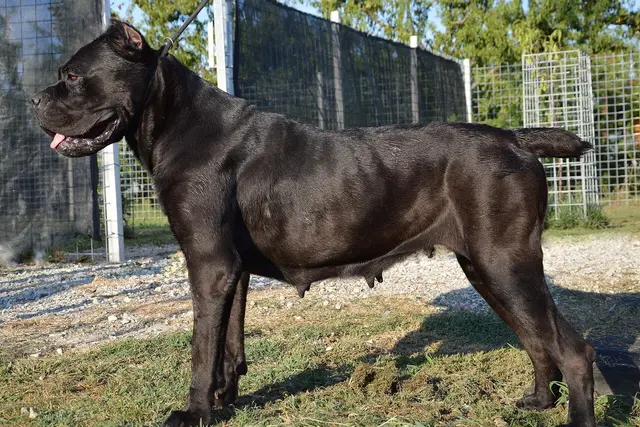 Cane CorsoThe Cane Corso is a powerful mastiff-type guardian from Southern Italy. Learn about their history, size, colors, temperament, health, and what to know before buying.
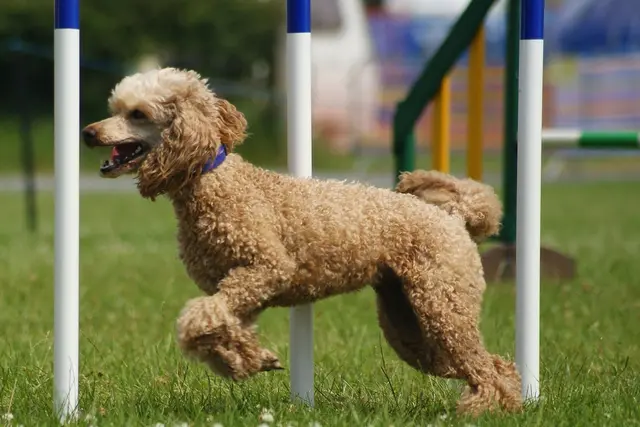 PoodleThe Poodle is a smart, curly-coated water dog available in Standard, Miniature, and Toy sizes. Discover their history, temperament, grooming needs, and how to find a reputable breeder.
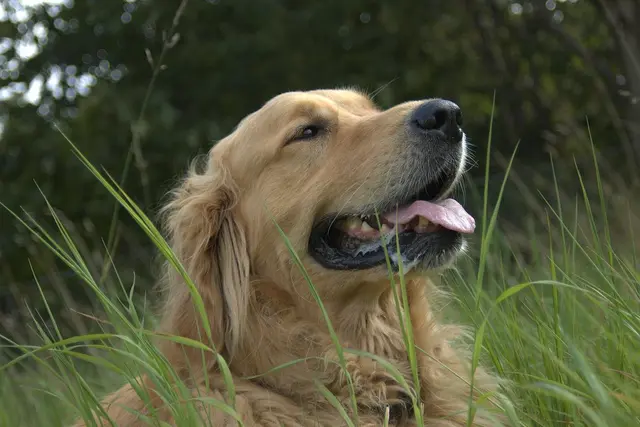 Golden RetrieverThe Golden Retriever is a gentle Scottish hunting dog. Discover Lord Tweedmouth's breeding records, their appearance, temperament, health tests, grooming needs, and how to choose a reputable puppy.
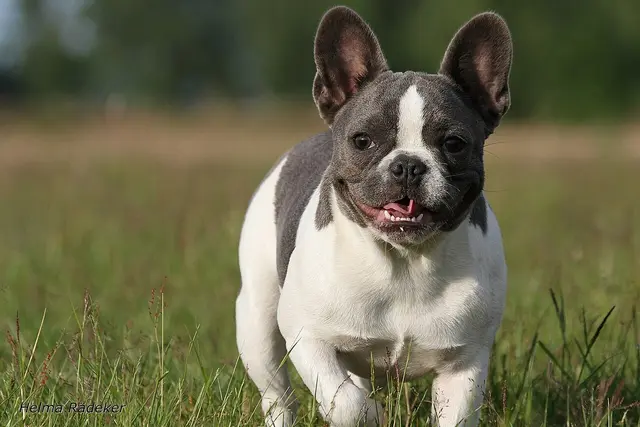 French BulldogA small companion with bat ears, the French Bulldog boasts a rich history from Nottingham to Paris. Discover their temperament, flat-faced health issues, care needs, and tips for choosing a puppy.
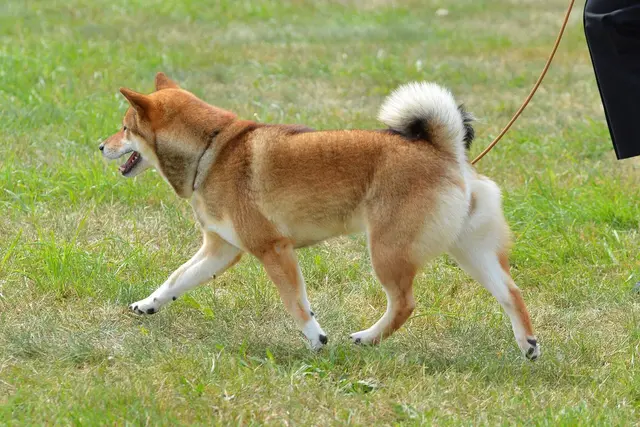 Shiba InuThe Shiba Inu is the smallest ancient Japanese breed, known for its fox-like appearance, urajiro markings, independent nature, and heavy shedding.
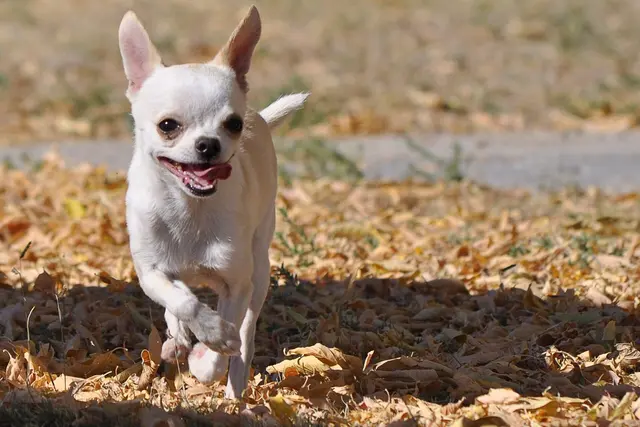 ChihuahuaThe Chihuahua is a tiny Mexican breed with ancient roots, featuring an apple-dome head, smooth or long coats, a bold personality, and specific health needs to watch out for.
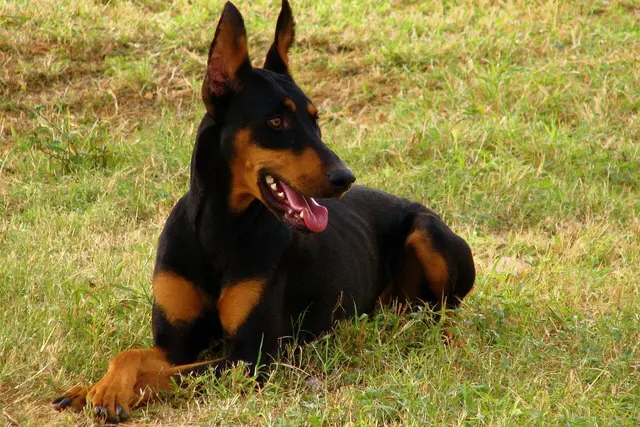 Doberman PinscherThe Doberman Pinscher is an elegant German guardian bred in the late 19th century by tax collector Louis Dobermann: history, size, colors, temperament, and health.
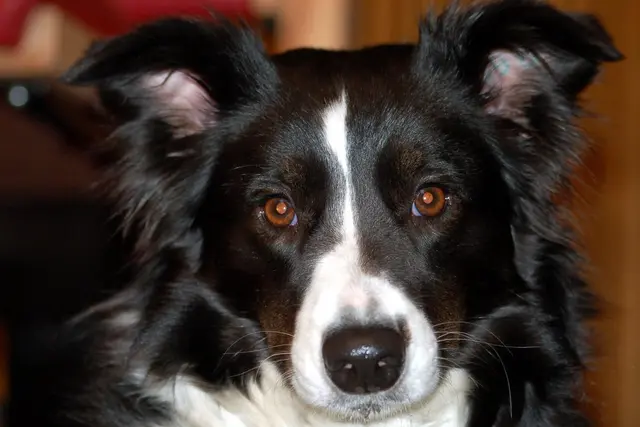 Border CollieThe Border Collie is a brilliant herding dog from the Anglo-Scottish border. Discover their history, coat colors, working temperament, exercise needs, and health tests.
 DachshundThe Dachshund is a German badger hunter with a long body and short legs: learn about the three sizes, three coat types, bold personality, back health prevention, and how to choose a puppy.
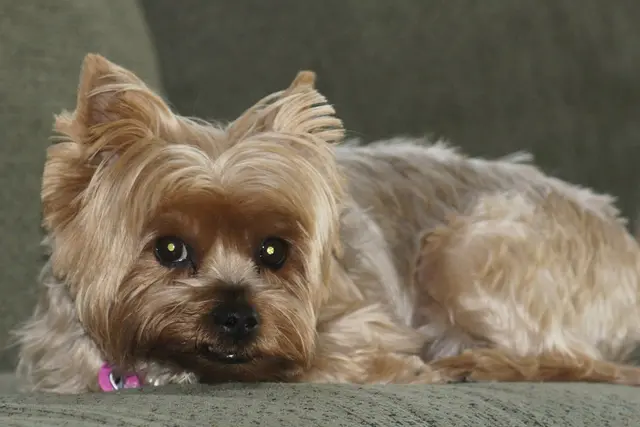 Yorkshire TerrierThe Yorkshire Terrier (Yorkie) is a small terrier with a silky steel-blue and gold coat. Learn about their origins, appearance, temperament, grooming needs, and common health issues.
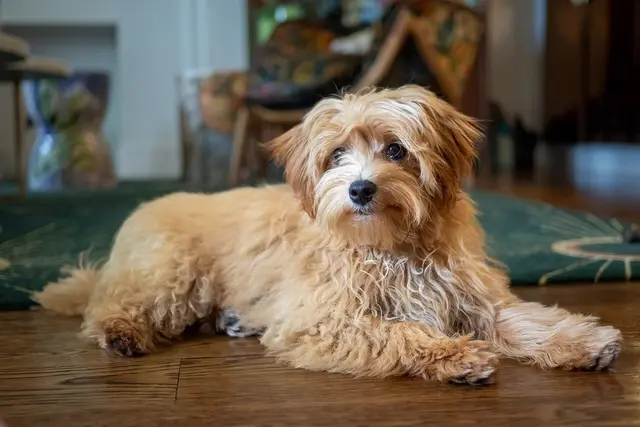 Maltipoo and Poodle MixesDiscover everything about Maltipoos, Labradoodles, Goldendoodles, and other Poodle mixes (designer dogs): their origins, shedding, generations (F1), health, and how to avoid puppy mills.
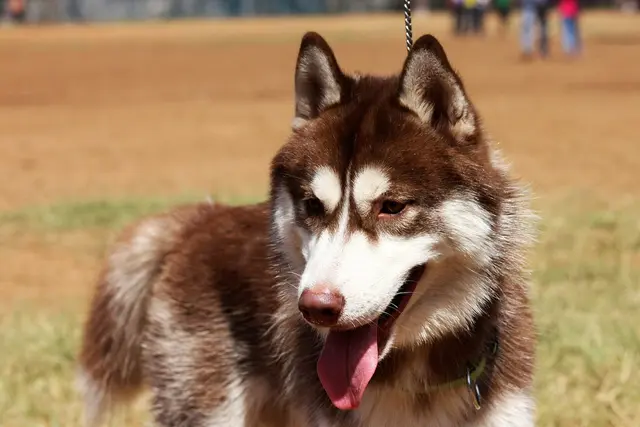 Siberian HuskyFamous for the 1925 serum run to Nome, the Siberian Husky is a friendly but independent sled dog known for its striking eyes, heavy shedding, and high energy. Discover their traits and care needs.
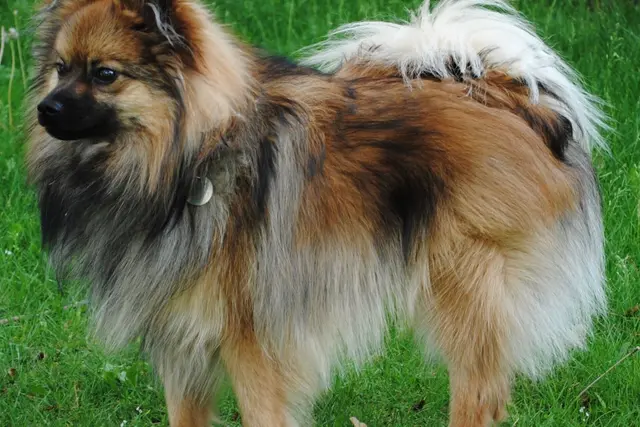 PomeranianThe Pomeranian is the smallest spitz breed with a fluffy coat. Learn about their origins, Queen Victoria's influence, size, colors, temperament, grooming, and health risks like alopecia X.
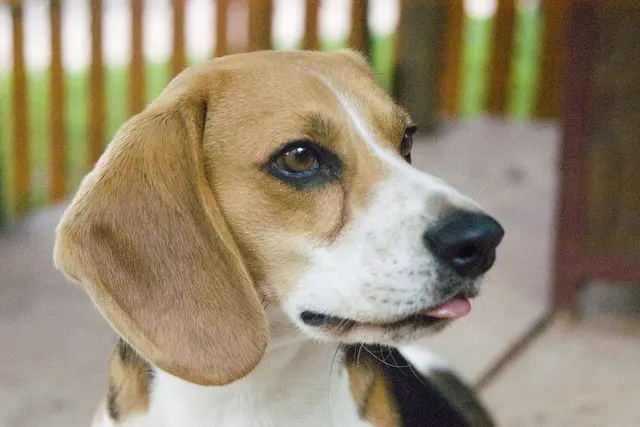 BeagleThe Beagle is a merry British hound: from Queen Elizabeth I's pocket Beagles to modern packs, discover their size, temperament, escape-artist antics, health, and how to find a reputable breeder.
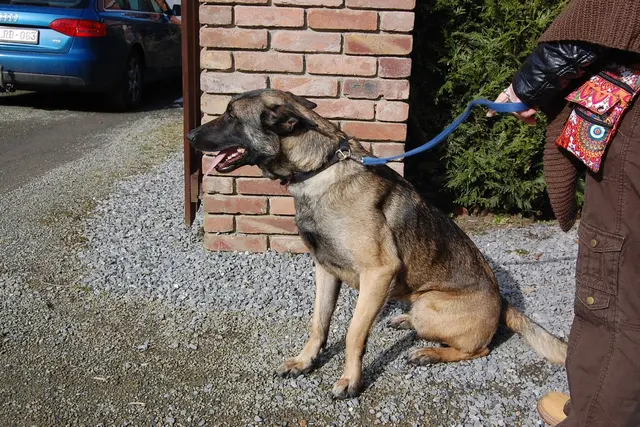 Belgian MalinoisThe Belgian Malinois is a fawn-colored, short-haired herding breed and a top choice for working dogs: learn about its history, temperament, exercise needs, health, and whether it's right for you.
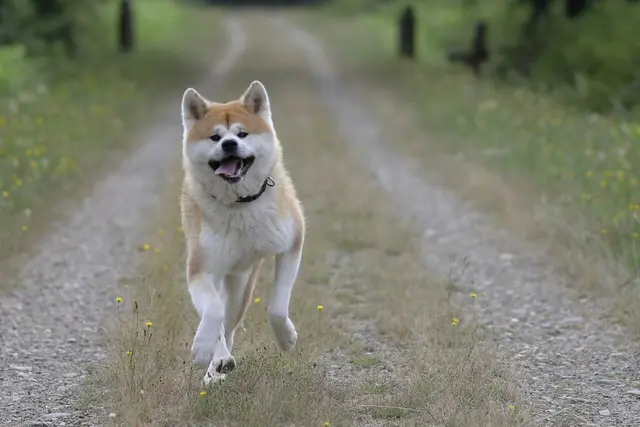 AkitaThe Akita is a large Japanese spitz-type dog. Discover the Hachiko story, differences between Japanese and American Akitas, temperament, shedding, health, and if this breed is right for you.
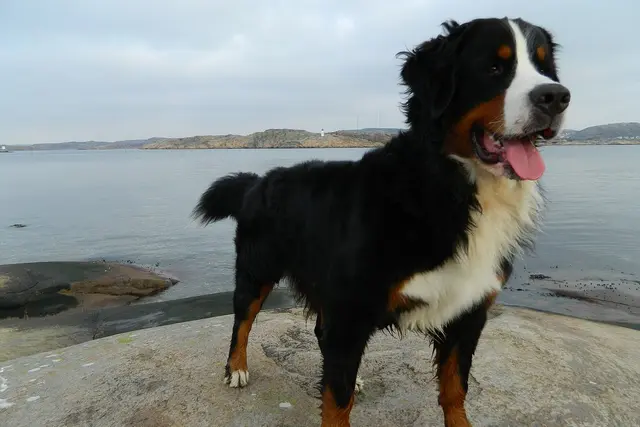 Bernese Mountain DogThe Bernese Mountain Dog is a large tricolor Swiss working breed: learn about their history as cheese dogs, gentle temperament, cancer risks, grooming needs, and how to find a puppy.
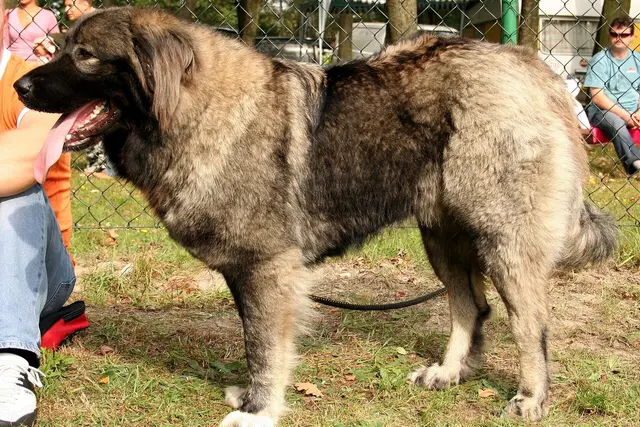 Caucasian Shepherd DogDiscover the Caucasian Shepherd Dog, a massive mountain guardian: learn about their origins, size, thick coat, independent temperament, BSL restrictions, and essential training needs.
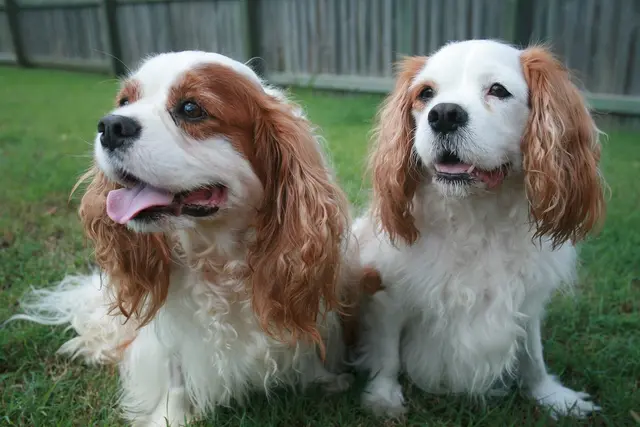 Cavalier King Charles SpanielThe Cavalier King Charles Spaniel is a gentle British toy spaniel. Discover their history, four coat colors, sweet temperament, care needs, and important health risks like heart disease.
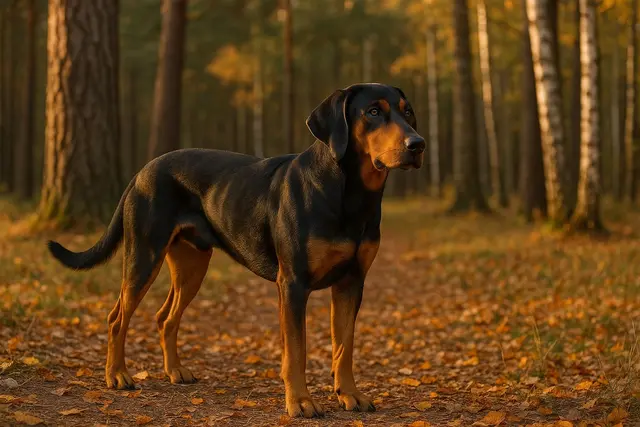 Lithuanian HoundThe Lithuanian Hound is a rare, historic hunting breed known for its stamina and tracking skills. Learn about its origins, near-extinction, and traits.
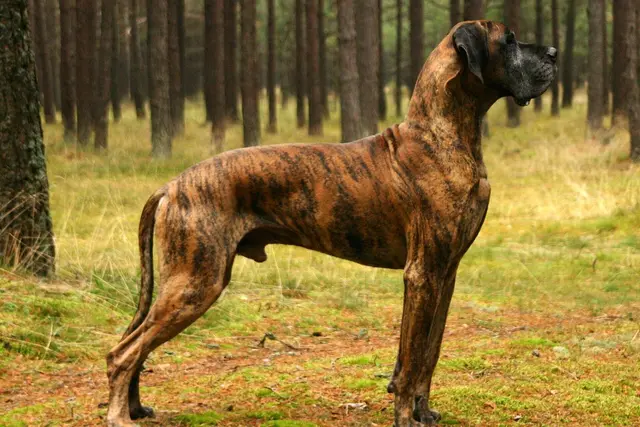 Great DaneThe Great Dane is one of the world's tallest breeds. Discover their history as boar hunters, their gentle nature, massive size, coat colors, and critical health risks like bloat.
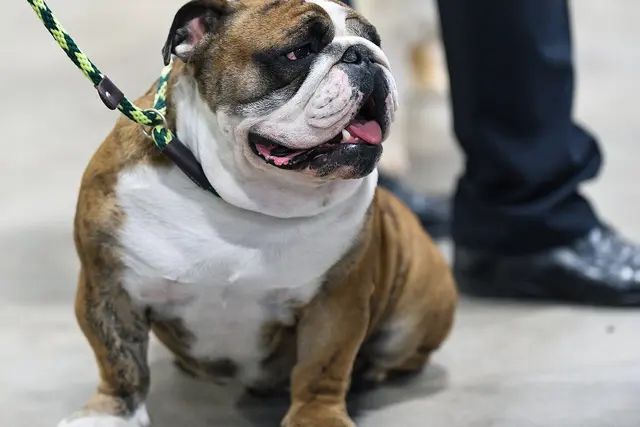 English BulldogOriginally bred for bull-baiting, the English Bulldog is now a calm, affectionate companion, though their short snouts require special care to manage heat and breathing issues.
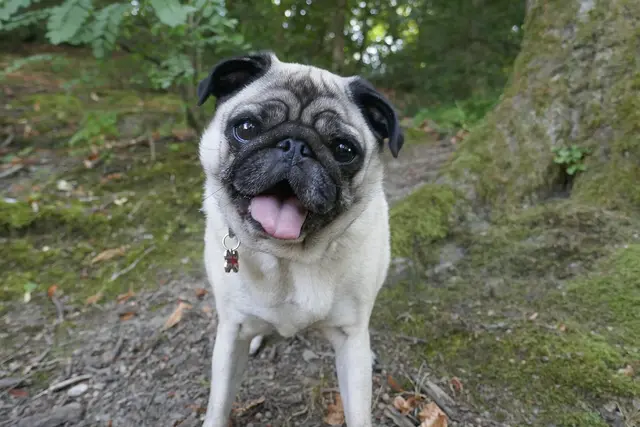 PugThe Pug is a small, wrinkled companion dog favored by Chinese emperors and the House of Orange. Discover their "multum in parvo" motto, colors, affectionate nature, and flat-faced health needs.
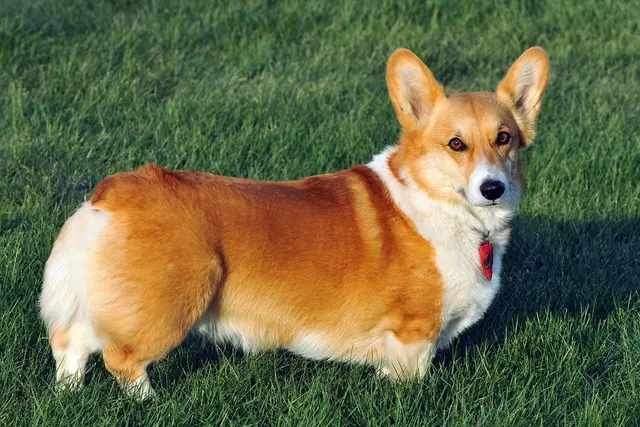 Pembroke Welsh CorgiThe Pembroke Welsh Corgi is a short-legged herder from Wales and Queen Elizabeth II's favorite dog. Discover their origins, temperament, shedding, health, and how they differ from the Cardigan.
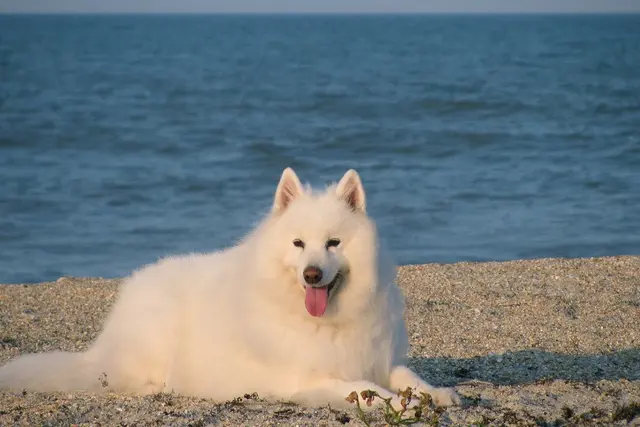 SamoyedThe Samoyed is a smiling white Siberian dog known for herding reindeer, pulling sleds on polar expeditions, and being a friendly, fluffy, and highly social family companion.
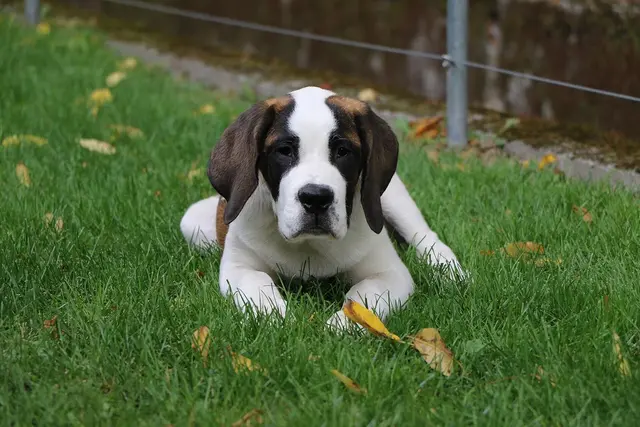 St. BernardThe St. Bernard is an Alpine rescuer from the Great St. Bernard Pass: discover the Barry legend, the brandy keg myth, coat types, gentle temperament, and care.
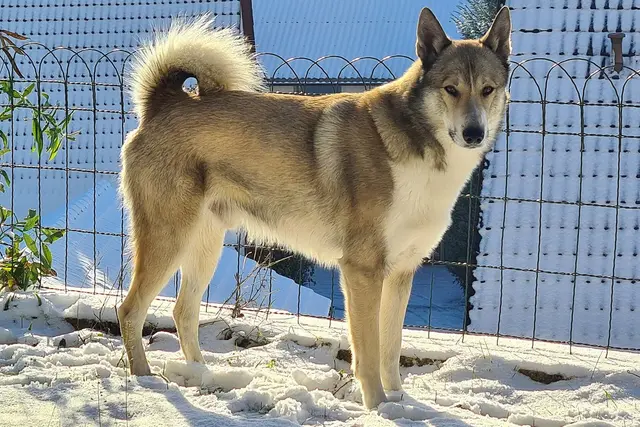 West Siberian LaikaDiscover the West Siberian Laika, a primitive hunting spitz from the Urals: origins, the four Russian Laika breeds, appearance, temperament, care, and ideal owners.
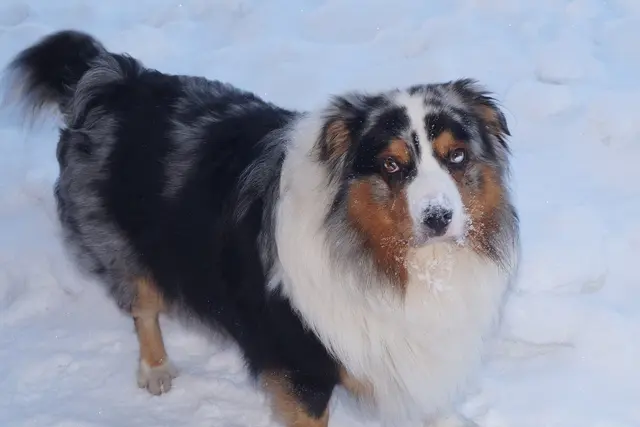 Australian ShepherdThe Australian Shepherd (Aussie) is an American herding dog with an Australian name: Basque shepherds, California ranches, merle coats, high energy, and what it takes to own one.
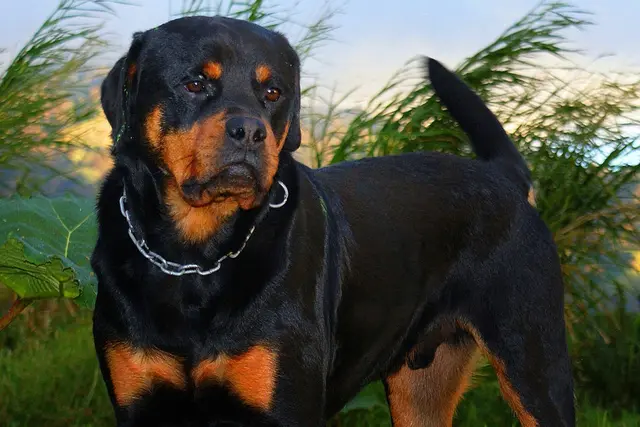 RottweilerThe Rottweiler is a strong, confident guardian and herder with Roman roots. Discover their history, appearance, temperament, training requirements, health, and how to find a reputable breeder.
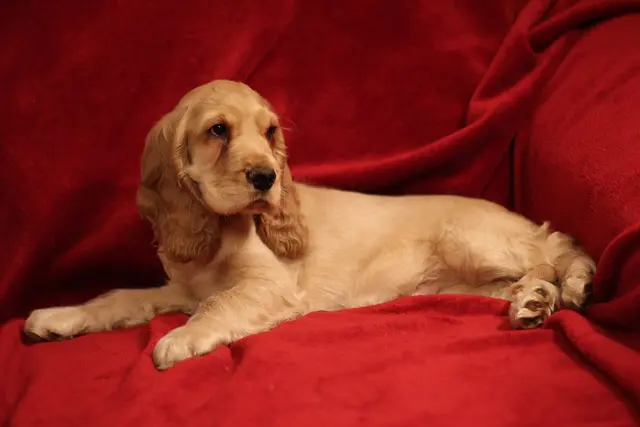 English Cocker SpanielThe English Cocker Spaniel is a merry British flushing dog: discover their history, Crufts records, coat colors, temperament, grooming needs, and how they differ from the American Cocker.
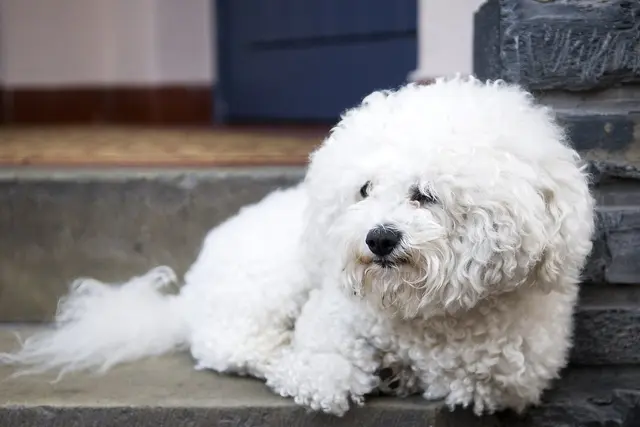 Bichon FriseThe Bichon Frise is a small, white, curly-haired companion. Learn about their Tenerife origins, circus history, signature powder-puff look, cheerful temperament, low-shedding coat, and health.
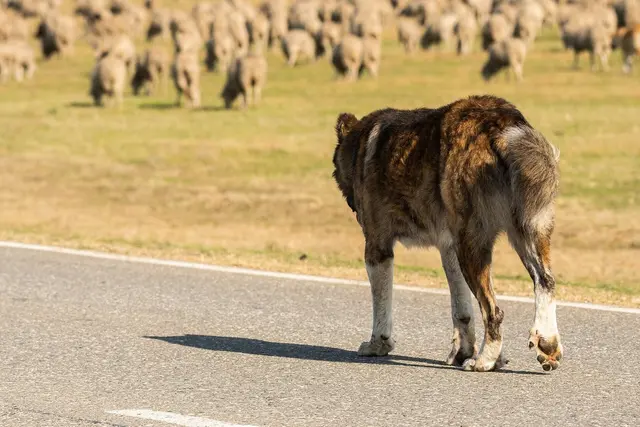 Central Asian Shepherd Dog (Alabai)The Central Asian Shepherd Dog (Alabai) is an ancient livestock guardian known for its massive size, independent nature, and fierce loyalty to its family.
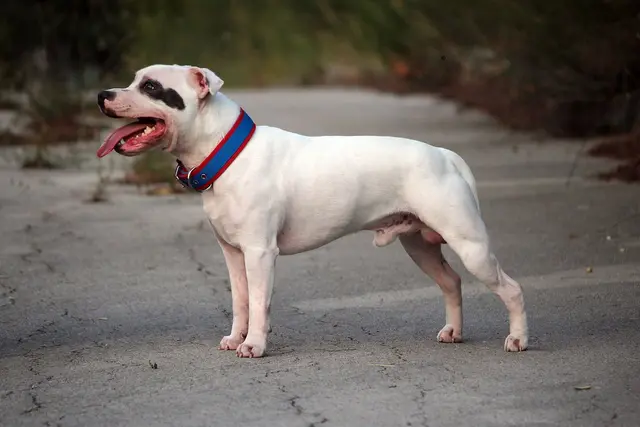 Staffordshire Bull TerrierThe Staffordshire Bull Terrier (Staffy) is a muscular British descendant of the 'bull and terrier': origins, appearance, family temperament, US breed restrictions, health tests, and puppy care.
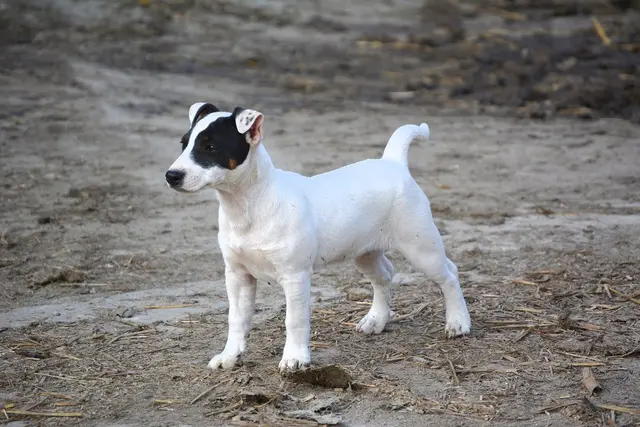 Jack Russell TerrierLearn about the Jack Russell Terrier: from Reverend John Russell's original fox hunters to their modern care, coat types, high energy levels, and health.
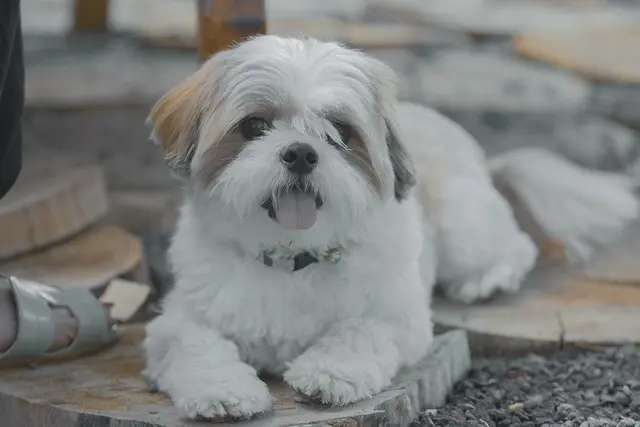 Shih TzuThe Shih Tzu is a small "lion dog" of Tibetan and Chinese emperors. Discover their origins, long coat and grooming needs, friendly temperament, health, and how to find a puppy.
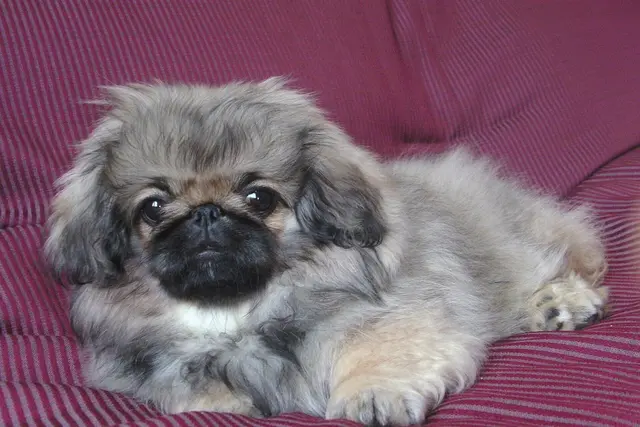 PekingeseThe Pekingese is the "lion" of the Chinese imperial court: discover the Buddha legend, the 1860 Summer Palace history, "sleeve" dogs, appearance, rolling gait, temperament, and health care.
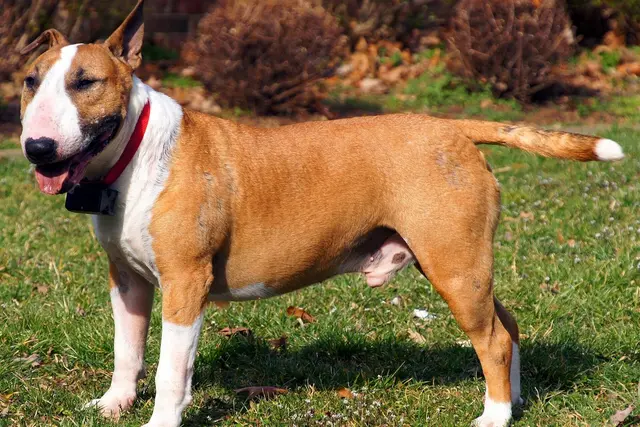 Bull TerrierThe Bull Terrier is the "egg-headed" terrier from England. Discover their playful yet stubborn temperament, unique triangular eyes, deafness risks, and essential training and care needs.
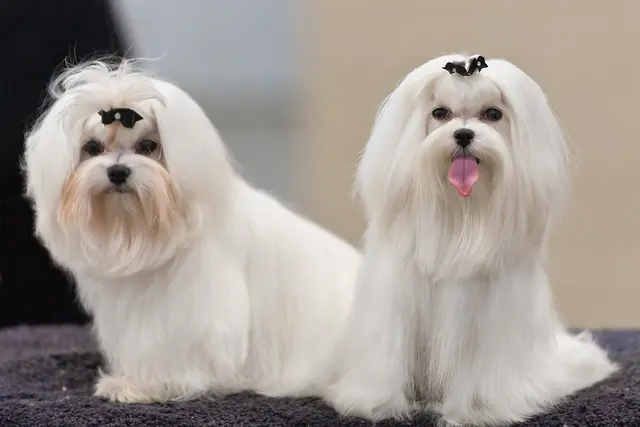 MalteseThe Maltese is one of the oldest companion breeds, known for its long, white, silky coat, playful temperament, and rich history in ancient Greece and Rome.
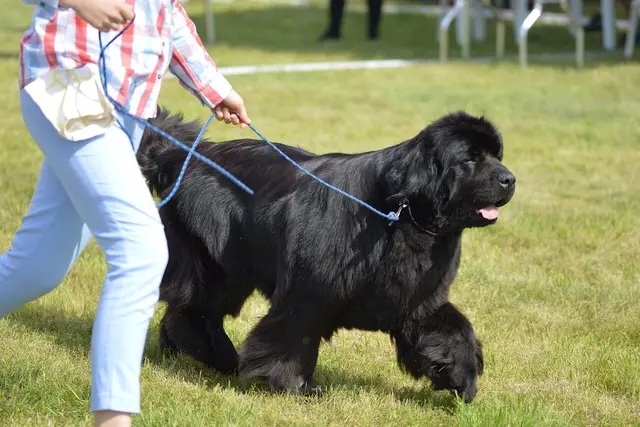 NewfoundlandThe Newfoundland is a giant Canadian water rescue dog known for webbed feet, a sweet "nanny" temperament, and a thick coat, but they are prone to joint and heart issues.
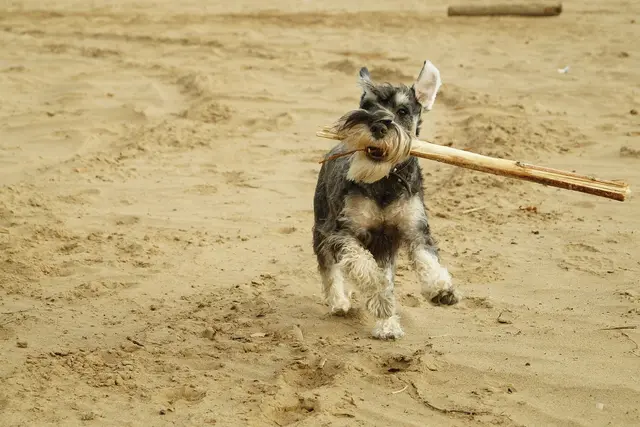 Miniature SchnauzerDiscover the Miniature Schnauzer: a bearded German ratter with a friendly, alert personality. Learn about the three Schnauzer sizes, coat colors, grooming needs, health, and finding a puppy.
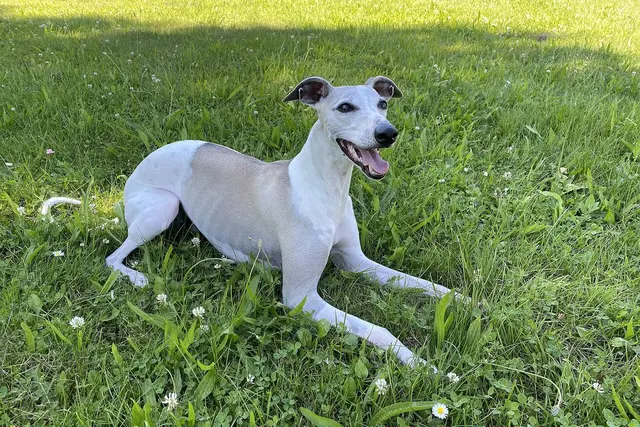 WhippetThe Whippet is a medium-sized sighthound known for incredible speed and acceleration, offering a perfect mix of a calm indoor companion and a passionate outdoor runner.
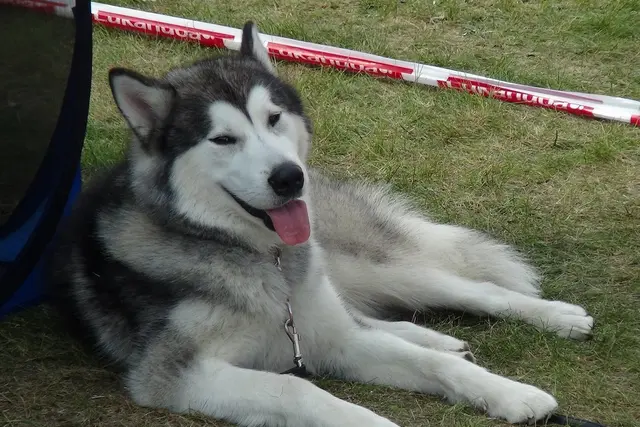 Alaskan MalamuteDiscover the Alaskan Malamute, a powerful Arctic freighting dog. Learn about their history, differences from the Siberian Husky, size, pack mentality, health, and care needs.
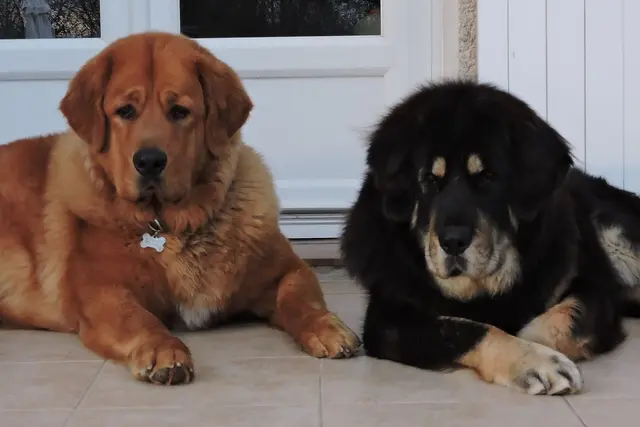 Tibetan MastiffDiscover the ancient Tibetan Mastiff: origin, lion and tiger head types, coat colors, single annual heat cycle, nocturnal guarding instincts, training challenges, health, and ideal owners.
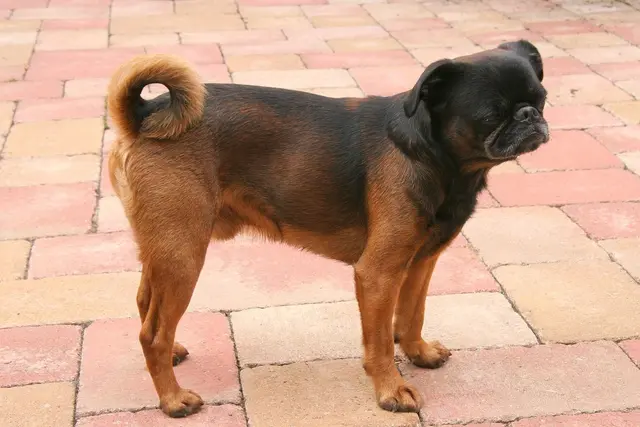 Brussels GriffonThe Brussels Griffon is a small bearded Belgian companion with a human-like face. Explore their history, three varieties, temperament, health, and care needs.
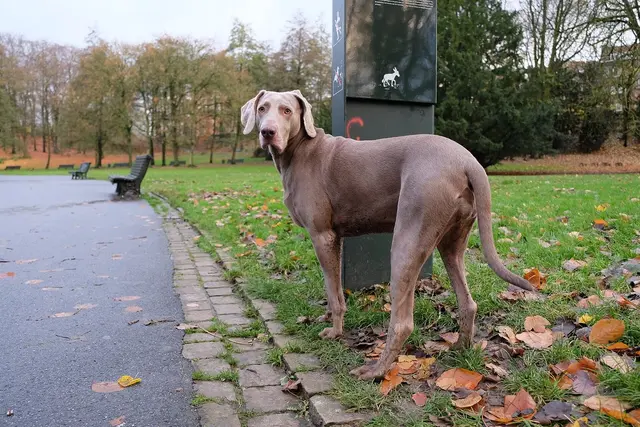 WeimaranerThe Weimaraner is a silver-gray German pointing dog known as the "Gray Ghost." Discover their history, striking amber eyes, energetic temperament, training needs, health, and ideal family fit.
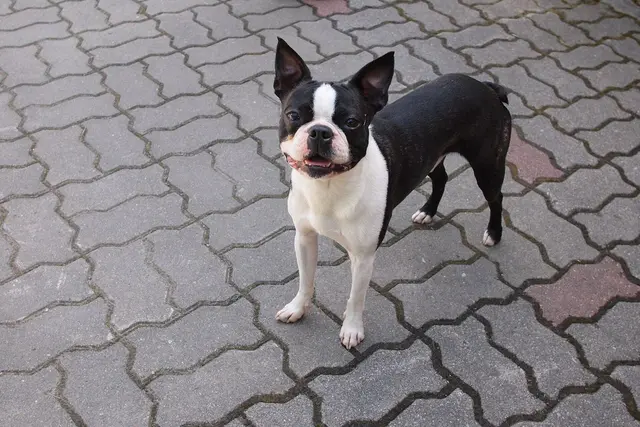 Boston TerrierDiscover the Boston Terrier, the American Gentleman with a tuxedo coat: its origins in Massachusetts, appearance, cheerful temperament, and essential eye and respiratory care.
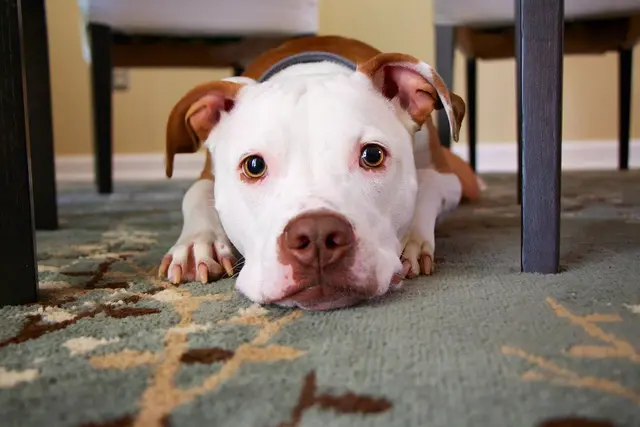 American Pit Bull TerrierThe American Pit Bull Terrier is a loyal, athletic descendant of British bull and terrier crosses. Discover their UKC history, appearance, temperament, and how US breed-specific legislation works.
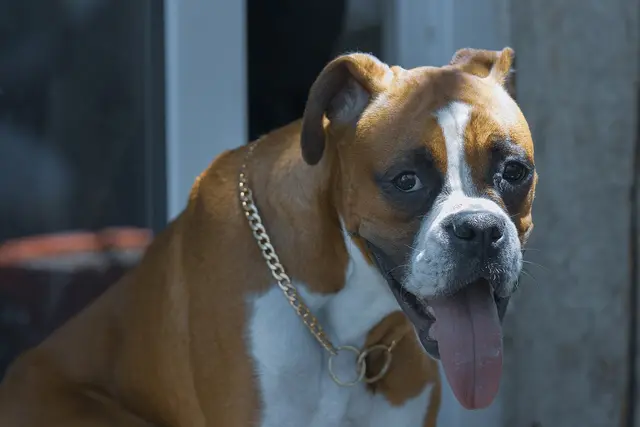 BoxerThe Boxer is an energetic German breed descended from the Bullenbeisser. Discover their history, fawn and brindle colors, playful temperament, health risks, and care needs.
Log in to comment
No comments yet. Be the first.