Chihuahua: Temperament, Size, Care & Health
- The Chihuahua is the smallest recognized dog breed; the FCI standard allows 2–6.5 lbs, with an ideal weight of 3–5.5 lbs.
- Originating in Mexico, the AKC traces their ancestry to the Toltec Techichi dog, and genetics show about 4% pre-Columbian American dog ancestry.
- They come in two coat varieties: smooth and long; the breed was officially recognized by the FCI in 1959.
- Common health risks include patellar luxation, heart defects, hydrocephalus, and hypoglycemia in puppies.
- They have a bold, terrier-like temperament that requires training; Chihuahuas are not recommended for families with young children.
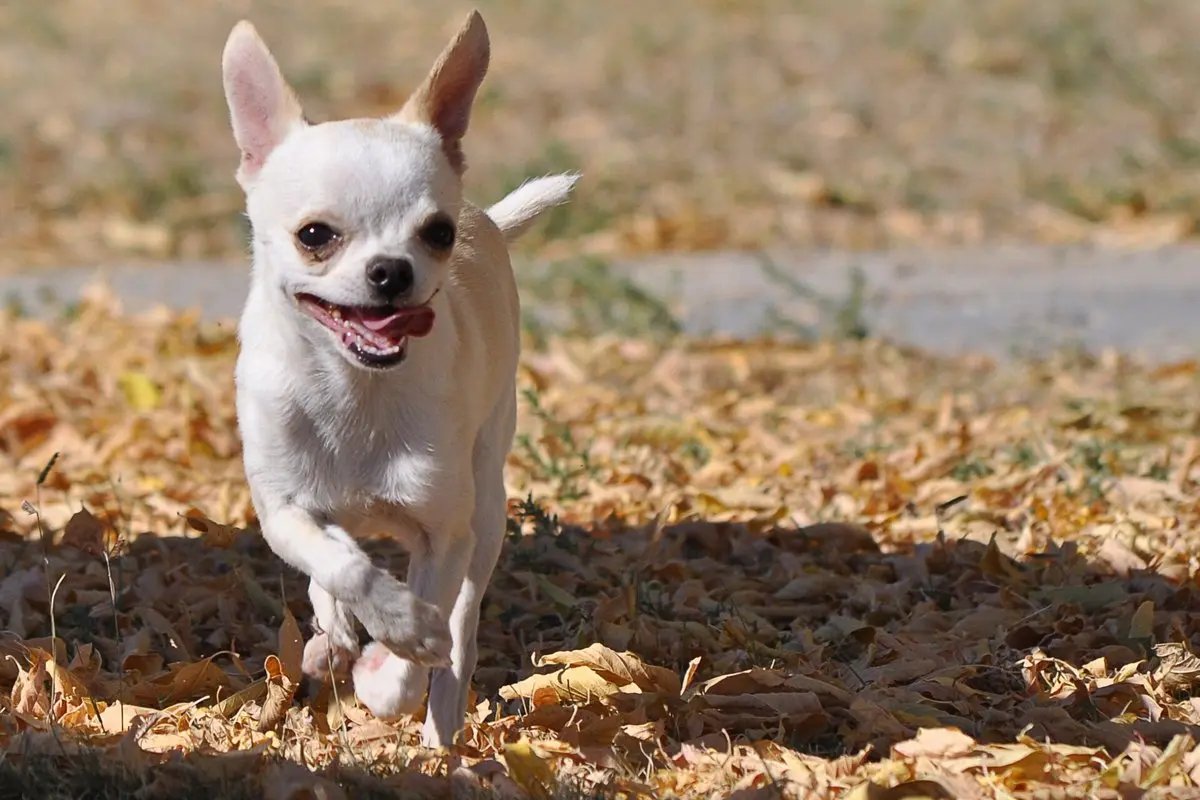
- The Chihuahua – Descendant of Ancient Mexican Civilizations
- Appearance: Apple Dome Head and Huge Ears
- Temperament: A Big Dog's Heart in a Tiny Body
- Health: A Fragile Body Requires Attention
- Care: Warmth, Dental Hygiene, and Moderate Exercise
- Smallest Dog Breeds
- The Chihuahua Suits One or Two People, Not a Noisy Family
- How to Choose a Healthy Chihuahua Puppy
This article is part of the 77.today dog breeds guide, prepared by the 77.today editors from the sources listed at the end.
The Chihuahua is the smallest recognized dog breed in the world: as an adult, it typically weighs between three and six pounds and easily fits into a purse. However, the AKC calls it a tiny dog with a giant personality—bold, loyal, and sometimes very self-confident. It thrives in cities and apartments but requires more attention than its size suggests. In our dog breeds guide, you will find the Chihuahua (Spanish: Chihuahueño) origins, appearance, temperament, health risks, and care tips.
| Origin | Mexico |
|---|---|
| FCI Group | Group 9 – Companion and Toy Dogs (No. 218) |
| Height | typically 6–9 inches |
| Weight | ideal 3–5.5 lbs; allowed 2–6.5 lbs (FCI) |
| Coat | smooth or long |
| Colors | almost all, except merle (FCI) |
| Lifespan | 14–16 years (AKC) |
| Temperament | alert, bold, loyal, terrier-like temperament |
| Suitable for | apartments, city living, adults; not suitable for small children |
The Chihuahua – Descendant of Ancient Mexican Civilizations
DNA studies show that indigenous American dogs arrived in North America from Siberia about 10,000 years ago and were isolated from other dogs for around 9,000 years. This unique genetic heritage is almost extinct today, but a 2020 study showed that the Chihuahua has retained about 4% of it—more than most breeds of European origin. Colonial sources mention small, nearly hairless dogs, and in 1520, Hernán Cortés wrote that the Aztecs raised and sold tiny dogs.
The AKC considers the Chihuahua's ancestor to be the Techichi, a larger and heavier dog kept by the Toltecs a thousand years ago. According to historians, the Aztecs, who conquered them in the 12th century, bred smaller and lighter dogs. After the Spanish destroyed the Aztec civilization, the small dogs survived in remote villages, and in the mid-19th century, Americans found many of them in the state of Chihuahua, which gave the breed its name. The first Chihuahua was registered by the AKC in 1904, and the breed was made famous in the 1940s and 1950s by bandleader Xavier Cugat and later by movies. The FCI officially recognized the breed in 1959, and its official standard language is Spanish.
Appearance: Apple Dome Head and Huge Ears
The most important feature of the Chihuahua is its round, high "apple-dome" skull with a distinct, almost 90-degree stop between the forehead and the muzzle. The eyes are large, round, and expressive, while the ears are large and erect. Many Chihuahuas have a molera—a soft spot on the top of the skull, similar to a human baby's fontanelle. Older "deer-type" dogs with a flatter head, longer muzzle, and longer legs can be registered, but in dog shows, this is considered a deviation from the standard.
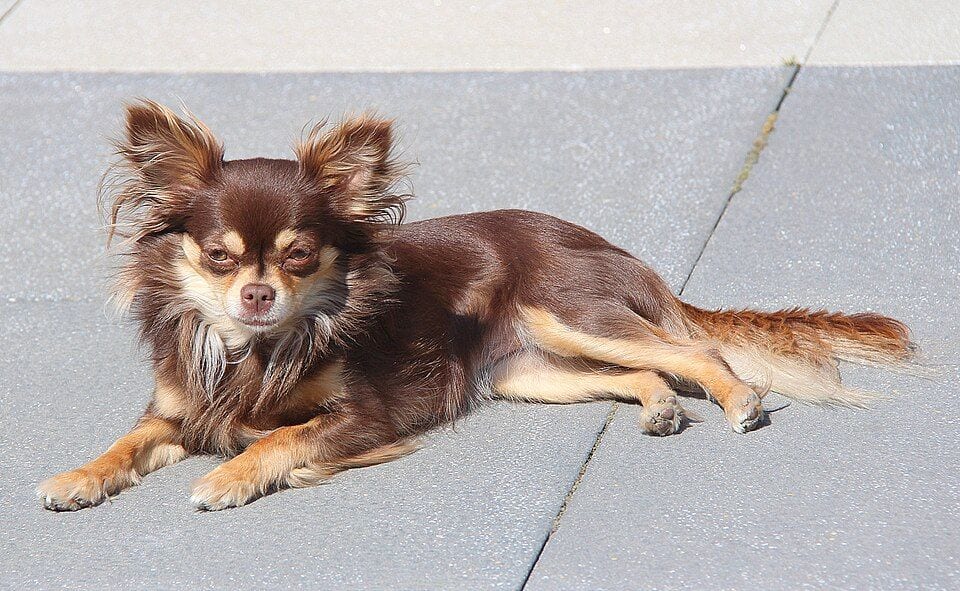
There are two varieties: the smooth-coat with short, shiny hair, and the long-coat with soft, slightly wavy hair, fringing on the ears, and a plumed tail. Almost all colors and patterns are allowed, but the FCI and the UK Kennel Club do not recognize the merle pattern due to associated health risks. Pet Chihuahuas often weigh more than the standard—sometimes over 10 lbs—and this does not mean they are not purebred.

Temperament: A Big Dog's Heart in a Tiny Body
The AKC describes the Chihuahua as alert, intelligent, and eager to please their people, but with a terrier-like temperament. Without proper training, this clever little dog will quickly start "ruling the house like a little Napoleon," so rules must be clear from day one. Like many small dogs, the Chihuahua can be more aggressive with strangers and other dogs, especially if it feels insecure.
The Chihuahua forms a strong bond with one or two people and loves being a lap dog. It is well-suited for city living, but the AKC does not recommend the breed for families with young children—the dog is simply too fragile for rough play. Chihuahuas can successfully participate in obedience and other dog sports if the training is based on positive reinforcement and praise.
Health: A Fragile Body Requires Attention
- Patellar luxation – one of the most common orthopedic conditions; parents should be tested.
- Heart disease – patent ductus arteriosus, mitral valve disease; cardiac exams are recommended.
- Neurological conditions – hydrocephalus, atlantoaxial instability, epilepsy, and others.
- Hypoglycemia – small puppies, especially if they get cold, can suddenly lose their strength due to low blood sugar.
- Teeth – teeth often become crowded in their tiny mouths, making regular dental cleaning essential.
Chihuahuas are not bred "by size"—puppies from the same litter can grow to be very different sizes, and extremely small females more often require assistance during birth. Because of this, breeding exceptionally tiny "teacup" dogs is highly risky.
Care: Warmth, Dental Hygiene, and Moderate Exercise
- Cold weather. They need a sweater or coat in the winter, and outdoor time should be kept brief.
- Coat. Smooth-coats need occasional brushing, while long-coats should be brushed at least once a week.
- Teeth and ears. Brush their teeth regularly, and check and clean their ears to prevent wax buildup.
- Exercise. Short, slow walks and indoor playtime are enough; it is better to carry a tired Chihuahua home.
Smallest Dog Breeds
| Breed | Weight | Coat | Origin |
|---|---|---|---|
| Chihuahua | 2–6.5 lbs (FCI) | smooth or long | Mexico |
| Yorkshire Terrier | up to 7 lbs | long, silky | Great Britain |
| Pomeranian | 3–7 lbs | fluffy, double coat | Germany |
| Maltese | up to 7 lbs | long, white | Mediterranean region |
The Chihuahua Suits One or Two People, Not a Noisy Family
The world's smallest dog travels easily, is perfectly happy in an apartment, and costs less to feed and maintain than large breeds. However, its small size does not mean the Chihuahua is a toy.
- Suitable for: adults and seniors who spend a lot of time at home, city dwellers, and people looking for a close, affectionate companion.
- Not suitable for: families with young children, homes with large dogs, or those unwilling to provide consistent training—an untrained Chihuahua will quickly start barking and aggressively guarding "its" person.
Chihuahuas have a hard time tolerating the cold, so during cold winter weather, they will definitely need a warm sweater and shorter walks.
How to Choose a Healthy Chihuahua Puppy
Choose a reputable breeder who tests the parents' patellas, hearts, and eyes, and who does not intentionally breed for the smallest possible size. You should never bring a puppy home too early—it is especially important for tiny puppies to stay with their mother to nurse and learn vital socialization skills. In the US, responsible breeders and breed clubs generally require puppies to remain with their litter until they are at least 8 to 10 weeks old. Before bringing your new dog home, ensure they have been examined by a veterinarian and microchipped for safety. Local ordinances regarding pet registration and licensing vary by city and state, so be sure to check your local laws. For more tips on finding a responsible breeder or adopting from a rescue, check out the introduction to our guide.
You can find other small companions in the profiles for the Yorkshire Terrier, Pomeranian, and Maltese.
Frequently asked questions
How much does a Chihuahua weigh?
Under the FCI standard, the ideal weight is 3–5.5 lbs, and dogs weighing under 2 lbs or over 6.5 lbs are disqualified in shows. The AKC sets a maximum weight limit of 6 lbs. Height typically ranges from 6–9 inches.
Is a Chihuahua a good family dog for young children?
The AKC does not recommend Chihuahuas for families with small children. The dog is too fragile for rough play and could easily get injured, or it might bite if frightened. They can do well with older, gentle children.
What is a "teacup" Chihuahua?
This is not a separate breed, but a marketing term used by sellers for extremely small puppies, often to charge higher prices. Breeding exceptionally tiny Chihuahuas carries high health and birthing risks, so it is best to avoid these offers.
What is the lifespan of a Chihuahua?
The AKC lists their lifespan as 14–16 years. Studies vary: a 2024 UK study found an average lifespan of 11.8 years, which matches data from Japanese pet cemeteries.
What is a molera?
A molera is a soft spot on the top of the skull, similar to a human baby's fontanelle. It is common in many Chihuahuas and is often easier to feel than see, meaning their heads must be protected from impact.
Sources
- Wikipedia: Chihuahua (dog breed)
- AKC: Chihuahua breed profile
- FCI: Chihuahua breed standard (No. 218)
- Cover photo: White smooth-coat Chihuahua running through autumn leaves (Photo: Tim Massey, CC BY-SA 2.0)
- Wikimedia Commons photo: Long-haired chocolate Chihuahua lying on paving stones (Photo: Peter van der Sluijs, CC BY-SA 3.0)
- Wikimedia Commons photo: Black and tan smooth-coat Chihuahua (Photo: JasonDL13, CC BY-SA 4.0)
Log in to comment
No comments yet. Be the first.