French Bulldog: Temperament, Size, Care & Health
- French Bulldogs descended from toy English Bulldogs brought to Normandy by Nottingham lace makers in the mid-19th century.
- The breed gained fame in Paris as the Bouledogue Français, while American enthusiasts cemented their signature erect bat ears.
- The AKC standard calls for a height of 11–13 inches and a weight under 28 pounds; it is currently the most popular AKC breed.
- Flat-faced dogs are prone to breathing difficulties, overheating, and anesthesia sensitivity, and they cannot swim.
- French Bulldogs bark infrequently, adapt perfectly to apartment living, and get along well with children and other pets.
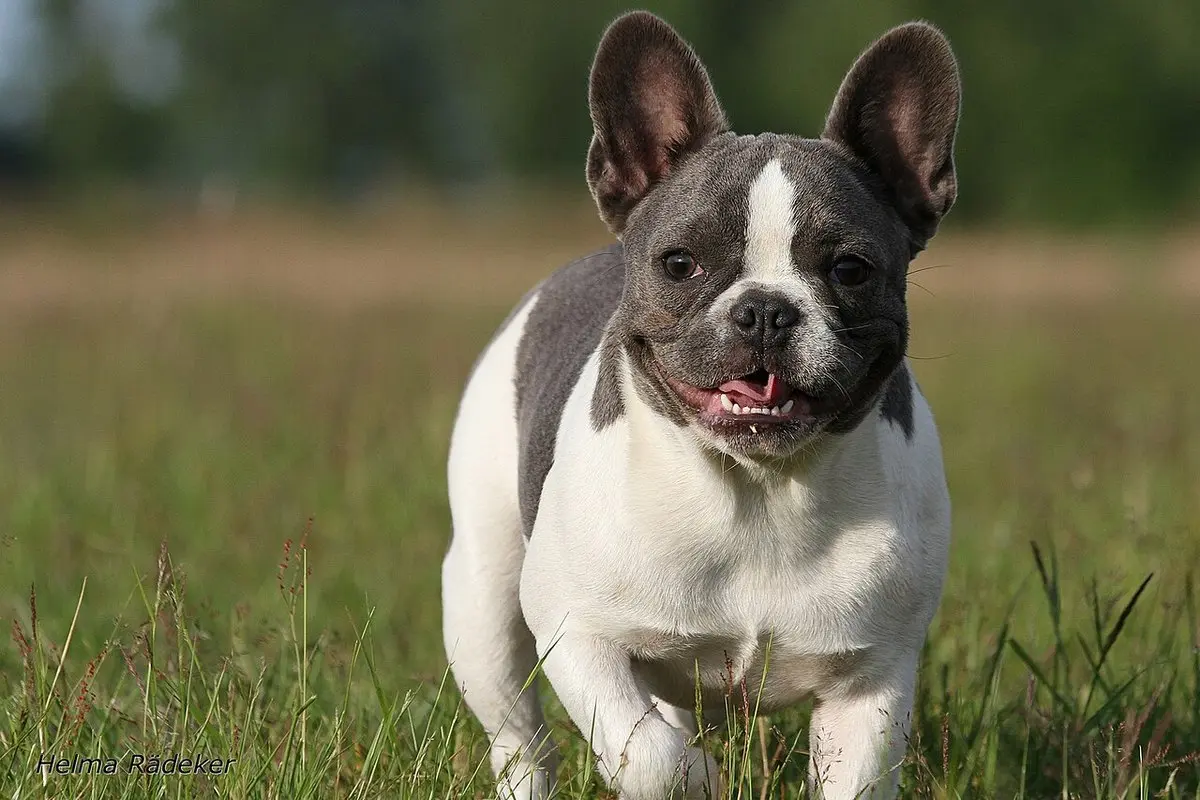
- The French Bulldog was created by Nottingham lace makers and Paris
- Appearance: A small molosser with bat ears
- Temperament: Cheerful, alert, and deeply affectionate
- Health: The price of a flat face
- Care: Simple, but with strict rules
- French Bulldog and other small molossers
- How to choose a healthy French Bulldog puppy
This article is part of the 77.today dog breeds guide, prepared by the 77.today editors from the sources listed at the end.
The French Bulldog is a small, compact dog with a large square head, heavy wrinkles above a short nose, and erect "bat" ears. They bark infrequently, do not require long hikes, and thrive in apartments whether with a single owner or a large family—which is why they have become one of the most popular city dogs. However, this is a breed that must be chosen mindfully, as their flat face brings serious health risks. In the dog breeds directory profile, you will find the French Bulldog history, appearance, temperament, health, and tips.
| Origin | France (ancestors – English toy bulldogs) |
|---|---|
| FCI / AKC Group | FCI Group 9 (Companion and Toy Dogs) / AKC Non-Sporting Group |
| Height | about 11–13 inches |
| Weight | up to 28 lbs |
| Coat | short, smooth, shiny, low shedding |
| Colors | brindle, fawn, white with patches |
| Lifespan | 10–12 years |
| Temperament | playful, alert, adaptable, barks infrequently |
| Best for | apartments, city living, families; not suited for heat or intense sports |

The French Bulldog was created by Nottingham lace makers and Paris
When blood sports with bulls were banned in England in 1835, bulldogs were bred for other purposes, and by the mid-19th century, toy bulldogs weighing just 15–24 pounds became widespread. They became a sort of mascot for Nottingham lace makers. Displaced by the Industrial Revolution, these artisans moved to Normandy in northern France, taking their toy bulldogs with them. The dogs became so popular in France that English breeders started sending over bulldogs that were "too small" or had erect ears, and by 1860, there were hardly any left in England.
In France, these small bulldogs were crossed with other breeds, possibly terriers and pugs, and earned the name Bouledogue Français. In Paris, they became part of the cafe and entertainment scene, painted by Degas and Toulouse-Lautrec. Americans began importing the dogs in 1885, and when a judge at the 1897 Westminster show only awarded dogs with rose-shaped ears, prominent ladies formed their own club and cemented the erect bat ears in the standard. The British Kennel Club, which had long resisted English Bulldog breeders, recognized the breed separately in 1905. The FCI followed in 1954. In 2023, the French Bulldog surpassed the Labrador Retriever to become the most popular AKC-registered breed.
Appearance: A small molosser with bat ears
The French Bulldog looks like a miniature bulldog, but with large, erect ears that have a wide base and rounded tips. The head is large and square, the forehead is slightly rounded, the snout is very short, and there are heavy wrinkles above it. The body is compact and muscular, the chest is broad, and the skin is loose. The coat is short, smooth, and shiny, and it sheds minimally.
The AKC and FCI standards recognize only a few color groups: brindle, fawn, and these same colors with moderate or predominant white patches. In recent years, trendy "blue," "chocolate," or "merle" puppies have become popular, but they are not recognized by the breed standard. Furthermore, some genes responsible for rare colors are linked to additional health problems, so it is wise to be cautious of such offers.

Temperament: Cheerful, alert, and deeply affectionate
The AKC describes the French Bulldog as playful, alert, adaptable, and "completely irresistible." They rarely bark, but their alertness makes them good watchdogs who will announce visitors. They get along well with other animals and are happy to meet new people. A French Bulldog feels right at home with a single owner or a family, and they do not need a large yard—short walks and playtime are plenty.
They have a big personality, so training requires consistency. French Bulldogs can be stubborn, but they generally want to please, and they are easy to motivate with treats and games. Many successfully participate in obedience, rally, and agility trials—just not on a hot day.
Health: The price of a flat face
- Breathing difficulties. Like all flat-faced breeds, French Bulldogs snore, get winded quickly, and struggle in heat and humidity—overheating can be fatal for them.
- Anesthesia. Flat-faced dogs are more sensitive to anesthesia, so surgeries must be planned with an experienced veterinarian.
- Water. Because of their heavy front end, they cannot swim.
- Eyes and skin. They are prone to cherry eye, juvenile cataracts, entropion, skin allergies, and autoimmune skin diseases.
- Joints. The AKC recommends patella and hip evaluations, as well as cardiac and ophthalmologist exams.
The extreme physical traits of brachycephalic breeds have sparked growing concern among veterinary professionals in the US. While there are no nationwide bans, many veterinary organizations strongly advocate against breeding dogs with exaggerated features that compromise their welfare. A severely shortened snout is one of the most frequently cited issues, leading responsible breeders to prioritize dogs with wider nostrils, slightly longer muzzles, and clearer airways to ensure better overall health.
Care: Simple, but with strict rules
- Coat. Brush once a week with a rubber hound glove or soft bristle brush.
- Wrinkles. Facial wrinkles must be cleaned and kept dry to prevent infections.
- Heat. In the summer, walk them early in the morning and late in the evening, and never leave them in a parked car.
- Exercise. Short walks and indoor play sessions are ideal, avoiding intense running.
French Bulldog and other small molossers
| Trait | French Bulldog | Boston Terrier | Pug |
|---|---|---|---|
| Weight | up to 28 lbs | 12–25 lbs | 14–18 lbs |
| Ears | erect, bat-like | erect | folded |
| Snout | very short | short | very short |
| Origin | France | USA | China |
How to choose a healthy French Bulldog puppy
Always ask to meet both parents and listen to how they breathe: loud snoring at rest, severely pinched nostrils, or quick exhaustion from walking are serious red flags. Ask the breeder for proof of health screenings, including airway, patella, cardiac, and eye evaluations. Avoid breeders pushing rare colors or offering unusually low prices, as these are common signs of puppy mills or irresponsible backyard breeders rather than reputable programs. When buying a French Bulldog puppy in the US, ensure they come with AKC registration paperwork and have been microchipped by a veterinarian; you can find more about finding a responsible breeder in the guide introduction.
You can find similar breeds in the English Bulldog, Boston Terrier, and Pug profiles.
Frequently asked questions
How much does a French Bulldog weigh?
The AKC standard states that an adult French Bulldog should weigh no more than 28 pounds. Their height at the withers is typically 11–13 inches.
Why do French Bulldogs breathe heavily?
Due to their very short snouts, their airways are compressed, which is common in all flat-faced (brachycephalic) breeds. As a result, they snore, tire easily, struggle in heat and humidity, and are more sensitive to anesthesia.
Can a French Bulldog swim?
No. The AKC warns that due to their heavy front-heavy build, French Bulldogs cannot swim and should never be left unattended near pools, bathtubs, or bodies of water.
What is the lifespan of a French Bulldog?
The AKC lists a lifespan of 10–12 years. Their health is heavily influenced by their airway condition, so it is crucial to choose a puppy from parents with wider nostrils and slightly longer snouts.
What colors do French Bulldogs come in?
The AKC and FCI recognize brindle, fawn, and white with brindle or fawn patches. Dogs with "blue," "chocolate," or other rare coat colors are not recognized by the standard and are often prone to additional health issues.
Sources
- Wikipedia: French Bulldog
- AKC (American Kennel Club): French Bulldog breed profile
- FCI (Fédération Cynologique Internationale): French Bulldog breed standard (No. 101)
- Cover photo: Brindle French Bulldog running through a meadow (Photo: Assita Elody, CC BY-SA 4.0)
- Wikimedia Commons photo: Dark brindle French Bulldog face (Photo: Andrés Nieto Porras from Palma de Mallorca, España, CC BY-SA 2.0)
- Wikimedia Commons photo: Fawn French Bulldog with black mask (Photo: Helensmith179, CC BY-SA 4.0)
Log in to comment
No comments yet. Be the first.