Jack Russell Terrier: Temperament, Size, Care & Health
- The breed is named after Reverend John 'Jack' Russell (1795–1883), a passionate hunter.
- In 1819, Russell bought Trump, a white female with tan spots, from a milkman in Oxford—she became the breed's foundation.
- Under the FCI standard, the breed was provisionally recognized in 2000 and fully in 2003, listing Australia as its country of development.
- They stand 10–12 inches tall and weigh 9–15 lbs, with smooth, rough, or broken coats.
- This is a highly energetic dog with a strong prey drive, making them unsuitable for couch potatoes.
This article is part of the 77.today dog breeds guide, prepared by the 77.today editors from the sources listed at the end.
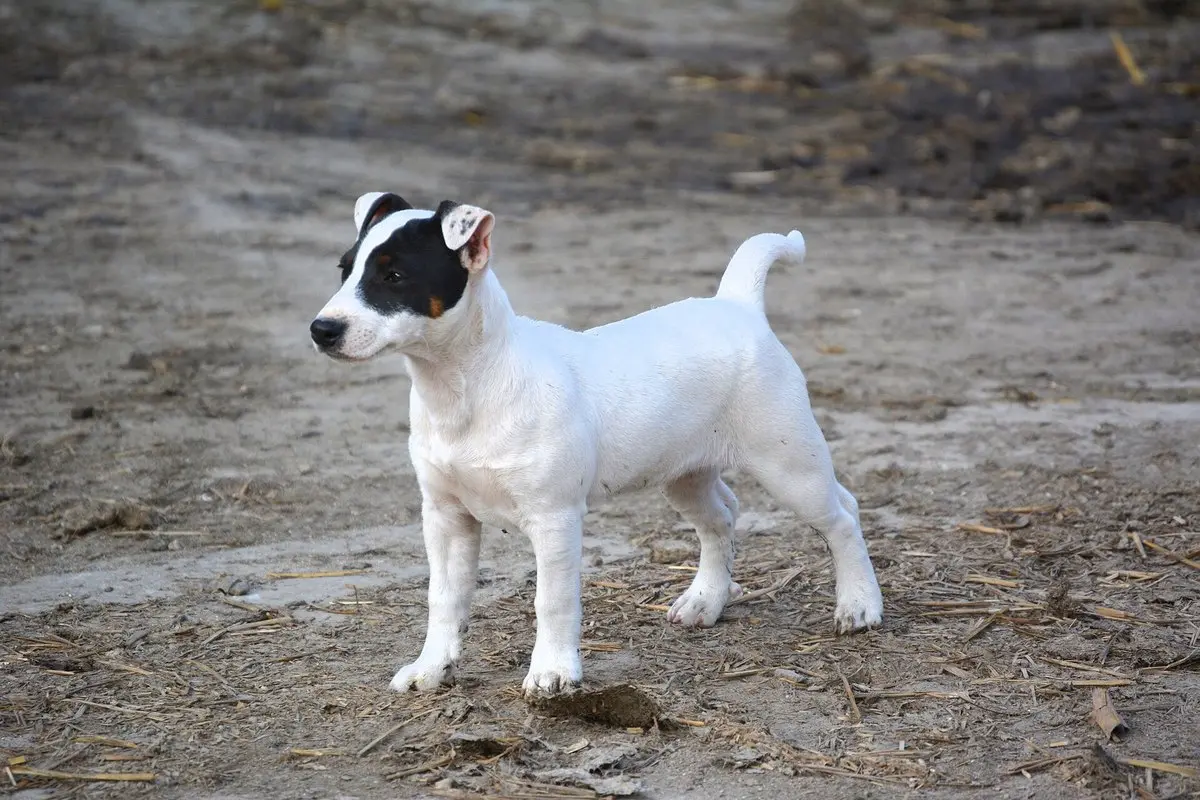
The Jack Russell Terrier is a small, compact, mostly white terrier with tan or black markings, dark almond-shaped eyes, and mobile V-shaped ears. The AKC notes that they might look like a plush toy come to life, but they are actually eager, tireless working terriers. This breed was created for fox hunting and has retained all of a hunter's energy, courage, and curiosity. In this dog breed guide profile, you will find the history, appearance, temperament, and care needs of the Jack Russell Terrier.
| Origin | Great Britain; country of development – Australia (FCI) |
|---|---|
| FCI Group | Group 3 – Small Terriers (No. 345) |
| Height | 10–12 inches |
| Weight | 9–15 lbs |
| Coat | Smooth, rough, or broken |
| Colors | Mostly white with tan and/or black markings |
| Lifespan | 12–14 years |
| Temperament | Energetic, brave, curious, intelligent |
| Best for | Active families, dog sports |
Jack Russell: The Hunting Enthusiast Reverend
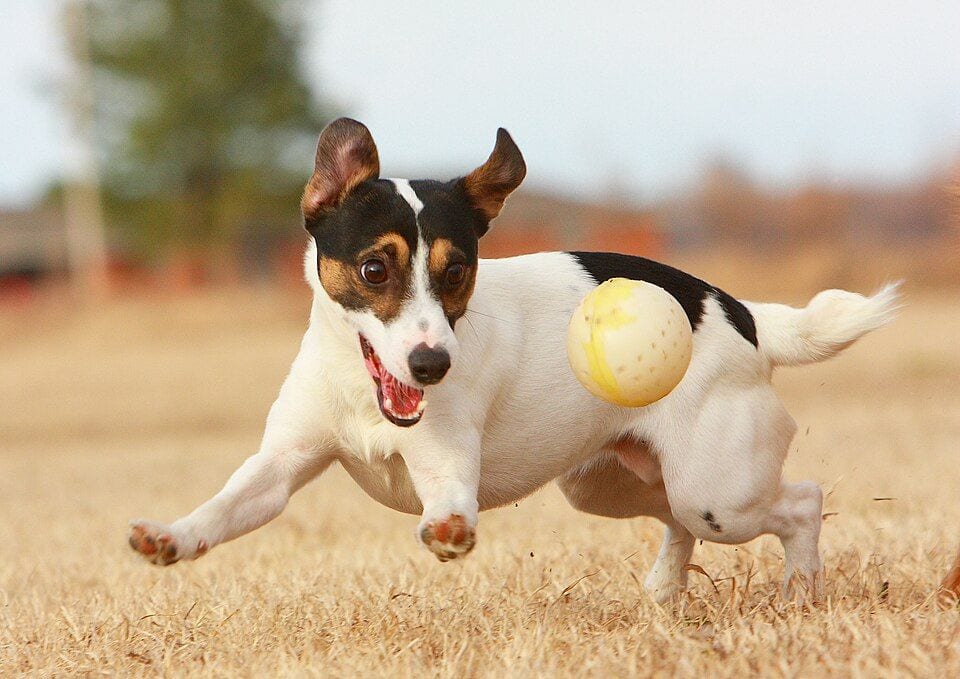
Small white fox terriers were first bred by Reverend John "Jack" Russell, a hunting enthusiast born in 1795. During a hunt, it was often difficult to distinguish the dog from the fox being chased, which created a need for a predominantly white dog. In 1819, during his final year of studies at Exeter College, Oxford, Russell bought a small white female with tan spots named Trump from a local milkman. She was white, with just a dark tan patch over each eye and ear, and a small spot at the base of her tail—a dog that, according to a friend, Russell had only seen in his dreams. Trump became the foundation of his breeding program.
Russell aimed to create a dog that was resilient, brave, and small enough to flush foxes out of their dens, but without uncontrollable aggression—injuring the fox would have been considered "unsportsmanlike." He prided himself on the fact that his terriers had never tasted blood. Due to financial difficulties, Russell had to sell off his dogs multiple times, making it impossible to prove that today's dogs directly descend from Trump. After his death in 1883, the old-style terriers survived in certain areas of England, and the modern Jack Russell Terrier evolved from them. Under the FCI standard, the breed was provisionally recognized in 2000 and fully in 2003, with Australia listed as its country of development.
Appearance: A Compact Working Terrier
The Jack Russell Terrier is a compact, rectangularly proportioned dog standing 10–12 inches tall. Their eyes are dark and almond-shaped, and their V-shaped, mobile ears give them an intelligent, lively expression. Their movements are free and effortless, betraying an innate self-confidence. Although very similar to the Parson Russell Terrier, they are a distinct breed: the Parson Terrier is taller, while the Jack Russell is shorter and slightly longer in body.
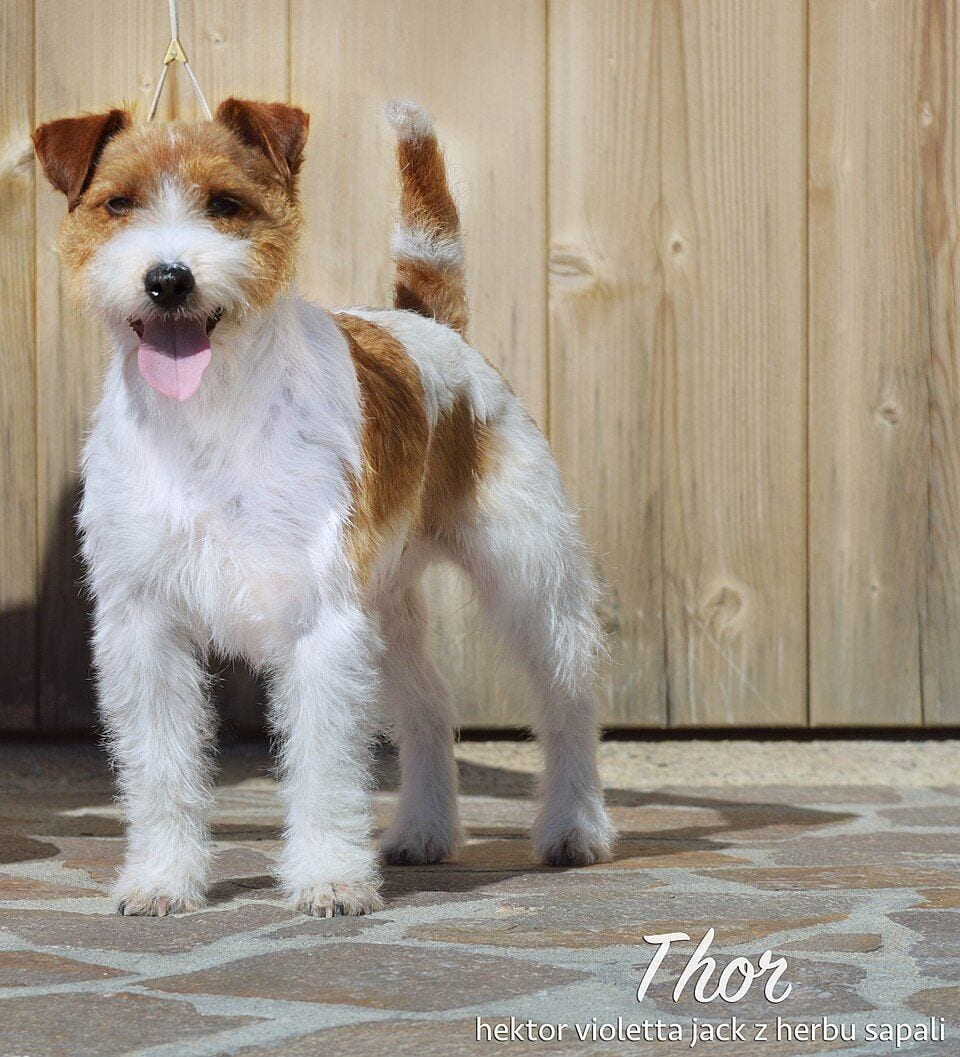
The coat comes in three types: smooth (short and dense), rough, and broken. Dogs of all coat types are predominantly white with tan, black, or both color markings. The mostly white color is no accident: it helped hunters easily distinguish the terrier from the fox.
Temperament: A Sense of Humor and Boundless Energy
The AKC advises that the first tool you need when training a Russell Terrier is a good sense of humor. These dogs are highly intelligent, love solving problems, and enjoy playing, but they get bored quickly, so training sessions must be fun. They learn tricks easily, love entertaining people, and throw all their energy into any task. They excel in agility, flyball, obedience, rally, and even lure coursing.
The AKC makes it clear that this is not a breed for a family of homebodies. Their high energy and strong personality make them an excellent choice for an active family that enjoys hiking, biking, and taking long walks. They can be wonderful companions for children who understand how to interact with dogs. However, their prey drive remains strong—they need to be introduced to cats or small animals from a very early age.
Health and Care
- Patellar luxation – parental evaluation recommended.
- Deafness – a BAER hearing test is crucial, especially for predominantly white dogs.
- Eye conditions and primary lens luxation (PLL) – a DNA test is available.
- Coat. A smooth coat just needs a quick once-over with a soft brush once a week, while rough and broken coats should be brushed weekly.
- Nails and ears. Trim nails monthly and check ears weekly.
Daily Life with a Russell Terrier
A Russell Terrier absolutely needs both physical and mental exercise every day: long walks, games of fetch and tug-of-war, hide-and-seek with treats, and trick training. The yard should be securely fenced—terriers love to dig and can squeeze through small gaps. It is best to keep them on a leash when out and about, as they might ignore commands if they catch the scent or sight of prey.
| Trait | Jack Russell Terrier | Dachshund | Yorkshire Terrier |
|---|---|---|---|
| Weight | 9–15 lbs | 16–32 lbs (std.) | up to 7 lbs |
| Purpose | Fox hunting | Badger hunting | Rat catching |
| Energy | Very high | Moderate | Moderate |
| Origin | Great Britain | Germany | Great Britain |
The Jack Russell Terrier is Perfect for an Active Family
The Russell Terrier may be small, but their energy rivals that of herding breeds. They are suited for people who are very active themselves and want a dog to participate in their activities.
- Best for: Runners, cyclists, dog sports enthusiasts, and families with older children who understand dogs.
- Not for: Homes with cats, hamsters, or rabbits, sedentary people, and those who will leave the dog alone for long periods.
This terrier is an expert digger and jumper, so yard fences must be high and buried into the ground. If left unoccupied, they will quickly find their own entertainment—usually in your flower beds.
How to Choose a Jack Russell Terrier Puppy
Ask the breeder for the parents' patella and eye evaluations, BAER hearing test, and PLL DNA test results. Observe the parents' temperaments and ask about their working or sporting achievements. Honestly assess whether you can meet this dog's daily energy requirements. When looking for a puppy, always seek out a reputable breeder who prioritizes health and temperament over profit, and avoid pet stores or puppy mills. Additionally, ensure your new puppy is microchipped and registered with your local municipality or the AKC, as recommended by veterinarians; you can learn more in our guide introduction.
You can find other terriers in the profiles for the Yorkshire Terrier, Schnauzer, and Bull Terrier, and another earthdog hunter in the Dachshund guide.
Frequently asked questions
What is the difference between a Jack Russell and a Parson Russell Terrier?
Both breeds descend from Reverend John Russell's fox terriers but developed separately. The Parson Russell Terrier is taller and square-proportioned, while the Jack Russell Terrier is shorter and slightly longer than it is tall.
How much does a Jack Russell Terrier weigh?
According to the AKC (which registers them as the Russell Terrier), they weigh 9–15 lbs and stand 10–12 inches tall at the shoulder.
Is a Jack Russell Terrier good for apartment living?
They can live in an apartment only with highly active owners. The AKC emphasizes this is not a breed for a family that loves lounging on the couch: they need long daily walks, hikes, and playtime. A tired Russell Terrier is a good Russell Terrier.
Are Jack Russell Terriers good with children?
With children who understand how to interact with dogs, they can be excellent companions due to their nearly boundless energy. However, because of their strong prey drive, they need thorough socialization from an early age.
What health issues should be tested for when choosing a puppy?
The AKC recommends patella evaluations, ophthalmologist evaluations, a BAER hearing test, and a primary lens luxation (PLL) DNA test.
Sources
- Wikipedia: Jack Russell Terrier
- AKC (American Kennel Club): Russell Terrier Breed Profile
- FCI (Fédération Cynologique Internationale): Jack Russell Terrier Breed Standard (No. 345)
- Cover photo: White Jack Russell Terrier with a black spot on its head (Photo: toitoinebzh, CC BY-SA 3.0)
- Wikimedia Commons: Jack Russell Terrier running with a ball (Photo: Emery Way, CC BY 2.0)
- Wikimedia Commons: Rough-coated Jack Russell Terrier standing by a wooden wall (Photo: Laviolettajack, CC BY-SA 4.0)
Log in to comment
No comments yet. Be the first.