Pembroke Welsh Corgi: Temperament, Size, Care & Health
- Corgi means "dwarf dog" in Welsh (cor means dwarf, ci means dog).
- According to the AKC, the ancestors of the Corgi were brought to Wales in 1107 by Flemish weavers invited by Henry I.
- Queen Elizabeth II owned more than 30 Corgis during her reign.
- The Pembroke weighs up to 28–30 lbs and stands 10–12 inches tall; they live 12–13 years.
- Corgis are smart, alert, and have a loud bark; their double coat sheds year-round.
This article is part of the 77.today dog breeds guide, prepared by the 77.today editors from the sources listed at the end.
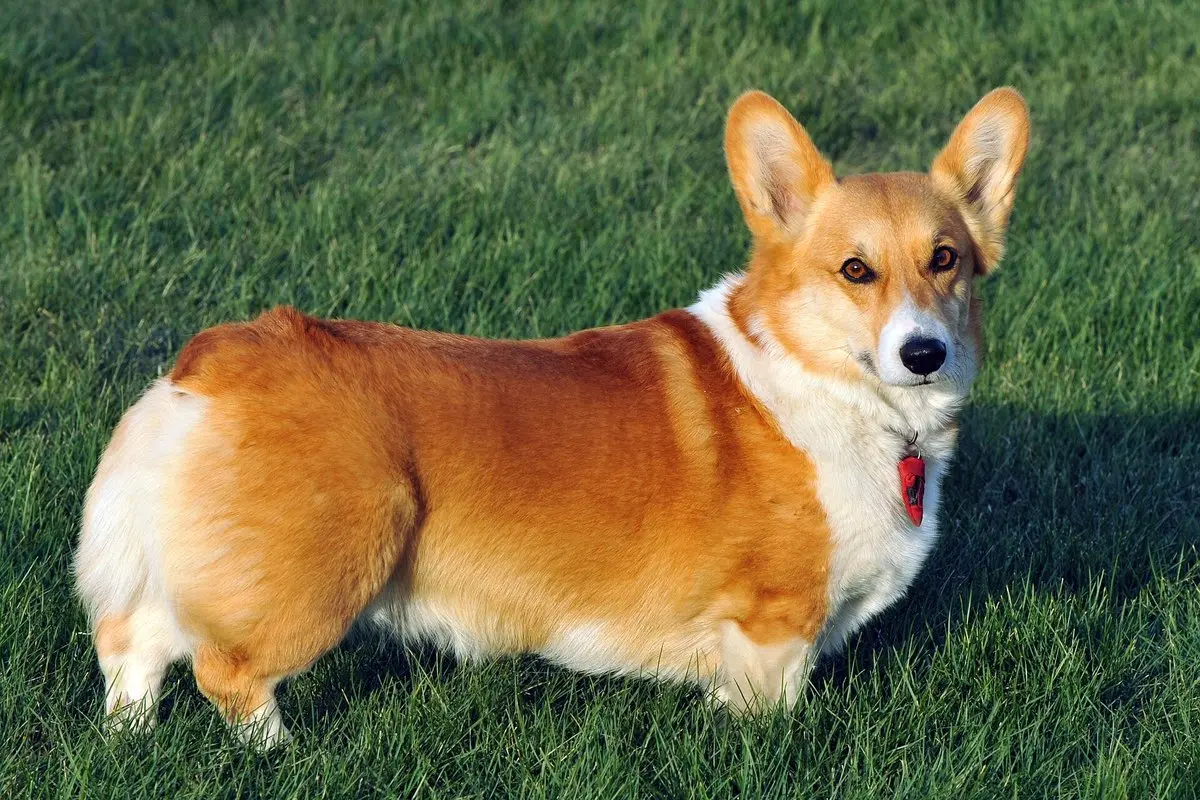
The Pembroke Welsh Corgi is a small but strong and athletic herder that, according to the AKC, is one of the most agreeable small house dogs: affectionate and companionable without being needy. Short, powerful legs, muscular thighs, a deep chest, a fox-like face, and erect ears make for a dog that looks like a big dog in a small body. Worldwide, Corgis became famous as the beloved companions of Queen Elizabeth II. In our dog breed directory, you will find the history, appearance, temperament, and care of the Pembroke Welsh Corgi.
| Origin | Great Britain (Pembrokeshire, Wales) |
|---|---|
| FCI Group | Group 1 – Sheepdogs and Cattle Dogs (No. 39) |
| Height | 10–12 inches |
| Weight | males up to 30 lbs, females up to 28 lbs |
| Coat | double coat: soft undercoat and coarse outer coat |
| Colors | red, sable, fawn, black and tan; with or without white markings |
| Lifespan | 12–13 years |
| Temperament | smart, alert, brave, affectionate |
| Suitable for | active families, apartment or house |
The Welsh Corgi: A Flemish Weaver's Herder
The name "corgi" comes from the Welsh words cor (dwarf) and ci (dog). The AKC notes that medieval monarchs displayed their greatness with luxurious carpets and tapestries, and the best weavers lived in Flanders. In 1107, King Henry I of England invited a community of Flemish weavers to live in southwestern Wales. The weavers brought everything they needed for their agrarian lifestyle, including sturdy, short-legged dogs that herded cattle and sheep—the foundation of the modern Pembroke. Wikipedia highlights that Pembrokes are descended from the Spitz family.
The Pembroke has been considered a separate breed from its cousin, the Cardigan, since the late 19th century, although the two breeds frequently intermingled in the old breeding centers of Pembrokeshire and Cardiganshire. Queen Elizabeth II brought worldwide fame to the Pembroke, owning more than 30 Corgis during her reign. While the breed's popularity has slightly declined in Britain in recent years, it remains incredibly popular in the US, with massive Corgi meetups held in major cities. The FCI recognized the breed in 1963.
Appearance: Long, Low, and Fast
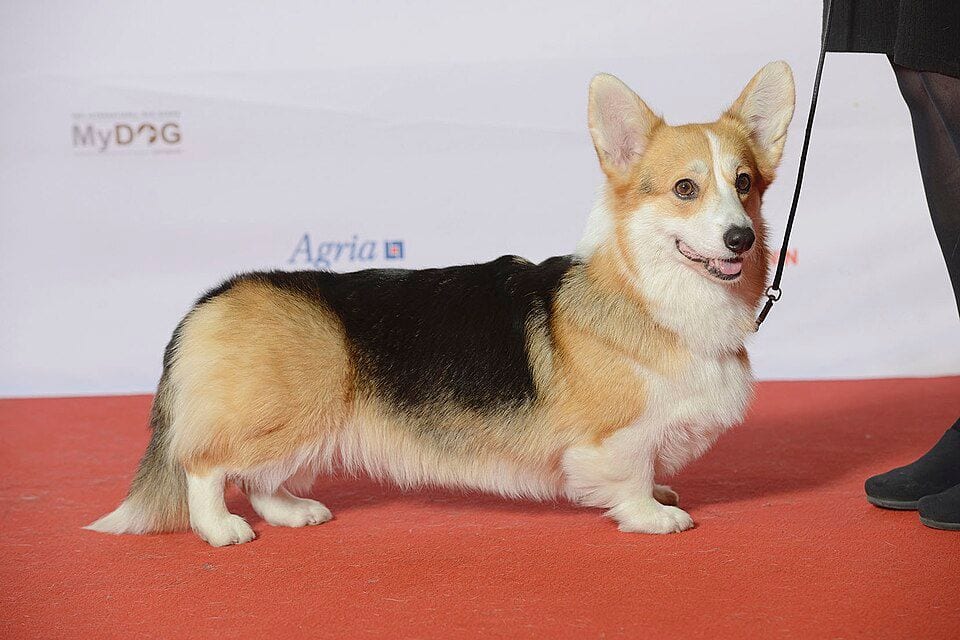
The Pembroke is built long and low but is a surprisingly fast and agile dog. The head is fox-like in shape, and the ears are firm, medium-sized, erect, and slightly tapered. The Pembroke differs from the Cardigan by having a shorter body, smaller ears, and straighter legs. Colors include red, sable, fawn, and black and tan, with or without white markings.
Some Pembrokes are born with a naturally short tail, but many have traditionally had their tails docked. According to Wikipedia, this did not stem from a herding necessity, but rather from an old British tax law: a non-herding dog was considered a luxury and taxed. Today, tail docking is restricted or banned in many countries, and the FCI and the British Kennel Club allow natural tails in the show ring, though the AKC standard still calls for a docked tail in the US.
Temperament: A Big Dog in a Small Body
The AKC describes the Pembroke as a smart, sensitive dog that loves playing with its family and responds well to training. As cattle herders, Corgis are fearless and independent, serving as alert watchdogs with sharp senses and a "big dog" bark. They love to be involved in family life, follow their owners around, and are eager to please, making them willing learners, though they sometimes have a mind of their own. In Stanley Coren's book "The Intelligence of Dogs," Pembrokes are ranked 11th.
Most Pembrokes seek attention from everyone they meet and do well with children and other pets, but early socialization with animals, adults, and children is essential to prevent antisocial behavior later on. If a Corgi does not get enough physical and mental activity, their tendency to bark can increase.
Health
- Hip and elbow dysplasia – parent screenings are recommended.
- Degenerative myelopathy – a spinal cord disease; a DNA test is available.
- Von Willebrand's disease – a blood clotting disorder.
- Eye and cardiac conditions – breeding dogs should be tested.
- Back and weight issues – their long body and short legs require protection from obesity and jumping.
Care
- Coat. Go over it daily with a comb and slicker brush; during shedding season, baths and an undercoat rake help.
- Exercise. Moderate daily exercise—long walks, slow jogs, agility, or herding activities; a Corgi will not be able to keep up with a bicycle.
- Climate. Avoid extreme heat and cold, and provide plenty of water after exercise.
- Socialization. From 7 weeks to 4 months, expose them to as many new people and places as possible.
The Welsh Corgi vs. Other Herders
| Trait | Welsh Corgi | Border Collie | Australian Shepherd |
|---|---|---|---|
| Weight | up to 30 lbs | 30–55 lbs | 40–65 lbs |
| Legs | short | long | long |
| Herding style | cattle | sheep | cattle, sheep |
| Energy | high | very high | very high |
The Welsh Corgi is Perfect for an Active Family with a Sense of Humor
A Corgi looks like a small dog but acts like a herder—they need exercise, jobs to do, and clear rules.
- Good for: active families, people interested in agility, obedience, or herding sports, and apartment living if the dog gets enough daily activity.
- Not for: families with small, running children (a Corgi might nip at their heels), sedentary people, and those who cannot tolerate shedding.
Their short legs and long body mean you must protect their back: it is wise to limit jumping off furniture and using stairs, and most importantly, do not let them gain excess weight, as Corgis are prone to overeating.
How to Choose a Pembroke Welsh Corgi Puppy
Ask the breeder for the parents' hip, eye, and cardiac evaluations, as well as DNA tests for degenerative myelopathy and von Willebrand's disease. A responsible breeder will not breed dogs with severe faults, such as a very long, thin "fluffy" coat or dilute colors. When looking for a puppy in the US, ensure the breeder provides AKC registration papers, a clear health contract, and allows you to meet the puppy's parents. Avoid pet stores or puppy mills. Microchipping is highly recommended by veterinarians to keep your pet safe. Read more in our guide introduction.
You can find other herding dogs in the Border Collie and Australian Shepherd profiles, and another short-legged breed in the Dachshund guide.
Frequently asked questions
What is the difference between a Pembroke and a Cardigan Welsh Corgi?
They are two separate breeds. The Pembroke has a shorter body, smaller pointed ears, and slightly straighter legs, and its tail is often naturally short or docked. The Cardigan has more rounded ears and a much longer tail.
How much does a Welsh Corgi weigh?
According to the AKC, males weigh up to 30 lbs and females up to 28 lbs; height at the withers is 10–12 inches. Wikipedia notes a typical weight of 22–28 lbs.
Do Corgis shed a lot?
Yes. Their double coat sheds daily and especially heavily in the spring and fall (the AKC notes late spring and early summer). Daily brushing with a comb and slicker brush helps reduce the amount of hair around the house.
Is a Corgi a good family dog?
Most Pembrokes are friendly, seek attention from everyone, and do well with children and other pets if socialized from an early age. Because of their herding instinct, they may sometimes try to "herd" running children.
Why are Corgis' tails docked?
The tradition stems from old British tax laws: a non-herding dog was considered a luxury and taxed, so herding dogs had their tails docked to prove their working status. Today, tail docking is restricted or banned in many countries, though the AKC breed standard still calls for a docked tail in the US. The FCI allows natural tails in the show ring.
Sources
- Wikipedia: Pembroke Welsh Corgi
- AKC (American Kennel Club): Pembroke Welsh Corgi breed profile
- FCI: Welsh Corgi Pembroke breed standard (No. 39)
- Cover photo: A red and white Pembroke Welsh Corgi standing in the grass (Photo: Pmuths1956, CC BY-SA 3.0)
- Wikimedia Commons photo: Tricolor Welsh Corgi at a dog show (Photo: Svenska Mässan from Sweden, CC BY 2.0)
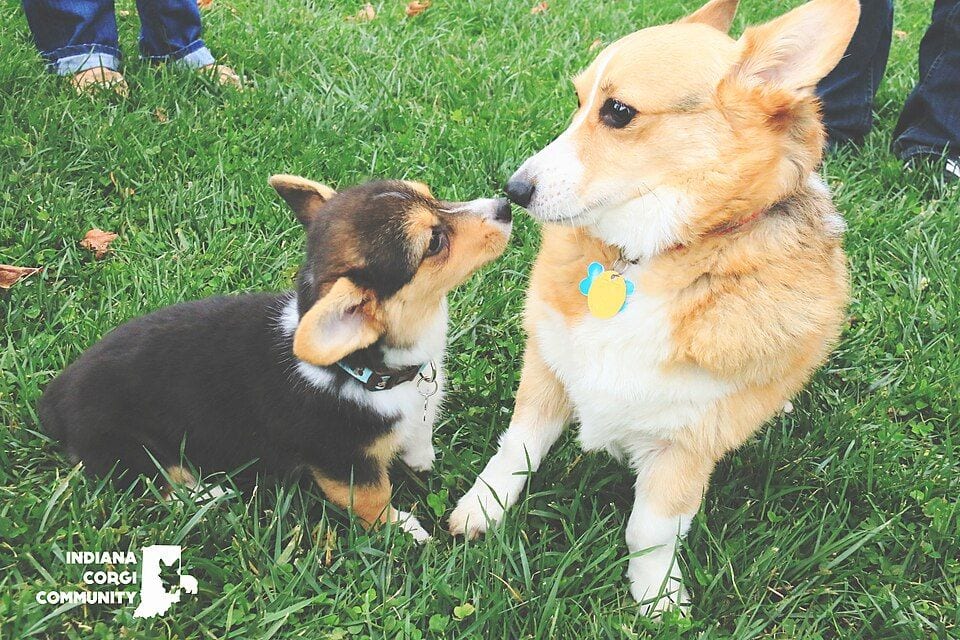
- Wikimedia Commons photo: Corgi puppy and adult Corgi in the grass (Photo: Magen Peters, CC BY 2.0)
Log in to comment
No comments yet. Be the first.