Tree Species Catalog: Leaves, Flowers, Fruits, and Seeds
- Tree Catalog
- Common Trees in Temperate Forests
- Wild Fruit Trees, Shrubs, and Introduced Trees
- Rare and Historically Overharvested Trees
- Where Temperate Forests Came From
- Climate Change and the Future of Trees
- Deciduous and Coniferous Trees
- Native, Introduced, and Invasive Trees
- What Makes Up a Tree
- How to Identify a Tree
- The Tree's Year
- Oldest and Largest Trees
- When and How to Plant Trees
- Trees and Allergies
- Trees in Culture and Mythology
- Benefits of Trees and Timber
- How to Use This Guide
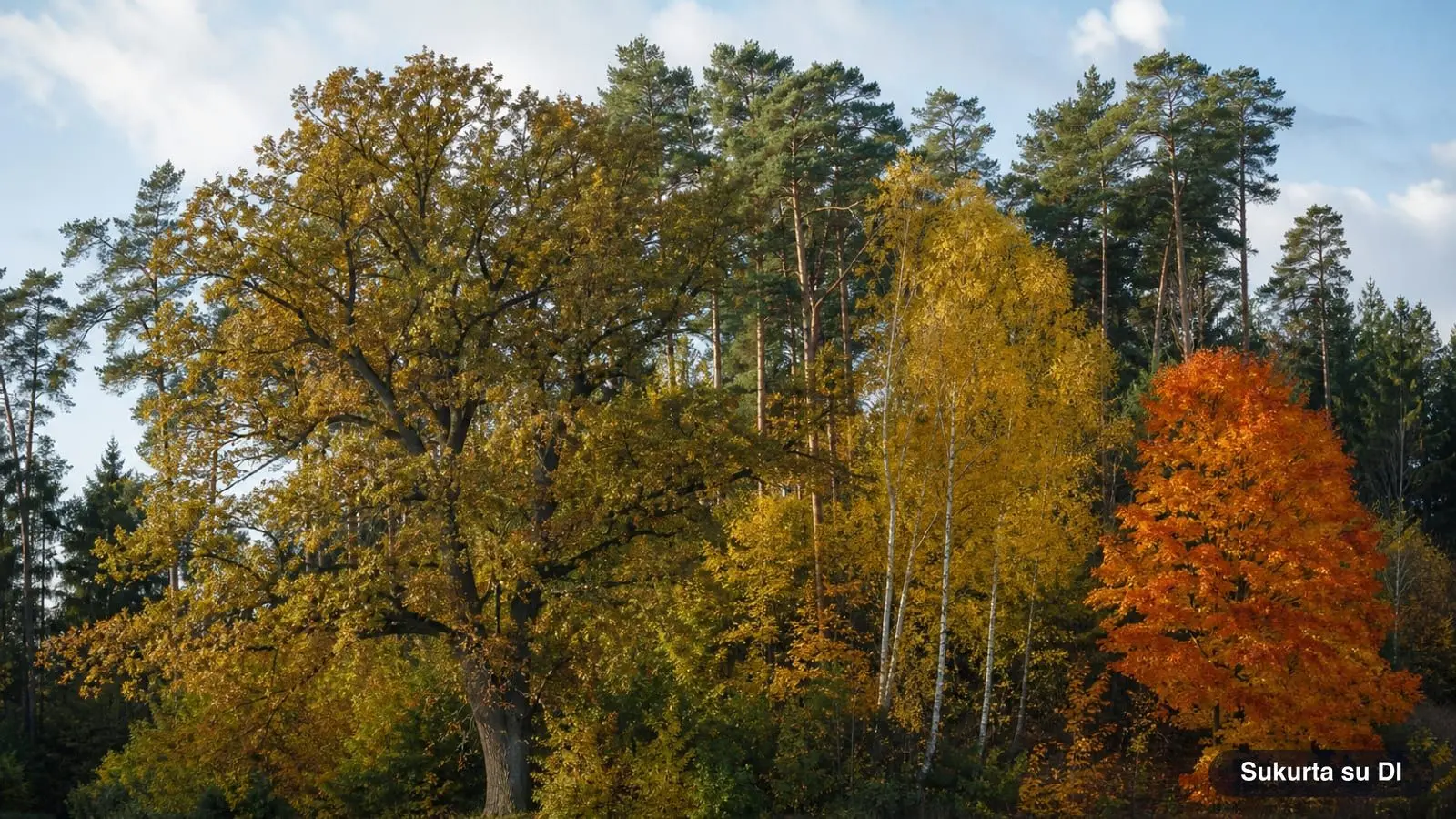
In cool temperate regions, dozens of native tree species grow wild, while many more introduced trees thrive in parks, gardens, and along streets. Some, like pine or birch, form entire forests, while others, like the sessile oak, are rarer, and the European yew has disappeared from many wild habitats and is now mostly cultivated. This Tree Guide is a catalog where each species is described using a uniform format: what its leaves, flowers, fruits, seeds, bark, and buds look like, how it differs from similar species, where it grows, how long it lives, what it is used for, and famous examples of the species. The illustrations will help you identify a tree at any time of year.
Tree Catalog
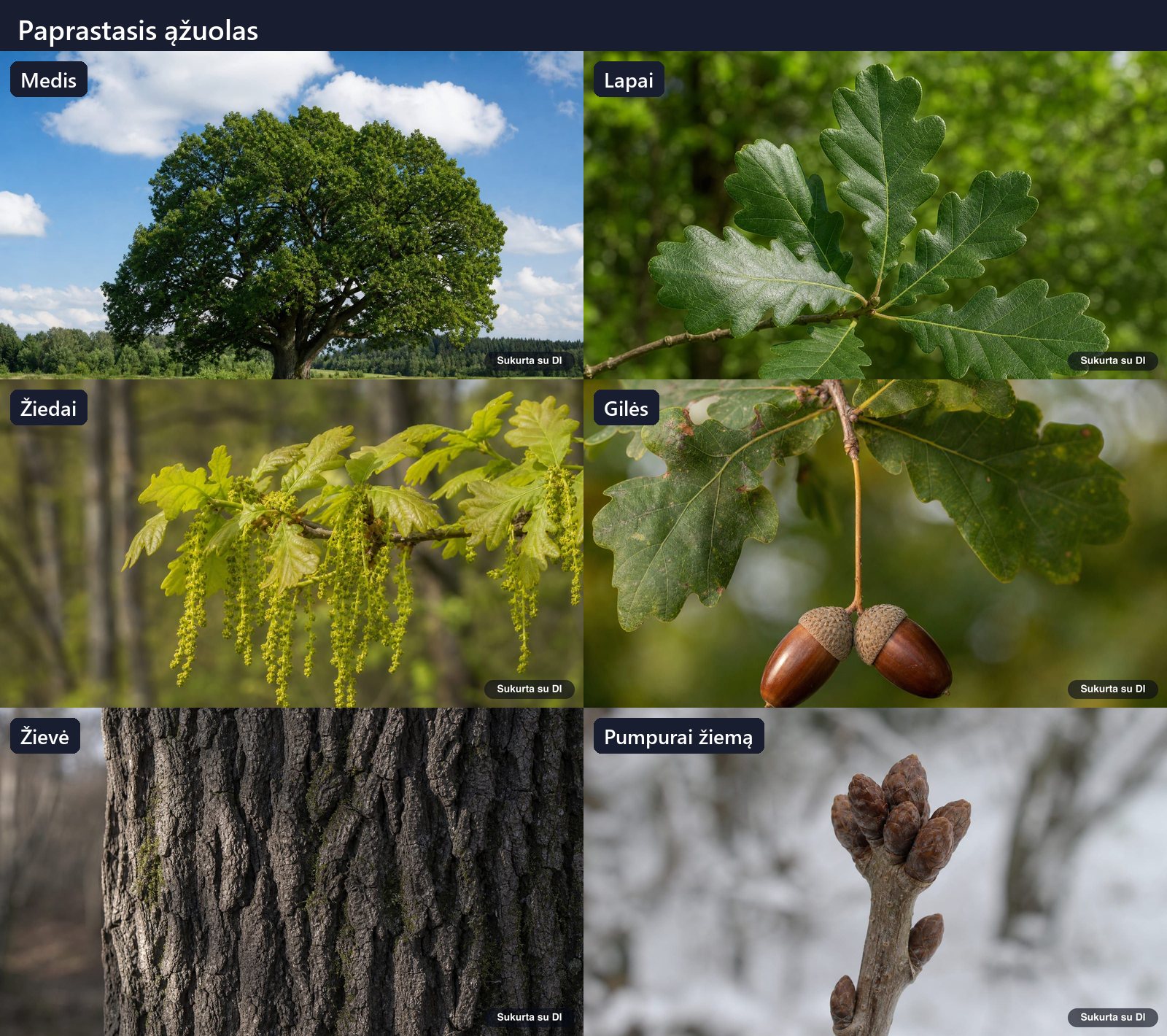
The catalog is continually updated. In each card, you will find a fact table, six illustrations (the tree, leaves, flowers, fruits or seeds, bark, buds), identification features, a comparison table with similar species, and frequently asked questions.
| Tree | Latin Name | Group | Origin |
|---|---|---|---|
| English Oak | Quercus robur | deciduous | native to Europe |
| Scots Pine | Pinus sylvestris | conifer | native to Eurasia |
| Silver and Downy Birch | Betula pendula, B. pubescens | deciduous | native to Eurasia |
| Small-leaved Linden (Lime Tree) | Tilia cordata | deciduous | native to Europe |
| Norway Maple | Acer platanoides | deciduous | native to Europe |
| Horse Chestnut | Aesculus hippocastanum | deciduous | native to the Balkans, introduced widely |
| Norway Spruce | Picea abies | conifer | native to Europe |
| European Yew | Taxus baccata | conifer | native to Europe, often cultivated |
| European Hornbeam | Carpinus betulus | deciduous | native to Europe |
| European Ash | Fraxinus excelsior | deciduous | native to Europe |
| Black and Grey Alder | Alnus glutinosa, A. incana | deciduous | native to Europe |
| Common Juniper | Juniperus communis | conifer | native to the Northern Hemisphere |
| European, Siberian, and Japanese Larches | Larix | deciduous conifer | native to temperate regions |
| Rowan (Mountain Ash) | Sorbus aucuparia | deciduous | native to Eurasia |
| Willows, Sallows, and Osiers | Salix | deciduous | native to temperate regions |
| Bird Cherry | Prunus padus | deciduous | native to Eurasia |
| Black, White, and Balsam Poplars | Populus | deciduous | native to the Northern Hemisphere |
| Eurasian Aspen | Populus tremula | deciduous | native to Eurasia |
| Wych Elm, European White Elm, and Field Elm | Ulmus | deciduous | native to Europe |
| Common Hazel | Corylus avellana | deciduous shrub or small tree | native to Europe |
| European Beech | Fagus sylvatica | deciduous | native to Europe |
| Northern White-Cedar (Arborvitae) | Thuja occidentalis | conifer | native to North America, introduced widely |
| European Silver, Caucasian, and Balsam Firs | Abies | conifers | native to temperate regions |
| Hawthorns | Crataegus | deciduous shrubs and small trees | native to the Northern Hemisphere |
| Ginkgo | Ginkgo biloba | deciduous gymnosperm | native to China, introduced globally |
| English, Manchurian, and Butternut | Juglans | deciduous | native to temperate regions |
| European Crab Apple and Wild Pear | Malus sylvestris, Pyrus pyraster | deciduous | native to Europe |
| Alder Buckthorn | Frangula alnus | deciduous shrub or small tree | native to Eurasia |
| Box Elder, Black Locust, Black Cherry | Acer negundo, Robinia, Prunus serotina | deciduous | invasive in many regions |
Thematic Guides
- Tree Leaves: Identification Atlas – leaf types, arrangement, shapes, margins, a table of 20 common tree leaves, conifer needles, why leaves change color, and how to make a herbarium.
- Tree Seeds and Fruits – acorns, samaras, cones, nuts, and berries, when they ripen, how they are spread by wind and animals, which are edible, and how to grow a tree from seed.
- Trees in Winter – how to identify leafless trees by their silhouette, bark, buds, leaf scars, and lingering fruits.
- Invasive Trees – box elder, black locust, and black cherry: how to identify them and why they need to be managed even in urban areas.
- Birch Sap – when and how to tap sap, general rules for foraging in public forests, hole sizes, and sustainable practices.
- Oldest and Largest Trees – ancient oaks, towering larches, famous lindens, and how monumental trees are protected globally.
Common Trees in Temperate Forests
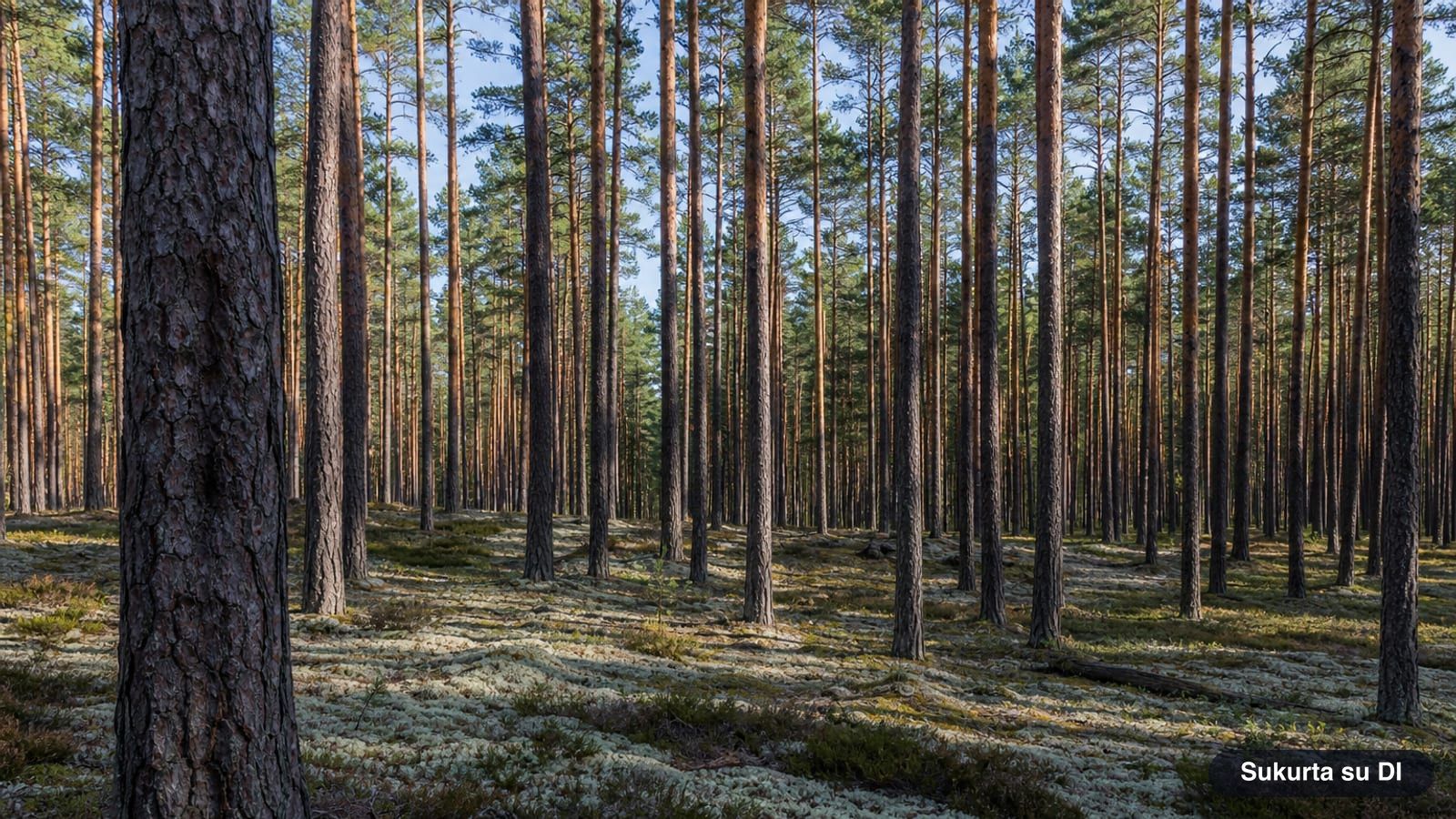
According to global forestry statistics, forests cover about 31% of the world's land area. In cool temperate and boreal regions, the total timber volume is immense, and forest stands are typically classified by their dominant tree species. A typical breakdown of dominant species in northern European and Asian forests includes:
| Forest Type | Typical Share, % | Dominant Tree |
|---|---|---|
| Pine forests | 30–40 | Scots pine |
| Birch forests | 15–25 | Silver and downy birches |
| Spruce forests | 15–25 | Norway spruce |
| Black alder forests | 5–10 | Black alder |
| Grey alder forests | 2–8 | Grey alder |
| Aspen forests | 2–8 | Eurasian aspen |
| Oak forests | 1–5 | English oak |
| Ash forests | < 1 | European ash |
| Others | 1–5 | Linden, maple, hornbeam, elms, etc. |
| Total | 100 |
Thus, more than half of the forest stands in these northern regions consist of conifers—pines and spruces—while birches make up the majority of the deciduous forests. Broadleaved trees like oaks, ashes, lindens, and maples, which formed vast primeval forests thousands of years ago, today cover only a small percentage of the area, though individual trees are found everywhere. Ash forest areas have declined sharply in recent decades due to ash dieback, a fungal disease that has devastated ash populations across Europe.
The largest contiguous forests are often found in regions with sandy soils or rugged terrain less suitable for agriculture. Many of these vital forest ecosystems are now located within protected areas, national parks, or their buffer zones to preserve biodiversity.
Wild Fruit Trees, Shrubs, and Introduced Trees
In addition to the main forest canopy trees, the catalog describes less conspicuous but ecologically vital plants. The European crab apple and wild pear are wild relatives of orchard fruit trees; the wild pear is often protected due to its rarity in natural woodlands. The alder buckthorn is a shrub of damp forests whose leaves feed the caterpillars of the brimstone butterfly, and its bark has traditional medicinal uses. Among introduced trees, we describe the ginkgo, often called a "living fossil," and the English walnut, widely grown in homesteads. A separate section is dedicated to the spring tradition of tapping birch sap, complete with sustainable harvesting guidelines.
Rare and Historically Overharvested Trees
Not all native trees are abundant. The sessile oak, very similar to the English oak, has a more restricted natural range in some northern regions and is relatively rare. The European yew once grew abundantly in western European forests, but because of its incredibly strong, durable wood—used for making longbows, arrows, and weapon handles—it was heavily overharvested until the late 19th century. In many countries, it is listed as a protected or locally extinct species in the wild, and today it is mostly grown in parks, gardens, and cemeteries, often as a clipped hedge. The yew is one of the longest-living trees in Europe, and compounds extracted from it are used in the production of certain cancer medications.
Where Temperate Forests Came From
The current forests of northern Europe and North America began to form about 10,000 years ago as the last glaciers retreated. Tree species that the ice had pushed south gradually migrated back. Scientists determine what those ancient forests looked like from pollen deposited in peat bogs: about 5,000 years ago, many northern regions were dominated by alders, pines, birches, and spruces, while oaks, lindens, and elms together made up a significant portion of the canopy. The European ash arrived later from warmer southern regions. Historical records show that in the Middle Ages, European larches and yews were much more common in wild woodlands than they are today.
In total, cool temperate regions of Europe typically host around 25 to 30 native tree species, not counting the goat willow and other willows that often grow as shrubs. The main forest stands are formed by about half of these: Scots pine, Norway spruce, silver and downy birches, black alder, grey alder, Eurasian aspen, English oak, European ash, small-leaved linden, European hornbeam, and European larch.
Climate Change and the Future of Trees
As the global climate warms, the composition of forests will inevitably change. Scientists estimate that the current climate in many northern regions is already becoming suitable for more southern species, such as the European silver fir, sycamore maple, European beech, sessile oak, and large-leaved linden. Some botanists note that the beech is already spreading naturally into areas further north than its historical range. It is predicted that by the end of this century, species like the field maple, sweet chestnut, or wild cherry may become firmly established in previously cold climates. Conversely, conditions will worsen for cold-adapted trees: the Norway spruce is the most likely to retreat, as it is already increasingly suffering from droughts and outbreaks of the European spruce bark beetle.
Deciduous and Coniferous Trees
All common forest trees can primarily be divided into two groups.
Conifers belong to the gymnosperms: their seeds do not ripen inside fruits, but openly on the scales of cones. Their leaves have evolved into narrow, stiff needles or small scales covered with a layer of wax, which is why most conifers are evergreen—they replace their needles gradually over several years. The only exception among common northern conifers is the larch, which drops all its needles in autumn. Native conifers in northern Europe include the Scots pine, Norway spruce, and common juniper; the European yew was once widespread but is now rare in the wild. Parks and gardens often feature planted larches, firs, arborvitae (thujas), Douglas firs, blue spruces, and other pine species.
Deciduous trees belong to the angiosperms—flowering plants whose seeds ripen inside fruits: acorns, nuts, samaras, or berries. Their leaves are broad, and those growing in cool climates shed their leaves in autumn. There are many more species of deciduous trees: birches, alders, aspen, oak, ash, linden, maple, hornbeam, elms, rowan, bird cherry, willows, poplars, hazel, hawthorns, and others.
| Feature | Conifers | Deciduous Trees |
|---|---|---|
| Leaves | needles or scales | broad leaves |
| In Winter | usually green (except larch) | leafless |
| Seeds | on cone scales | in fruits |
| Wood | softer, resinous | varies – from soft linden to hard oak |
| Examples | pine, spruce, larch, juniper, yew | oak, birch, linden, maple, alder |
Native, Introduced, and Invasive Trees
Native trees have grown in their respective regions for thousands of years without human assistance, having migrated naturally after the last ice age. These include pine, spruce, birches, alders, aspen, oak, ash, linden, maple, hornbeam, elms, rowan, bird cherry, willows, and others.
Introduced (non-native) trees were brought in by humans, usually as ornaments for parks, homesteads, and streets. Many have grown in these regions for centuries and now feel like a natural part of the landscape: the horse chestnut, European larch, black locust, northern red oak, northern white-cedar, European beech, and eastern white pine. Some of the tallest trees in Europe are introduced species, such as towering Douglas firs or re-introduced larches.
Invasive trees are introduced species that have begun to spread on their own, outcompeting native plants. Environmental agencies maintain lists of invasive species (read more in the invasive trees section): the box elder, which takes over riverbanks and abandoned lots, and the black locust, often colloquially called acacia. It is not recommended to plant these trees, and it is worth removing saplings that sprout on their own.
What Makes Up a Tree
A tree is a perennial woody plant with one or more trunks and a branching crown. The roots anchor it and absorb water and minerals, the trunk carries water upwards and supports the canopy, and the leaves produce sugars from carbon dioxide and water during photosynthesis. A cross-section of the trunk reveals several layers: on the outside is the protective bark, beneath it is the phloem (inner bark), through which nutrients travel down from the leaves, deeper still is the thin cambium, whose cells divide to grow a new layer of wood each year, and in the center is the wood (xylem) with annual rings and the pith. It is because of the cambium that a tree thickens every year, and its age can be determined by the rings. The bark, buds, and crown shape are unique to each species, helping to identify the tree even when there are no leaves.
How to Identify a Tree
Experienced foresters can identify a tree from afar—by the shape of the crown, the color of the bark, or even the sound of the leaves rustling in the wind. For beginners, a simple sequence will help:
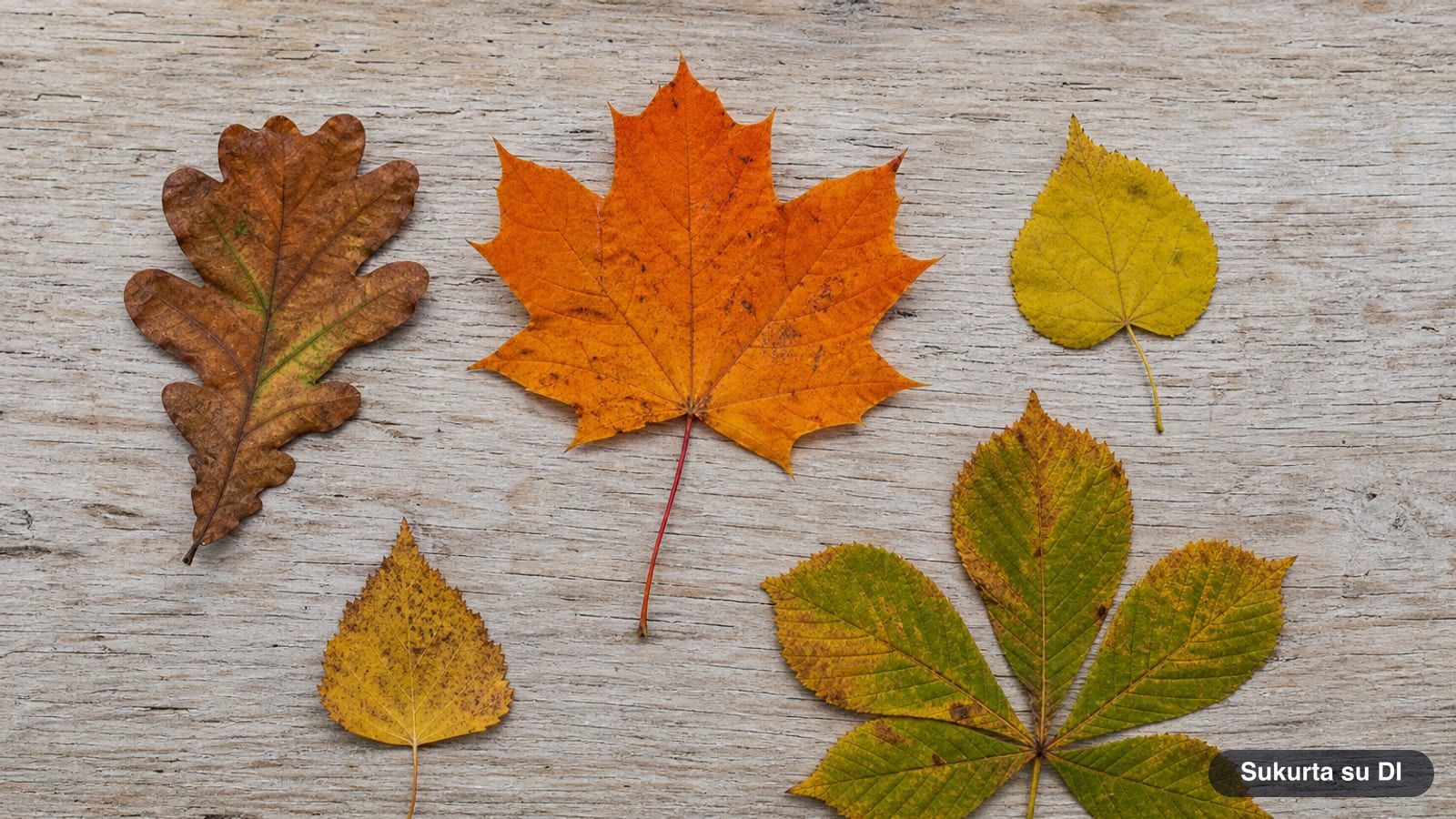
- Leaves. Are they simple or compound? Arranged in pairs (opposite) or alternately? What is their shape and margin? See the tree leaf atlas for these details.
- Bark. White peeling bark – birch; orange upper trunk – pine; deeply furrowed dark bark – old oak; smooth gray – young maple, linden, or hornbeam.
- Flowers. In spring, many trees bloom with catkins (birches, alders, hazels, oaks, willows), while others have bright flowers (chestnut, bird cherry, rowan, linden).
- Fruits and seeds. Acorns – oak; paired samaras – maple; spiky capsules – chestnut; cones – conifers. Read more in the seed and fruit guide.
- Buds and winter silhouette. Clustered buds at twig ends – oak; large sticky buds – chestnut; shiny red – linden; opposite reddish – maple; opposite black – ash. Read more in the trees in winter guide.
The Tree's Year
Trees do not all bloom at the same time, so you can often tell what month it is by looking at which species are flowering. Below is a general calendar for cool temperate climates in the Northern Hemisphere; in any given year, dates may shift by a week or two depending on how early spring arrives.
| Time of Year | What Happens |
|---|---|
| Late Winter to Early Spring | hazels and alders release pollen; pine and birch buds are collected; maple sap begins to flow as snow melts |
| Early to Mid-Spring | birch sap is tapped; willows and sallows bloom |
| Mid to Late Spring | birches bloom and release pollen, leaves unfurl; maples bloom |
| Late Spring | oaks, chestnuts, bird cherries, and rowans bloom; pines begin to release pollen |
| Early Summer | pines and spruces shed pollen; poplar and willow fluff flies in the wind |
| Mid-Summer | lindens bloom, linden blossoms are collected; birch seeds ripen |
| Late Summer to Early Autumn | hazel nuts and rowan berries ripen; the first birches turn yellow |
| Early to Mid-Autumn | acorns, chestnuts, and maple samaras fall; autumn colors peak, followed by leaf drop |
| Late Autumn to Winter | trees are leafless; identified by buds, bark, and silhouette; fruits linger on black alders and lindens |
Oldest and Largest Trees
Some of the longest-living trees in Europe are oaks and yews. Ancient oaks, such as the famous Bowthorpe Oak in England or the Stelmužė Oak in the Baltic region, are estimated to be over 1,000 years old, with massive trunk circumferences. Every year, remarkable trees are celebrated in contests like the European Tree of the Year. The tallest trees in Europe are often introduced conifers, such as towering Douglas firs or historical plantings of European larch that can reach nearly 160 feet (49 m) in height. Read more in the oldest and largest trees section.
When and How to Plant Trees
The best time to plant trees in cool climates is autumn, from leaf drop until the ground freezes, and early spring, before the saplings leaf out. Trees planted in autumn establish their roots over the winter and start growing earlier in the spring. Container-grown saplings with an intact root ball can be planted almost all season long, provided they are watered regularly.
- Choose the right species for the site. Pine likes light sandy soil and sun, oak prefers deep fertile loam, black alder and willows thrive in damp spots, linden and maple tolerate partial shade.
- Consider the final size. The crown of an oak, linden, or maple can reach 65–100 feet (20–30 m) wide after a few decades. Plant large trees well away from buildings, utility lines, and property boundaries.
- Dig a wide, not deep, hole. The root collar must remain at the soil surface level; a tree planted too deeply will struggle.
- Water and mulch. For the first two years, a tree needs water most of all, and mulch around the trunk retains moisture and suppresses weeds.
- Protect them. The bark of young saplings is favored by hares and mice, and the shoots by deer, so use protective tubes or fencing.
When choosing a tree for your property, give preference to native species: they are best adapted to the local climate and support native insects and birds. Invasive species—like the box elder and black locust—should be avoided.
Trees and Allergies
Many trees are wind-pollinated and release billions of pollen grains. In northern climates, the spring allergy season begins with hazels and alders, often as early as late winter, and peaks in mid-spring when birches release their pollen—birch pollen is considered one of the most significant allergens in northern regions. Later, oaks release pollen, and by early summer, pines produce so much pollen that it forms a visible yellow dust on water and cars. Allergy sufferers should monitor pollen forecasts and avoid planting highly allergenic trees near their homes.
Trees in Culture and Mythology
For ancient European peoples, trees were living entities with souls. Old oaks growing in sacred groves were considered the dwellings of the gods and were closely associated with thunder deities like Thor, Jupiter, or the Baltic Perkūnas. The linden tree was often associated with the feminine principle and fertility in various folklore traditions. In many fairy tales and myths across the continent, humans are transformed into trees—sons into strong oaks or ashes, and daughters into trembling aspens or spruces. The names of many trees in English and other Indo-European languages share deep ancient roots that reflect our ancestors' close relationship with the forest.
Benefits of Trees and Timber
Trees produce oxygen, absorb carbon dioxide, filter dust and noise, cool cities on hot days, protect soil from erosion, and provide homes for countless birds, insects, fungi, and mammals. In the forestry industry, the timber of pine, spruce, and birch is essential for construction, furniture, paper, and fuel. Each species has its own value: oak is hard and durable, perfect for parquet floors and fine furniture; linden is soft and white, ideal for carving; maple is prized for musical instruments; and birch is a primary source of plywood and high-heat firewood.
How to Use This Guide
If you know the name of the tree, simply open its card in the catalog table. If you don't know it, start with the leaf atlas or the seed guide and narrow down your search based on its features. All species cards are structured in the same way, making them easy to compare. The illustrations are AI-generated and carefully checked against botanical descriptions of the species, while real photographs are credited with the author and license. You will find more updates about forests in our forestry section.
Frequently asked questions
What are the most common forest trees in cool temperate climates?
In northern temperate and boreal regions, pines, birches, and spruces often dominate the landscape. They are typically followed by alders, aspens, oaks, and ashes, depending on the soil and local climate.
How much of the world's land is covered by forests?
Globally, forests cover about 31% of the land area, amounting to over 9.9 billion acres (4 billion hectares). They provide essential habitats, regulate the climate, and supply vital timber resources.
What are the oldest trees in the world?
Some of the oldest trees globally include the Great Basin bristlecone pines in North America, which can live for over 4,000 years. In Europe, ancient yews and monumental oaks can reach well over 1,000 years of age.
What are the tallest trees in the world?
The tallest trees on Earth are the coast redwoods, reaching over 380 feet (116 m). In European forests, introduced Douglas firs and native larches often hold the height records, sometimes exceeding 160 feet (49 m).
How can I identify a tree?
In summer, look at the leaves: are they simple or compound, opposite or alternate, and what is their shape and margin? In winter, rely on buds, bark, and the silhouette of the crown. In autumn, fruits and seeds are great identifiers. Conifers are easiest to tell apart by how their needles grow.
What is the difference between deciduous and coniferous trees?
Deciduous trees (broadleaves) have wide leaves, most shed them in autumn, and their seeds ripen inside fruits. Conifers have narrow needles or scales, almost all are evergreen (except the larch), and their seeds develop openly on cone scales.
What are some common invasive trees?
Certain introduced species, such as the box elder and black locust, can spread aggressively on their own and outcompete native vegetation in many regions. It is generally recommended to avoid planting them and to manage their spread in the wild.
All parts of the guide
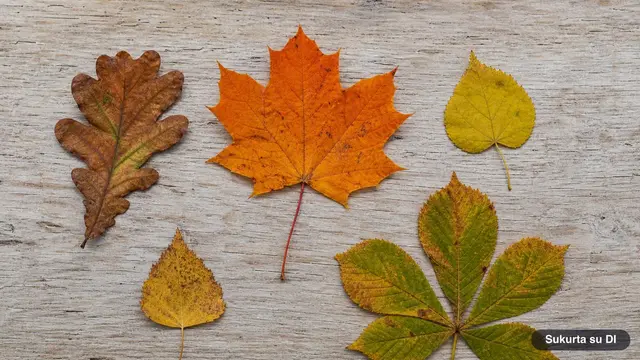 Tree LeavesA tree leaf identification guide covering leaf shapes, edges, arrangements, simple and compound leaves, conifer needles, common tree species, and why leaves change color in autumn.
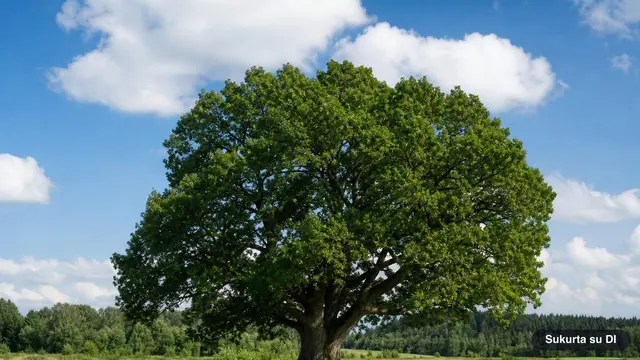 OakDiscover how to identify the English oak by its leaves, acorns, flowers, and bark, how it differs from sessile and red oaks, and where it thrives.
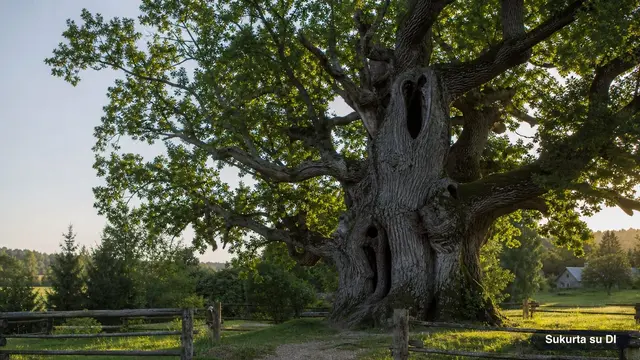 Oldest and Largest TreesExplore historic oaks, towering larches, and multi-trunked lindens of the Baltic region, and learn how heritage trees are protected and measured.
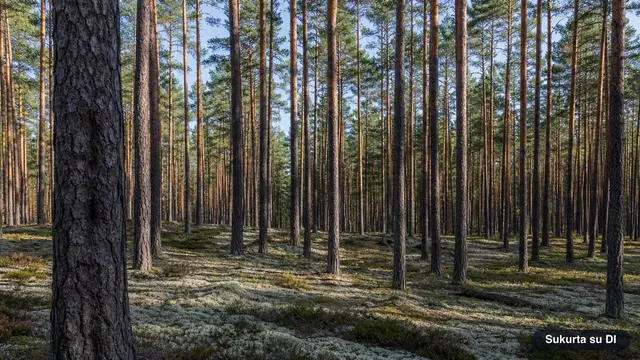 PineThe Scots pine is a widely distributed forest tree: discover its needles, flowers, cones, seeds, and bark, alongside mountain, black, eastern white, and Swiss pines.
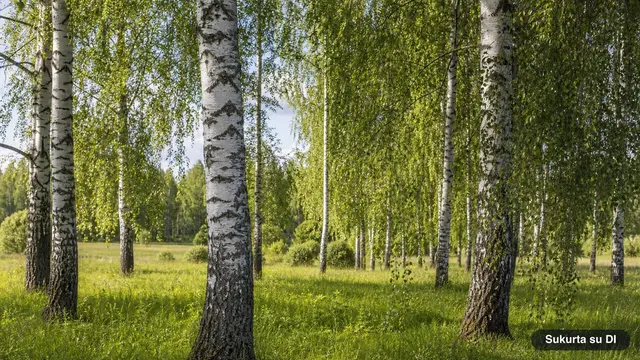 BirchA complete guide to silver and downy birch trees: how to identify them by bark, leaves, catkins, and seeds, how they differ, where they grow, and why their pollen causes allergies.
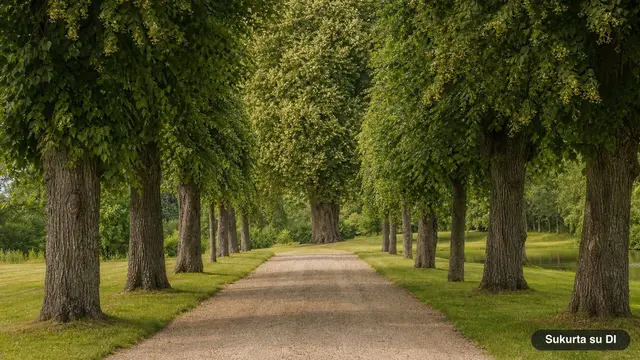 Linden (Lime Tree)Small-leaved linden: heart-shaped leaves, fragrant flowers with a distinct bract, nutlets, bark, red buds, linden blossom tea, and timber.
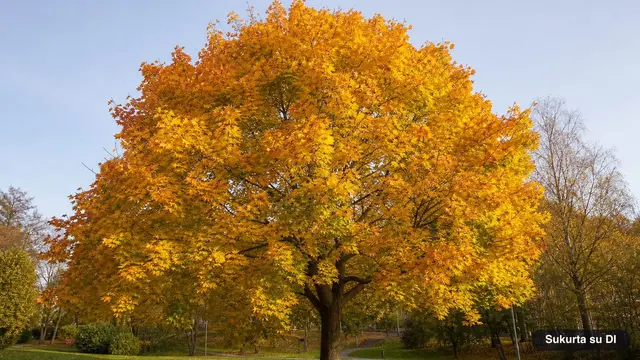 MapleA complete guide to the Norway maple: identifying its five-lobed leaves with milky sap, early yellow flowers, winged seeds, bark, and buds, plus other common maple species.
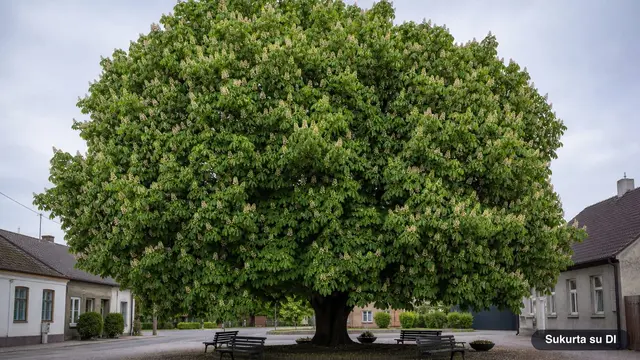 Horse ChestnutA complete guide to the horse chestnut tree: compound leaves, white flower spikes, spiky fruits, sticky buds, leaf miners, and how it differs from sweet chestnuts.
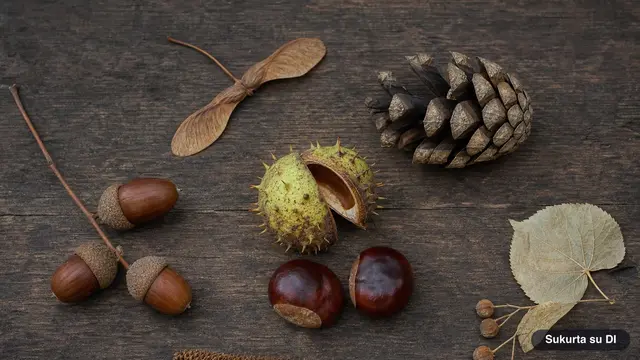 Tree Seeds and FruitsAcorns, samaras, cones, nuts, and berries: discover what tree seeds look like, when they ripen, how they spread, and how to grow a tree from seed.
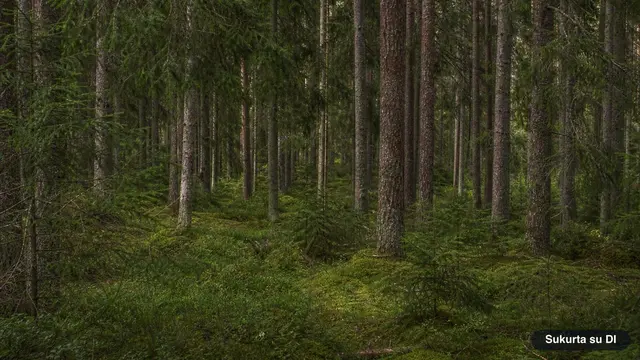 SpruceA complete guide to the Norway spruce: identifying its four-sided needles, red spring flowers, hanging cones, bark, buds, and how it differs from fir trees.
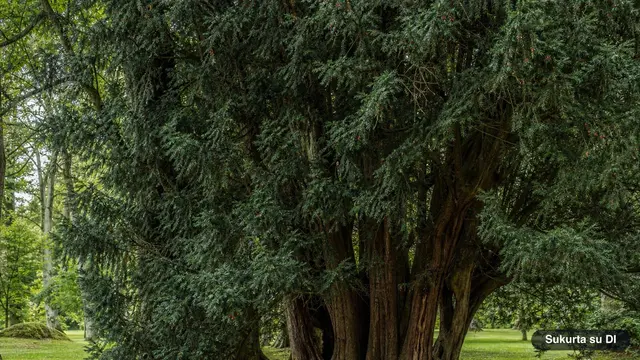 YewDiscover the European yew: identify its flat needles and red arils, learn why it is highly poisonous, explore its history, and see how to grow it as a hedge.
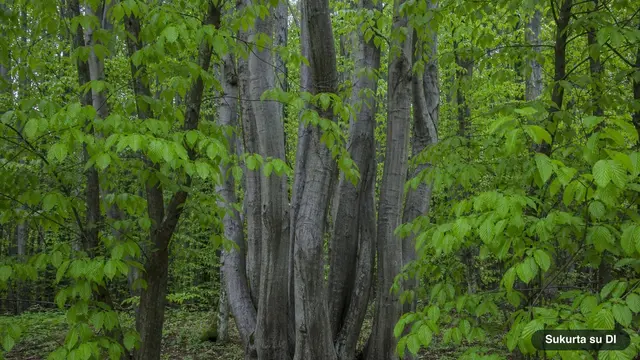 HornbeamEuropean hornbeam: ribbed double-toothed leaves, three-lobed winged fruit, smooth 'muscular' bark, native range, and how to grow a dense hornbeam hedge.
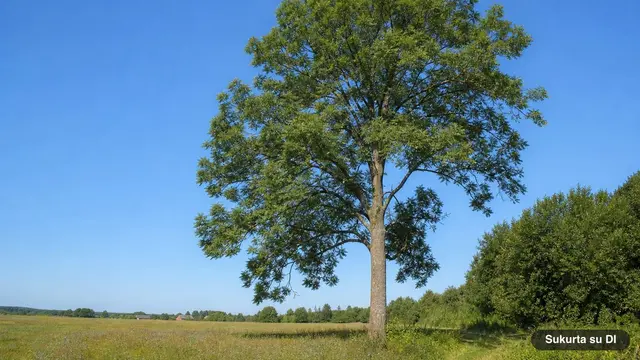 AshThe European ash features pinnate leaves, distinctive black buds, purple spring flowers, and winged seeds, but faces a severe threat from ash dieback disease across its native range.
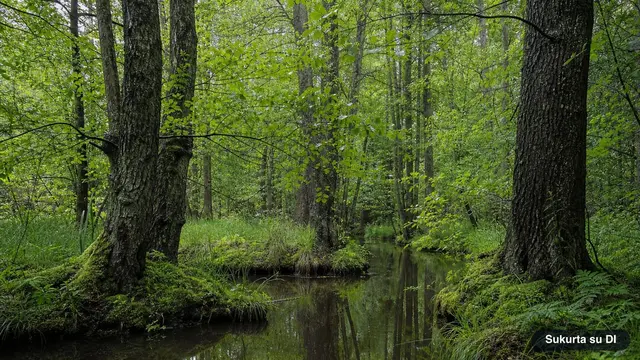 AlderA complete guide to black and grey alders: identifying leaves, catkins, woody cones, and bark, understanding their differences, and exploring their nitrogen-fixing benefits and wood uses.
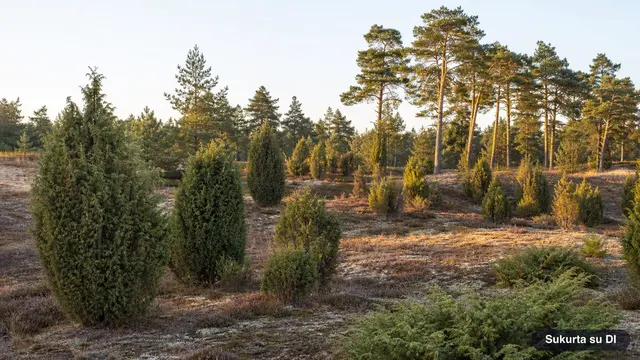 JuniperA complete guide to the common juniper: identifying its sharp needles and blue berries, understanding its growth habits, culinary uses, and popular garden varieties.
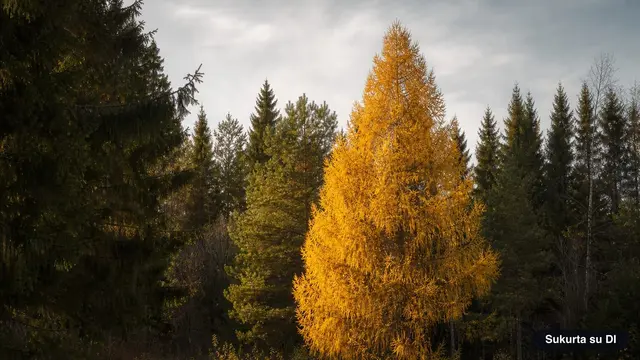 LarchLarches are deciduous conifers known for soft needle tufts, pink spring flowers, upright cones, thick bark, and brilliant golden autumn color.
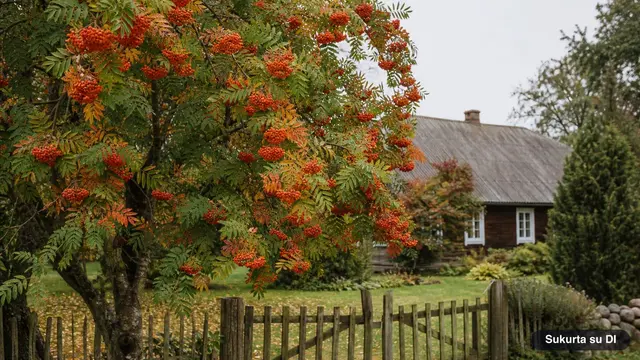 Rowan (Mountain Ash)Discover the rowan tree: identify its pinnate leaves, white flowers, and orange-red berries. Learn about its edible uses, rich folklore, and popular garden varieties.
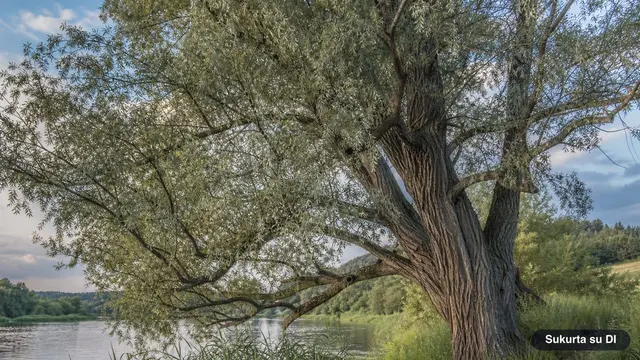 WillowsA complete guide to willows: identifying white, crack, and goat willows, recognizing their narrow leaves and fluffy catkins, the history of willow bark and salicin, and growing ornamental varieties.
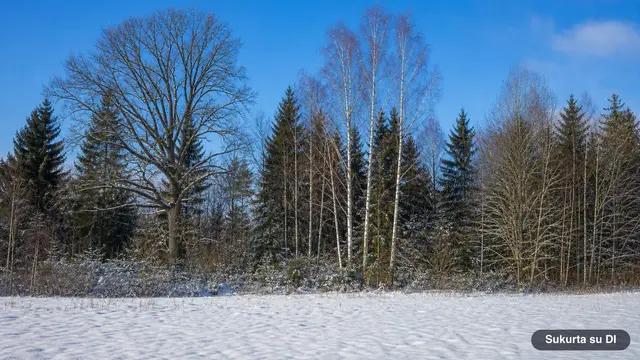 Trees in WinterDiscover how to identify trees in winter without leaves using silhouettes, bark, buds, leaf scars, and remaining fruits, plus a winter identification chart.
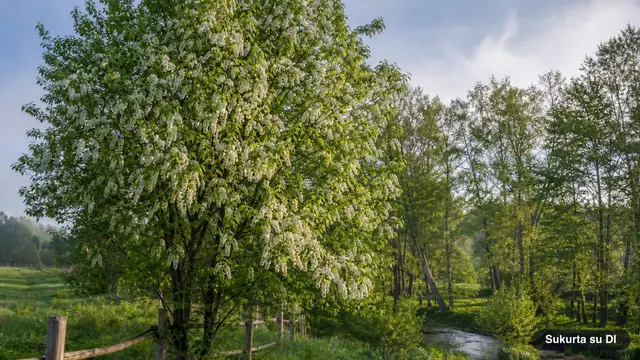 Bird CherryThe bird cherry: fragrant white flower racemes in spring, astringent black drupes, leaves, bark, the bird cherry ermine moth, and how to identify it.
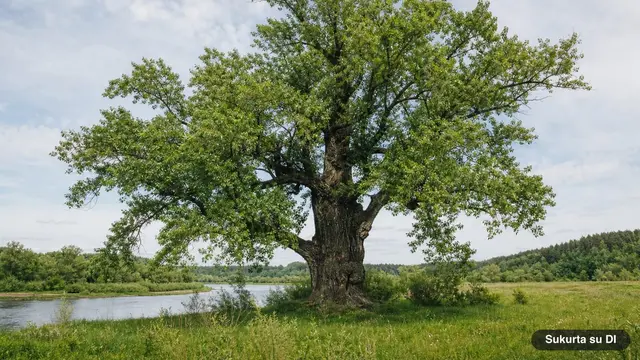 PoplarsDiscover how to identify black, white, balsam, Canadian, and Lombardy poplars by their leaves, red catkins, bark, and why only female trees produce the famous summer fluff.
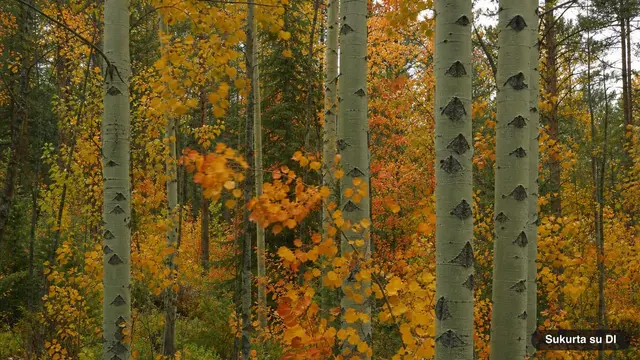 AspenEurasian aspen: round quivering leaves on flattened stalks, greenish-gray bark, red catkins, root suckers, clonal groves, lightweight wood, and wildlife value.
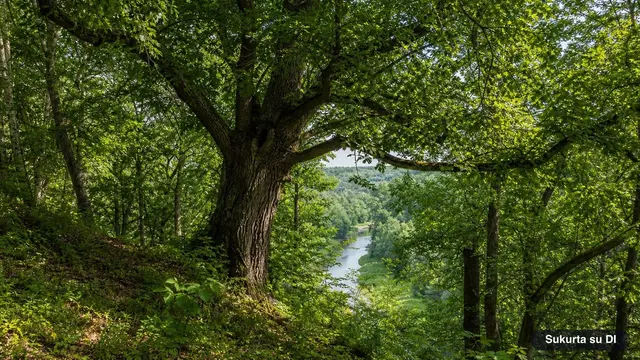 ElmsA complete guide to elm trees: identifying wych elm, European white elm, and field elm by their rough leaves, early flowers, and samaras, plus facts on Dutch elm disease.
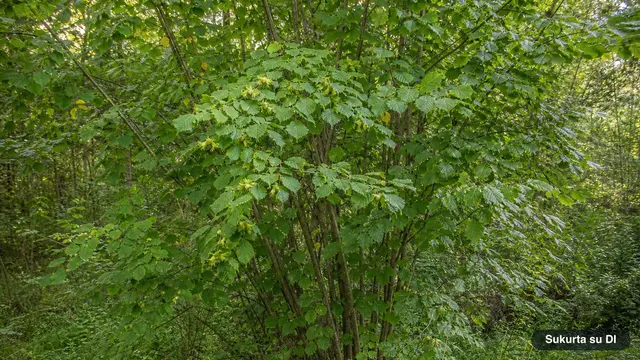 HazelCommon hazel: early spring catkins, round hairy leaves, hazelnuts, when to harvest, nut weevils, garden varieties, and how to grow hazel.
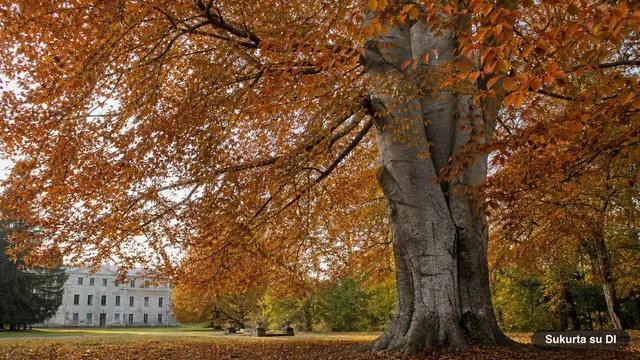 BeechThe European beech features smooth silvery-gray bark, shiny leaves, long pointed buds, and triangular nuts in spiky husks. Discover copper beeches and beech hedges.
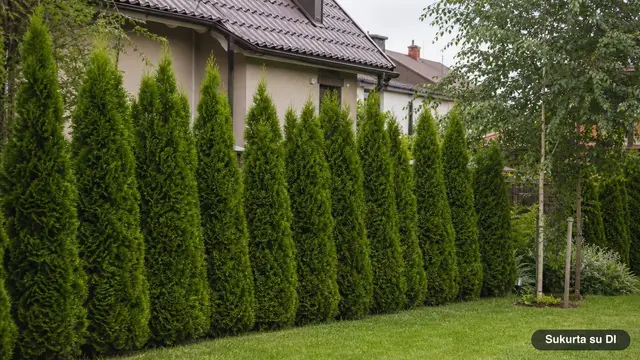 Thuja (Arborvitae)Northern white-cedar features scale-like leaves, small cones, and fibrous bark. Discover top varieties like 'Smaragd', hedge care, and toxicity facts.
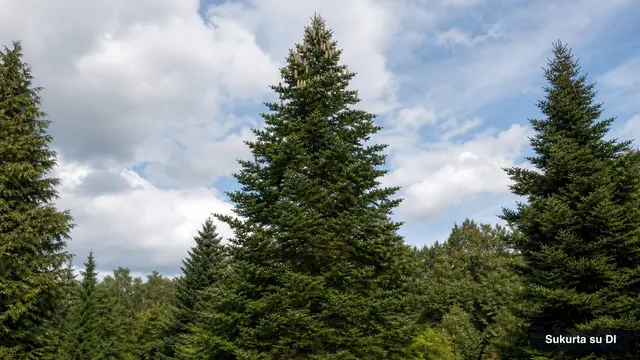 FirDiscover the world of fir trees: identifying flat needles and upright cones, using Nordmann and balsam firs as Christmas trees, and telling firs apart from spruce.
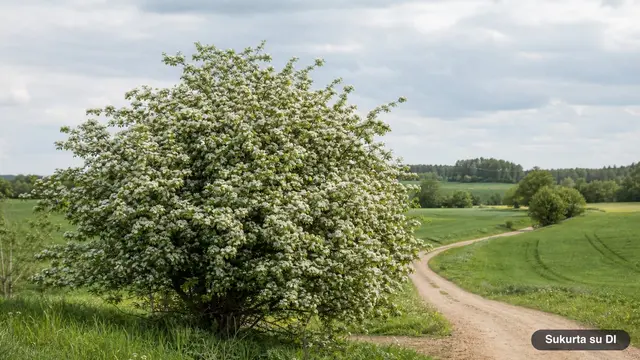 HawthornA complete guide to hawthorn trees: identifying lobed leaves, white flower clusters, red berries, and sharp thorns, plus hedges and medicinal uses.
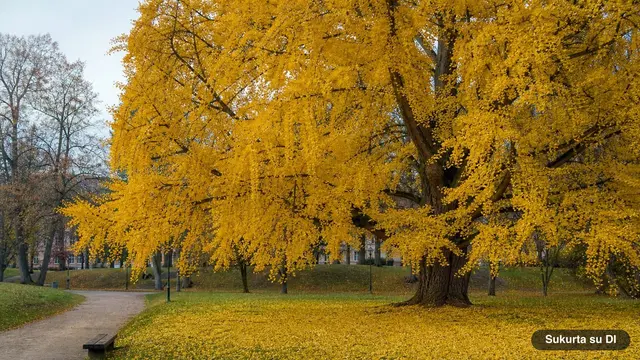 GinkgoDiscover the ginkgo tree: its fan-shaped leaves, golden fall color, smelly seeds, male vs. female trees, growing tips, and the medicinal uses of its leaf extracts.
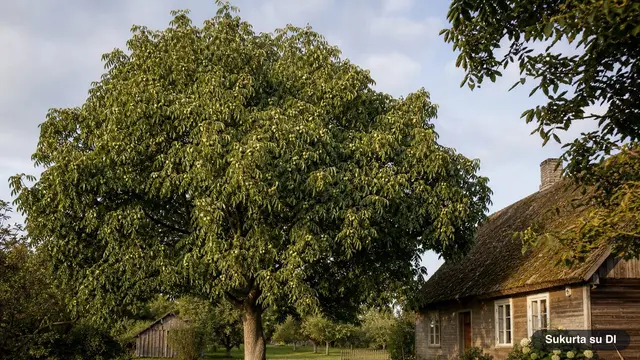 WalnutEnglish walnut: fragrant pinnate leaves, catkins, nuts in green husks, bark, and buds. Learn about Manchurian and butternut species, juglone, and why other plants struggle to grow beneath them.
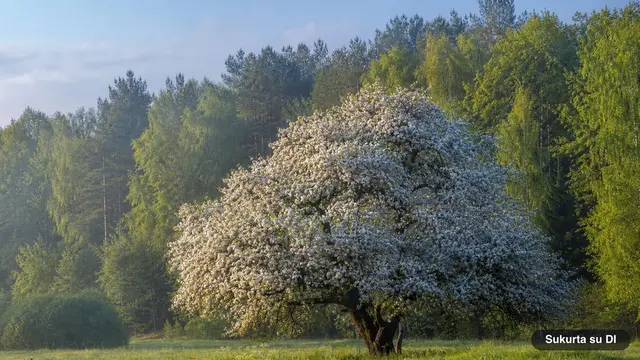 Wild Apple and PearWild apple and wild pear are native European fruit trees known for their thorny branches, beautiful spring flowers, and small, tart fruits.
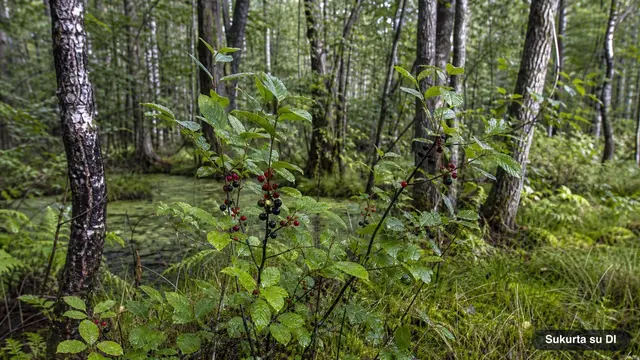 Alder BuckthornAlder buckthorn features glossy smooth-edged leaves, tiny pale flowers, and berries that ripen from green to red to black. Discover its bark uses and why its berries are toxic to humans.
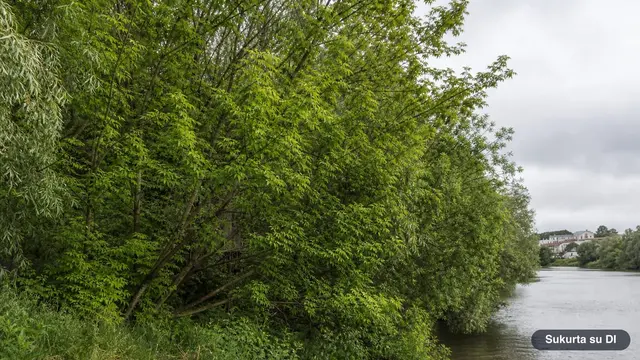 Invasive TreesA guide to invasive trees like box elder, black locust, and black cherry: how to identify them, why they threaten native ecosystems, and effective methods for their control and removal.
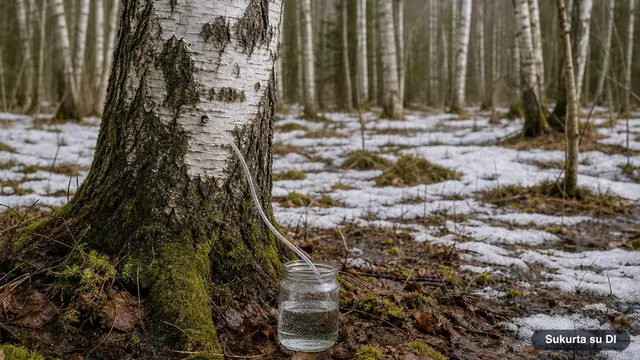 Birch SapDiscover when birch and maple sap starts flowing, how to tap trees correctly and legally, ideal hole sizes, how to plug them, expected yields, and how long fresh sap lasts.
Log in to comment
No comments yet. Be the first.