Larch Trees: Deciduous Conifers, Needles, Cones and Species
- Larches are unique among most conifers because they are deciduous, dropping all their needles every autumn.
- The soft needles measure 0.4–1.2 inches (1–3 cm), grow in dense tufts of 30–40 on short shoots, and turn golden yellow in fall.
- Their small, upright cones ripen in the autumn of their first year and remain on the bare branches for several years.
- European larches are incredibly fast-growing and tall, with some historic plantation specimens reaching heights of over 160 feet (49 m).
- While native to the mountainous regions of central Europe, larches have been widely introduced and naturalized across cool temperate climates.
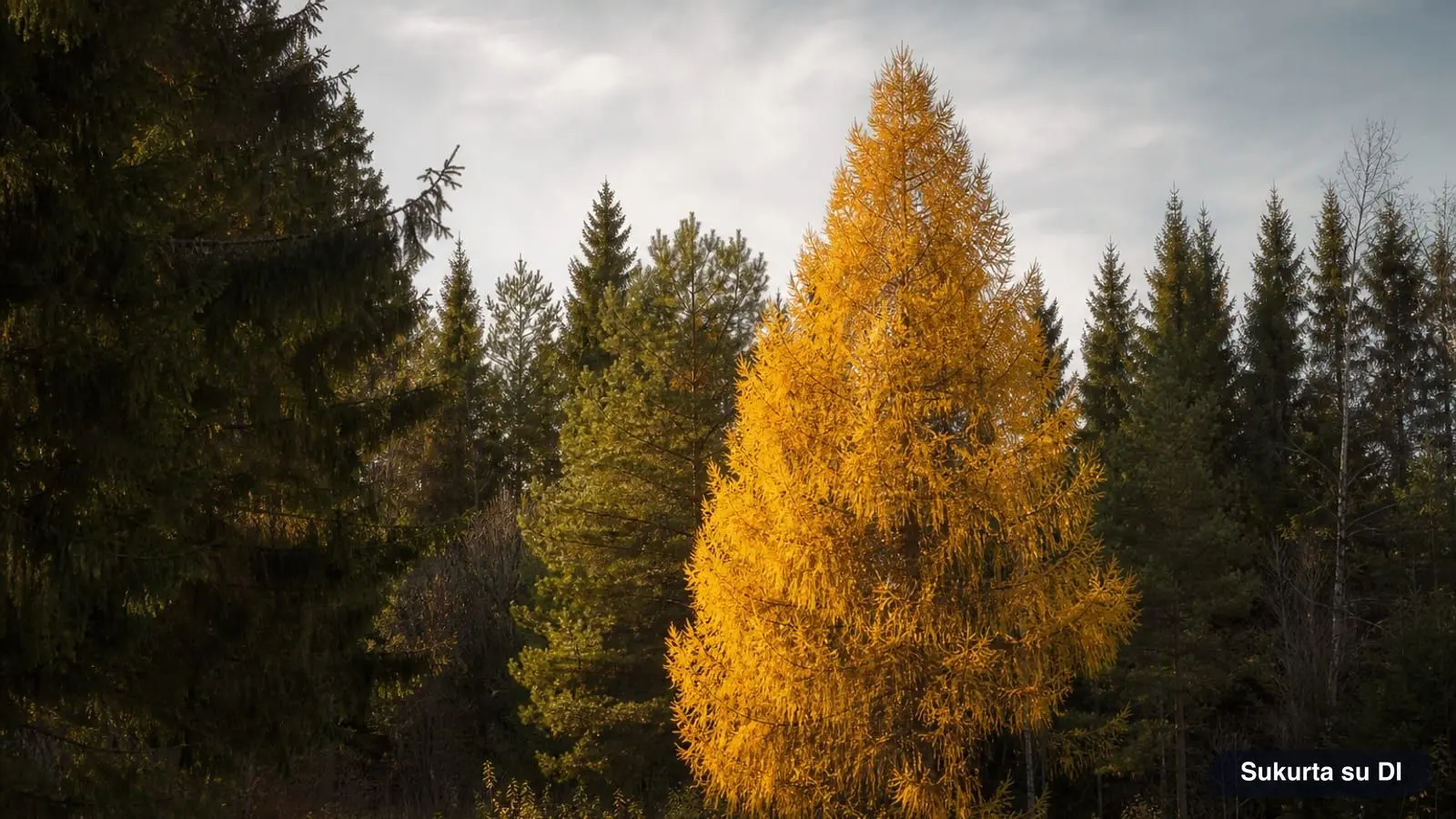
This article is part of the 77.today trees guide, prepared by the 77.today editors from the sources listed at the end.
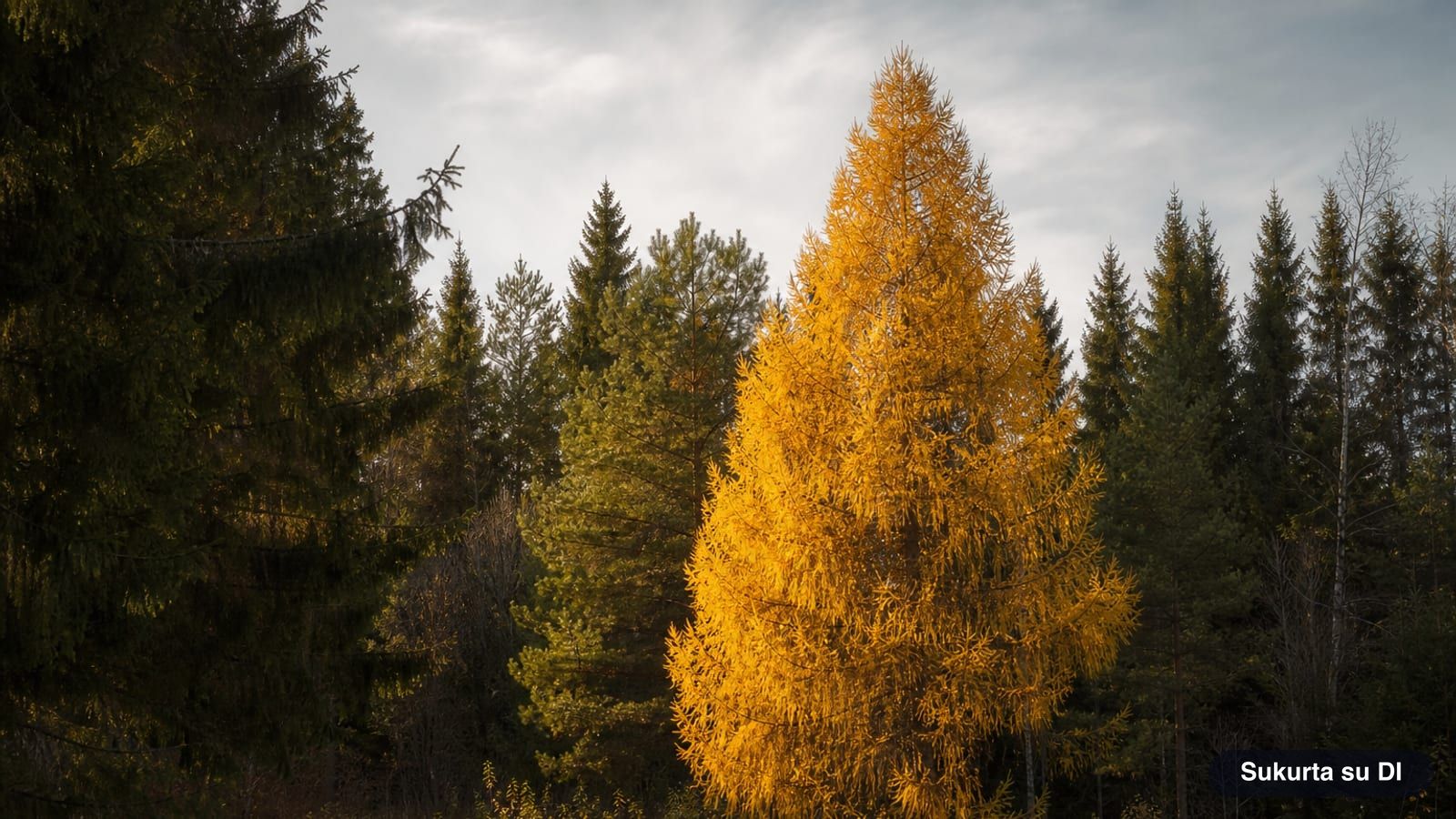
In late autumn, golden trees suddenly shine among the dark spruces and pines—these are larches, unique conifers that shed their needles every year. The larch is known for reaching towering heights, and botanists have long studied its fascinating ecological history across the Northern Hemisphere. In this part of the tree identification guide, we present the larch profile: what its needles, flowers, cones, and bark look like, the differences between European, Siberian, and Japanese larches, and where to find some of the oldest and tallest specimens.
| Latin name | Larix decidua (European), L. sibirica (Siberian), L. kaempferi (Japanese) |
|---|---|
| Family | Pine (Pinaceae) |
| Group | Deciduous conifer |
| Native Range | Central Europe, Siberia, and Japan; widely naturalized globally |
| Height | European 65–130 ft (20–40 m), occasionally up to 160 ft (49 m) |
| Age | European – up to 500–600 years or more |
| Blooms | Mid-to-late spring |
| Cones | Upright, 1–1.6 in (2.5–4 cm), ripening in early autumn |
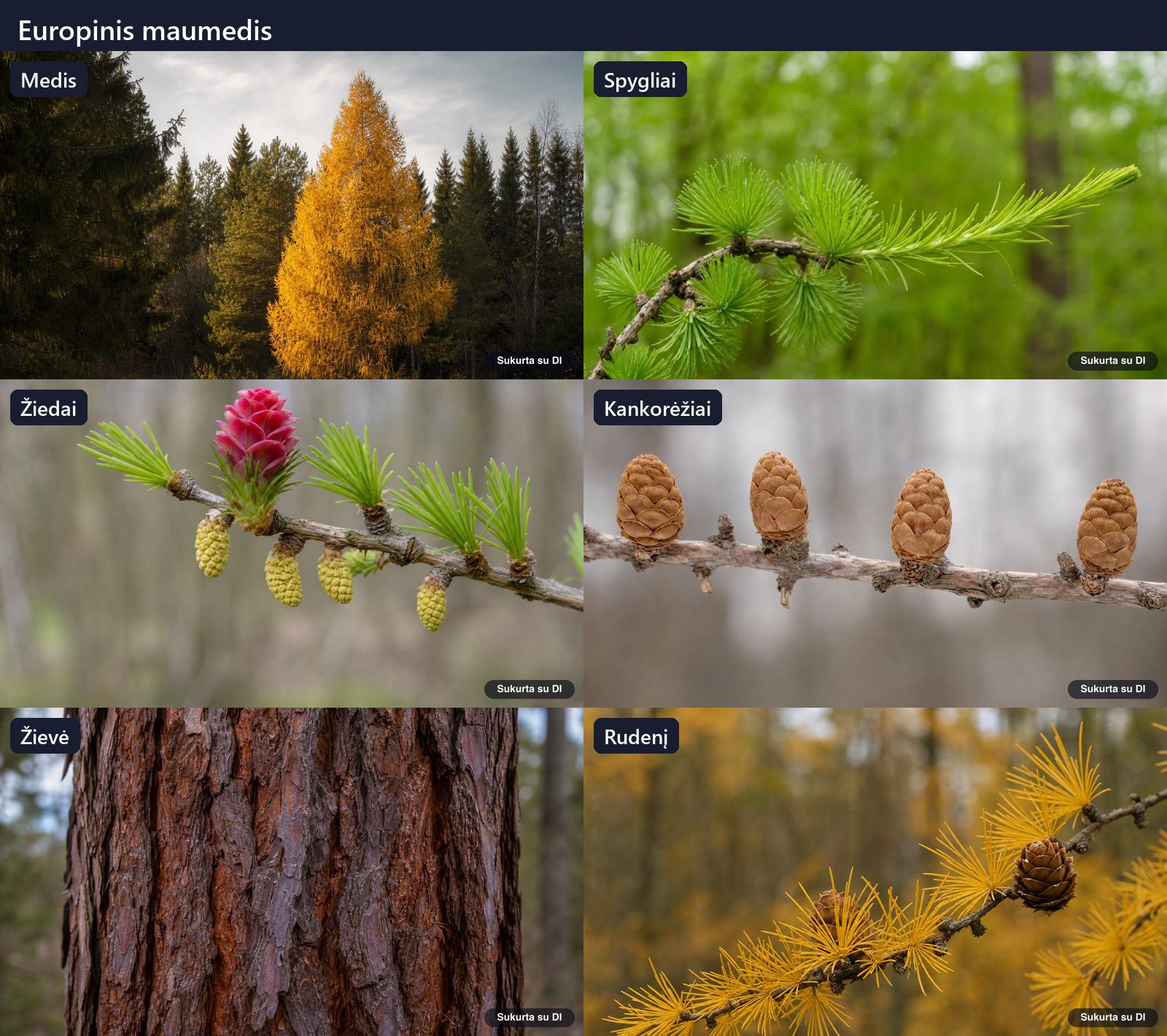
How to recognize a larch
The European larch is a tall tree with a sparse, conical canopy that broadens and becomes irregular with age. The lateral branches are long, slender, and often droop downward. Larches are light-loving, fast-growing, and have deep, extensive root systems, making them highly resistant to windthrow. Because they shed their needles annually, they tolerate urban pollution and smoke better than most evergreen conifers. The genus name Larix is derived from an ancient Latin word associated with fat or resin, referring to the tree's sticky sap.
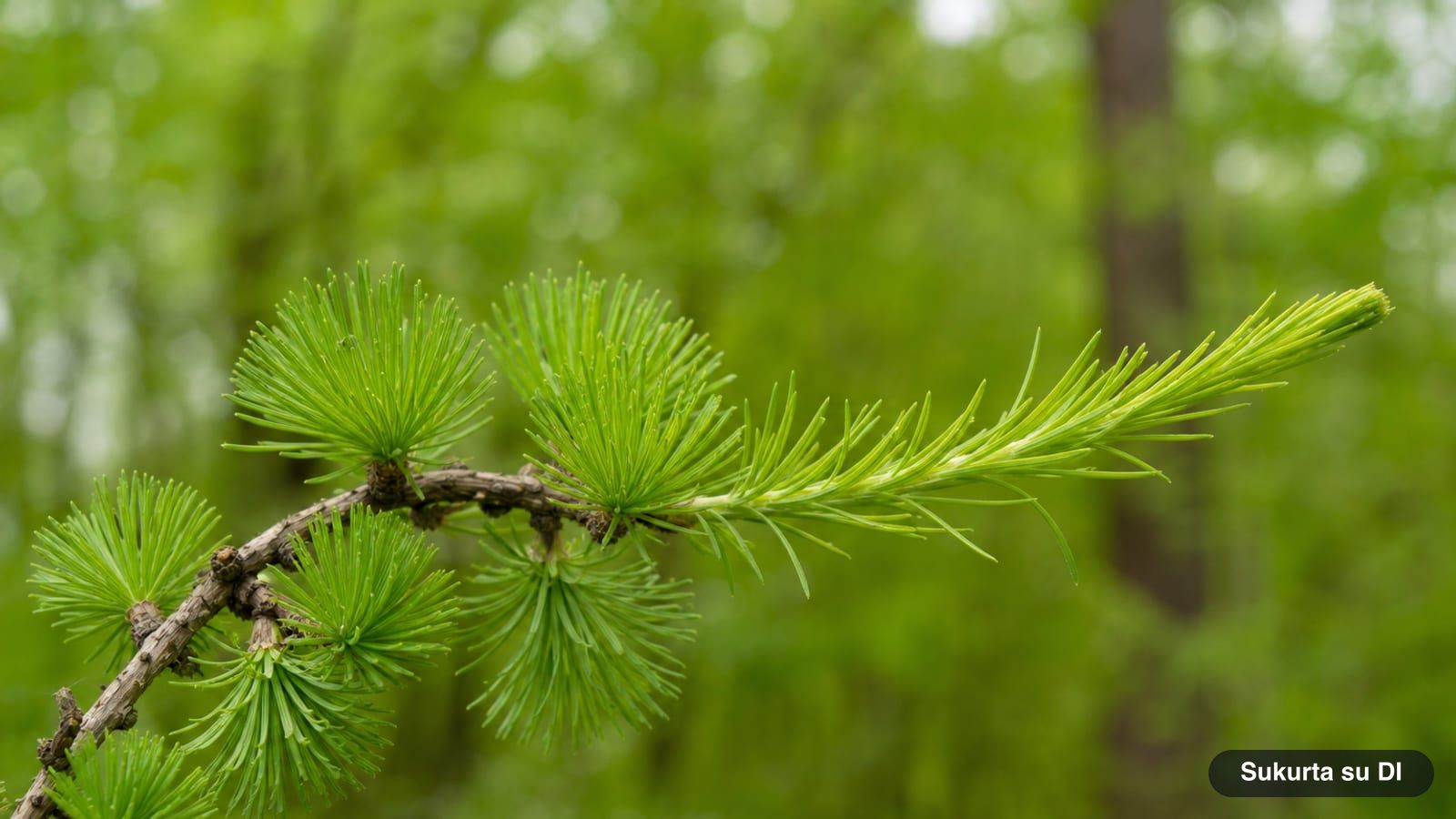
Needles
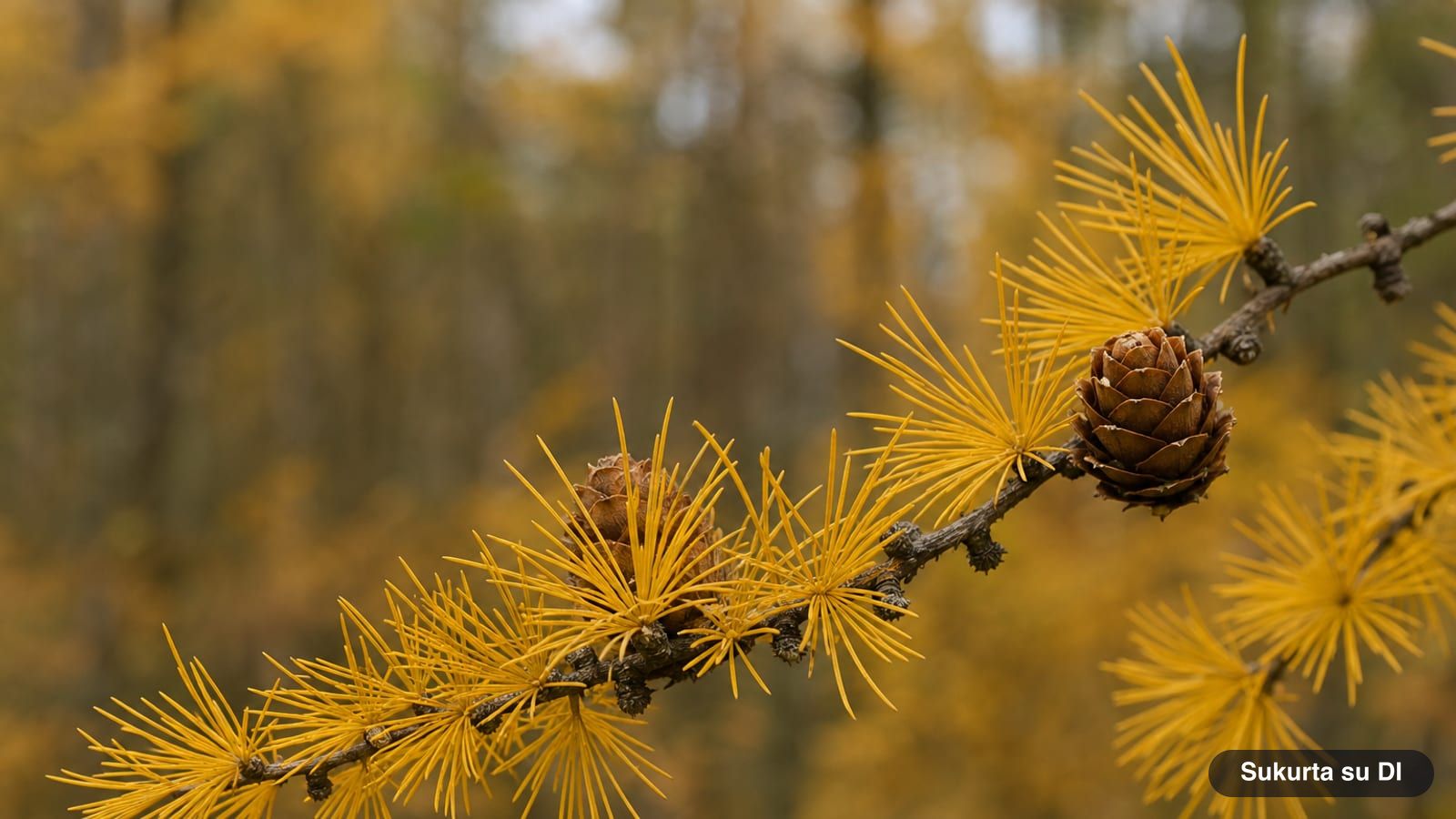
Larch needles are soft, thin, non-sharp, and light green, measuring 0.4–1.2 inches (10–30 mm), sometimes up to 1.6 inches (40 mm) long. On long, current-year shoots, they grow singly, but on short, knobby lateral shoots, they grow in dense tufts of 30–40. In spring, the larch is one of the first trees to green up, and in late autumn, the needles turn bright yellow before falling off. In winter, the larch stands completely bare, making it easy to mistake for a dead tree.
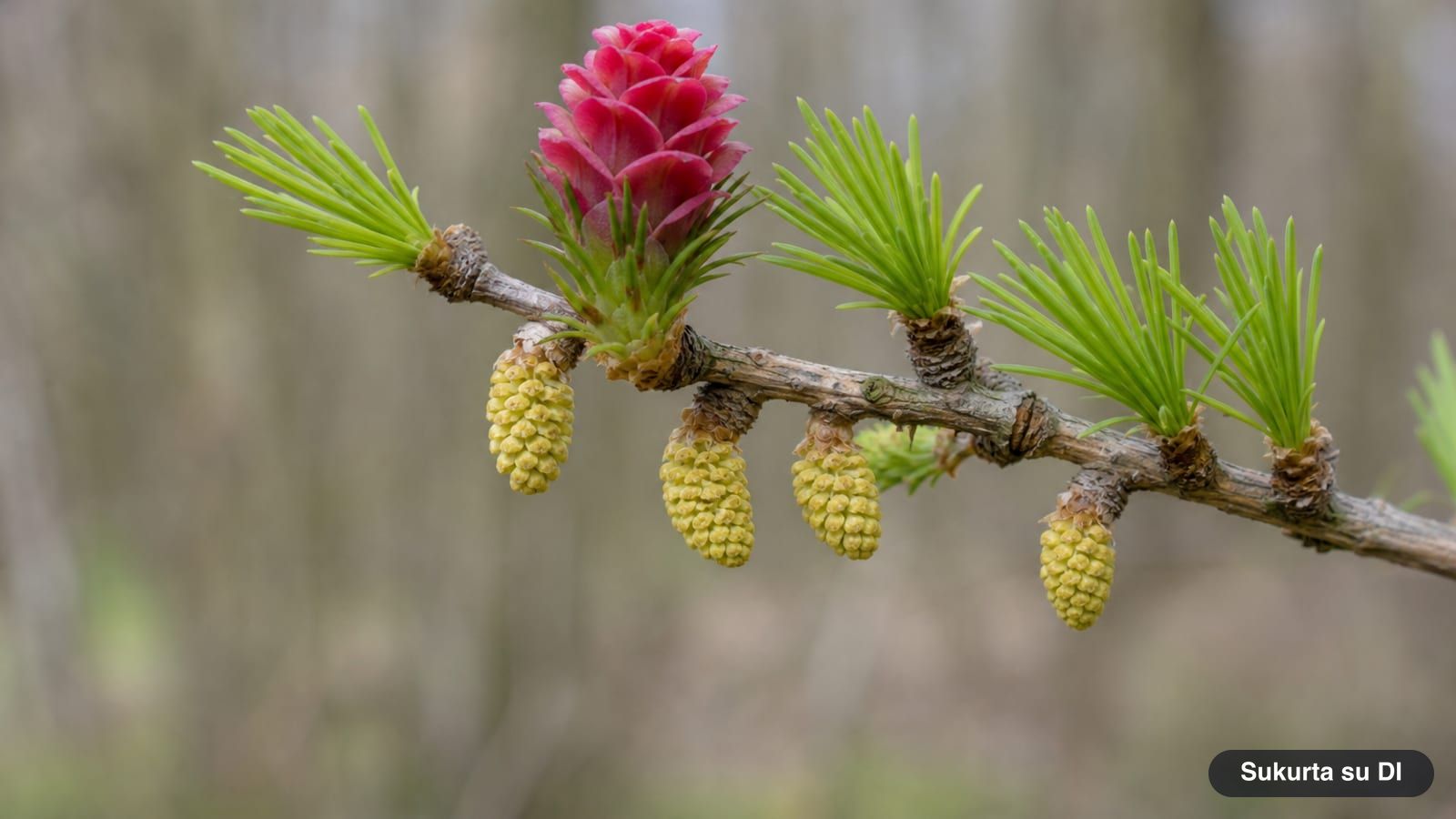
Flowers
Larches are monoecious, meaning both male and female flowers grow on the same tree. They bloom in mid-to-late spring, just as the needles are unfurling. The female cones are upright, bright pink or greenish, and look like tiny roses—giving the blooming larch a beautifully decorated appearance. The male cones are yellow, small, and drooping; after shedding their pollen, they fall off.
Cones
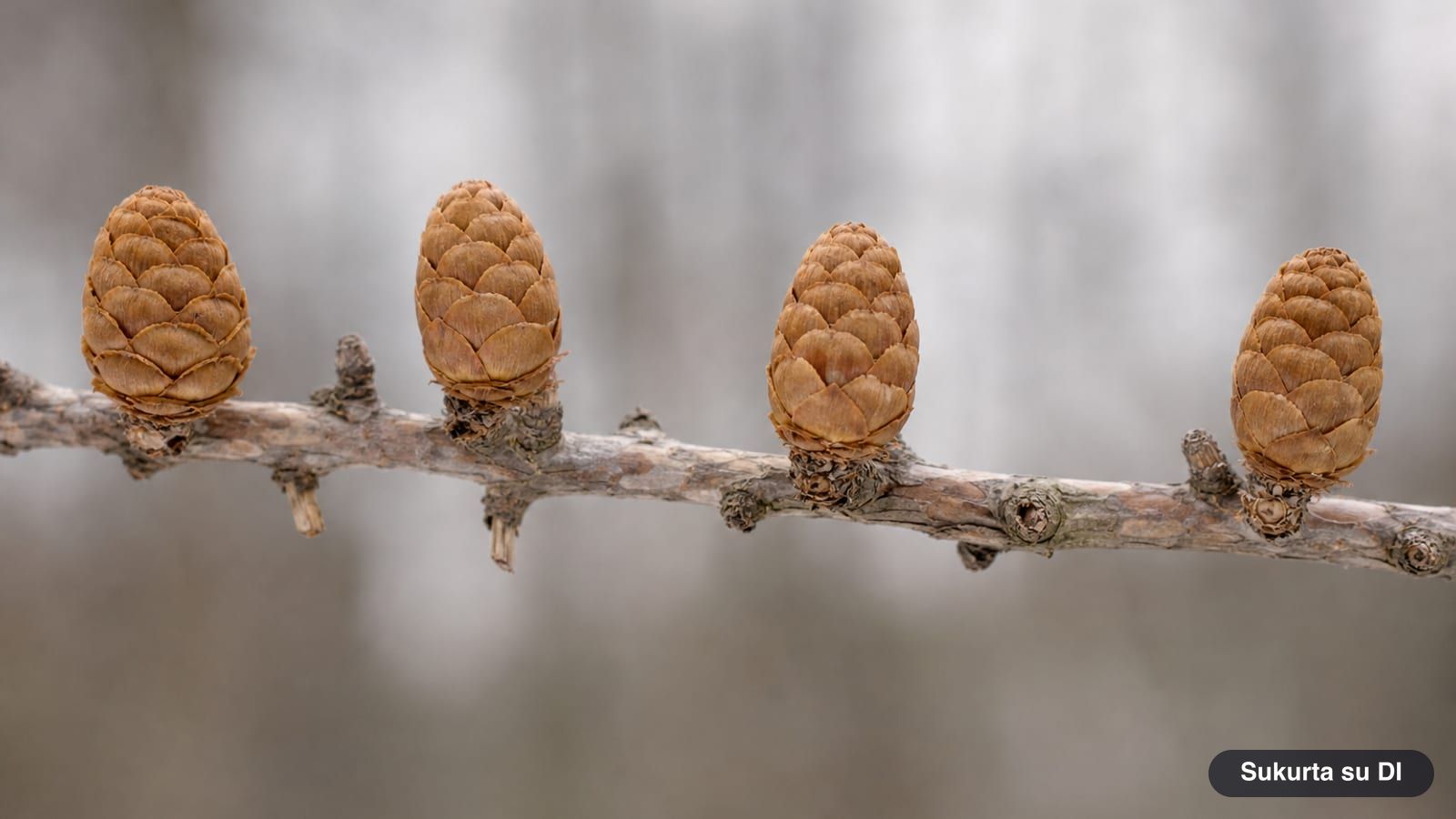
The cones are egg-shaped, light brown, and 1–1.6 inches (2.5–4 cm) long, occasionally reaching 2.4 inches (6 cm), with tightly overlapping scales. They stand upright on the branches, ripening in early autumn of their first year. After releasing their seeds, the empty cones remain attached to the branches for several years before finally decaying—this is why the bare winter branches are often dotted with old cones. Some regional varieties have even smaller cones, measuring just 0.6–1 inch (1.5–2.5 cm). Solitary larches begin to bear cones at 12–15 years of age, while those in dense forest stands start at 30–40 years. The germination rate of larch seeds is generally quite low.
Bark
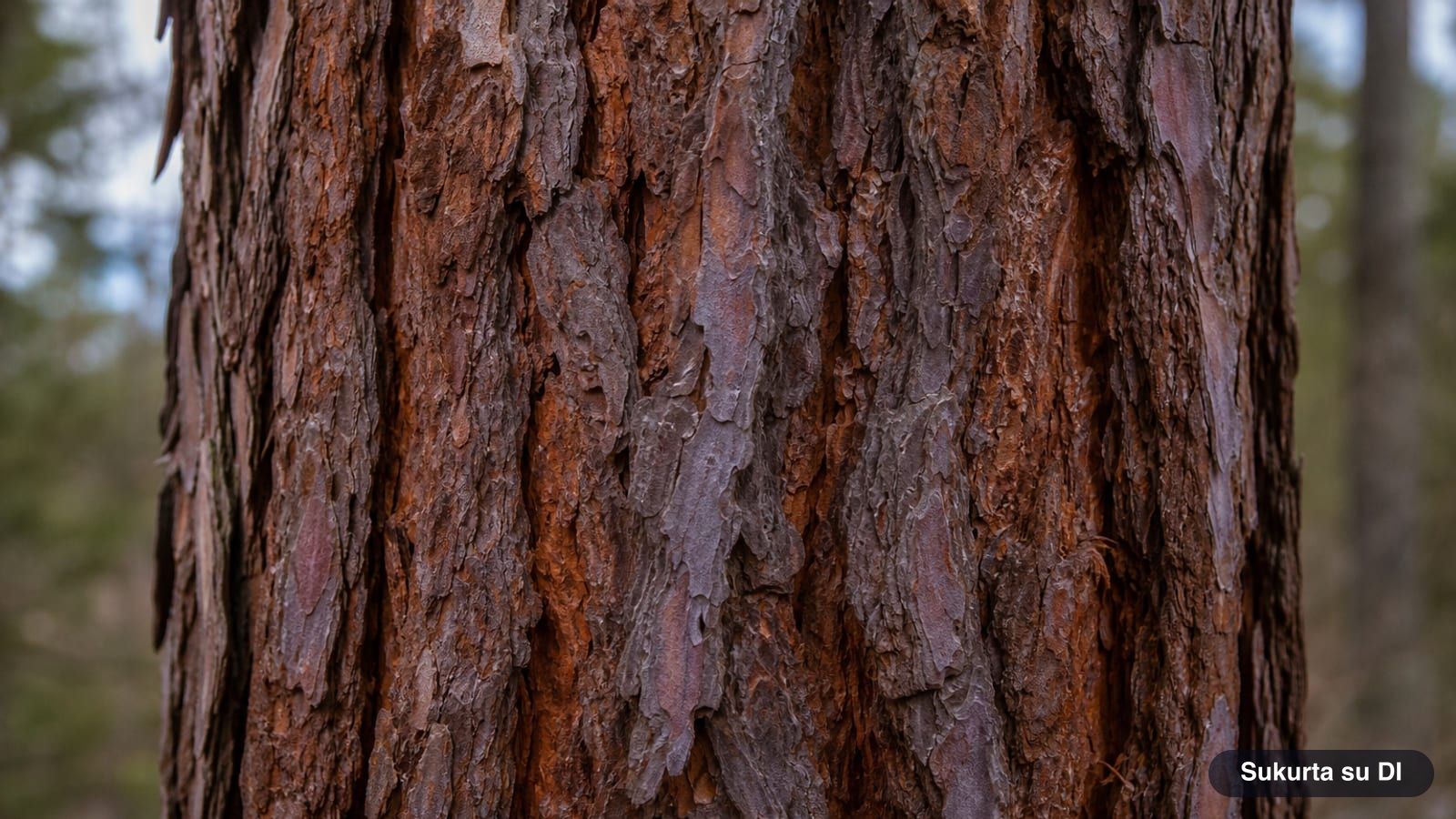
Larch bark is thick, reddish-brown with a violet or purplish tint, and deeply, vertically fissured. The twigs are yellowish or straw-colored, while the buds are hairless, glossy, and broadly egg-shaped or spherical.
European, Siberian, or Japanese Larch?
The European larch is the most commonly encountered species in many temperate regions. However, Siberian and Japanese larches are also widely planted in parks and commercial forestry, while their cultivated varieties—such as weeping larches grafted onto tall standard trunks—are popular in ornamental gardens.
| Feature | European | Siberian | Japanese |
|---|---|---|---|
| Needles | 0.4–1.2 in (1–3 cm), light green, 30–40 per tuft | 1.2–1.6 in (3–4 cm), light green, 30–50 per tuft | 0.8–2 in (2–5 cm), bluish-green |
| Cones | 1–1.6 in (2.5–4 cm), egg-shaped, straight scales | approx. 1.2 in (3 cm), scales densely hairy | 0.8–1.4 in (2–3.5 cm), reflexed scales – resembling small roses |
| Shoots | yellowish | yellowish, slightly hairy | reddish |
| Origin | Mountains of Central Europe, Polish plains | Western Siberia, European part of Russia | Japan, Mountains of Honshu |
| Wood | strong, resinous | even harder and more durable | lighter |
Native Range and Ecological History
The exact historical range of the European larch is one of the most fascinating topics in dendrology. In many modern botanical records, it is considered native primarily to the Alps and the Carpathian Mountains. However, historical documents and ancient pollen records found in peat bogs suggest that centuries ago, its natural range extended much further across the plains of Northern and Eastern Europe. Over time, these ancient lowland forests were heavily logged for their valuable timber. As a result, in many parts of Europe where the larch grows today, it is technically considered a reintroduced species—a tree that once grew there naturally, was eradicated by human activity, and was later brought back through forestry plantations in the 18th and 19th centuries.
Record-Breaking Larches – The Tallest Trees
Larches are renowned for their impressive vertical growth, often becoming the tallest trees in their respective forests. In historic European plantations dating back to the mid-19th century, these trees have had ample time to reach staggering heights. Today, mature larch stands frequently boast average heights of around 138 feet (42 m), with the tallest individuals exceeding 148 feet (45 m). Some exceptional record-breaking specimens have even been measured at over 160 feet (49 m) tall. The trunk circumference of these giants can reach over 6 feet (1.86 m) at breast height, with the lowest green branches starting nearly 95 feet (29 m) off the ground. Interestingly, in ideal cool-climate conditions, larches will self-seed and regenerate naturally, forming dense, towering groves. Many of these historic stands are now protected as botanical heritage sites. For more on monumental trees, see our section on the oldest and largest trees.
Larch Wood
Larch wood is hard, strong, and highly resinous, which makes it exceptionally resistant to rot, even when exposed to constant moisture. Because of this durability, it has been valued for centuries in construction, shipbuilding, and foundational pilings. Today, it is highly sought after for decking boards, exterior cladding, and outdoor furniture. The wood of the Siberian larch is even harder and more durable, making it suitable for underwater installations. Larches grow faster than many other conifers like pine and spruce: for the first couple of years, they may only grow 4–6 inches (10–15 cm) annually, but they soon accelerate to 20–24 inches (50–60 cm) and sometimes up to 3 feet (1 m) per year. However, larch plantations do have vulnerabilities: trees around 20–25 years old can sometimes suffer from dieback, and they are susceptible to larch canker, needle cast, and needle rust, which spread particularly easily when birch trees are growing nearby.
Larch in the Garden
The larch is an excellent choice for larger properties where there is plenty of space for a tall tree and abundant sunlight; it will not thrive in the shade. It requires fertile, adequately moist, but well-draining soil (hardy to USDA zones 2–6, depending on the species). The larch grows quickly, provides a spectacular display of golden colors every autumn, and, because it drops its needles, does not block the winter sun. For smaller yards, weeping, dwarf, or grafted forms are preferred. Since it loses its needles, a larch will not provide a winter windbreak—if you need year-round shelter, a spruce or juniper is a better choice.
Origin of the Name
The common English name "larch" traces its roots back through Old French to the Latin word Larix, which was the ancient Roman name for the tree. The specific epithet of the European larch, decidua, translates directly to "falling off" or "shedding"—a perfect botanical descriptor highlighting the fact that this unique conifer drops its needles every single year.
Frequently asked questions
Does a larch tree lose its needles?
Yes. The larch is a deciduous conifer that drops all its needles every autumn. In late fall, they turn bright yellow and fall off, and in spring, new light green needles emerge from the buds.
How do you identify a larch?
Look for soft, light green, non-sharp needles growing in dense tufts of 30–40 on short shoots, small upright cones on the branches, and thick, reddish-brown, deeply fissured bark. In winter, the tree is bare, with branches covered in knobby short shoots and old cones.
Where are larch trees native?
The European larch is native to the Alps and Carpathian Mountains of central Europe. However, historical pollen records show its ancient range was much broader, and it has been widely planted and naturalized across Northern Europe and North America.
What is the difference between European, Siberian, and Japanese larch?
European larch needles are 0.4–1.2 inches (1–3 cm) long, with egg-shaped cones and straight scales. Siberian larch has longer needles (1.2–1.6 inches / 3–4 cm), hairy cones, and harder wood. Japanese larch features bluish-green needles up to 2 inches (5 cm), reddish shoots, and cones resembling small roses with reflexed scales.
What is larch wood used for?
Larch wood is hard, strong, and highly resinous, making it exceptionally resistant to rot even in damp conditions. It is highly valued for construction, decking, exterior cladding, boat building, and underwater pilings.
What is a weeping larch?
It is a decorative form of the larch tree with downward-drooping branches, usually grafted onto a tall standard trunk. It is grown as a solitary focal point in gardens and requires a sunny spot with well-draining soil.
Log in to comment
No comments yet. Be the first.