European Hornbeam: Leaves, Fruit, Bark and Hedges
- The European hornbeam (Carpinus betulus) is a deciduous tree native to Europe and Western Asia, belonging to the birch family.
- It thrives in temperate climates (USDA zones 4–8) and is widely planted in parks and gardens for its dense, adaptable foliage.
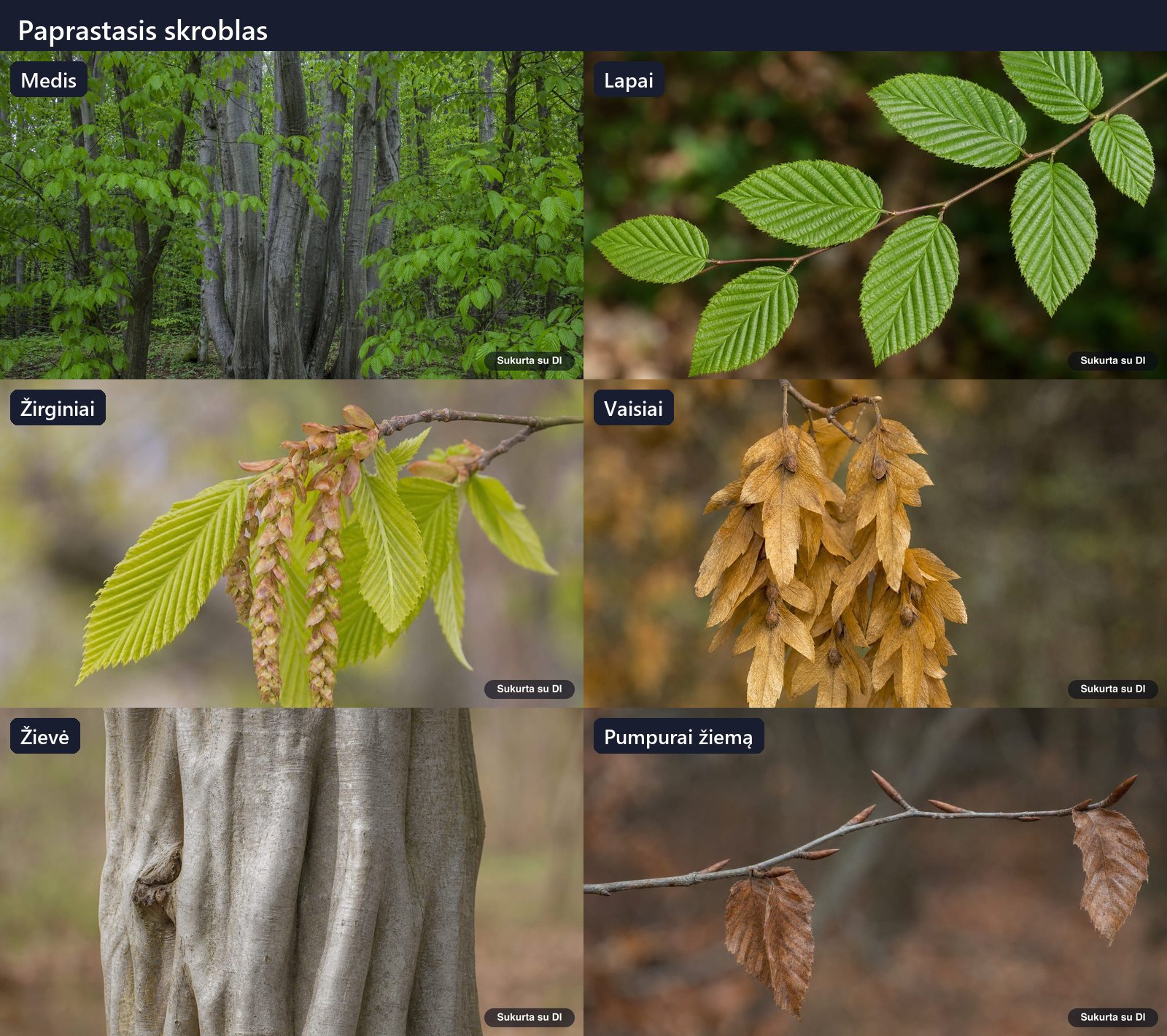
- The leaves are ovate and double-toothed, with deeply impressed parallel veins that give them a distinct ribbed or corrugated appearance.
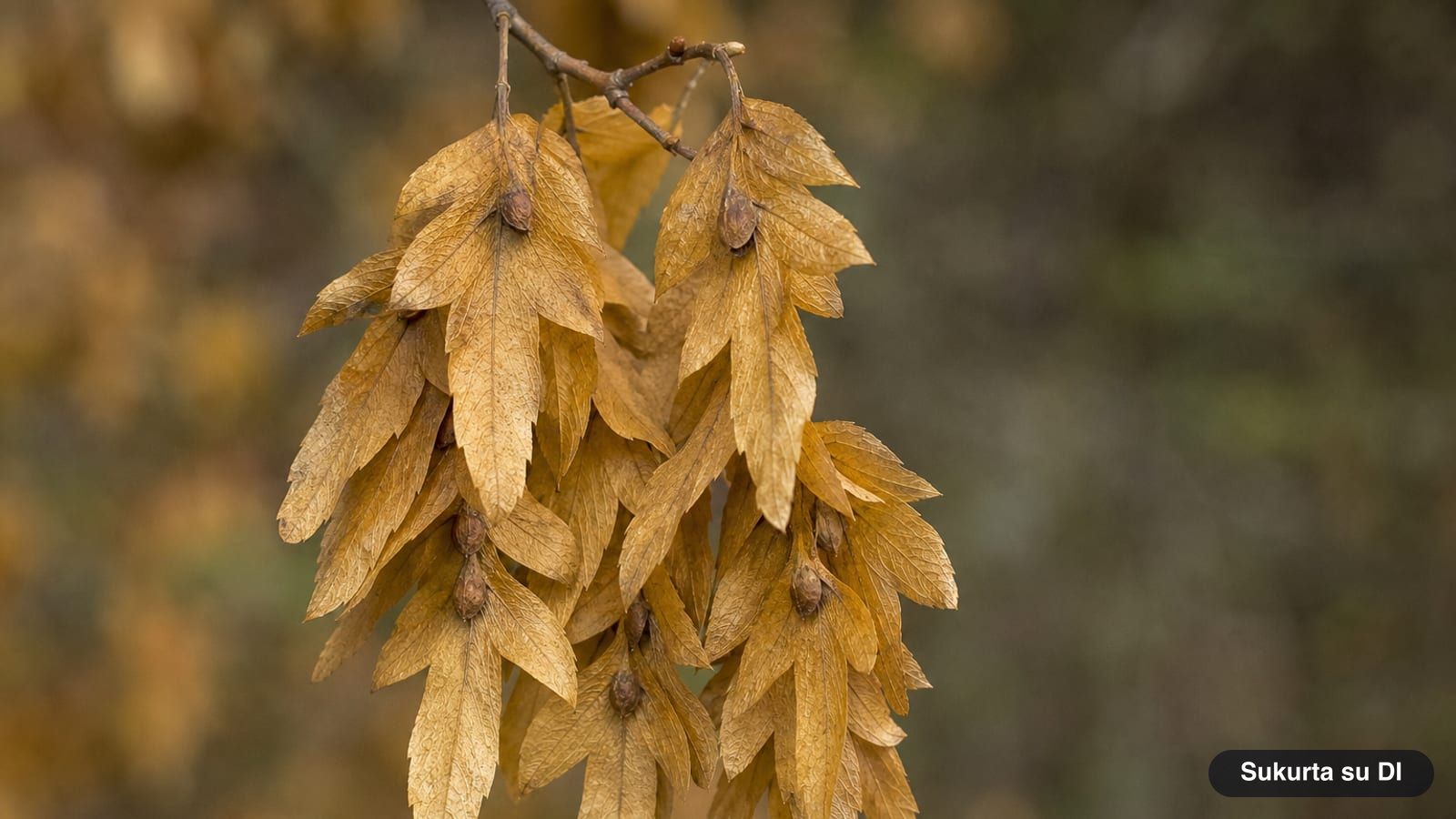
- Its fruit is a small nutlet attached to a three-lobed, wing-like bract that helps it disperse in the wind.
- Exceptionally shade-tolerant and responsive to pruning, the hornbeam is one of the most popular choices for creating dense, formal hedges.
This article is part of the 77.today trees guide, prepared by the 77.today editors from the sources listed at the end.
The hornbeam is a tree that many see every day but few recognize: its dense, neatly clipped hedges surround countless modern homes, while in the forest, it quietly hides in the understory beneath towering oaks and spruces. In this part of the Tree Guide, we explore the European hornbeam (Carpinus betulus): its leaves, flowers, fruit, bark, and buds, where it grows, and why it is so highly prized for hedging.
| Latin name | Carpinus betulus |
|---|---|
| Family | Birch (Betulaceae) |
| Group | Deciduous broadleaf |
| Height | Usually 50–80 ft (15–25 m), rarely up to 100 ft (30 m) |
| Lifespan | Up to 150 years |
| Flowers | Mid-spring, as leaves emerge |
| Fruit | Nutlets with a three-lobed winged bract, early autumn |
| Habitat | Understory of mixed deciduous forests |
How to Identify a Hornbeam
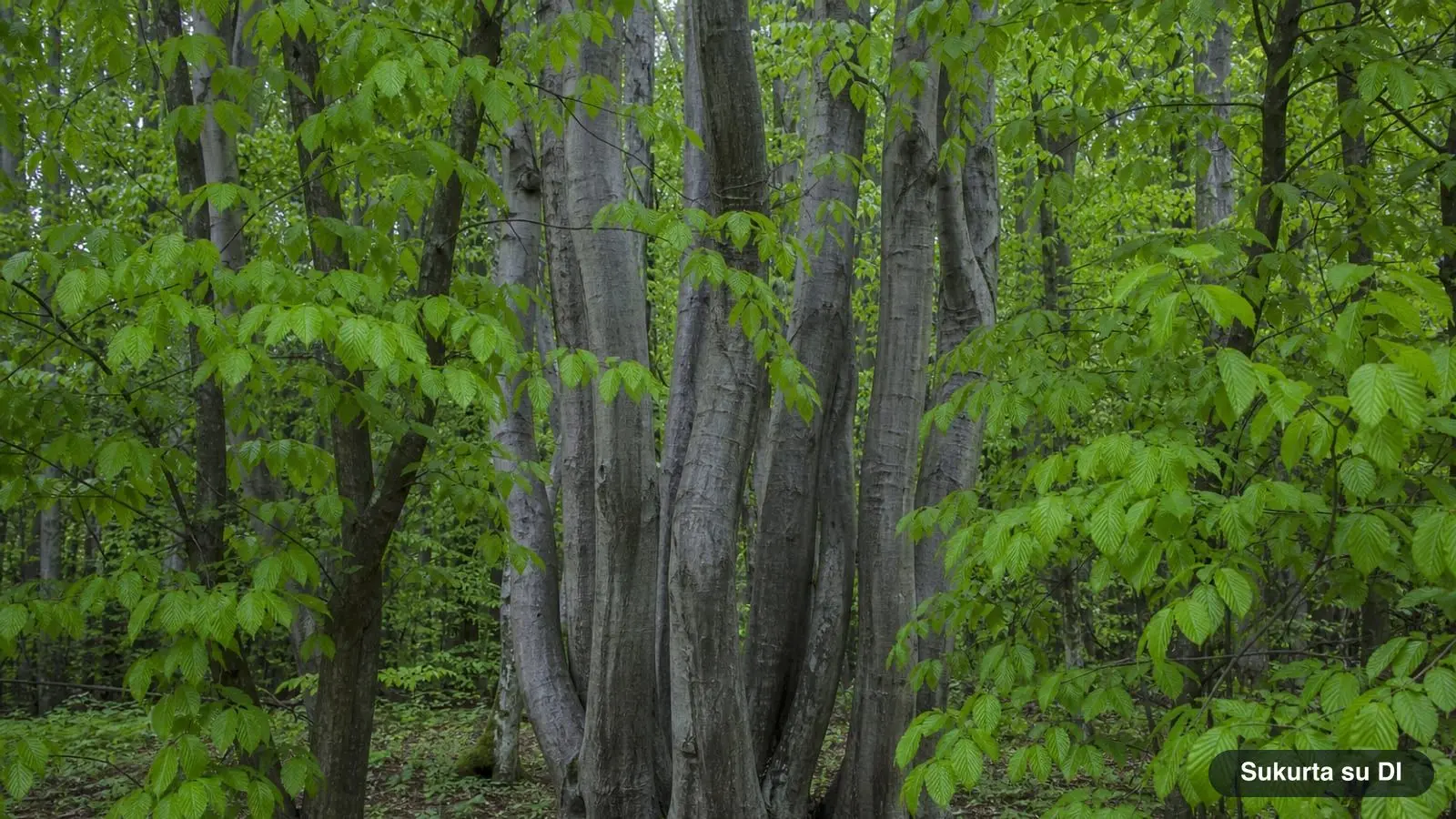
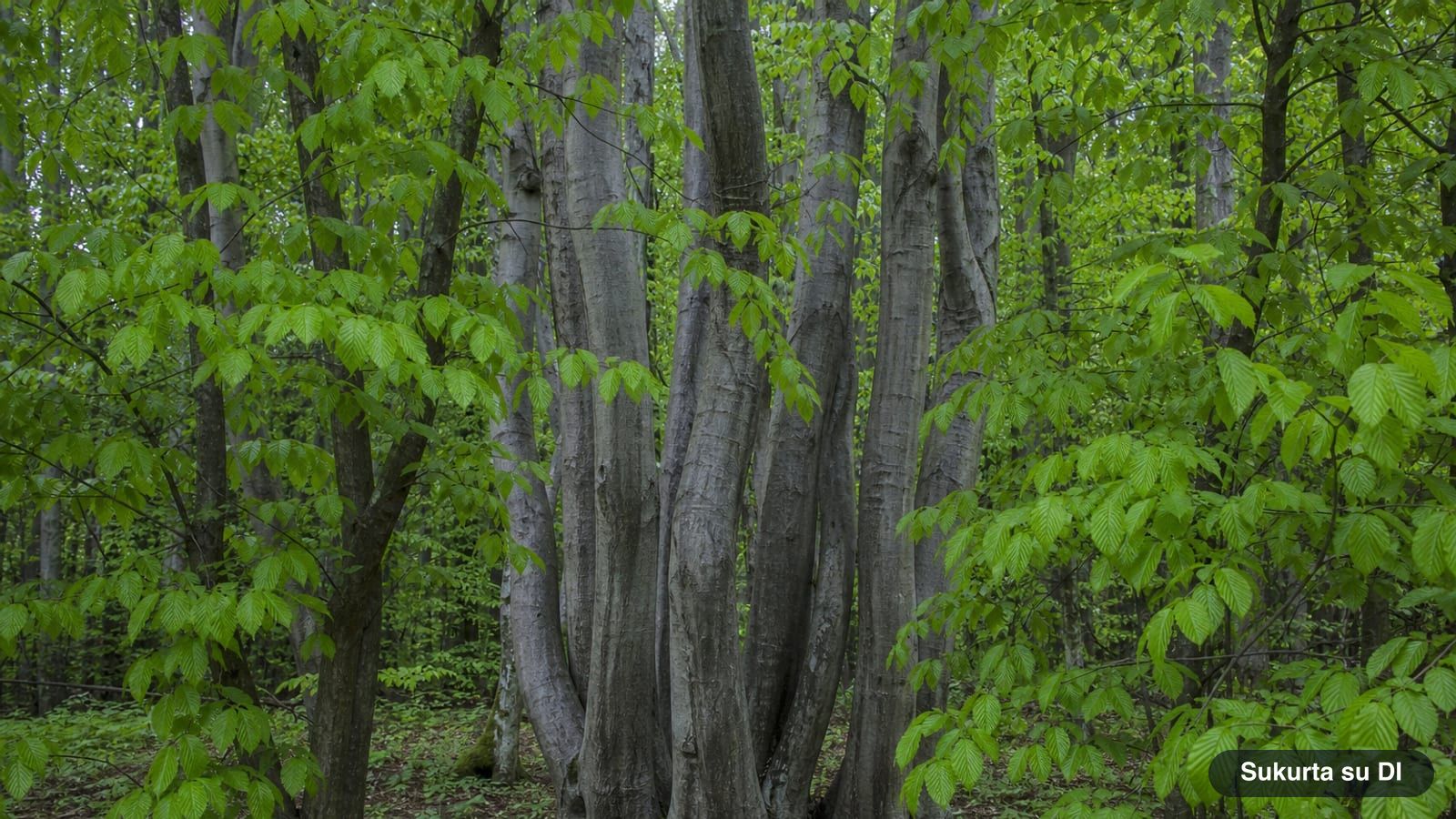
The hornbeam is a small to medium-sized, relatively slow-growing tree with a dense canopy and fine branches. In open spaces, it typically reaches about 50 ft (15 m) in height, featuring a short trunk of 6.5–10 ft (2–3 m) and a low, rounded crown. In the forest, the trunk grows longer, and the tree can reach 80 ft (25 m) or more. Older trunks are often crooked and deeply fluted. When it comes to shade tolerance, the hornbeam is a champion among deciduous forest trees—it can thrive under the canopy of other trees where light is extremely limited.
Leaves
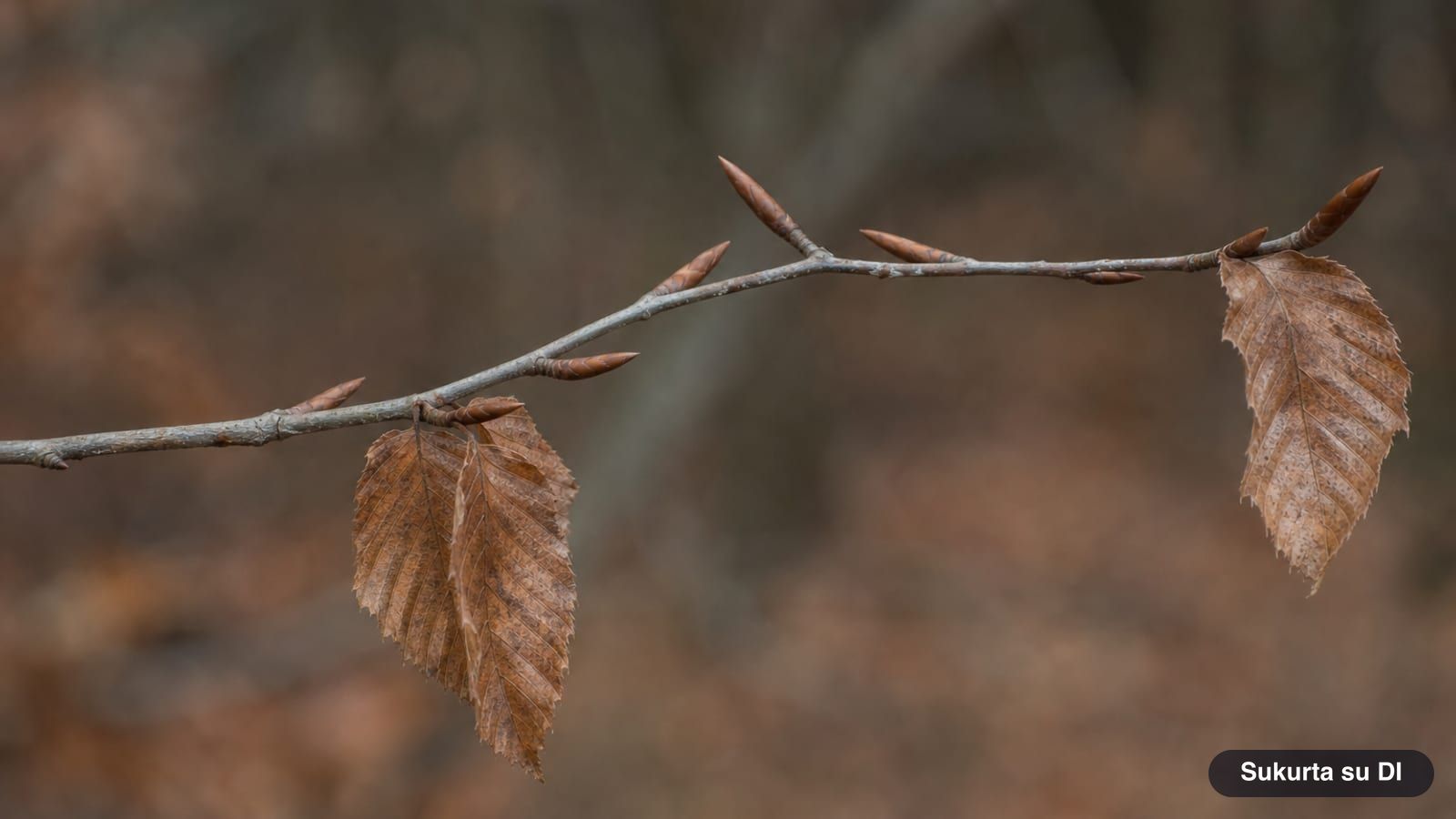
The leaves are oval or elongated ovate, 1.5–4.5 inches (4–12 cm) long and 1.2–2 inches (3–5 cm) wide, with a pointed tip, a rounded base, and double-toothed margins. The most striking feature is the multitude of straight, parallel veins deeply impressed into the leaf blade, giving the leaf a pleated or corrugated appearance. The petiole is about 0.4 inches (1 cm) long. In autumn, the leaves turn yellow, occasionally taking on reddish or brownish hues. Young and frequently pruned hornbeams often retain their dry, papery leaves on the branches right through the winter (a trait known as marcescence).
Flowers
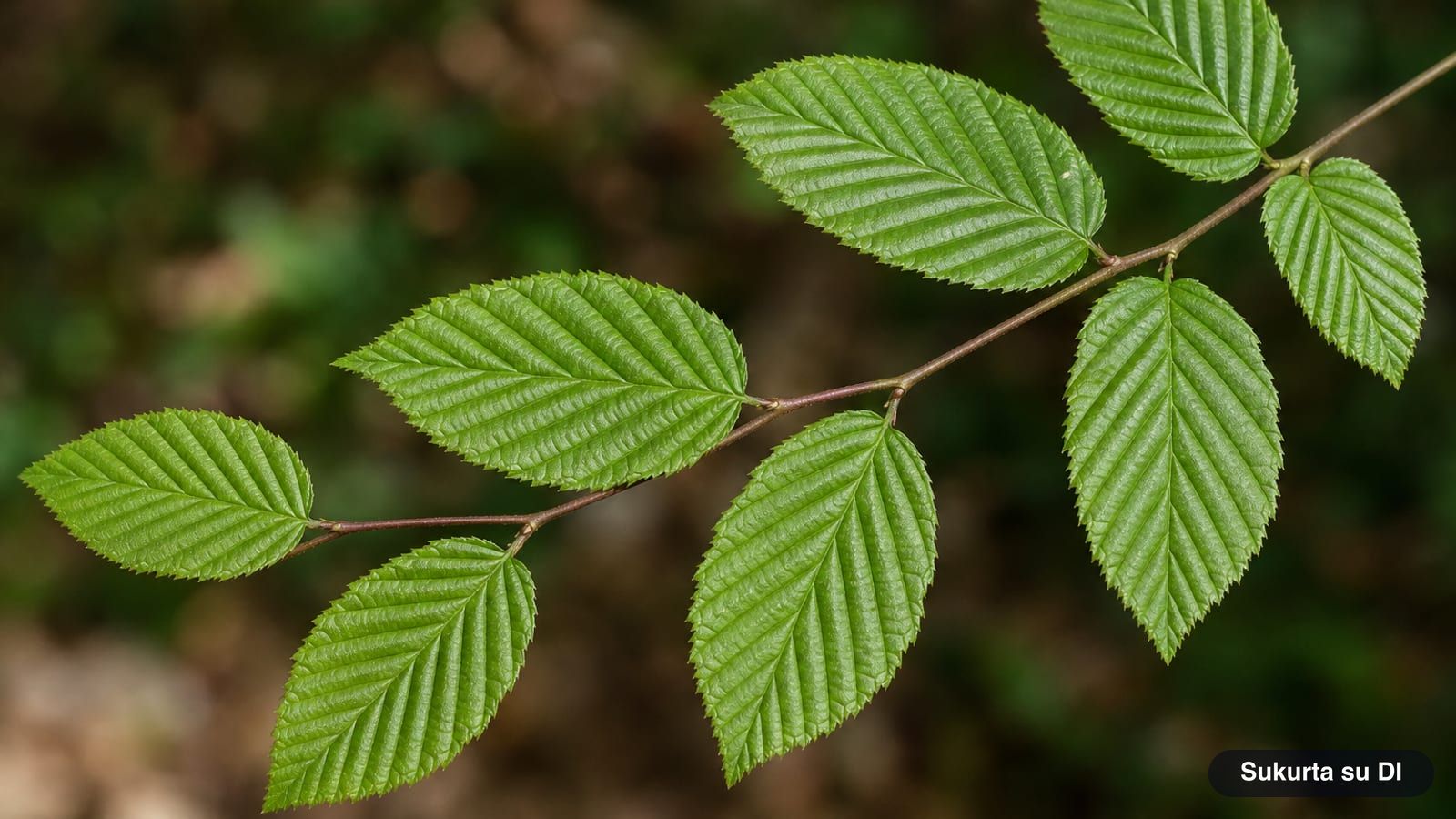
The hornbeam is a monoecious, wind-pollinated tree. The leaves unfold in mid-spring, and the tree blooms at the same time. The male catkins are 1.2–2 inches (3–5 cm) long, reddish-green, and pendulous; the female flowers are slender and green, growing at the tips of young shoots to catch the wind-borne pollen.
Fruit
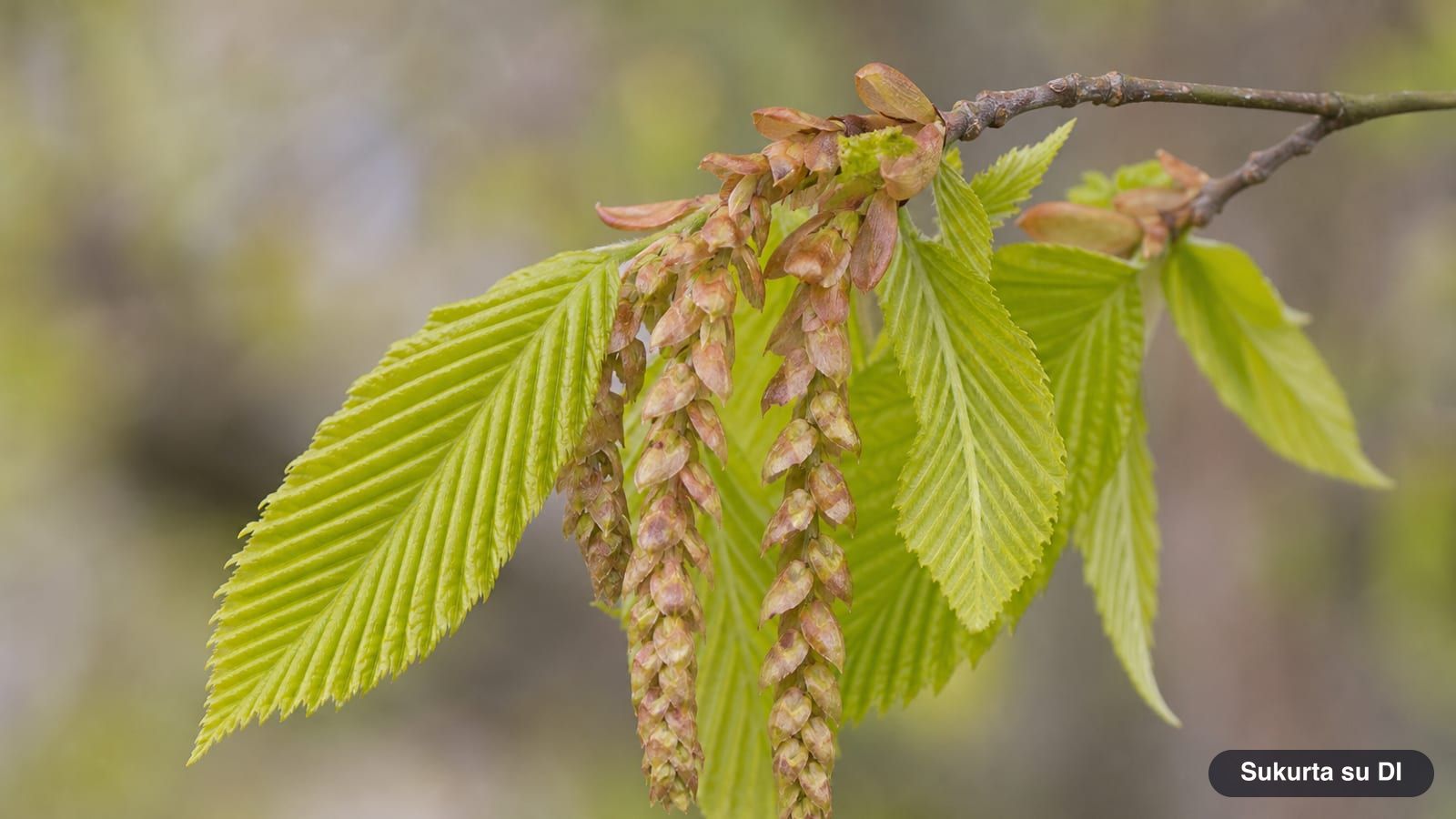
The fruit of the hornbeam is a small, flattened, longitudinally ribbed nutlet, 0.2–0.35 inches (5–9 mm) long, attached to the base of a three-lobed bract. This bract acts as a wing: its middle lobe is the longest, measuring 1.2–1.5 inches (3–4 cm). The fruits hang in clusters, ripening in early autumn and falling throughout the winter, allowing the wind to carry them away from the parent tree. There are about 1,100 nutlets per pound (2,400 per kg). Hornbeam seeds and seedlings are a favored food source for woodland rodents.
Bark and Buds
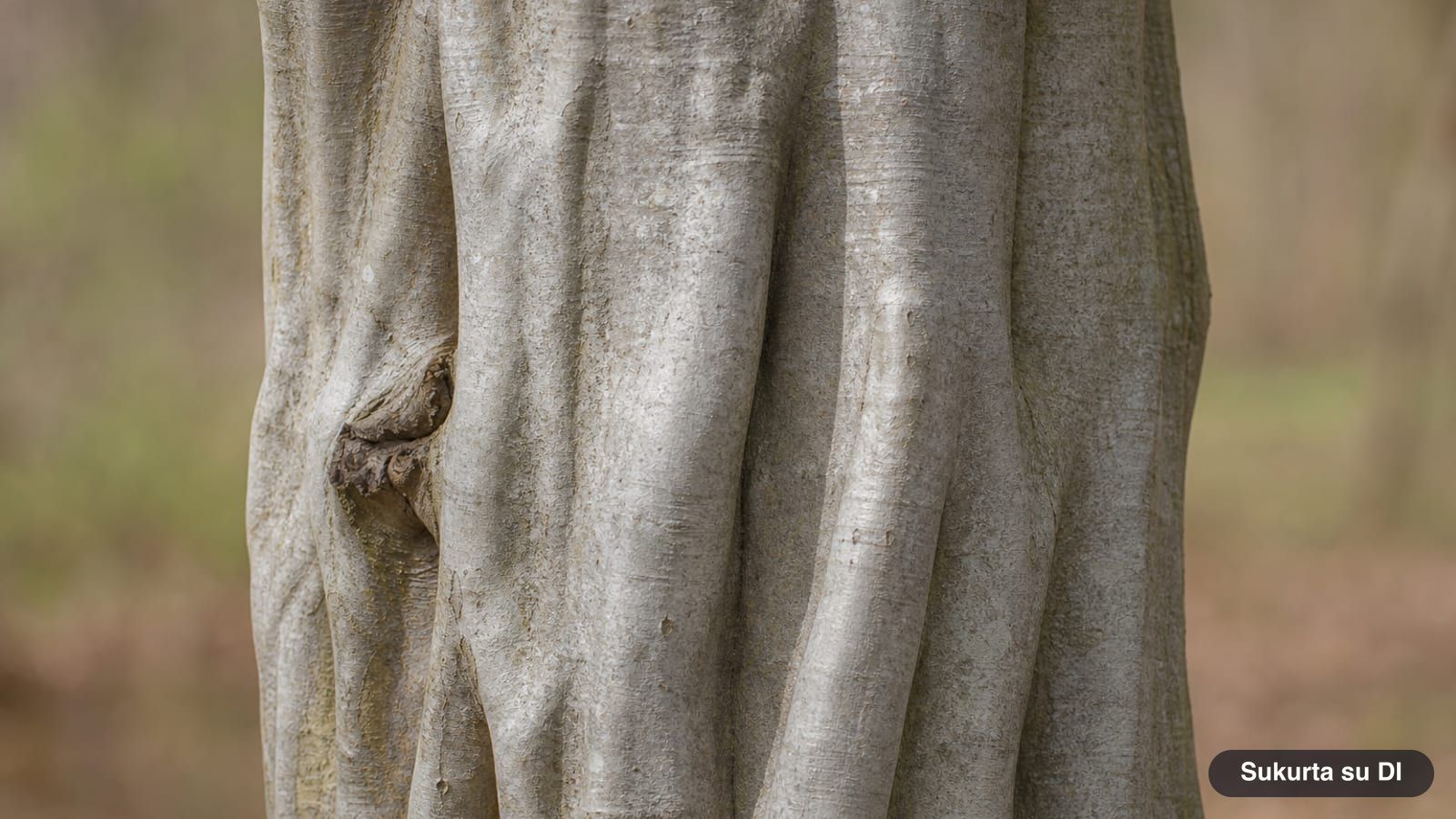
Hornbeam bark is thin, smooth, and pale greenish-gray with darker streaks. As the tree ages, the trunk develops sinuous longitudinal ridges, making it look like tensed muscles—this "muscular" appearance is perhaps the most reliable way to identify a hornbeam in winter. The shoots are slender, zigzagging at the nodes, and grayish-brown with whitish lenticels. The buds are elongated, pointed, the same color as the shoot, and pressed closely against the twig.
Hornbeam, Beech, or Elm?
The hornbeam is most commonly confused with the European beech—both have smooth gray bark—and with elms, which also have double-toothed leaves.
| Feature | European Hornbeam | European Beech | Elms |
|---|---|---|---|
| Leaf | Ovate, double-toothed, corrugated by parallel veins | Elliptic, smooth or wavy edges, ciliate, glossy | Asymmetrical base, rough texture, double-toothed |
| Bark | Smooth, gray, fluted with "muscles" | Smooth, silvery-gray, without ridges | Fissured and cracked |
| Fruit | Nutlet with a three-lobed winged bract | Triangular nuts in a prickly husk | Round, flat samara (winged seed) |
| Buds | Up to 0.4 inches (1 cm), pressed to the twig | Long, up to 0.8–1.2 inches (2–3 cm), pointed, sticking out | Blunt, dark |
Where Hornbeam Grows
The European hornbeam is native to Central, Western, and Southern Europe, as well as parts of Western Asia. In its natural habitat, it is most frequently found growing in heavy clay and loam soils. It is a classic understory tree, thriving beneath the canopy of taller species like oaks, spruces, ashes, and aspens.
The hornbeam requires moderate soil fertility and moisture, but it does not tolerate waterlogged ground. It is more demanding of atmospheric humidity than of heat. It is moderately cold-hardy (generally suitable for USDA zones 4–8), though extreme winter freezes can cause dieback in some specimens. However, the hornbeam is highly resistant to fungal diseases and pests. Its rapidly decomposing leaves enrich the soil with humus, and its extensive root system stabilizes slopes and prevents erosion.
The Hornbeam Hedge
The hornbeam is one of the most popular hedging plants in temperate gardens worldwide. It responds exceptionally well to pruning: clipping encourages denser growth and smaller leaves, resulting in a solid, impenetrable hedge. Because young and regularly pruned hornbeams often hold onto their dry, brown leaves throughout the winter, the hedge provides excellent privacy screening even in the colder months. The hornbeam also thrives in shade where other hedging plants might struggle, and its dense, clipped canopy provides an ideal nesting site for birds.
- Planting. For a hedge, 2- to 3-year-old bare-root or potted saplings are typically planted densely, in a single or staggered double row. The best time to plant is in early spring or autumn.
- Pruning. In the first year after planting, the shoots are cut back to encourage the hedge to thicken from the base. Once established, it is usually trimmed once or twice a year—in early and late summer.
- Shape. It is best to trim the hedge so that it tapers toward the top (a shape known as a batter). This ensures that sunlight can reach the lower branches, preventing the base from thinning out.
When left unpruned in an open space, the hornbeam grows into a beautiful specimen tree with a rounded crown. For parks and smaller gardens, ornamental cultivars are often chosen, such as the narrow, columnar 'Fastigiata'.
Hornbeam Wood
Hornbeam wood is pale, hard, heavy, and exceptionally strong. It burns slowly but produces a very high heat output, making hornbeam logs highly prized for firewood. Historically, its tough timber was used to make tool handles, gear pegs for traditional mills, hammerheads, and butcher blocks. However, hornbeam wood rots quickly when exposed to damp conditions, so it is entirely unsuitable for outdoor construction or fencing.
Climate Adaptation and the Future
As global climates warm, the natural range of the hornbeam is expected to shift further north. It is widely considered an excellent species for creating mixed, resilient forests of the future, growing alongside oak, linden, and maple. To learn more about these other broadleaf trees, read our guides on the oak, linden (lime tree), and maple.
Frequently asked questions
How do you identify a hornbeam?
By its smooth, pale greenish-gray bark with muscle-like ridges, its ovate, double-toothed leaves with prominent parallel veins, and its hanging clusters of three-lobed winged fruit in autumn.
What is the difference between hornbeam and beech?
Both have smooth gray bark, but hornbeam leaves are double-toothed with deep parallel veins, while beech leaves have smooth or wavy edges and are glossy. Hornbeam fruit is a nutlet with a three-lobed wing; beech produces triangular nuts in a prickly husk.
Is hornbeam good for a hedge?
Yes, it is one of the best hedging trees. It tolerates hard pruning, which encourages dense growth and smaller leaves. Young or pruned hornbeams often retain their dry leaves through winter, providing year-round screening. It also thrives in shade.
Where do European hornbeams grow?
Native to Central, Western, and Southern Europe, as well as parts of Western Asia, they typically grow in heavy clay or loam soils. In forests, they are often found in the understory beneath taller trees like oaks and spruces.
How long does a hornbeam live?
Typically up to 150 years. The oldest known European hornbeam, located in Slovakia, is estimated to be about 260 years old.
Is hornbeam good for firewood?
Yes. Hornbeam wood is pale, hard, and heavy. It burns slowly but produces a lot of heat, making it excellent firewood. However, it rots quickly in damp conditions, so it is not suitable for outdoor construction.
Log in to comment
No comments yet. Be the first.