Hawthorn Tree Guide: Flowers, Berries, Thorns & Hedges
- The Crataegus genus includes hundreds of species worldwide, native across temperate regions of the Northern Hemisphere.
- The common hawthorn (Crataegus monogyna) thrives on river valley slopes and woodland edges, growing up to 33 feet (10 m) tall.
- Branches feature 0.4–0.6-inch (1–1.5 cm) thorns, deeply lobed leaves, and flat clusters of 5 to 25 white flowers.
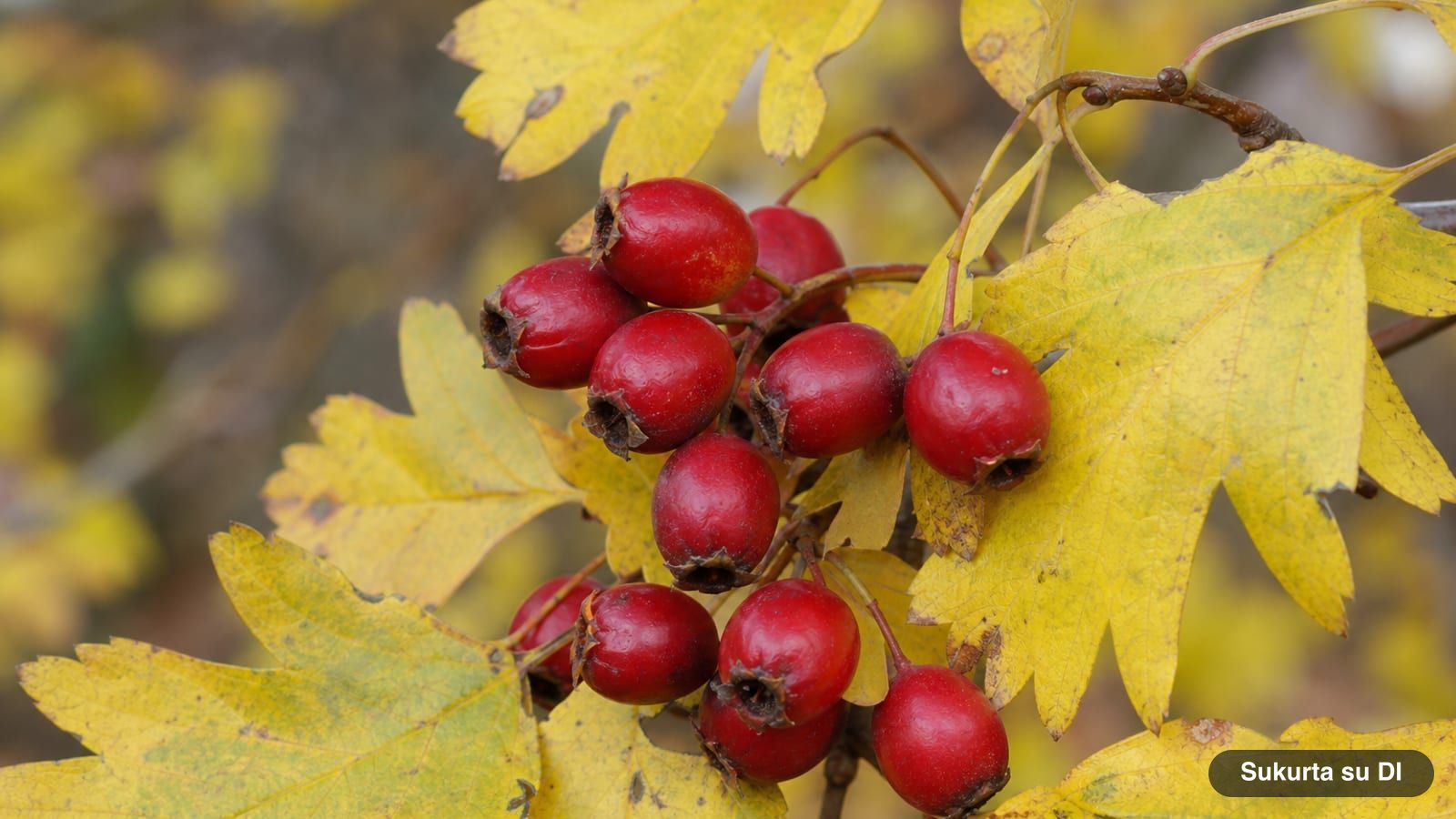
- The fruit is a 0.4-inch (1 cm) dark red, mealy berry (pome) with a single seed, ripening in late autumn to feed winter birds.
- The European Medicines Agency classifies hawthorn leaf and flower preparations as traditional herbal medicines for mild stress and sleep.
This article is part of the 77.today trees guide, prepared by the 77.today editors from the sources listed at the end.
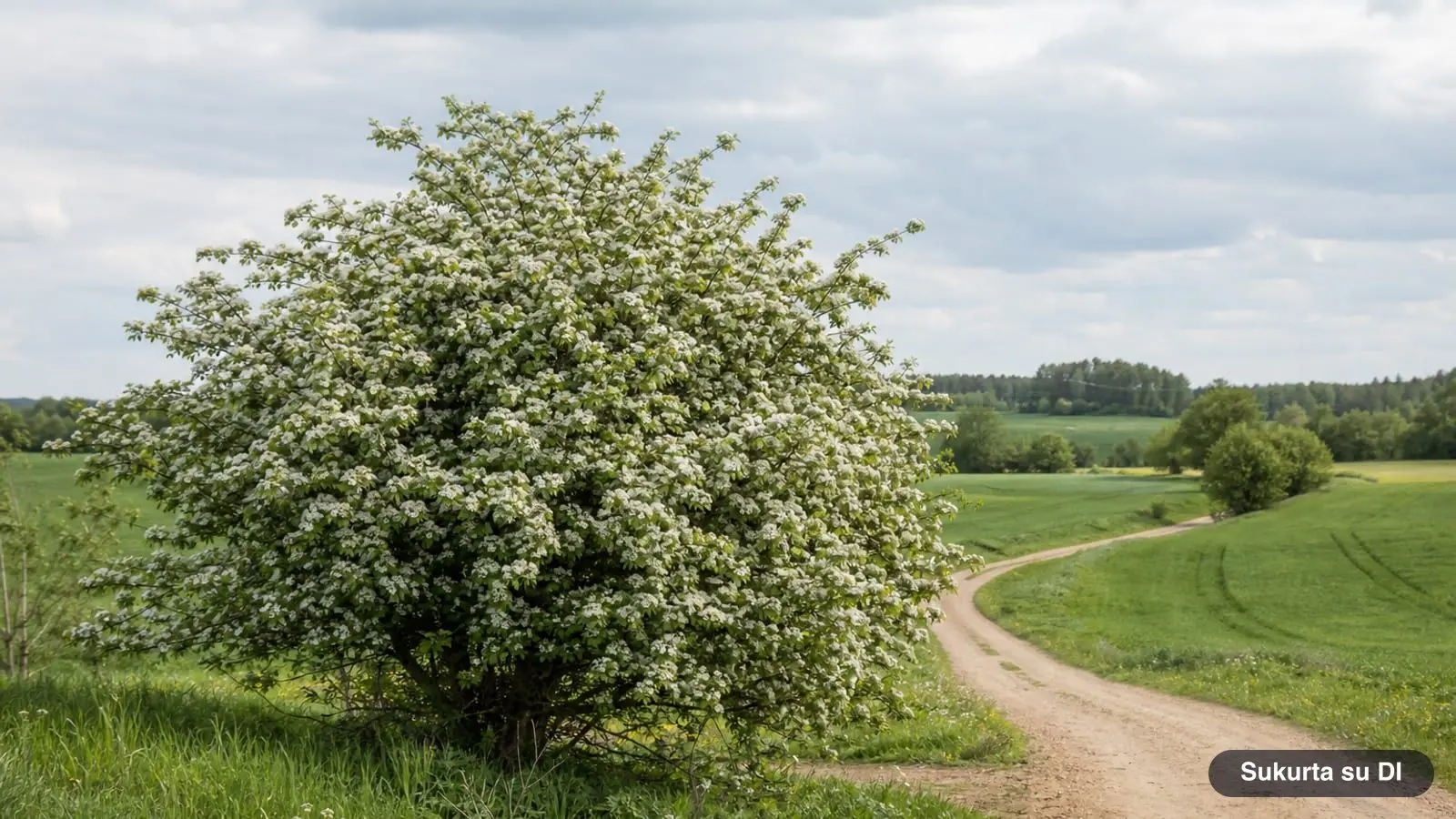
At woodland edges, on river valley slopes, and in old hedgerows, thorny shrubs burst into flat clusters of white flowers in late spring, while in autumn their branches are colored with dark red berries that feed thrushes and waxwings through the winter. These are hawthorns—members of the rose family, closely related to apples and rowans. While they usually grow as shrubs, they can mature into small trees, earning them a place in our tree guide. In this guide, you will learn how to identify a hawthorn, distinguish between common species, and discover how hawthorn preparations are officially evaluated.
| Scientific Name | Crataegus (genus), common hawthorn – Crataegus monogyna |
|---|---|
| Family | Rosaceae (rose family), Amygdaloideae subfamily |
| Species | Hundreds worldwide, with many native and introduced species |
| Height | Usually 10–16 ft (3–5 m) shrubs; common hawthorn up to 33 ft (10 m) or more |
| Blooms | Late spring to early summer |
| Fruits | Red, mealy pomes (berries), ripening in late autumn |
| Habitat | River valley slopes, woodland edges, scrublands, hedges |
| Distinctive Feature | Branches armed with sharp 0.4–0.6-inch (1–1.5 cm) thorns |
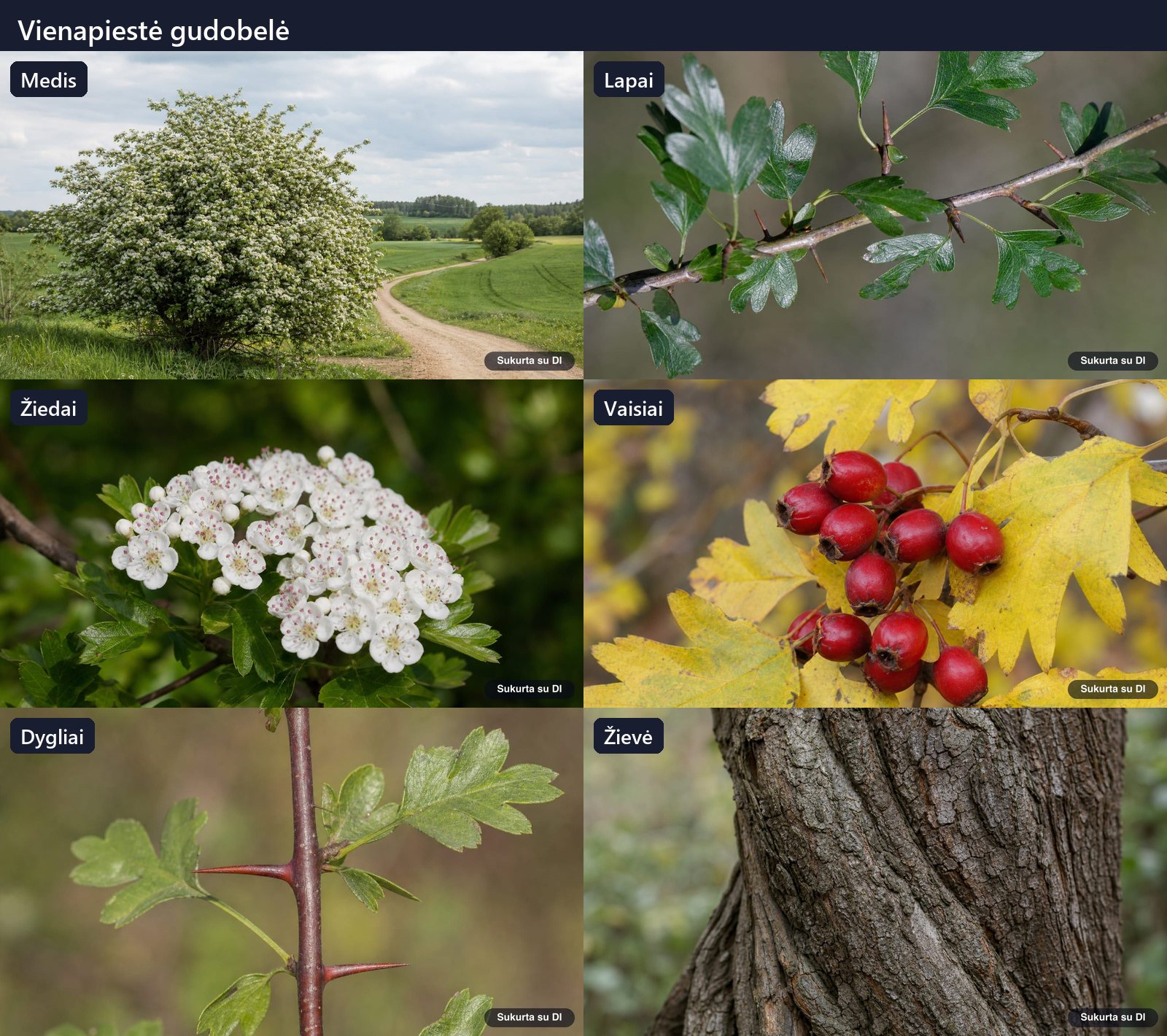
How to Identify Hawthorn
Hawthorns are small, typically 10–16 ft (3–5 m) tall shrubs or small trees with a dense canopy, hard wood, and stout thorns. Several species grow wild across Europe and North America, while dozens of introduced varieties are cultivated in gardens and parks. The common hawthorn (Crataegus monogyna) is widespread, thriving on river valley slopes and woodland edges, reaching up to 33 feet (10 m), sometimes up to 46 feet (14 m) tall. They are generally cold-hardy to USDA zones 4–7.
Leaves
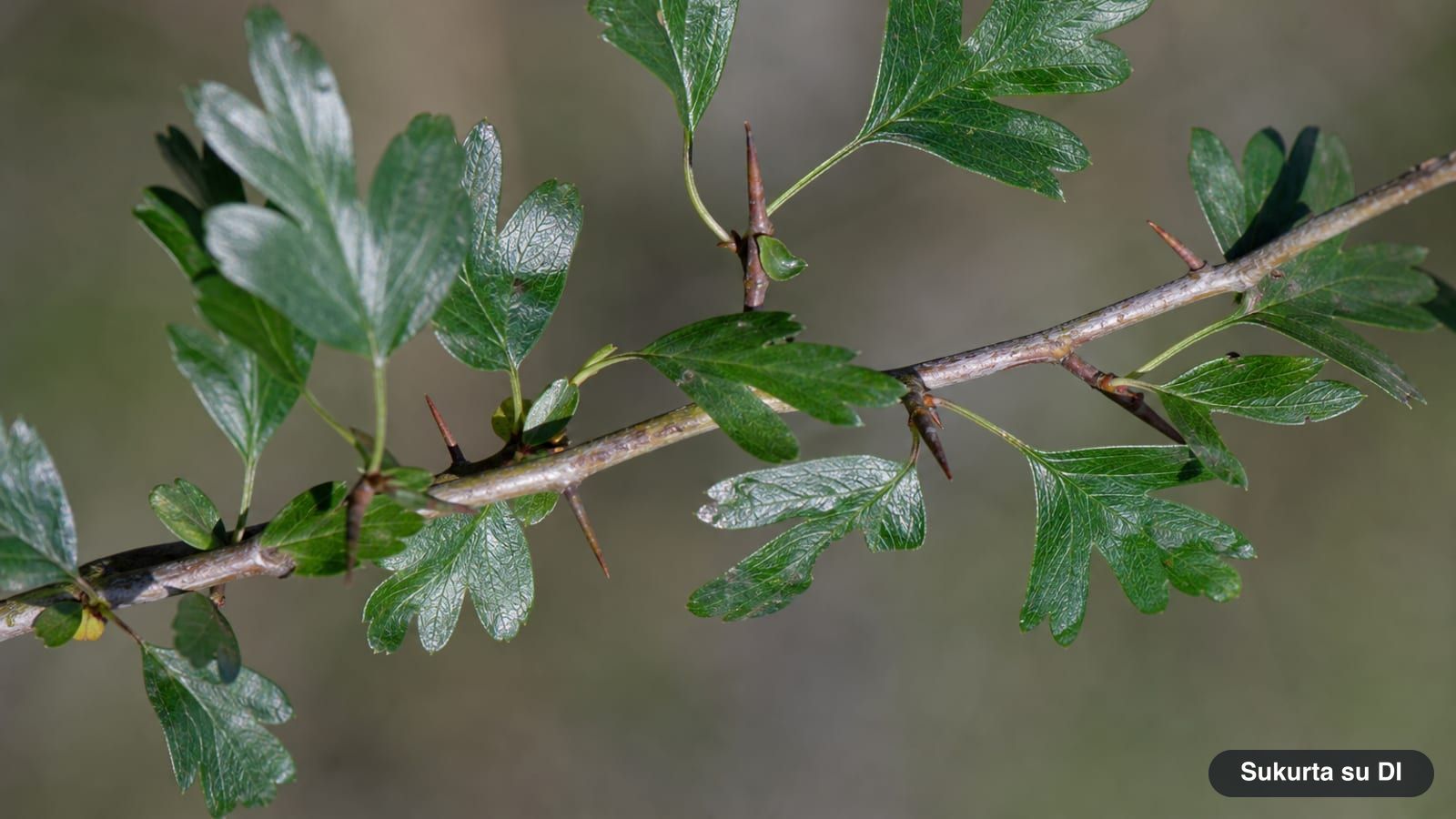
Common hawthorn leaves are small, 0.8–1.6 inches (2–4 cm) long, dark green, glossy, and deeply divided into 3 to 7 spreading lobes. They are arranged alternately, often in small clusters on short shoots. The midland hawthorn has similar but more shallowly lobed leaves. In autumn, the foliage turns yellow or reddish.
Flowers
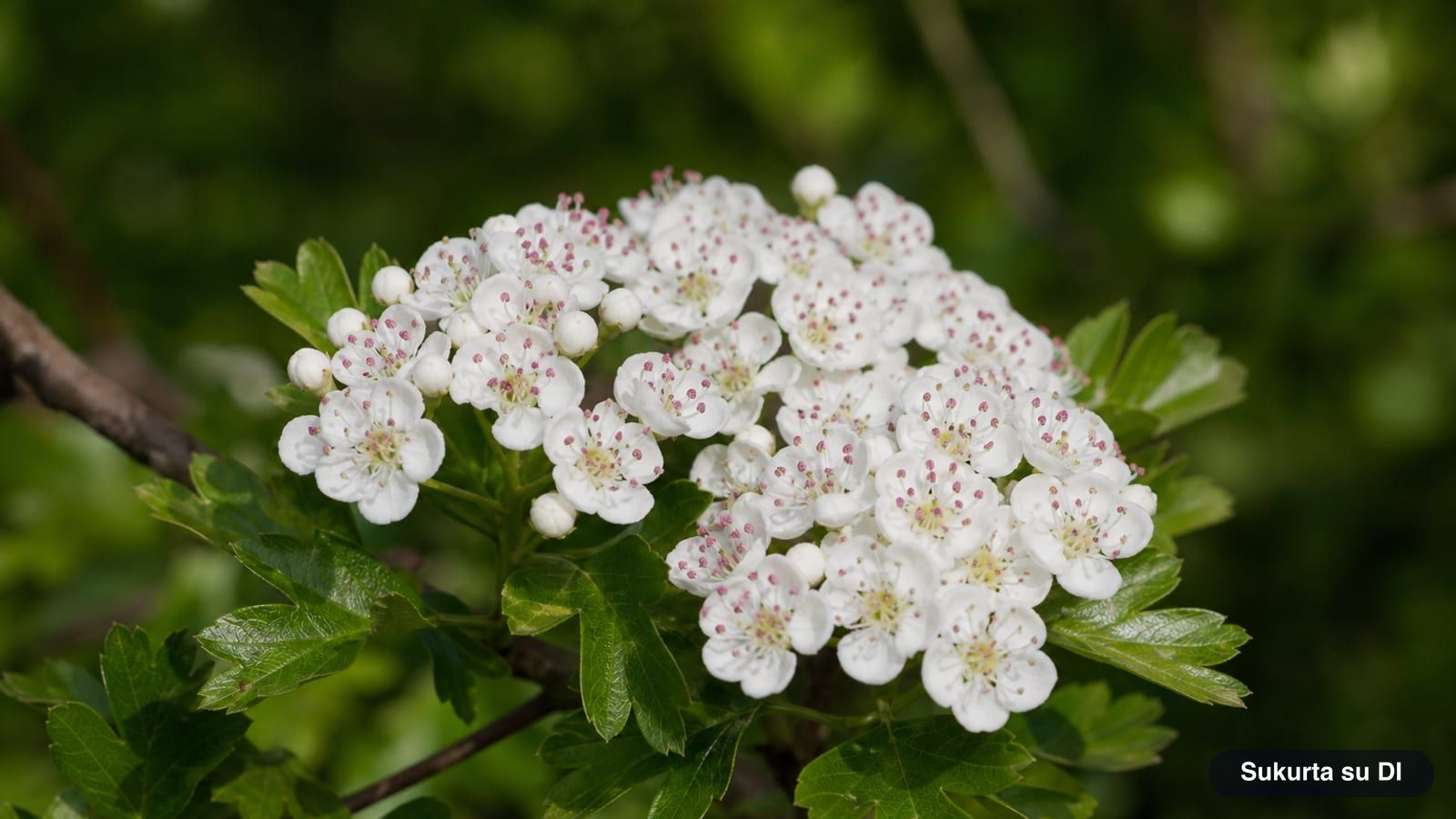
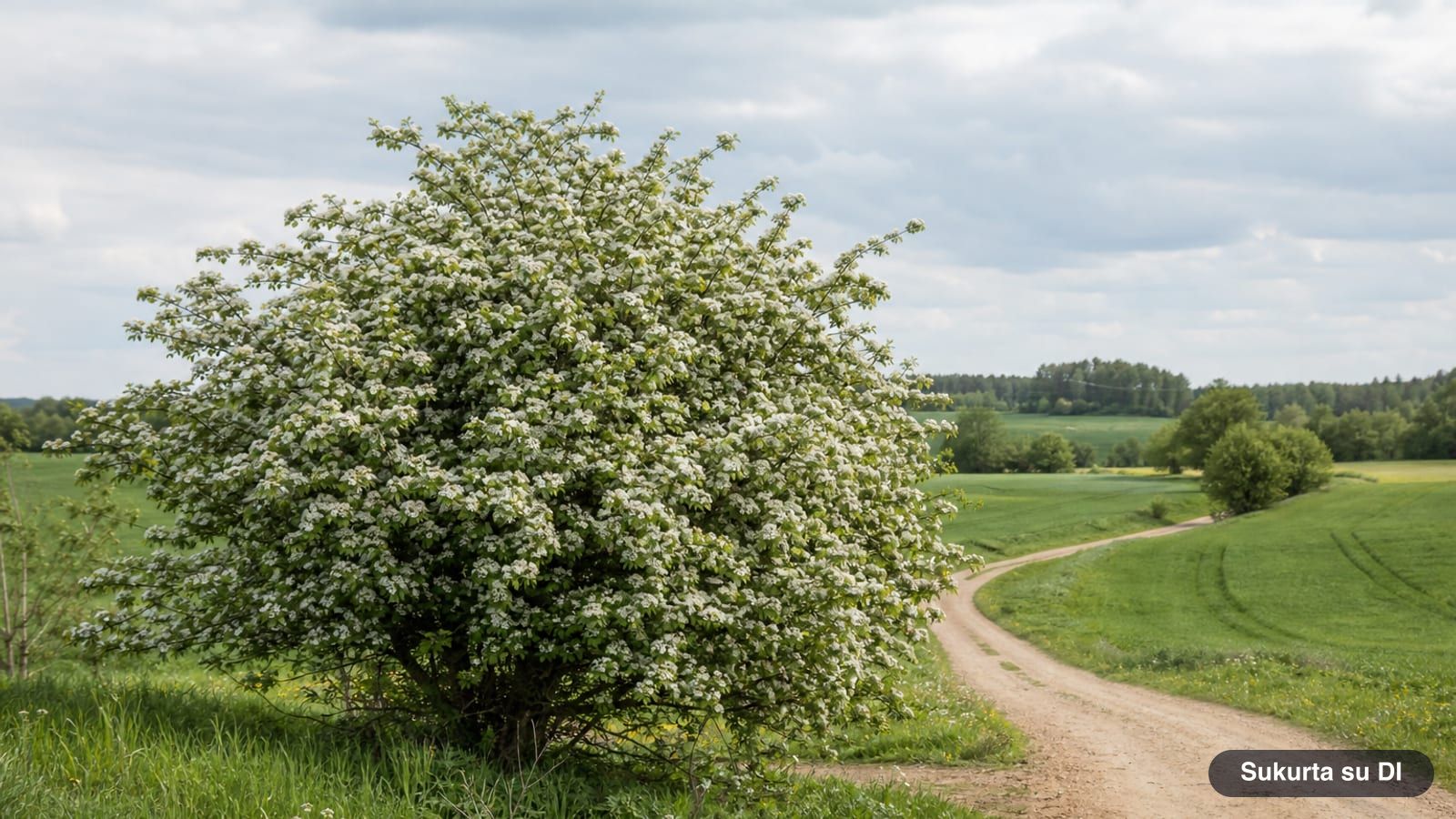
Hawthorns bloom in late spring to early summer. The flowers are white, sometimes pinkish, featuring five petals and numerous stamens with pink anthers, gathered in flat corymbs (flower clusters) of 5 to 25 blossoms. The common hawthorn flower has a single stigma (pistil), which gives it its botanical name monogyna. The scent is distinctive: hawthorn flowers contain trimethylamine, which many find unpleasant. They are pollinated by bees, midges, and other insects.
Fruits
The fruit is a small, 0.4-inch (1 cm) long, oval, dark red pome (often called a berry) with dry, mealy flesh. The common hawthorn fruit contains just one seed, while other species can have up to five. The berries ripen in late autumn or early winter, growing in clusters of two, three, or more, providing crucial winter food for thrushes, waxwings, bullfinches, and other overwintering birds. You can read more about bird-dispersed seeds in our tree seed and fruit guide.
Thorns and Bark
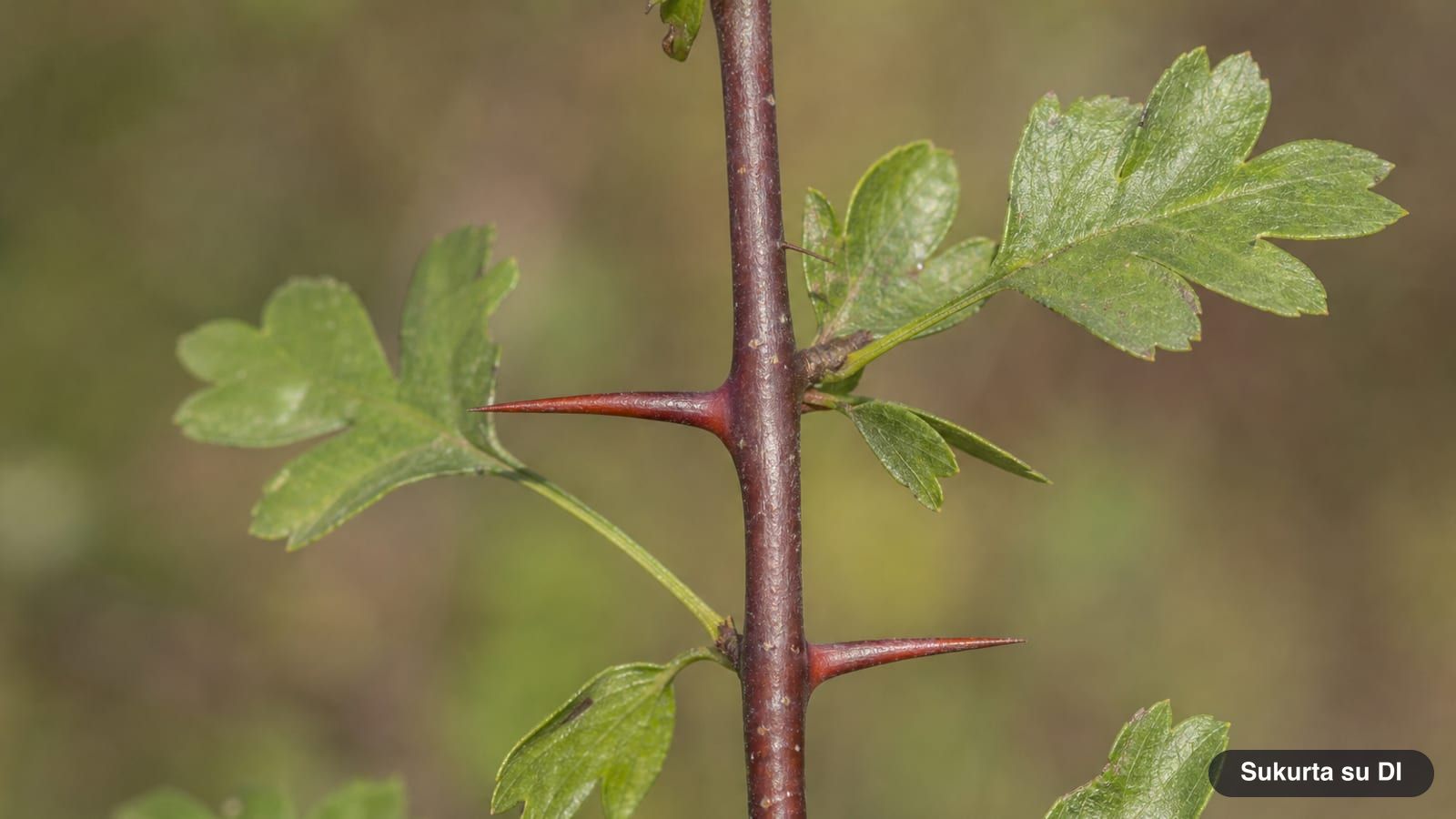
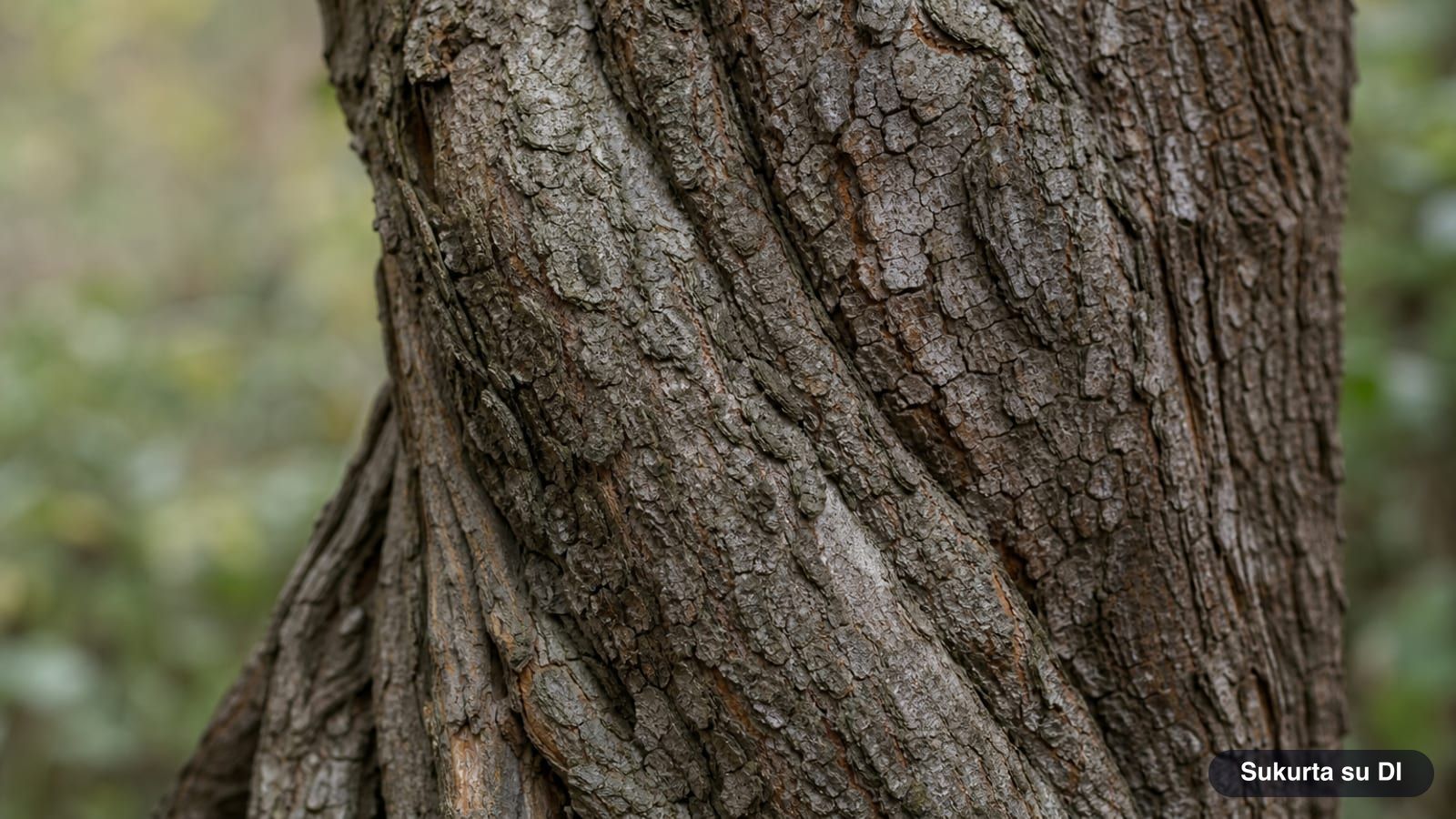
Younger hawthorn branches are armed with straight, sharp 0.4–0.6-inch (1–1.5 cm) thorns that effectively protect the plant from browsing animals. The bark is brownish-gray; on older trunks, it cracks into small plates with orange vertical fissures. Old trunks are often twisted and fluted.
Hawthorn, Rowan, or Bird Cherry?
| Feature | Common Hawthorn | Rowan (Mountain Ash) | Bird Cherry |
|---|---|---|---|
| Leaves | small, deeply lobed | pinnately compound | elliptical, finely serrated |
| Flower clusters | flat corymbs, late spring | broad flat corymbs, late spring | drooping racemes, mid-spring |
| Fruits | dark red, oval, mealy | orange-red, round, juicy | black drupes |
| Thorns | present | absent | absent |
Read more about similar trees in the rowan (mountain ash) and bird cherry guides.
Common Hawthorn Species
- Common hawthorn (C. monogyna) – widespread; deeply lobed leaves, one stigma per flower, one seed per fruit.
- Midland hawthorn (C. laevigata) – shallower leaf lobes, 2–3 stigmas per flower; hybridizes easily with the common hawthorn.
- Other regional species – such as the large-sepalled hawthorn (C. rhipidophylla) in Europe, and various native North American species like the Washington hawthorn (C. phaenopyrum).
Ornamental hawthorns with pink or double flowers are also widely grown in gardens. Because species hybridize so readily, accurately identifying a specific hawthorn can sometimes challenge even botanists.
Hawthorn Hedges
The common hawthorn is one of the traditional hedging plants in Europe, heavily planted for agricultural hedgerows. A densely branched and thorny hedge, with a little maintenance, becomes almost impenetrable to livestock and people. Hawthorn tolerates pruning well, and birds gladly nest in its dense, thorny canopy. A blooming hedge feeds bees, while the autumn berries sustain wintering birds.
Hawthorns are long-lived: in France, near the church of Saint-Mars-sur-la-Futaie, grows a hawthorn considered one of the country's oldest trees—in 2009, it stood 30 feet (9 m) tall with a trunk circumference of 8.7 feet (2.65 m). England is famous for the Glastonbury Thorn, which, according to legend, flowered twice a year.
Medicinal and Culinary Uses
Hawthorn leaves and flowers are officially recognized as herbal material. The European Medicines Agency's Committee on Herbal Medicinal Products, based on long-standing use, classifies hawthorn leaf and flower preparations as traditional herbal medicines. Adults can use them to relieve temporary nervous cardiac complaints, such as palpitations—only after a doctor has ruled out serious conditions. Adolescents over 12 and adults can also use them to relieve mild symptoms of mental stress and to aid sleep. The Agency notes that while clinical trials are limited, conclusions are based on long-term safe use. If symptoms persist for more than two weeks or worsen, a doctor should be consulted. No side effects were reported during the Agency's assessment, and precautions are detailed in the official monograph.
Hawthorn berries are edible: due to their dry flesh, they are less prized in everyday cooking, but they make excellent jellies and syrups. The young leaves and flower petals are also edible. The genus's Latin name, Crataegus, is derived from a Greek word meaning strength and robustness—a nod to its hard wood and thorns. You can find other early-blooming trees of the rose family in the rowan (mountain ash) and bird cherry guides.
Frequently asked questions
How do you identify a hawthorn?
Look for sharp 0.4–0.6-inch (1–1.5 cm) thorns, small deeply lobed leaves, flat clusters of white flowers in late spring, and dark red, 0.4-inch (1 cm) berries in autumn. The common hawthorn has only one seed per berry.
When does the hawthorn bloom?
In cool temperate climates, common hawthorns bloom in late spring to early summer (typically late May to early June in the Northern Hemisphere). The flowers form flat clusters, and the fruits ripen in late autumn or early winter.
Are hawthorn berries edible?
Yes, hawthorn berries are edible, but their flesh is dry and mealy. They are most commonly used to make jellies, jams, or syrups. The young leaves and flower petals are also edible.
What is the difference between common and midland hawthorn?
The common hawthorn (Crataegus monogyna) has deeply lobed leaves and a single stigma in its flower, producing one seed per berry. The midland hawthorn (Crataegus laevigata) has shallower lobes and two or three stigmas. They hybridize easily, so intermediate forms are common.
Can you drink hawthorn tea?
The European Medicines Agency considers hawthorn leaf and flower preparations as traditional herbal medicines. Adults can use them to relieve temporary nervous cardiac complaints (like palpitations)—but only after a doctor has ruled out serious conditions—and to aid sleep. Always consult a healthcare professional if symptoms persist.
Is hawthorn good for a hedge?
Yes, it is a traditional hedging plant in Europe. Thorny, densely branched hawthorn hedges become almost impenetrable to livestock and people when maintained, while the flowers and berries support insects and birds.
Log in to comment
No comments yet. Be the first.