Birch Sap: When and How to Tap Trees, Rules, and Storage
- Sap begins to flow when the average daily temperature rises to 39–41°F (4–5°C); maple sap typically runs about a week earlier than birch sap.
- When tapping on public lands, always check local regulations; as a general rule for tree health, only tap trees that are at least 8 inches (20 cm) in diameter.
- Drill holes no higher than 3 feet (1 m) from the ground, up to 0.8 inches (2 cm) in diameter and 1.2 inches (3 cm) deep, spaced at least 4 inches (10 cm) apart.
- After collecting sap, holes must be plugged with a wooden dowel to protect the tree; damaging trees on public land can result in significant fines.
- Birch sap contains about 1–2% sugar, while maple sap has 2–4%; fresh sap lasts only a few days in the refrigerator before it begins to naturally ferment.
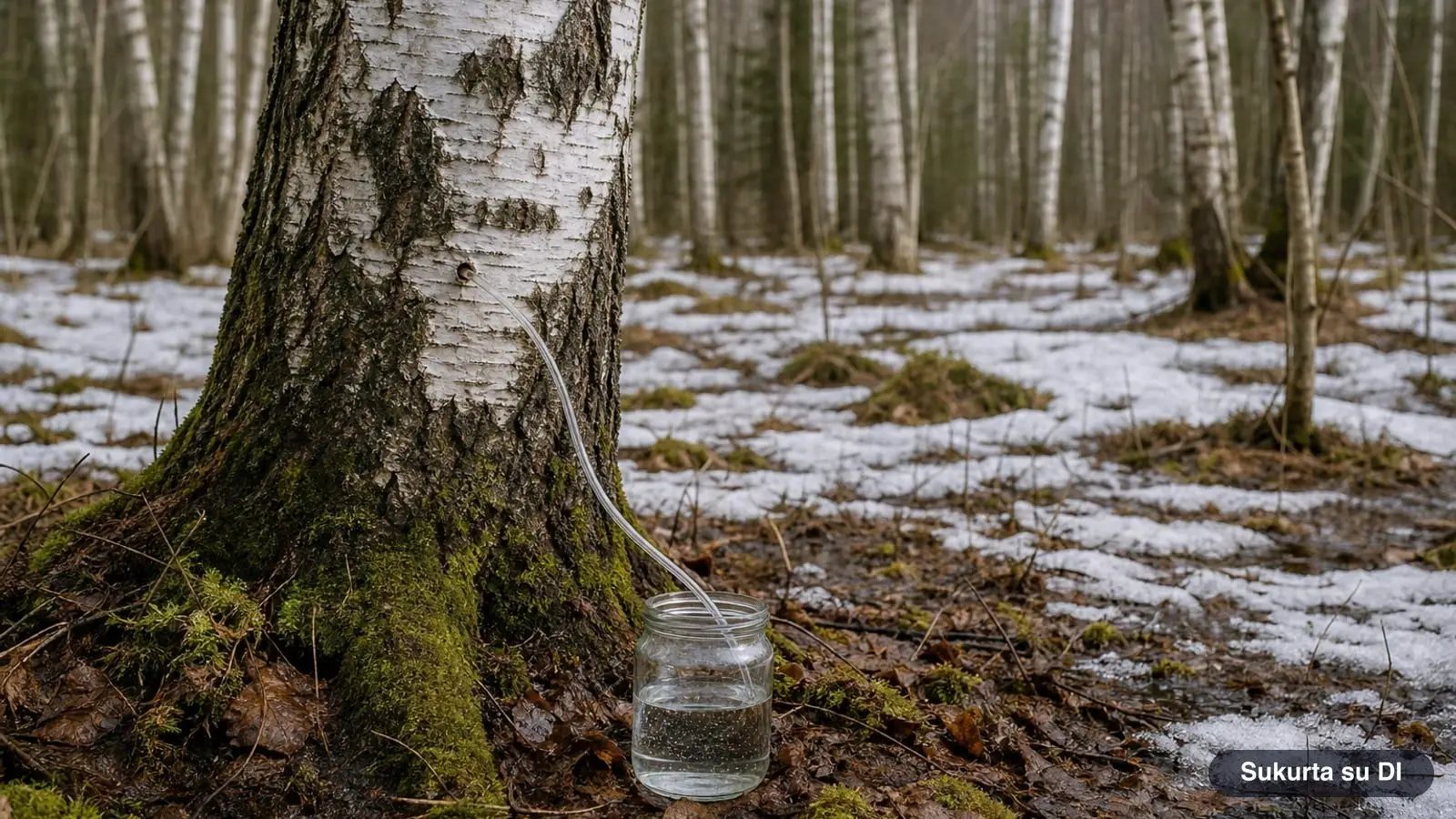
This article is part of the 77.today trees guide, prepared by the 77.today editors from the sources listed at the end.
In early spring, as the last snow melts in northern forests, sap begins to flow in birch trees—a clear, faintly sweet liquid that has been enjoyed for centuries as a first gift of spring. Tapping trees for sap remains popular today, but an improperly drilled or unplugged hole can seriously harm the tree, and strict rules often apply in public forests. In this section of our Tree Guide, we cover when the sap flows, how to tap correctly and legally, how much a tree yields, and how long the sap lasts.
| What is sap | nutrient solution rising from the roots to the tree canopy in spring |
|---|---|
| When it flows | when the average daily temperature rises to 39–41°F (4–5°C); for about 1–2 weeks |
| Maple sap | flows about a week earlier than birch sap |
| Sugar content | birch – about 1–2%, maple – about 2–4% |
| Minimum tree thickness | at least 8 inches (20 cm) in diameter |
| Hole size | up to 3 feet (1 m) high, diameter up to 0.8 inches (2 cm), depth up to 1.2 inches (3 cm) |
| Penalties | fines apply for damaging trees on public forest land |
| Shelf life | fresh in the refrigerator for 2–5, at most 7 days |
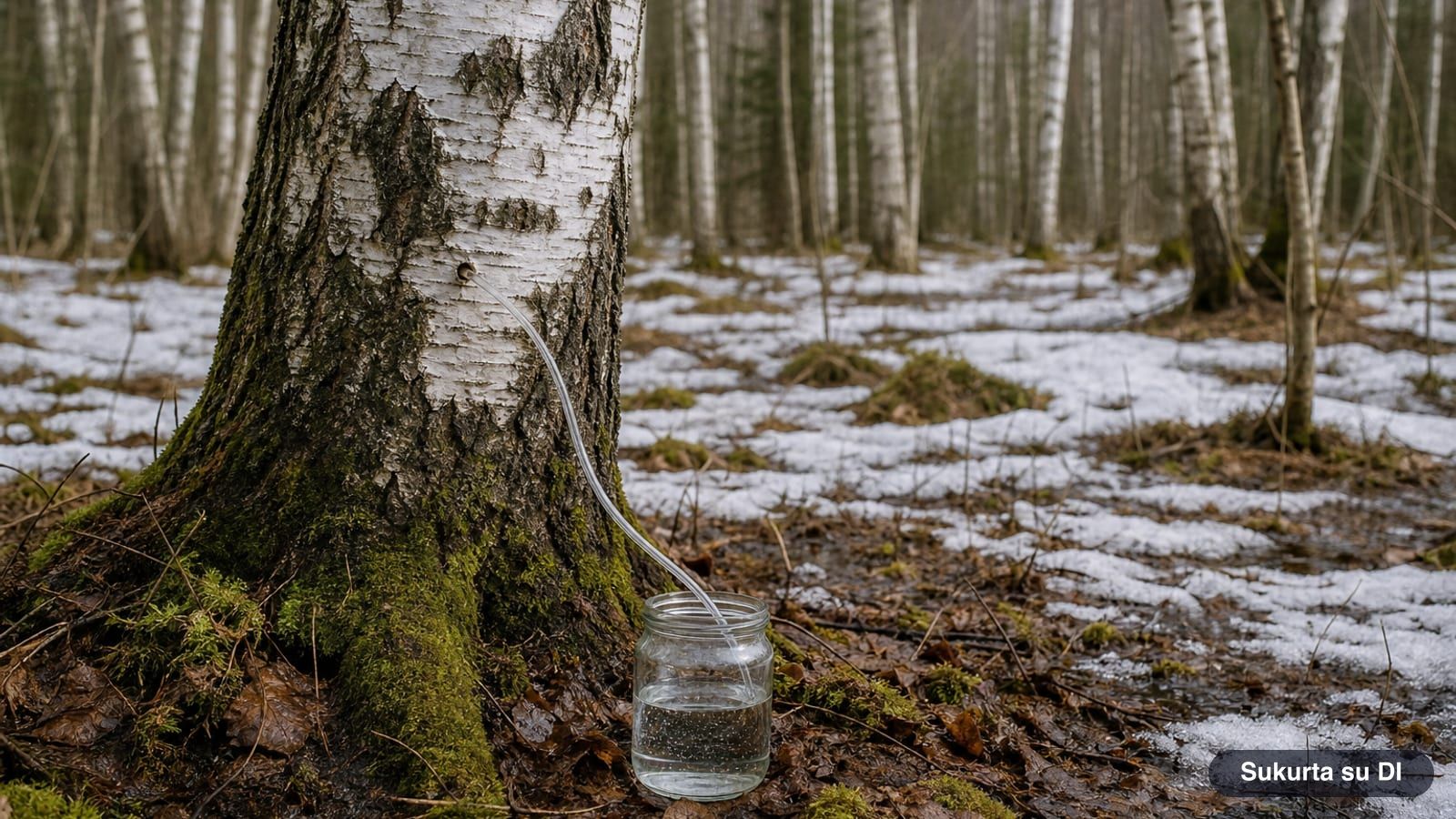
What is Sap and When Does it Flow
Sap is a nutrient solution that the tree stores in its roots over the winter and sends up to the reviving canopy in the spring, just before the buds burst. Sap suitable for drinking begins to run when the average daily temperature rises to 39–41°F (4–5°C), and flows for about 1 to 2 weeks—for birch trees, usually right up until the first buds open. Maples start yielding sap about a week earlier than birches, sometimes as early as late winter depending on the climate, while birch sap flows later but often longer and more abundantly. To check if the sap is running, you can make a small test cut: if liquid begins to seep out, the time is right.
All deciduous trees produce sap, but it is most commonly tapped from birches and maples. Historically, sap was also tapped for medicinal purposes from ash trees and oaks, and it can even be collected from the invasive box elder (ash-leaved maple) to make syrup.
Tree Tapping Rules and Regulations
When tapping trees, it is crucial to follow sustainable foraging practices to avoid injuring the trees. While specific laws vary by region, the following guidelines are widely recommended:
- Public forests. Always check local regulations before tapping on public land. In many areas, you must contact the local forestry service, as tapping may be restricted to designated areas or prohibited entirely.
- Tree thickness. For the health of the tree, only tap trees that are at least 8 inches (20 cm) in diameter.
- The hole. Drill no higher than 3 feet (1 m) from the ground. The hole diameter should not exceed 0.8 inches (2 cm), and the depth into the wood should be about 1.2 inches (3 cm). If drilling multiple holes, space them at least 4 inches (10 cm) apart. You may shave off the rough outer bark at the drilling site, provided the inner bark is not damaged.
- Private land. To tap on private property that is not your own, you must always obtain the landowner's explicit permission.
- Liability. Improper tapping that damages trees on public land can result in significant fines.
Always verify land ownership and review local foraging rules before the sap season begins to ensure sustainable and legal tapping.
How to Tap Sap Without Harming the Tree
- Choose the tree. Select a healthy tree no thinner than 8 inches (20 cm) in diameter, located away from busy roads and chemically fertilized fields. Trees growing in open areas and on hillsides tend to yield more sap that is also sweeter.
- Prepare the site. Naturalists recommend tapping on the northern side of the trunk so that direct sunlight does not cause the collected sap to ferment prematurely. Shave off the outer bark at the drilling site without damaging the inner bark.
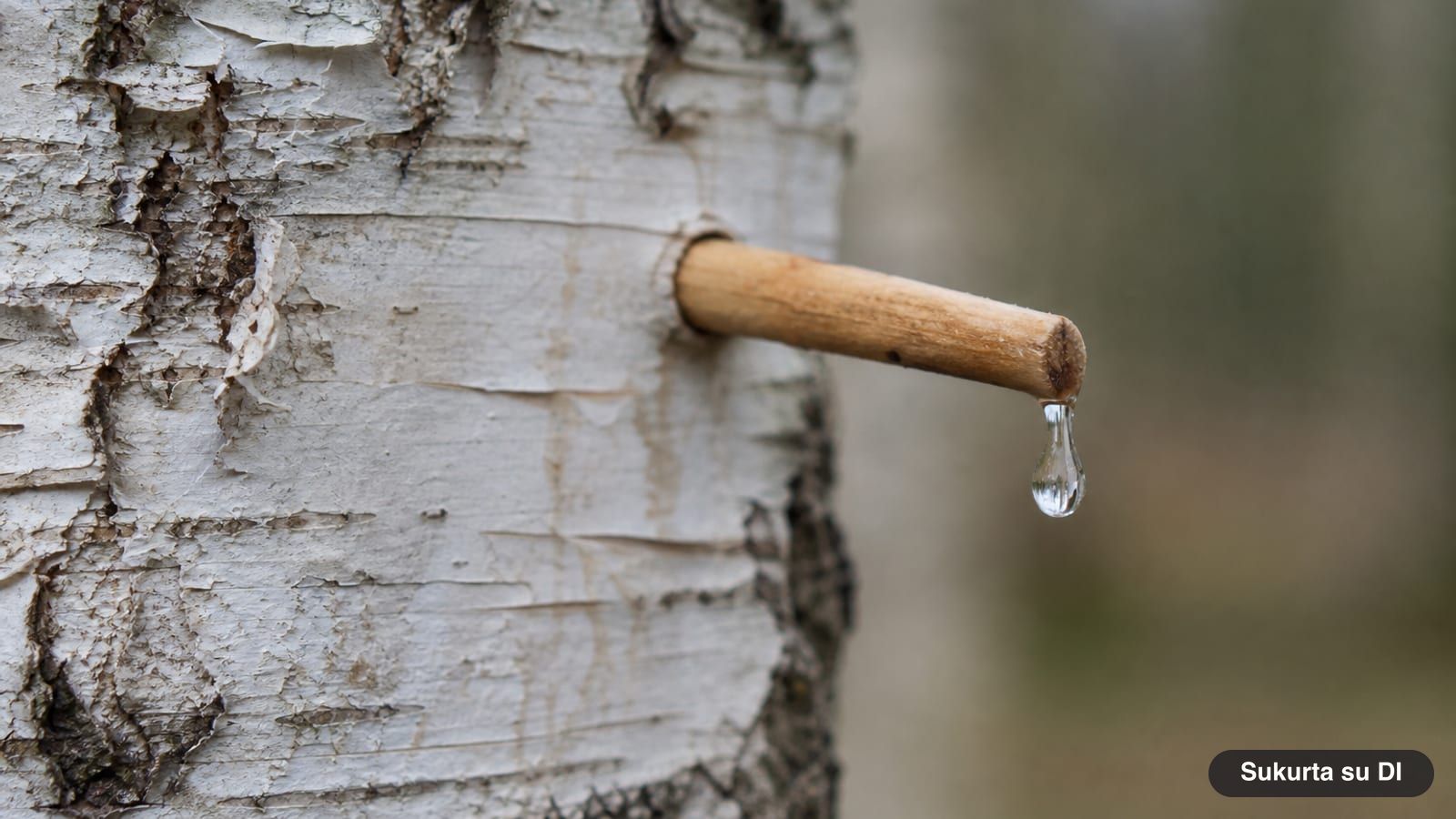
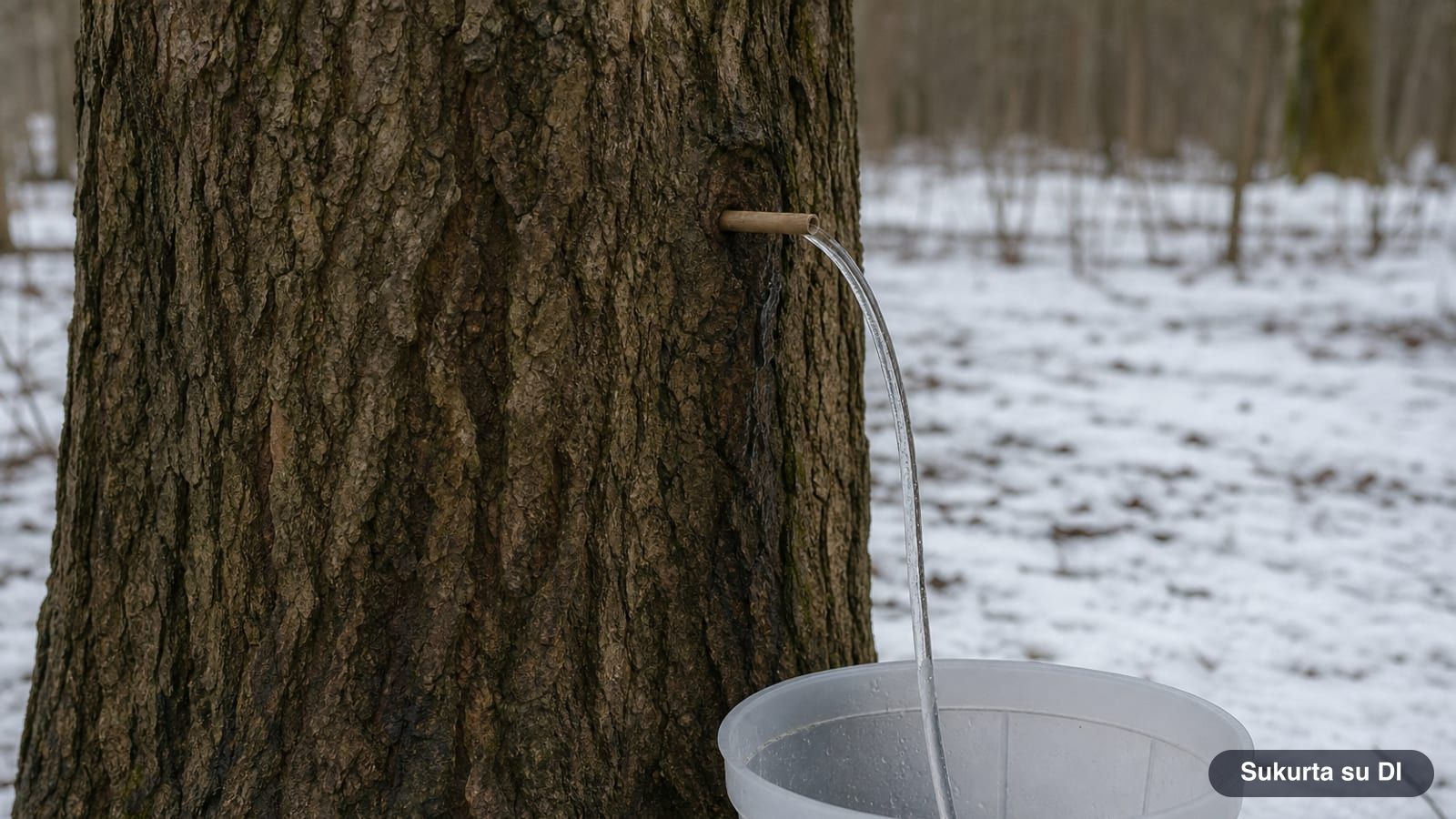
- Drill the hole. Drill no higher than 3 feet (1 m) from the ground, up to 0.8 inches (2 cm) in diameter, and up to 1.2 inches (3 cm) deep. Insert a spout (spile) or tube into the hole—a wooden spout is often considered healthier for the tree than a metal one.
- Collect the sap. Run the tube into a clean bottle, bucket, or glass jar, and cover it to keep out debris, insects, and direct sunlight.
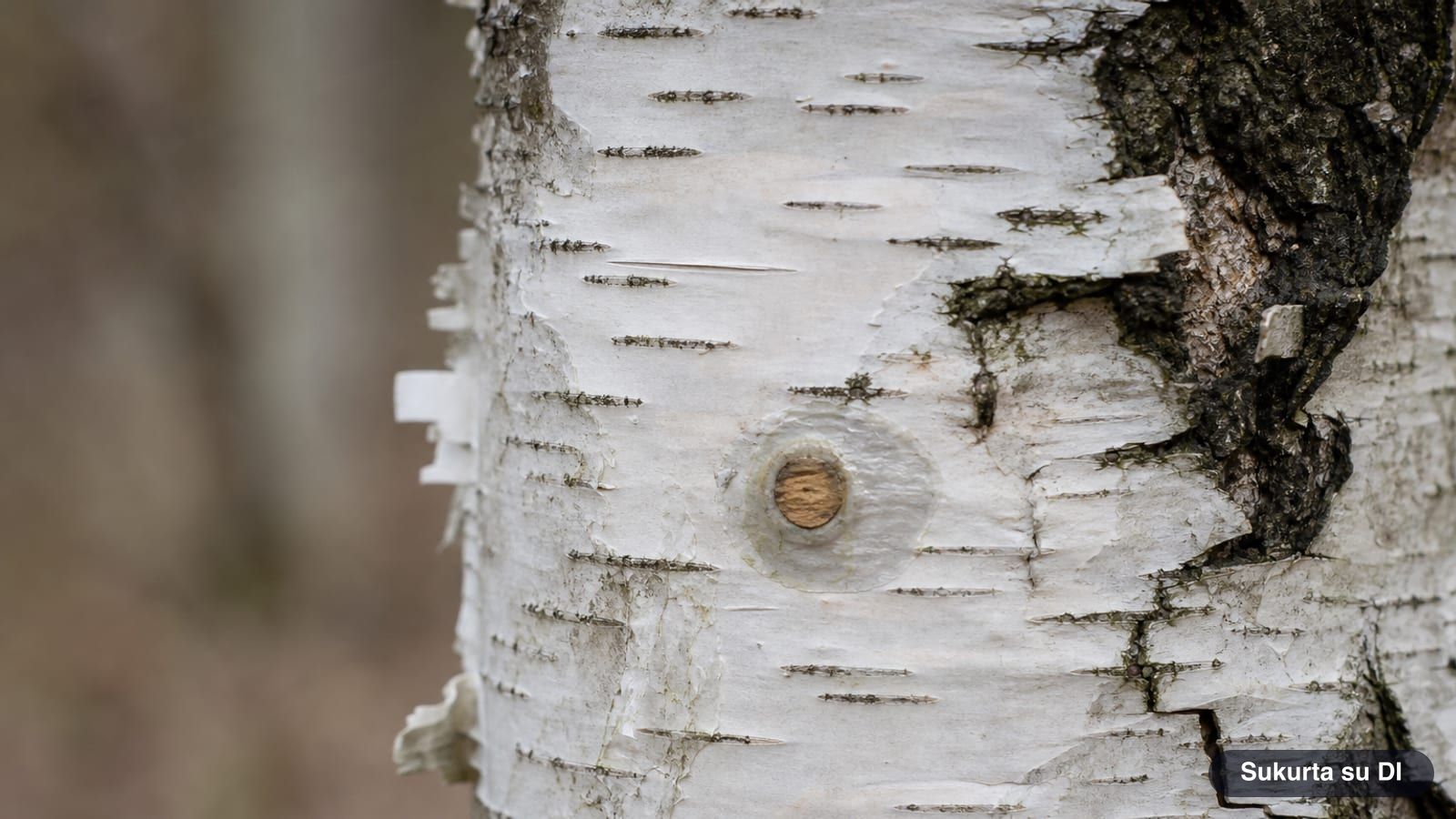
- Plug the hole. Once you have finished collecting sap, plug the hole tightly with a wooden dowel, ideally made from the same species of wood, and seal it with clay or pruning sealer. Leaving the hole open can introduce wood rot and may even cause the tree to die.
- Let the tree rest. If a large amount of sap has been drawn from a tree, refrain from tapping it again for several years to allow it to recover.
How Much Sap Does a Tree Produce?
A single tree can drip up to 5 gallons (20 liters) of sap in a 24-hour period, and over the entire season, you can collect up to 26 gallons (100 liters) or more from one birch. Maples produce less sap, but it is significantly sweeter—historically, it was even used as a primary sweetener for food. With moderate tapping that does not cause harm, the same birch trees can be sustainably tapped for about 10 years.
Birch and Maple Sap: What is the Difference?
| Characteristic | Birch sap | Maple sap |
|---|---|---|
| When it flows | later, usually in early to mid-spring | about a week earlier, sometimes in late winter |
| Sugar content | about 1–2% | about 2–4% (sugar maple – up to 20%) |
| Quantity | flows longer and more abundantly | less volume |
| Taste | faintly sweet, mild | noticeably sweeter |
Read more about maple sap—the sweeter and earlier-flowing relative of birch sap—in our dedicated articles.
What is in Sap and How Long Does it Last?
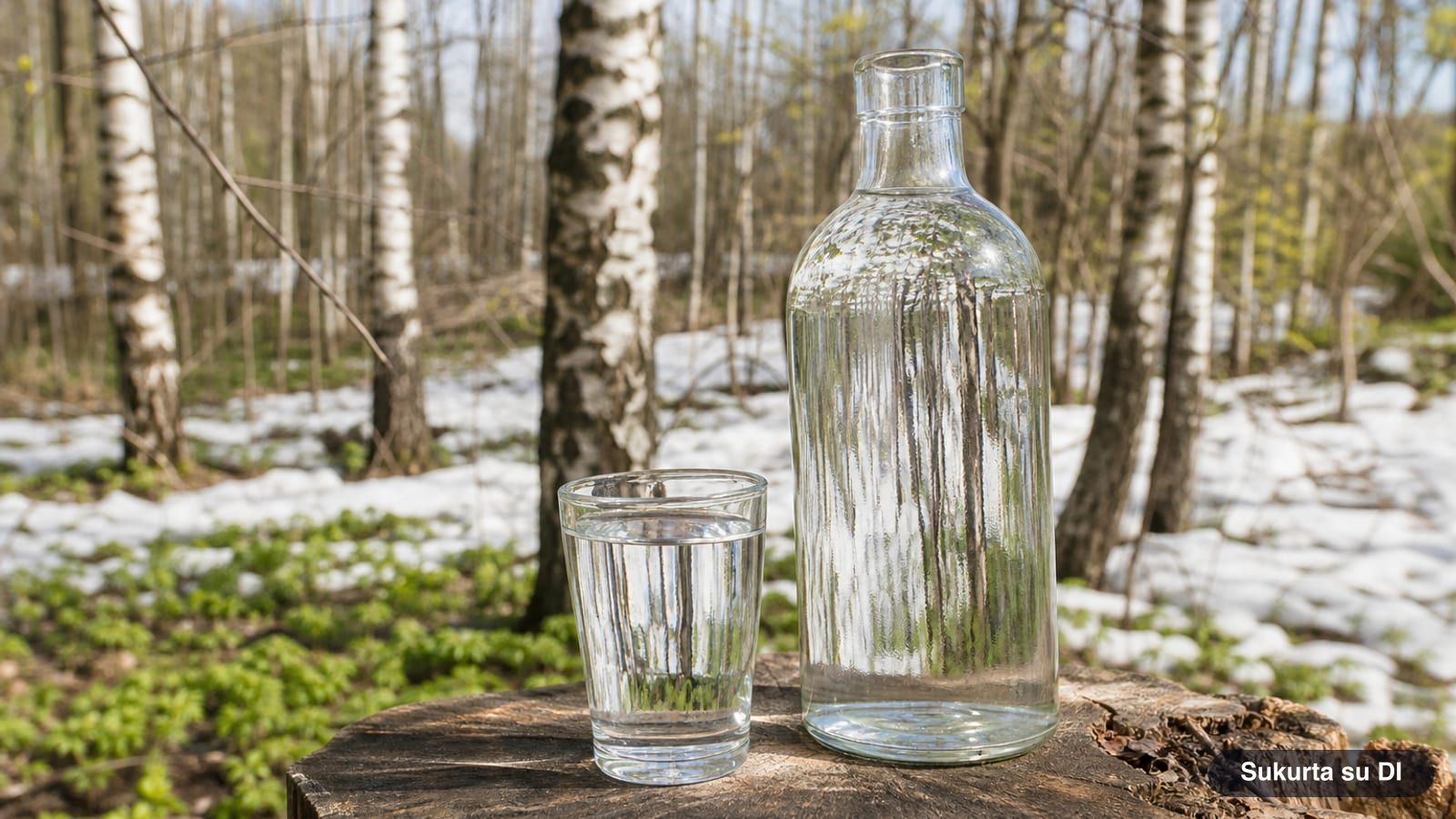
Fresh birch sap is a clear, colorless, faintly sweet liquid with a slightly silky texture. It contains sugars (mostly fructose and glucose), amino acids, minerals, vitamin C, and B-complex vitamins. Studies have shown that fresh birch sap contains beneficial elements such as potassium, calcium, magnesium, sodium, zinc, manganese, and iron. Health experts advise against tapping trees that grow near busy roads or chemically fertilized agricultural fields.
Fresh sap spoils very quickly: it will only keep in the refrigerator for a mere 2 to 5 days, or 7 days at most. After just 2 to 3 days, it begins to naturally ferment, and the taste becomes more sour. To preserve sap for a longer period, it can be frozen, filtered through a micro-filter, canned, or mixed with added sugar.
Sap in Northern Traditions
In Northern Europe and Eurasia, sap was a highly popular beverage until the mid-20th century. Birch sap is deeply rooted in the traditions of many countries: Latvians call it bērzu sula, Estonians know it as kasemahl, Finns refer to it as mahla, and in Slavic regions, it is known as birch juice. For more on birches and how to identify them, visit our Birch Tree profile, and to learn about other signs of spring in the forest, explore the seasonal calendar in our Tree Guide.
Frequently asked questions
When does birch sap start flowing?
Sap begins to run when the average daily temperature reaches 39–41°F (4–5°C), which in cool northern climates is usually late March to April. Sap suitable for drinking flows for about 1 to 2 weeks, right up until the first buds burst. Maple sap starts flowing about a week earlier, sometimes as early as February depending on the region's climate.
Can you tap trees in state or national forests?
Yes, but only by following local regulations. In public forests, you must usually contact the local forestry service, as they may designate specific areas where tapping is permitted or prohibit it entirely. As a best practice for tree health, only tap trees at least 8 inches (20 cm) in diameter. On private property that is not your own, you must always obtain the landowner's permission.
What size hole should be drilled for tapping sap?
The hole should be drilled no higher than 3 feet (1 m) from the ground. Its diameter should not exceed 0.8 inches (2 cm), and the depth into the wood should be about 1.2 inches (3 cm). If drilling multiple holes, the spacing between them must be at least 4 inches (10 cm). You can shave off the rough outer bark at the drilling site, but be careful not to damage the inner bark (phloem).
How do you plug the hole after tapping sap?
Once the sap run is over, the hole must be plugged with a wooden dowel—ideally made from the same type of wood—and sealed with clay or pruning sealer to prevent fungi or rot from taking hold. Leaving a hole open can severely harm the tree, causing the surrounding wood to decay and potentially leading to the tree's death.
How long does fresh birch sap last?
Fresh sap spoils quickly: it will only keep in the refrigerator for about 2 to 5 days, or 7 days at most. After 2 to 3 days, the sap begins to naturally ferment and takes on a more sour taste. To preserve it longer, it can be frozen, filtered through a very fine mesh, or canned.
How much sap does one birch tree produce?
A single tree can yield up to 5 gallons (20 liters) of sap in a 24-hour period, and over the course of a season, you can collect up to 26 gallons (100 liters) or more from one birch. Trees growing in open areas and on hillsides tend to produce more sap with a higher sugar content. If a tree has been heavily tapped, it is recommended to let it rest and recover for a few years before tapping it again.
Log in to comment
No comments yet. Be the first.