European Yew: Needles, Red "Berries," Toxicity & Care
- The European yew (Taxus baccata) is native to Europe, but wild populations were heavily depleted by the late 19th century due to overharvesting.
- While rare or protected in many wild woodland habitats today, it remains a highly popular ornamental tree in parks, gardens, and historic cemeteries.
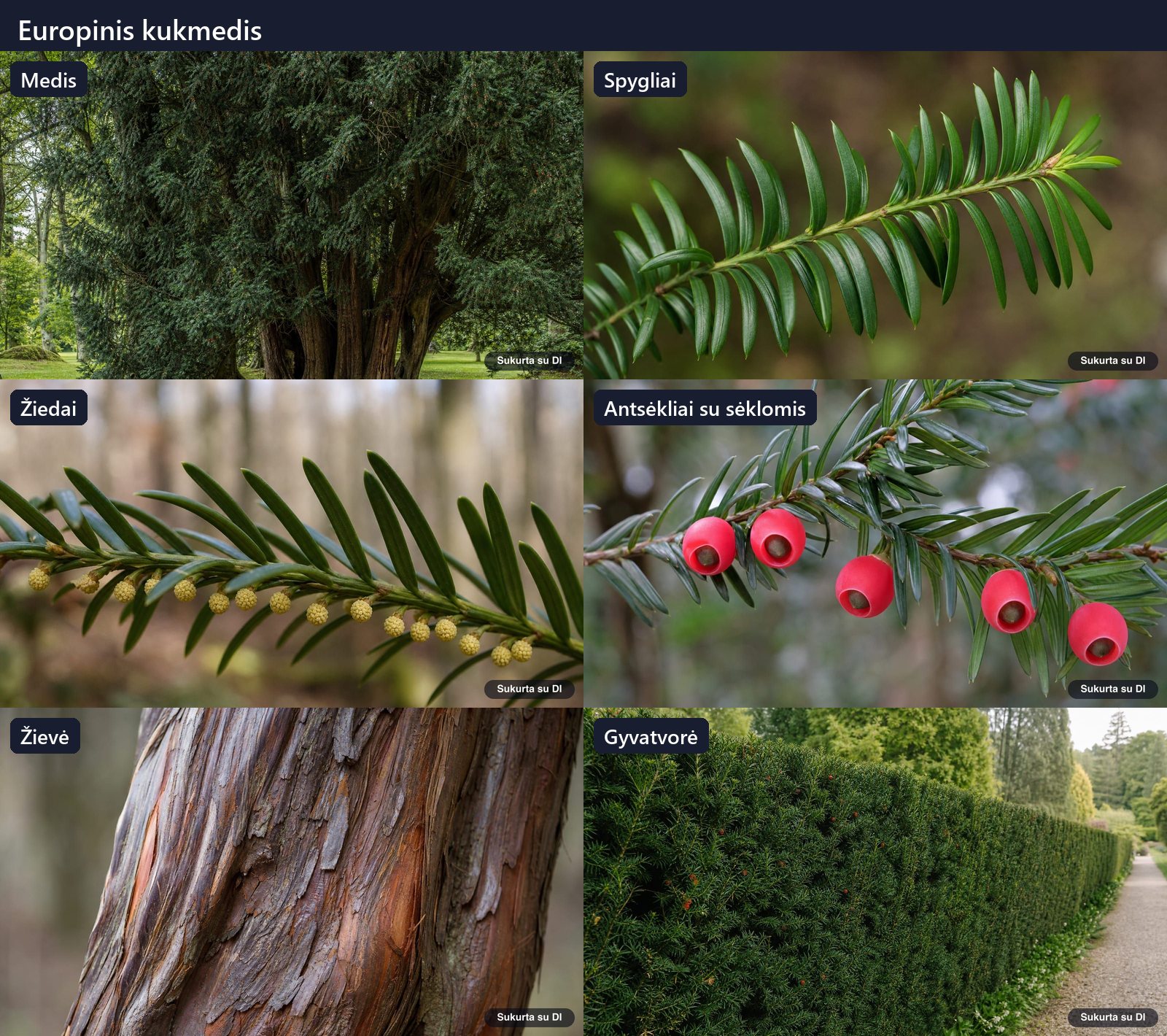
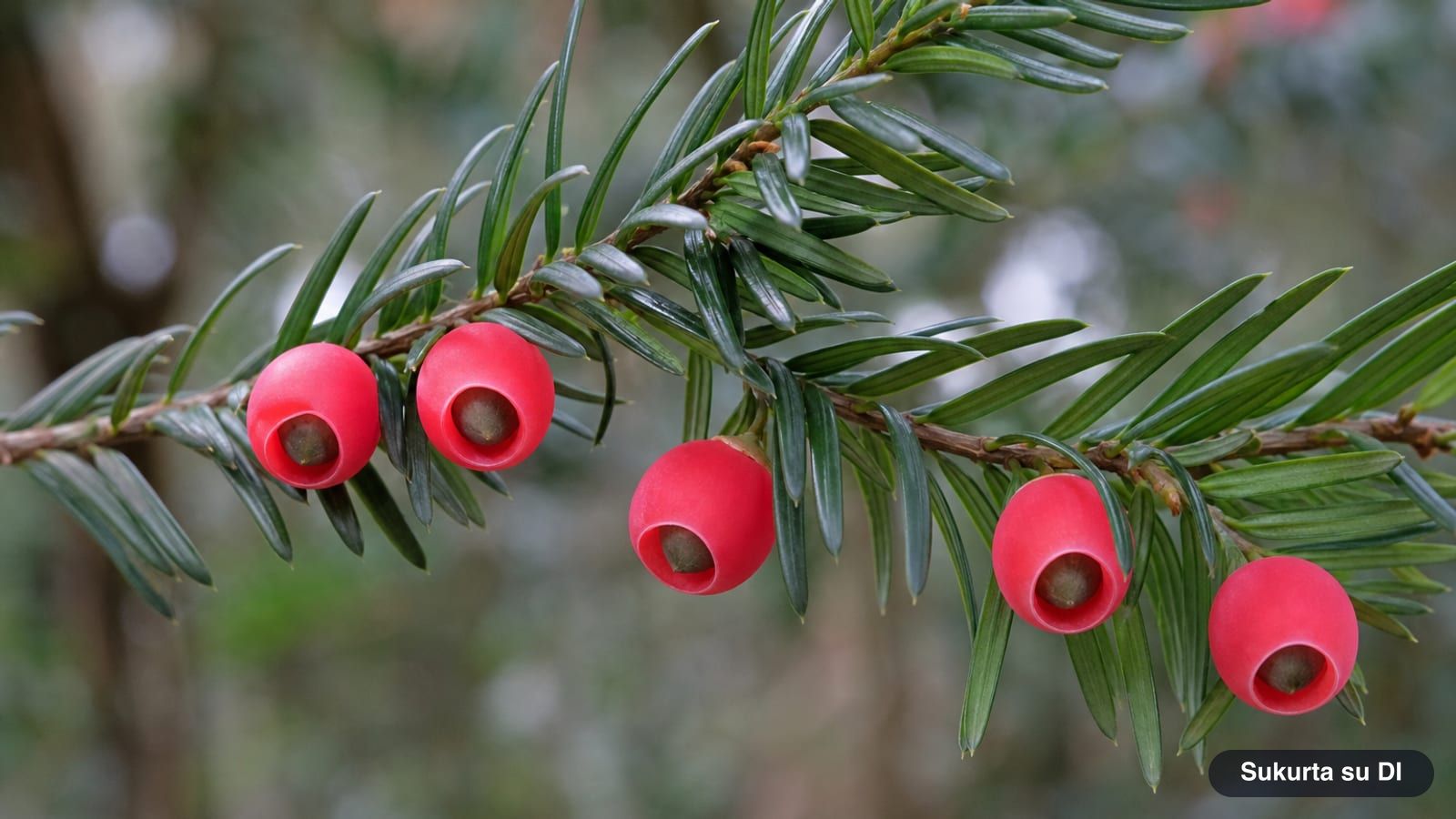
- Its needles are flat, soft, and dark green, arranged in two rows; the seed sits inside a bright red, fleshy, berry-like cup called an aril.
- Every part of the yew tree is highly poisonous, except for the red fleshy aril, though the seed hidden inside it remains extremely toxic.
- Yew tolerates deep shade and heavy pruning, making it ideal for formal hedges, but it is not recommended near playgrounds or schools due to its toxicity.
This article is part of the 77.today trees guide, prepared by the 77.today editors from the sources listed at the end.
The yew is a tree of paradoxes: while its wild populations were decimated across much of Europe centuries ago, it is now grown more frequently than ever in gardens and landscapes. Its dark green hedges and red "berries" are beautiful, but every part of the plant, except the red aril, is highly toxic. In this part of the tree guide, we explore the European yew: how to identify it, why it was overharvested, the dangers of its toxicity, and how to cultivate it.
| Latin Name | Taxus baccata |
|---|---|
| Family | Yew family (Taxaceae) |
| Group | Evergreen conifer, dioecious |
| Native Range & Status | Native to Europe, Northwest Africa, and Southwest Asia; often protected in the wild; widely cultivated |
| Height | Usually 30–50 ft (10–15 m), rarely up to 65 ft (20 m) |
| Age | Extremely long-lived—up to 2,000 years or more |
| Seeds | Enclosed in a red aril, ripening in early autumn |
| Toxicity | All parts are highly poisonous, except the red aril |
How to Identify a Yew
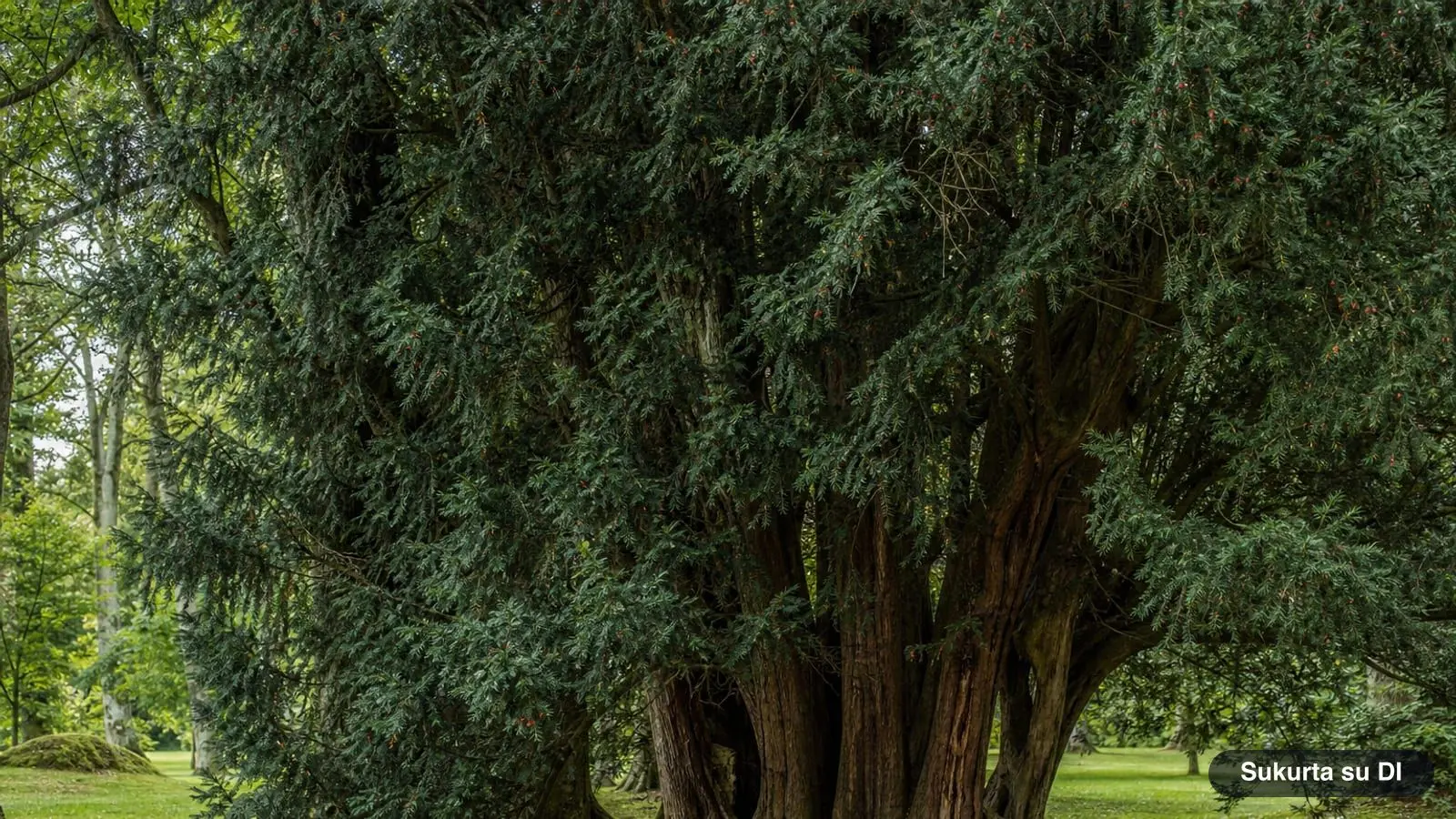
The yew grows slowly, developing a dense, oval, dark green canopy and often forming multiple trunks. In open areas, it tends to take a shrub-like form, while among other trees, it grows as a proper tree. The yew is a dioecious plant: individual trees have either only male or only female "flowers," meaning only the female trees produce the characteristic red arils.
Needles
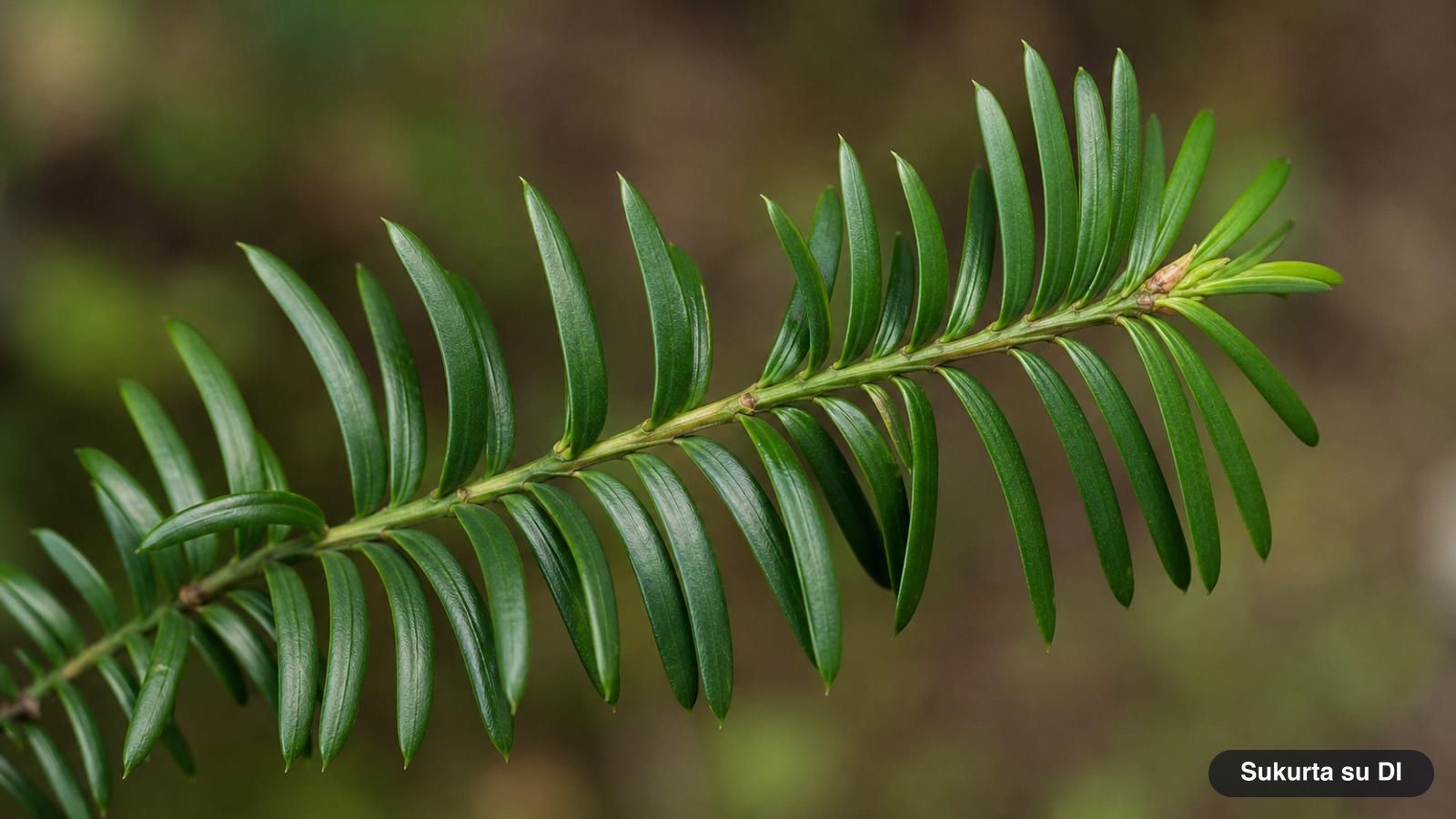
Yew needles are flat, 0.4–1.6 inches (1–4 cm) long and about 0.08–0.12 inches (2–3 mm) wide. They are soft, dark green and glossy on top, and paler underneath, but without the distinct white bands seen on some other conifers. On the main shoots, they are arranged spirally, but on the side branches, they twist to form two flat rows, giving the twig a feather-like appearance. Yew needles look somewhat like flattened spruce needles, but they are soft to the touch and not prickly.
Flowers
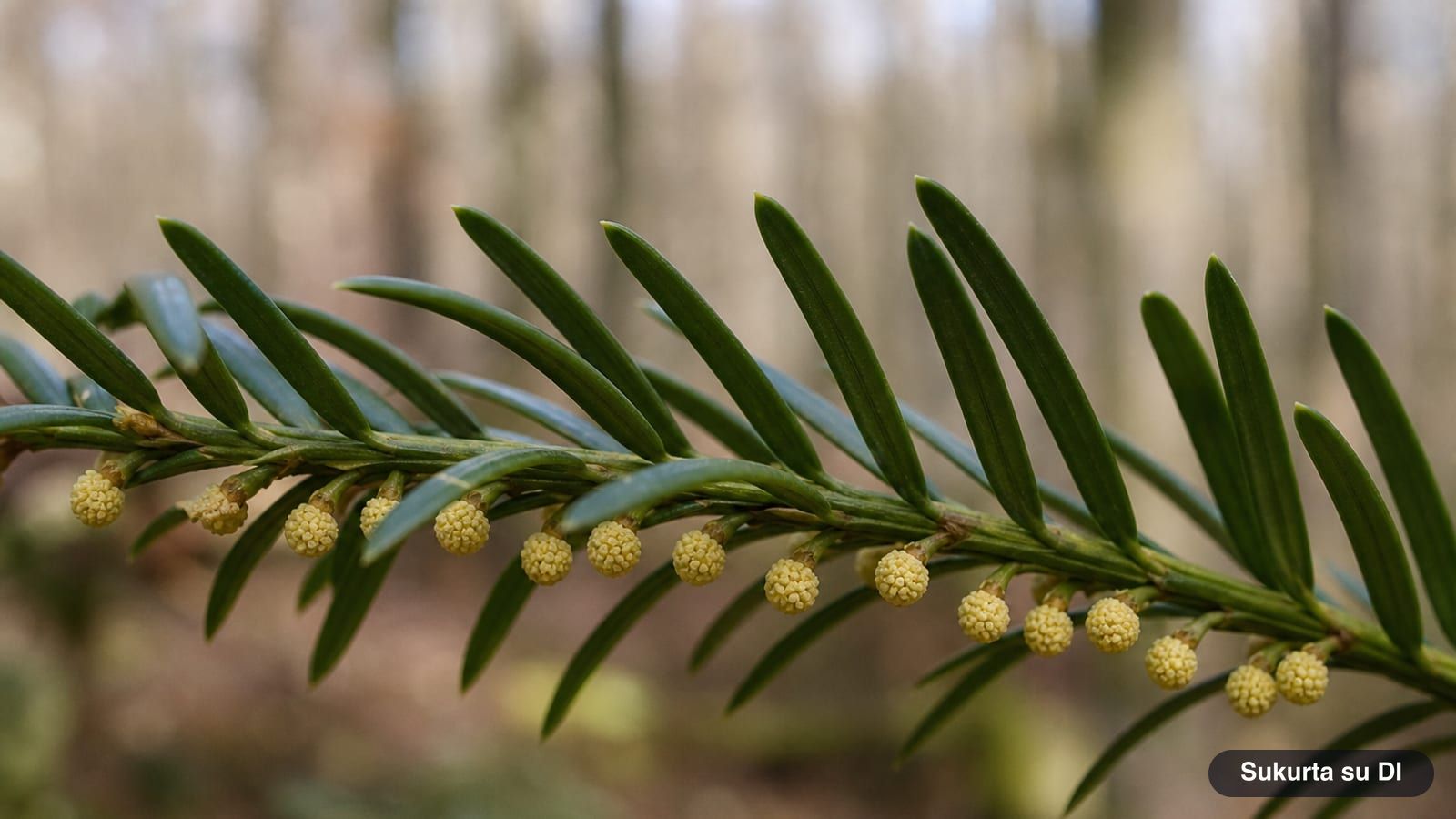
Male "flowers" are tiny, 0.04–0.08-inch (1–2 mm) spherical yellowish cones that cluster densely on the underside of the twigs in early spring, releasing clouds of pollen. Female cones are even smaller and almost unnoticeable—each contains just a single ovule. Under optimal conditions, a yew begins to "flower" at 15 to 30 years of age, but in poor conditions, it may take 70 to 120 years.
Red "Berries" (Arils)
What we commonly call yew berries are botanically known as arils. These are bright red, fleshy, sweet-tasting, cup-like structures that surround a single 0.15–0.28-inch (4–7 mm) dark seed, the tip of which is visible through the opening of the cup. In cool temperate climates, the seeds ripen in early autumn, and the fruits drop by late autumn. The red arils are eaten by birds, which swallow the seed whole and disperse it in their droppings. Yews produce a heavier crop every two to three years, and fallen seeds typically germinate the following spring or the year after.
Bark
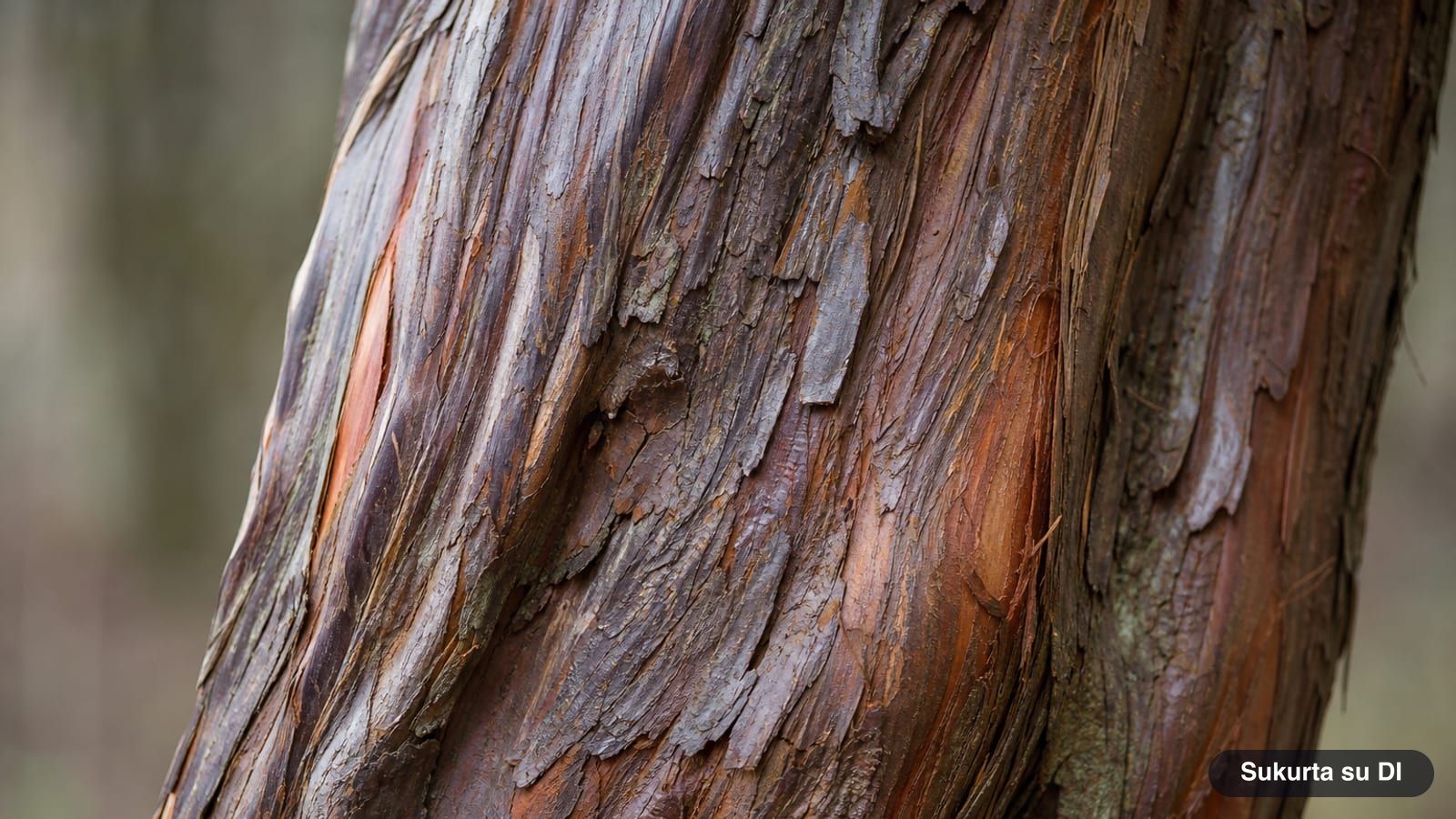
Yew bark is thin, reddish-brown, and scaly, peeling off in small flakes to reveal purplish or reddish patches underneath. Older trunks are often deeply fluted, twisted, and composed of several merged stems.
Why the Yew is Poisonous
The needles, twigs, bark, and seeds of the yew contain toxic alkaloids known as taxines. These compounds primarily disrupt heart function and breathing, and can cause severe damage to the kidneys and liver. The highest concentration of toxins is found in young shoots and needles. The only non-toxic part of the plant is the red, fleshy aril, but the seed hidden inside it is highly poisonous, so children must never be allowed to taste yew "berries." Horses and livestock are particularly sensitive to yew poisoning, so clipped yew branches should never be discarded in or near pastures. Because of its extreme toxicity, planting yew near kindergartens, schools, or playgrounds is strongly discouraged.
If you suspect a child or adult has ingested yew needles or seeds, do not wait: contact your local poison control center immediately, and if symptoms appear, call emergency medical services.
Interestingly, the very same compounds that make the yew deadly are also valuable in medicine. Extracts from the needles of the European yew (and related species) are used to synthesize docetaxel, an important chemotherapy drug used in the treatment of breast, lung, and prostate cancers.
Why the Yew Disappeared from Many Wild Forests
In the Middle Ages, yew trees were quite common in the understory of European forests. Their wood is exceptionally hard, strong, durable, and elastic, earning it the nickname "iron wood." It was the premier material for making longbows—yew wood was heavily traded and exported across Europe, particularly to England for military use. It was also used for arrows, spears, sword handles, rifle stocks, battle-axe shafts, and later for musical instruments, parquet flooring, and fine furniture. Due to this immense demand, the trees were relentlessly logged until, by the late 19th century, wild populations were severely depleted across much of its native range. Today, the European yew is protected in many countries, and large, natural stands are rare. Some of the best-preserved natural populations remain in parts of Poland, the Slītere National Park in Latvia, and Saaremaa Island in Estonia.
The yew is one of the longest-lived trees in Europe. Trees with a trunk diameter of 13 feet (4 m) can be 2,000 years old or more. The famous Fortingall Yew in Scotland is widely considered one of the oldest trees in Europe, though estimating its exact age is notoriously difficult due to the decay of its heartwood.
Yew in Gardens and Hedges
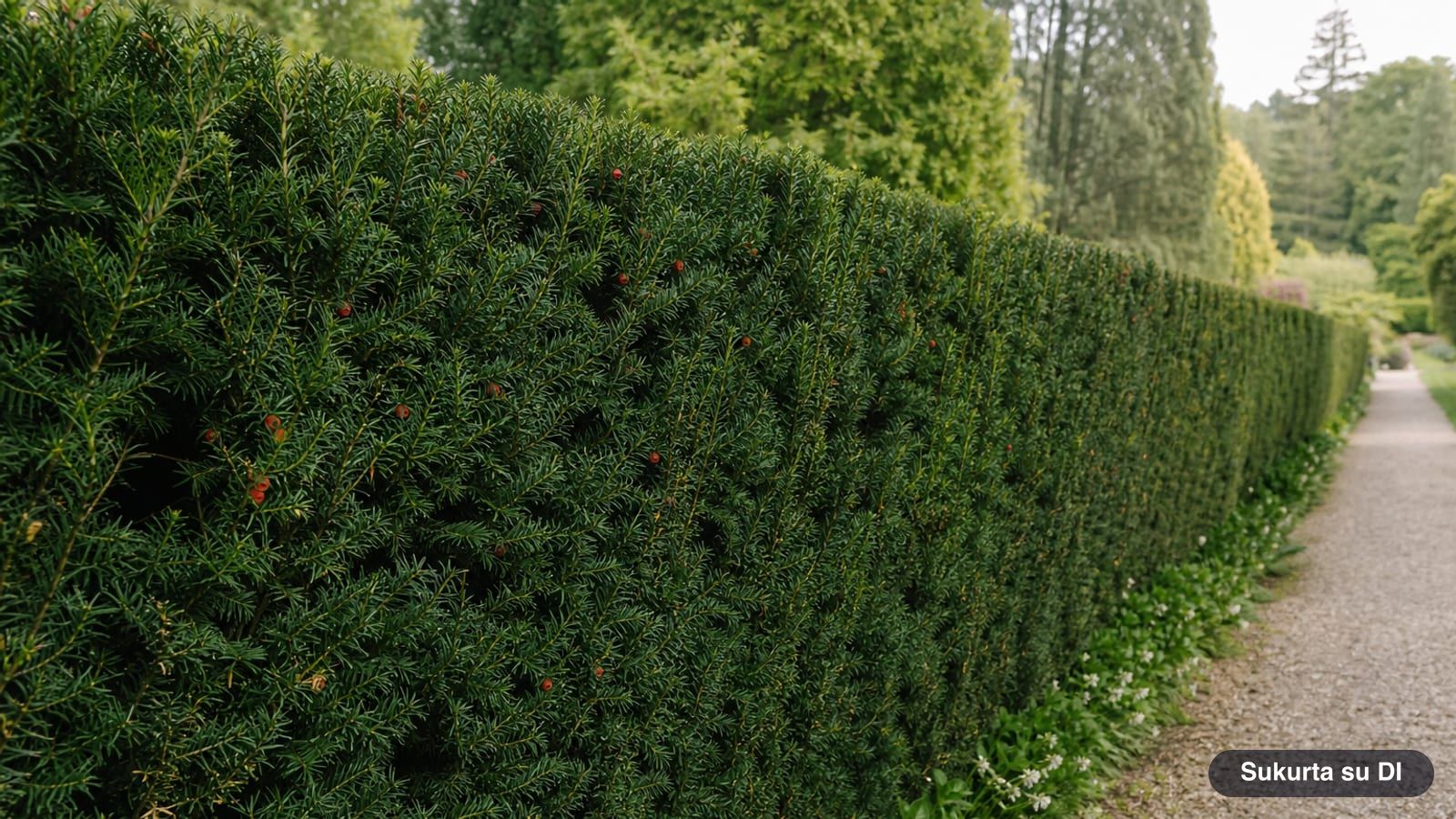
In gardens, the yew is highly prized for its year-round dark green color, slow growth, and exceptional tolerance to pruning. It is widely used to create formal hedges, topiary spheres, cones, and other geometric shapes, a tradition dating back to historic European estate gardens. The yew thrives in shade and often grows better in partial shade, making it an excellent choice for the north-facing sides of buildings or for planting beneath the canopies of taller trees. It requires fertile, moist, but well-draining soil and benefits from a location sheltered from harsh, drying winds.
While the European yew is hardy in mild to cool temperate climates (generally USDA zones 6–7), it can suffer winter damage in regions with severe, prolonged freezes. For colder northern climates, the Anglo-Japanese yew (Taxus × media)—a hybrid between the European yew and the Japanese yew—is frequently planted. It is significantly more cold-hardy (USDA zones 4–7). The cultivar 'Hicksii' grows in a strict, upright columnar form and is one of the most popular choices for hedging. Both types of yew are equally poisonous, so always assess the risks before planting them near homes with young children or pets.
Yew and Similar Plants
From a distance, a yew might be mistaken for a spruce or a fir, but it is easy to tell apart up close. Spruce needles are four-sided and stiffly prickly, while fir needles are flat but have two distinct white bands on their undersides. Yew needles, by contrast, are flat, soft, and lack those white bands. Furthermore, neither spruce nor fir produce red arils—their seeds develop in woody cones. The Latin name for the yew, Taxus baccata, translates roughly to "bow bearing berries," perfectly capturing both its historical use in archery and its distinctive red fruits. You can learn more about identifying conifers in the tree leaf identification guide, and explore other evergreens in the spruce and pine profiles.
Frequently asked questions
Is the yew tree poisonous?
Yes. All parts of the yew—needles, twigs, bark, wood, and seeds—are highly toxic, with the highest concentration of toxins in young shoots and needles. Only the red, fleshy aril is non-toxic, but the seed inside it is dangerous. If poisoning is suspected, contact your local poison control center or emergency services immediately.
Does the yew tree grow in wild forests?
It is native to the understory of European, Northwest African, and Southwest Asian forests, but wild populations are now scattered and rare. Due to the high historical value of its wood, it was heavily logged by the late 19th century. Today, yews are most commonly seen cultivated in parks, gardens, and churchyards.
How do you identify a yew tree?
Look for flat, soft, dark green, and glossy needles that are 0.4–1.6 inches (1–4 cm) long, arranged in two flat rows along the twig, lacking white bands underneath. Female trees produce red, berry-like cups (arils) containing a dark seed. The trunk has thin, reddish-brown bark that peels off in flaky scales.
When should you plant a yew?
Container-grown yews can be planted throughout the growing season, but the best times are early spring, as soon as the soil can be worked, or early autumn. Yews thrive in shaded or partially shaded, sheltered locations with fertile, moist, but well-draining soil.
What is the difference between European and Anglo-Japanese yew?
The Anglo-Japanese yew (Taxus × media) is a hybrid between the European yew and the Japanese yew (Taxus cuspidata). It is more cold-hardy (often suited to USDA zones 4–7), making it a popular choice for hedges in cooler northern climates. The cultivar 'Hicksii' is widely grown for its upright, columnar habit. Both types are equally poisonous.
How long does a yew tree live?
The yew is one of the longest-lived trees in Europe. Trees with trunks reaching 13 feet (4 m) in diameter can be 2,000 years old or more, though accurately dating an ancient yew is notoriously difficult because the heartwood often rots away.
Log in to comment
No comments yet. Be the first.