Horse Chestnut Tree: Leaves, Flowers, Fruits & Edibility
- The horse chestnut (Aesculus hippocastanum) is native to the mountains of the southern Balkans but is widely planted as a park and street tree worldwide.
- Its compound leaves consist of 5 to 7 large leaflets growing from a single long petiole.
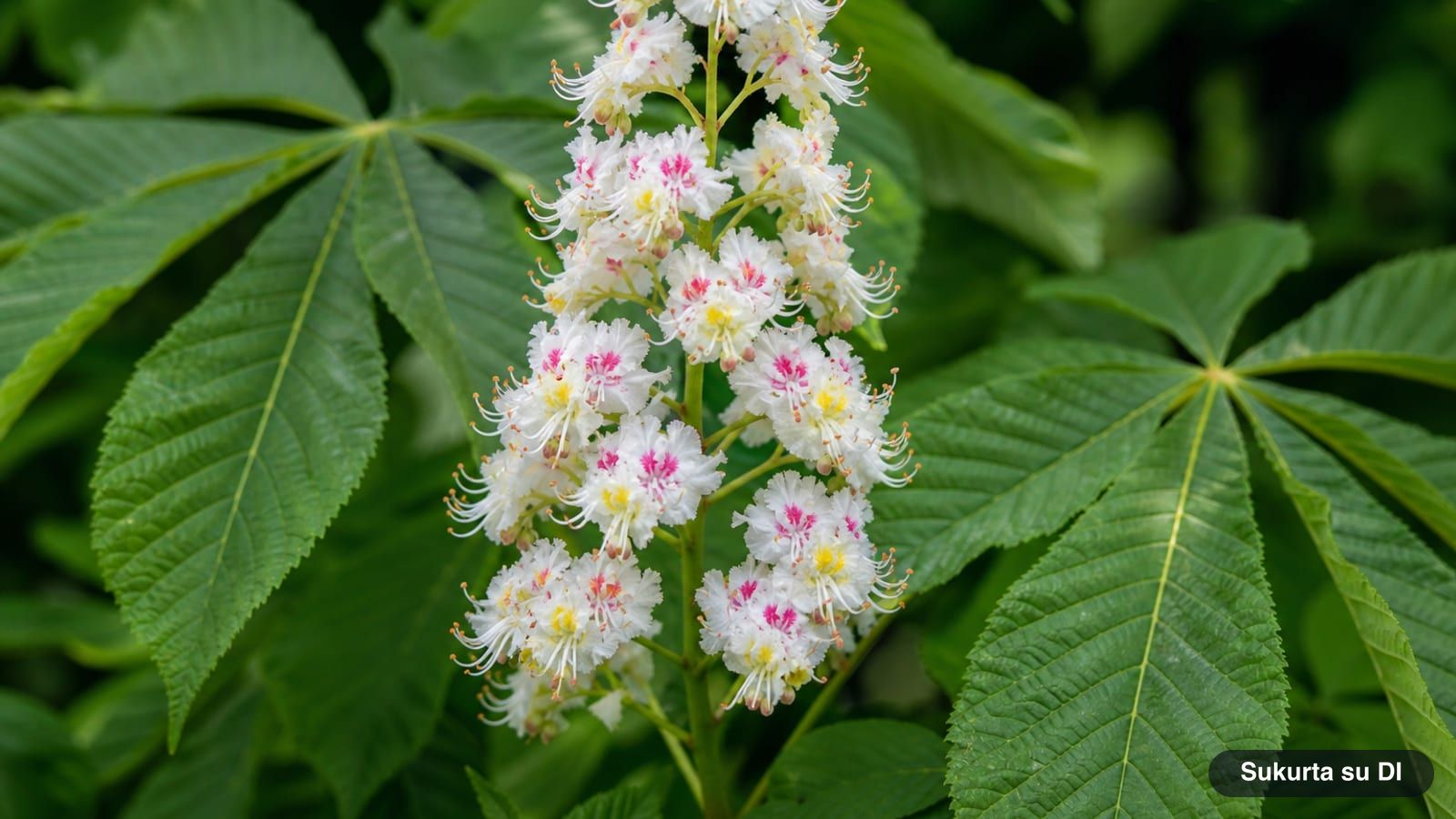
- It blooms in mid-spring with white flowers marked by yellow and pink spots, clustered in 4- to 12-inch (10–30 cm) upright spikes.
- In autumn, shiny brown seeds ripen inside spiky capsules—these are inedible and toxic if consumed raw.
- Sweet chestnuts belong to an entirely different plant family and are related to oaks and beeches.
This article is part of the 77.today trees guide, prepared by the 77.today editors from the sources listed at the end.
A blooming horse chestnut in mid-spring and shiny brown seeds underfoot in autumn are two classic seasonal moments associated with this tree. Although it has been cultivated in parks and gardens for centuries, it is not native to most of the regions where it now thrives—it is a widely planted ornamental tree. In this section of our tree identification guide, we explore the horse chestnut: its leaves, flowers, fruits, bark, and buds, where it originates, whether the seeds are edible, and why its leaves increasingly turn brown by mid-summer.
| Latin name | Aesculus hippocastanum |
|---|---|
| Family | Soapberry family (Sapindaceae), Hippocastanoideae subfamily |
| Group | Broadleaf, ornamental deciduous tree |
| Origin | Southern Balkan mountains (Greece, Albania, North Macedonia, Bulgaria) |
| Height | 50–80 ft (15–25 m), rarely up to 118–128 ft (36–39 m) |
| Lifespan | Up to 300 years |
| Blooms | Mid-spring |
| Fruits | Spiky capsules with 1–3 seeds, early to mid-autumn |
Where the Horse Chestnut Originated
Long ago, before the ice ages, horse chestnuts grew in many parts of Europe, but today only a small native population survives in the mountains of the southern Balkans at elevations of 820 to 5,250 feet (250–1,600 m). In the mid-16th century, seeds from the Ottoman Empire reached Central Europe, and over a few centuries, the horse chestnut became one of the most popular park, square, and street trees across the temperate world—it even grows as far north as Reykjavik and northern Norway. Several types are cultivated globally, including the common horse chestnut, the red horse chestnut hybrid, the yellow buckeye, and the Ohio buckeye, but the common horse chestnut remains the most widespread.
How to Identify the Horse Chestnut
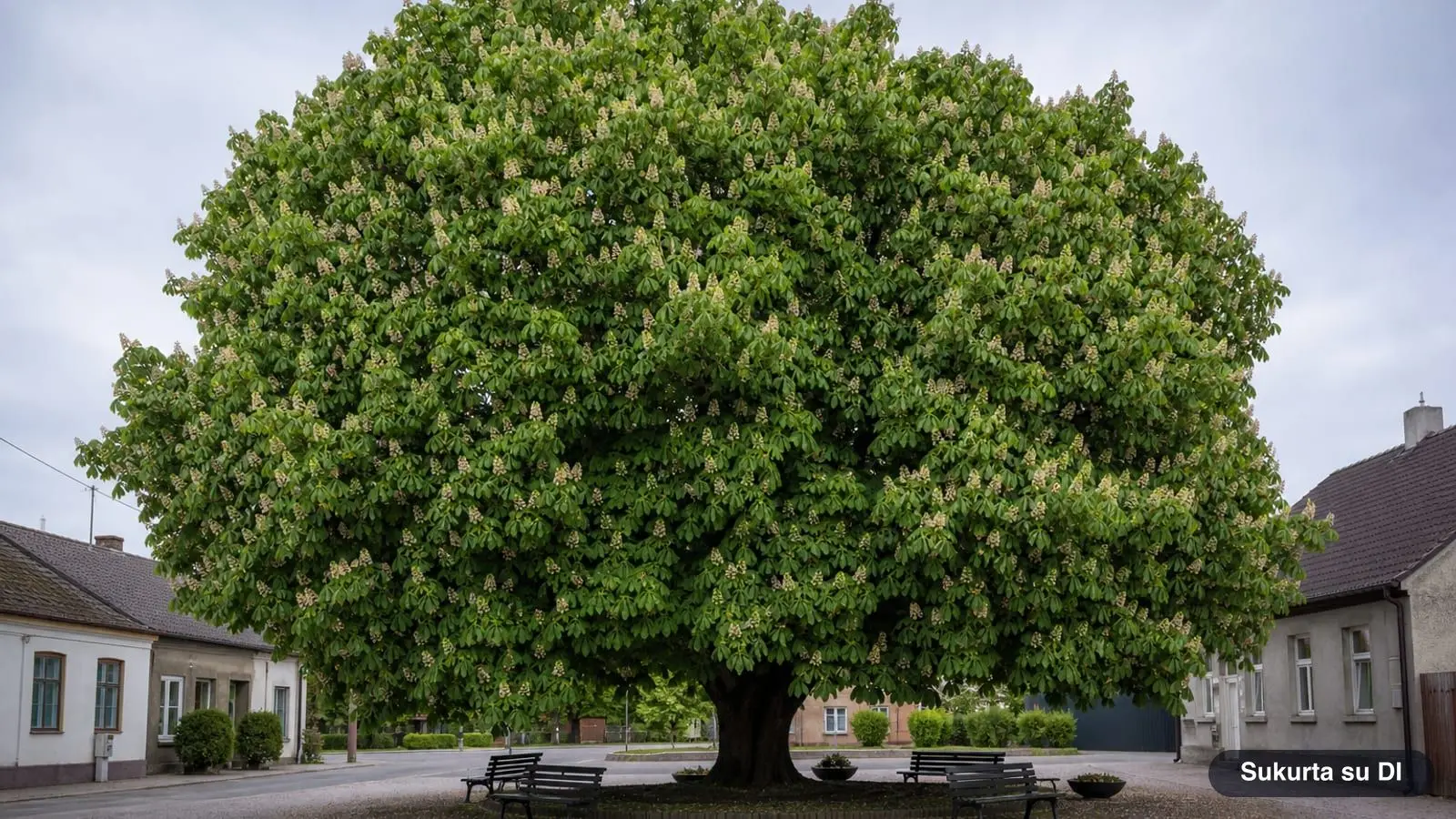
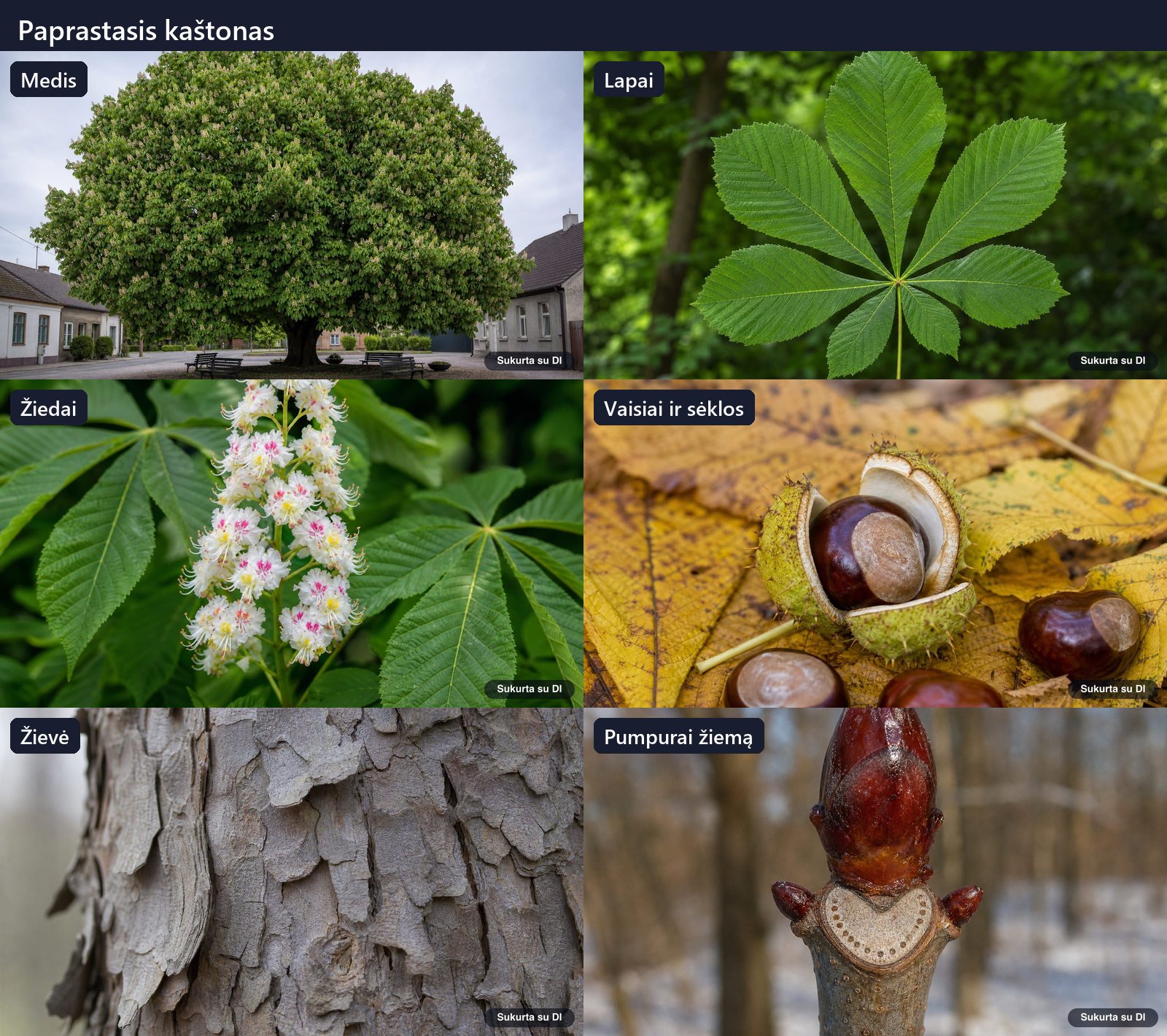
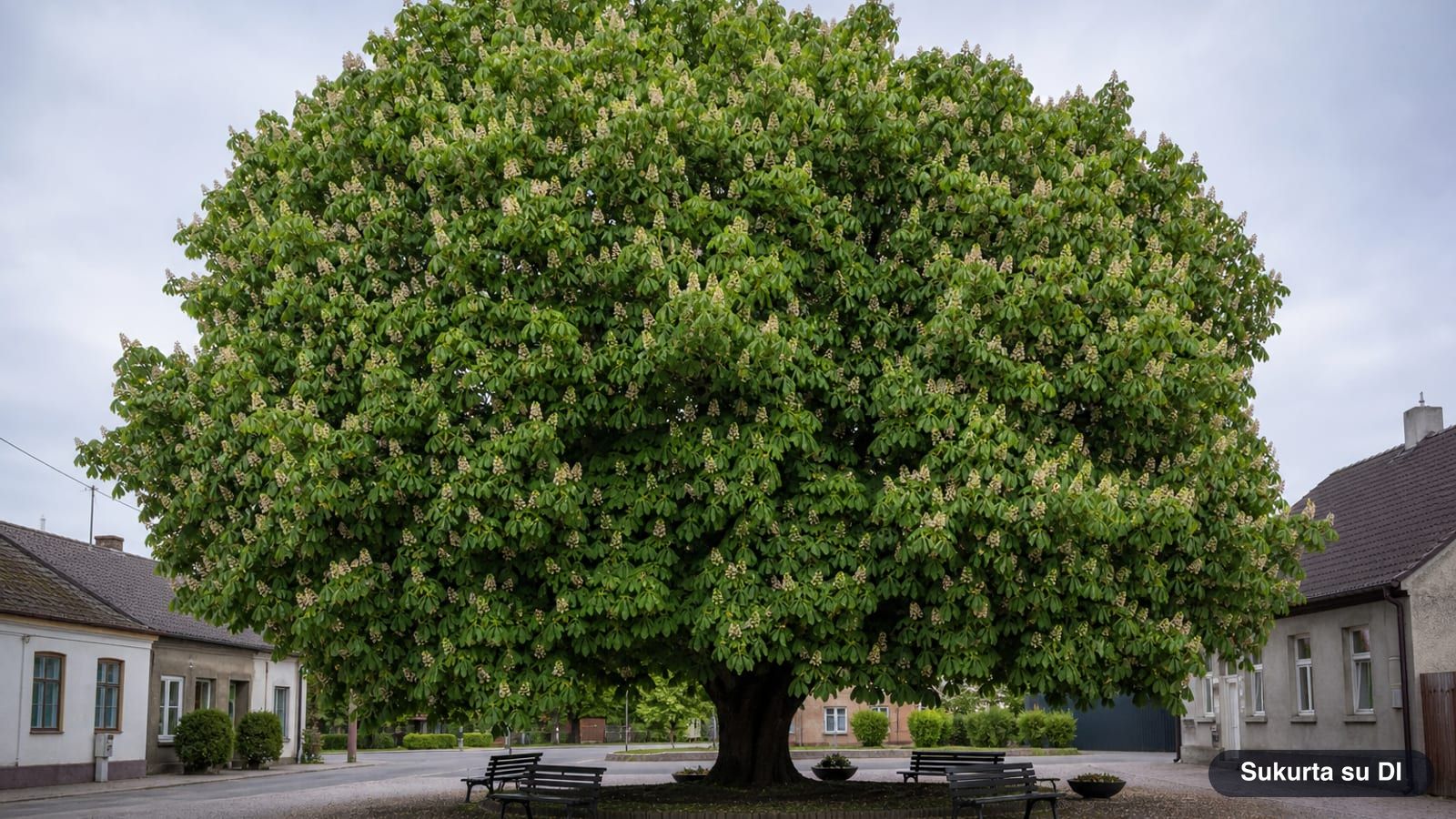
The horse chestnut grows into a broad, multi-branched tree with a dense, domed canopy that casts a very deep shade in summer. It is hard to confuse with any other tree if you know just two features: its palmately compound leaves and its sticky, shiny buds.
Leaves
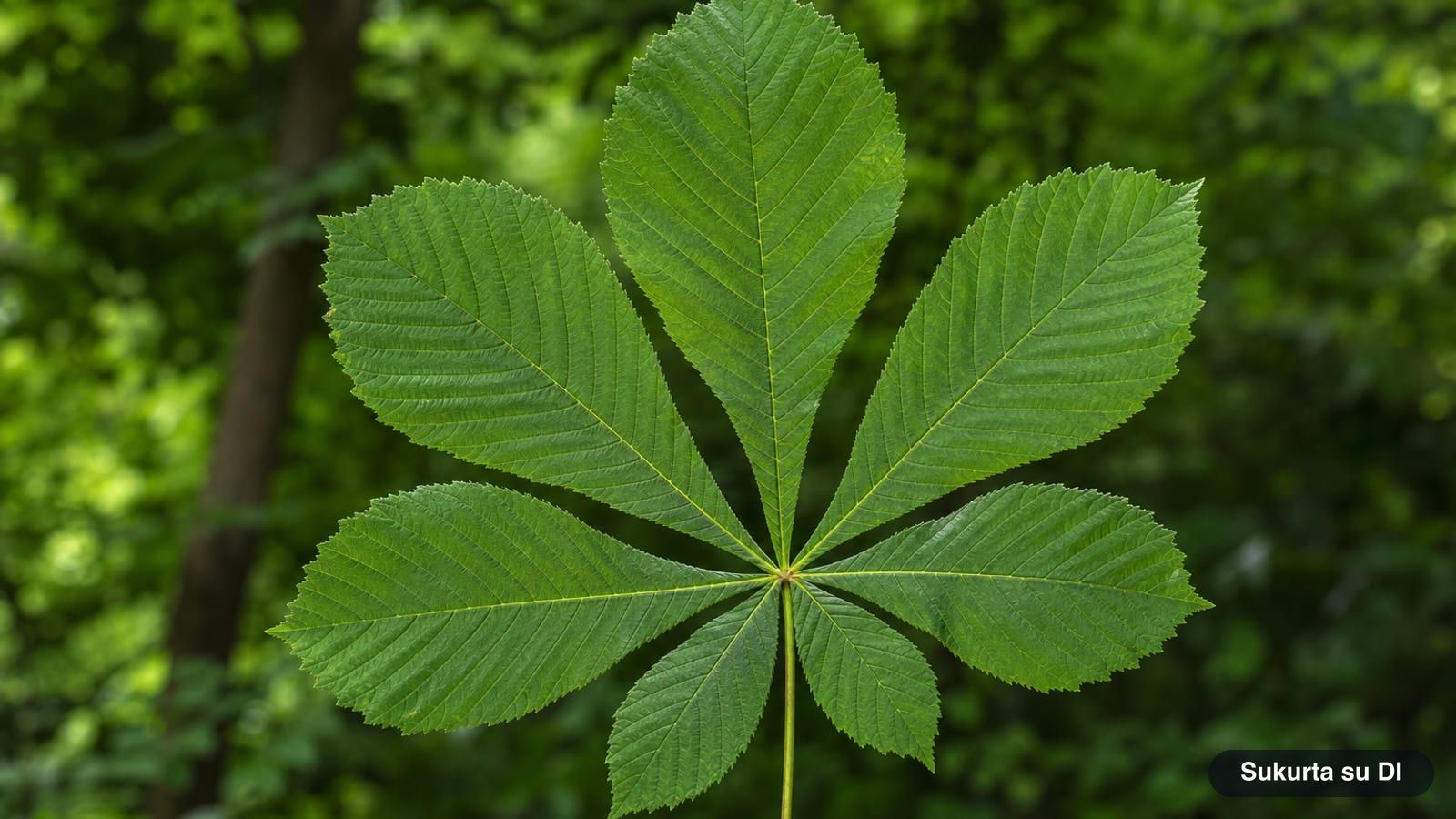
The horse chestnut leaf is palmately compound: 5 to 7 large, obovate, toothed leaflets radiate from the tip of a single long petiole (leaf stalk). The middle leaflets are the longest, reaching up to 12 inches (30 cm). The leaves are arranged oppositely in pairs along the twigs. In autumn, they turn yellow or brown, though in many regions, horse chestnut leaves turn brown as early as mid-summer—more on that below.
Flowers
In mid-spring, the tree is adorned with upright, conical flower clusters that are 4 to 12 inches (10–30 cm) tall, each containing 20 to 50 flowers. The flowers are white with crinkled petals and long, curving stamens, featuring a distinct blotch in the center. On a newly opened flower, this blotch is yellow: a signal to bees and bumblebees that the flower contains nectar. Once the flower is pollinated and the nectar is depleted, the blotch turns red. Blooming horse chestnuts attract a multitude of insects.
Fruits and Seeds
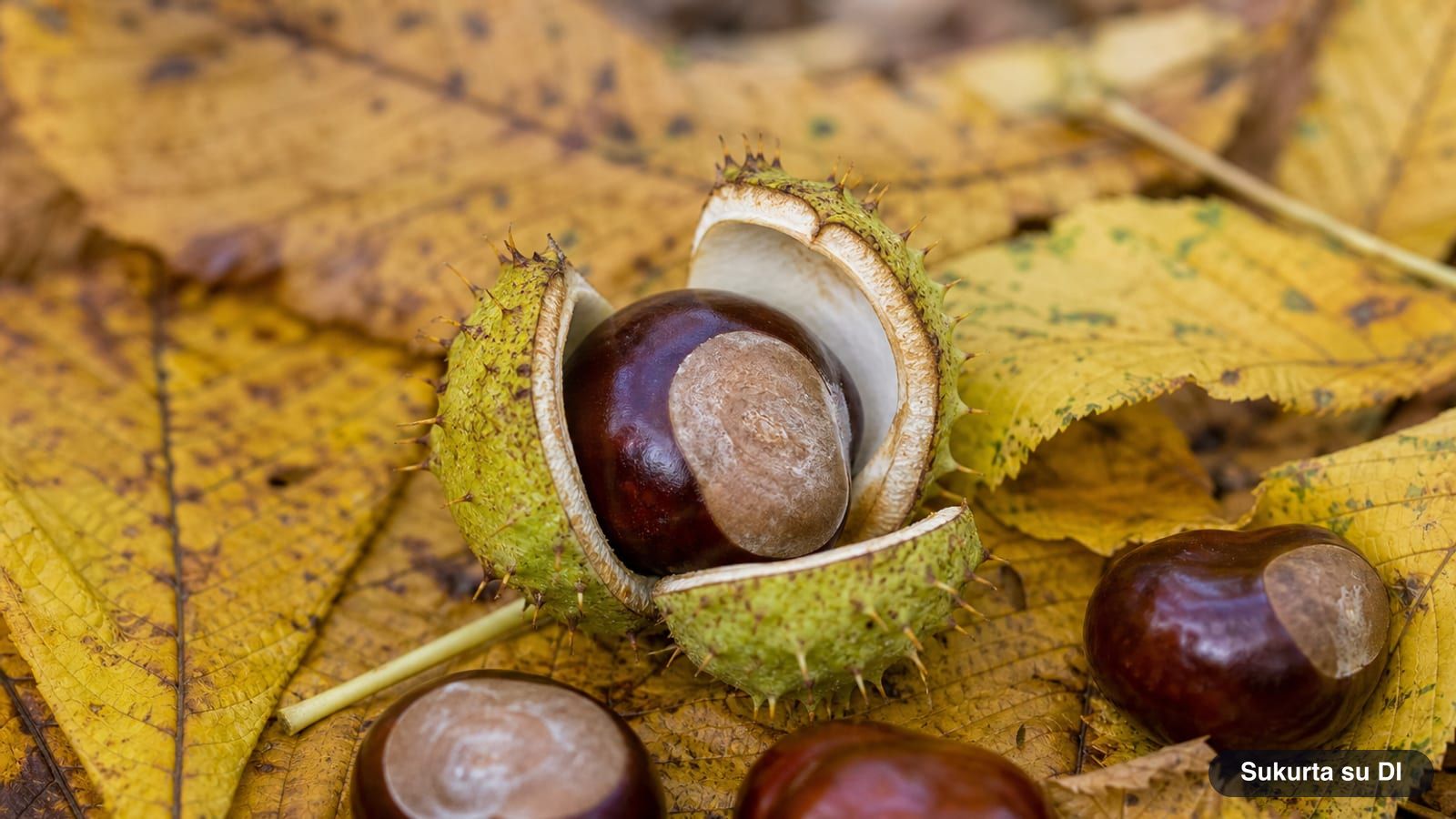
By autumn, the flowers develop into round, green capsules covered in soft spikes. When they ripen in early to mid-autumn, they fall to the ground, split into three sections, and release one—rarely two or three—large, shiny, mahogany-brown seeds. Each seed has a large, light-colored scar where it was attached to the capsule. These seeds are commonly known as horse chestnuts or conkers. They are eaten by deer and other wildlife, and children often collect them for games and crafts.
Buds and Bark
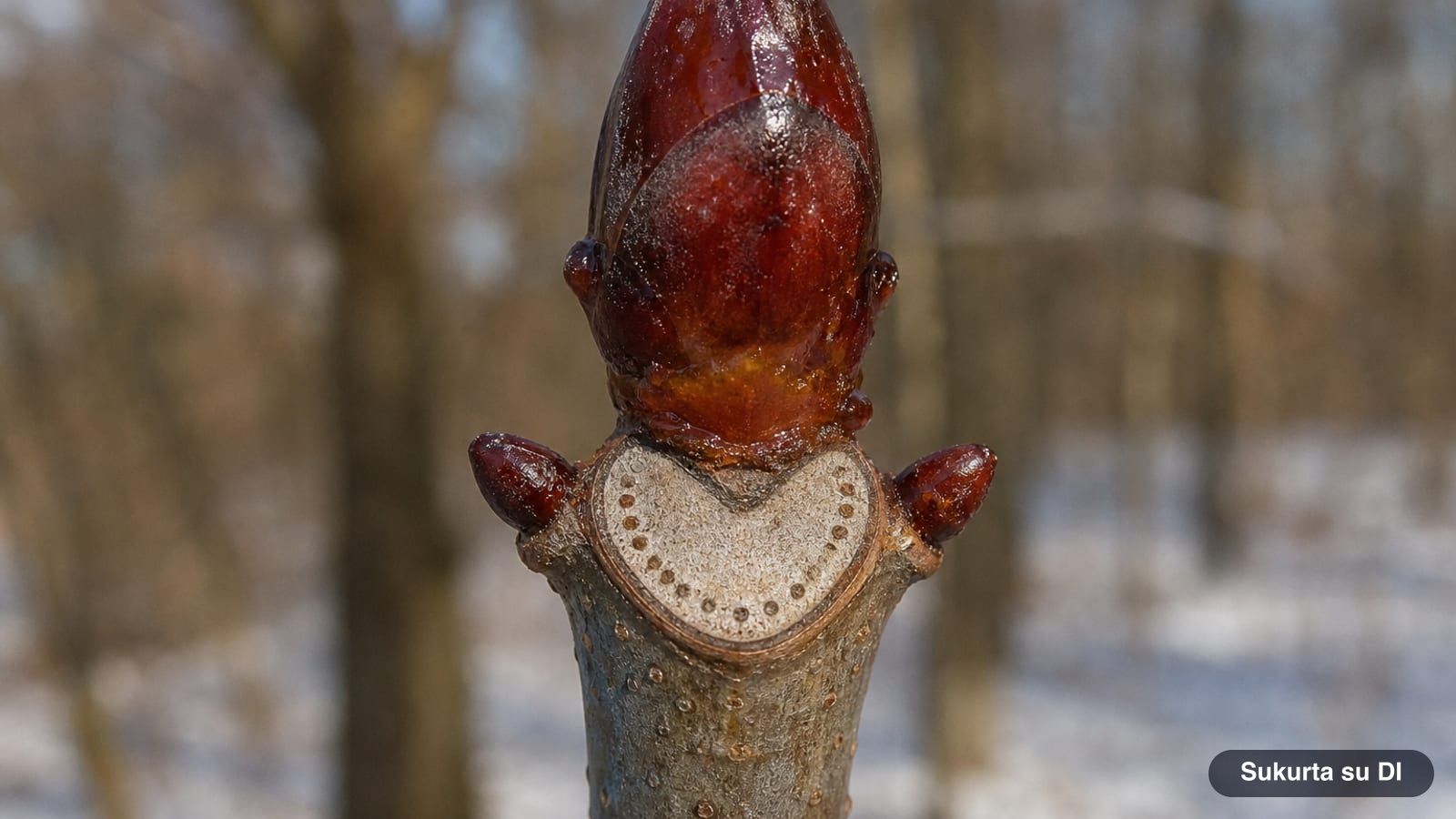
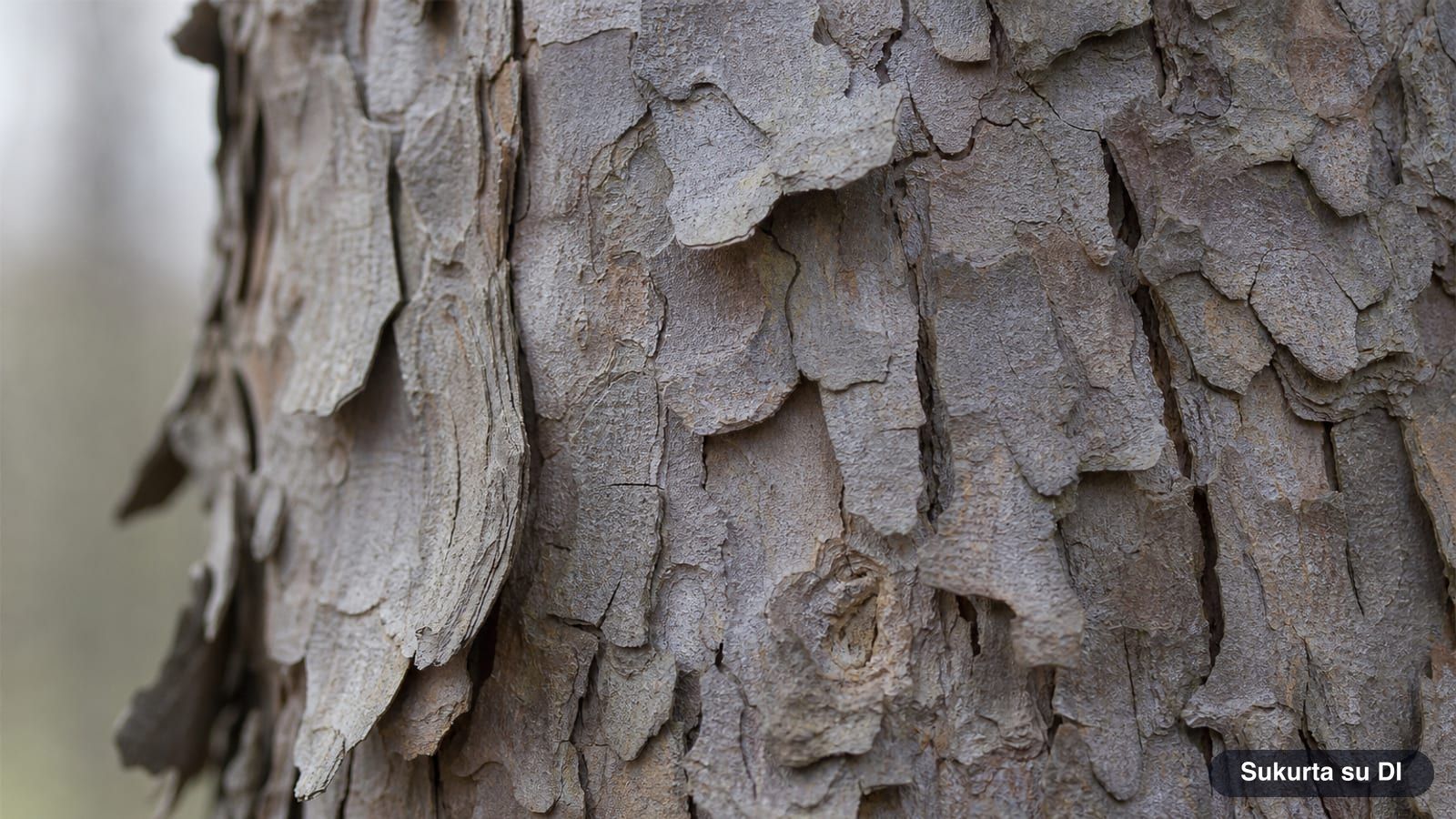
In winter, the horse chestnut is given away by its large, dark reddish-brown, shiny, and sticky terminal buds—they are covered in resin that protects them from frost and pests. Below the buds on the twigs, you can see large, horseshoe-shaped leaf scars with a row of small dots, which are the bundle scars left by the fallen leaves' veins. The bark of an old horse chestnut is grayish-brown and fissured into thin, irregular plates that gradually flake off.
Are Horse Chestnuts Edible?
No. The seeds of the common horse chestnut are inedible, and if eaten raw, they are toxic. Botanists emphasize that while they are great for floral arrangements or traditional games like conkers, they must never be used for food. These seeds are frequently confused with the fruits of the sweet chestnut, which are sold in grocery stores and roasted at winter markets. If a child or pet ingests a horse chestnut seed or a piece of one, you should immediately contact your local poison control center or seek medical attention.
| Feature | Horse Chestnut | Sweet Chestnut |
|---|---|---|
| Family | Soapberry family | Beech family (like oaks and beeches) |
| Leaves | Compound, 5–7 leaflets | Simple, elongated, 6–11 inches (15–28 cm), toothed edge |
| Flowers | Mid-spring, upright white spikes | Early to mid-summer, yellowish catkins |
| Fruit | Capsule with sparse soft spikes, 1–3 round seeds | Husk densely covered in sharp spines, 3–7 pointed nuts |
| Edible | No, seeds are toxic | Yes, roasted, boiled, or toasted |
| Prevalence | Very common ornamental | Less common, grown in milder climates and orchards |
Horse chestnuts are rich in aescin and aesculin—compounds utilized by the pharmaceutical industry. Aesculin has a fascinating property: it glows with a bright blue fluorescence under ultraviolet light. It is believed that this compound helps protect the tree from pests and shields the buds from UV radiation.
Why Horse Chestnut Leaves Turn Brown in Summer
If a horse chestnut in your yard turns brown as early as mid-summer, drought is likely not to blame. The culprit is usually the horse chestnut leaf miner (Cameraria ohridella), a tiny moth whose caterpillars live inside the leaf tissues, excavating brownish blotches or "mines." Discovered in Europe in the late 20th century, it has spread massively across the continent and beyond. Several generations develop in a single season, meaning that by late summer, the leaves can turn completely brown and drop prematurely. This does not kill the tree, but it weakens it. The leaf miner pupae overwinter in the fallen leaves, so the most effective control method is to carefully gather and destroy the leaves in autumn. Brown leaf spots can also be caused by fungal diseases like leaf blotch and powdery mildew.
Horse Chestnuts for Autumn Crafts
Shiny horse chestnuts are a favorite autumn material for children. Using matches or toothpicks, they can be assembled into little figures and animals, used to decorate autumn wreaths, or utilized in classrooms for counting and games. Freshly fallen seeds are the most vibrant, but they quickly dry out, wrinkle, and gradually lose their shine, so it is best to make crafts within a few days of collecting them. Before gathering them with children, it is worth reminding them that they cannot be eaten, and toddlers who put things in their mouths should only play with them under close supervision. Horse chestnuts are also excellent for floral design: combined with oak acorns, pine cones, and autumn leaves, they make beautiful seasonal arrangements that last throughout the fall. Avoid collecting seeds from the edges of busy streets where they are dusty and polluted—it is better to look in parks under large trees.
The Horse Chestnut in the City and Garden
The common horse chestnut prefers a sunny location and fertile, moist soil. It is cold-hardy to about −30°F (−34°C), USDA zones 3–8. It tolerates urban conditions well but dislikes road salt and severe drought. Because it grows large and casts a deep shade, it can quickly overwhelm everything around it in a small yard. For smaller spaces, the red horse chestnut is often chosen—it is shorter and generally suffers less from leaf miners. Growing a horse chestnut from seed is quite easy: a healthy seed planted in autumn will usually germinate the following spring. For more on tree seeds, see our article on tree seeds and fruits.
Frequently asked questions
Are horse chestnuts edible?
No. The shiny brown seeds of the horse chestnut—often collected by children in autumn—are inedible and toxic if eaten raw. Edible chestnuts come from the sweet chestnut tree: they are smaller, more pointed with a tuft at the tip, and grow in husks covered with dense, sharp spines.
When do horse chestnut trees bloom?
They bloom in mid-spring. The flowers are clustered in upright, conical spikes that are 4 to 12 inches (10–30 cm) tall, containing 20 to 50 white flowers with yellow, and later pink, spots.
When do horse chestnuts fall?
The fruits ripen in early to mid-autumn. The green, spiky capsules begin to fall, split into three parts, and release 1 to 3 shiny brown seeds with a prominent light-colored scar.
Why do horse chestnut leaves turn brown in summer?
This is usually caused by the horse chestnut leaf miner, a tiny moth whose caterpillars tunnel inside the leaves. It has spread massively across Europe and other regions over the last few decades. Fungal diseases can also cause browning. The most effective control is gathering and destroying fallen leaves in autumn.
What is the difference between a horse chestnut and a sweet chestnut?
They belong to different families: the horse chestnut is in the soapberry family, while the sweet chestnut is in the beech family, making it closer to oaks. Horse chestnut leaves are compound with 5 to 7 leaflets, whereas sweet chestnut leaves are simple, elongated, and toothed. Sweet chestnut seeds are edible; horse chestnuts are not.
What is the red horse chestnut?
It is a hybrid between the common horse chestnut and the North American red buckeye, producing pink or red flowers. It grows slower, stays smaller, and generally suffers less from leaf miners, making it a popular choice for urban planting.
Log in to comment
No comments yet. Be the first.