The Ultimate Berry Guide: Forest, Bog, and Garden Berries
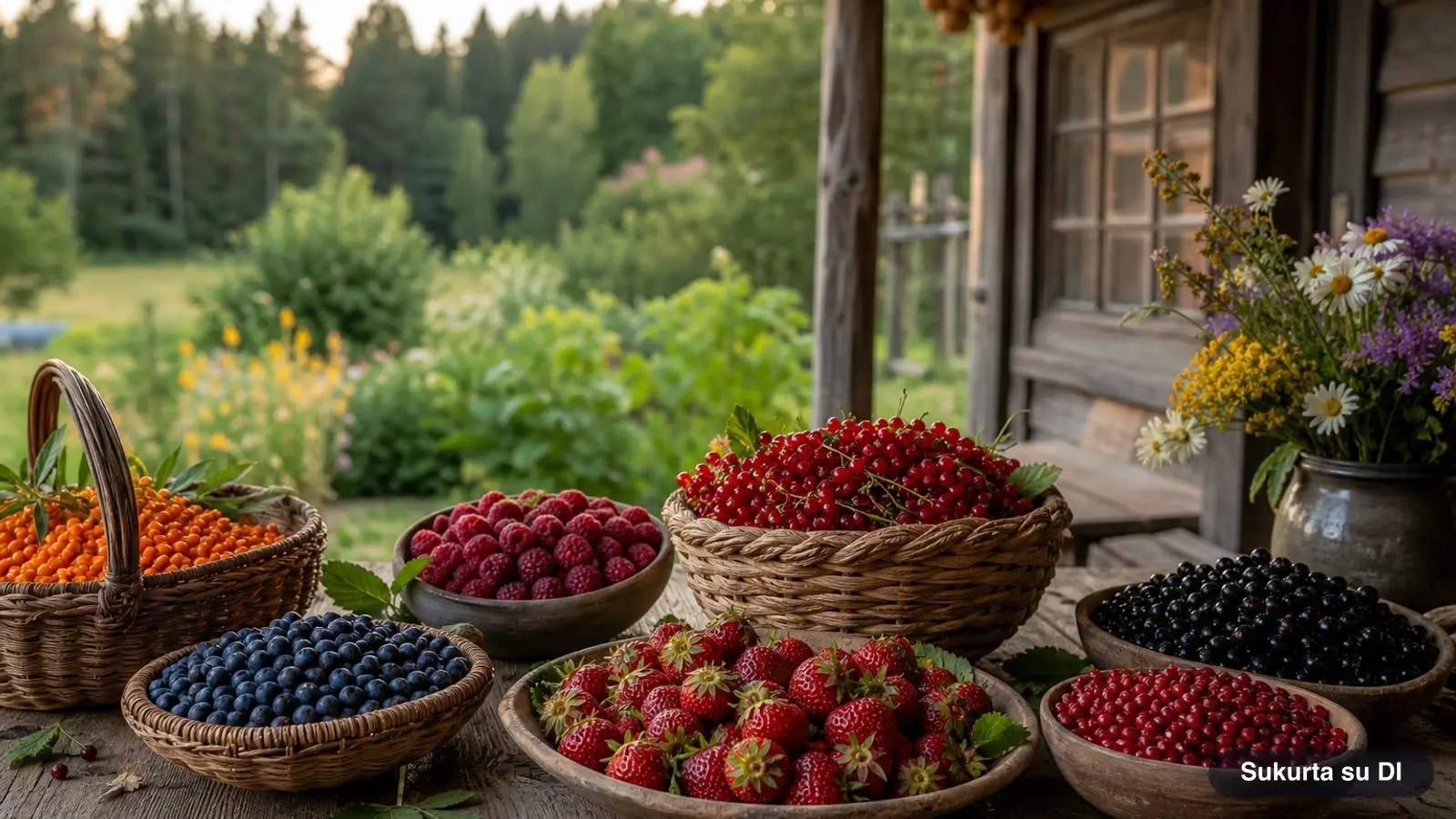
- The Ultimate Berry Catalog: Forest, Bog, and Garden Berries in One Table
- The Berry Season Stretches From Early Summer to Fall
- Forest Berries: Bilberries, Lingonberries, Wild Strawberries, Raspberries, and Blackberries
- Bog Berries: Cranberries, Bog Bilberries, and Rare Cloudberries
- Garden Berries: Strawberries, Blueberries, Currants, Gooseberries, and Aronia
- Fall Shrub Berries: Sea Buckthorn, Rose Hips, Guelder Rose, Elderberry, and Barberry
- Exotic Additions to the Garden: Hardy Kiwi, Schisandra, Goji, Mulberry, Grapes, and Physalis
- Vitamin C Content: Highest in Rose Hips and Sea Buckthorn, Lowest in Grapes
- Botanically Speaking: What Makes a True Berry?
- Telling Similar Berries Apart: Bilberry vs. Blueberry, Raspberry vs. Blackberry
- Growing Conditions: Soil Acidity, Cold Hardiness, and Pollination
- Expected Yields: From Wild Foraging to High-Producing Garden Shrubs
- Foraging Rules and Etiquette: Protect the Plants and Check Local Laws
- Poisonous Berries: Identification and Emergency Response
- Preserving Berries for Winter: Freezing, Mashing, Jams, and Freeze-Drying
In cool temperate climates, berries are not just a summer treat but a long-standing tradition: midsummer brings families to the woods for bilberries, early fall draws foragers to pine forests and bogs for lingonberries and cranberries, while gardens overflow with strawberries, currants, gooseberries, and increasingly popular exotic additions like hardy kiwis and goji berries. This Ultimate Berry Guide serves as a comprehensive catalog of 29 berries, with each profiled using a consistent format: appearance and habitat, ripening times, how to distinguish them from similar species, nutritional value, growing or foraging tips, and culinary uses. A dedicated section covers poisonous berries, which every forager must be able to identify.
The Ultimate Berry Catalog: Forest, Bog, and Garden Berries in One Table
In each catalog profile, you will find a fact table, photos with credits and licenses, identification markers, ripening times, nutritional values, growing or foraging advice, recipe ideas, and frequently asked questions. The table below lists all the berries covered in this guide, their Latin names, typical habitats, and approximate ripening times in cool northern climates.
| Berry | Latin Name | Where it Grows | Ripens |
|---|---|---|---|
| Strawberries | Fragaria × ananassa | garden | Early to Midsummer |
| Blueberries | Vaccinium corymbosum | garden | Mid to Late Summer |
| Bilberries | Vaccinium myrtillus | forest | Mid to Late Summer |
| Lingonberries | Vaccinium vitis-idaea | forest, bog edges | Late Summer to Fall |
| Cranberries | Vaccinium oxycoccos | bog | Late Summer to Fall, into spring |
| Wild Strawberries | Fragaria vesca | forest edges, meadows | Early to Midsummer |
| Raspberries | Rubus idaeus | forest, garden | Mid to Late Summer |
| Blackberries | Rubus subgen. Rubus | roadsides, forest edges, garden | Midsummer to Fall |
| Black Currants | Ribes nigrum | garden, moist forests | Mid to Late Summer |
| Red and White Currants | Ribes rubrum | garden | Mid to Late Summer |
| Gooseberries | Ribes uva-crispa | garden | Midsummer |
| Sea Buckthorn | Hippophae rhamnoides | garden, landscaping | Fall |
| Rose Hips | Rosa canina | clearings, forest edges | Late Summer to Fall |
| Elderberries | Sambucus nigra | forest edges, homesteads | Late Summer to Fall |
| Guelder Rose | Viburnum opulus | moist forest edges, banks | Fall |
| Aronia (Chokeberry) | Aronia melanocarpa | garden | Late Summer to Fall |
| Honeyberry (Haskap) | Lonicera caerulea | garden | Early Summer |
| Grapes | Vitis vinifera | garden, greenhouse | Late Summer to Fall |
| Hardy Kiwi | Actinidia kolomikta, A. arguta | garden | Late Summer to Fall |
| Schisandra | Schisandra chinensis | garden | Late Summer to Fall |
| Cornelian Cherry | Cornus mas | garden | Mid to Late Summer |
| Barberries | Berberis vulgaris | slopes, forest edges, garden | Late Summer to Fall |
| Bog Bilberries | Vaccinium uliginosum | bog, moist forests | Midsummer to Fall |
| Cloudberries | Rubus chamaemorus | raised bogs | Mid to Late Summer |
| Goji Berries | Lycium barbarum | garden, hedges | Late Summer to Fall |
| Mulberries | Morus alba | garden | Mid to Late Summer |
| Serviceberry (Juneberry) | Amelanchier | garden, naturalized | Early to Midsummer |
| Jostaberry | Ribes × nidigrolaria | garden | Midsummer |
| Physalis (Ground Cherry) | Physalis peruviana | greenhouse, garden | Late Summer to Fall |
The Berry Season Stretches From Early Summer to Fall
In cool northern climates, the berry calendar is quite long. The earliest to ripen, usually in June, are honeyberries, wild strawberries, and garden strawberries, closely followed by serviceberries. Midsummer is the peak berry season: forests are full of bilberries and raspberries, while gardens yield blueberries, black and red currants, gooseberries, and jostaberries. In raised bogs, the rare cloudberries make an appearance. Late summer to early fall brings lingonberries, blackberries, aronia, elderberries, and grapes. Finally, deep into autumn, cranberries, sea buckthorn, rose hips, and guelder rose berries ripen, many of which remain on the bushes well into winter.
Ripening times vary slightly each year. A warm spring can cause berries to ripen earlier, while late spring frosts during the blooming period can significantly reduce the harvest. Many berries, such as cranberries, guelder rose, rose hips, and sea buckthorn, persist on the plants for a long time, allowing them to be harvested late into the fall. Cranberries can even be found in the spring after the snow melts.
Forest Berries: Bilberries, Lingonberries, Wild Strawberries, Raspberries, and Blackberries
One of the most significant wild berries in cool temperate forests is the bilberry. Bilberry-rich pine and spruce forests cover vast areas of northern woodlands. The bilberry differs from the cultivated garden blueberry by its dark, staining flesh and its growth habit as a low shrub, usually under 20 in (50 cm) tall. In autumn, dry pine forests are dotted with red lingonberries—tart berries that are more commonly mashed with sugar or cooked with apples and pears than eaten fresh.
At forest edges, in meadows, and along roadsides, small but intensely fragrant wild strawberries ripen in early to midsummer. Clearings and woodland borders host wild raspberries, while roadsides, ditches, and riverbanks are prime spots for blackberries in late summer. It is easy to tell a raspberry from a blackberry when picking: a raspberry slips off its conical receptacle, leaving the berry hollow, whereas a blackberry snaps off with the core intact.
Bog Berries: Cranberries, Bog Bilberries, and Rare Cloudberries
In raised bogs and swamps, cranberries grow on trailing vines over sphagnum moss hummocks. Their tart red berries ripen in late summer and persist until spring. Nearby, you will often find bog bilberries: their bluish berries look similar to bilberries, but the flesh is white, and the leaves are blue-green with smooth edges. One of the rarest bog finds is the cloudberry, an amber-colored, vitamin C-rich fruit that is more common in northern regions and typically produces modest yields. Foraging in bogs requires caution: stick to solid hummocks, never forage alone, and always carry a fully charged phone.
Garden Berries: Strawberries, Blueberries, Currants, Gooseberries, and Aronia
The most popular garden berry is the strawberry, a hybrid of two American strawberry species first bred in France in the 18th century. In recent decades, blueberries have surged in popularity; they require highly acidic soil (pH 4.5–5.5), and many cold-hardy cultivars have been developed. The oldest staples of homestead fruit gardens are black currants, red and white currants, and gooseberries, cultivated for centuries, with extensive breeding programs improving their yields and disease resistance. Newer additions to the garden include the jostaberry (a cross between a black currant and a gooseberry), the undemanding aronia, and the early-yielding honeyberry.
Some garden berries require specific conditions. Sea buckthorn, hardy kiwis, schisandra, and cloudberries are typically dioecious plants, meaning you will only get fruit if you plant both male and female specimens. Honeyberries require at least two different varieties for cross-pollination, and blueberries demand acidic, peaty soil.
Fall Shrub Berries: Sea Buckthorn, Rose Hips, Guelder Rose, Elderberry, and Barberry
In autumn, shrub berries add vibrant colors to gardens and forest edges. The bright orange sea buckthorn is widely planted in gardens and landscapes; its berries pack about 400 mg of vitamin C per 3.5 oz (100 g). In clearings and along roadsides grows the dog rose, whose rose hips are often dried for tea. Moist woodland edges and riverbanks are home to the guelder rose, which produces somewhat bitter red berries that are best harvested after a frost and eaten in moderation. The flowers of the black elderberry are perfect for syrups, while its berries must be cooked before consumption. The less common barberry yields very tart red berries, highly valued as a spice in Iranian cuisine, though it is not recommended to plant them near grain fields as they can host wheat stem rust.
Exotic Additions to the Garden: Hardy Kiwi, Schisandra, Goji, Mulberry, Grapes, and Physalis
As gardeners experiment with warmer microclimates, berries once considered exotic are increasingly grown in cooler regions. More and more gardeners are successfully cultivating grapes. The climbing hardy kiwi produces small, kiwi-like fruits that can be eaten skin-on, while schisandra yields red berries famous for their "five-flavor" profile. Goji berries are the fruits of the boxthorn; while popular, many marketing claims about their health benefits remain scientifically unproven. In sheltered, warm spots, you can grow mulberries, whose leaves historically fed silkworms, and physalis (ground cherries) thrive in greenhouses or warm garden beds. In spring, the cornelian cherry is one of the first to bloom, and the serviceberry produces sweet, dark berries in summer—though some species of serviceberry are considered invasive in certain regions, so check local invasive species lists before planting.
Vitamin C Content: Highest in Rose Hips and Sea Buckthorn, Lowest in Grapes
Berries vary significantly in their vitamin C content. The undisputed champions are rose hips (about 426 mg per 3.5 oz (100 g) of wild fruit) and sea buckthorn (about 400 mg). Next in line are cloudberries (up to 200 mg) and black currants (depending on the variety and growing conditions, ranging from 150 to 300 mg). Many popular berries contain considerably less: strawberries have 58.8 mg, raspberries 26.2 mg, while blueberries and grapes contain only a few milligrams. Vitamin C levels depend on the variety, ripeness, and processing method: boiling and drying will degrade a portion of it.
| Berry | Energy Value, kcal / 3.5 oz (100 g) | Vitamin C, mg / 3.5 oz (100 g) | Fiber, g / 3.5 oz (100 g) |
|---|---|---|---|
| Strawberries | 33 | 58.8 | 2.0 |
| Blueberries | 57 | 9.7 | 2.4 |
| Raspberries | 53 | 26.2 | 6.5 |
| Blackberries | 43 | 21 | 5.3 |
| Black Currants | 63 | 181 | – |
| Red Currants | 56 | 41 | 4.3 |
| Gooseberries | 44 | approx. 28 | – |
| Cranberries (cultivated) | 46 | 14 | 3.6 |
| Lingonberries | 54 | low | – |
| Elderberries | 73 | 36 | – |
| Grapes | 69 | 3.2 | – |
| Mulberries | 43 | 36.4 | – |
| Physalis | 53 | 11 | – |
Most berries have a low energy value—typically 30–70 kcal per 3.5 oz (100 g)—because they consist of 80–90% water. Berries are rich in dietary fiber, organic acids, pectins, and polyphenols, especially anthocyanins, which give dark berries their color. However, many popular claims about the medicinal properties of berries lack robust scientific backing: the health impacts of blueberry, elderberry, or goji supplements remain largely unproven, and the benefits of cranberries for urinary tract infections are debated. Berries are best valued as a delicious part of a healthy diet rather than as medicine.
Botanically Speaking: What Makes a True Berry?
In everyday language, we call almost any small, fleshy fruit a berry. Botanists, however, define a true berry as a fleshy fruit produced from a single ovary, with seeds embedded in the flesh. True botanical berries include grapes, bilberries, currants, and physalis. On the other hand, the strawberry and wild strawberry are accessory fruits where the fleshy part develops from the receptacle. The raspberry and blackberry are aggregate fruits made of tiny drupelets, the rose hip is a fleshy shell containing achenes, and the "berries" of aronia, serviceberry, and rowan are actually small pomes (like tiny apples). In this guide, we refer to all of them as berries—just as you would in the kitchen or at the farmers' market.
Telling Similar Berries Apart: Bilberry vs. Blueberry, Raspberry vs. Blackberry
Many berries have "twins" with which they are often confused. Knowing a few key traits makes it easy to tell them apart—and in some cases, it is crucial for safety.
| Pair | How to Tell Them Apart |
|---|---|
| Bilberry and Blueberry | Bilberry is a low forest shrub (up to 20 in (50 cm)), berries grow singly, flesh is dark and stains; Blueberry is a tall garden shrub (up to 13 ft (4 m)), berries grow in clusters, flesh is pale. |
| Bilberry and Bog Bilberry | Bog bilberry twigs are brown, leaves are blue-green with smooth edges, flesh is white; Bilberry twigs are green and angled. |
| Raspberry and Blackberry | Raspberry slips off the receptacle leaving a hollow core; Blackberry snaps off with the core intact and is black when ripe. |
| Lingonberry and Cranberry | Lingonberry grows in dry pine forests with berries in small clusters; Cranberry trails over sphagnum moss in bogs with berries on long stalks. |
| Wild Strawberry and Garden Strawberry | Wild strawberry is a small, intensely fragrant wild plant; Garden strawberry is a large-fruited cultivated hybrid. |
| Black Elderberry and Red Elderberry | Black elderberry blooms later with flat white umbels, berries are black and edible only when cooked; Red elderberry has red berries that are best avoided. |
| Honeyberry and Fly Honeysuckle | Honeyberry fruits are elongated and blue; wild fly honeysuckle fruits are glossy red and mildly toxic. |
Growing Conditions: Soil Acidity, Cold Hardiness, and Pollination
Many failures in growing berries stem from choosing the wrong location or soil rather than poor care. Blueberries and cloudberries require highly acidic, peaty soil, while gooseberries, honeyberries, and mulberries prefer slightly acidic to neutral conditions. Some exotic berries are surprisingly cold-hardy, though late spring frosts during their blooming period can still threaten the harvest.
| Berry | Ideal Soil pH | Cold Hardiness | Pollination |
|---|---|---|---|
| Blueberries | 4.5–5.5 | – | Planting multiple varieties increases yield |
| Cloudberries | 3.5–5.0 | Highly cold-hardy | Dioecious (needs male and female) |
| Gooseberries | 5.5–6.5 | – | – |
| Honeyberry | 5.5–6.5 (tolerates 3.9–7.7) | Hardy to −53°F (−47°C) | Requires two different varieties |
| Mulberries | 6.2–6.8 | Hardy to USDA zone 4 or 5 | Mostly dioecious |
| Schisandra | 6.5–6.8 | Hardy to −22°F (−30°C) | Mostly dioecious |
| Hardy Kiwi (A. kolomikta) | – | Hardy to −40°F (−40°C) | Dioecious |
| Sea Buckthorn | Tolerates poor, salty soil | Cold-hardy | Dioecious, ratio 1 male : 7 females |
| Goji Berries | – | – | Self-fertile |
Pollination is especially important. Sea buckthorn, hardy kiwis, schisandra, cloudberries, and many mulberries are dioecious: only female plants produce fruit, so a male plant must be planted nearby. Honeyberries need two different varieties to cross-pollinate, whereas goji, jostaberries, and red currants are self-fertile (though cross-pollination often boosts yields). When buying seedlings, always ask whether the plant is male, female, or a self-fertile variety.
Expected Yields: From Wild Foraging to High-Producing Garden Shrubs
Berry yields vary widely. Wild patches produce significantly less than cultivated gardens, and harvests are heavily influenced by spring frosts, summer droughts, and pollinator activity. The table below outlines approximate yields based on general horticultural data.
| Berry | Yield | Note |
|---|---|---|
| Bilberries (wild) | Approx. 625 lbs/acre (700 kg/ha), up to 1,070 lbs/acre (1200 kg/ha) in good years | Highly dependent on spring frosts |
| Raspberries | Up to 4.5 tons/acre (10 t/ha) | Yield best in sheltered spots with loose soil |
| Gooseberries | 4.5–9 tons/acre (10–20 t/ha) | Most productive at 15–20 years of age |
| Sea Buckthorn | Approx. 4.5 tons/acre (10 t/ha), up to 15 lbs (7 kg) per shrub | Requires male plants for pollination |
| Aronia | Up to 17 lbs (8 kg) per shrub | Undemanding regarding soil |
| Red Currants | 6.5–9 lbs (3–4 kg) per shrub | Self-fertile |
| Honeyberry | Approx. 6.5 lbs (3 kg) per shrub | Productive for up to 30 years |
| Physalis | Yields from midsummer until frost | Grown as an annual in cooler climates |
In a home garden, it is worth considering not just the yield but also the maintenance required: sea buckthorn and jostaberries can be difficult to harvest, gooseberries are thorny, and blueberries need specially prepared acidic soil. Some of the easiest to maintain and most productive are red currants, aronia, and honeyberries.
Foraging Rules and Etiquette: Protect the Plants and Check Local Laws
Foraging for wild berries is a rewarding activity, but rules differ significantly by country, state, and municipality. In many regions, gathering berries for personal use is permitted in public forests, but nature reserves, protected areas, and private lands often have strict restrictions. Always check with local forestry or wildlife departments before foraging. Regardless of location, ethical foraging practices are universal: the use of berry rakes or mechanical harvesting tools is often discouraged or outright banned, as they can severely damage the plants and reduce future harvests. Never break branches or uproot plants, leave the forest clean, and park vehicles in designated areas without driving over delicate mosses or undergrowth. Violating local foraging regulations can result in substantial fines.
Poisonous Berries: Identification and Emergency Response
Forests and parks are home to several plants with bright, appetizing, but highly toxic berries. Some of the most dangerous include mezereon (where just 10–12 berries can be a lethal dose), yew, lily of the valley, herb-paris, baneberry, European spindle, and deadly nightshade. Unripe elderberries, unripe physalis, and large quantities of raw guelder rose berries can also cause severe gastrointestinal distress. During the summer, poison control centers globally see an uptick in plant-related incidents, as colorful fruits easily tempt children.
If someone has ingested an unidentified or known poisonous berry, immediately contact your local poison control center or emergency services (such as 911 or 112). Medical professionals strongly advise against inducing vomiting at home without specific guidance. Always take a sample of the plant with you for proper identification. For more details, see our dedicated section on poisonous berries.
Preserving Berries for Winter: Freezing, Mashing, Jams, and Freeze-Drying
Most berries are highly perishable and should be sorted and consumed or preserved as quickly as possible. The simplest method is freezing: spread dry berries in a single layer on a tray, freeze them solid, and then transfer them to bags to prevent clumping. Traditionally, berries are often mashed with sugar or honey—a popular method for black currants, lingonberries, cranberries, and sea buckthorn. Berries are also cooked into jams, jellies, syrups, compotes, and juices; tart, pectin-rich berries like red currants and barberries set exceptionally well.
Drying is common for rose hips, bilberries, raspberries, aronia, and goji berries, usually done in a dehydrator or a low-temperature oven. Freeze-dried berries are becoming increasingly popular: the vacuum-freezing process preserves their color and aroma while making them light and crunchy. Some berries preserve themselves well naturally: cranberries can last in the fridge for up to nine months, physalis keep in their husks for 30–45 days, and historically, lingonberries were stored simply submerged in water.
The shelf life of fresh berries varies greatly. Thick-skinned blueberries can last unwashed in the fridge for about a week, while wild strawberries, once fully ripe on the plant, last an average of just 1.2 days—the shortest of any fleshy fruit in temperate zones—meaning they must be picked frequently. Bilberries should be sorted to remove leaves and debris before storing or freezing, and they must be thoroughly dried if frozen. Freshly picked raspberries are very soft and can start to mold within a day or two; they should not be washed before storage and should be kept in shallow layers.
Some berries preserve themselves well in nature. Cranberries stay on the vines all winter until spring, meaning they can still be foraged in bogs after the snow melts, and lingonberries left on the bushes become even sweeter over the winter. However, the bulk of the cranberry harvest typically takes place in early to mid-fall when the berries are fully red.
This berry guide is complemented by our comprehensive tree guide—which also covers berry-producing trees and shrubs such as rowan, juniper, hawthorn, bird cherry, and yew.
Frequently asked questions
What berries grow in wild forests?
Common wild forest berries include bilberries, lingonberries, wild strawberries, raspberries, and blackberries, while bogs host cranberries, bog bilberries, and cloudberries. Forest edges and shrubs are home to rose hips, guelder rose, and elderberries.
When do berries ripen?
In cool northern climates, honeyberries and strawberries ripen in early summer. Midsummer brings blueberries, raspberries, currants, and gooseberries. Late summer to fall is the time for lingonberries, blackberries, elderberries, cranberries, and sea buckthorn.
Which berries have the most vitamin C?
Rose hips (about 426 mg per 3.5 oz (100 g)) and sea buckthorn (about 400 mg) are the highest, followed by cloudberries (up to 200 mg) and black currants (150–300 mg). Grapes and blueberries have relatively little, ranging from a few to around ten milligrams.
Can you forage for berries in any forest?
Foraging rules vary widely by country, state, and municipality. Generally, foraging is allowed in many public forests, but protected areas, nature reserves, and private lands often have strict restrictions or prohibit gathering entirely. Always check local regulations.
What should you do in case of berry poisoning?
Immediately contact your local poison control center or emergency services (such as 911 or 112). Take a sample of the plant with you for identification. Medical professionals advise against inducing vomiting at home without specific medical guidance.
Which berries are poisonous?
Some of the most dangerous include mezereon, yew, lily of the valley, herb-paris, baneberry, European spindle, and deadly nightshade. Never eat any berry you cannot positively identify.
Is a strawberry actually a berry?
Botanically, no. A strawberry, like a raspberry, is an aggregate or accessory fruit. True botanical berries include grapes, blueberries, and currants, while the "berries" of rowan or serviceberry are actually small pomes.
How can you preserve berries for winter?
Berries are most commonly frozen on trays, mashed with sugar or honey, cooked into jams and syrups, dried, or freeze-dried.
All parts of the guide
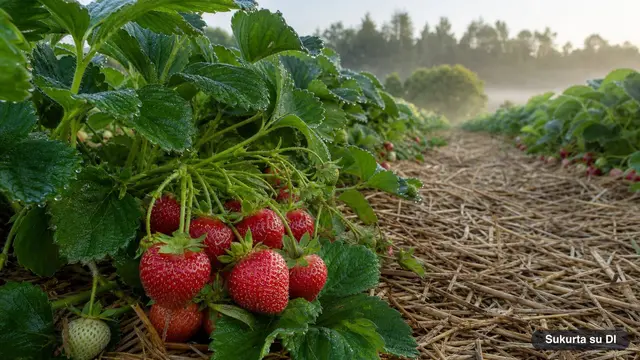 StrawberriesA complete guide to strawberries: origins, popular varieties like everbearing types, planting, care, harvesting, nutritional value, and how to store or freeze your berries.
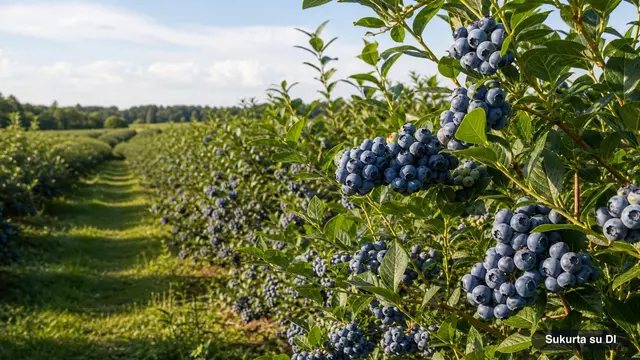 BlueberriesHighbush blueberries: how they differ from wild bilberries, top varieties (Duke, Bluecrop, Chandler, Patriot), planting in acidic soil, calories, and health benefits.
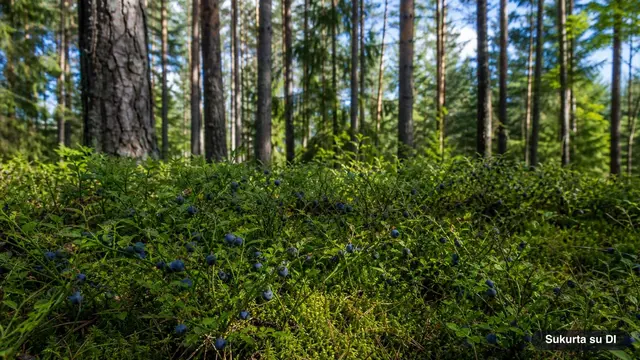 BilberriesWild bilberries: how to identify them, where and when they grow in northern climates, foraging tips to protect the plants, health benefits, freezing, drying, and baking.
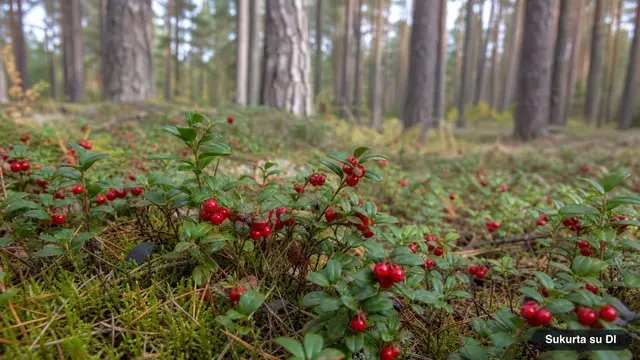 LingonberriesLingonberries: an evergreen forest shrub. Learn when they ripen, where they grow, how they differ from cranberries, their benefits, and how to preserve them.
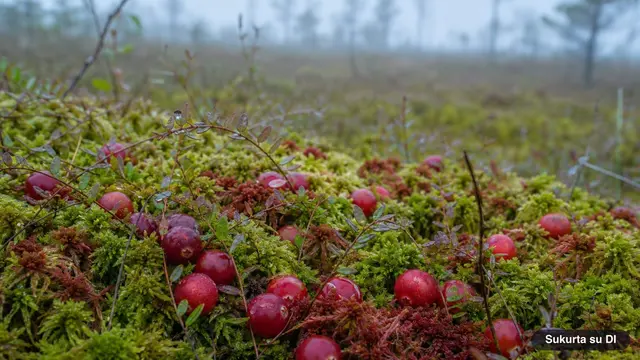 CranberriesDiscover how to identify and forage wild cranberries, stay safe in bogs, understand their health benefits for UTIs, and make delicious cranberry preserves with honey, garlic, and ginger.
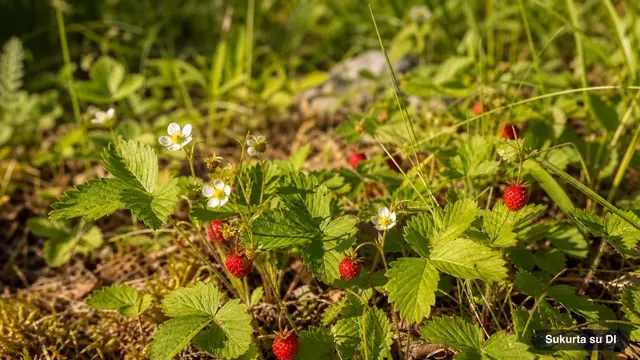 Wild StrawberriesDiscover how to identify wild strawberries, differentiate them from garden varieties, grow alpine strawberries from seed, and make strawberry leaf tea.
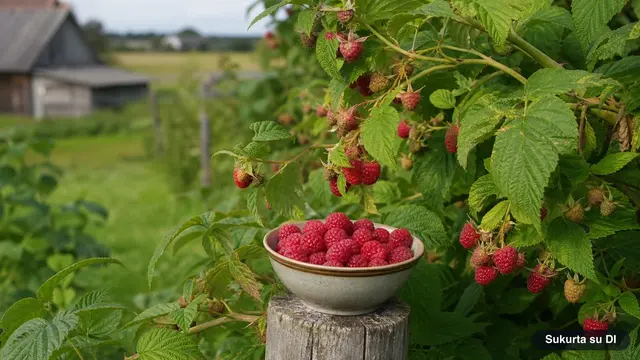 RaspberriesA complete guide to raspberries: wild and garden varieties, summer-bearing vs. everbearing, planting, pruning, diseases, nutritional value, and storage.
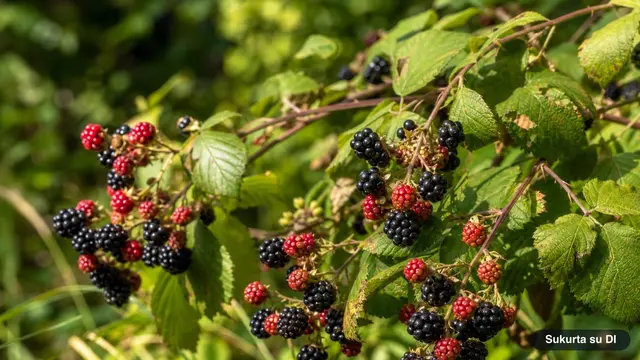 BlackberriesDiscover how to grow and care for blackberries, including thornless varieties, their nutritional benefits, and the best ways to preserve the harvest.
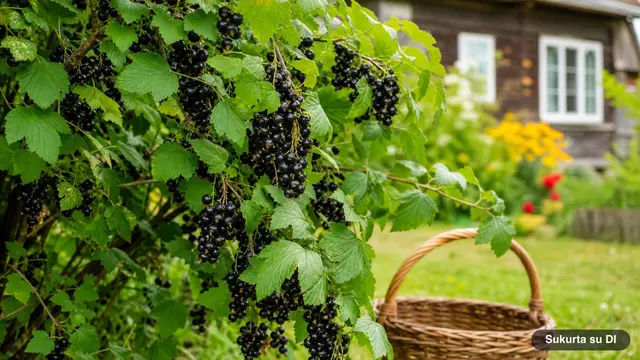 Black CurrantsBlack currants are vitamin C powerhouses. Discover top varieties like 'Titania', how to plant and prune the bushes, manage diseases, and preserve the tart berries for winter.
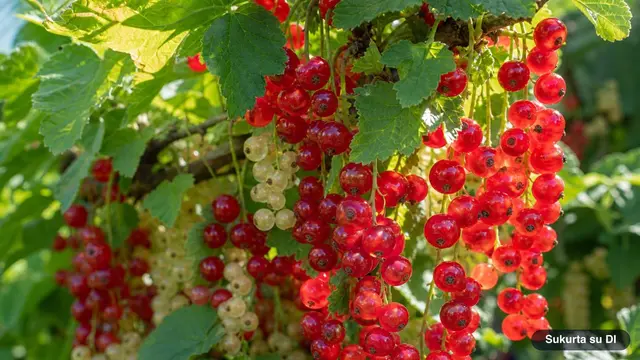 Red and White CurrantsDiscover the differences between red, white, and black currants, explore top varieties like 'Jonkheer van Tets', and learn how to grow and harvest them.
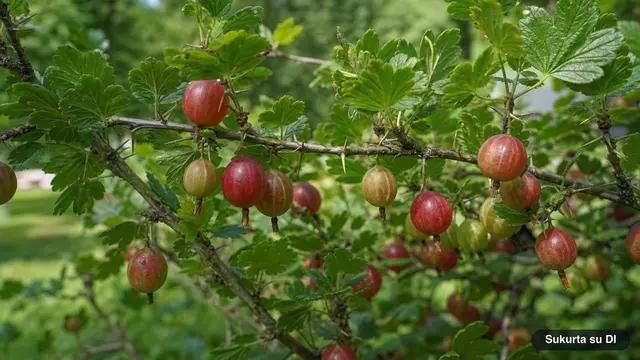 GooseberriesDiscover how to grow gooseberries, including top varieties, planting tips, pruning techniques, powdery mildew prevention, nutritional benefits, and delicious recipes for jams and preserves.
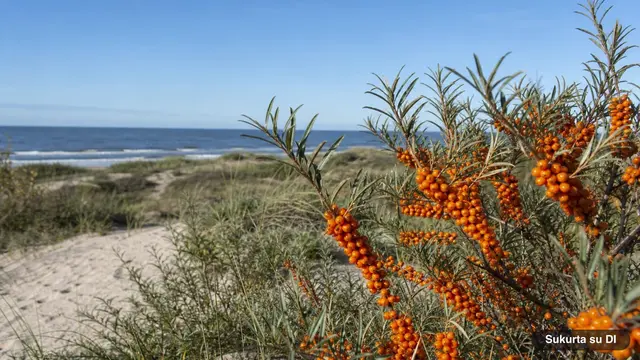 Sea BuckthornSea buckthorn is a dioecious shrub requiring both male and female plants. Discover planting tips, harvesting methods, and its vitamin C-rich berries, oil, and juice.
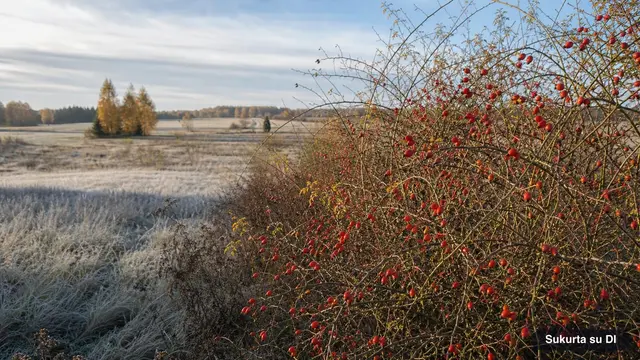 Rose HipsA complete guide to rose hips: how to identify dog rose fruits, when to harvest, why you must remove the irritating hairs, vitamin C content, and how to make dried rose hip tea, syrup, and jam.
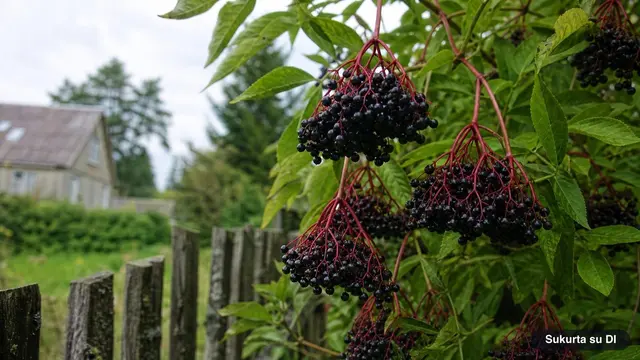 ElderberriesDiscover how to identify black elderberry, why raw berries are toxic, how to make elderflower syrup, and how to grow ornamental varieties like Black Lace.
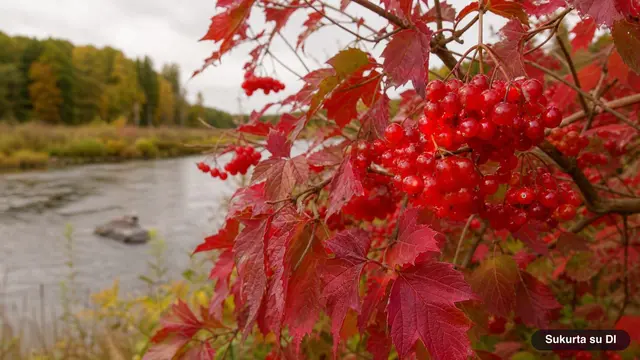 Guelder Rose (Viburnum)Guelder rose (Viburnum opulus): how to identify the shrub, when to pick the berries, why gather after frost, toxicity, benefits, and preparation; plus the decorative 'Roseum' variety.
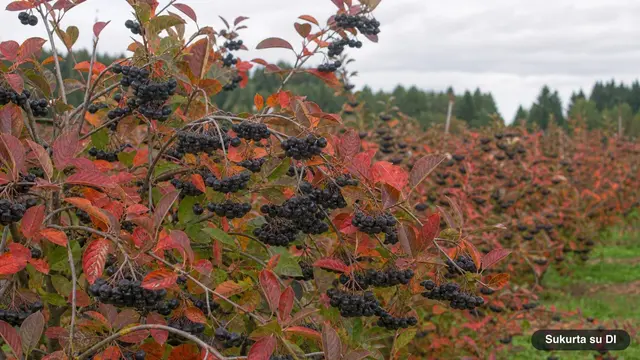 Aronia (Chokeberry)Black chokeberry: origin, growing tips, yields up to 17 lbs (8 kg) per bush, harvest times, polyphenol benefits, contraindications, and recipes.
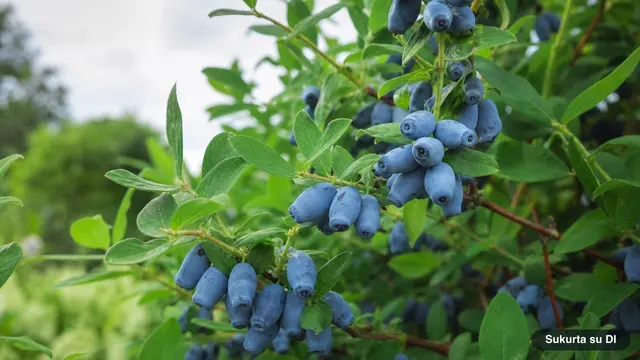 Honeyberry (Haskap)Edible honeysuckle (haskap): the earliest garden berries, top varieties, why you need two plants for pollination, planting, harvesting, and how to tell them apart from poisonous honeysuckles.
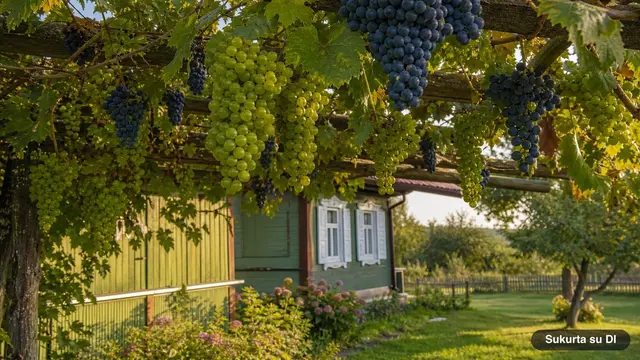 GrapesA complete guide to growing grapes: vine types, outdoor and greenhouse cultivation, cold-hardy and seedless varieties, pruning, diseases, calories, and winter storage.
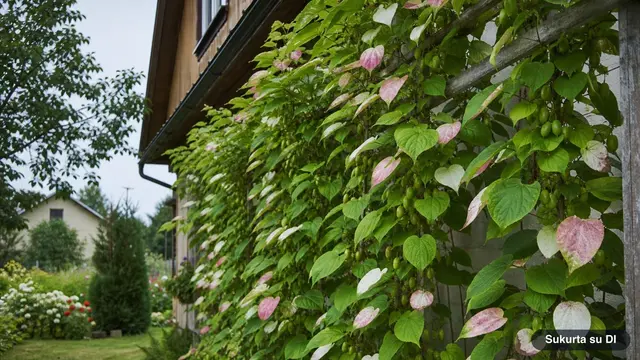 Hardy KiwiA complete guide to growing kiwi berries: variegated (kolomikta) and hardy (arguta) kiwi vines, self-pollinating varieties like 'Issai', planting, and harvesting.
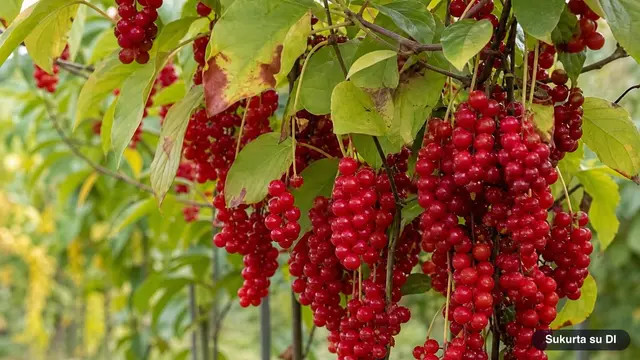 SchisandraSchisandra (five-flavor berry): how to grow this hardy vine, why you need male and female plants, the self-fertile Eastern Prince, when to harvest, and how to make schisandra tea.
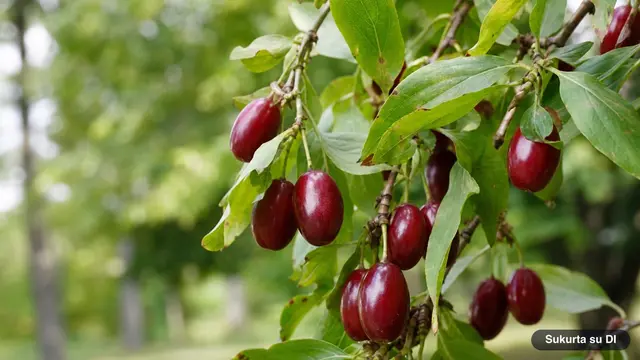 Cornelian CherryLearn about the Cornelian cherry: its early spring flowers, when and how to harvest the tart berries, making jam, growing requirements, and its incredibly dense wood.
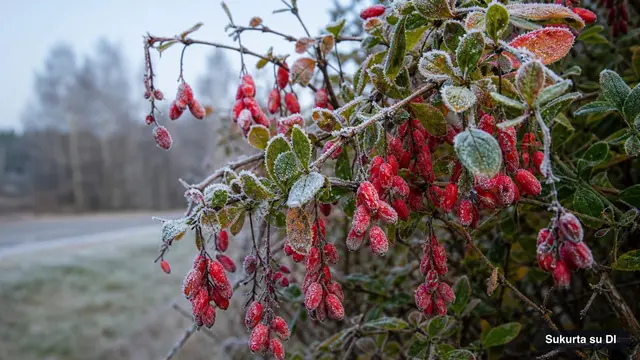 BarberriesDiscover the common barberry: a thorny shrub with tart red berries. Learn about its culinary uses, why it shouldn't be planted near wheat, and how it differs from Japanese barberry.
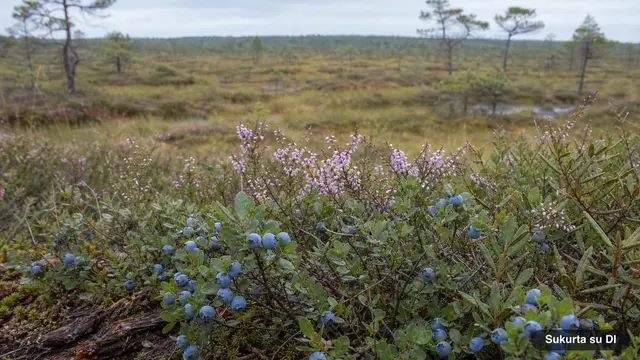 Bog BilberryBog bilberries are wild wetland berries. Discover how to tell them apart from bilberries, when they ripen, how to use them, and the truth about their intoxicating myth.
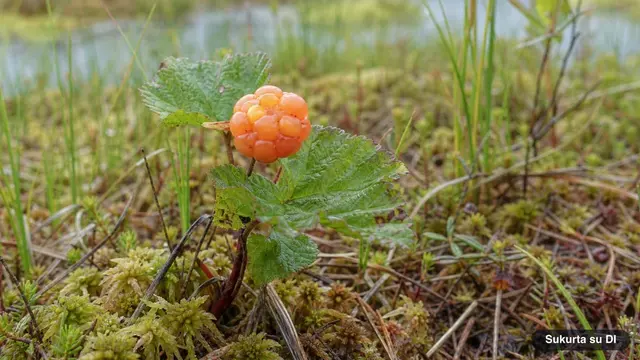 CloudberriesThe cloudberry, or "orange of the North," is a prized bog berry. Learn where it grows, why it needs male and female plants, and how to use it.
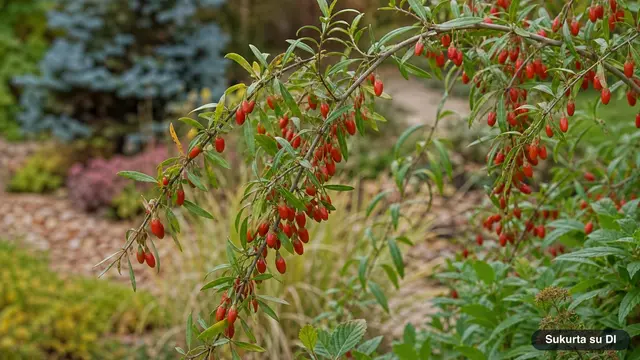 Goji BerriesGoji berries are the fruit of the wolfberry shrub: learn how to grow them, when they ripen, whether they are truly a superfood, drug interactions, and how to use dried goji berries.
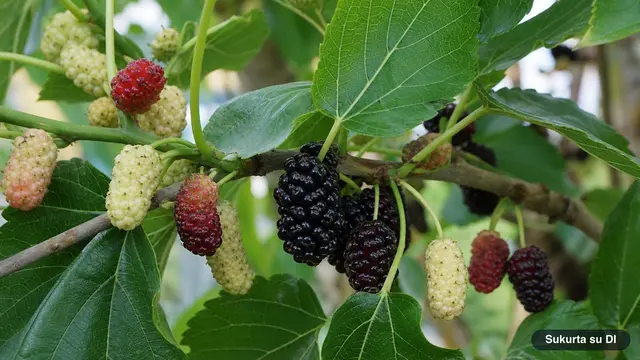 MulberriesEverything you need to know about mulberries: white vs. black varieties, what the fruit looks like, how to grow the trees in various climates, and how to use the berries.
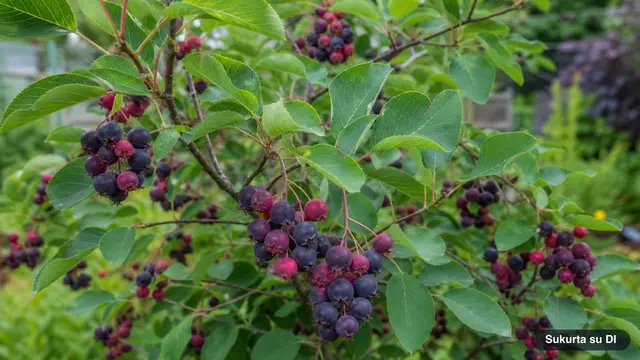 Serviceberry (Juneberry)A complete guide to growing serviceberries (juneberries, saskatoons): popular species, invasive warnings, harvest times, and culinary uses for these sweet summer fruits.
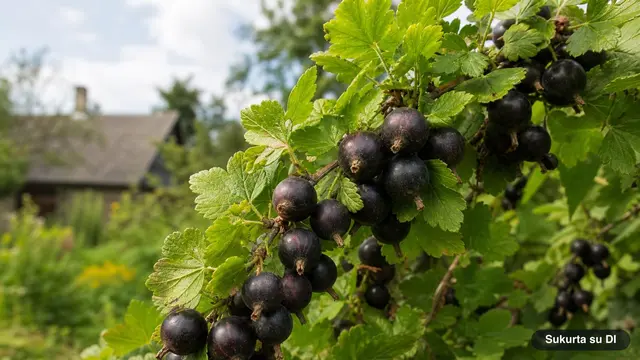 JostaberryThe jostaberry is a unique blackcurrant and gooseberry hybrid. Discover its German origins, best varieties like 'Josta', disease resistance, and how to harvest and use the berries.
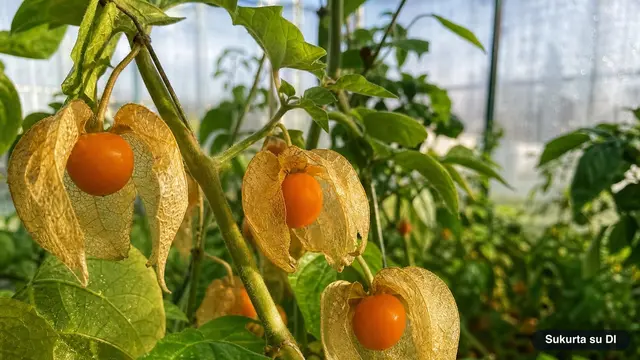 Physalis (Ground Cherry)Learn how to grow Physalis peruviana as an annual, when to harvest the husked fruits, why unripe parts are toxic, the difference from decorative Chinese lanterns, and how to use the berries.
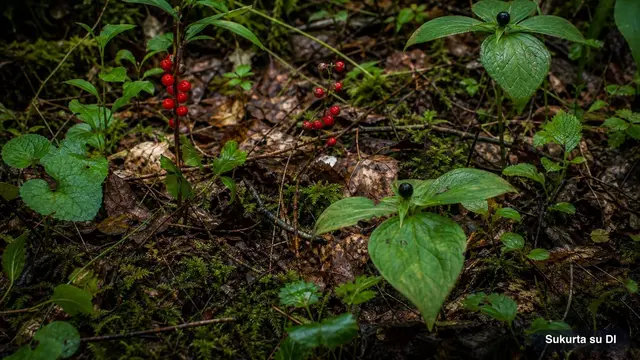 Poisonous BerriesA guide to identifying dangerous berries—including mezereon, yew, lily of the valley, herb paris, baneberry, spindle, and mistletoe—and what to do in case of accidental poisoning.
Sources
- Wikipedia: Berry (botany)
- Wikipedia: Rose hip
- Wikipedia: Sea buckthorn
- Wikipedia: Strawberry
- Wikipedia: Blueberry
- Wikipedia: Raspberry
- Wikipedia: Blackberry
- Wikipedia: Blackcurrant
- Wikipedia: Redcurrant
- Wikipedia: Cranberry
- Wikipedia: Grape
- Wikipedia: Morus (plant)
- Wikipedia: Physalis peruviana
- Wikipedia: Sambucus nigra
Log in to comment
No comments yet. Be the first.