Wild and Alpine Strawberries: How to Grow and Use Them
- The wild strawberry (Fragaria vesca) is a native woodland species found across the Northern Hemisphere in forests, clearings, and on slopes.
- It blooms with white flowers in late spring and early summer, with berries ripening shortly after.
- A ripe wild strawberry lasts an average of just 1.2 days on the plant—the shortest duration of any fleshy fruit in Europe.
- Everbearing (alpine) strawberries produce fruit all summer long and are usually grown from seed.
- Wild strawberries have been consumed by humans since the Stone Age.
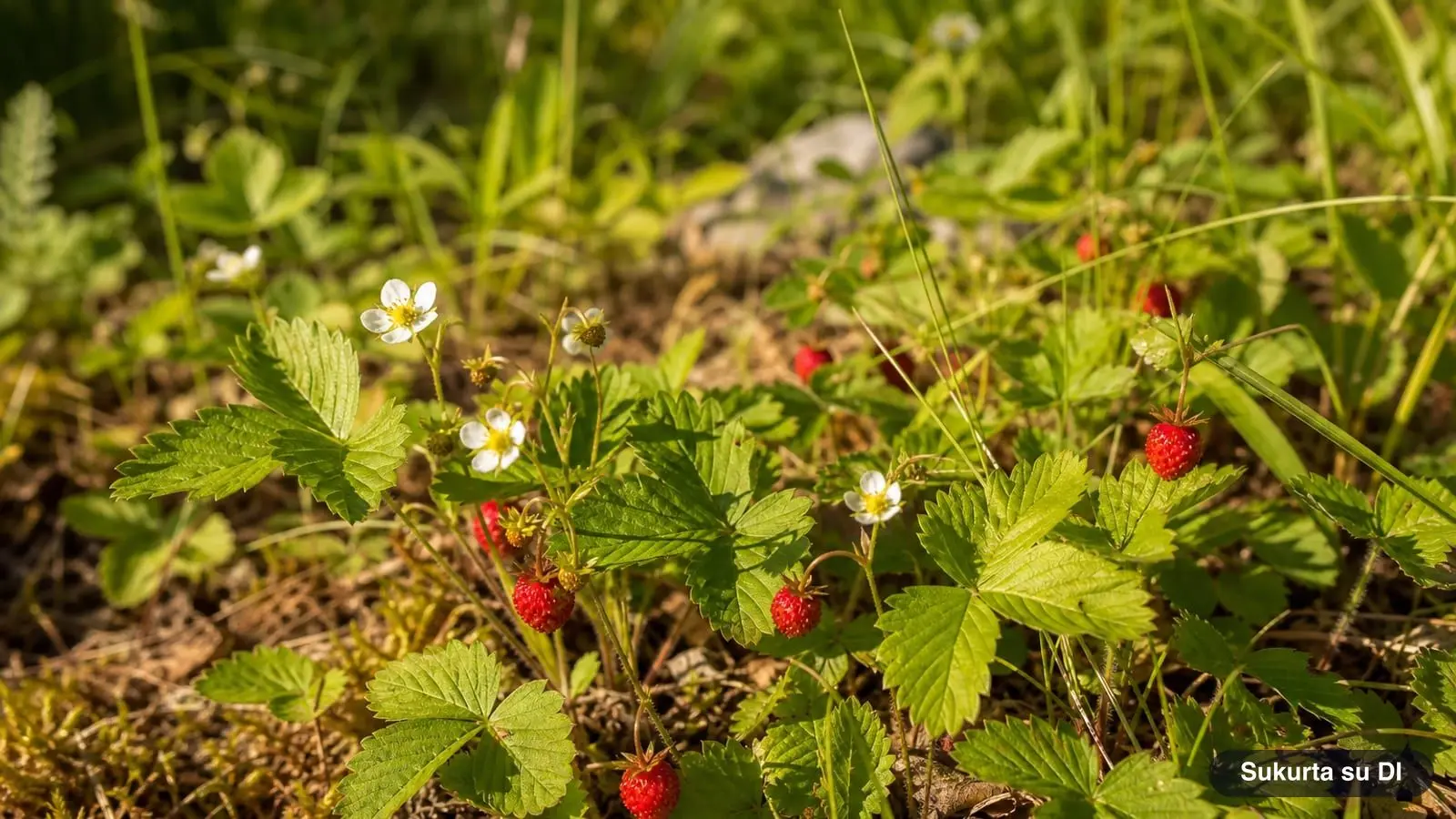
- Identify wild strawberries by their trifoliate toothed leaves and white five-petaled flowers
- Wild strawberries grow along roadsides, in clearings, on slopes, and in open woodlands
- Wild strawberries and garden strawberries belong to the same genus but are different species
- Alpine strawberries produce fruit all summer and are propagated by seed
- Alpine strawberries are easy to grow from seed surface-sown in late winter or early spring
- Wild strawberry fruits, leaves, and flowers are great for tea, while the berries shine in desserts and jams
This article is part of the 77.today berries guide, prepared by the 77.today editors from the sources listed at the end.
Wild strawberries are the first woodland berries of summer, and perhaps the most fragrant. By early summer, they turn red along forest edges, roadsides, railway embankments, and sunny slopes. For many, threading wild strawberries onto a blade of grass is a cherished childhood memory. In this part of the berry guide, we cover how to identify wild strawberries, where and when to find them, how they differ from garden strawberries, and how to grow alpine varieties in your garden or on a balcony.
| Latin name | Fragaria vesca |
|---|---|
| Family | Rose family (Rosaceae), strawberry genus |
| Plant type | Herbaceous perennial, spreads by runners |
| Habitat | Forest edges, clearings, slopes, roadsides |
| Blooms | Late spring and early summer, with white flowers |
| Berries ripen | Early to mid-summer |
| Berries | Tiny, red, highly aromatic |
| Distribution | Throughout the Northern Hemisphere |
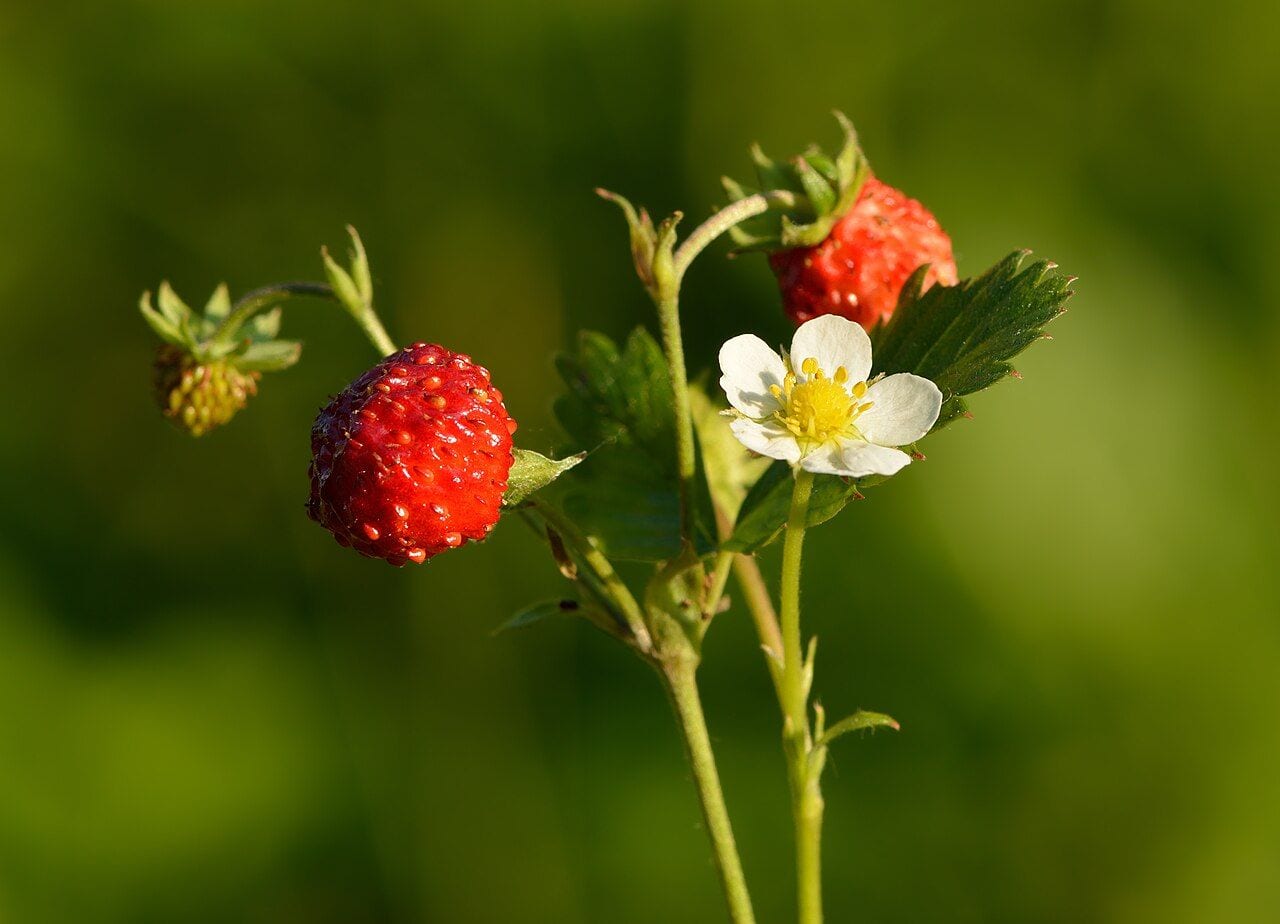
Identify wild strawberries by their trifoliate toothed leaves and white five-petaled flowers
The wild strawberry is a small herbaceous perennial. Its light green leaves are composed of three leaflets with toothed margins. A thin stem, covered in fine hairs, rises 1.2–6 inches (3–15 cm) from the basal rosette, bearing five to eleven white, five-petaled flowers that usually sit above the foliage. The plant spreads primarily by runners: these creep along the ground, root, and grow into new plants, allowing wild strawberries to form dense patches. They can also reproduce by seed, which remains viable in the soil for a long time and germinates when the ground is disturbed.
The berries are tiny, round or slightly elongated, bright red, highly aromatic, and sweet. Like garden strawberries, they are botanically aggregate accessory fruits, and the tiny "seeds" on the surface are actually individual fruits called achenes. A single berry has an average of about 47 achenes—one of the highest seed counts among fleshy fruits in Europe. A ripe wild strawberry lasts an average of just 1.2 days on the plant, as it is quickly found by birds and animals that help disperse the seeds.
Wild strawberries grow along roadsides, in clearings, on slopes, and in open woodlands
The wild strawberry is distributed throughout the Northern Hemisphere and is a common sight in temperate regions. It thrives along the edges of paths and roads, on embankments, slopes, meadows, in young and sparse forests, forest edges, and clearings. Plants growing in deep shade often fail to produce fruit, so the most abundant harvests are found in bright, sunny locations. The wild strawberry dislikes extremely wet or extremely dry conditions, but it can survive minor fires and quickly colonizes burned areas.
The berries ripen in early to mid-summer. On sunny southern slopes, the first wild strawberries turn red as early as late spring, while in more shaded areas, they ripen later in the summer. Ripe berries must be picked carefully to avoid crushing them: they are very soft and quickly lose their juice. It is best to forage wild strawberries in clean areas, far from heavy traffic.
Wild strawberries and garden strawberries belong to the same genus but are different species
Wild strawberries are sometimes confused with garden strawberries. Both belong to the strawberry genus, but the garden strawberry (Fragaria × ananassa) is a cultivated hybrid developed in France during the 18th century from two American species. It produces large berries but lacks the intense aroma of its wild cousin. The wild strawberry (Fragaria vesca) is a naturally occurring species that has been eaten by humans since the Stone Age. Until the 17th century, the strawberries grown in European gardens were actually wild strawberries transplanted from the forest. There are also hybrids between wild and garden strawberries, known as Fragaria × vescana.
Alpine strawberries produce fruit all summer and are propagated by seed
The everbearing varieties grown in gardens, often called alpine strawberries, are cultivated forms of the wild strawberry that bloom and fruit all summer long rather than for just a few weeks. Their berries are larger than wild ones, often elongated and more pointed, but they retain a similarly intense aroma. Most of these varieties produce few or no runners, so they are propagated by seed or by dividing the crowns. Some varieties even produce ripe berries that are white or pale yellow.
The most famous variety, 'Rügen', was the first modern everbearing, runnerless, large-fruited alpine strawberry. It originated near Putbus Castle in Germany and was introduced in 1920. Other popular varieties include 'Baron Solemacher' (introduced in 1935), 'Alexandria' (from 1964), and the white-fruited 'Weisse Solemacher'. Many other cultivars are available, such as 'Regina'. Trailing strawberries that produce runners are ideal for hanging baskets and balconies, while runnerless varieties are perfect for garden edging and pots.
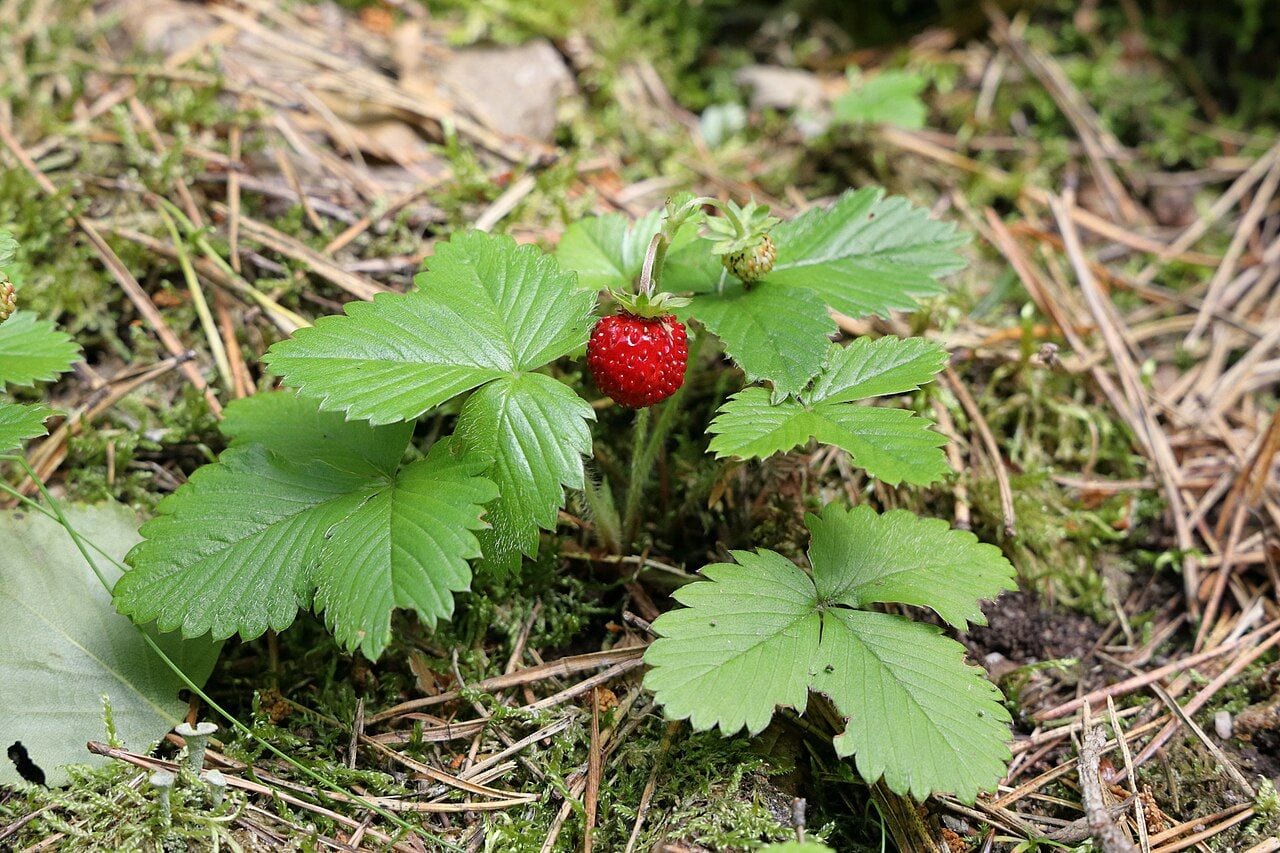
Alpine strawberries are easy to grow from seed surface-sown in late winter or early spring
Many gardeners believe that growing alpine strawberries from seed is difficult, but this is not true. Strawberry seeds are extremely tiny, so they must be sown on the surface of the soil and watered very carefully—ideally by misting—so the water does not wash them away. When kept warm at around 70°F (21°C), the seeds usually germinate in 1 to 2 weeks, and germination rates are generally high. Seeds are typically sown indoors in late winter or early spring, and the hardened-off seedlings are planted outside after the last spring frost. They are cold-hardy in USDA zones 3–9.
Because alpine strawberries bloom and fruit so heavily, the plants can lose vigor after a few years and may eventually succumb to viral diseases. Therefore, it is worth renewing your strawberry patch every few years by sowing fresh seeds or dividing young plants. They require a sunny location, loose, fertile soil, and regular watering.
Wild strawberry fruits, leaves, and flowers are great for tea, while the berries shine in desserts and jams
Fresh wild strawberries are best eaten immediately—with cream, ice cream, cottage cheese, or simply by the handful. They are wonderful in desserts, cakes, and smoothies, and make incredibly fragrant jams and liqueurs. Because the berries are tiny and very soft, they are difficult to store for long, so they are usually frozen or dried for winter use. Freeze-dried wild strawberries can also be found in stores.
The leaves, berries, and flowers of the wild strawberry are used to make herbal teas. It is best to forage leaves from clean areas and dry them thoroughly in the shade. The season of the most valuable summer woodland berries continues with bilberries and wild raspberries.
Frequently asked questions
When do wild strawberries ripen?
In cool northern climates, wild strawberries typically ripen in early to mid-summer (June and July in the Northern Hemisphere). They ripen earlier on sunny slopes and later in shaded areas.
What is the difference between wild strawberries and garden strawberries?
The wild strawberry is a naturally occurring species with tiny, highly aromatic berries. The garden strawberry is an 18th-century hybrid of two American species with much larger fruit. Both belong to the same genus.
What are alpine strawberries?
Also known as everbearing or woodland strawberries, these are cultivated forms of the wild strawberry that bloom and fruit all summer. Most do not produce runners and are propagated by seed or division. Well-known varieties include 'Rügen', 'Baron Solemacher', and 'Alexandria'.
Can you grow wild strawberries from seed?
Yes. The tiny seeds must be surface-sown and watered carefully so they do not wash away. Kept warm at around 70°F (21°C), the seeds usually germinate in 1 to 2 weeks.
Can you grow alpine strawberries on a balcony?
Yes, especially the everbearing, runnerless varieties. They are perfectly suited for pots, window boxes, and hanging baskets. They require a sunny location and regular watering.
What are wild strawberry leaves used for?
The leaves, berries, and flowers are used to make herbal teas. It is best to forage leaves from clean areas away from roads and dry them thoroughly.
Log in to comment
No comments yet. Be the first.