Bog Bilberries: How to Identify Them and the Intoxication Myth
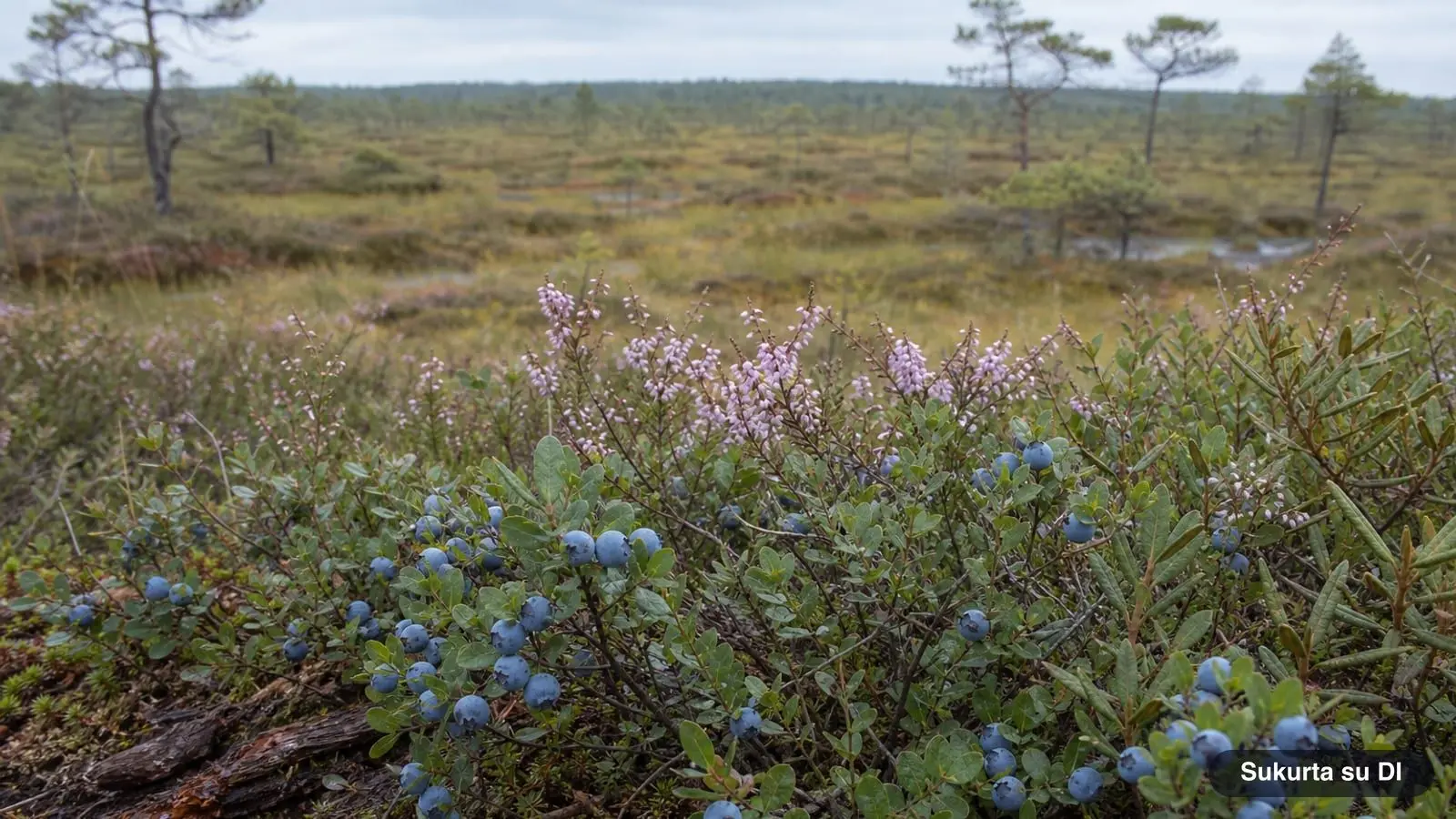
- The bog bilberry (Vaccinium uliginosum) is a shrub growing up to 3.3 ft (1 m) tall in sphagnum bogs and damp, light forests.
- It differs from the common bilberry by its brown twigs, blue-green smooth-edged leaves, and white flesh.
- In cool northern climates, the berries ripen in late summer and can remain on the bush into autumn.
- The myth of an intoxicating effect is unproven; it is likely caused by a parasitic fungus or neighboring toxic plants.
- The berries are edible fresh or cooked, and are excellent for jellies, pies, and drying.
- The bog bilberry is a shrub up to 3.3 feet tall with urn-shaped flowers and bloom-covered berries
- Bog bilberries grow in sphagnum bogs and damp, light forests
- Bog bilberries are long-lived shrubs with valuable genetic diversity
- The intoxicating reputation stems from folklore, but no active compound has been found
- Bog bilberries are eaten fresh or cooked, and are great for jellies, pies, and drying
- Bog bilberry, common bilberry, and highbush blueberry: a detailed comparison
This article is part of the 77.today berries guide, prepared by the 77.today editors from the sources listed at the end.
Bog bilberries are wild relatives of blueberries that thrive in bogs and damp pine forests. Their bluish berries with a pale, waxy bloom are often foraged alongside common bilberries. In many traditional cultures, they have earned a reputation for causing dizziness or intoxication if eaten in large quantities. In this part of the berry guide, we cover how to identify the bog bilberry, how to tell it apart from the common bilberry, where and when it ripens, and what we actually know about its intoxicating reputation.
| Latin name | Vaccinium uliginosum |
|---|---|
| Other names | bog blueberry, northern bilberry |
| Family | Heath family (Ericaceae), Vaccinium genus |
| Plant | deciduous shrub, 4–30 inches (10–75 cm), rarely up to 3.3 ft (1 m) |
| Where it grows | sphagnum bogs, damp light forests |
| Blooms | late spring to early summer |
| Berries ripen | late summer, remaining into autumn |
| Berries | 0.35–0.47 inches (9–12 mm), blue with a waxy bloom, pale flesh |
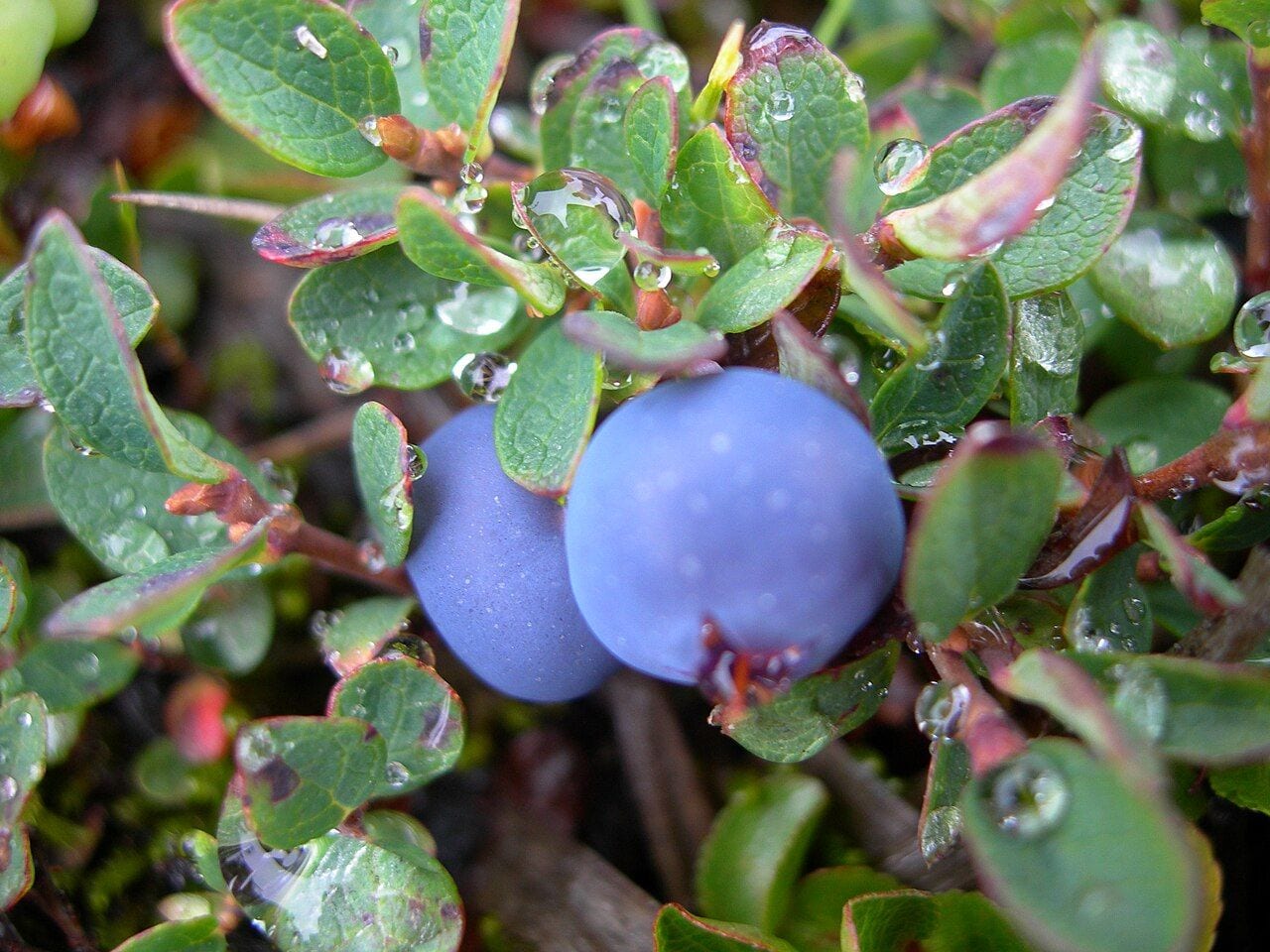
The bog bilberry is a shrub up to 3.3 feet tall with urn-shaped flowers and bloom-covered berries
The bog bilberry is a small deciduous shrub, typically reaching 4–30 inches (10–75 cm) in height, though it can occasionally grow up to 3.3 feet (1 m). The stem is upright and branched, with a woody base. The twigs are brown and rounded. The leaves are oval, 0.15–1.2 inches (0.4–3 cm) long, blue-green with a pale network of veins, smooth edges, and a blunt tip; they are shed in the autumn.
In late spring, solitary, drooping, urn-shaped pale pinkish-white flowers appear, with blooming continuing into early summer. The berries are spherical or pear-shaped, 0.35–0.47 inches (9–12 mm) in diameter, and blue-black with a whitish waxy bloom. The flesh is white and sweet. In cool northern climates, the berries ripen in late summer and can remain on the bushes into autumn.
Bog bilberries grow in sphagnum bogs and damp, light forests
Bog bilberries thrive in damp, light forests and sphagnum bogs. The plant prefers wet, acidic soils and is highly resilient to harsh, cold climates, being cold-hardy down to USDA zones 2–7.
In bogs, bog bilberries often grow alongside cranberries, while in damp pine forests they share their habitat with lingonberries and marsh Labrador tea. When foraging for bog bilberries, general wildcrafting rules apply: while quantities for personal use are usually unrestricted in many regions, the use of berry combs or other mechanical harvesting tools is often discouraged or banned to protect the plants, and foragers should tread carefully to avoid damaging fragile bog ecosystems. Always check local foraging regulations.
Bog bilberries are long-lived shrubs with valuable genetic diversity
The bog bilberry is one of several Vaccinium species naturally occurring in cool temperate and boreal zones, alongside the lingonberry and the common bilberry. It is widely distributed along the edges of raised bogs, around lakes, in transitional mires, and in previously excavated peatlands. Botanists recognize several subspecies and morphological variations across its global range, including rare small-leaved and white-berried forms. The bog bilberry is a long-lived plant, capable of surviving for around 90 years. Its berries are highly nutritious, containing 28–110 mg of vitamin C per 3.5 ounces (100 g)—significantly more than common bilberries.
Conservationists note that wild bog bilberry habitats are increasingly threatened globally due to peatland drainage, land reclamation, and climate change. However, the bog bilberry can also be cultivated in a home garden. It requires acidic sphagnum peat, plenty of sunlight, and moderate moisture. As an added ornamental benefit, its foliage turns striking shades of dark red and orange in the autumn.
The intoxicating reputation stems from folklore, but no active compound has been found
In many languages and traditional cultures, the folk names for the bog bilberry translate to "drunkard" or "dizzy berry," reflecting a long-held belief that eating them causes intoxication or headaches. Literature often mentions this intoxicating effect, but no active compound responsible for it has ever been scientifically proven to exist in the berries themselves. Several theories attempt to explain the myth. The first suggests that the dizziness is caused not by the berries, but by a parasitic fungus that sometimes infects them. The second theory blames the highly aromatic and mildly toxic marsh Labrador tea (Rhododendron tomentosum), which frequently grows right next to bog bilberries and releases strong essential oils in the summer heat. The third theory posits that the name simply originated because the berries were historically fermented to produce alcoholic beverages.
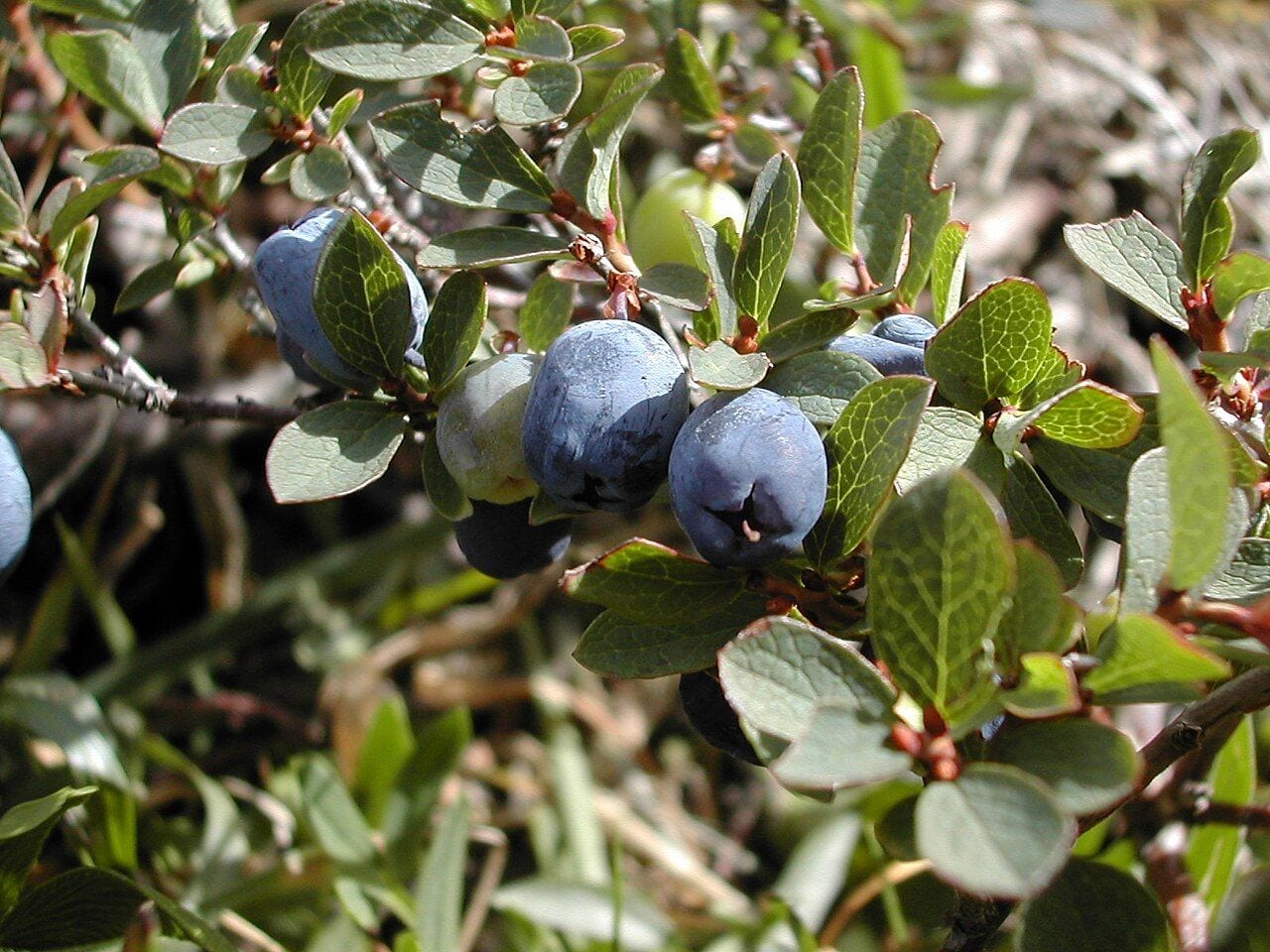
Bog bilberries are eaten fresh or cooked, and are great for jellies, pies, and drying
Bog bilberries are eaten fresh or cooked, and are used to make jellies, bake pies, or are dried for later use. They can be frozen or dried using the exact same methods as blueberries. They are also excellent for making jams, fruit soups (kissel), and compotes, while their juice is used in refreshing beverages and wines. The bog bilberry is eagerly visited by bees, and the resulting honey is reddish and highly fragrant. Despite their versatility, bog bilberries are sometimes underappreciated by foragers today, especially since gathering large quantities can be time-consuming compared to cultivated varieties.
Bog bilberry, common bilberry, and highbush blueberry: a detailed comparison
The bog bilberry, common bilberry, and highbush blueberry all belong to the same Vaccinium genus, which is why their fruits look so similar. The table below highlights the key characteristics that help distinguish them in the wild and in the garden.
| Feature | Bog Bilberry | Common Bilberry | Highbush Blueberry |
|---|---|---|---|
| Height | 4–30 in (10–75 cm), rarely up to 3.3 ft (1 m) | 6–16 in (15–40 cm), rarely up to 20 in (50 cm) | 5–13 ft (1.5–4 m) |
| Twigs | brown, rounded | green, angled/ridged | woody |
| Leaves | blue-green, smooth-edged | bright green, finely toothed | up to 3.5 in (9 cm), turn red in autumn |
| Berries | 0.35–0.47 in (9–12 mm), with a waxy bloom | 0.3–0.47 in (8–12 mm), solitary | up to 0.6 in (1.5 cm), in clusters |
| Flesh | white, sweet | dark purple, stains heavily | pale/light |
| Where it grows | bogs, damp forests | pine and spruce forests | gardens and commercial farms |
The easiest way to tell a bog bilberry from a common bilberry is to squeeze the fruit: a common bilberry will stain your fingers dark purple, whereas the flesh of a bog bilberry remains pale. The second key feature is the twigs: bog bilberry twigs are brown, while common bilberry twigs are green.
It is generally a good idea to avoid foraging bog bilberries that are growing directly intertwined with toxic marsh Labrador tea bushes, and to avoid eating excessively large quantities at once. If you are ever unsure whether a wild berry is edible, check the poisonous berries section. Other closely related berries include wild bilberries and cultivated garden blueberries.
Frequently asked questions
Do bog bilberries really cause intoxication?
Historical folklore often claims bog bilberries are intoxicating, and many traditional names reflect this, but no active intoxicating compound has been found in the berries themselves. It is suspected that the culprit is either a parasitic fungus growing on the berries, the toxic marsh Labrador tea that frequently grows nearby, or simply the fact that the berries were historically fermented into alcoholic beverages.
When do bog bilberries ripen?
In cool northern climates, bog bilberries typically bloom from late spring to early summer, with the berries ripening in late summer and often remaining on the bushes well into autumn.
Where do bog bilberries grow?
Bog bilberries thrive in damp, light forests and sphagnum bogs, often growing alongside cranberries and lingonberries. Globally, they are widely distributed across the cool regions of the Northern Hemisphere, from the Arctic down to mountainous areas further south.
Are bog bilberries edible?
Yes, bog bilberries are edible fresh or cooked. They are used to make jellies, baked into pies, or dried for later use. Because their historical association with dizziness is sometimes linked to neighboring toxic plants like marsh Labrador tea, it is advisable to avoid foraging them directly from among toxic shrubs and to consume them in moderation.
Can you grow bog bilberries in a garden?
Yes. Bog bilberries require acidic peat soil, plenty of light, and moderate moisture. They should not be planted directly under highbush blueberries, as the two plants have slightly different care requirements and growth habits.
Log in to comment
No comments yet. Be the first.