Serviceberry Guide: Growing Juneberries and Saskatoons
- Amelanchier is a genus of about 20 to 25 species of deciduous shrubs and small trees in the rose family.
- While native primarily to North America and parts of Europe, several species are widely cultivated in gardens globally.
- Some species can become invasive in certain regions outside their native range, so it is important to check local advisory lists.
- The fruits are technically small pomes, 0.2–0.6 inches (5–15 mm) across, ripening from red to dark purple in summer.
- The name "saskatoon" derives from the Cree language, and the Canadian city of Saskatoon is named after the fruit.
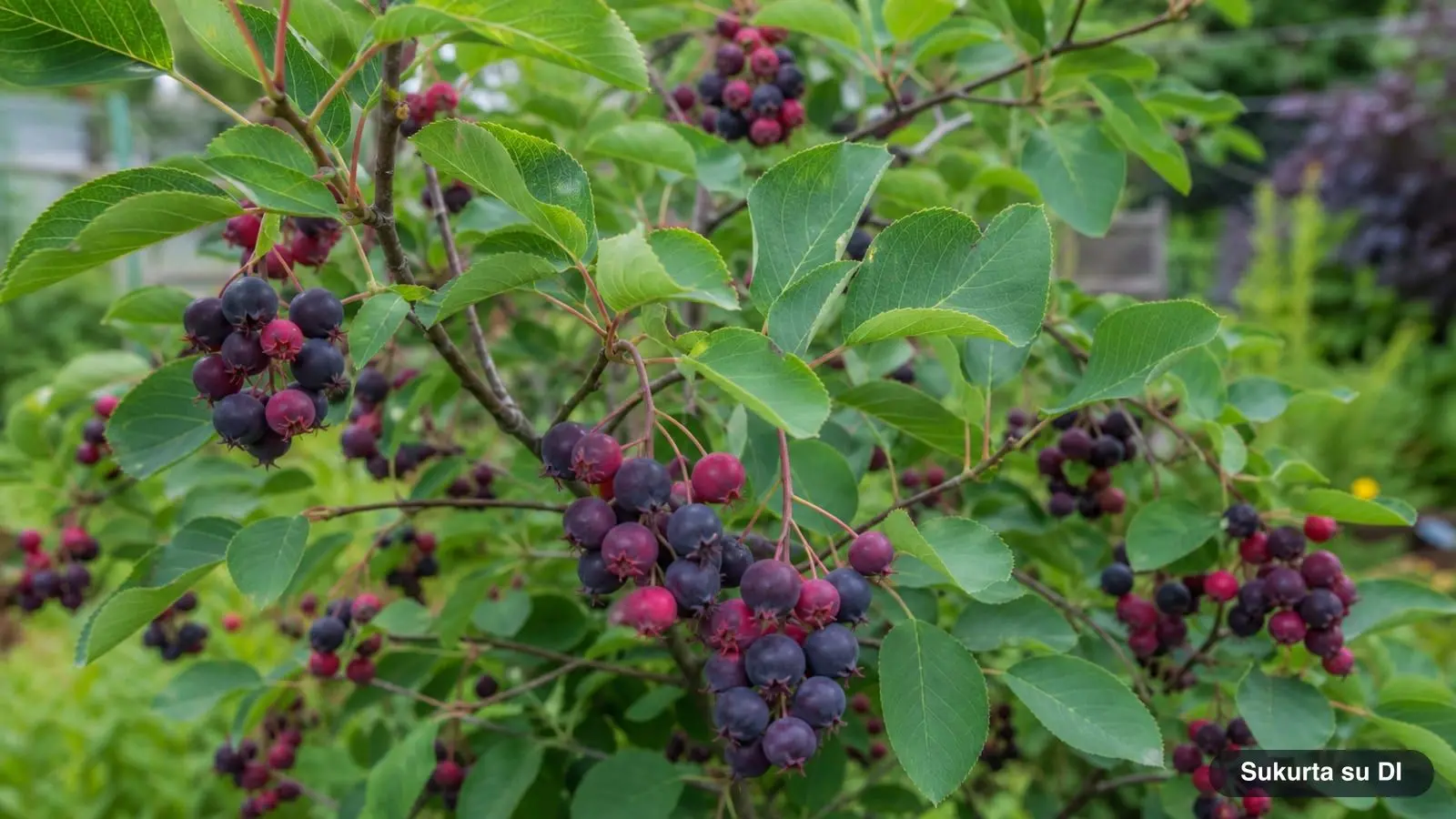
- Serviceberry is a rose family shrub whose berries are botanically pomes
- Cultivated species: from saskatoons to snowy mespilus
- Check local advisory lists for invasive species
- Growing serviceberries: easy care and abundant yields
- Culinary uses: fresh eating, pies, and jams
- Serviceberry, aronia, and rowan: rose family shrubs with pomes
This article is part of the 77.today berries guide, prepared by the 77.today editors from the sources listed at the end.
Serviceberry is one of the most beautiful spring shrubs: in late spring, it is covered in clouds of white flowers, and in summer, it produces sweet, dark purple berries loved by both birds and people. It is also commonly known as juneberry, saskatoon, or shadbush. However, not all species are equally desirable in every garden, as some can become invasive outside their native range. In this part of our berry growing guide, we explore the different types of serviceberries, how to identify them, when they ripen, and what to make with the harvest.
| Latin name | Amelanchier |
|---|---|
| Other names | serviceberry, juneberry, saskatoon, shadbush |
| Family | Rose family (Rosaceae) |
| Species | About 20–25 |
| Plant | Shrub or small tree, 8 in–65 ft (0.2–20 m) |
| Blooms | Late spring, with white flowers |
| Berries ripen | Summer (often June in cool northern climates) |
| Berries | Pomes, 0.2–0.6 in (5–15 mm), red, purple, or almost black |
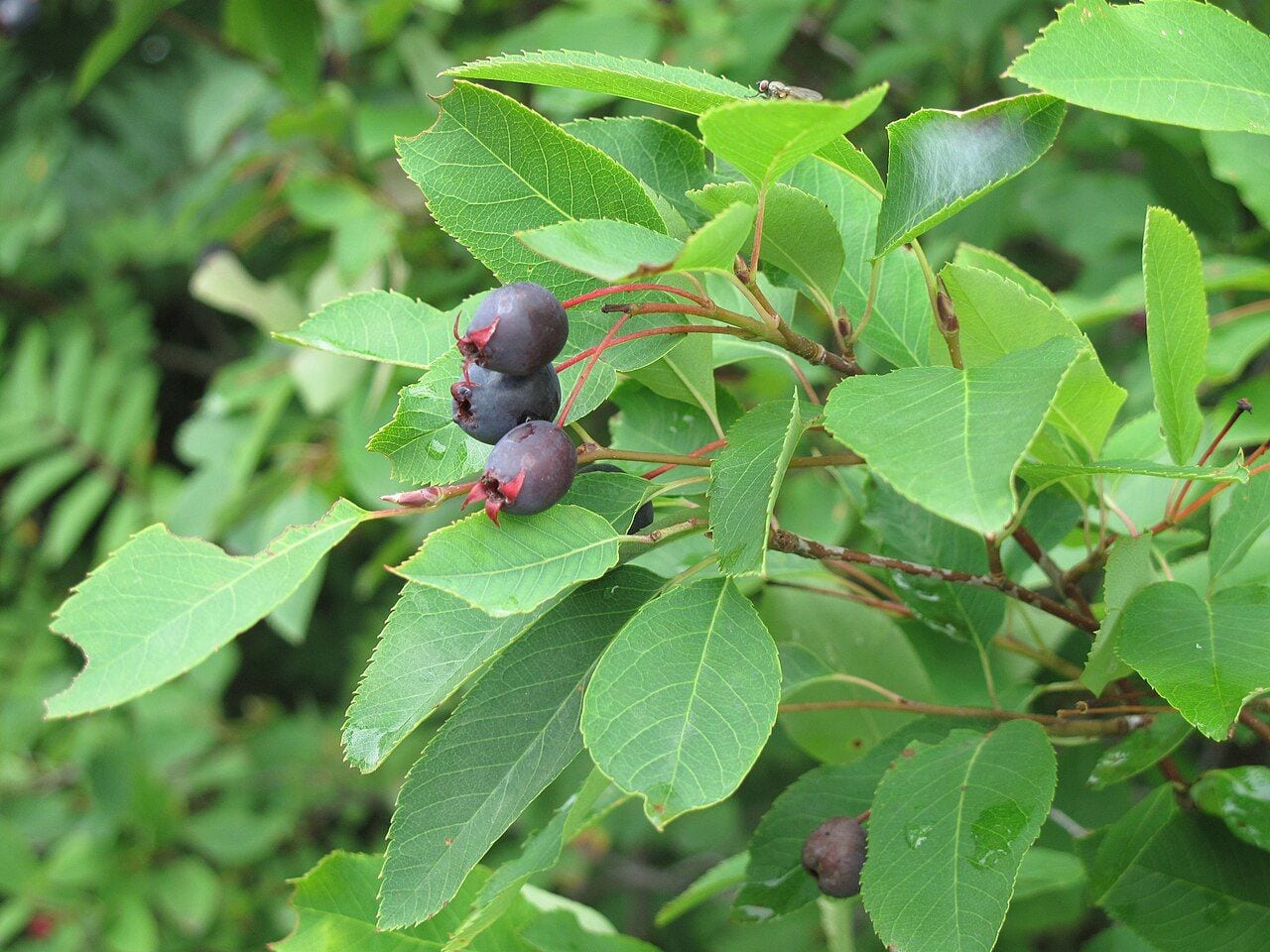
Serviceberry is a rose family shrub whose berries are botanically pomes
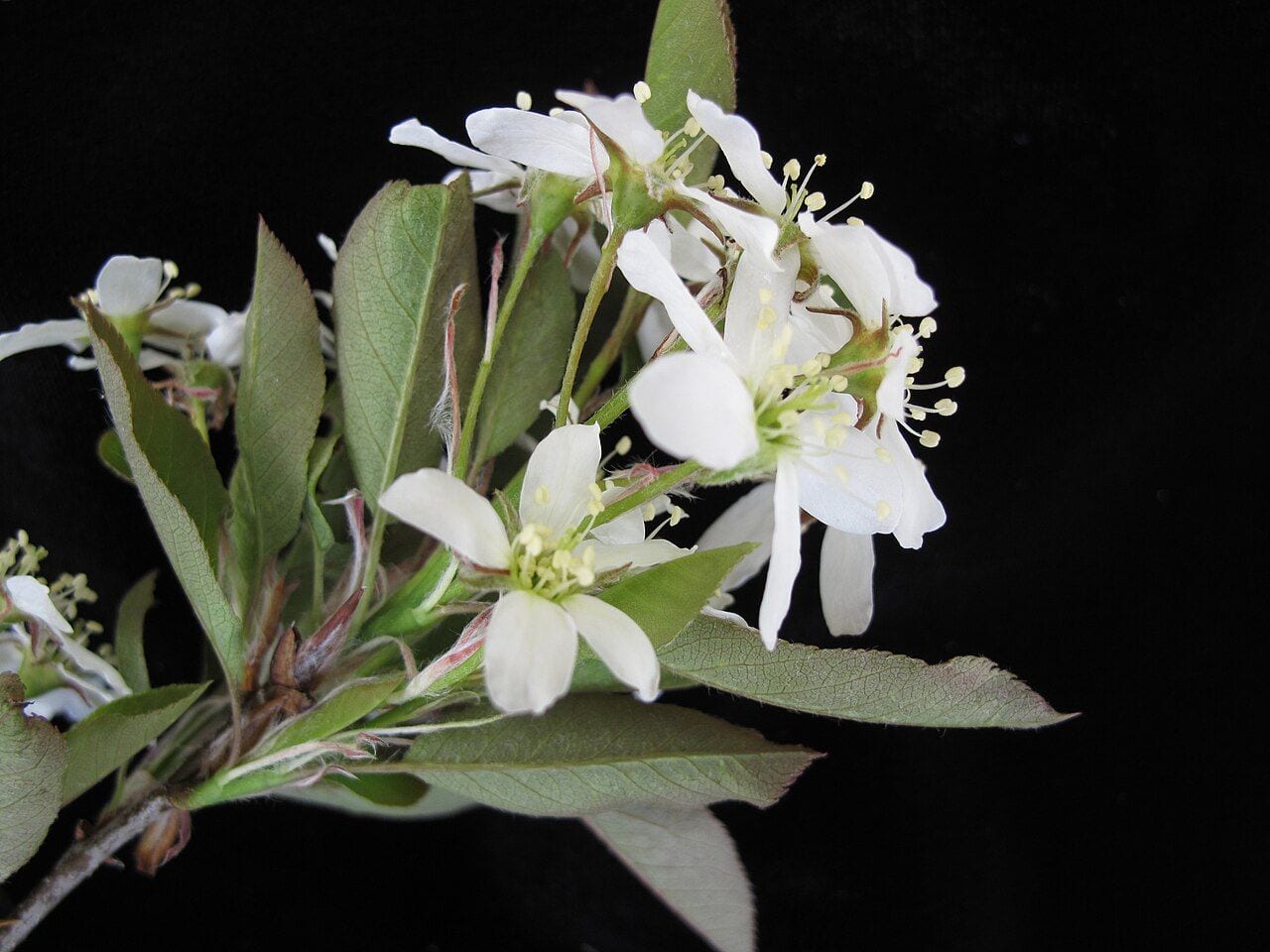
The Amelanchier genus includes about 20 to 25 species of deciduous shrubs and small trees. Some are small trees, others are multi-stemmed clumping shrubs, and some form low clonal thickets. The bark is gray, or rarely brown, and on tree species, it is smooth but fissures with age. The leaves are simple, alternate, lanceolate, elliptic, or round, measuring 0.2–4 inches (0.5–10 cm) long. In late spring, white (or rarely pink) five-petaled flowers bloom, clustered in groups of a few or in racemes of 4 to 20.
The serviceberry "fruit" is botanically a small pome, much like aronia berries or rowan berries. It is 0.2–0.6 inches (5–15 mm) in diameter, ripening to red, purple, or almost black in summer, with a flavor ranging from bland to exceptionally sweet. The taxonomy of Amelanchier is notoriously confusing—species hybridize easily and reproduce without fertilization (apomixis), so different botanical sources list anywhere from 6 to 33 species, and nursery labels are frequently mixed up.
Cultivated species: from saskatoons to snowy mespilus
While native primarily to North America—where at least one species grows in every Canadian province and nearly every US state—and with two species native to Europe, serviceberries are cultivated worldwide. Common garden choices include the saskatoon (Amelanchier alnifolia), Canadian serviceberry (A. canadensis), snowy mespilus (A. ovalis), and dwarf serviceberry (A. spicata).
The fruits of Amelanchier alnifolia are widely known as saskatoons, a name derived from the Cree language. The Canadian city of Saskatoon was even named after this fruit. These hardy shrubs can live up to 50 years.
Check local advisory lists for invasive species
Some species, such as the dwarf serviceberry (A. spicata), can become invasive when introduced to regions outside their native range. They can escape from gardens and landscaping into wild forests and meadows, outcompeting native flora. Birds love the berries and spread the seeds far from where they were planted. Because of this, planting certain non-native species may be discouraged or restricted depending on your location. Always check with local agricultural extension services or environmental agencies. Read more about managing such plants in our invasive trees and shrubs section.
Growing serviceberries: easy care and abundant yields
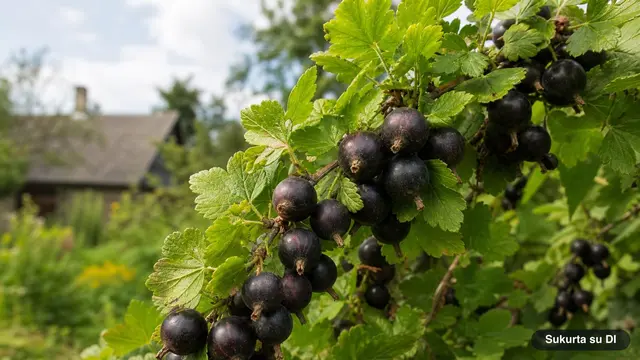
Serviceberries are generally easy to grow. They do not require highly specialized soil, thriving best with good sunlight and consistent moisture. They are incredibly cold-hardy—many species easily tolerate temperatures down to −40°F (−40°C), USDA zones 2–7. Serviceberries are much more adaptable than blueberries, suffer from very few pests (though birds will eagerly steal the crop), and withstand harsh winters beautifully. A mature bush can yield a bucket of berries annually, which translates to commercial yields of around 13,000 lbs per acre (15 tons per hectare). The harvest typically takes place in mid-summer. Because the berries do not transport well, they are best eaten fresh straight from the bush. Thanks to their high pectin content, they also make excellent low-sugar jams. Buyers at farmers' markets often confuse them with blueberries, black currants, or aronia.
Propagation is straightforward: bushes produce annual root suckers of about 4–8 inches (10–20 cm) that can be separated and planted in the fall or in early spring, as soon as the soil can be worked and before the plant breaks dormancy. When planted in early spring, these established suckers can sometimes produce a small crop the very same year.
Culinary uses: fresh eating, pies, and jams
Serviceberries are delicious eaten raw and are widely used in baking—perfect for pies, muffins, and pancakes. They are also boiled down into jams, jellies, and compotes, or processed into juice and wine. The berries can be dried or frozen for winter use. The common English name juneberry perfectly describes their season, as in many cool northern climates, the fruits of several species are ready to pick in June.
Serviceberry, aronia, and rowan: rose family shrubs with pomes
Botanically, serviceberries are pomes, just like aronia and rowan (mountain ash) berries. All three belong to the rose family, but their fruits and cultivation needs differ significantly.
| Plant | Origin | Berries | Ripens | Notes |
|---|---|---|---|---|
| Serviceberry | North America, Europe | 0.2–0.6 in (5–15 mm), purple or black, sweet | Mid-summer | Some species can be invasive outside native range |
| Black Chokeberry (Aronia) | Eastern North America | Black, astringent | Late summer to fall | Unfussy about soil |
| Rowan (Mountain Ash) | Northern Hemisphere | Orange-red, bitter | Early fall | Best harvested after a frost |
Of these three, the serviceberry ripens the earliest and is by far the sweetest, which is why it is most commonly eaten fresh. Aronia and rowan are much more tart and astringent, making them better suited for processing. When choosing a serviceberry for the garden, it is often best to select well-behaved species like the saskatoon or Canadian serviceberry, rather than varieties known to spread aggressively.
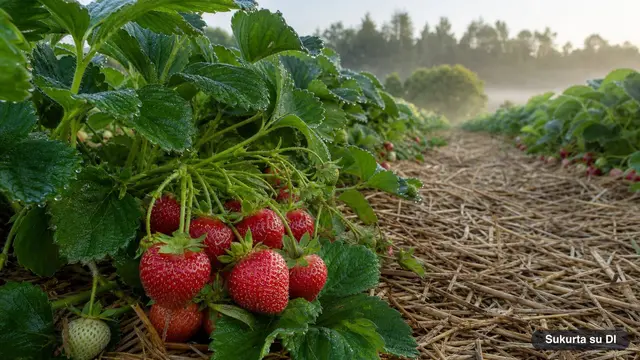
The botanical genus name Amelanchier comes from the French word amélanchier, which is thought to derive from a root meaning "sweet as honey." Other delightful early summer fruits include honeyberries (haskap) and wild strawberries, while aronia (chokeberry) produces similar dark, antioxidant-rich fruits later in the season.
Frequently asked questions
Are serviceberries edible?
Yes. Serviceberries are small pomes, 0.2–0.6 inches (5–15 mm) across, that ripen to red, purple, or almost black. They have a mild to very sweet flavor and can be eaten fresh, baked in pies, made into jam, or dried.
When do serviceberries ripen?
The shrubs bloom in late spring, and the fruits ripen in summer. The common name "juneberry" reflects the fact that in many cool northern climates, the berries are ready to harvest as early as June.
What are the most common cultivated serviceberries?
Several species are popular in home gardens, including the saskatoon (Amelanchier alnifolia), Canadian serviceberry (A. canadensis), snowy mespilus (A. ovalis), and dwarf serviceberry (A. spicata).
Are serviceberry bushes invasive?
Certain species, such as the dwarf serviceberry (A. spicata), can become invasive when introduced outside their native range. Birds spread the seeds into wild forests and meadows, so always check local environmental regulations before planting.
What are other names for the serviceberry?
They are commonly known as juneberries, saskatoons, shadbushes, or sugarplums. The botanical name Amelanchier comes from the French word amélanchier.
How long do serviceberry bushes live and how tall do they get?
Saskatoon bushes (A. alnifolia) can live up to 50 years. Depending on the species, Amelanchier plants can range from low shrubs of 8 inches (0.2 m) to small trees reaching 65 feet (20 m) tall.
Log in to comment
No comments yet. Be the first.