Rowan (Mountain Ash): Leaves, Flowers, Berries & Edibility
- The rowan (Sorbus aucuparia), also known as mountain ash, is a common tree in the rose family native to cool regions of Europe and Asia.
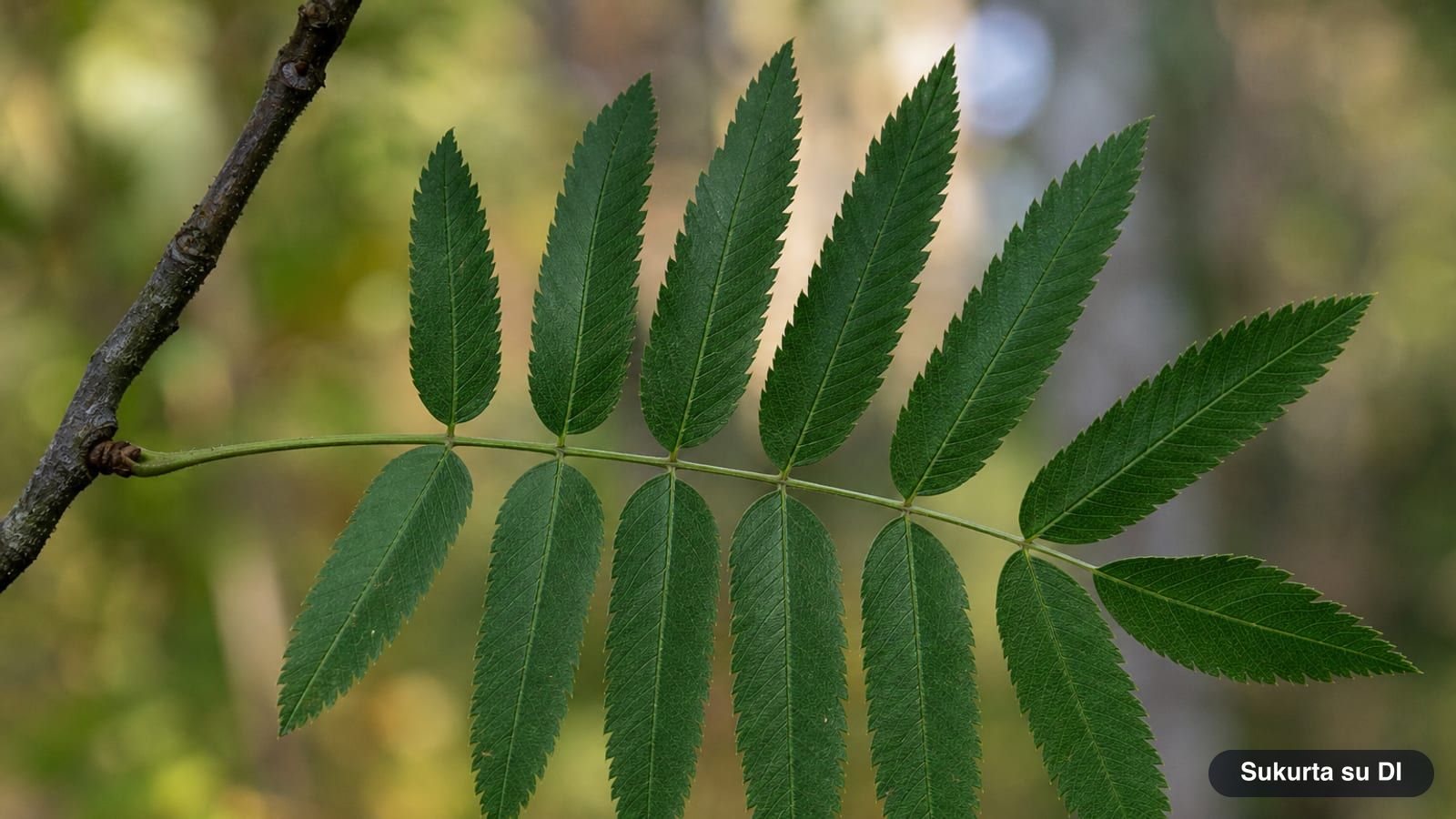
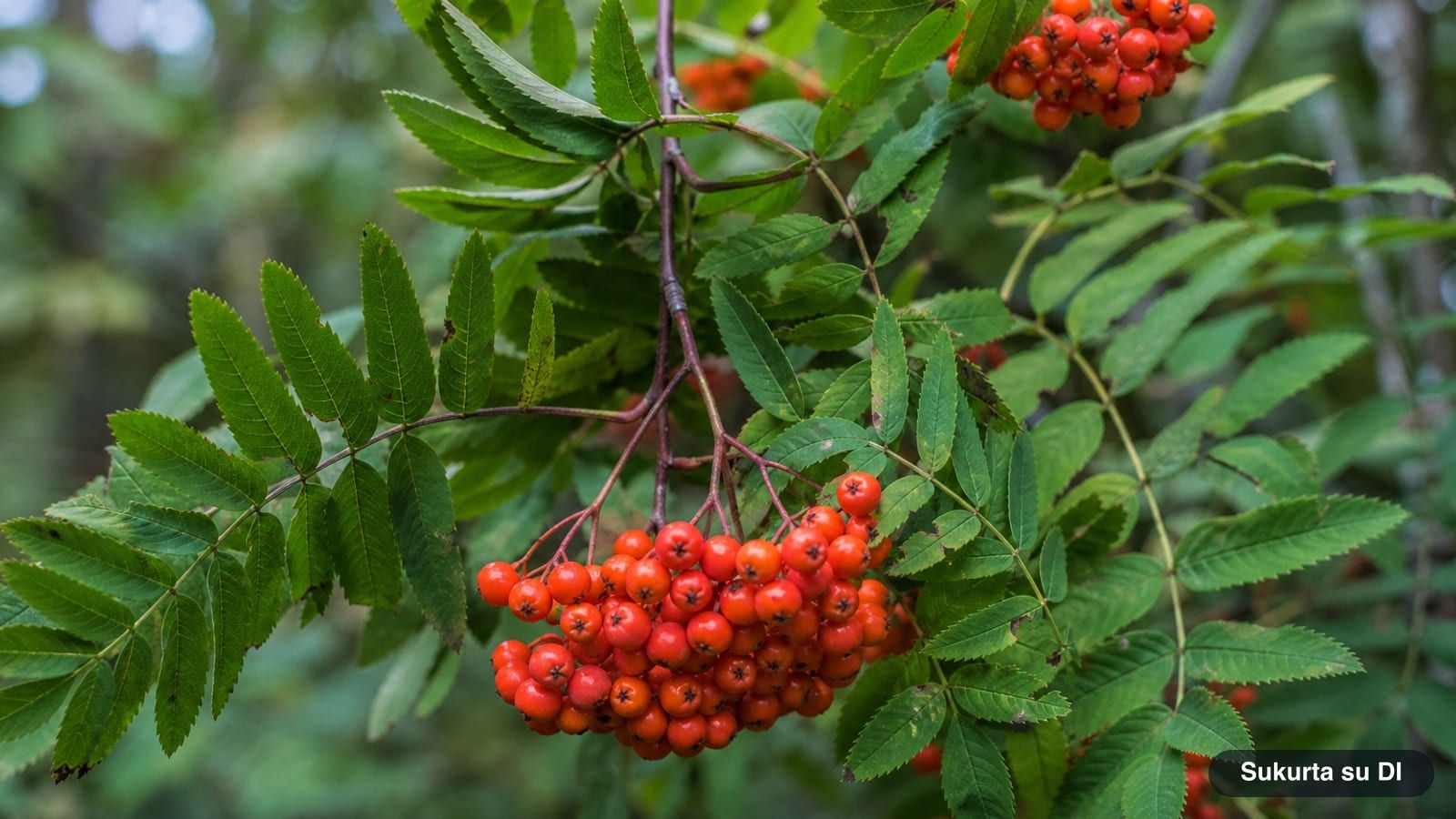
- Its pinnate leaves consist of 9 to 15 narrow, serrated leaflets arranged alternately on the stems.
- It blooms in late spring with flat clusters of white flowers; the berries ripen in early fall and hang on the tree into winter.
- Raw berries are bitter and can irritate the stomach, but freezing, cooking, or drying them neutralizes the bitterness.
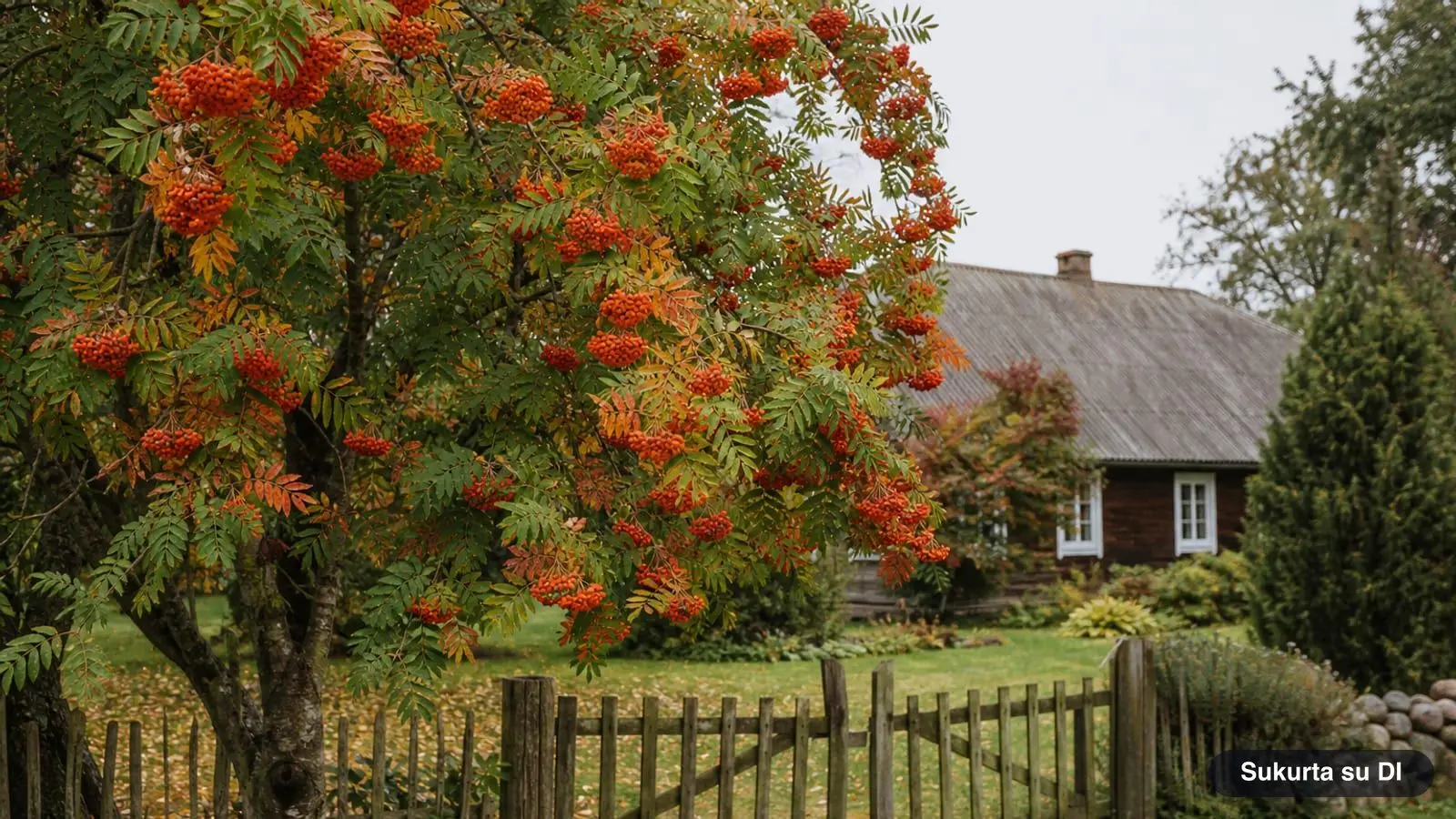
- In European folklore, the rowan was widely believed to ward off evil spirits and was traditionally planted near gates and doorways.
This article is part of the 77.today trees guide, prepared by the 77.today editors from the sources listed at the end.
The rowan (mountain ash) is a quintessential autumn tree: in early fall, its branches bend under the weight of heavy, orange-red berry clusters that hang on until winter, feeding thrushes and waxwings. Native to cool temperate regions across Europe and northern Asia, it grows in woodlands and near many old farmhouses, historically revered as a guardian of the home. In this part of the Tree Guide, we explore the rowan tree: its leaves, flowers, berries, bark, and buds, whether the berries are edible and how to prepare them, and what the rowan meant to our ancestors.
| Latin Name | Sorbus aucuparia |
|---|---|
| Family | Rose family (Rosaceae) |
| Group | Deciduous broadleaf, native to Europe and northern Asia |
| Height | Usually 26–33 ft (8–10 m), rarely 50–65 ft (15–20 m) |
| Lifespan | 60–100 years, rarely up to 200 |
| Blooms | Late spring to early summer |
| Fruits | Orange-red pomes, ripening in early fall, lasting into winter |
| Habitat | Woodlands, clearings, forest edges, homesteads, roadsides |
How to Identify the Rowan Tree
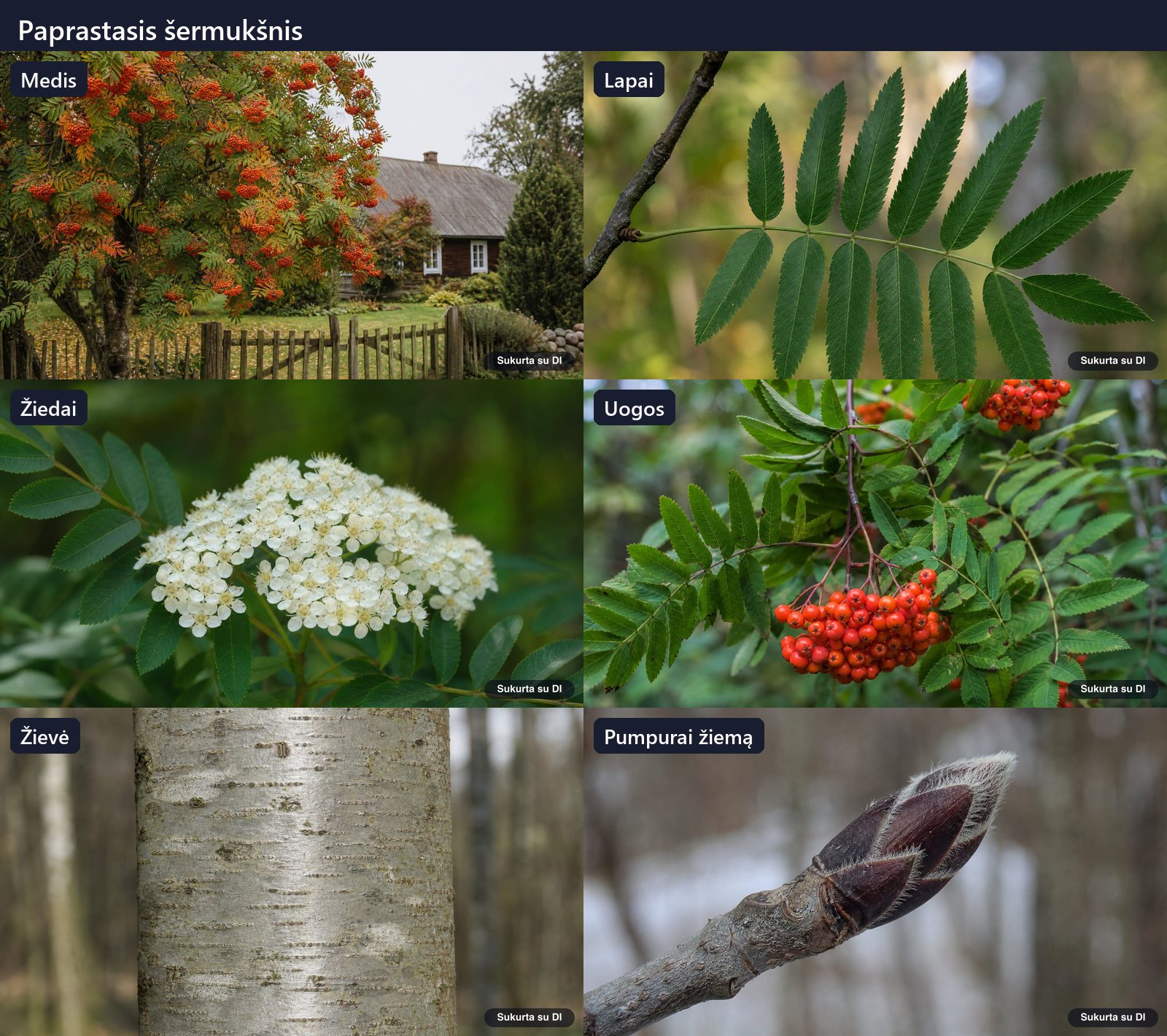
The rowan is a small tree with an initially oval, later spreading and somewhat open canopy. It grows quickly but rarely exceeds 33 feet (10 m) in height. Young rowans tolerate shade well, often growing in the forest understory, but become more light-demanding as they mature. It is highly resistant to cold and drought (hardy to USDA zones 3–7), preferring loose, nutrient-rich, moderately moist soils.
Leaves
Rowan leaves are compound, odd-pinnate, 6–8 inches (15–20 cm) long and about 4 inches (10 cm) wide. They consist of 9 to 15, sometimes up to 19, lanceolate, pointed, serrated leaflets with a single terminal leaflet at the tip. The upper side is dark green, while the underside is a bluish-gray and slightly hairy. Unlike the ash tree, rowan leaves grow alternately on the twig, not in opposite pairs. In autumn, the leaves turn yellow and reddish-orange before dropping relatively early.
Flowers
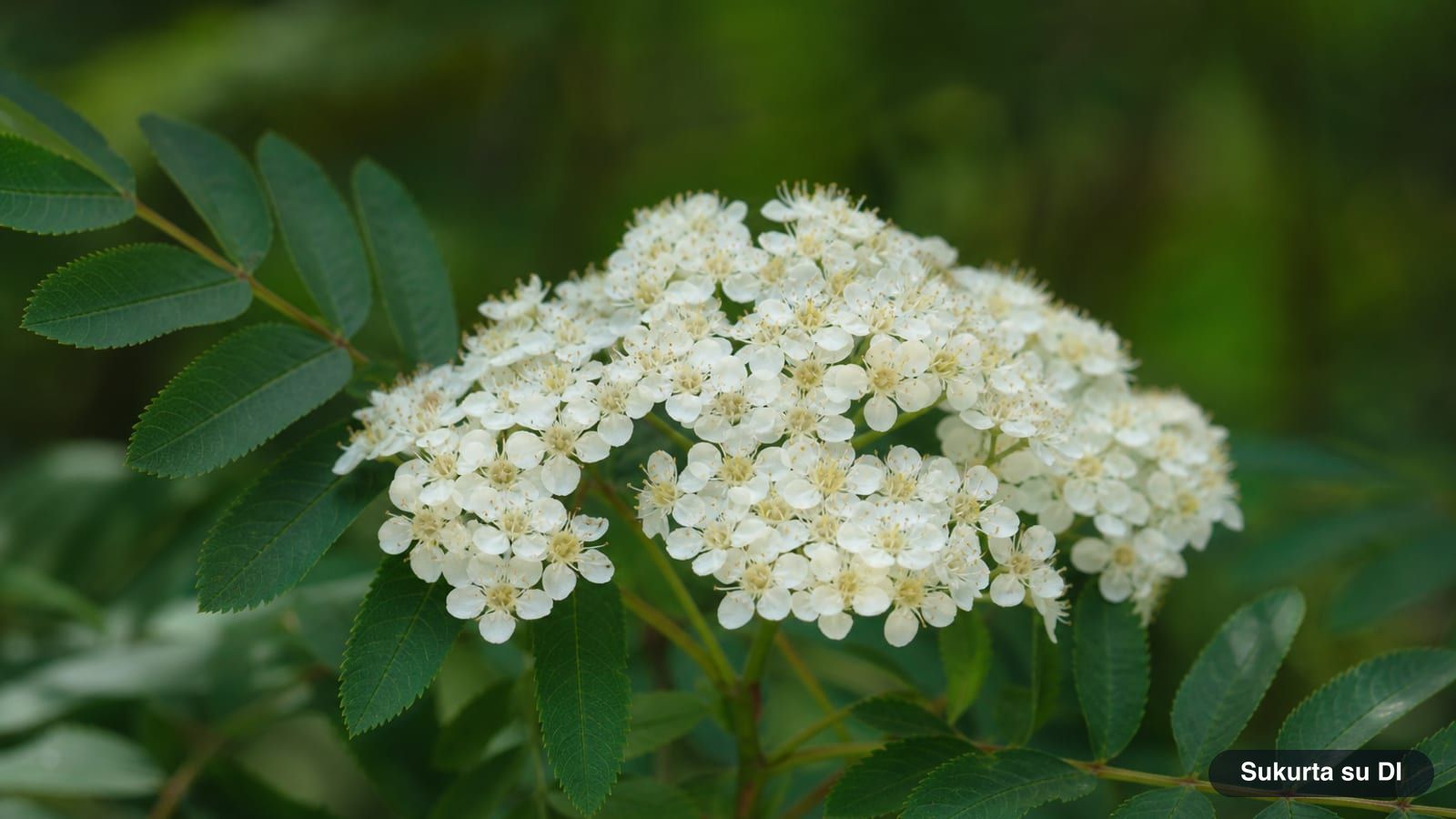
In late spring to early summer (typically May to June in the Northern Hemisphere), the rowan blooms with broad, 2–4 inch (5–10 cm) flat-topped clusters of numerous tiny, 0.3–0.6 inch (8–15 mm) white, five-petaled flowers featuring about 20 stamens. The flowers have a distinct, somewhat pungent scent that attracts insect pollinators. The flower stalks are covered in fine grayish hairs.
Berries
Botanically speaking, rowan "berries" are actually tiny pomes (like miniature apples)—about 0.3–0.4 inches (8–10 mm) in diameter. They are round, red, orange, or reddish-orange, juicy, and clustered tightly together. Inside, there are 3 to 5 reddish-brown, glossy seeds. The berries ripen in early fall and hang on the tree into winter, providing a crucial food source during the cold months for thrushes, waxwings, and bullfinches, which in turn disperse the seeds. Rowans begin to bear fruit at 10 to 12 years of age and produce crops annually.
Bark and Buds
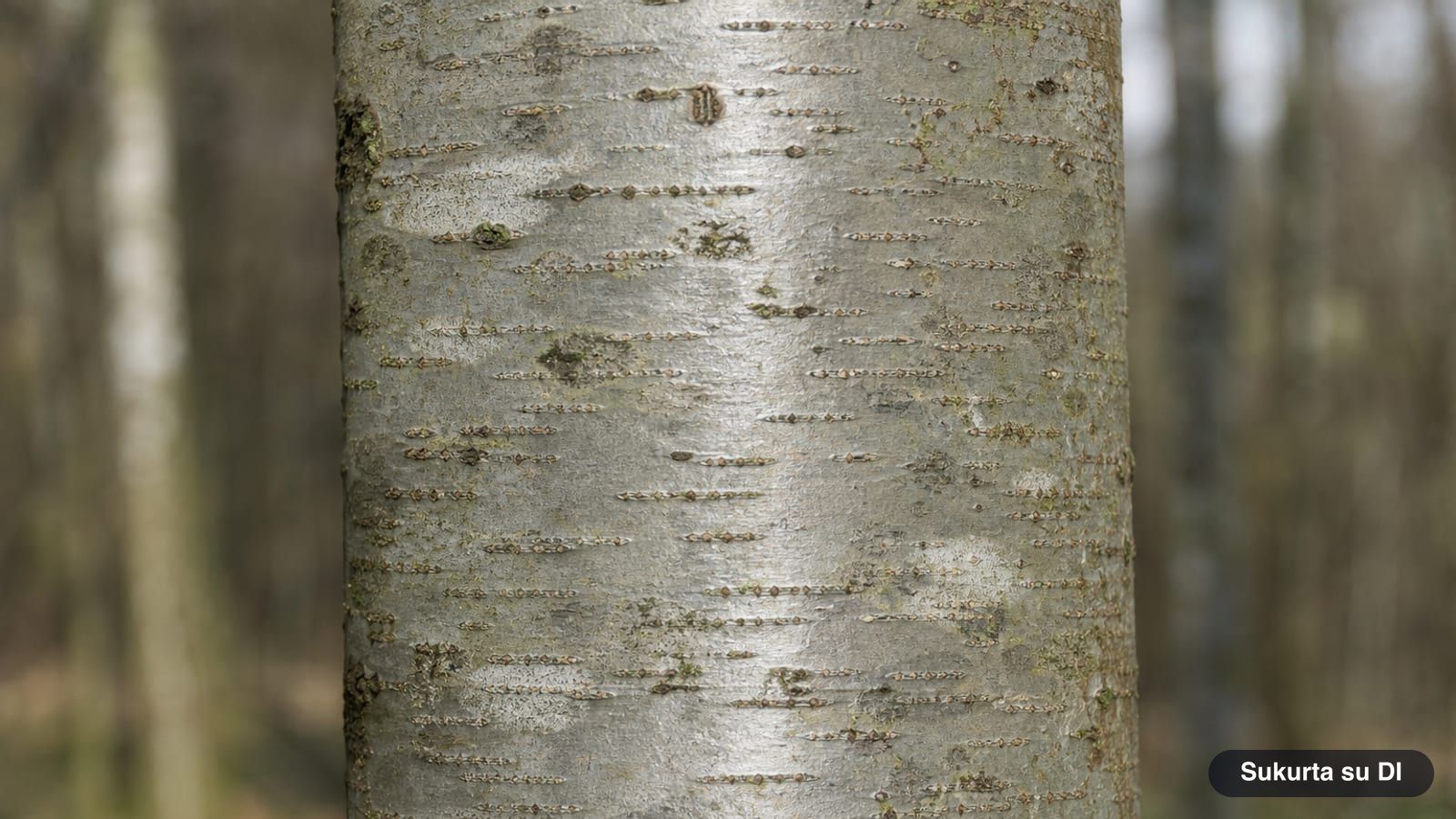
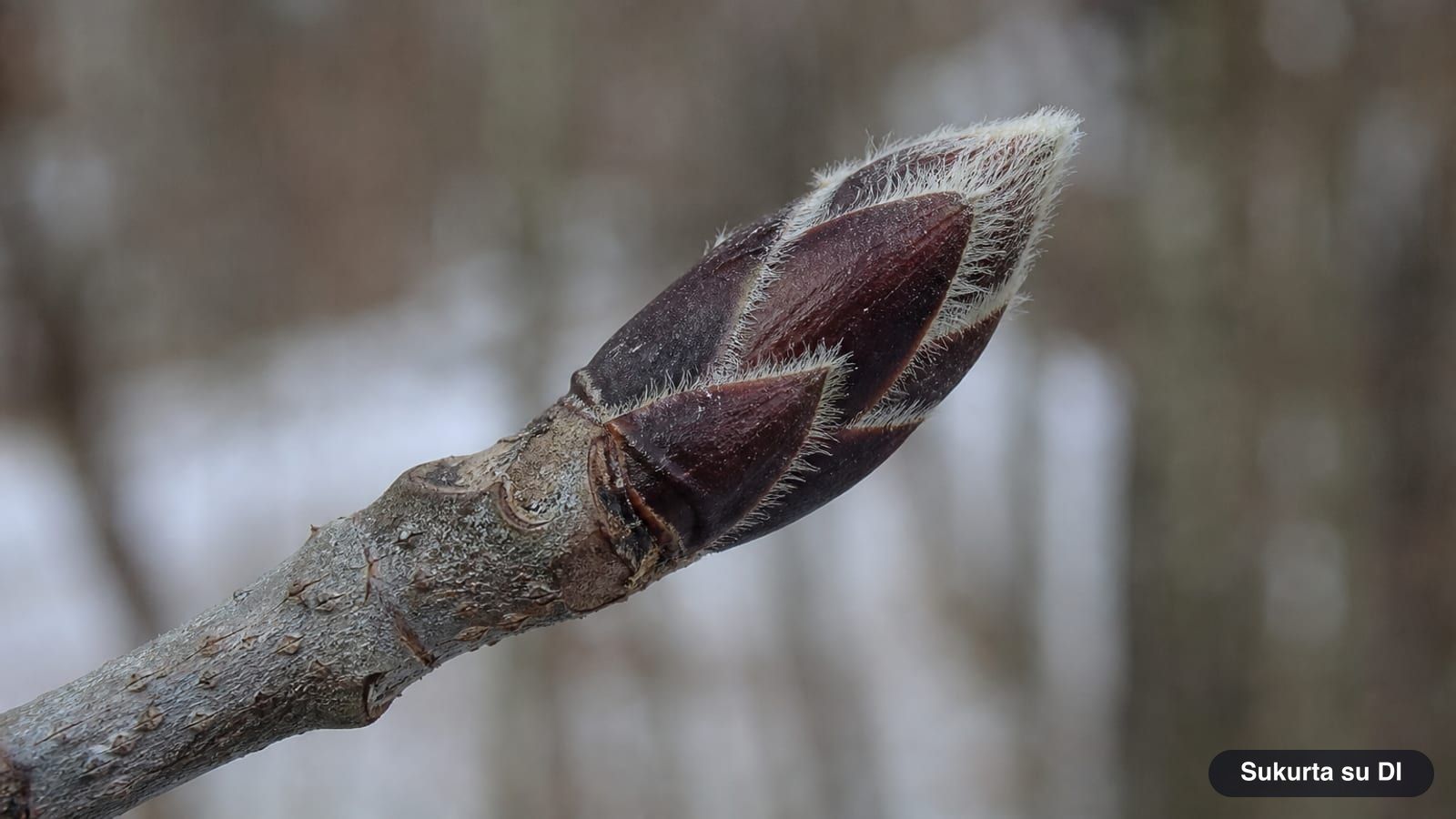
The bark of the rowan is smooth, gray, and shiny, marked with horizontal lenticels—somewhat resembling the bark of a young cherry tree or a birch without its peeling layers. Young shoots are fuzzy, later becoming thick, round, and reddish-brown with a grayish film. In winter, the rowan is easy to identify by its buds: they are large, about 0.4 inches (1 cm) long, conical, slightly curved, and dark purplish-brown, with the tips and scale edges densely covered in silvery hairs.
Are Rowan Berries Edible?
Yes, but not straight from the tree. Fresh berries contain parasorbic acid, which makes them bitter and can irritate the stomach lining, meaning raw berries are unpalatable and should not be eaten in large quantities. This bitterness is reduced when the berries are frozen, cooked, or dried, as the parasorbic acid breaks down into harmless sorbic acid. For this reason, many foragers wait to pick the berries until after the first autumn frost, or they place them in a freezer before use.
Once prepared, rowan berries are excellent for making jams, jellies, compotes, syrups, and savory sauces to accompany game meats. They can also be pressed for juice, and dried berries are often added to herbal teas. The berries contain natural sugars, organic acids, pectin, carotene, and a significant amount of vitamin C. Historically across rural Europe, rowan berries were a vital survival food during times of famine. While modern herbalists like Mannfried Pahlow have noted their slight toxicity when raw, they are perfectly safe when cooked, though it is still advised not to consume them in excessive amounts.
The Rowan Tree and Similar Plants
| Plant | Leaves | Berries | Notes |
|---|---|---|---|
| Rowan (Mountain Ash) | Pinnate, 9–15 leaflets | Orange-red | Native to Europe and northern Asia |
| Swedish Whitebeam (Sorbus intermedia) | Simple, lobed, gray and felt-like underneath | Red | Native to Scandinavia and the Baltic coasts; often planted as a street tree |
| Japanese Rowan (Sorbus commixta) | Pinnate, glossy, turning bright red in autumn | Red | Ornamental tree with popular garden varieties |
| Black Chokeberry (Aronia melanocarpa) | Simple, elliptical, glossy | Black | A North American shrub, sometimes confused with rowan due to regional naming conventions |
| Common Ash (Fraxinus excelsior) | Pinnate, but arranged in opposite pairs | No berries – produces winged seeds (samaras) | Buds are black |
The Rowan in European Folklore
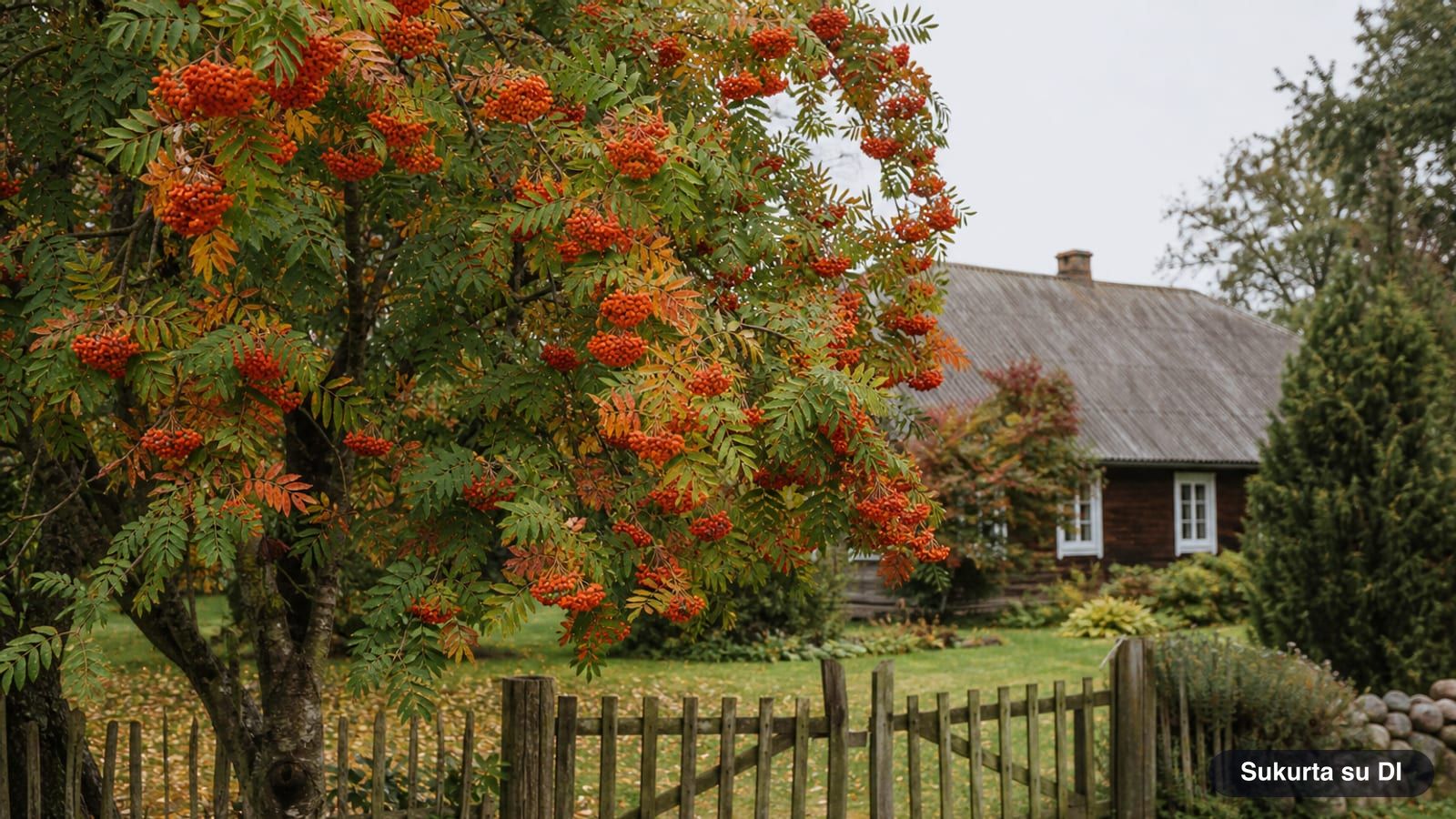
The rowan is one of the most mystical and revered trees in European folklore. In ancient Celtic, Norse, and Baltic traditions, it was strongly associated with the sun and considered a symbol of luck and fertility. It was widely believed that witches, evil spirits, and demons would flee from the rowan: carrying a walking stick made of rowan wood ensured safe travels, and a rowan tree growing in the yard protected the home from lightning and malevolent magic. Because of this, rowans were planted near almost every rural homestead, most often right by the front gate. Small bundles of rowan twigs were sometimes hung above beds or kept under them, trusted to ward off illness and dark spells. The protective power of the rowan has been celebrated in folk songs and legends across many neighboring cultures.
The Rowan: A Feast for Wildlife
The rowan is just as important to wildlife as it is to people. The berries remain on the branches into winter when other food sources are scarce, drawing large flocks of thrushes, waxwings, and bullfinches. In some years, these birds can strip a tree bare in just a few days. The birds swallow the berries whole and disperse the seeds far from the parent tree, which is why young rowans frequently sprout along forest edges, near fences, or under power lines where birds perch. In winter, moose, deer, and hares browse on the rowan's shoots and twigs, while in spring, its profusely blooming flowers provide nectar and pollen for countless insects. For these reasons, the rowan is considered one of the most valuable species for creating wildlife-friendly gardens and woodland edges.
The Rowan in the Garden
The rowan is an excellent tree for a small garden: it does not grow too large, offers beautiful spring blossoms, provides stunning autumn foliage and berries, and attracts winter birds. It thrives in full sun or partial shade in loose, moderately moist soil. Several popular varieties are grown in gardens worldwide:
- 'Fastigiata' – features a narrow, columnar canopy, perfect for tight spaces (often called the columnar rowan);
- 'Pendula' – a weeping variety with cascading branches;
- 'Fructu Luteo' – produces striking yellow berries;
- 'Dirkenii' – known for its golden-yellow young leaves;
- 'Nana' – a dense, shrub-like form with larger berries.
Rowan wood is hard and durable, making it well-suited for woodturning and crafting small tools, while its bark contains about 14% tannins. Rowans are also excellent for stabilizing roadside slopes and planting along the edges of parks. Occasionally, they may suffer from chlorosis, where the leaves turn yellow due to nutrient deficiencies in the soil. To learn more about other tree fruits and seeds, read our Tree Seeds and Fruits guide.
Frequently asked questions
Are rowan berries edible?
Yes, but not raw. Fresh berries contain parasorbic acid, which makes them bitter and irritates the stomach lining. Freezing, cooking, or drying breaks down this acid, making the berries safe for jams, jellies, syrups, and juices. Consuming large quantities is not recommended.
When should you pick rowan berries?
Berries ripen in early fall, but many foragers wait until after the first frost, which reduces their bitterness. You can replicate this by picking them earlier and placing them in a freezer for a few days.
How do you identify a rowan tree?
Look for alternate, pinnate leaves with 9 to 15 narrow, serrated leaflets, flat clusters of white flowers in spring, and bunches of orange-red berries in fall. In winter, it can be identified by its large, dark purple buds covered in silvery hairs.
What is the difference between rowan and black chokeberry?
The plant sometimes mistakenly called "black rowan" in certain regions is actually the black chokeberry (Aronia melanocarpa), a North American shrub. It has simple, glossy leaves and black berries, unlike the true rowan tree.
How long does a rowan tree live?
Typically 60 to 100 years, occasionally up to 120, and rarely up to 200 years. They begin bearing fruit at 10 to 12 years of age and produce crops annually.
Why are rowan trees planted near gates?
In many European traditions, the rowan was considered a protective tree that warded off witches, evil spirits, and lightning. Because of this, it was traditionally planted near homes, most often right by the front gate.
Log in to comment
No comments yet. Be the first.