Norway Maple Tree: Leaves, Flowers, Seeds & Identification
- The Norway maple (Acer platanoides) is a widespread deciduous tree native to eastern and central Europe and western Asia.
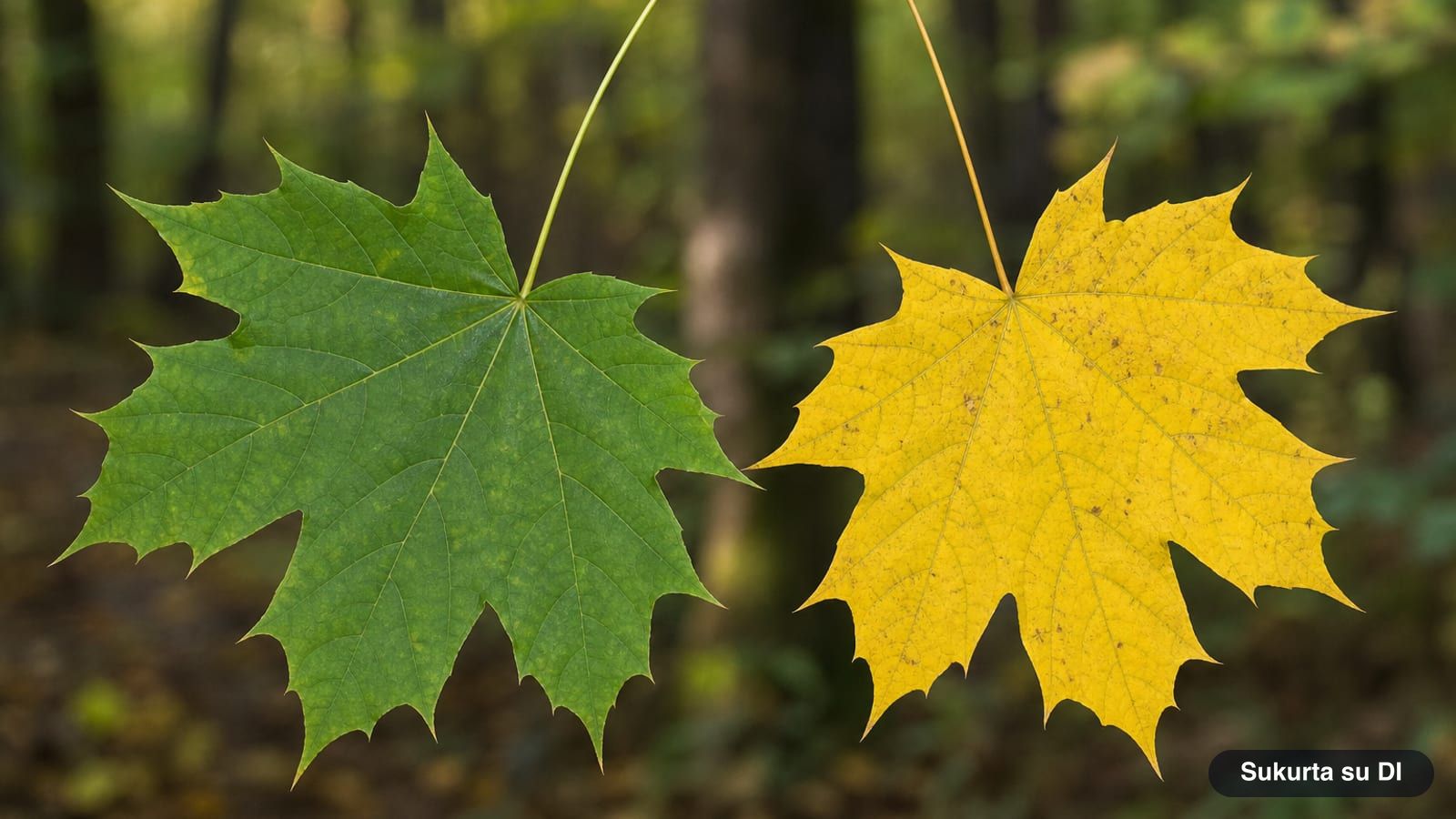
- Its large leaves feature 5 to 7 pointed lobes; breaking the leaf stalk reveals a distinct milky white sap.
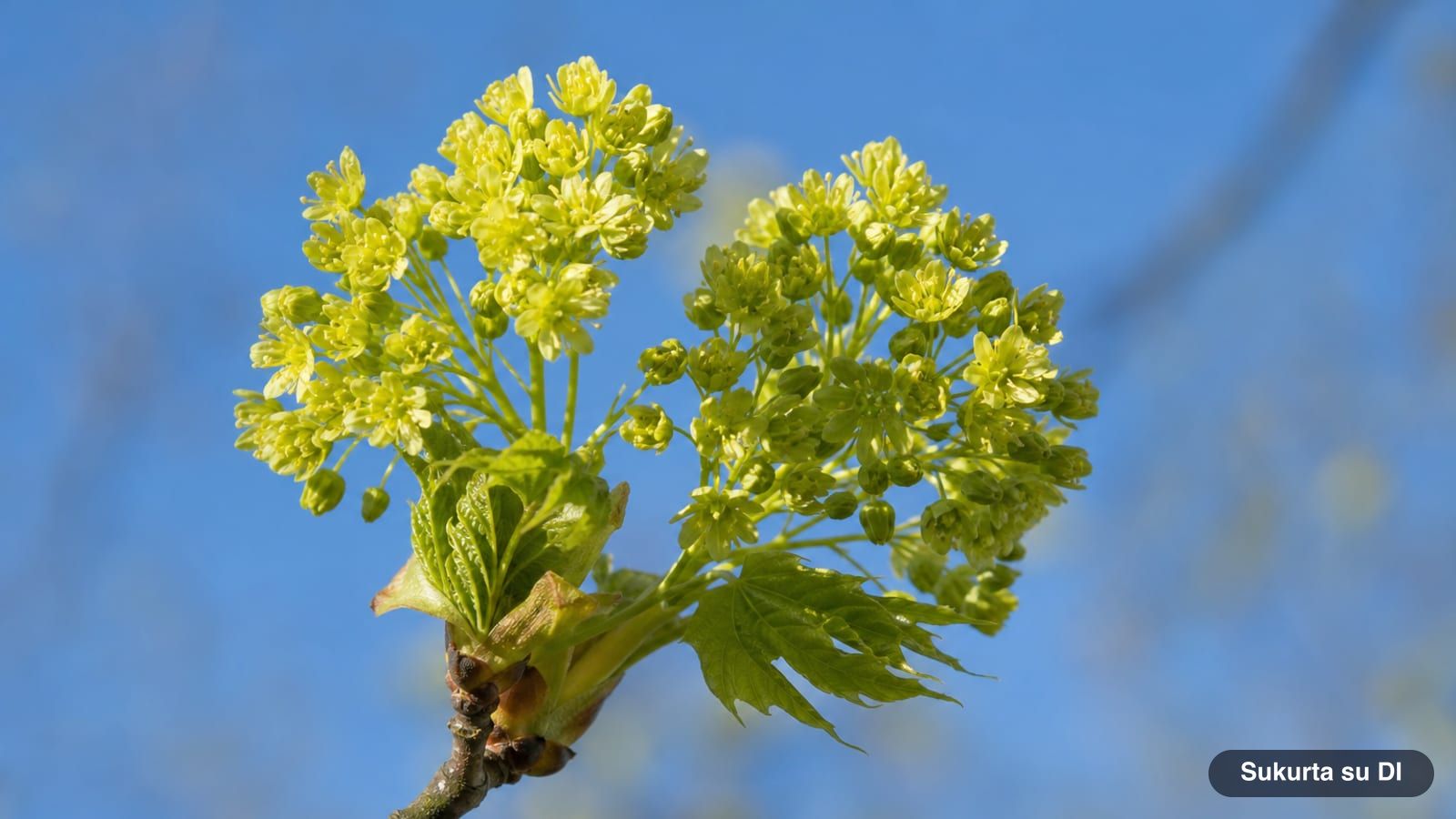
- It blooms in early to mid-spring, just as leaves unfold, producing clusters of yellowish-green, honey-scented flowers.
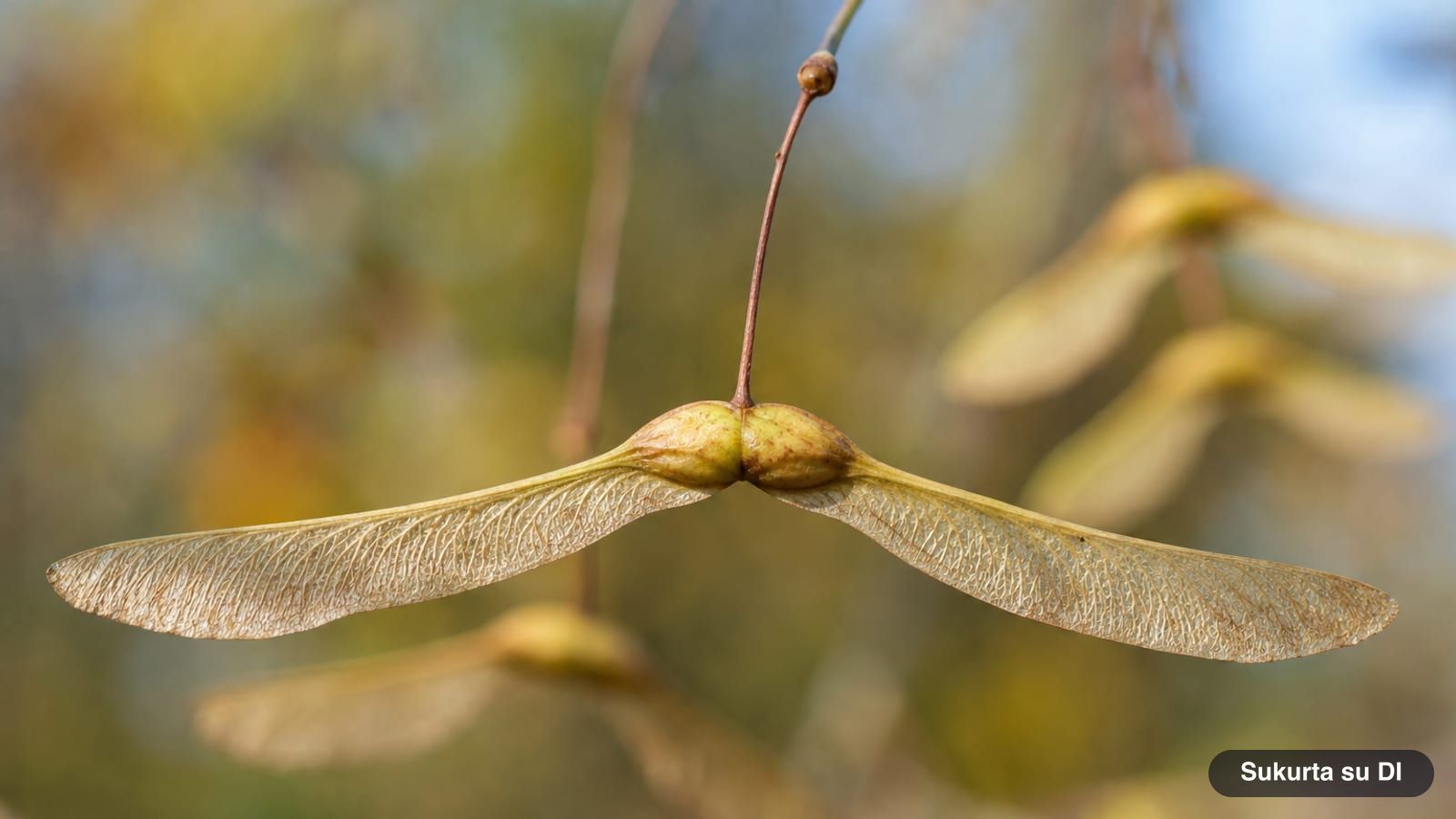
- The fruit is a double winged seed (samara) with wings spread in an almost straight line, ripening in early to mid-autumn.
- The box elder (Acer negundo) is considered an invasive species in many regions outside its native range, where removal is often recommended over planting.
This article is part of the 77.today trees guide, prepared by the 77.today editors from the sources listed at the end.
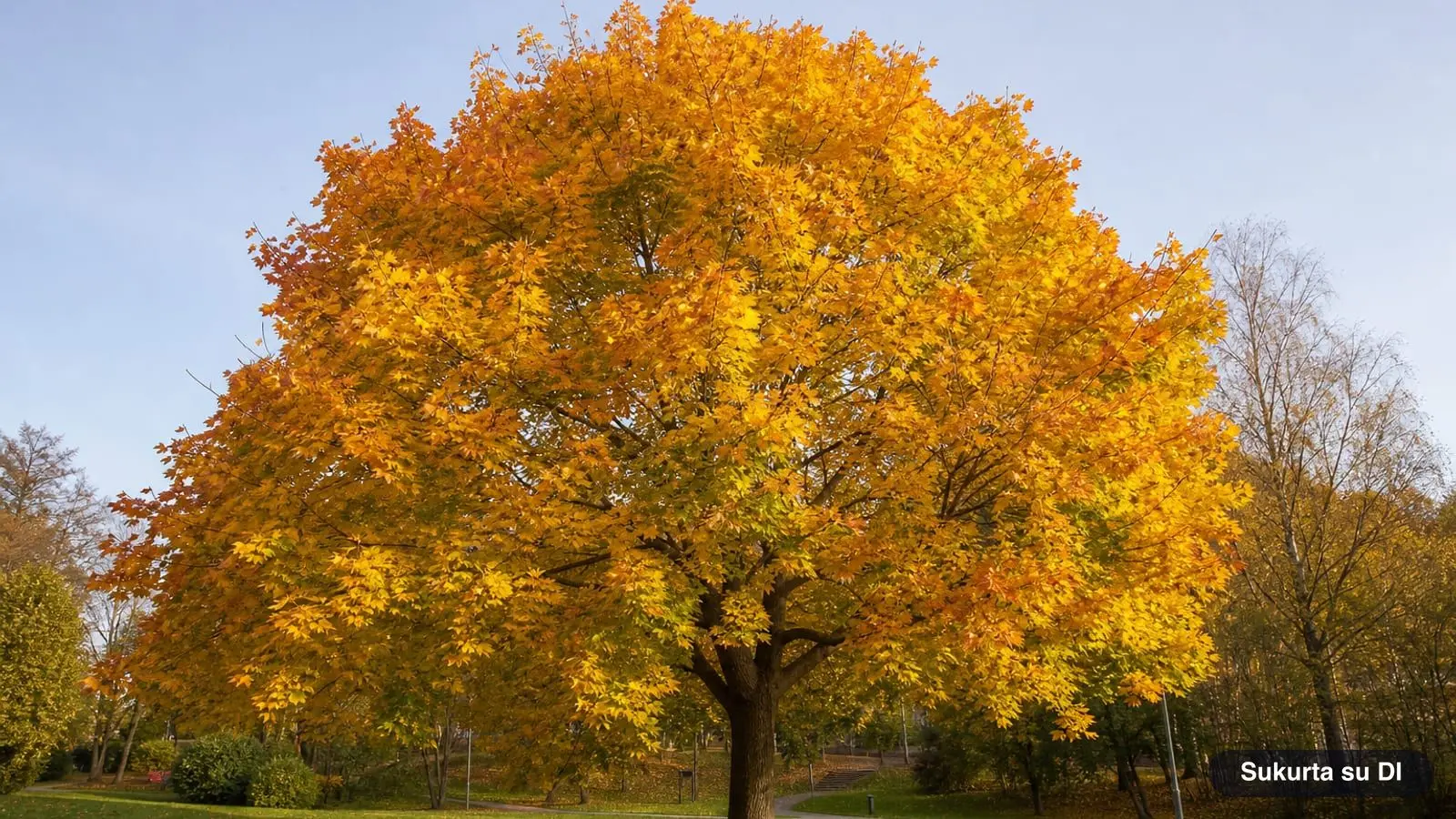
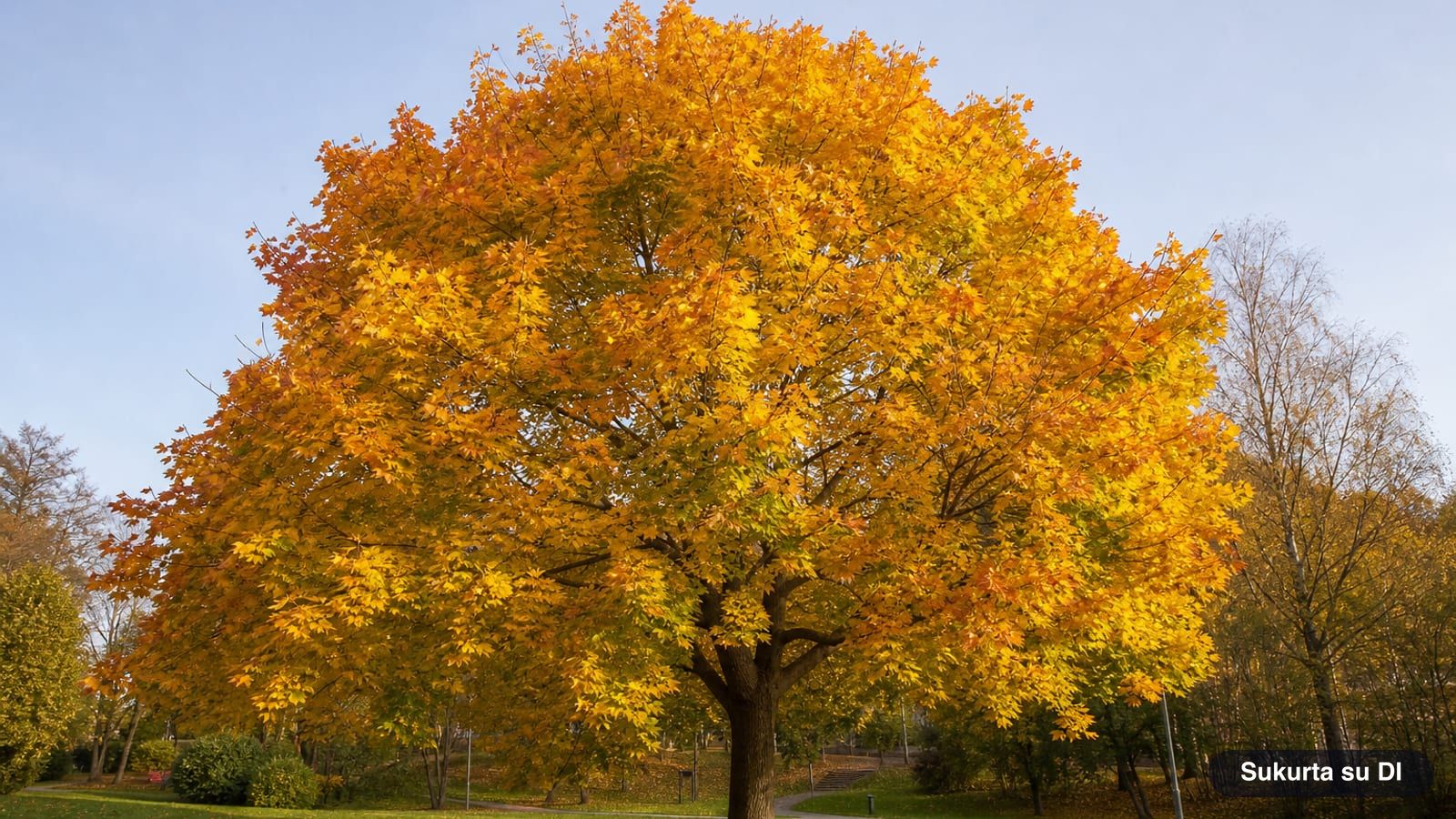
The maple is a quintessential autumn tree: by mid-autumn, its canopy turns such brilliant shades of yellow and orange that it commands attention in parks and along streets. Children often call the winged seeds "helicopters" and stick them on their noses. In this part of the Tree Guide, we explore the Norway maple (Acer platanoides): what its leaves, flowers, fruits, bark, and buds look like, and how to distinguish it from other commonly planted maples, including the invasive box elder.
| Latin name | Acer platanoides |
|---|---|
| Family | Sapindaceae (Soapberry family), formerly Aceraceae (Maple family) |
| Group | Deciduous broadleaf, native to Europe and western Asia |
| Height | 65–100 ft (20–30 m), occasionally up to 125 ft (38 m) |
| Lifespan | 150–250 years |
| Blooms | Early to mid-spring, before or as leaves unfold |
| Fruits | Paired winged seeds (samaras), ripening in early to mid-autumn |
| Habitat | Mixed deciduous and coniferous forests, parks, streets |
How to Identify the Norway Maple
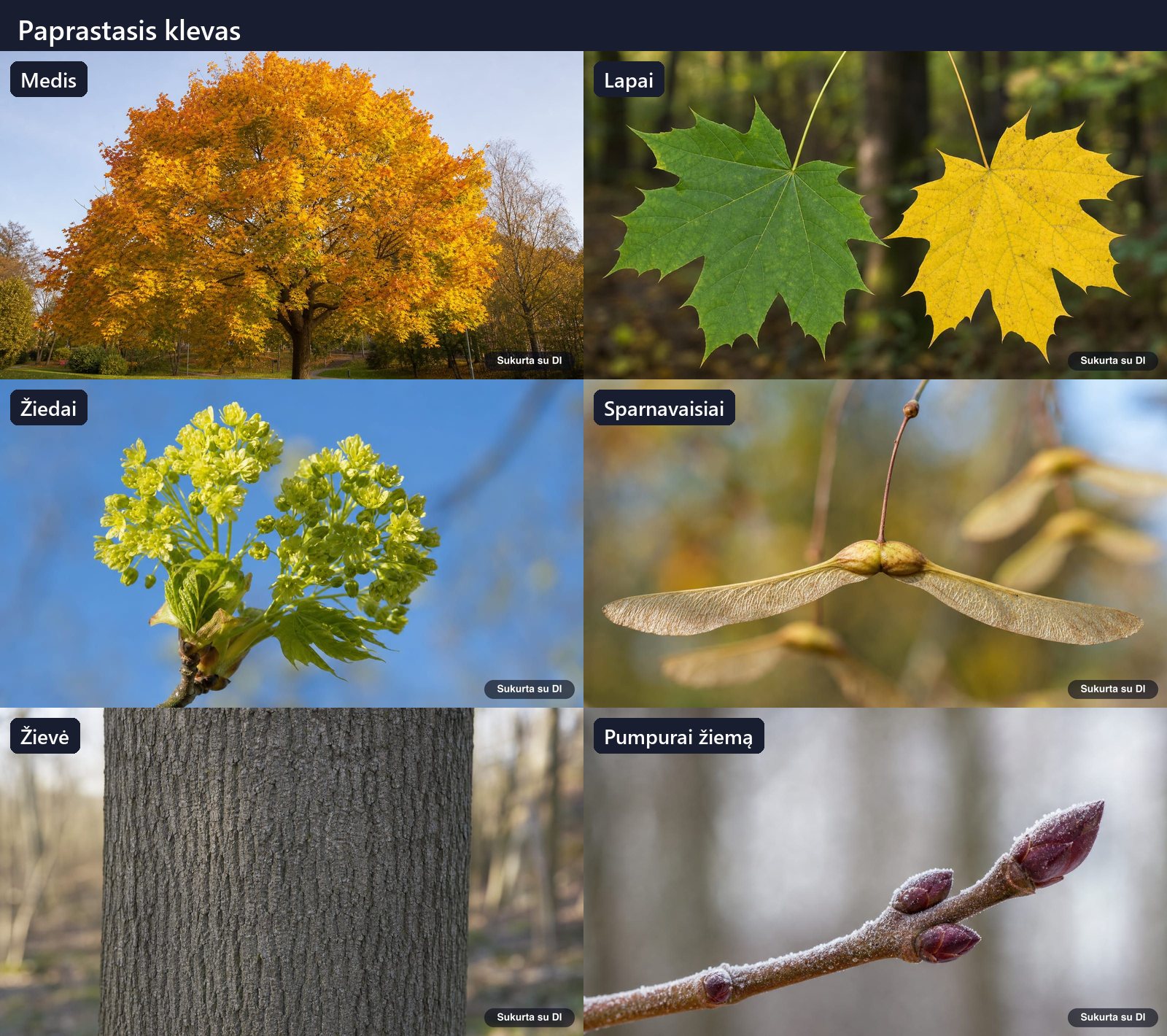
The Norway maple grows into a large tree with a dense, broadly oval or hemispherical canopy and a straight trunk. In its native forest habitats, it rarely forms pure stands, instead growing singly or in small groups among spruce, oak, ash, and linden trees. All maples share one key characteristic worth remembering: their leaves, buds, and twigs are arranged in an opposite pattern—in pairs facing each other. Among common broadleaf trees, ash and horse chestnut also share this trait, but their leaves are compound, making them hard to confuse with maples.
Leaves
The leaves are large, 2 to 7 inches (5–18 cm) long and roughly as wide, with a heart-shaped base and 5 to 7 lobes. Each lobe ends in several long, pointed, almost stretched-out teeth, while the spaces (sinuses) between the lobes are rounded. The upper surface is dark green and glossy, while the underside is lighter. The leaf stalk (petiole) is long, and if you break it, a drop of white milky sap will ooze out—this is the easiest way to tell a Norway maple from a sycamore maple. In autumn, the leaves turn vibrant yellow, orange, or reddish.
Flowers
The Norway maple blooms early in the spring—often in April in cool temperate climates—just as the leaves are beginning to unfold, giving the flowering canopy a yellowish-green hue. The flowers are small, yellowish-green, five-petaled, and honey-scented, clustered together in upright, umbrella-like inflorescences. The blooming period lasts about two weeks. Pollinated by bees and other insects, the maple is considered an excellent nectar-producing plant, providing a crucial food source early in the season.
Winged Seeds (Samaras)
The maple fruit is a double-seeded samara: two flat seeds, each with a long, veined wing, fused together in pairs. Norway maple samaras are 1.5 to 2.5 inches (4–6 cm) long and yellowish-brown, with the wings spread wide at about a 130–140° angle—forming an almost straight line. The fruits ripen in early to mid-autumn and soon begin to fall, spinning gracefully in the air. Maples growing in open areas begin to produce seed between 15 and 30 years of age. The seeds are a favorite food for birds like crossbills.
Bark and Buds
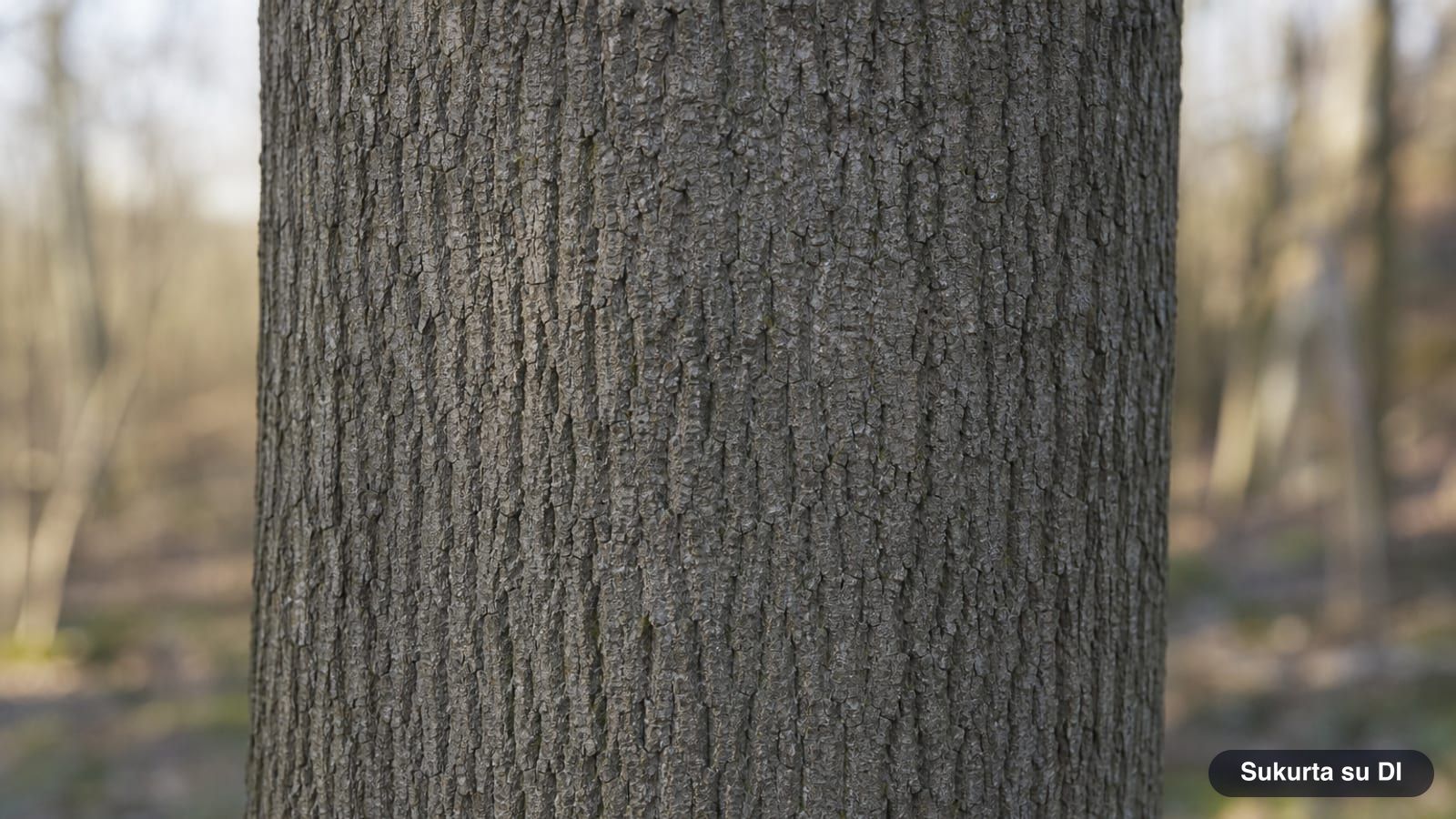
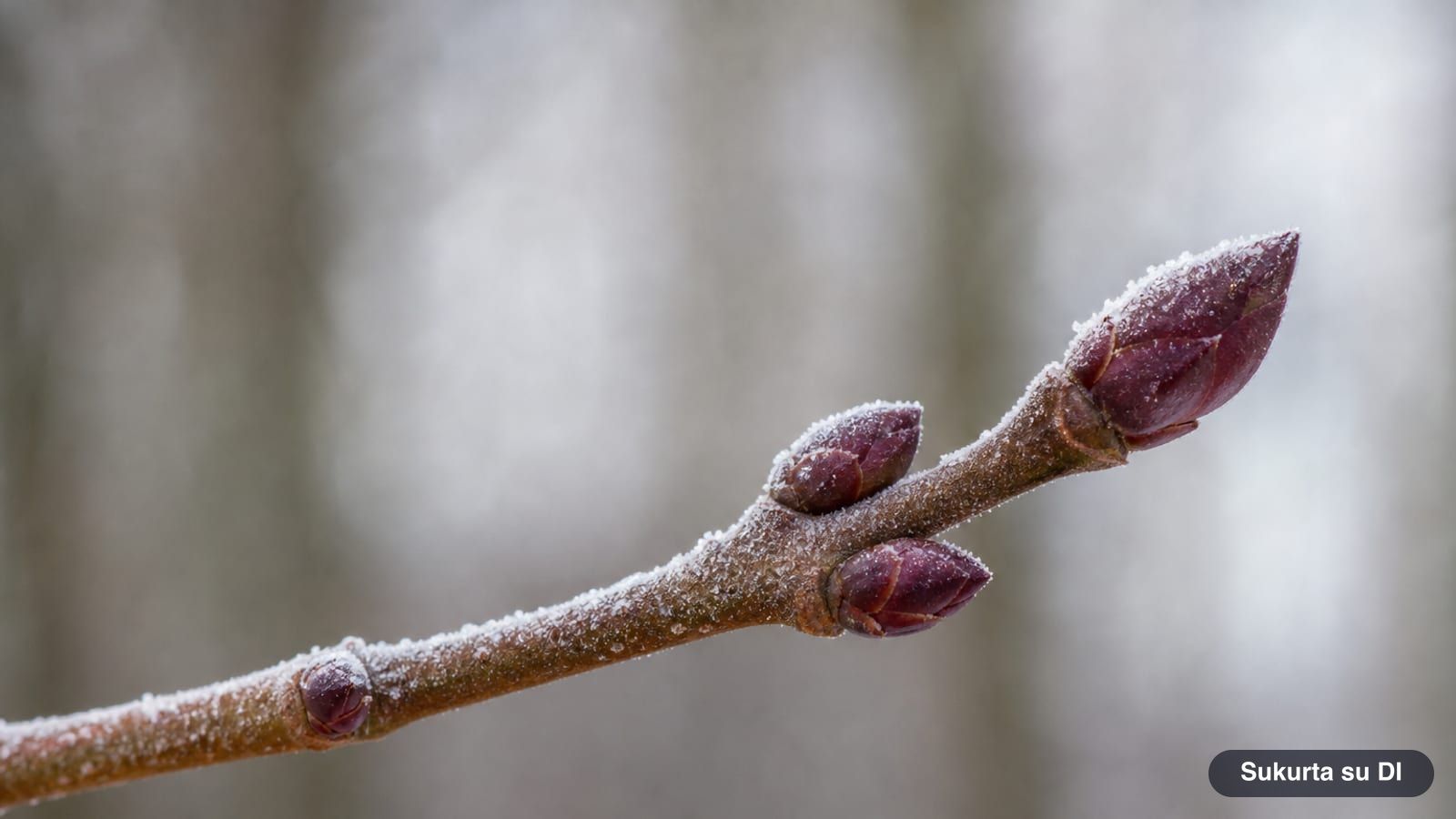
The bark of young maples is smooth and light brownish, while on older trees it becomes dark gray or slightly brownish, finely and neatly fissured with narrow longitudinal grooves, but it does not peel off in plates (unlike the sycamore maple, whose bark flakes with age). The buds are reddish-purple or dark brown and glossy. The lateral buds sit close to the twig and grow in pairs, while the terminal (tip) bud is twice as large and slightly ridged.
Other Common Maples: How to Tell Them Apart
There are about 150 species of maples worldwide. While the Norway maple is native to much of Europe, many other species are frequently planted in parks, streets, and gardens globally. Some species, like the sycamore maple and field maple, have expansive native ranges across Europe and western Asia, and are adapting to shifting climate zones.
| Maple Species | Leaves | Flowers and Fruits | Note |
|---|---|---|---|
| Norway maple (A. platanoides) | 5–7 lobes with long pointed teeth, milky sap | Upright yellowish clusters; wings in an almost straight line | Widespread native in Europe |
| Sycamore maple (A. pseudoplatanus) | 4–10 inches (10–25 cm), blunter unevenly toothed lobes, clear sap | Hanging 4–8 inch (10–20 cm) clusters; wings at a sharper angle | Widely introduced, spreads naturally |
| Silver maple (A. saccharinum) | Deeply lobed, silvery-white underneath | Reddish flowers in early spring; fruits drop by early summer | Native to North America |
| Field maple (A. campestre) | Small, with 5 blunt lobes | Wings spread horizontally | Small tree, up to 50 ft (15 m) |
| Box elder / Ash-leaved maple (A. negundo) | Compound, with 3–5 (rarely 7) leaflets | Dioecious; long clusters of samaras persist through winter | Invasive in many regions outside North America |
Sycamore maple wood is highly valued—it is used to make violin bodies, other musical instruments, and parquet flooring. It is resistant to wind, salt, and pollution, making it a popular roadside tree, though its aggressive self-seeding has led some regions to classify it as invasive. The silver maple grows very rapidly, but its wood is brittle and of lower quality, making its branches prone to breaking in strong winds. Due to its rapid growth, it can quickly become a massive shade tree, but requires ample space away from structures. The box elder (ash-leaved maple) is listed as an invasive species in many parts of Europe and elsewhere outside its native North American range: it quickly takes over riverbanks, forest edges, and abandoned lots. Planting it is generally discouraged, and environmental authorities often recommend removing wild saplings.
Maple Wood, Sap, and Syrup
Norway maple wood is yellowish, hard, flexible, glossy, and features a beautiful grain—it is used for furniture, plywood, parquet, musical instruments, tool handles, and carving. As winter thaws, sweet sap begins to flow from maples; this flow stops a few weeks before the leaves unfurl. Norway maple sap contains about 2.5–4% sugar, and boiling it down produces syrup and even maple sugar. In Canada and the United States, commercial syrup is primarily boiled from the sap of the sugar maple (Acer saccharum), which has a higher sugar content—it is the sugar maple leaf that is famously depicted on the Canadian flag.
Why Are Maple Leaves So Bright in Autumn?
In summer, leaves are green due to chlorophyll. In autumn, as days shorten, the tree breaks down the chlorophyll to recover valuable nutrients, revealing the yellow and orange carotenoids that were present in the leaves all along. Red hues are caused by anthocyanins, which are actively produced in autumn, especially during sunny days and cool nights. This is why a clear, dry autumn produces more vibrant colors than a rainy one. For more on leaf colors and identification, visit the Tree Leaf Identification guide.
Maples in the Garden and the City
The Norway maple thrives in loose, fertile, well-drained loam and sandy loam soils, tolerating partial shade and urban conditions well. It is suitable for avenues, street planting, and stabilizing slopes. In gardens, ornamental cultivars are popular, offering features like a spherical canopy or red and variegated leaves. Because the maple develops a dense canopy and a broad, shallow root system, grass struggles to grow beneath it. For smaller yards, smaller maple species are often a better fit—such as the Amur maple (Acer tataricum subsp. ginnala), Tatarian maple (Acer tataricum), or Japanese maples (Acer palmatum), which are increasingly cultivated in temperate gardens worldwide.
Frequently asked questions
How do you identify a Norway maple?
Look for large leaves up to 7 inches (18 cm) across with 5 to 7 lobes, each ending in long, pointed teeth. A key identifier is the milky white sap that oozes when you break a leaf stalk. Leaves and buds are arranged in opposite pairs along the stems, and the foliage turns striking yellow or orange in autumn.
When do maple trees bloom?
The Norway maple typically blooms in early to mid-spring, just as the leaves begin to unfurl, with the flowering period lasting about two weeks. The yellowish-green flower clusters are honey-scented and insect-pollinated, making the tree an excellent early nectar source for bees.
When do maple seeds fall?
Maple fruits—paired winged seeds called samaras—ripen in early to mid-autumn (September to October in the Northern Hemisphere) and soon begin to drop. As they fall, they spin like helicopter blades, allowing the wind to carry them considerable distances.
What is the difference between a Norway maple and a sycamore maple?
The sycamore maple (Acer pseudoplatanus) has blunter, unevenly toothed leaf lobes, clear (not milky) sap in the leaf stalk, flowers that hang in long clusters, and seed wings that form a sharp V-angle. The Norway maple has sharply pointed lobes, milky sap, upright flower clusters, and seed wings spread almost straight across.
Why is the box elder (Ash-leaved maple) considered invasive in some areas?
Native to North America, the box elder (Acer negundo) spreads very aggressively along riverbanks, forest edges, and disturbed sites when introduced to other continents, often outcompeting native plants. In these regions, it is frequently listed as an invasive species, and environmental agencies recommend removing wild saplings rather than planting new ones.
Can you tap maple trees for sap?
Yes, Norway maple sap is sweet and begins to flow early in the year—often as snow melts—even before birch sap. It can be boiled down into syrup, though its sugar content is lower than that of the North American sugar maple. Always check local regulations or land ownership rules before tapping trees in wild or public forests.
Log in to comment
No comments yet. Be the first.