Poplar Trees: Black, White, Balsam & Lombardy Identification
- The Populus genus contains about 110 species, including widely distributed native poplars and aspens across the Northern Hemisphere.
- White, balsam, Canadian, and Lombardy poplars are frequently planted in avenues, parks, and along roadsides for quick shade and windbreaks.
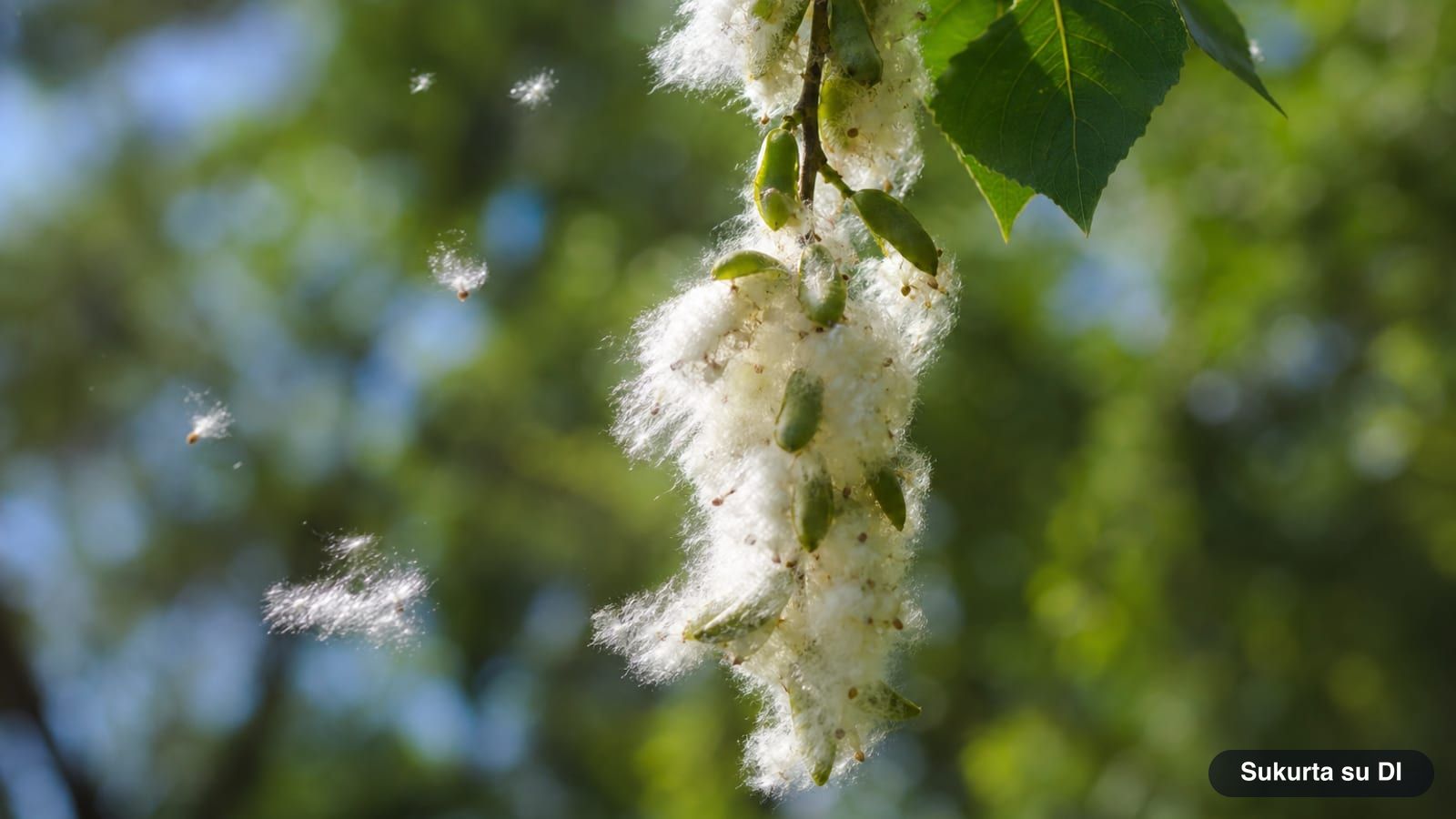
- Poplars are dioecious: male and female catkins grow on separate trees, meaning only the female trees produce and shed the cotton-like fluff.
- These trees bloom in early spring before their leaves emerge, while the fluffy seeds take flight in late spring or early summer.
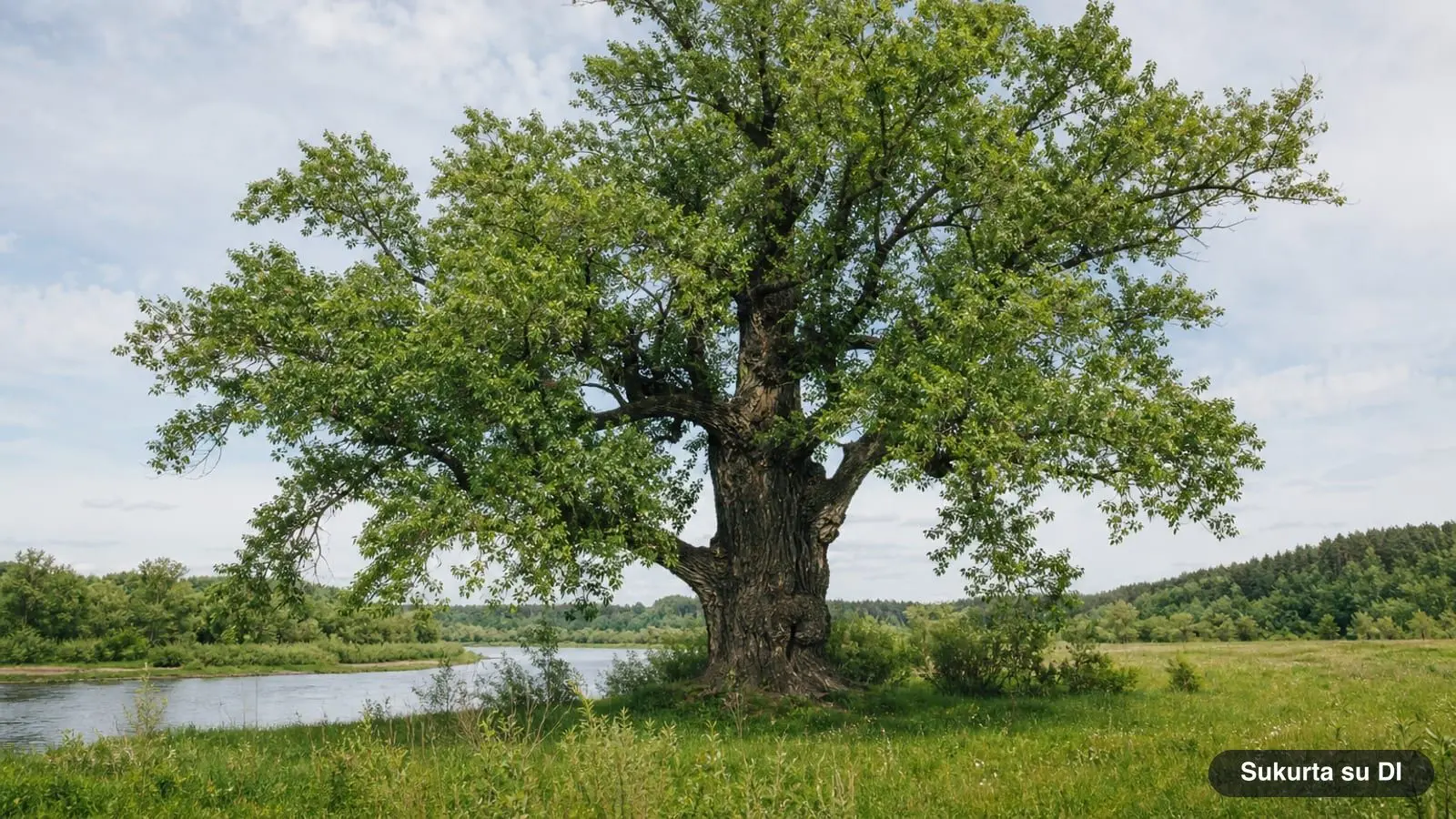
- Some of the largest white poplars can reach heights of over 130 feet (40 m) with massive trunk circumferences exceeding 21.5 feet (6.5 m).
This article is part of the 77.today trees guide, prepared by the 77.today editors from the sources listed at the end.
Almost everyone recognizes poplars—usually in early summer when white fluff drifts through streets, yards, and open windows like snow. However, the poplar is not just a single species but a large genus. It includes the native black poplar, the silver-leaved white poplar, the balsam poplar famous for its fragrant buds, and the candle-like Lombardy poplars lining historic estate avenues. In the poplar section of our tree guide, we explain how to tell these species apart, why only some trees produce fluff, and where these magnificent trees thrive. The closely related aspen has its own dedicated aspen profile.
| Latin name | Populus (genus), black poplar – Populus nigra |
|---|---|
| Family | Willow family (Salicaceae), same as willows |
| Species | About 110, plus many hybrids and cultivars |
| Native range | Native across the Northern Hemisphere |
| Height | Usually 65–100 ft (20–30 m), some up to 130 ft (40 m) or more |
| Blooms | Early spring, before leaves emerge; dioecious |
| Seeds | Fluffy, released in late spring to early summer |
| Wood | Light, soft—used for cellulose, matches, and packaging |
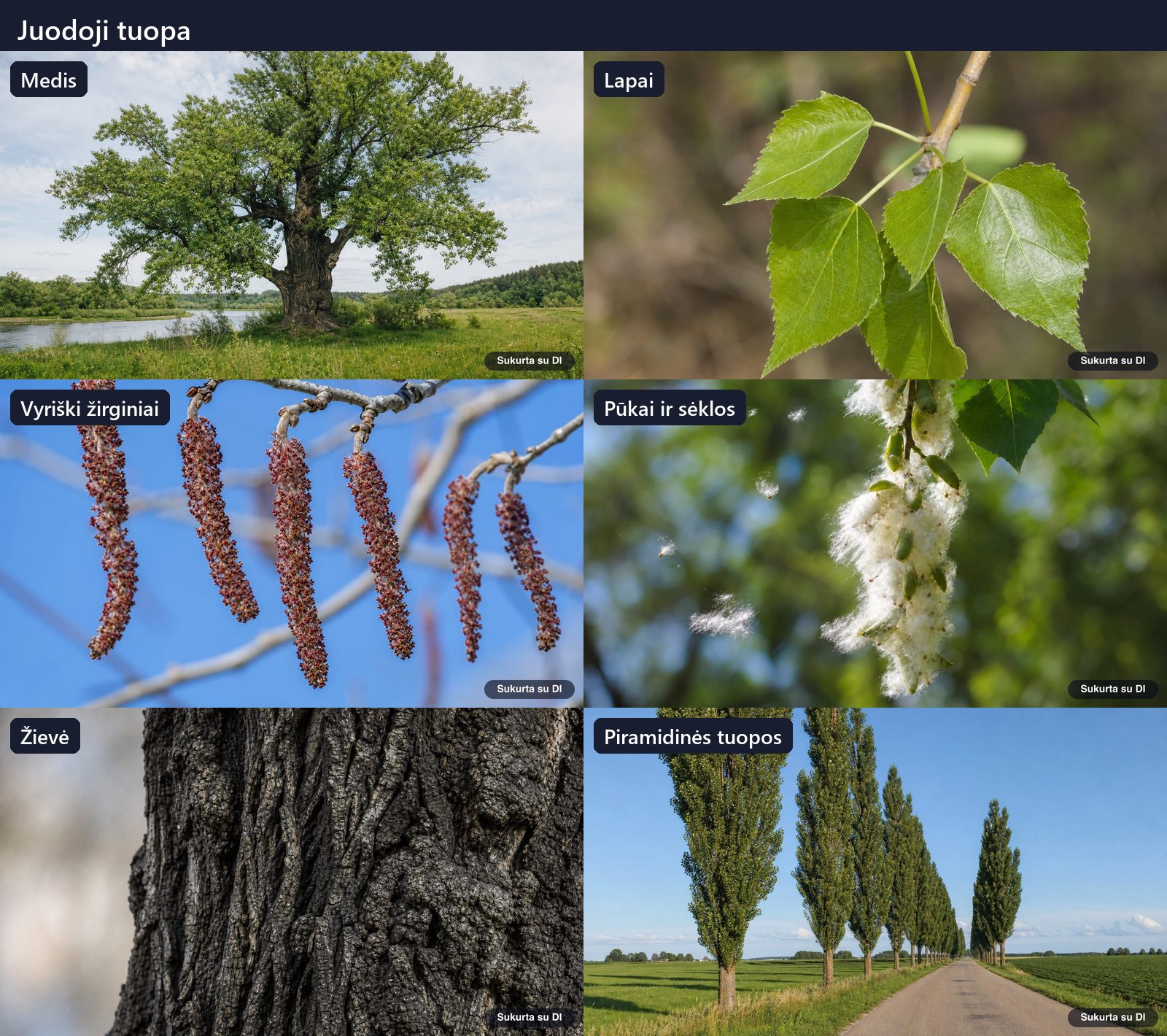
How to Identify a Poplar
Poplars are large, fast-growing deciduous trees that love light and moisture. In nature, they grow in river valleys and floodplains, where they can withstand prolonged flooding. People often plant them where quick shade or a windbreak is needed: along roadsides, around farms and homesteads, in industrial areas, and in city courtyards. All poplar flowers are clustered in hanging catkins, and the fruit is a multi-seeded capsule that releases fluffy seeds in late spring.
Leaves
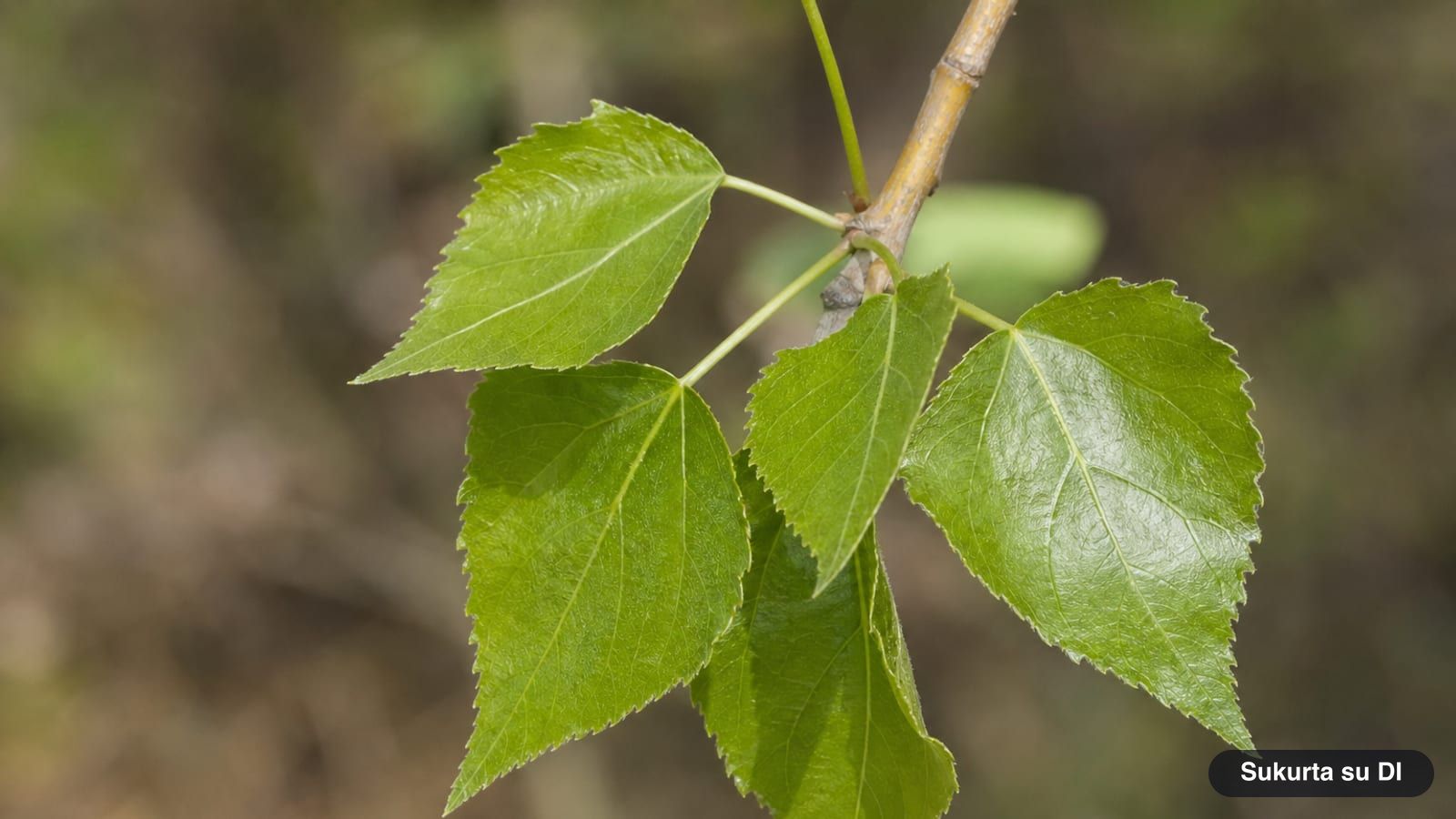
Poplar leaves are alternate and sit on long stalks, causing them to rustle and tremble in the wind. Black poplar leaves are shiny, bright green, triangular or diamond-shaped, 2–3 inches (5–8 cm) long, with a long tapering point and finely toothed edges; the leaf stalk is flattened. Young leaves are sticky and fragrant. The underside of white poplar leaves is white and densely covered in felt-like hairs, while the leaves on long shoots are lobed, somewhat resembling a maple leaf. Balsam poplar leaves are leathery, egg-shaped, 2–4.5 inches (5–12 cm) long, dark green on top, grayish underneath with brownish spots, and highly fragrant.
Flowers
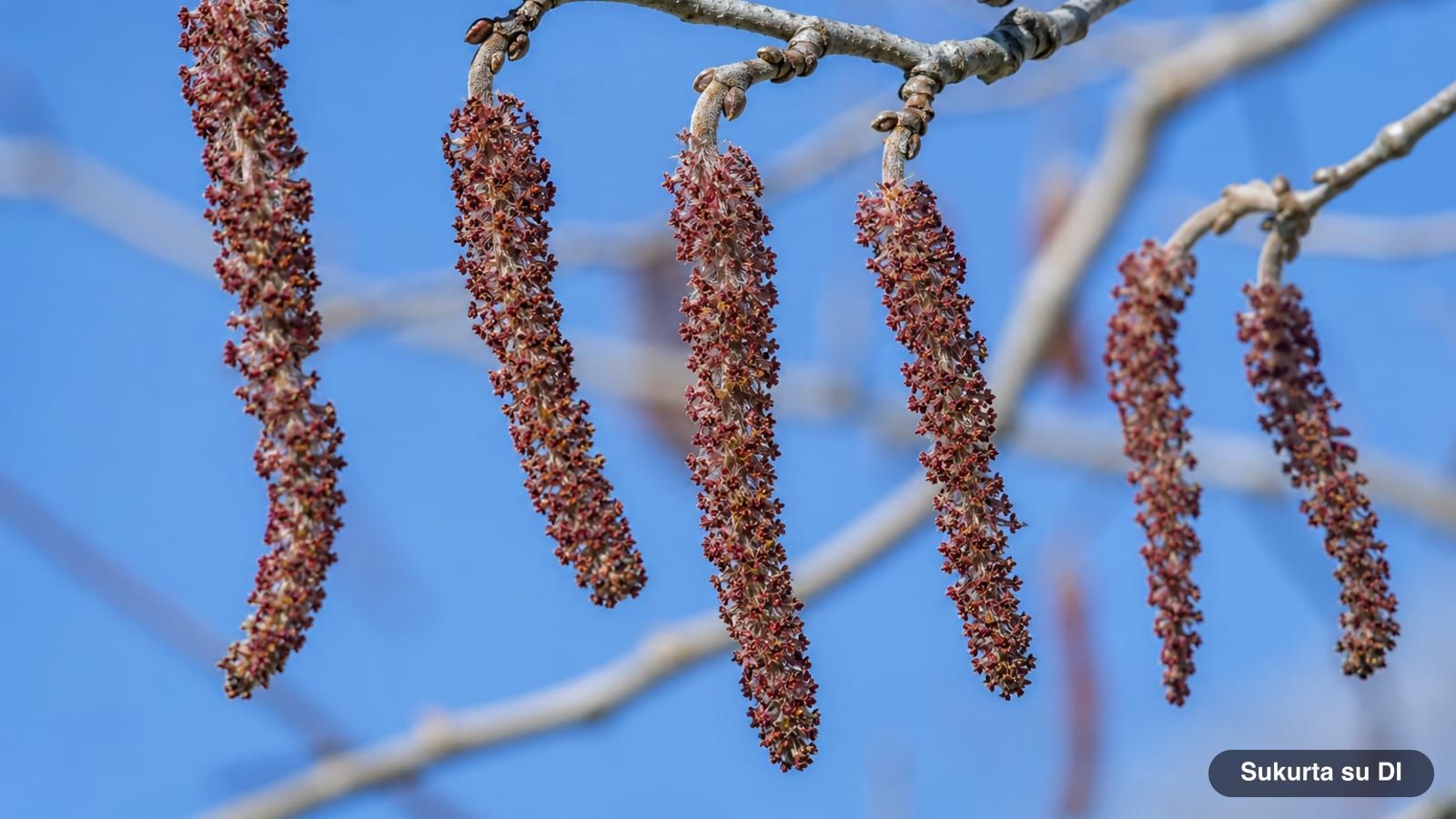
Poplars are dioecious: one tree has only male flowers, while another has only female flowers. They bloom in early spring, before the leaves emerge, and are wind-pollinated. Male catkins are thick, drooping, and up to 4.5 inches (12 cm) long, standing out with their dark red anthers—a blooming poplar branch looks as if it is draped in red caterpillars. Female catkins are greenish, thinner, and elongate after blooming.
Fluff and Seeds
The capsules of female catkins ripen in late spring or early summer and split open, releasing countless tiny seeds attached to white, silky hairs. The wind carries them far from the tree, and only a tiny fraction land on moist sand or mud along riverbanks where they can germinate.
Bark and Silhouette
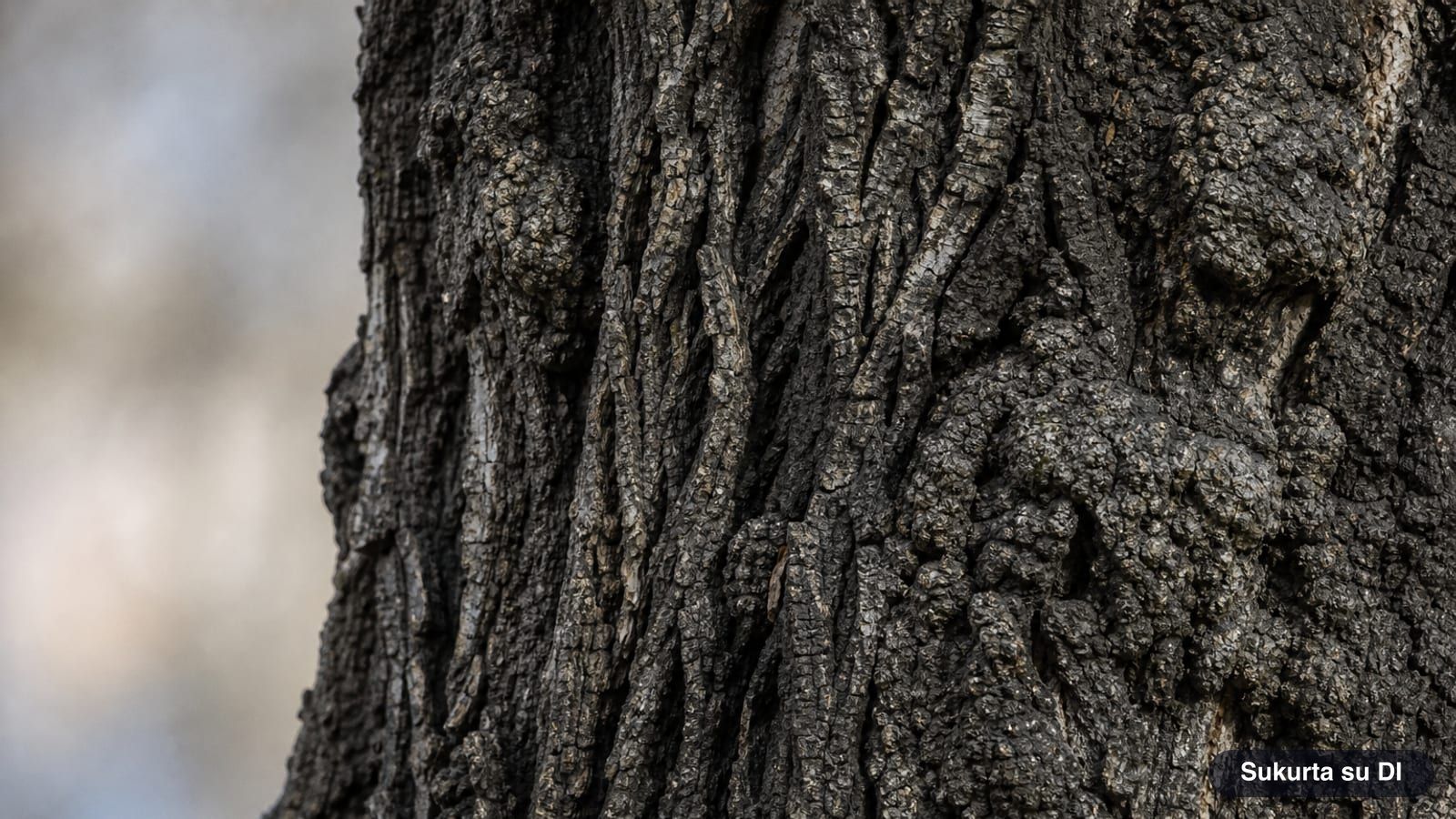
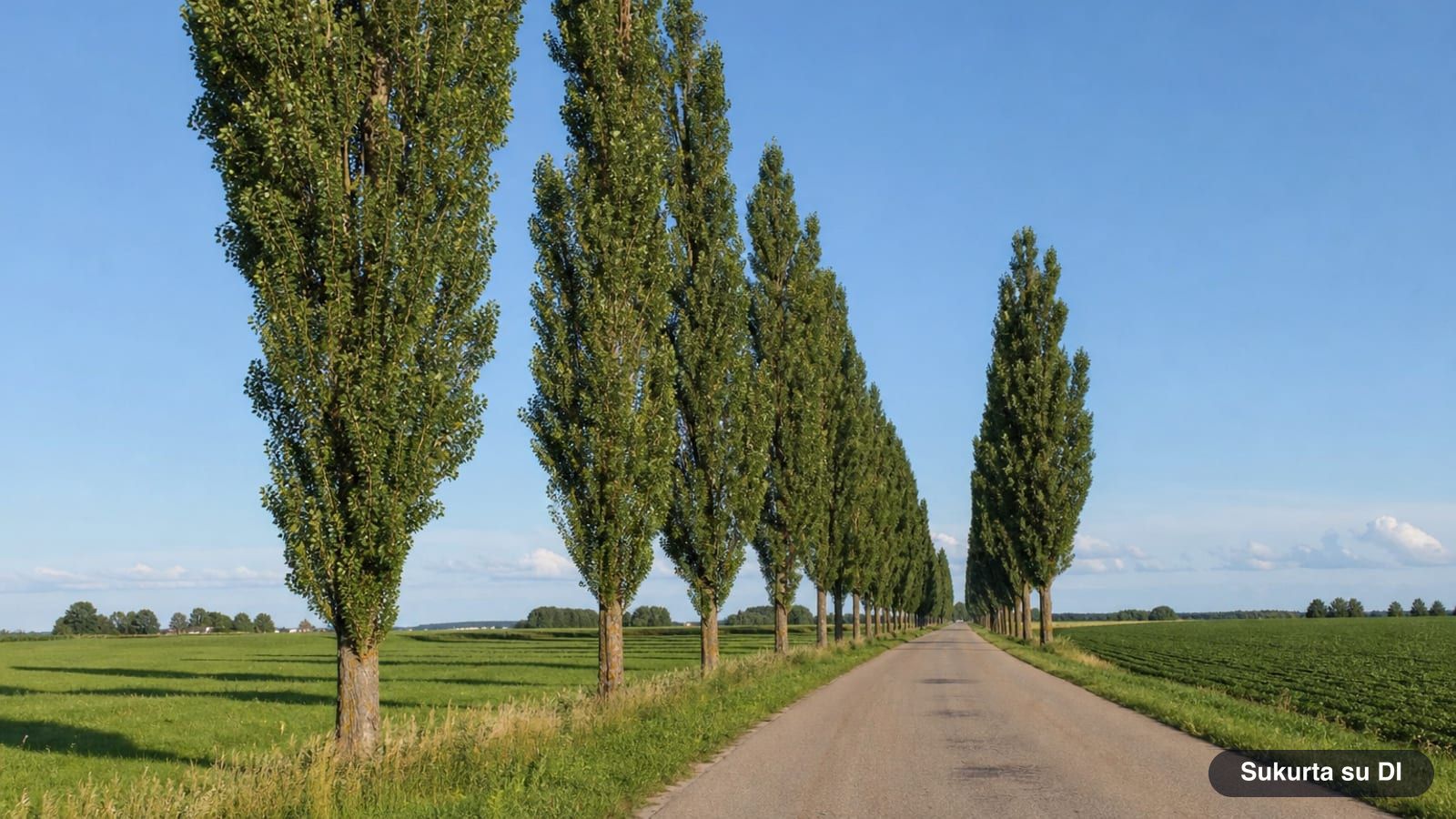
The bark of young poplars is smooth and grayish or greenish. The bark of an old black poplar is dark gray, almost black, thick, and deeply fissured, with trunks that are often burly, supporting a broad, irregular crown made of several thick branches. Young white poplars have whitish-gray bark with dark diamond-shaped marks, while the base of older trunks darkens and becomes fissured. The most distinct silhouette belongs to the Lombardy poplar: narrow, tall columns with branches that grow almost parallel to the trunk.
Common Poplar Species
| Poplar | Origin | How to identify |
|---|---|---|
| Black (P. nigra) | Native to Europe, N. Africa, W. Asia | Dark burly bark, shiny triangular leaves, broad crown |
| Lombardy (P. nigra ‘Italica’) | Cultivar of black poplar | Narrow columnar crown; male clone, produces no fluff |
| White (P. alba) | Native to central/southern Europe and central Asia | Leaves white and felt-like underneath, lobed on long shoots |
| Grey (P. × canescens) | Hybrid of white poplar and aspen | Leaves grayish underneath, less lobed than white poplar |
| Balsam (P. balsamifera) | North America | Sticky fragrant buds, leathery leaves grayish underneath |
| Canadian (P. × canadensis) | Hybrid of black and eastern cottonwood | Very tall, broadly columnar, large leaves 3–5.5 inches (8–14 cm) |
The black poplar is a widespread native species across much of Europe, North Africa, and Western Asia, typically thriving in river floodplains (hardy to USDA zones 4–9). However, pure black poplars are becoming increasingly rare in parts of their native range. Natural floodplains have been heavily altered by human development, and pure black poplars frequently crossbreed with hybrid poplars grown in commercial plantations. In 2006, it was named Tree of the Year in Germany to draw attention to its decline as a pure native species.
The Lombardy poplar was selected in the 17th century in Lombardy, northern Italy. It is a male clone, meaning it does not produce any fluff. It grows well in hot, dry summers, but in humid climates, it is prone to fungal diseases, often begins dropping branches after 40 to 50 years, and is easily blown over by strong winds. The Canadian poplar is a hybrid of the black poplar and the eastern cottonwood (Populus deltoides) that originated in France in the 18th century. It can reach heights of 130 to 150 feet (40–45 m) and is the most common poplar planted in fast-growing timber plantations.
Famous and Record-Breaking Poplars
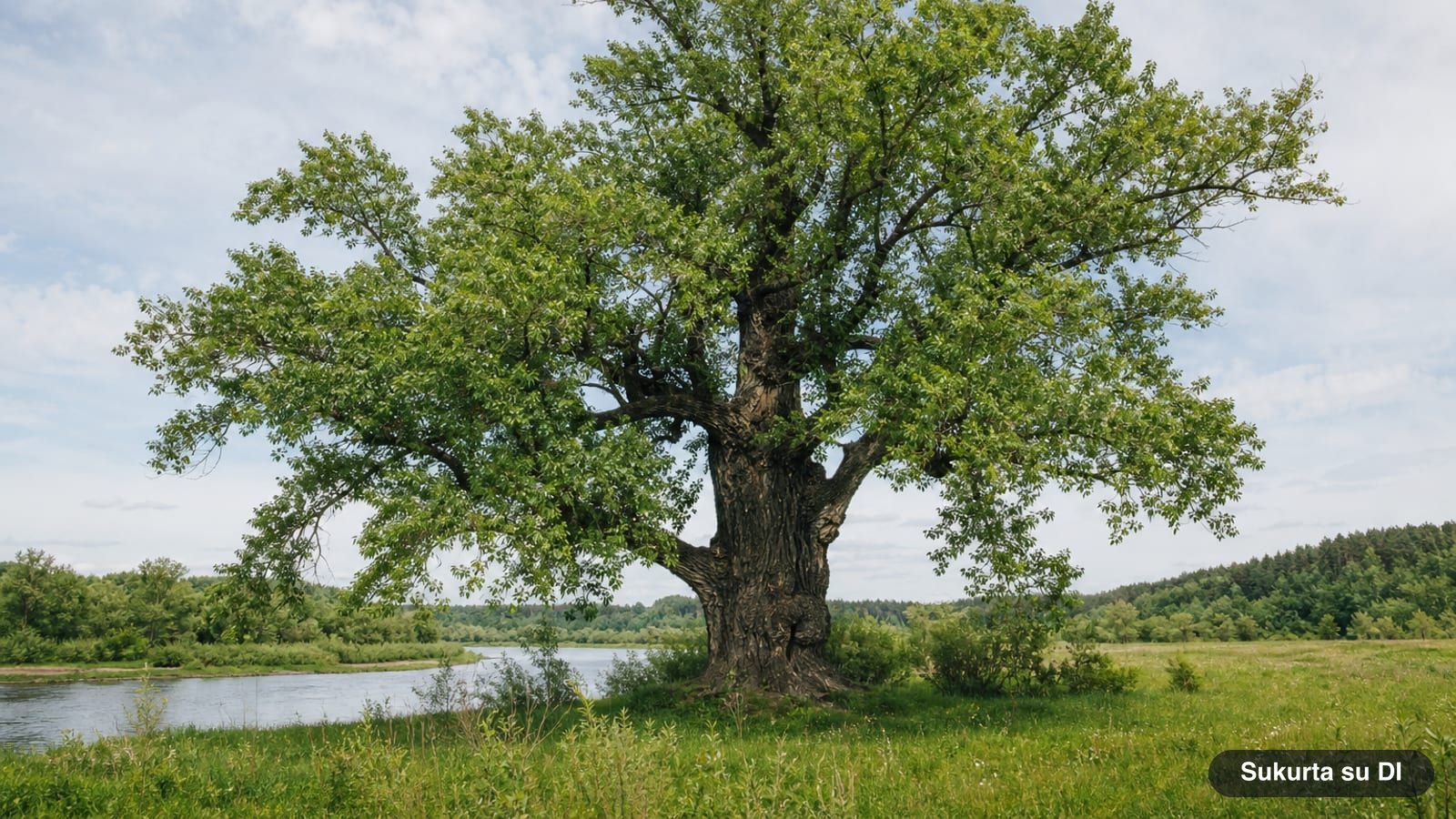
Poplars are capable of reaching monumental sizes. Some of the most impressive white poplars in Europe boast trunk circumferences of over 21.5 feet (6.5 m) at chest height and tower nearly 130 feet (40 m) into the sky. Such massive specimens are a testament to the longevity of the white poplar, which can comfortably live for 300 to 400 years, with some historic European trees surviving even longer. You can learn more about record-breaking giants in our section on the oldest and largest trees.
Buds, Resin, and Wood
In early spring, the buds of balsam and black poplars become coated in a sticky, highly fragrant resin. Bees collect this resin—it is one of the primary ingredients in bee propolis. The buds are rich in salicylic compounds (such as salicin and populin) and essential oils. In traditional medicine, extracts from these buds were used topically, and poplar bud oil is still used in cosmetics and perfumery. Only the leaf buds are harvested for herbal use, typically gathered in late winter or early spring before the leaves unfurl.
Poplar wood is white, light, and soft. It is widely used to manufacture cellulose, paper, matches, plywood, and packing crates. In some regions, the leafy branches of black and balsam poplars are also tied into bundles for use in traditional saunas.
Poplars in the City and the Garden
- Speed. Poplars grow incredibly fast, turning into giants within just a few decades. This makes them excellent for creating quick windbreaks and greening up barren land. The balsam poplar is particularly undemanding and highly tolerant of urban air pollution.
- Brittleness. The wood of most poplars is brittle and prone to rapid decay—balsam poplars often develop trunk rot by the time they are 21 to 30 years old. The branches of old poplars easily snap during storms, so trees planted near houses, roads, and parking lots require careful maintenance or eventual replacement.
- Suckers. The white poplar, much like the aspen, spreads vigorously through root suckers. Over time, an entire grove of young saplings can spring up around a single old tree.
- Fluff. When planting new poplars in urban areas, city planners typically select male clones, which do not produce the messy summer fluff.
Poplars are close relatives of willows, sharing similar catkins and fluffy seeds; you can read more about them in our willow profile. To learn how to identify poplars in the winter by their buds and silhouettes, check out our winter tree identification guide.
Frequently asked questions
Why do poplar trees produce fluff?
The fluff consists of tiny hairs attached to poplar seeds, helping the wind carry them far from the parent tree. Poplars are dioecious, so only female trees produce this fluff. Male trees bloom with red catkins and release pollen, but do not produce fluffy seeds.
Does poplar fluff cause allergies?
The fluff is actually seed hair, not pollen. Poplars release pollen in early spring, while the fluff flies in late spring and early summer—exactly when grass pollen levels are high. The fluff can mechanically irritate the eyes and nose, but true allergic reactions are usually caused by unseen grass pollen. Consult a doctor for allergy advice.
How do you identify a black poplar?
Look for dark, deeply fissured, and often burly bark, along with a broad, irregular crown made up of several thick branches. The leaves are shiny, triangular or diamond-shaped with a long, tapering point and a flattened leaf stalk. It is native to Europe, North Africa, and Western Asia.
What is the difference between a white poplar and an aspen?
The underside of a white poplar leaf is white and densely covered in felt-like hairs, and leaves on long shoots are lobed, somewhat resembling maple leaves. Aspen leaves are nearly round with wavy edges, and grayish underneath, but not white. These species can crossbreed—their hybrid is called the grey poplar.
How long does a poplar tree live?
A black poplar typically lives for 80 to 150 years, and in rare cases up to 300 years. White poplars can live up to 300 to 400 years. Balsam poplars are relatively short-lived, often developing trunk rot by the time they are 20 to 30 years old.
Should I plant a poplar tree near my house?
Poplars grow very quickly and become massive, but their wood is brittle, and old branches easily break during storms. Because of this, and their invasive root systems, planting them close to buildings, roads, or underground utilities is not recommended. If you do plant one, choose a male clone to avoid the summer fluff.
Log in to comment
No comments yet. Be the first.