Invasive Trees: Box Elder, Black Locust, and Black Cherry
- An invasive species is an introduced organism that spreads rapidly outside its native range and harms local ecosystems.
- Common invasive trees in many temperate regions include box elder, black locust, and black cherry, alongside shrubs like serviceberry and rugosa rose.
- Environmental guidelines emphasize the removal of invasive plants even in urban areas, as cities often serve as starting points for their spread.
- Trees like black locust and box elder produce vigorous root sprouts after cutting, meaning mechanical removal alone is rarely enough to eradicate them.
- Red oak is considered invasive in parts of Europe, while the tree of heaven is widely recognized as one of the most damaging invasive plants globally.
This article is part of the 77.today trees guide, prepared by the 77.today editors from the sources listed at the end.
Not every non-native tree is a problem: many introduced trees—like horse chestnuts, larches, and arborvitae—grow exactly where they are planted without spreading. However, a few species have become far too comfortable outside their native ranges: they self-seed, send out aggressive root shoots, take over riverbanks, pine forests, and abandoned lots, and ultimately displace native flora. These are known as invasive trees. In this section of our Tree Guide, we cover the invasive trees every property owner should be able to identify and explain why they need to be controlled.
| What is an invasive species | An introduced species that spreads rapidly outside its native range and harms local ecosystems |
|---|---|
| Common invasive trees | Box elder, black locust, black cherry |
| Invasive shrubs | Serviceberry (certain species), rugosa rose |
| Status | Classified as invasive by many environmental agencies globally |
| In urban areas | Eradication is highly recommended even in cities to prevent spread |
| Number of invasive plants | Varies by region, often dozens of established and potentially invasive species |
| Origin | Many originate from North America or Asia, depending on the region |
| Main danger | Dense thickets smother native vegetation and alter soil chemistry |
What Are Invasive Trees
An invasive species is an introduced plant or animal that has begun to spread rapidly outside its natural range, causing harm to local ecosystems, agriculture, or landscapes. These species reproduce quickly, adapt to various conditions, are not picky about their habitats, and often lack the natural competitors, pests, or diseases that keep them in check in their native environments. They usually spread with human help—often starting as ornamental plants that later "escape" from parks and gardens. In many temperate regions, hundreds of non-native plant species have been recorded, with dozens officially classified as invasive or potentially invasive.
Lists of invasive species are maintained and updated by local environmental agencies and agricultural departments. Environmental experts emphasize that trees like box elder, black locust, and various invasive shrubs must be managed and removed even in cities and residential settlements, as these areas frequently serve as the primary launching pads for their spread into wilder territories.
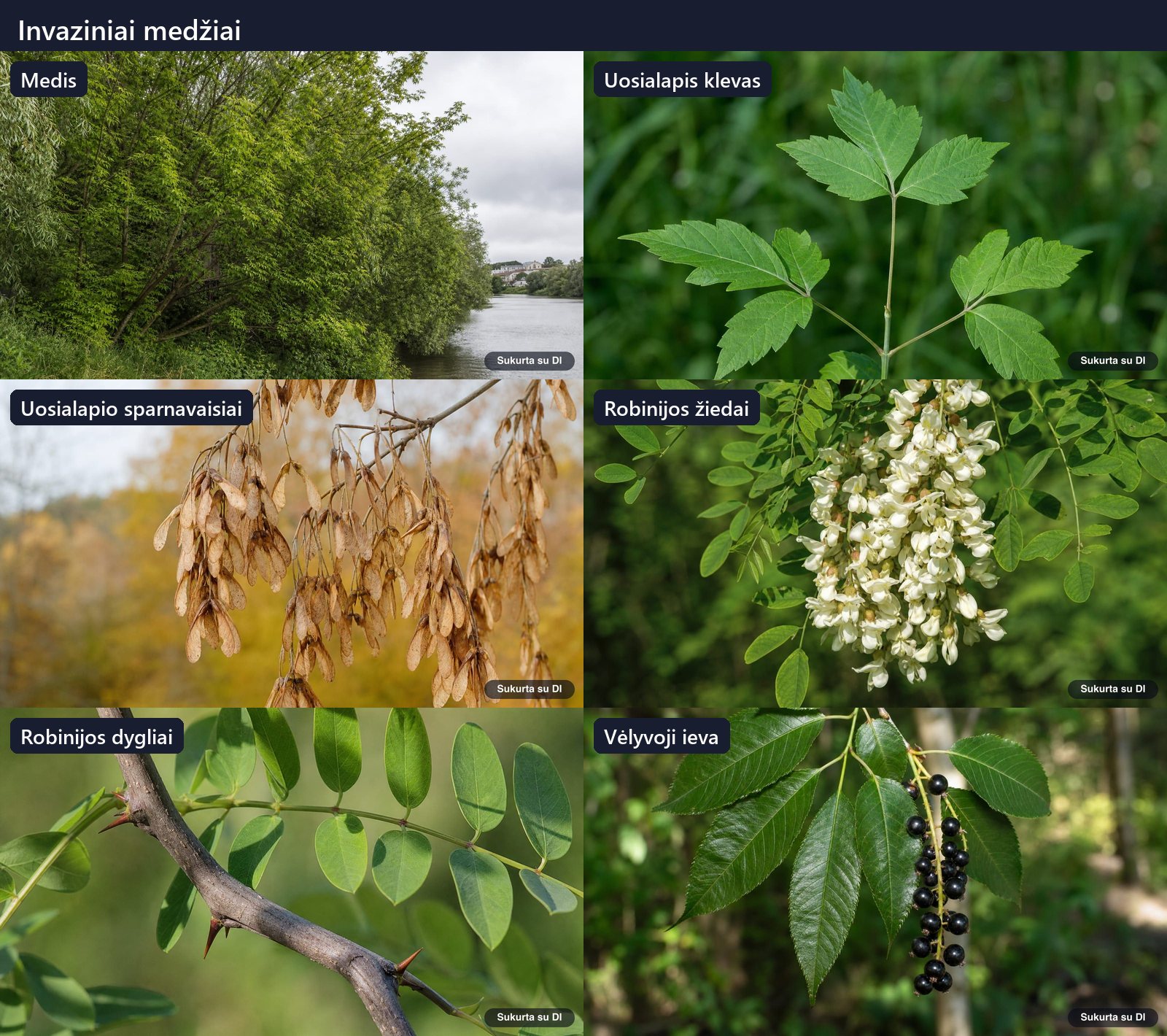
Box Elder
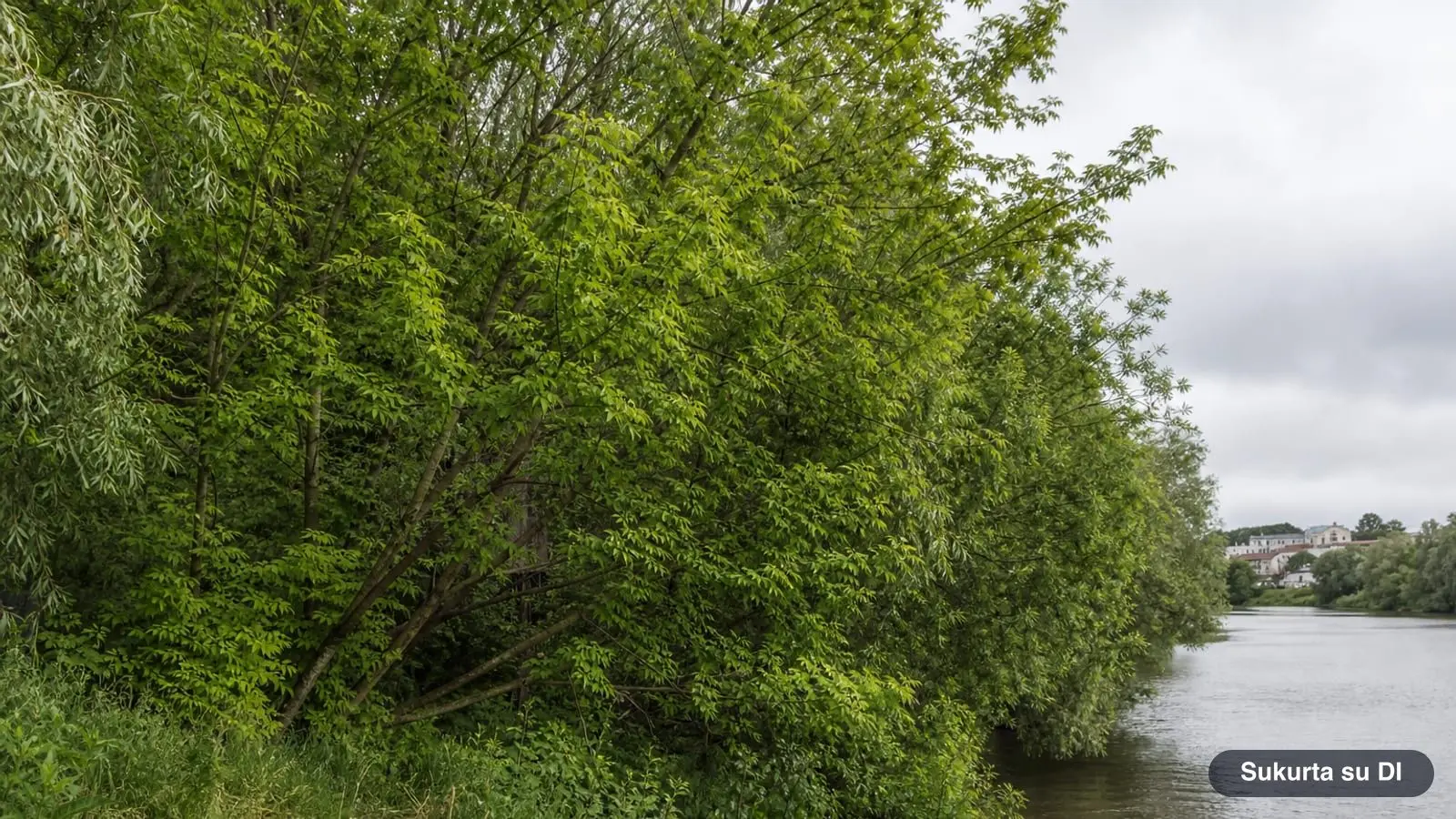
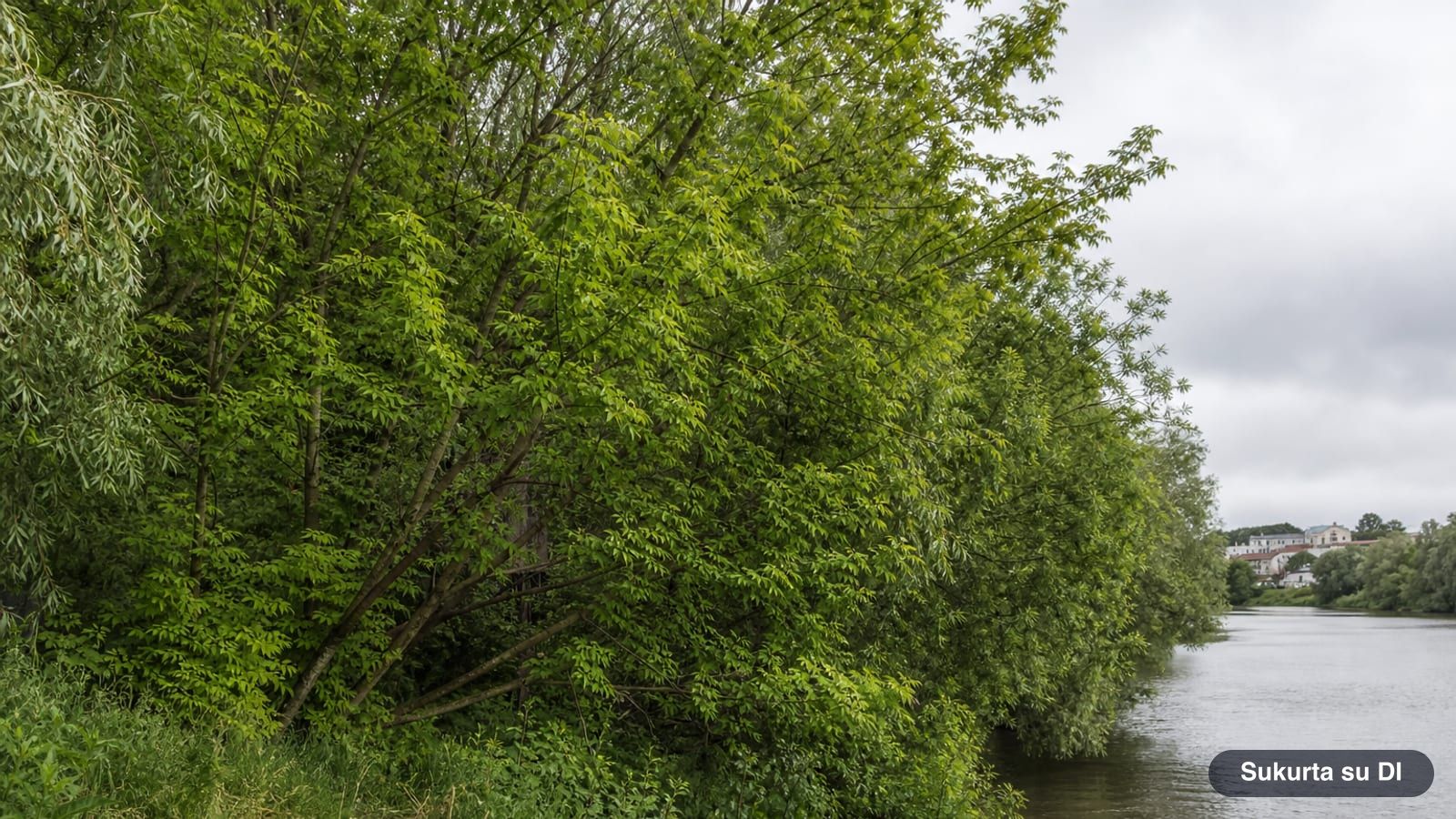
Box elder (Acer negundo) is native to North America. In many parts of Europe and other temperate regions, it was widely introduced as a fast-growing ornamental tree for urban landscaping, roadside planting, and stabilizing sandy soils. The tree grows incredibly fast, is highly resilient, but relatively short-lived, reaching heights of 33–82 feet (10–25 m). It frequently develops multiple trunks and can form impenetrable thickets. Outside its native range, it easily outcompetes native willows, pushing them out of their natural riparian habitats along riverbanks.
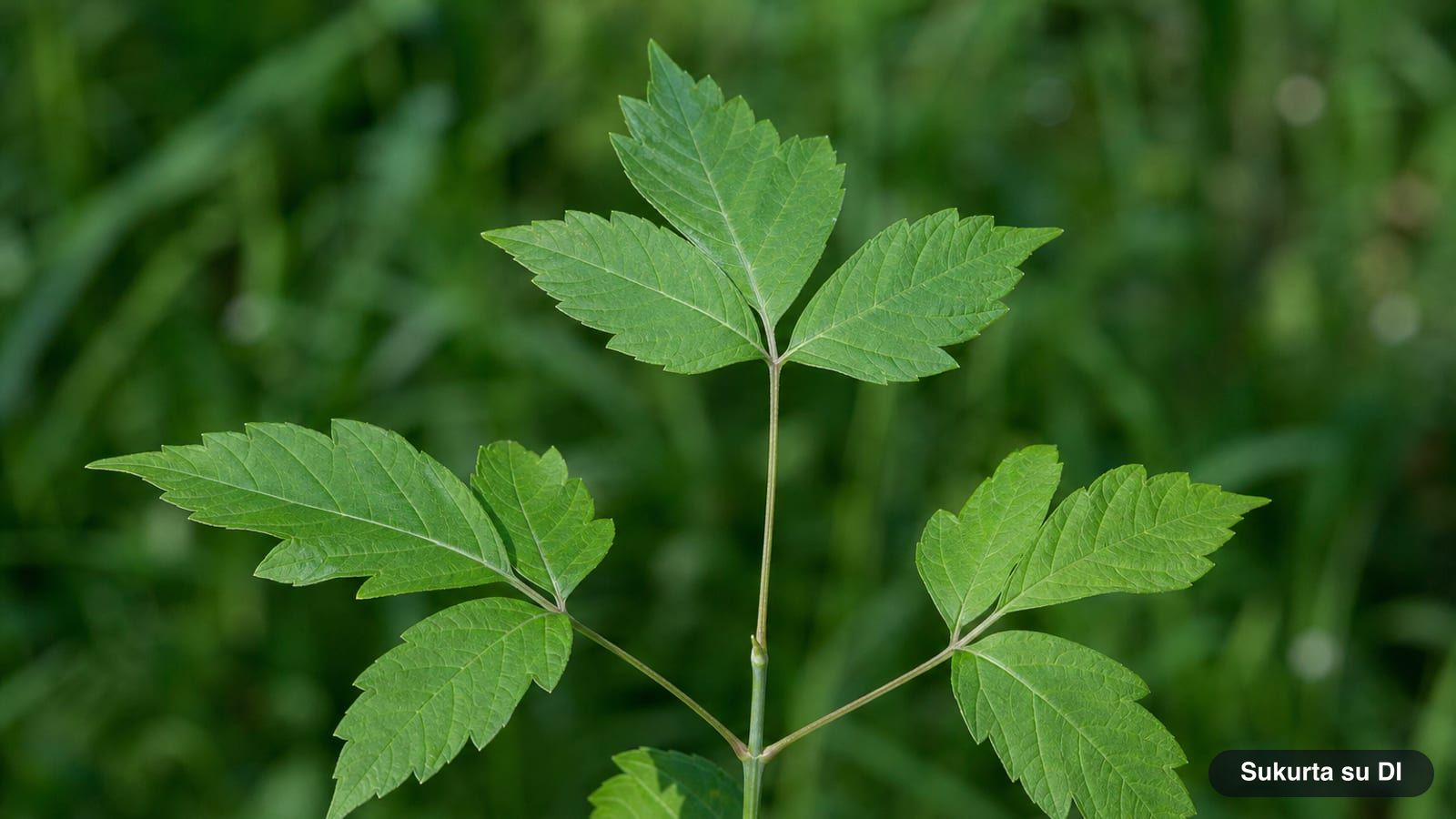
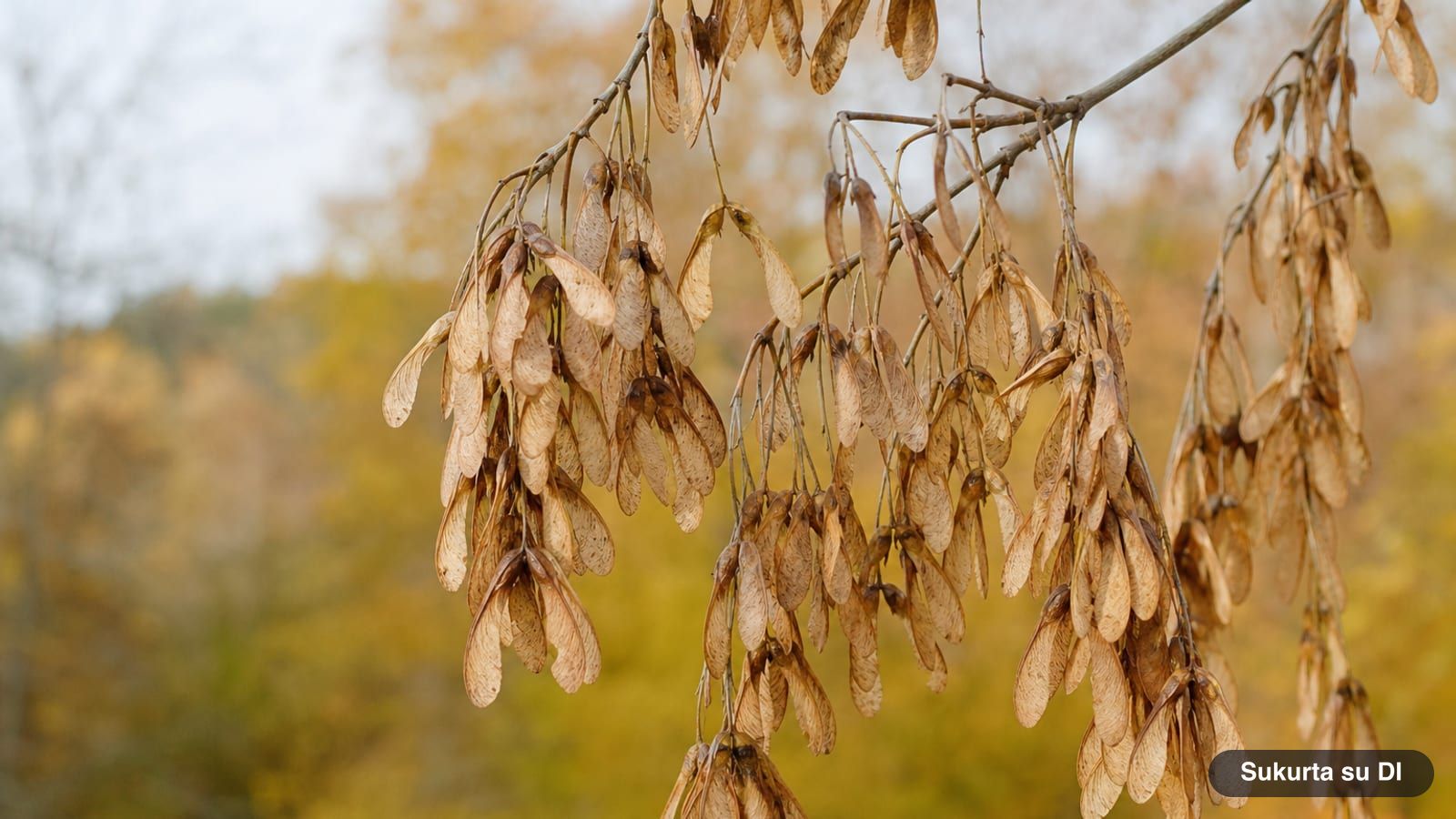
Identifying it is straightforward: it is a unique maple with compound, pinnate leaves consisting of three to five toothed leaflets, making its foliage look somewhat like an ash tree. Like all maples, the leaves are arranged in opposite pairs. Box elder is dioecious, meaning male and female flowers grow on separate trees. They bloom in early spring before the leaves fully unfold. In autumn, female trees are draped in long clusters of paired winged seeds (samaras), which often hang on the branches throughout the winter. The seeds are abundant and have a high germination rate.
Black Locust (False Acacia)
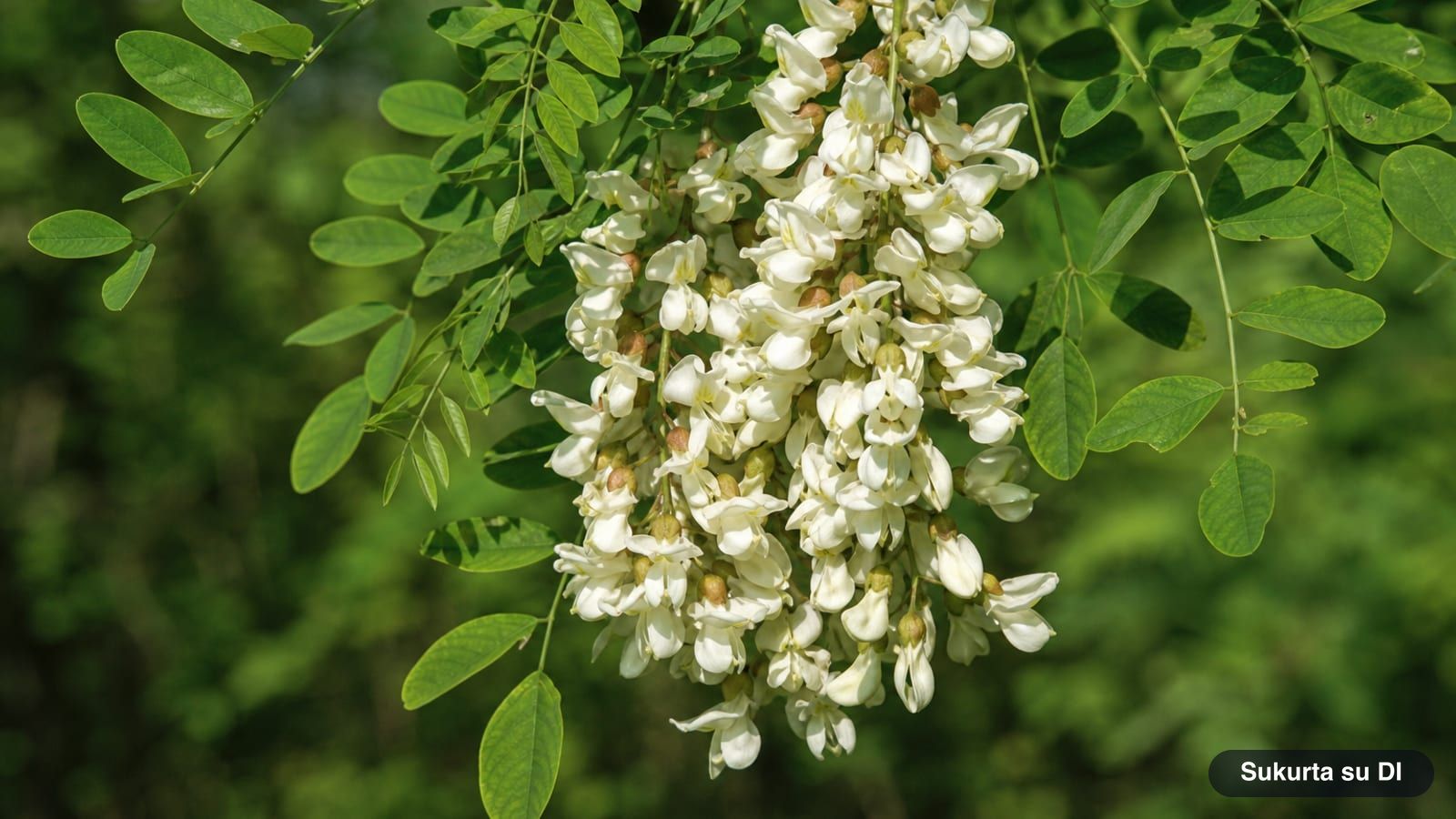
Black locust (Robinia pseudoacacia), sometimes mistakenly called acacia, is native to the southeastern United States. It was brought to France around 1600 and named in honor of the royal gardener Jean Robin. Since then, it has been widely planted across Europe and other continents for timber, erosion control, and ornamental purposes. Today, naturalized and invasive populations are common in many regions, particularly thriving in sandy coastal areas, forest edges, light-filled coniferous woods, roadsides, and disturbed wastelands.
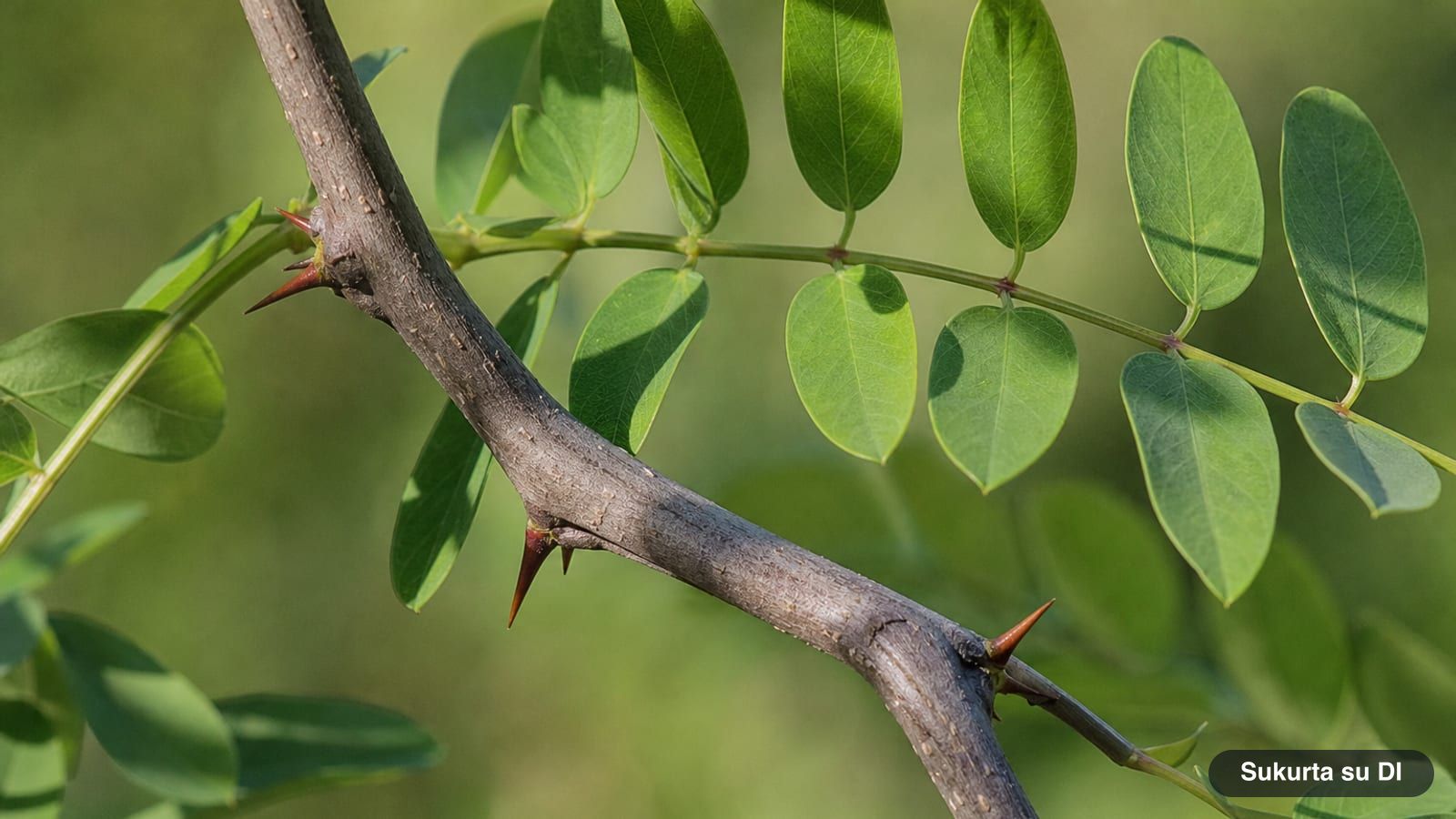
The black locust typically grows 33–49 feet (10–15 m) tall, though it can sometimes reach 82–98 feet (25–30 m). Its leaves are pinnate, 4–10 inches (10–25 cm) long, and composed of 9 to 25 oval leaflets. At the base of each leaf, there is a pair of short, sharp thorns. In early summer, it blooms with fragrant, drooping clusters of white flowers, followed by 2–5 inch (5–12 cm) seed pods. Because black locust is a legume, its roots fix nitrogen in the soil. While this sounds beneficial, in natural habitats it over-enriches the soil with nitrogen, causing native light-loving plants to die off and be replaced by aggressive, nitrogen-loving weeds. Black locust spreads rapidly through root suckers, especially after fires or mechanical damage, meaning simply cutting the tree down will not eradicate it.
Black Cherry
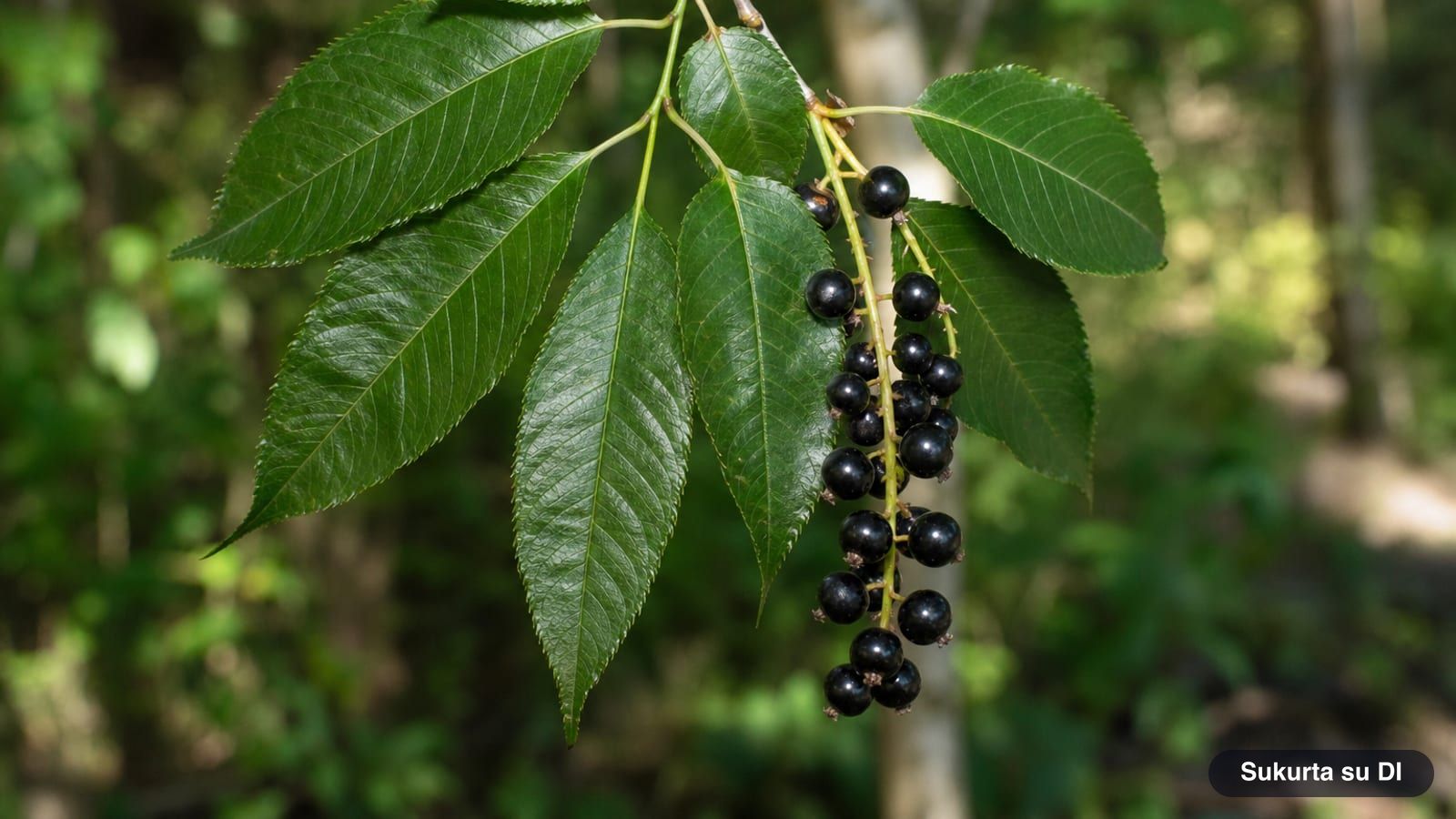
Black cherry (Prunus serotina) is native to eastern North America. Introduced to Europe in the 19th century as a forestry and ornamental tree, it began spreading aggressively into the wild in the mid-to-late 20th century. Today, it is widely distributed across many parts of Europe, particularly in dry pine forests, woodland edges, clearcuts, and along roadsides. Birds eagerly eat its fruit and disperse the seeds over wide areas, and the tree also spreads vigorously through root shoots. In light-filled pine forests, black cherry forms dense understories that smother native grasses and mosses, while its fallen leaves can negatively impact soil invertebrates.
It is easy to distinguish from native cherry species: black cherry leaves are thick, leathery, and glossy. It blooms relatively late—usually in late spring to early summer—and the small, persistent sepals remain attached to the dark, almost black fruits. Read more in our cherry tree guide.
Invasive Shrubs and Potentially Invasive Trees
In addition to trees, many regional invasive species lists include woody shrubs. Serviceberry (specifically certain introduced species like Amelanchier spicata) is a shrub that can reach 20–26 feet (6–8 m) in height, bearing edible bluish-black berries. Originally cultivated in gardens in the 19th century, it quickly escaped into the wild. It is now especially common in urban and suburban pine forests and along their edges. The dense thickets it forms alter soil conditions and light availability, leading to the decline of native light-loving flora.
Some other introduced trees may not be officially listed as invasive everywhere, but they behave aggressively depending on the local climate. Red oak (Quercus rubra) is widely planted but is considered invasive in several European countries, prompting forestry experts to recommend planting native species instead. The tree of heaven (Ailanthus altissima), native to China, is widely regarded as one of the most noxious invasive plants in both Europe and North America. It grows incredibly fast—reaching up to 49 feet (15 m) in just 25 years—and all parts of the plant emit a strong, unpleasant odor.
| Tree or Shrub | Origin | How to Identify | Invasive Status |
|---|---|---|---|
| Box elder | North America | Pinnate leaves with 3–5 leaflets, opposite arrangement; often multiple trunks | Invasive |
| Black locust | Southeastern US | Pinnate leaves, pairs of thorns, white flower clusters, seed pods | Invasive |
| Black cherry | Eastern North America | Leathery glossy leaves, black fruits with persistent sepals | Invasive |
| Serviceberry (invasive species) | Hybrid, originated in Europe from North American species | Narrow shrub with upright branches, pinkish then bluish-black berries | Invasive |
| Red oak | North America | Large leaves with pointed lobes, turning red in autumn | Cultivated; invasive in parts of Europe |
How to Control Invasive Trees
- Do not plant them. The simplest measure is to avoid choosing invasive species for your garden or landscaping. Instead of box elder or black locust, opt for native or non-invasive trees such as maple, linden, rowan, or bird cherry.
- Remove young saplings. Self-seeded saplings are easiest to pull out by hand while they are still small and their root systems are shallow.
- Manage root shoots. Black locust and other trees that spread via suckers will produce a multitude of new shoots after being cut down. These must be continuously removed for several consecutive years until the root system is completely exhausted.
- Dispose of debris properly. Never dump cut branches bearing fruits or seeds into forests, riverbanks, or wild areas—this is a primary way invasive species spread further.
- Seek professional advice. For larger infestations, it is highly recommended to coordinate eradication efforts with local municipal authorities or environmental and agricultural extension services.
Why It Matters
Invasive species pose one of the greatest threats to global biodiversity. They are especially dangerous to small, less diverse ecosystems: dense invasive thickets smother light-loving native plants, alter soil chemistry, and consequently drive away the insects and birds that depend on the native flora. Learning to identify invasive trees and choosing not to plant them is the simplest way to help preserve local natural habitats. You can read more about native and introduced species in our Tree Guide, and find updates on other problematic plants in our invasive species section.
Frequently asked questions
Which trees are considered invasive?
While lists vary by region, commonly recognized invasive trees in temperate climates include box elder, black locust, and black cherry. Certain woody shrubs, such as specific serviceberry species and rugosa rose, are also frequently classified as invasive.
Can I keep a box elder tree on my property?
Invasive plants should generally be removed. Environmental experts emphasize that invasive trees must be managed and removed even in cities and residential areas, as these locations frequently serve as starting points for their spread into vulnerable natural habitats.
How can I identify a box elder tree?
Box elder is a unique maple with compound, pinnate leaves consisting of three to five (sometimes more) toothed leaflets, arranged in opposite pairs along the stem. The tree often develops multiple trunks, and in autumn and winter, female trees feature long, hanging clusters of paired winged seeds.
Why is black locust sometimes called acacia?
The pinnate leaves and sharp thorns of the black locust resemble those of true acacias, leading to the common misnomer 'false acacia.' True acacias belong to a different genus native to warm climates. The Latin specific epithet 'pseudoacacia' literally translates to 'false acacia.'
How do you eradicate a black locust tree?
Black locust spreads aggressively through root suckers. When the tree is cut or damaged, it responds by sending up numerous new shoots, making simple felling ineffective. Eradication requires consistent removal of new growth over several years. For larger infestations, it is best to consult local environmental or agricultural extension services.
Log in to comment
No comments yet. Be the first.