Alder Trees: Black vs. Grey Alder Identification & Care
- Two common species in cool temperate regions are the black alder (Alnus glutinosa) and the grey alder (Alnus incana).
- These moisture-loving trees thrive in wetlands, along riverbanks, and in damp, low-lying areas.
- Alders are among the first trees to bloom in early spring, producing catkins before their leaves emerge; their pollen is an early allergen.
- Nitrogen-fixing bacteria live in nodules on alder roots, allowing the trees to naturally enrich and fertilize the soil.
- Black alder has dark, fissured bark and blunt, notched leaves, while grey alder features smooth, grey bark throughout its life.
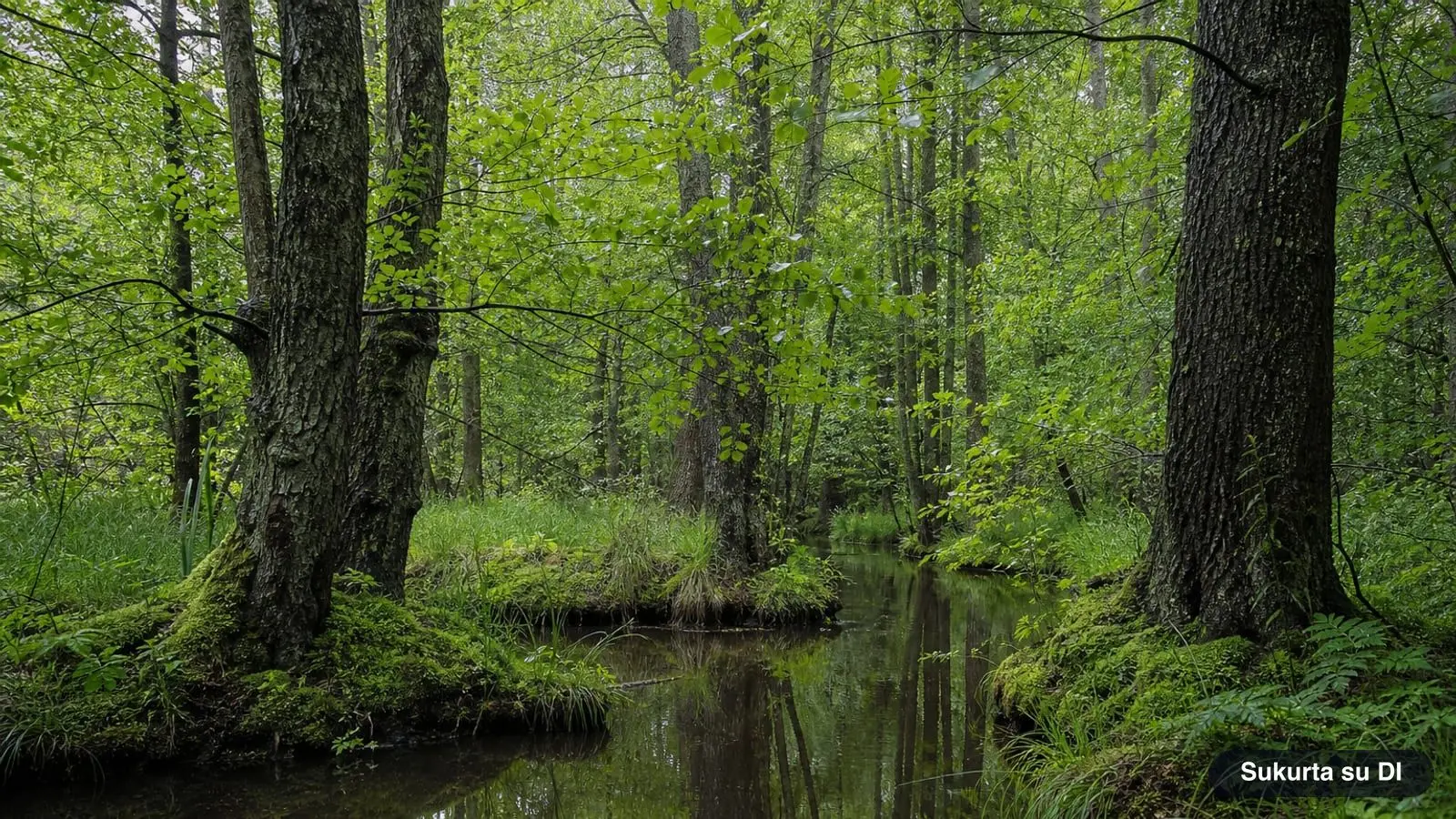
This article is part of the 77.today trees guide, prepared by the 77.today editors from the sources listed at the end.
Alders are trees you will find wherever it is wet: along stream banks, in swampy lowlands, and on spring-fed slopes. They are among the first to bloom, often while snow is still on the ground in colder climates, and they drop their leaves while still green in autumn. Two widespread species in cool temperate regions are the black alder and the grey alder, which form significant portions of wetland forests across their native ranges in Europe and parts of Asia. In this part of the tree guide, we cover both alders: what their leaves, flowers, fruits, bark, and buds look like, how they differ, and why they are so useful.
| Latin Name | Alnus glutinosa (black alder), Alnus incana (grey alder) |
|---|---|
| Family | Birch family (Betulaceae) |
| Group | Deciduous broadleaf trees |
| Height | Black alder 65–100 ft (20–30 m); grey alder 33–50 ft (10–15 m), sometimes up to 65 ft (20 m) |
| Lifespan | Black alder 100–120 years, sometimes up to 300; grey alder 50–70 years |
| Flowering | Early spring, before leaves emerge |
| Fruits | Small winged nutlets in woody "cones", ripening in autumn |
| Native Range | Black alder: Europe, Northern Africa, Western Asia; Grey alder: Northern and Central Europe, parts of North America and Asia |
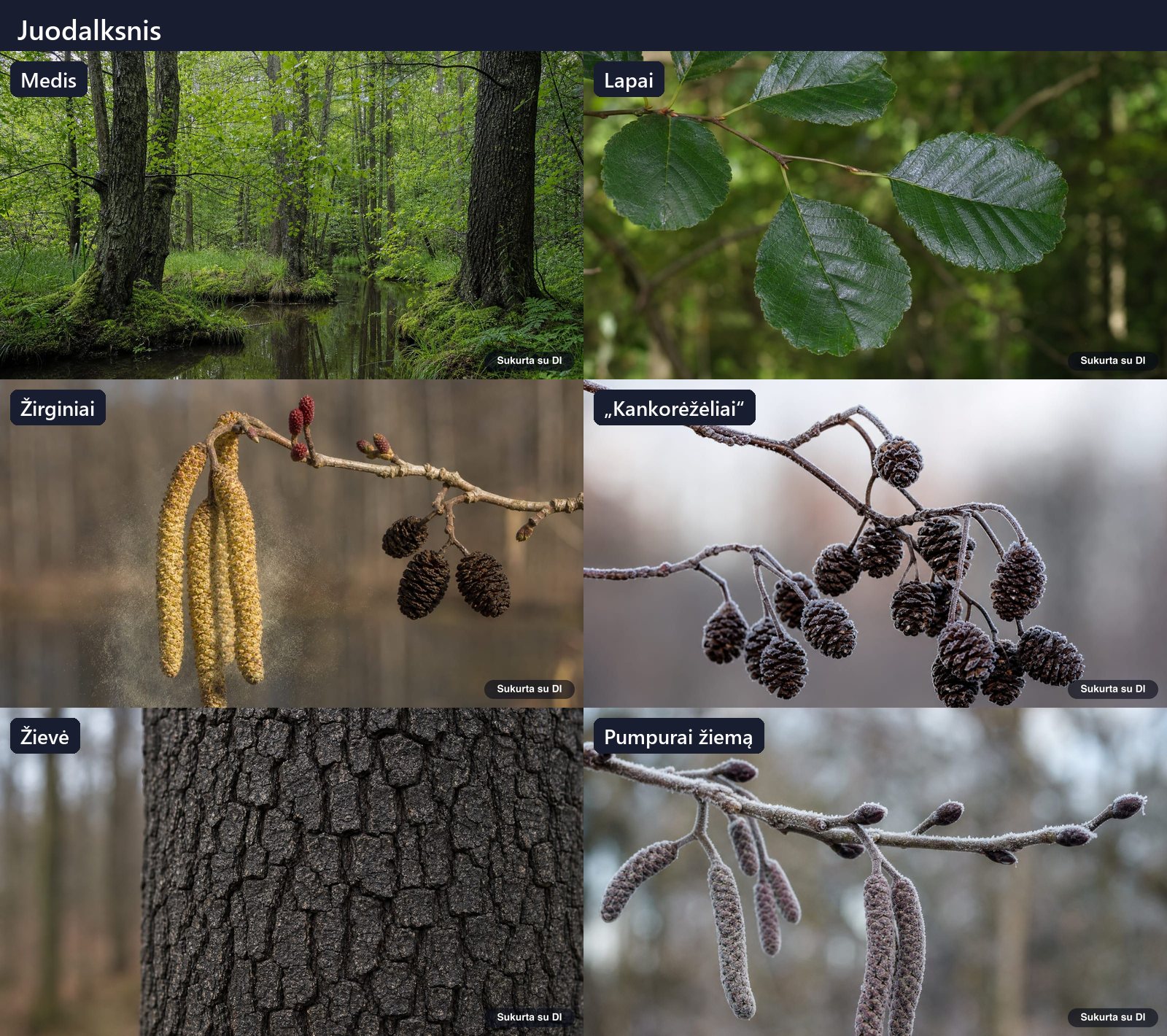
How to Identify Alder
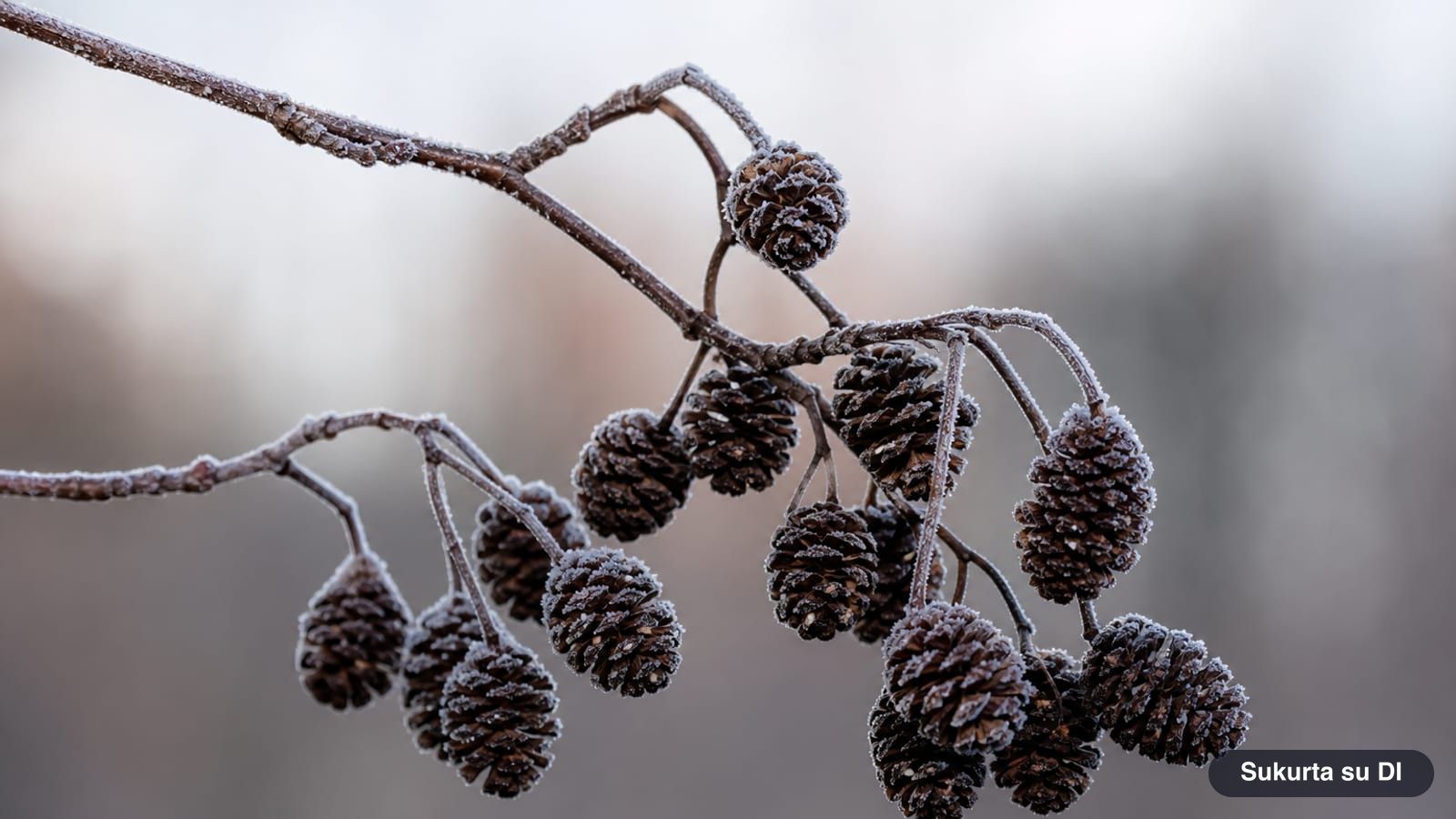
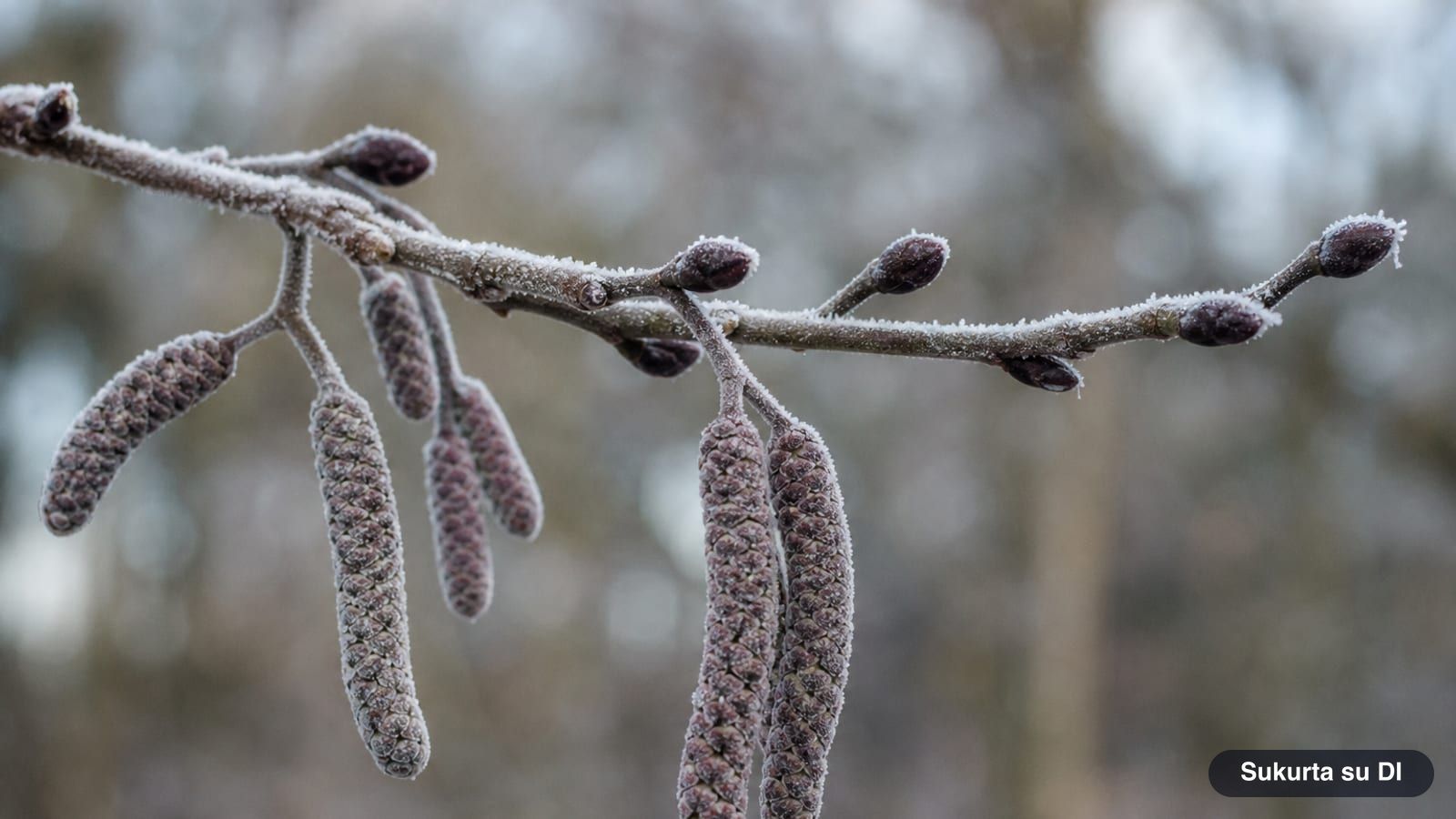
Both alders share several common features that distinguish them from many other trees. First, their buds are stalked—each bud sits on a short little stem. Second, small, brown, woody "cones" (the remains of female catkins) hang on the branches all winter long. Third, alders bloom very early on bare branches with long, drooping catkins. In autumn, their leaves fall while still green, without turning yellow.
Leaves
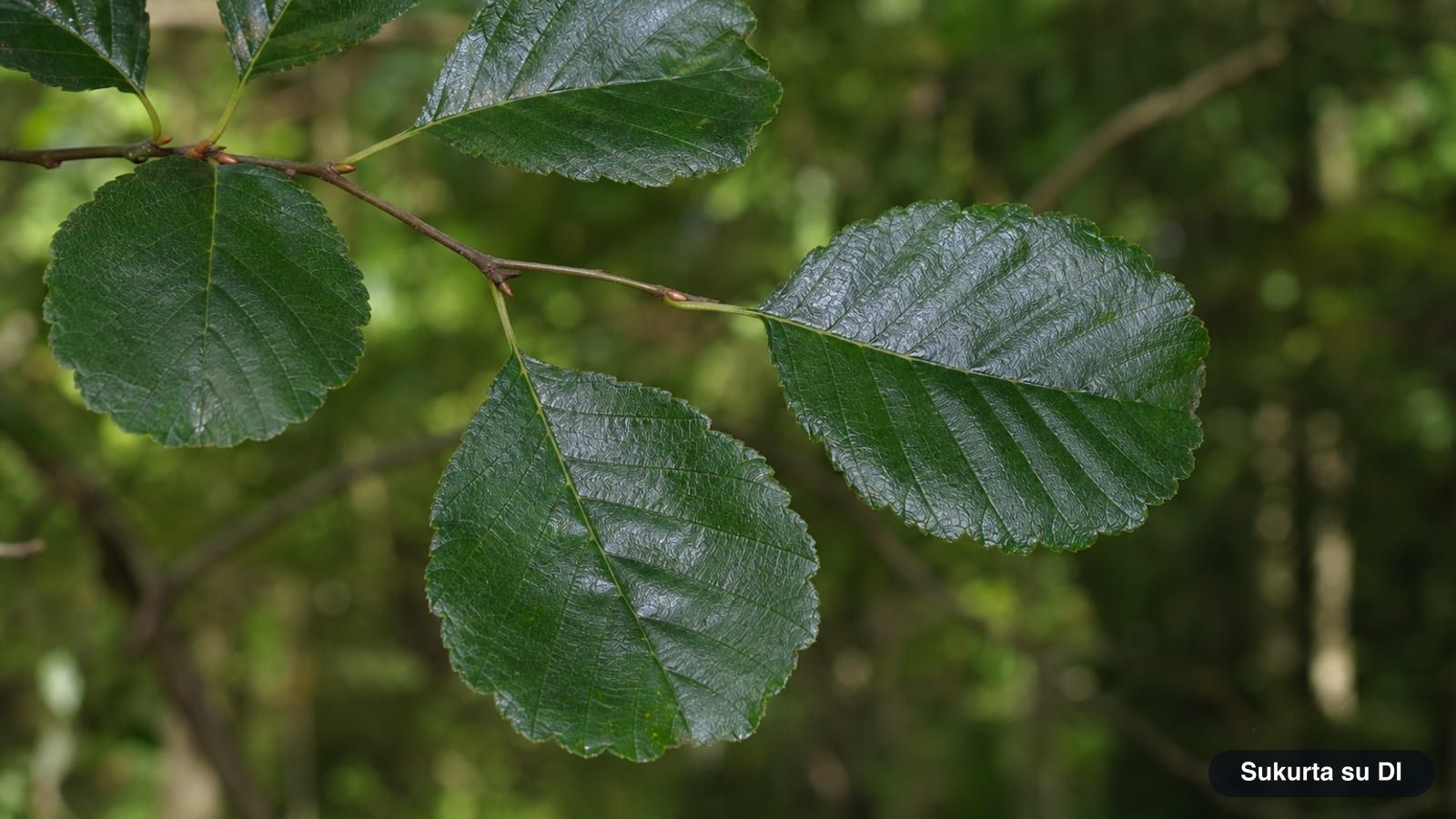
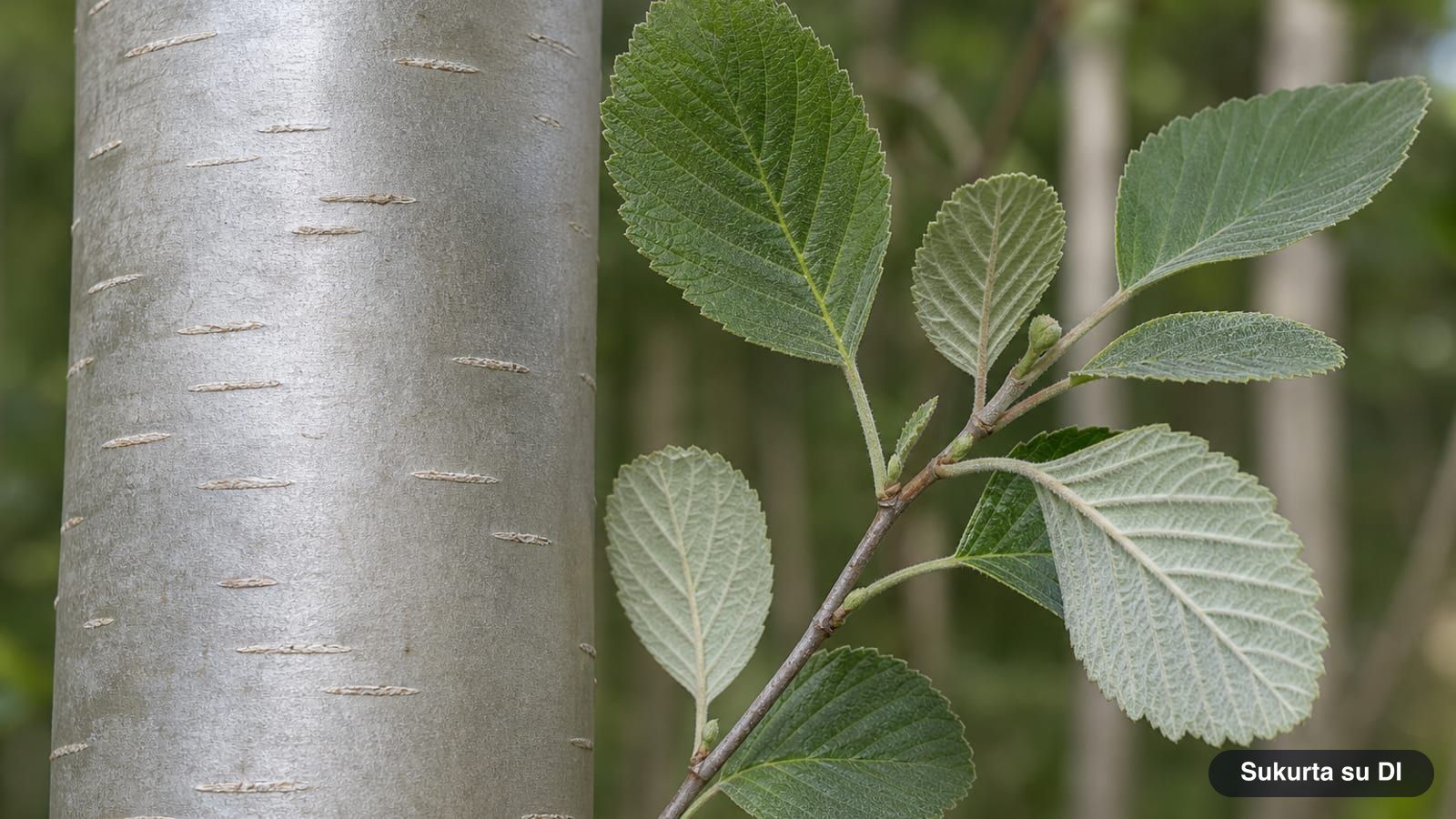
Black alder leaves are 1.5–3.5 inches (4–9 cm) long, almost round or obovate—widest above the middle, with a blunt or even notched, seemingly cut-out tip. The edge is doubly toothed and wavy. Young leaves are sticky and glossy, which is why the black alder's Latin name glutinosa means "sticky." On the underside, there are small tufts of brownish hairs in the vein axils. Grey alder leaves are oval or egg-shaped, 1.5–4 inches (4–10 cm) long, with a pointed tip and serrated edges. The upper side is green, while the underside is greyish or bluish-green and hairy. The leaves are arranged alternately on the twig.
Flowers
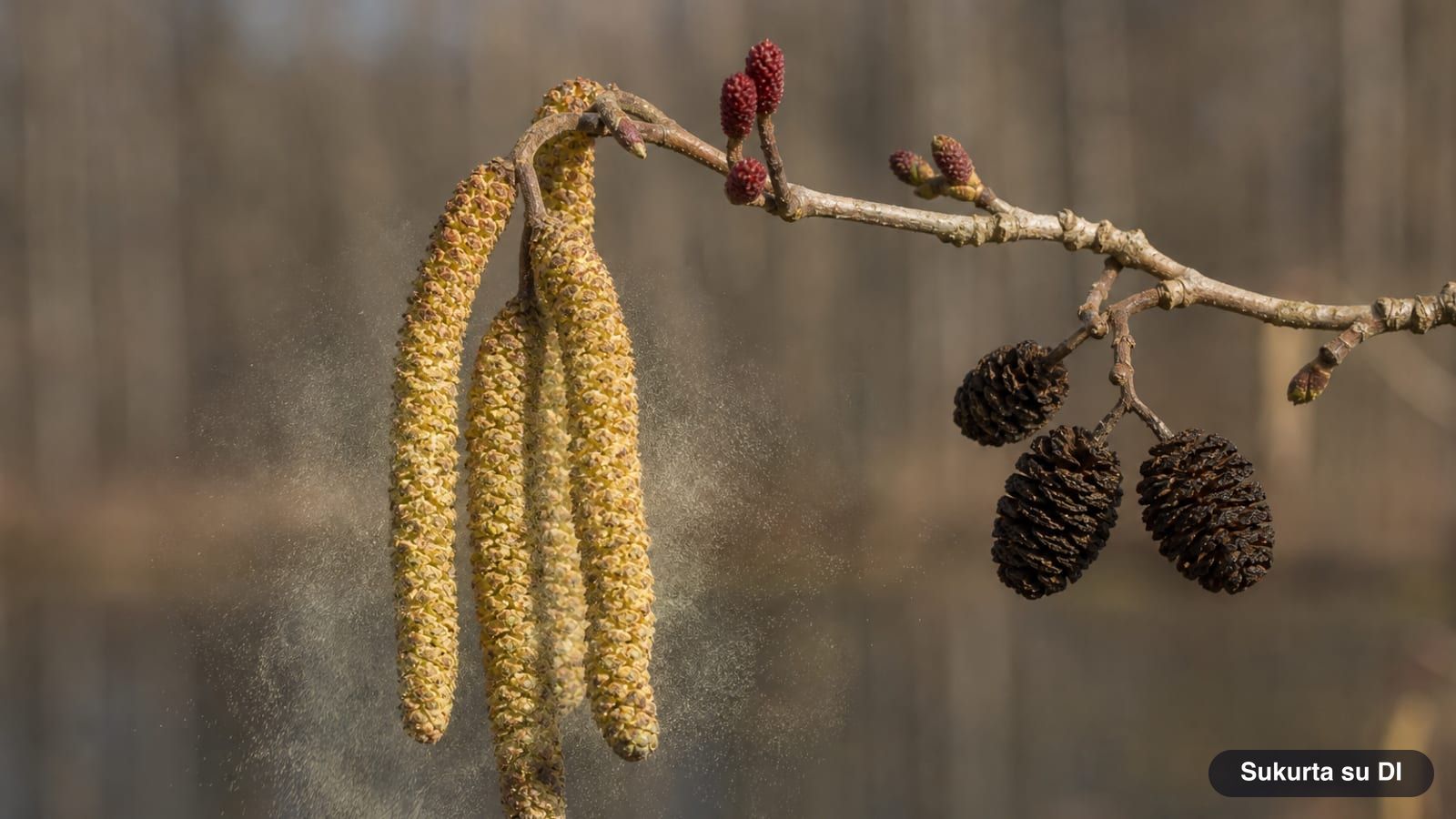
Alders are monoecious, wind-pollinated trees. The male catkins are long, drooping, yellowish-pink or brown; they form in autumn and hang at the ends of the branches throughout the winter. The female catkins are short, upright, pinkish, and grow on small stalks. The grey alder is usually the first to bloom—as soon as the average daily temperature rises above freezing. In cool northern climates, it can bloom as early as late winter or March. The black alder typically blooms one to two weeks later. Both bloom for about 10 to 11 days. Alder pollen is one of the earliest causes of spring allergies, while the early flowers and resin are eagerly utilized by bees.
"Cones" and Seeds
Once pollinated, the female catkins become woody and turn into small, 0.6-inch (1.5 cm) brown structures resembling miniature pine cones. In autumn (typically October to November in the Northern Hemisphere), tiny, 0.08–0.15 inches (2–4 mm) long, reddish-brown nutlets with two narrow wings ripen inside them. The cones gradually open and release seeds throughout the winter, while the empty cones remain on the branches until the following year. The wind carries black alder seeds for 200–330 feet (60–100 m), but water is even more important: the seeds contain air pockets, allowing them to float for dozens or even hundreds of miles. This is how black alders establish themselves along rivers. Read more in our tree seed guide.
Bark and Buds
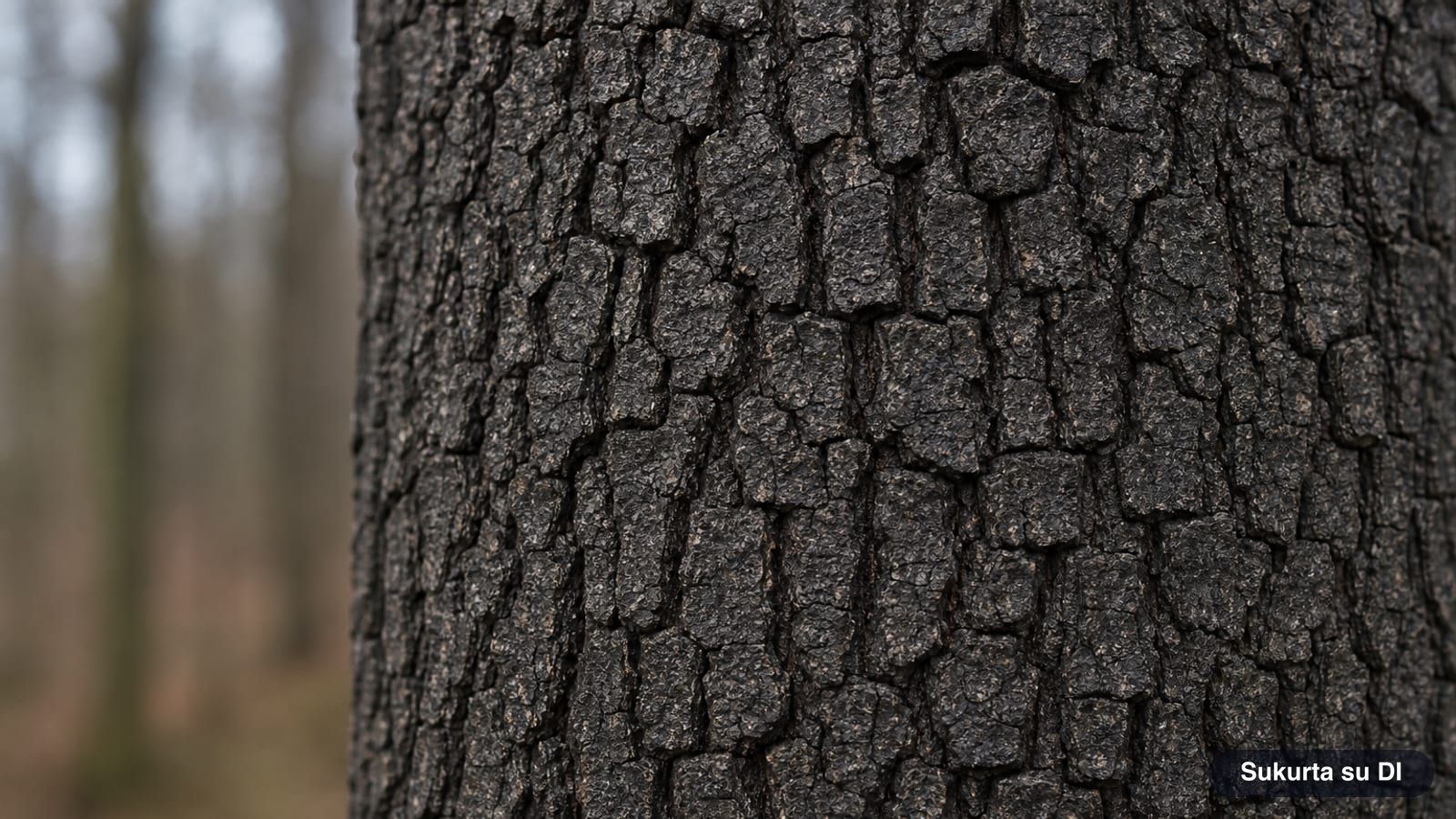
The bark of a young black alder is greenish-brown, smooth, and shiny, but at around 20 to 25 years of age, it begins to crack, darkening to dark brown or almost black, and fissures into small, shallow plates. Grey alder bark is light grey, thin, smooth, and shiny for almost its entire life—this is the easiest way to tell the two alders apart, even from a distance. The buds are stalked, purple or brownish-purple; black alder buds are slightly sticky, while grey alder buds are blunt and covered with 2 to 3 scales.
Black Alder vs. Grey Alder: A Comparison
| Feature | Black Alder | Grey Alder |
|---|---|---|
| Bark | Dark brown, fissured after 20–25 years | Light grey, smooth, shiny |
| Leaves | Round, blunt or notched tip, sticky | Oval, pointed, greyish and hairy underneath |
| Young Shoots | Reddish-brown, sticky | Greyish-brown, hairy, not sticky |
| Height | 65–100 ft (20–30 m) | 33–50 ft (10–15 m), sometimes a shrub |
| Lifespan | 100–120 years | 50–70 years |
| Habitat | Wet, swampy areas, riverbanks | Moist areas, clearings, abandoned fields |
| Flowering | Early to mid-spring | Late winter to early spring |
In nature, black and grey alders sometimes cross-pollinate; their hybrids display intermediate characteristics.
Where Alders Grow
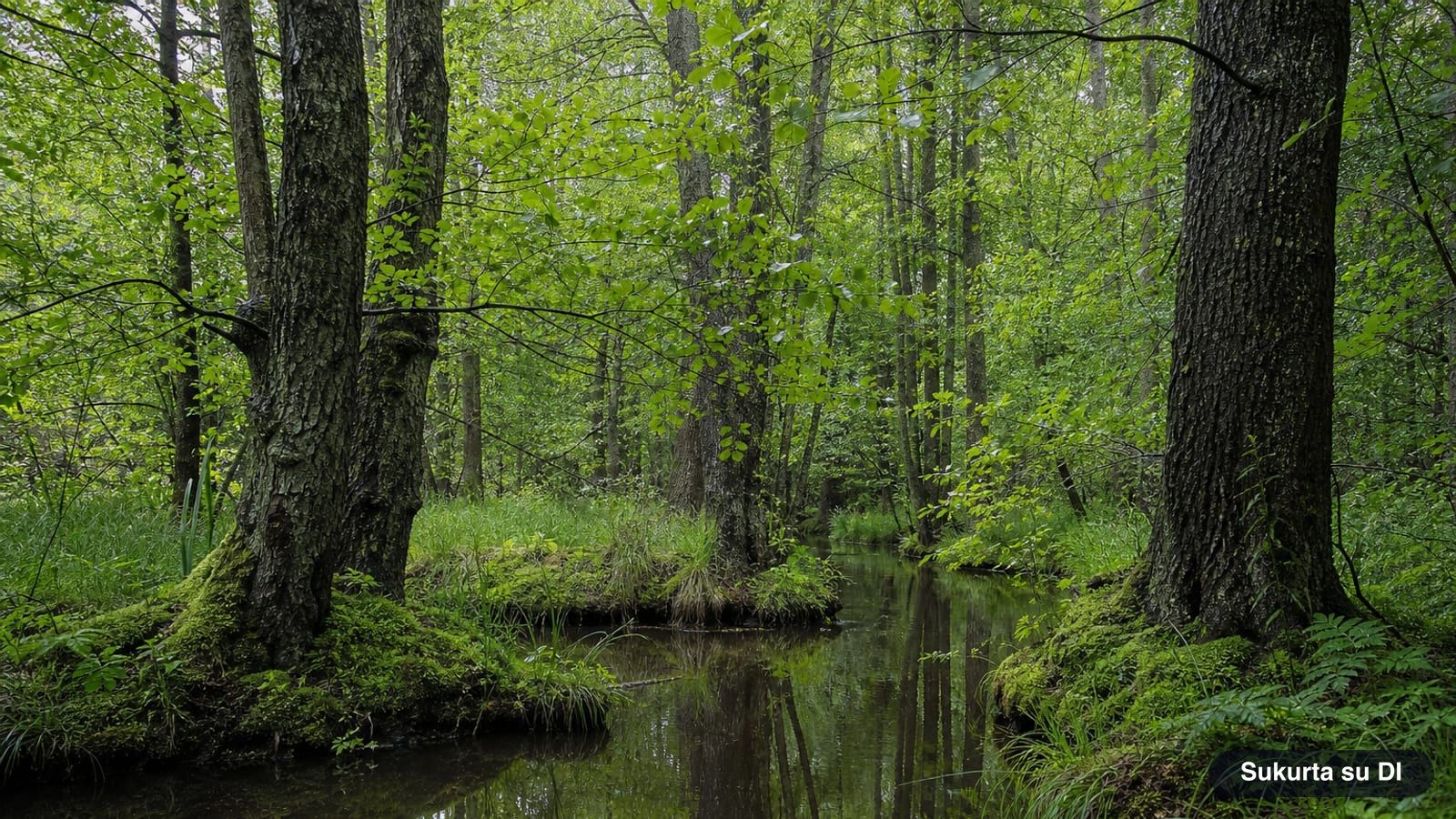
Across their native ranges in Europe, Asia, and parts of North America, alders are vital components of riparian and wetland ecosystems. Black alder is widespread across much of Europe and parts of Northern Africa and Western Asia. It thrives in fertile, wet soils with flowing or shallow groundwater—along the banks of rivers, streams, and lakes, on spring-fed slopes, and in peat bogs. Swampy black alder forests are often dense and difficult to navigate: mounds up to 3 feet (1 m) high form around the trunks, with dark water pooling between them. The black alder is a light-loving tree; if shaded out, its seedlings will perish within a few weeks.
Grey alder has a more northern and mountainous distribution, commonly found in cooler climates across Northern and Central Europe, as well as parts of North America and Asia. It quickly colonizes clearings, abandoned fields, and disturbed land, regenerating well from root suckers. In its first years, it grows very rapidly—reaching 13–16 feet (4–5 m) in just five years—but it has a relatively short lifespan of only 50 to 70 years.
Alders Fertilize the Soil
Alders possess a remarkable trait shared by very few other large trees: nodules form on their roots, housing symbiotic bacteria that fix atmospheric nitrogen. Through the alders' fast-decaying fallen leaves, this nitrogen is transferred into the soil, enriching and improving it while increasing humus reserves. Because of this ability, alders are often pioneer species, the first to establish themselves on depleted, abandoned, or disturbed lands, paving the way for other trees to eventually take their place.
Alder Wood
Freshly cut black alder wood is white, but when exposed to air, it quickly takes on a reddish-orange hue. It is soft, lightweight, easy to work with, and exceptionally durable in water—it resists rotting for a long time, which is why it was historically used for well linings, underwater pilings, and water pipes. Today, black alder wood is used for furniture, doors, plywood, and carving, while the sawdust is highly prized for smoking fish and meat. Grey alder wood has similar properties, but because the logs are usually thin, it is rarely milled into lumber. In the past, tannins and dyes were extracted from alder bark, leaves, and cones.
Alders in the Landscape
Black alder is well-suited for wet properties and for stabilizing the banks of ponds and ditches. It tolerates flooding and is resistant to air pollution, though young saplings can be damaged by late spring frosts (they are generally cold-hardy to about −30°F (−34°C), USDA zones 3–7). In parks, ornamental forms of black alder are sometimes grown—featuring leaves that resemble oak leaves or are deeply lobed and feathery, along with a narrow, conical canopy. Grey alder is valued by beekeepers for its early blooming. However, alders should not be planted near the homes of those who suffer from early tree pollen allergies. To learn about other early-blooming spring trees, check out our birch tree guide.
Frequently asked questions
What is the difference between black alder and grey alder?
Black alder bark turns dark brown and fissures after 20 to 25 years, and its leaves are rounded with a blunt or notched tip. Grey alder bark remains light grey and smooth its whole life, with pointed, serrated leaves that are greyish and hairy underneath. Black alders also grow taller and live longer.
Are all alders the same?
Alder is the general name for the genus (Alnus). Two of the most widespread species in Europe and parts of North America are the black alder (often found in swamps) and the grey alder. When people say 'alder,' they usually mean the black alder.
When do alder trees bloom?
They bloom very early in the spring, well before the leaves appear. In cool northern climates, grey alders can bloom as early as late winter or March, while black alders typically follow one to two weeks later. The blooming period lasts about 10 to 11 days.
What are alder cones?
These are woody female catkins—small, brown, cone-like structures that hold tiny winged seeds. They ripen in autumn (usually October to November in the Northern Hemisphere) and stay on the tree throughout the winter, making alders easy to identify even without leaves.
What is alder wood used for?
Freshly cut black alder wood is white but quickly turns a reddish-orange when exposed to air. It is soft, easy to work with, and highly resistant to rotting in water. It is used for furniture, doors, plywood, and carving, and historically for well linings and underwater pilings. Alder sawdust is also highly prized for smoking fish and meat.
Why do alders improve the soil?
Alder roots develop nodules that host symbiotic bacteria capable of fixing atmospheric nitrogen. This nitrogen is transferred to the soil when the tree's fast-decaying leaves drop in the autumn, naturally enriching the surrounding earth.
Log in to comment
No comments yet. Be the first.