Birch Trees: Identifying Leaves, Bark, Catkins and Seeds
- While many birch species exist globally, silver birch and downy birch are two of the most common in northern temperate forests.
- Birch trees are pioneer species that quickly colonize open areas, forming a significant part of boreal and temperate woodlands.
- Silver birch features drooping branches and triangular leaves, while downy birch has more upright branches and oval leaves with hairy stalks.
- Birches bloom in early spring as leaves emerge; their wind-borne pollen is one of the most common causes of seasonal allergies.
- Birch is a relatively short-lived tree: silver birch typically lives up to 150 years, and downy birch up to 120 years.
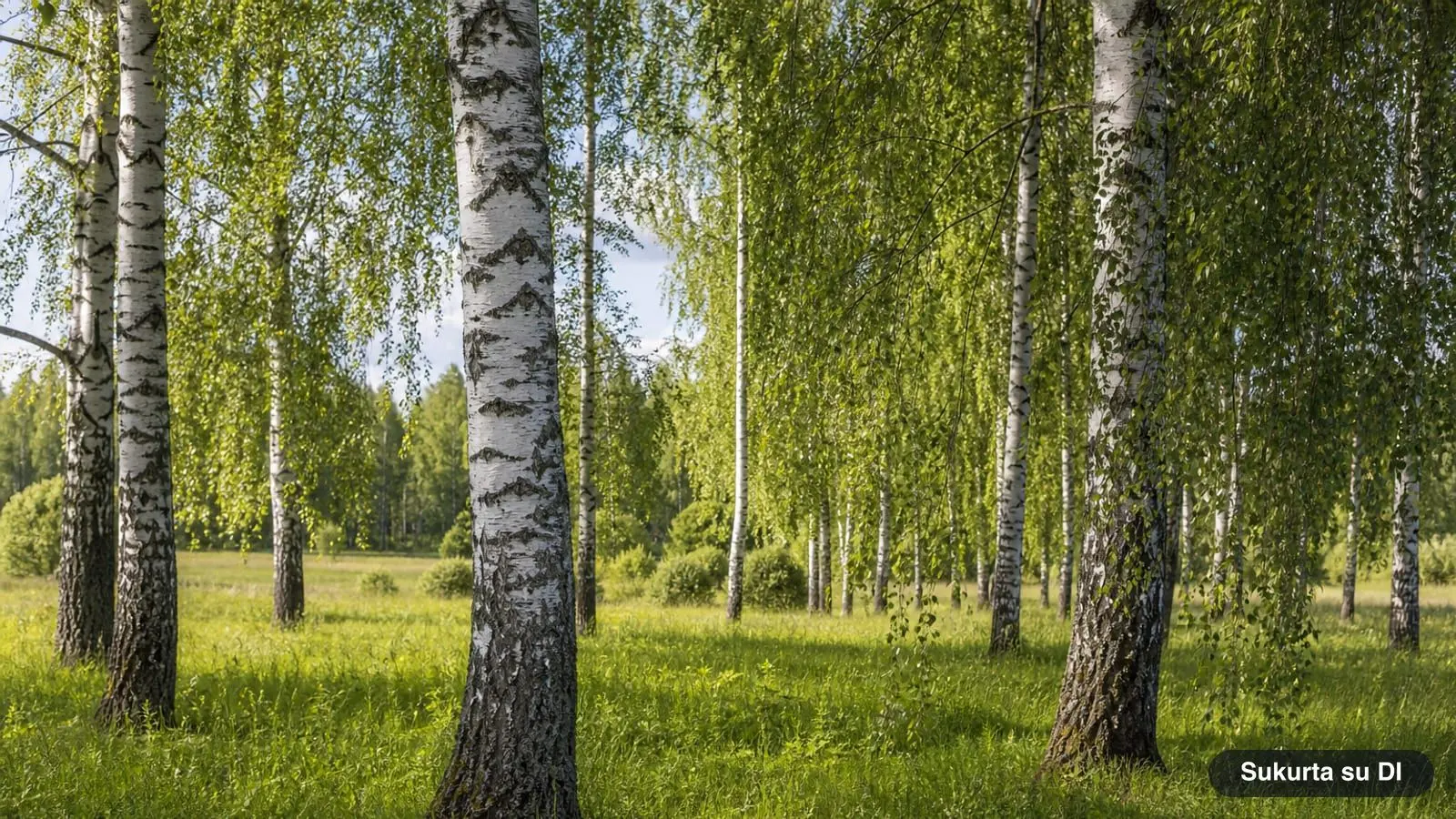
This article is part of the 77.today trees guide, prepared by the 77.today editors from the sources listed at the end.
Thanks to its white trunk, the birch is perhaps one of the most easily recognizable trees in the landscape. However, not everyone knows there are multiple species, and the two main ones—silver birch and downy birch—differ in appearance, habitat, and seed ripening times. In this part of the Tree Guide, learn how to identify birches by their bark, leaves, catkins, seeds, and buds, where they grow, how long they live, and what they are used for.
| Latin name | Betula pendula (silver birch), Betula pubescens (downy birch) |
|---|---|
| Family | Birch family (Betulaceae) |
| Group | Deciduous broadleaf, native to Europe and northern Asia |
| Height | Silver birch 50–80 ft (15–25 m), rarely 100–115 ft (30–35 m); downy birch 33–65 ft (10–20 m) |
| Lifespan | Silver birch up to 150 years, downy birch up to 120 years |
| Blooms | Early spring, as leaves emerge |
| Fruits | Winged nutlets in catkins, mid-to-late summer |
| Forest share | Forms a major component of northern boreal and temperate forests |
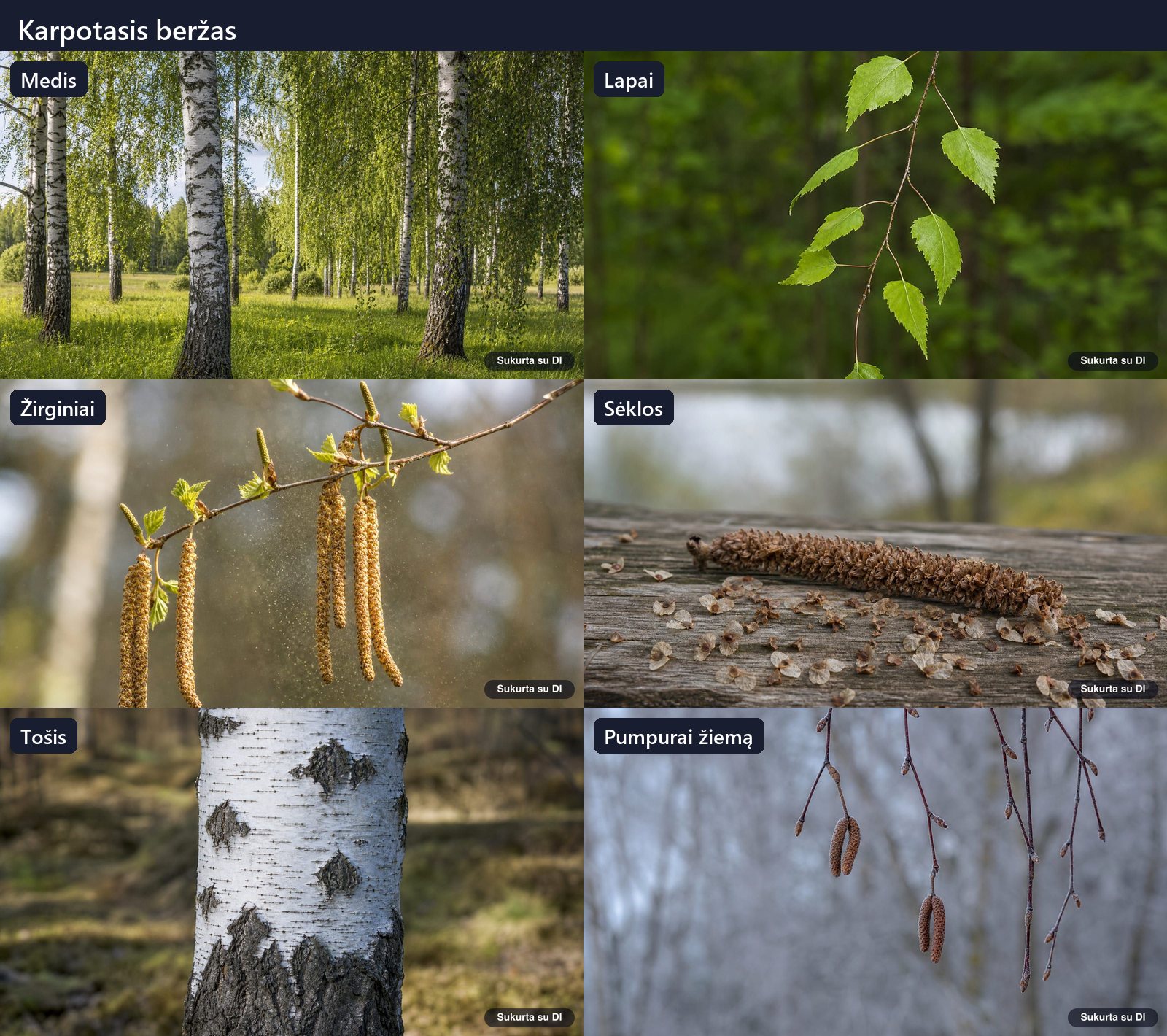
Birch Species and Habitats
Several birch species grow naturally across the Northern Hemisphere. In northern Europe and parts of Asia, forests are primarily dominated by two species: the silver birch and the downy birch. Other native species include shrubs: the shrubby birch grows in wet meadows, and the dwarf birch is a rare, tiny Ice Age relic found in raised bogs, standing just a few inches tall. In parks and gardens, species like the paper birch and Himalayan birch are also widely planted.
Birches are pioneer species. Their lightweight seeds are the first to reach clearings, abandoned fields, and burned areas, meaning young birch groves often represent the first stage of a future forest. They make up a massive percentage of woodland areas in cool temperate and boreal climates, thriving alongside conifers like pine and spruce.
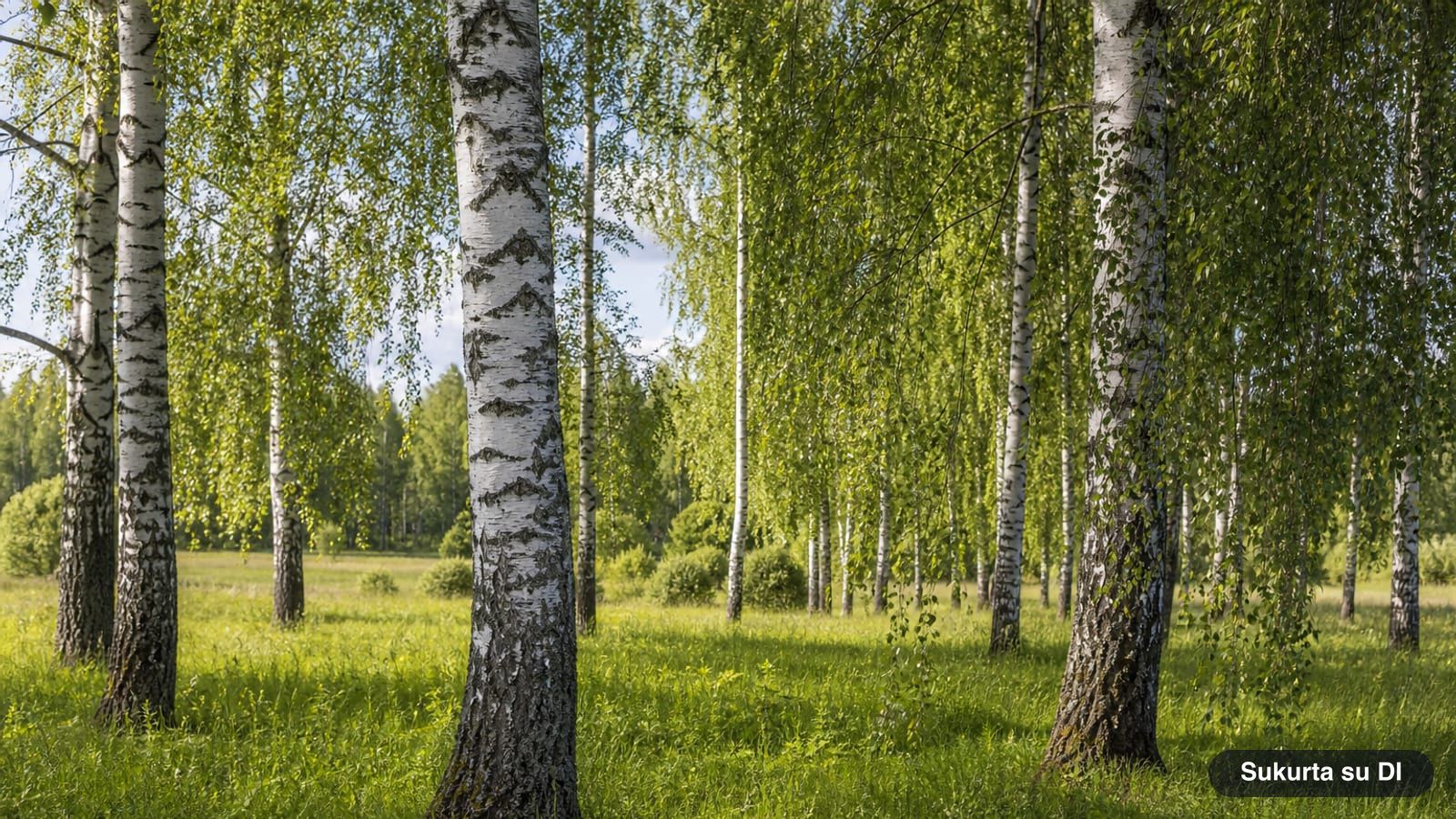
How to Identify a Birch Tree
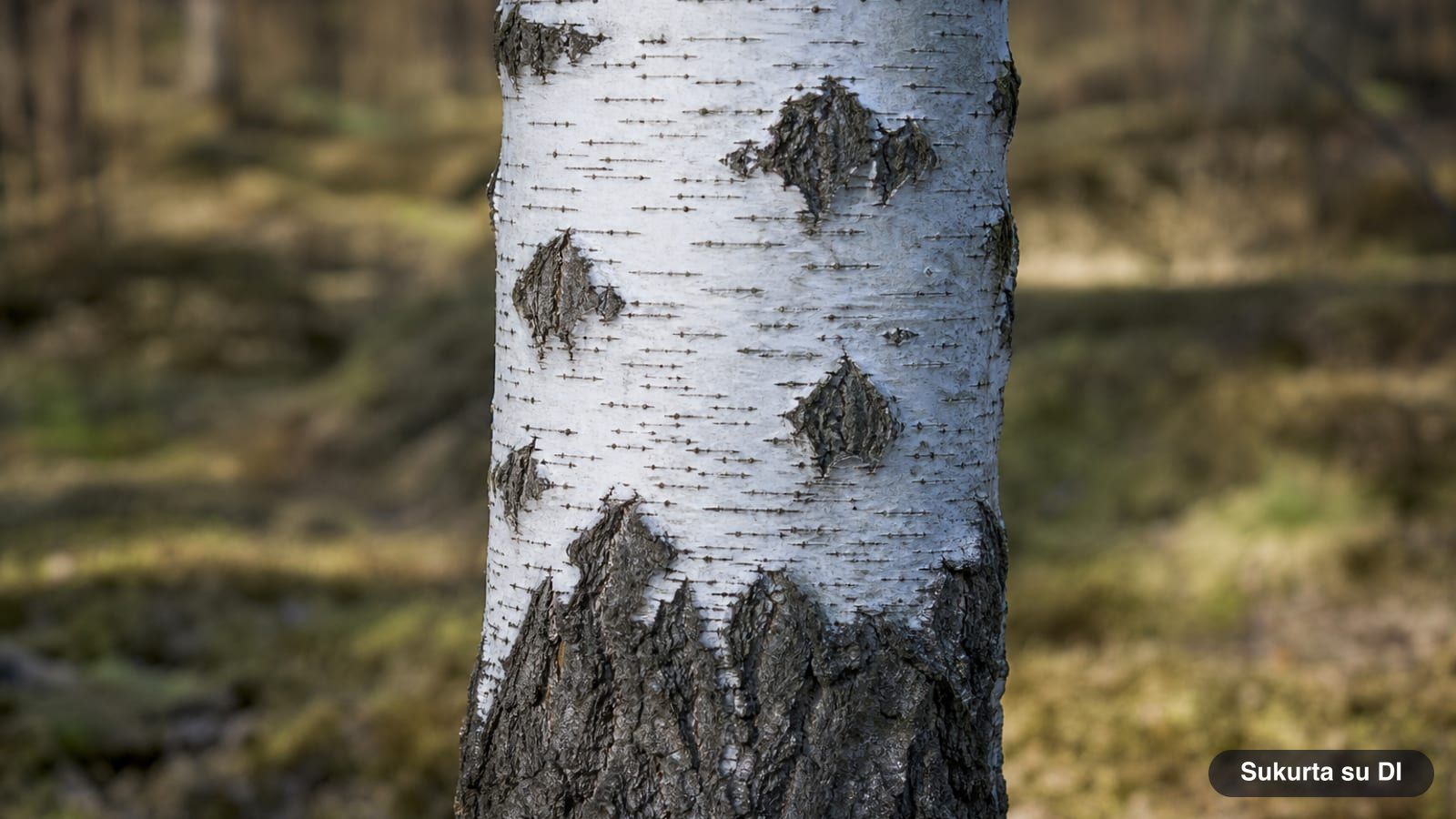
Bark
Birch bark is famous for its appearance. It is white, smooth, thin, layered, and often peels in papery strips. It is dotted with dark horizontal lines called lenticels, through which the trunk "breathes." The white color comes from an abundance of betulin, a compound that reflects sunlight. As the tree ages, the base of the trunk turns black and becomes deeply fissured. On a silver birch, this dark, rough section extends quite high up the trunk, whereas the bark of a downy birch remains smooth closer to the ground for much longer.
Leaves
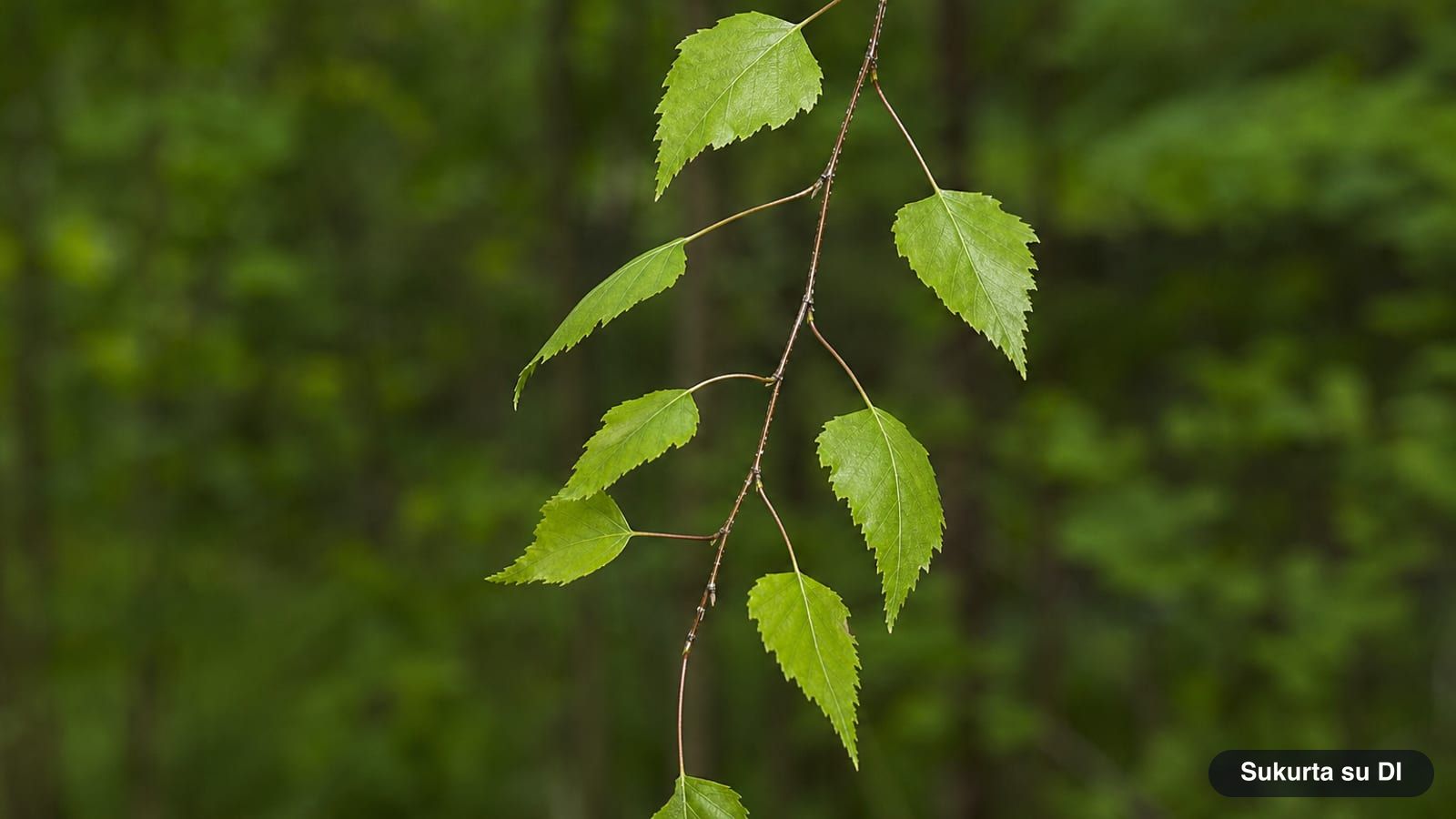
The leaves of the silver birch are triangular or diamond-shaped, 1.2–2.8 inches (3–7 cm) long, with a pointed tip, a double-toothed margin, and a 0.8–1.2 inch (2–3 cm) stalk. Young leaves are slightly sticky. Downy birch leaves are smaller, 0.8–2.4 inches (2–6 cm) long, more oval with a rounded base. Its young leaves and stalks are covered in fine hairs; as they mature, the hairs remain only in the vein axils on the underside. Both species have alternately arranged leaves. In autumn, they turn a bright, clear yellow. In cool northern climates, phenological observations show leaves typically begin to yellow in early September, and by late October, the trees are usually bare.
Catkins and Seeds
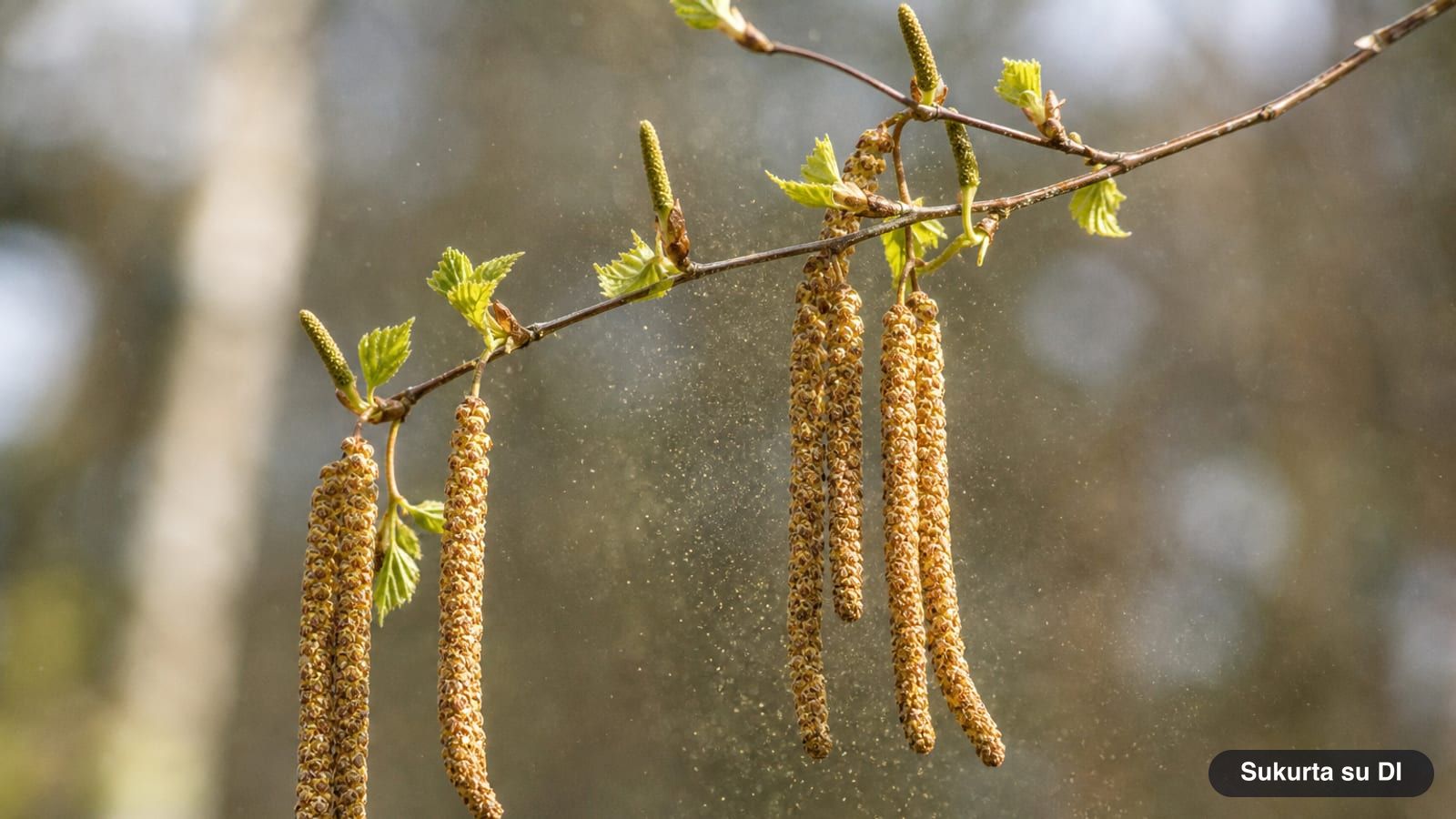
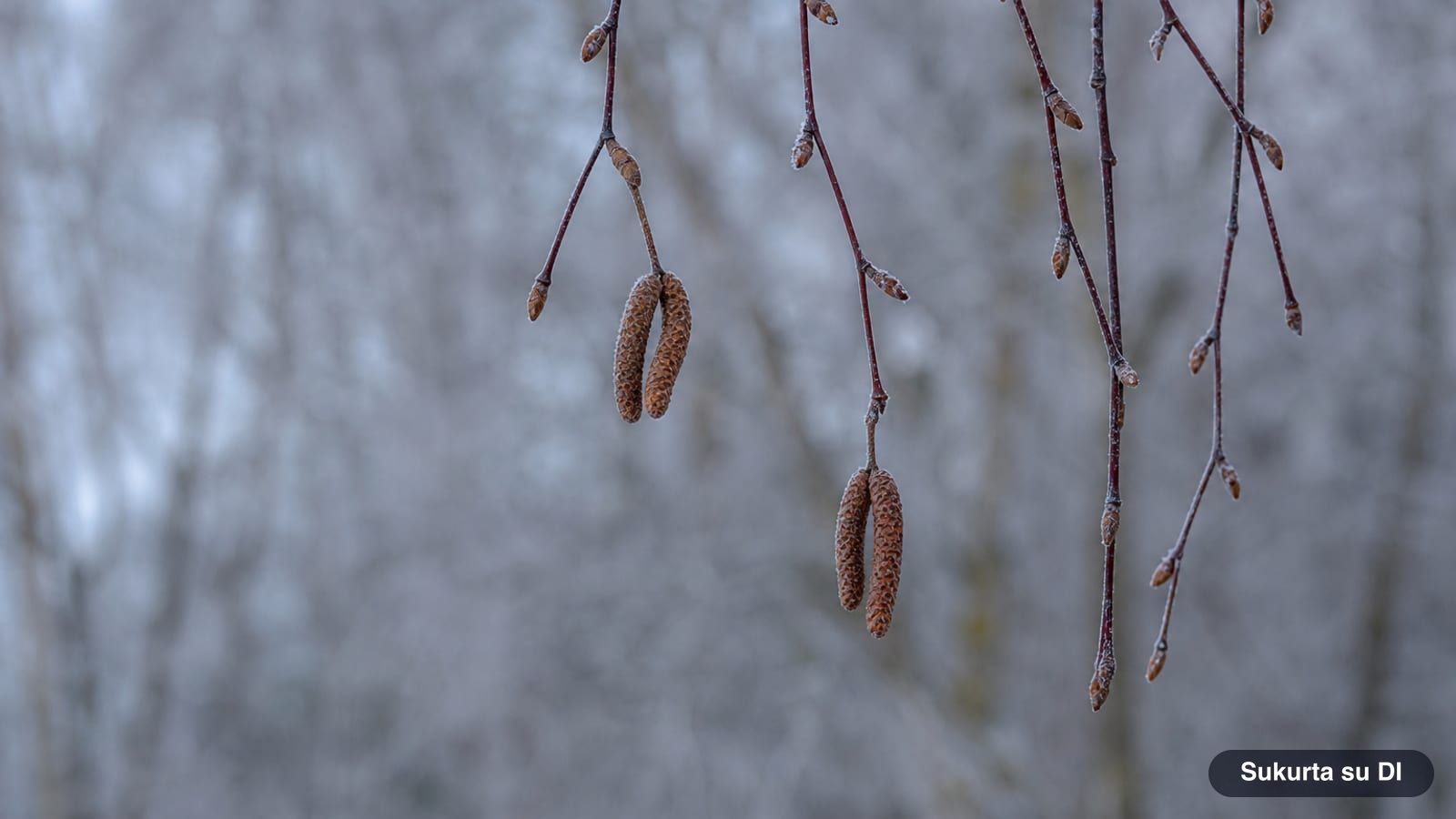
Birches bloom in early spring as their leaves unfurl. The male catkins are long, drooping, and yellowish-brown, clustered at the ends of twigs in groups of two to four. They actually form in the autumn, so during winter, small brown catkins are visible on the bare branches—a great identification feature. Female catkins are shorter, upright, and green, growing on short lateral shoots. The flowers are wind-pollinated.
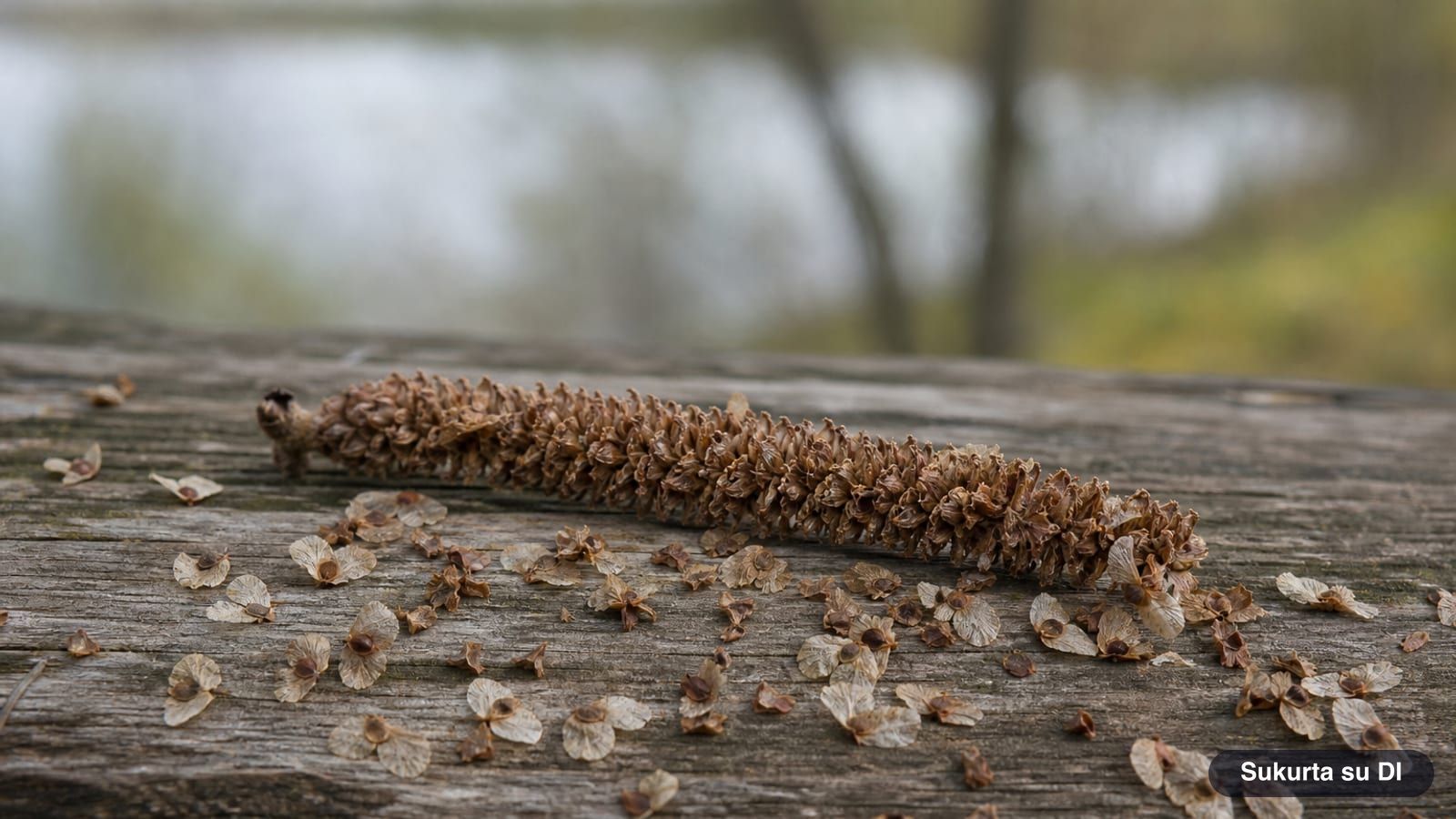
After pollination, the female catkin develops into a cylindrical fruiting body. Once ripe, it shatters into tiny three-lobed bracts and hundreds of miniature nutlets—seeds equipped with two wide, transparent wings. A thousand downy birch seeds weigh a mere 0.005–0.009 ounces (0.15–0.25 g), allowing the wind to carry them vast distances. Silver birch seeds mature earlier, usually in mid-summer, while downy birch seeds ripen in late summer to early autumn.
Buds
Birch buds are small, pointed, 0.15–0.28 inches (4–7 mm) long, slightly sticky, and arranged alternately on slender, dark reddish-brown twigs. In winter, a birch canopy is recognizable from afar: it is relatively sparse with fine twigs. On a silver birch, these twigs droop elegantly, and the unopened brown male catkins hang from their tips.
Silver Birch vs. Downy Birch: A Comparison
| Feature | Silver Birch | Downy Birch |
|---|---|---|
| Twigs | Drooping, with tiny wart-like bumps | More upright, young twigs are hairy, no warts |
| Leaves | Triangular or diamond-shaped, 1.2–2.8 in (3–7 cm), hairless | Oval, 0.8–2.4 in (2–6 cm), young leaves are hairy |
| Bark | Base turns black and fissured early and high up | Remains smooth longer, with dark patches |
| Habitat | Drier sandy loams and loams | Damp, boggy, more acidic soils |
| Height | 50–80 ft (15–25 m), rarely up to 115 ft (35 m) | 33–65 ft (10–20 m), rarely up to 100 ft (30 m) |
| Seeds ripen | Mid-summer | Late summer to early autumn |
In nature, the two species sometimes hybridize, so it is not always possible to assign every birch to one species based on a single trait—it is best to look at several features at once.
Birch Wood, Sap, and Other Products
For a long time, birch wood was undervalued, and foresters sometimes considered birches a weed because their rapid growth would shade out planted conifers. Today, birch wood is highly sought after. It is used to make furniture, plywood, and paper. Birch firewood is classified in the highest heat-producing group and has long been prized for wood-burning stoves. Birch twigs are traditionally tied into bathhouse whisks (sauna besoms) and brooms, the bark is used for crafts, and dry distillation of the bark produces birch tar.
In early spring, before the tree has leafed out, birch trees can be tapped for sap. A single mature downy birch can yield about 9.7 lbs (4.4 kg) of sap per day. If tapping in a public forest, always check local regulations and forestry rules, and ensure the hole is properly plugged afterward. (We have written separately about the sweeter, earlier-flowing maple sap). Birch buds are also collected for herbal use in late winter, just before they begin to swell.
Birches and Allergies
In northern climates, birch pollen is one of the most significant spring allergens. According to studies cited on Wikipedia, up to 20% of people in these regions suffer from birch pollen allergies. For sensitive individuals, symptoms can begin when there are just 30 pollen grains per cubic meter of air. Because birches release their pollen in early to mid-spring, allergy sufferers should monitor local pollen forecasts and avoid spending long periods in birch groves on dry, windy days.
Birch in Folklore and History
In European folk songs and traditions, the birch is often a symbol of purity, youth, and renewal. It was historically believed that birch branches could protect against lightning and evil spirits, and birch wood was frequently used to make cradles. In various spring festivals across Europe, such as Pentecost, homes and gates were traditionally decorated with fresh birch branches. In Celtic and Germanic mythology, the birch is frequently associated with new beginnings, fertility, and purification, often being the first tree to leaf out in spring. The word birch itself is one of the few tree names attested across many Indo-European languages, derived from a root meaning "to shine" or "bright, white"—a clear nod to the tree's striking white bark.
Birch in the Garden
Birch trees will grow in almost any well-draining soil. They are exceptionally cold-hardy (thriving in USDA zones 2–7) and wind-resistant, though they do not tolerate heavy urban air pollution well. In a garden, a birch creates a light, dappled shade. However, its shallow, extensive root system aggressively draws moisture from the soil, making it difficult to grow lawns or thirsty flowers directly beneath it. Decorative forms—such as weeping, cut-leaf, or exceptionally white-barked varieties—are well-suited for smaller plots. Keep in mind that you should avoid planting a birch close to the house if anyone in your family is allergic to its pollen.
Frequently asked questions
How do you tell silver birch and downy birch apart?
Silver birch has drooping branches, warty young shoots, and triangular, double-toothed leaves. Downy birch has upright branches, hairy young shoots, more oval leaves, and prefers wetter, boggy soils.
When do birch trees bloom?
In early spring, at the same time the leaves emerge. Male catkins are long, drooping, and yellowish-brown, while female catkins are shorter, upright, and green. They are wind-pollinated, releasing massive amounts of pollen.
Why do birch trees cause allergies?
Birch pollen is a major spring allergen in northern climates. Allergic reactions can trigger in sensitive individuals when pollen counts reach just 30 grains per cubic meter of air, with severe reactions at 80 or more.
How long do birch trees live?
Silver birch lives up to 150 years, and downy birch up to 120 years. They are relatively short-lived but very fast-growing, with silver birch experiencing its most rapid growth between 20 and 30 years of age.
Why is birch bark white?
The bark is rich in betulin, a white powdery substance that reflects sunlight. This protects the trunk from overheating and sudden temperature fluctuations. However, the base of older birch trunks eventually turns black and deeply fissured.
When is the best time to tap birch sap?
In early spring, when the soil warms and sap begins to flow, but before the tree has leafed out. Always check local regulations before tapping trees in public forests, and ensure the hole is properly plugged afterward.
Log in to comment
No comments yet. Be the first.