Willows: Identifying White, Crack, and Goat Willows
- The Salix genus includes both tall willow trees and smaller, multi-stemmed shrub willows often called osiers or sallows.
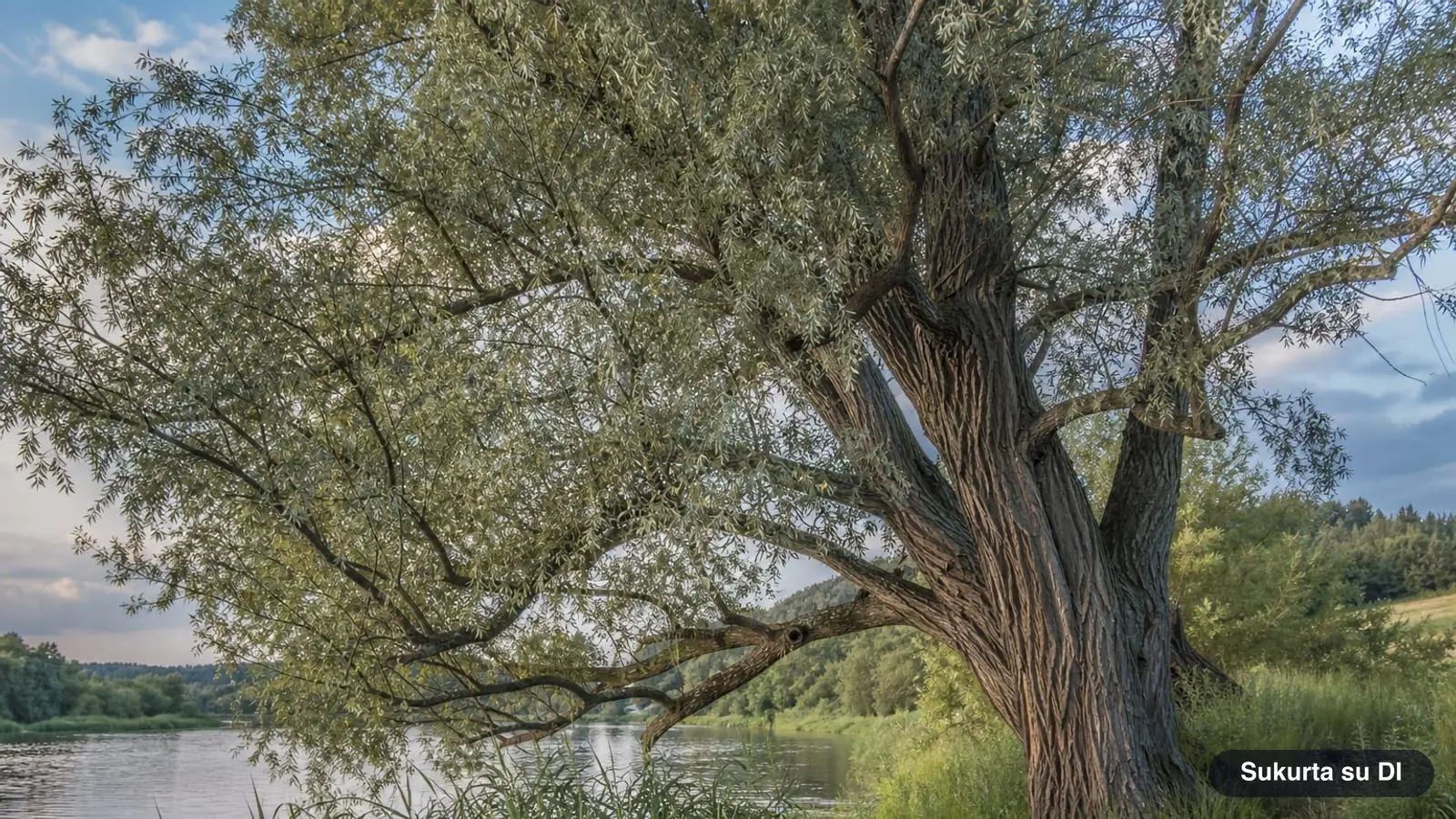
- The white willow is one of the tallest species, typically reaching 65–80 ft (20–25 m), and sometimes up to 115 ft (35 m).
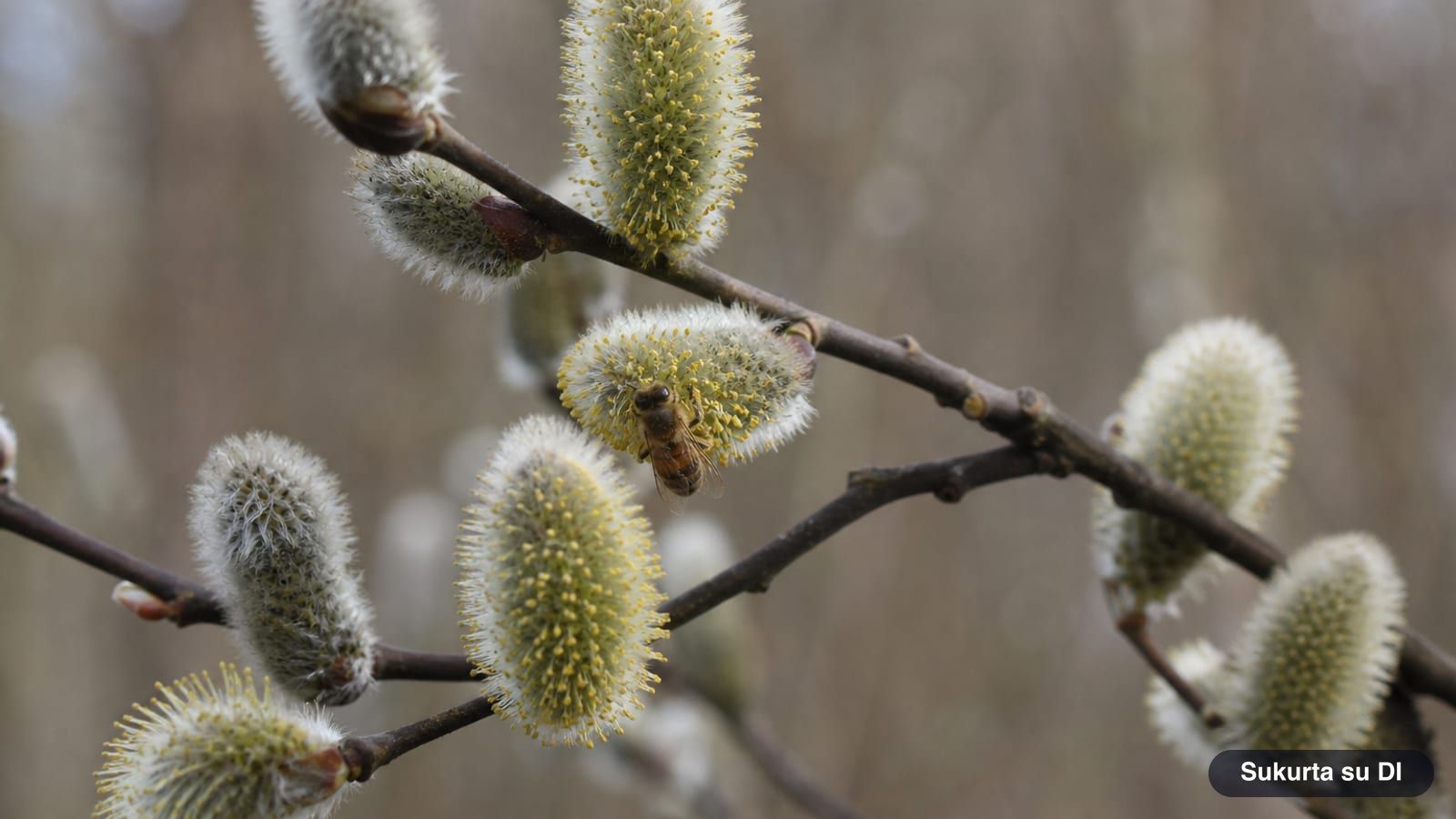
- The goat willow (pussy willow) blooms in early spring before its leaves appear; its fluffy catkins are a vital early food source for bees.
- Willow bark contains salicin, the chemical compound that famously paved the way for the development of aspirin.
- Several low-growing wetland willow species are rare and protected under various national conservation lists worldwide.
This article is part of the 77.today trees guide, prepared by the 77.today editors from the sources listed at the end.
Willows are true neighbors of water: broad-leaved elders leaning over riverbanks and ponds, dense thickets along ditch margins, and goat willows that are among the first to dress up in fluffy catkins in early spring. There are dozens of Salix species native to temperate regions across the Northern Hemisphere—ranging from towering 100-foot (30 m) trees to tiny bog shrubs just a few inches tall. In this part of the Tree Guide, we explore the willow family: how to identify the white willow, crack willow, and goat willow, the difference between tree and shrub forms, the medicinal history of willow bark, and how to grow them in your garden.
| Latin name | Salix alba (white), S. fragilis (crack), S. caprea (goat) |
|---|---|
| Family | Willow (Salicaceae) |
| Group | Deciduous, native to temperate regions, dioecious |
| Height | White 65–80 ft (20–25 m), up to 115 ft (35 m); crack 50–65 ft (15–20 m); goat 6–40 ft (2–12 m) |
| Lifespan | White 100+ years; crack approx. 80; goat approx. 60 |
| Blooms | Early to mid-spring, usually before leaves emerge |
| Fruit | Capsules with fluffy seeds, late spring to early summer |
| Habitat | Riverbanks, lake and pond shores, wet meadows, clearings |
Willows and Shrub Willows
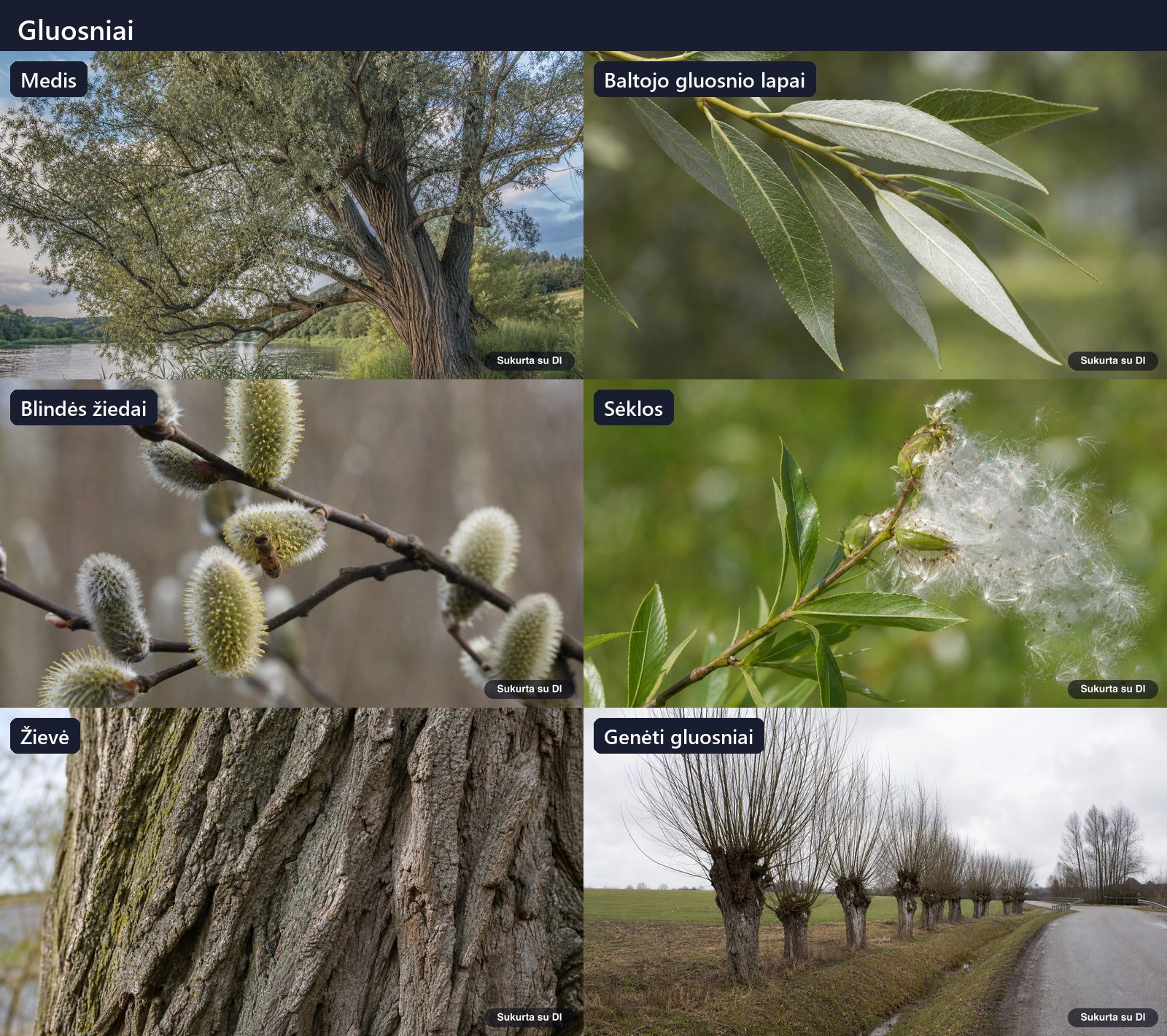
The willow genus (Salix) is large, and its species crossbreed easily, making them sometimes tricky even for botanists to tell apart. Common names often provide a convenient division: tall, tree-forming species are generally called willows (like the white, crack, and bay willows), while the multi-stemmed shrubby species are often referred to as osiers or sallows (such as the purple willow or common osier). The goat willow often grows into a small tree but is botanically grouped with the shrub willows. The highly ornamental weeping willow (often called the Babylon willow) is widely cultivated in gardens and parks worldwide.
All willows share a few common traits: they are dioecious (male and female catkins grow on separate plants), their buds are covered by a single hood-like scale, their leaves are mostly elongated, and their seeds are tiny with a tuft of white hairs. Willows are incredibly easy to propagate from cuttings: a twig or even a thick stake driven into moist soil will often root and grow into a new plant.
White Willow
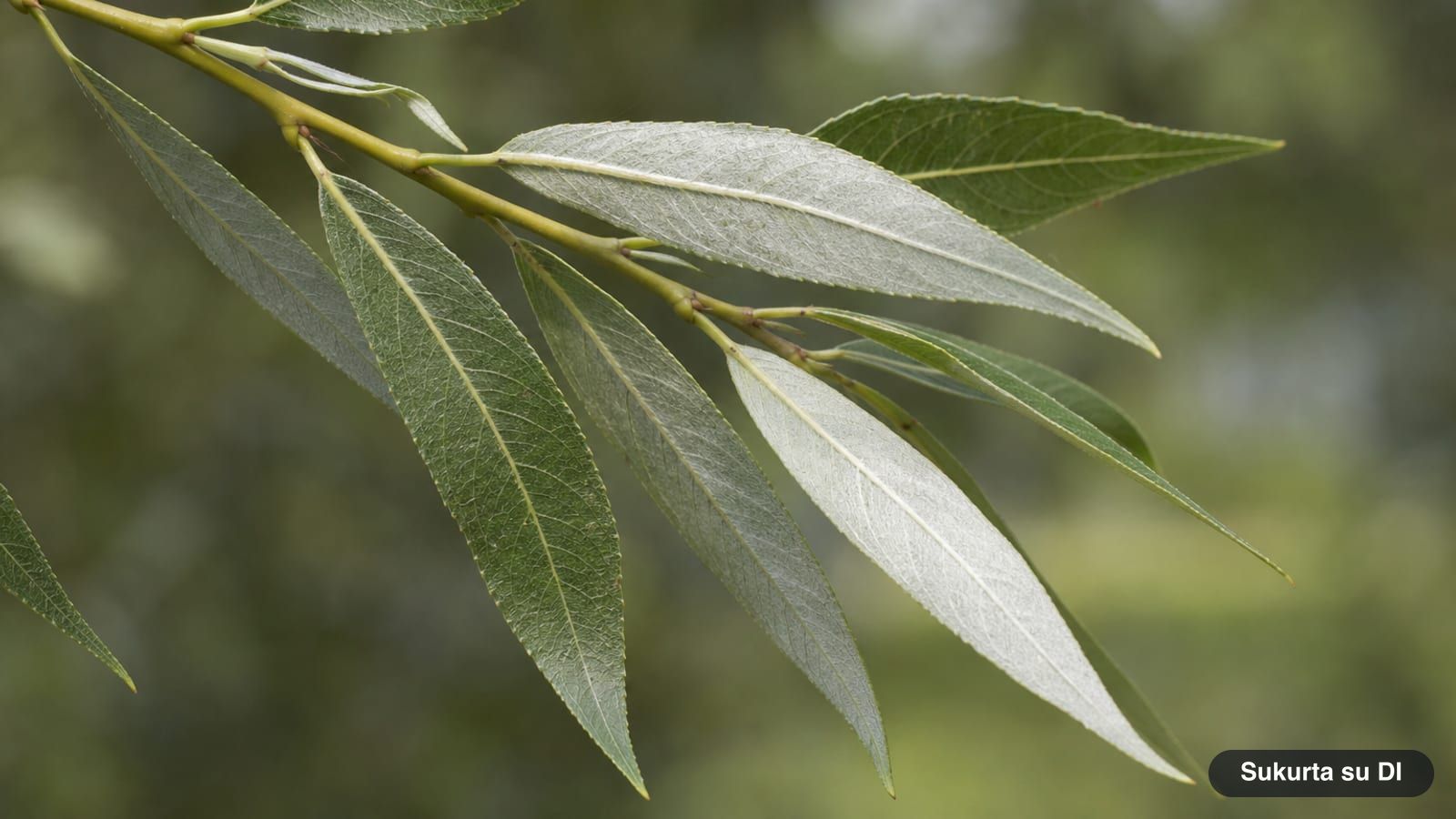
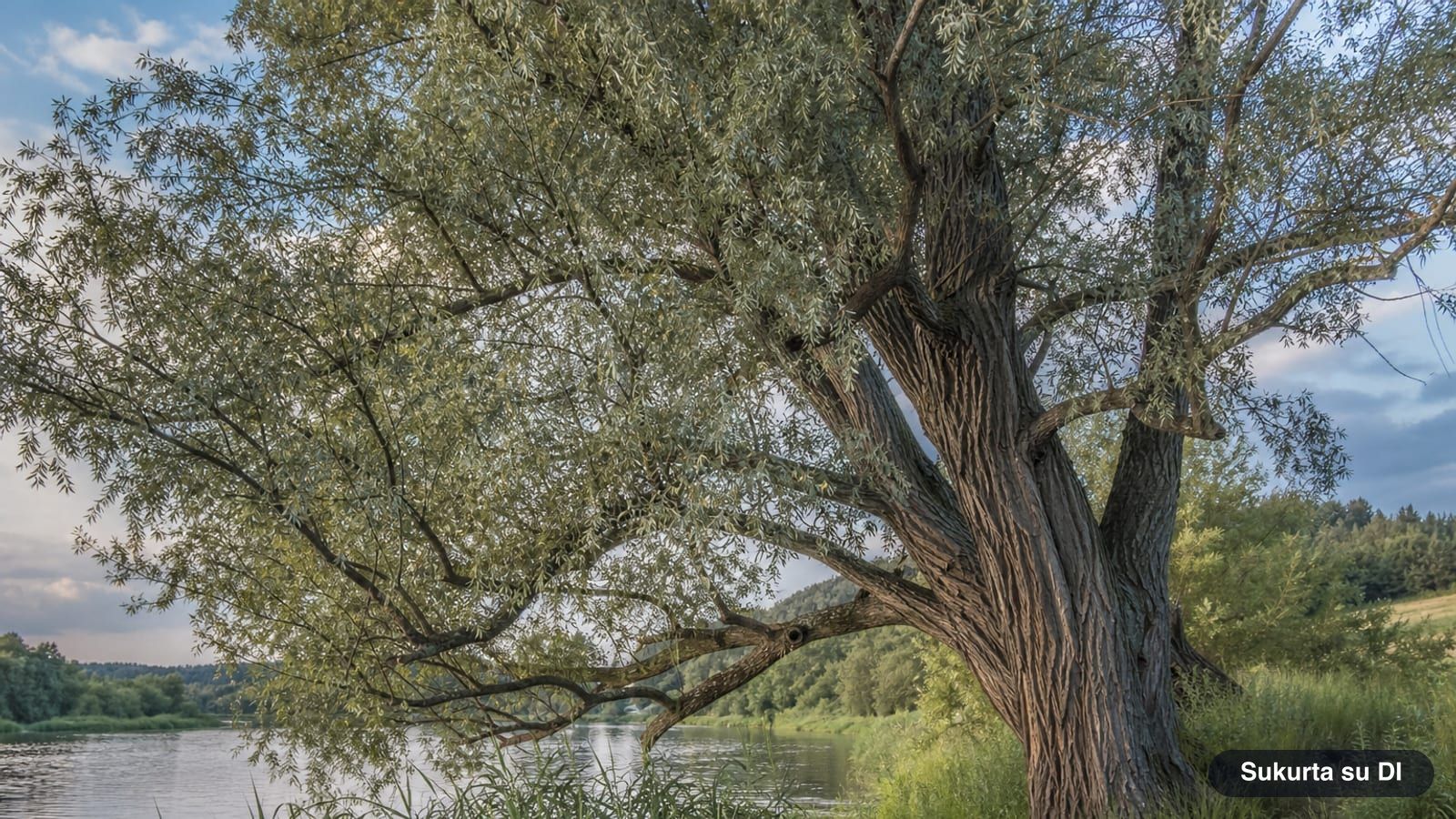
The white willow is one of the tallest willow species, typically reaching 65–80 ft (20–25 m), and sometimes up to 115 ft (35 m), with a trunk diameter of up to 3 ft (1 m)—or up to 6.5 ft (2 m) in very old specimens. Its canopy is broadly oval, branches are sweeping or drooping, and young twigs are flexible and yellowish or brownish. The leaves are lance-shaped, 3–4 inches (8–10 cm) long and about 0.6 inches (1.5 cm) wide, with serrated edges; the upper side is dark green, while the underside is whitish and silky-hairy. These fine hairs make the tree shimmer with silver in the wind, which is how it earned both its common and Latin names. The white willow grows rapidly—young trees can shoot up by as much as 3 ft (1 m) per year. It is highly cold-hardy, typically thriving in USDA zones 2–8.
A widely cultivated variety is the golden willow (Salix alba var. vitellina), which stands out in the winter landscape with its striking bright yellow branches.
Crack Willow
The crack willow is a very common native tree in many temperate regions, growing along rivers, lakes, ponds, ditches, and roadsides. It is slightly shorter than the white willow—usually 50–65 ft (15–20 m), rarely up to 95 ft (29 m)—and lives for about 80 years. Its name comes from its highly brittle twigs: 3- to 5-year-old branches break off easily with an audible snap, and strong winds can bring down even thicker limbs. The leaves are elongated and lance-shaped, 2–7 inches (5–18 cm) long with a long pointed tip, dark glossy green on top, and bluish-green or gray underneath, but lacking the silky hairs of the white willow. The crack and white willows hybridize easily—their offspring is known as the hybrid crack willow (Salix × rubens).
Goat Willow (Pussy Willow)
The goat willow is a small tree or large shrub, growing 6–40 ft (2–12 m) tall, rarely reaching 72 ft (22 m). It is very common in woodlands, clearings, young forests, riverbanks, and wet meadows. The leaves are elliptic and quite broad (2–7 inches / 5–18 cm long and 1.2–3 inches / 3–8 cm wide), with a short, often backward-curving tip, and a whitish, hairy underside—looking quite different from the narrow leaves typical of most willows. The goat willow blooms in early spring before the leaves appear: its catkins are initially covered in soft white hairs—the classic spring "pussy willows"—and later the male catkins turn bright yellow with pollen. Rich in nectar, the goat willow is one of the most important early food sources for waking bees.
How to Identify a Willow
Flowers and Seeds
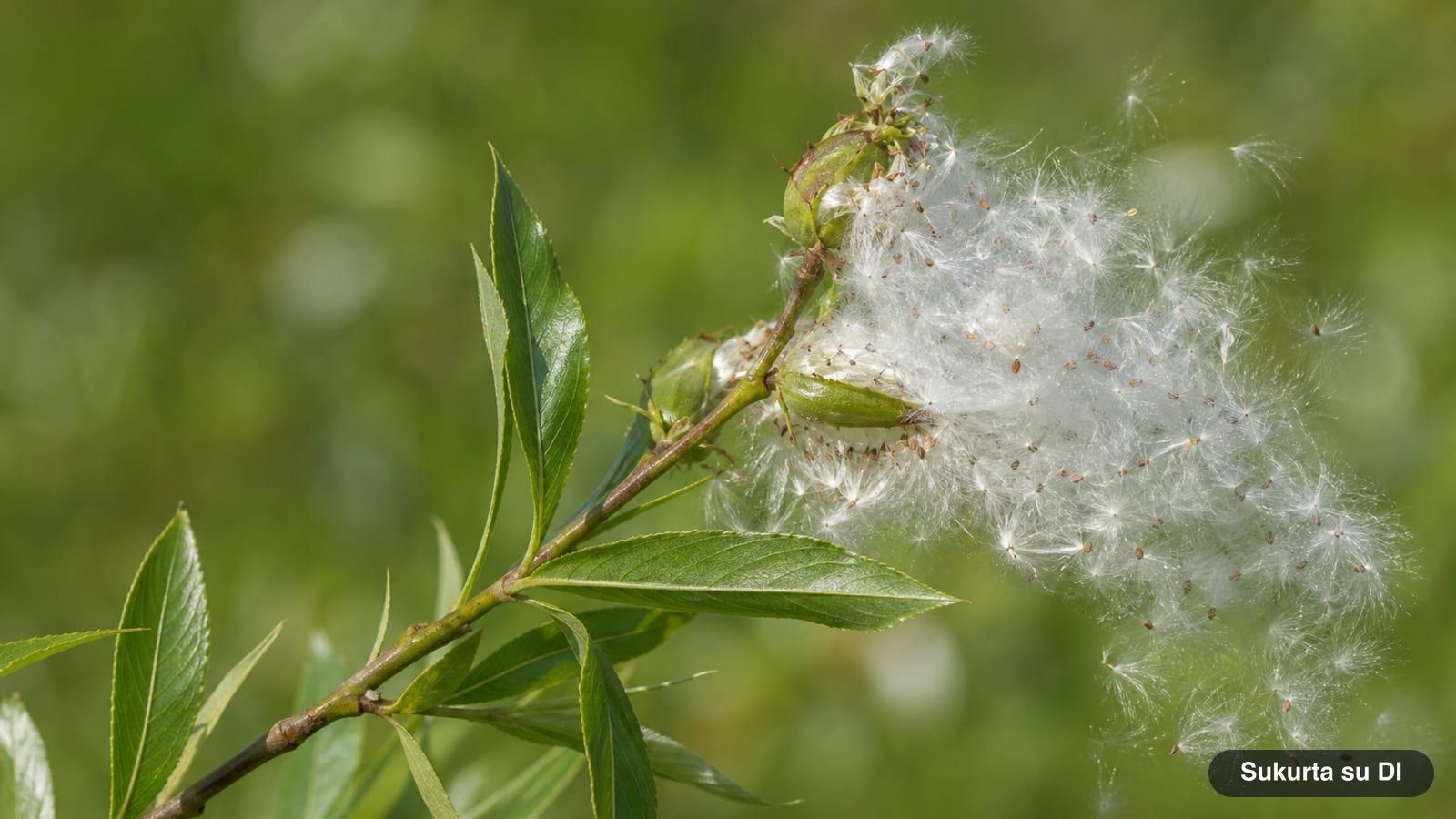
Willow flowers lack petals and are clustered into catkins. The male catkins of the white willow are bright yellow and 1.2–2 inches (3–5 cm) long, while the female ones are green. The white willow blooms in mid-spring, whereas the crack willow blooms slightly later, as its leaves are emerging. From the pollinated flowers, small capsules develop, which open in late spring to early summer, releasing countless tiny seeds attached to tufts of white hair. During this time, riverbanks and streets can look as though they are covered in "fluff." The seeds remain viable for only a short time and must reach moist soil quickly to germinate.
Bark
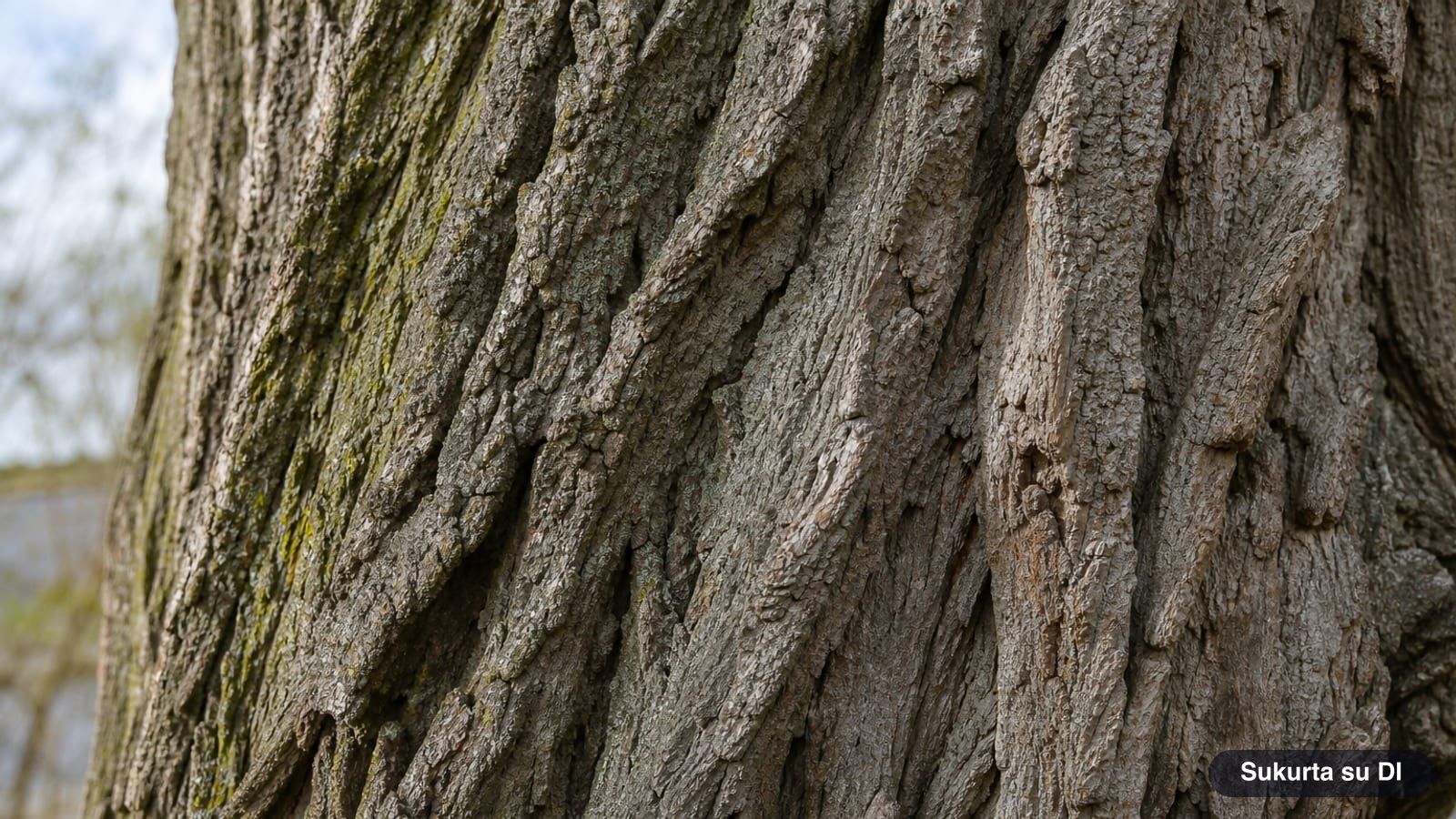
The bark of young willows is smooth and grayish-green or brownish. On older white and crack willows, the bark becomes thick, grayish-brown, and deeply fissured with interlacing ridges. The bark of the goat willow remains smooth and grayish-green for a long time, only becoming fissured at the base of the trunk as it ages.
Willows: A Comparison
| Feature | White Willow | Crack Willow | Goat Willow |
|---|---|---|---|
| Form | Tall tree, drooping branches | Tree, brittle twigs | Small tree or shrub |
| Leaves | Narrow, silky white underneath | Long, narrow, glossy top | Broad, elliptic, hairy underneath |
| Blooms | Mid-spring, before leaves | Late spring, with leaves | Early spring, before leaves |
| Lifespan | 100+ years | Approx. 80 years | Approx. 60 years |
Willow Bark and Aspirin
Willow bark contains salicin, a compound that the human body converts into salicylic acid. For centuries, willow bark was used to relieve pain and reduce fevers. In the 19th century, research into willow bark led to the discovery of salicylates and, ultimately, the synthesis of acetylsalicylic acid—better known as aspirin. The bark of the goat willow also contains 16–21% tannins and was historically used to produce black dye. Today, willow bark preparations are sold as herbal supplements, but they should not be used as a direct substitute for medication without consulting a pharmacist, especially if you are allergic to aspirin.
Where Willows Grow and Their Uses
Willows are light-demanding and love moisture: they are most commonly found along rivers, lakes, ponds, wet meadows, and roadside ditches. The crack willow easily tolerates spring flooding. Willow roots are excellent at stabilizing banks, which is why they are often planted to protect river slopes from erosion. All willows provide valuable nectar for pollinators. The flexible twigs of the white willow and various osiers have long been used for basket weaving, while thicker branches were used for fencing. Willow wood is soft and light, historically used for carving, firewood, and paper pulp.
Some specialized willow species are quite rare: low-growing bog and coastal shrubs like the Lapland willow (Salix lapponum) and creeping willow (Salix repens) are protected under various conservation lists in many countries.
Pollarded Willows
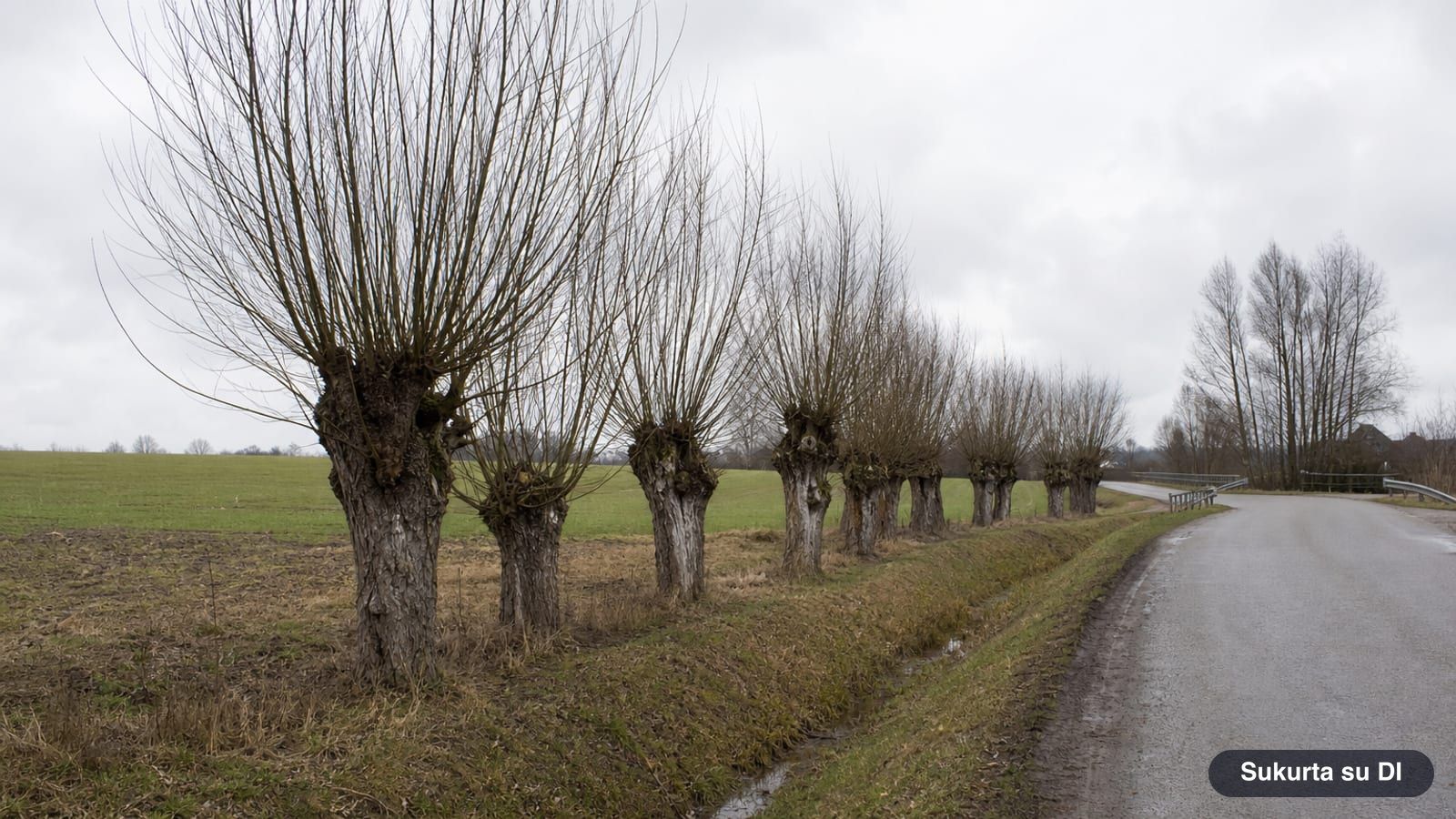
In rural landscapes, you will often see thick-trunked willows topped with a dense "hat" of straight young shoots. These are pollarded willows: every few years, all their branches are cut back to the top of the trunk, prompting a flush of new shoots from dormant buds. Historically, this technique provided a sustainable harvest of firewood, weaving material, and livestock fodder. When repeated regularly, pollarding can actually prolong the tree's life, and the hollows that eventually form in old pollarded willows create vital habitats for insects, birds, and bats.
Willows in the Garden
Gardens often feature weeping willows, ornamental shrub varieties, and grafted standards—such as the dappled willow (Salix integra 'Hakuro-Nishiki') with its striking pink, white, and green variegated leaves. Willows need plenty of sun and moisture; they will struggle in dry spots. Large willows should never be planted close to houses, wells, or drainage pipes, as their aggressive, water-seeking roots can easily damage foundations and plumbing. In many European and Asian mythological traditions, the willow is deeply associated with water, the moon, and fertility, often symbolizing both grief and resilience due to its ability to regrow from a single broken branch. To learn about other moisture-loving trees, check out our guide to alders.
Frequently asked questions
What is the difference between a willow tree and a shrub willow?
Both belong to the same Salix genus. It is common to distinguish between tall tree forms (like the white and crack willows) and shrubby forms (often called osiers or sallows). The goat willow, while often growing into a small tree, is botanically grouped with the shrub willows.
How do you identify a white willow?
Look for narrow, lance-shaped leaves 3–4 inches (8–10 cm) long with a whitish, silky-hairy underside that gives the tree a silvery look in the wind. It has a broad canopy with drooping branches and thick, deeply fissured bark, typically growing near rivers and wetlands.
Why is the crack willow called that?
Its 3- to 5-year-old twigs are very brittle and break off easily with a loud cracking sound. Strong winds often snap even thicker branches. You will frequently find fallen twigs beneath the tree, which can easily root in moist soil to grow into new trees.
When does the goat willow bloom?
In early spring, before the leaves unfurl. The male catkins first appear covered in soft white hairs—often called "pussy willows"—and later turn yellow with pollen. They are rich in nectar, making them crucial for bees waking up in spring.
Is willow bark really related to aspirin?
Yes. Willow bark contains salicin, which the body converts into salicylic acid. Studying willow bark led to the discovery of salicylates and eventually the synthesis of acetylsalicylic acid, known as aspirin. However, the raw bark should not be used as a direct substitute for medication.
Are any willow species protected?
Yes, many low-growing, bog-dwelling shrub willows (such as the Lapland willow or creeping willow) are rare and protected by conservation laws in various countries. Additionally, certain historic or culturally significant individual willows are often protected as heritage trees.
Log in to comment
No comments yet. Be the first.