Pine Trees: Scots Pine, Needles, Cones, and Other Pine Species
- The Scots pine (Pinus sylvestris) is a widely distributed species native to Eurasia and commonly grown in cool temperate climates.
- Pine forests are ecologically vital, often dominating sandy soils and covering vast areas of the Northern Hemisphere.
- The needles grow in pairs, measure 1.5–3 inches (4–8 cm) long, and remain on the branches for two to three years.
- Seeds mature inside the cones over a period of 18 months and are released the following spring.
- Scots pines can grow exceptionally tall, with some historic specimens reaching heights of 144 feet (44 m).
This article is part of the 77.today trees guide, prepared by the 77.today editors from the sources listed at the end.
The landscape of many northern temperate forests is unimaginable without the pine: sandy heathlands, coastal dune woodlands, and vast taiga expanses are primarily pine forests. The Scots pine (Pinus sylvestris) is a widespread native tree across Eurasia and a dominant species in many cool-climate forests. In this part of the tree identification guide, we explore how to identify a pine by its needles, flowers, cones, bark, and buds, where it thrives, its lifespan, and how it differs from other commonly planted species like mountain, black, eastern white, and Swiss pines.
| Latin name | Pinus sylvestris |
|---|---|
| Family | Pine family (Pinaceae) |
| Group | Evergreen conifer |
| Height | 80–130 ft (25–40 m), rarely up to 148–164 ft (45–50 m) |
| Lifespan | 300–400 years, sometimes 500–600 |
| Blooms | Late spring to early summer |
| Seeds | Mature in 17–18 months, drop in spring |
| Habitat | Dominates sandy and well-drained soils across northern Eurasia |
How to Identify the Scots Pine
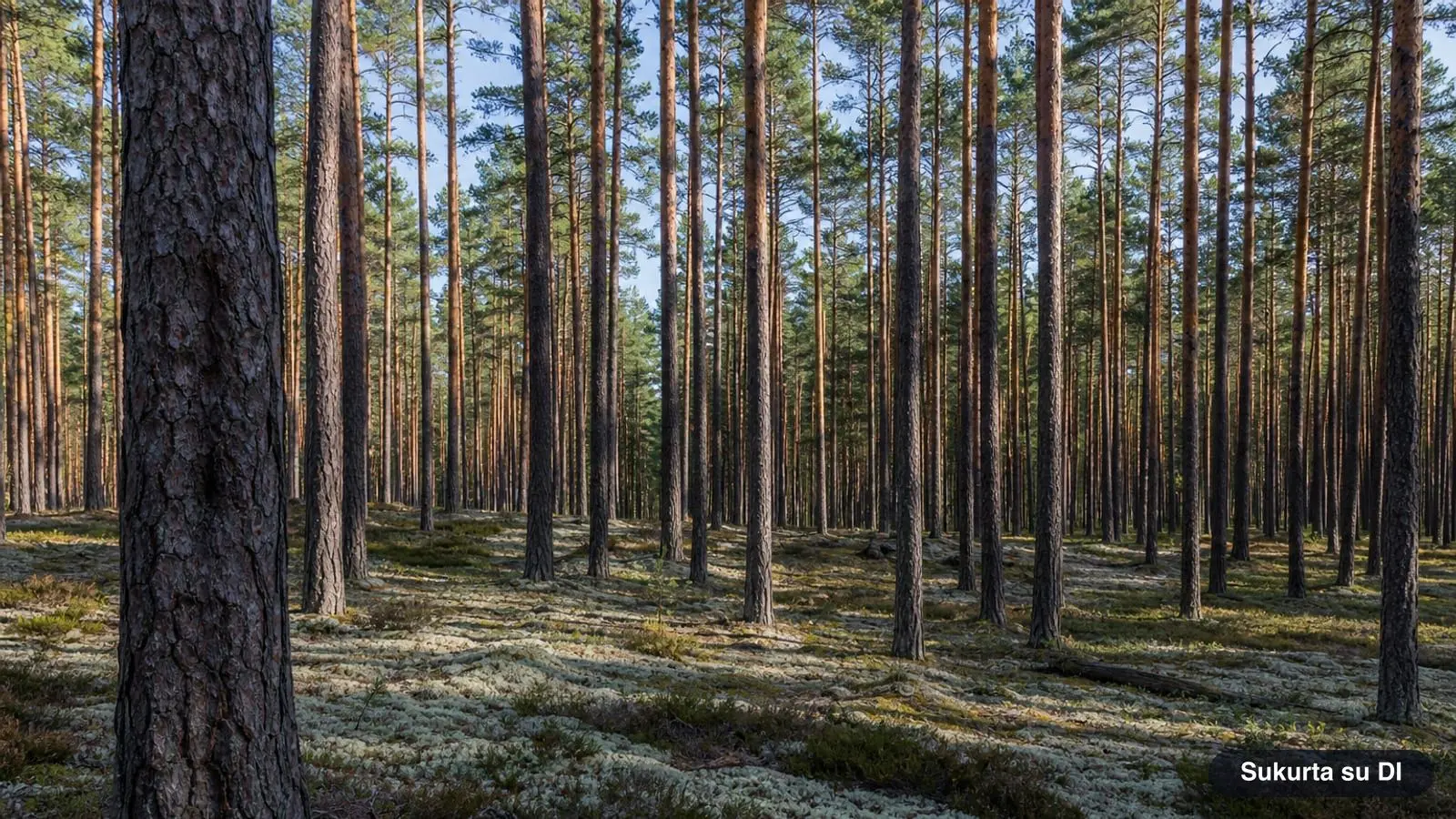
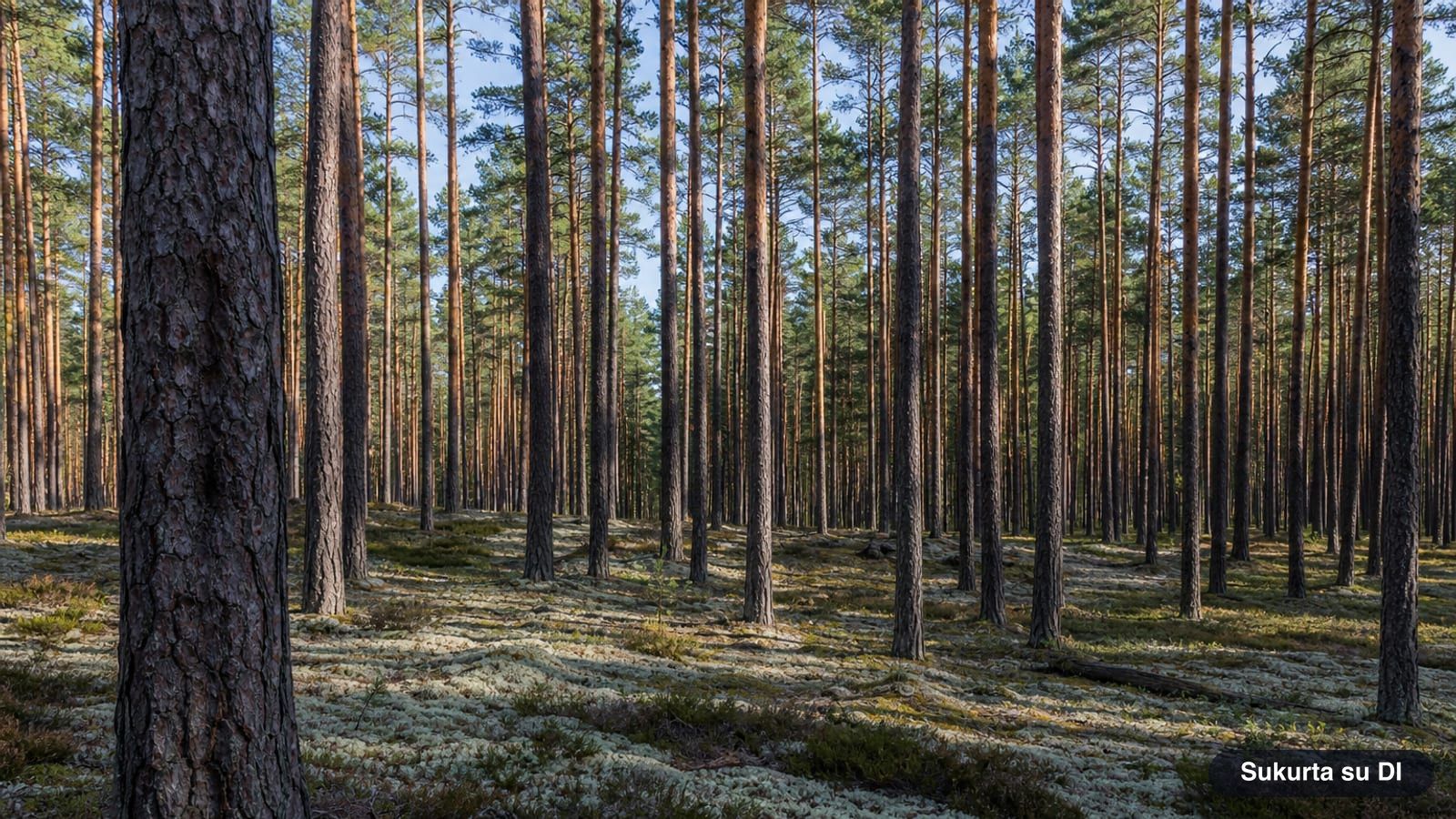
The crown of a young pine is conical, later becoming cylindrical, and in old trees, it turns flat and umbrella-shaped. In dense forests, pine trunks are straight and tall, with branches remaining only at the top, making a mature pine forest resemble a bright colonnade. Solitary pines are often crooked, heavily branched, and resinous. The pine is a light-loving tree that tolerates a wide range of climatic conditions (cold-hardy to about −40°F or −40°C, USDA zones 2–7). It prefers light, sandy soils where it is difficult for other species to outcompete it.
Needles
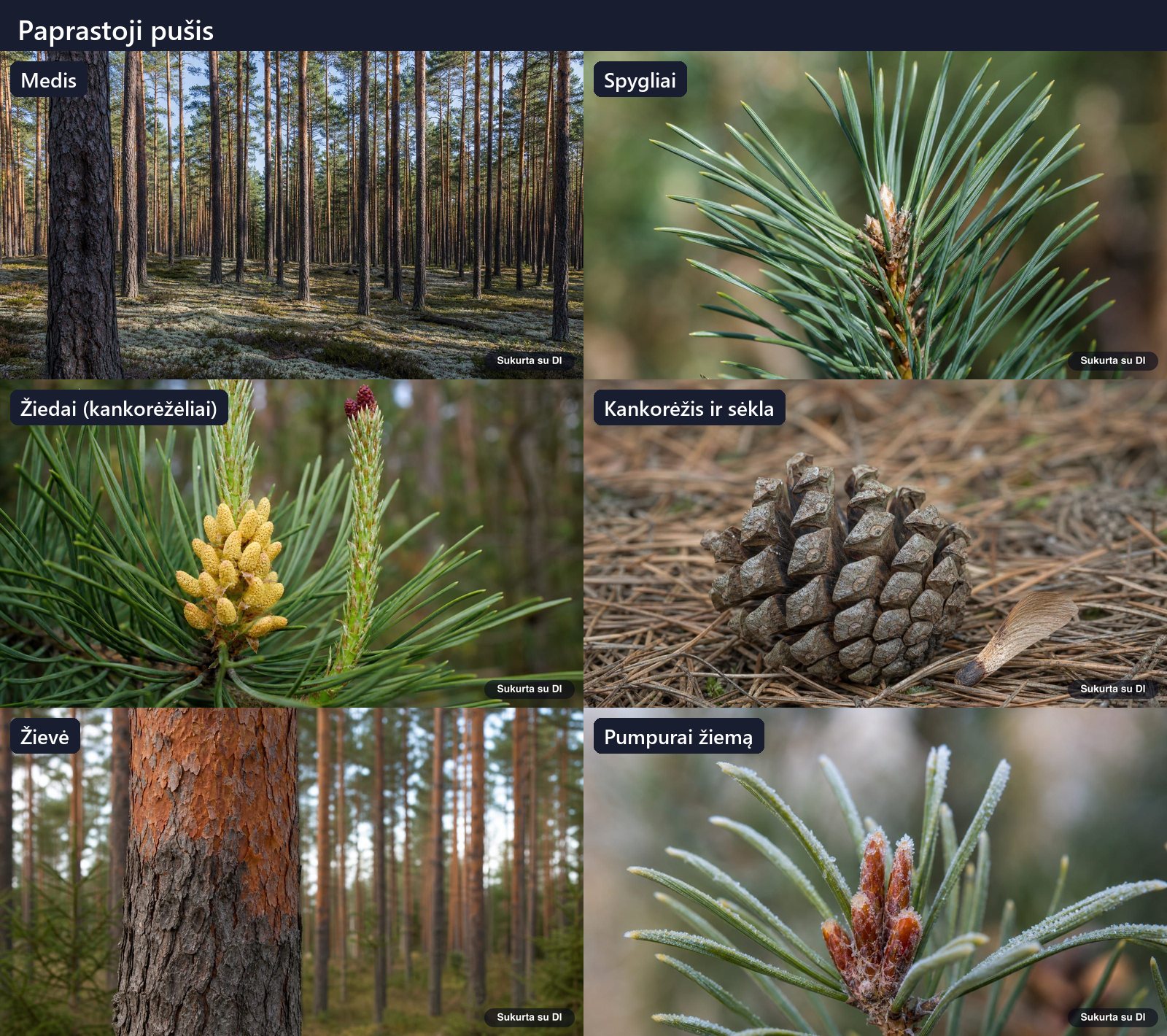
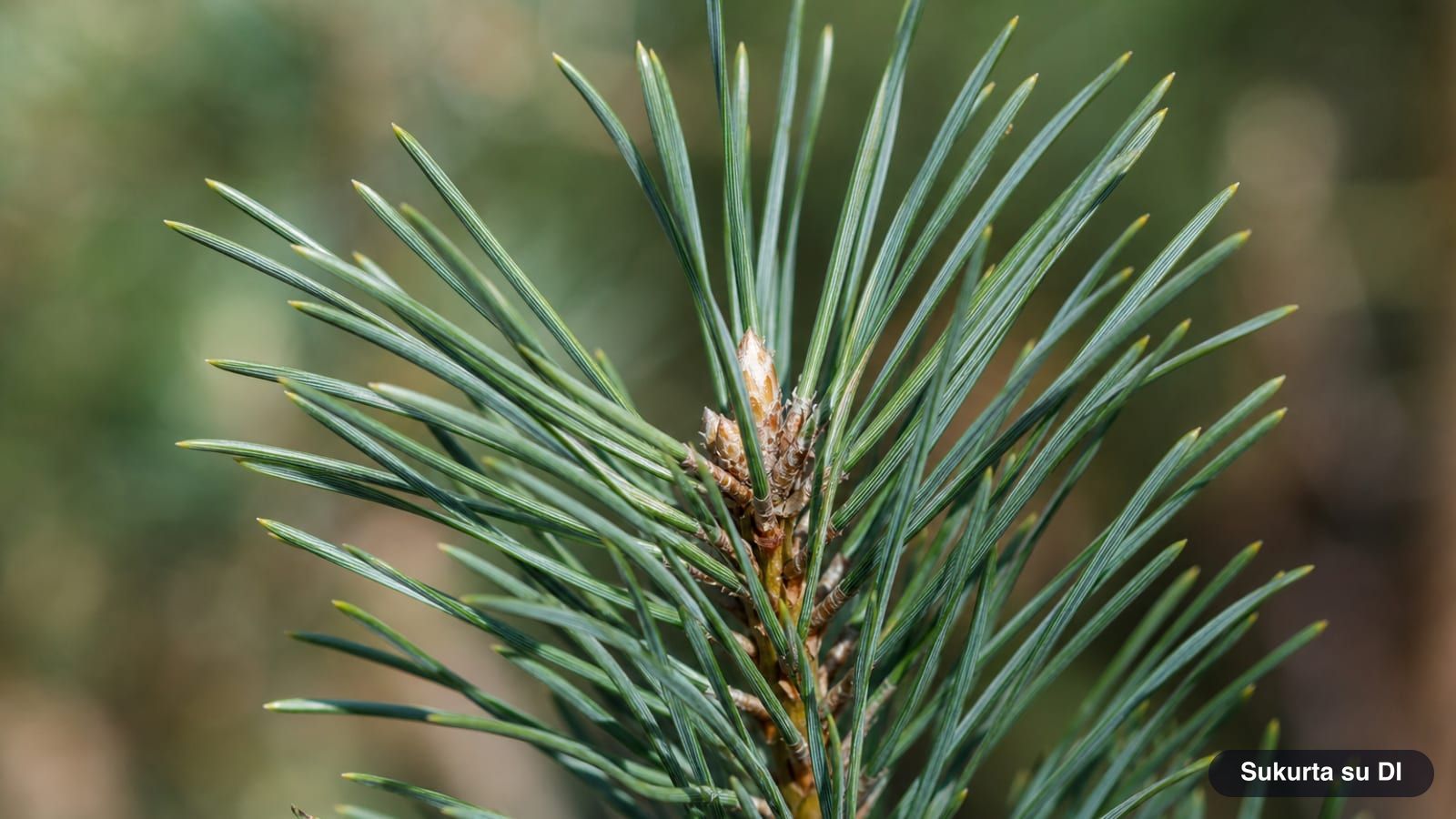
The most important identifying feature is the needles, which grow in pairs from a common short sheath. They are 1.5–3 inches (4–8 cm) long, about 0.06 inches (1.5 mm) wide, stiff, sharp, slightly twisted, bluish or grayish-green, with finely toothed edges. The needles remain on the branches for two to three years. In autumn, the oldest inner needles turn yellow and drop off—this is a natural process, not a disease. For comparison, spruce needles grow individually and are much shorter.
Flowers and Cones
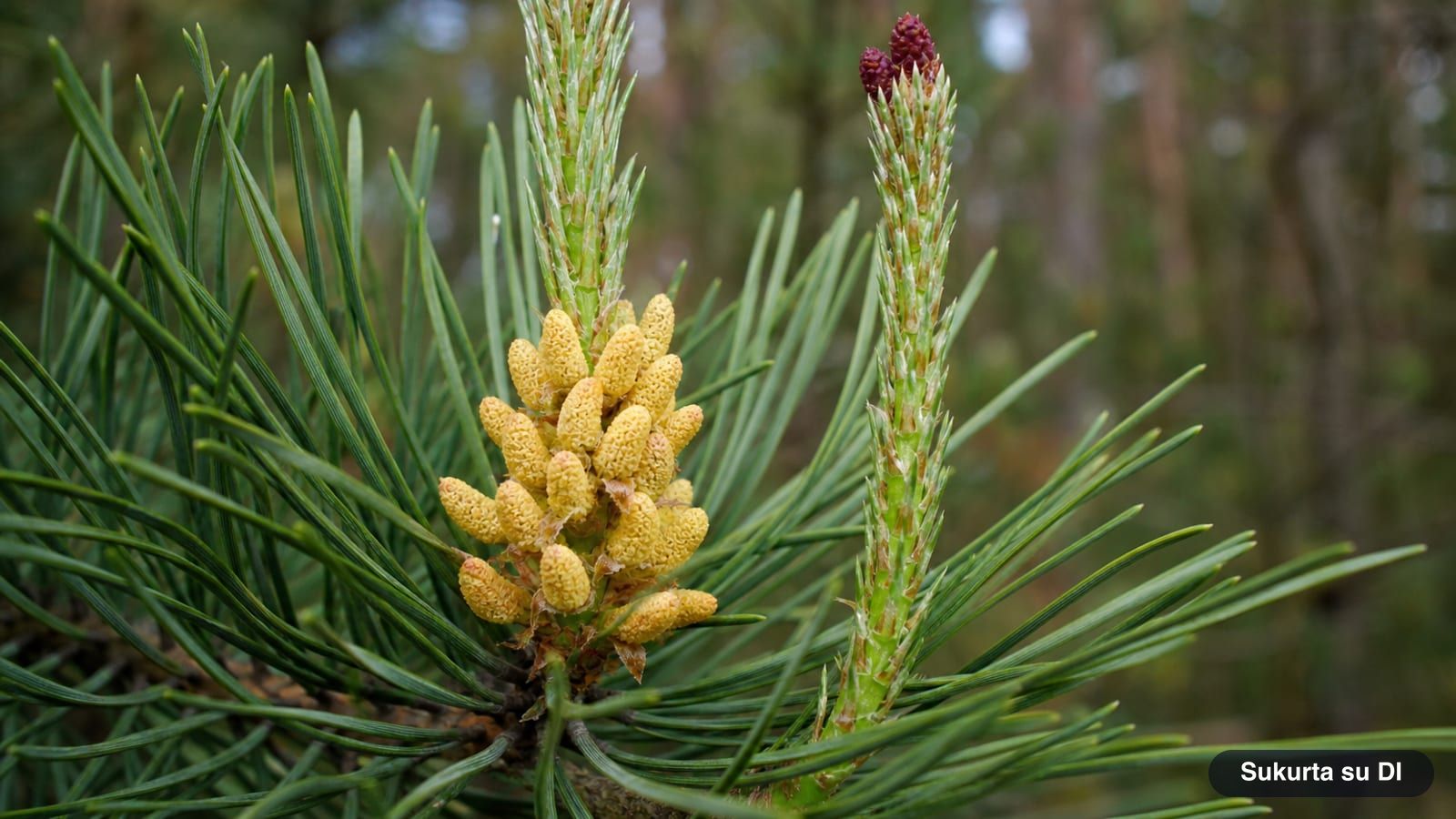
Pines do not have true flowers—their "blooming" is the development of cones. In late spring or early summer (typically May to June in the Northern Hemisphere), clusters of yellowish male cones gather at the base of young shoots, releasing clouds of pollen. The female cones are small, pinkish, and grow at the very tips of new shoots, either singly or in groups of two to three. Once pollinated, they gradually turn green and enlarge, but the seeds only mature 17 to 18 months later, in the autumn of the following year. Mature cones are grayish-brown, oval, and 1–2.7 inches (2.5–7 cm) long, releasing their seeds in early to mid-spring.
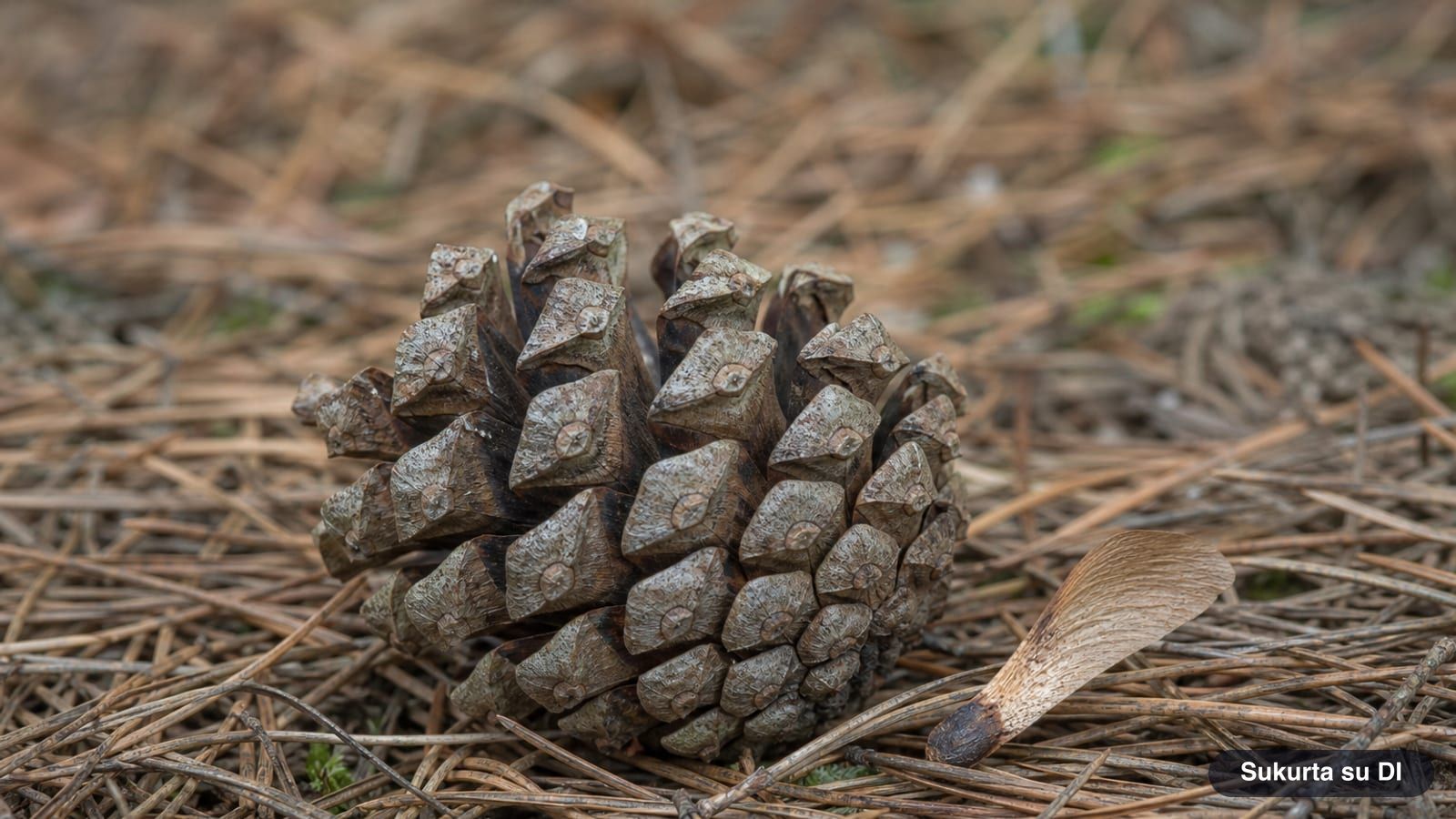
The pine seed is small, dark, and features a long membranous wing, allowing the wind to carry it far from the parent tree. The seeds are eaten by woodpeckers and crossbills, and squirrels extract them from the cones. Read more about winged seeds and cones in the tree seeds and fruits article.
Bark and Buds
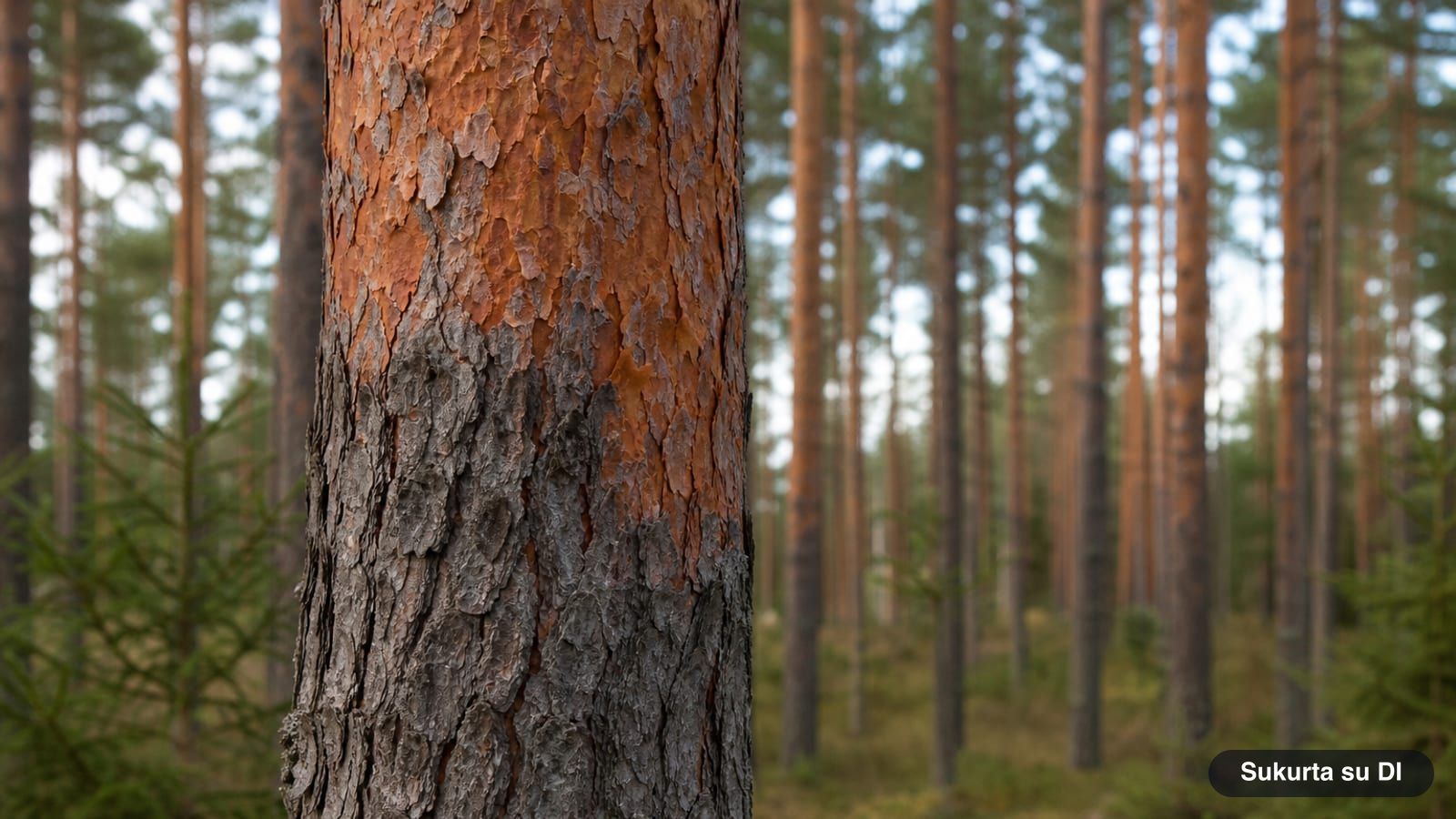
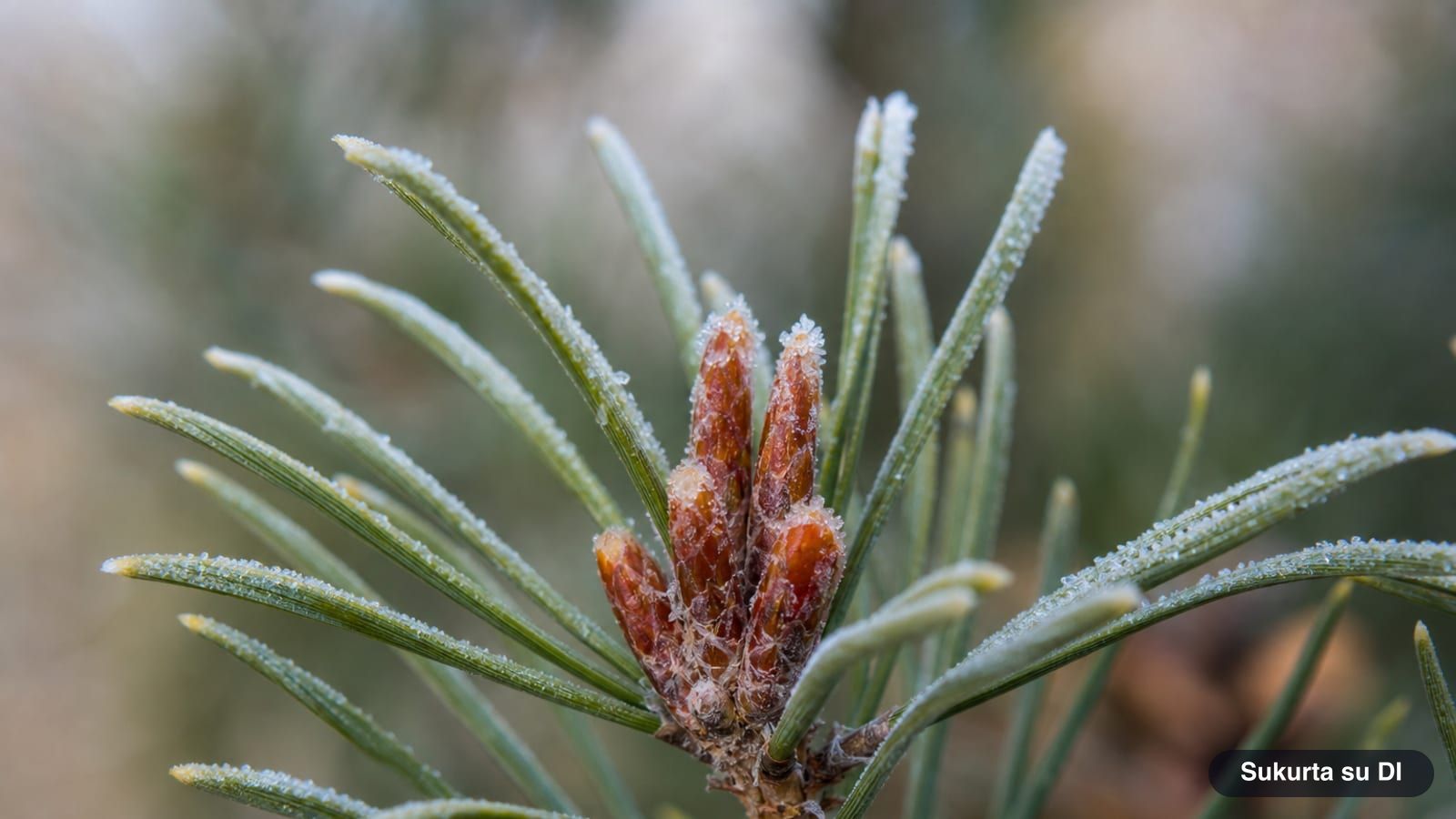
The pine trunk is easily recognized by two distinct bark zones. In the lower part, the bark is thick, deeply fissured longitudinally, grayish-brown, and composed of thick plates. Higher up, it abruptly becomes thin, peeling in flaky layers, and is yellowish-red or orange—on a sunny day, the upper canopy of a pine forest seems to glow. The buds are conical or cylindrical, pointed, 0.2–0.5 inches (6–12 mm) long, occasionally up to 0.8 inches (20 mm), covered with reddish-brown scales, and usually resinous. Several buds typically cluster at the tip of a shoot, surrounded by pairs of needles.
Where Pine Trees Grow
Across their vast native range in Europe and northern Asia, pine forests cover millions of acres, often dominating the landscape. They are the most widespread coniferous species in many regions, particularly where sandy, well-drained soils prevail, as well as in coastal areas. Pines also grow in peat bogs—in raised bogs, pines may be only a few feet tall despite being several decades old.
Pine forests have deep historical roots in the Northern Hemisphere: pollen analysis from peat bogs shows that pines have been one of the most widespread trees for thousands of years. Today, they are a crucial timber species in global forestry. Pine wood is widely used for construction, furniture, and paper production. Historically, the resin was distilled to produce turpentine and pine tar.
The Tallest and Oldest Pines
Scots pines can reach impressive dimensions under the right conditions. Some notable historic specimens have reached heights of 144 feet (44 m), often developing a forked crown at the very top. These towering giants can be over 200 years old. The thickest pines can boast trunk circumferences of around 13 feet (4 m). While pines grow exceptionally tall, they are often surpassed in height by other conifers in their respective regions, such as towering larches or spruces (read more about the oldest and largest trees).
Other Pine Species: How to Tell Them Apart
Several other pine species are commonly planted in gardens, parks, and coastal areas worldwide. They are most easily distinguished by their growth habit and the number of needles that grow from a single sheath.
| Pine Species | Needles | Growth Habit | Origin |
|---|---|---|---|
| Scots Pine | 2 per sheath, 1.5–3 in (4–8 cm), bluish-green | Tall tree, orange bark on upper trunk | Eurasia |
| Mountain Pine | 2 per sheath, 1.2–2.7 in (3–7 cm) | Shrub or low multi-stemmed tree, 3–16 ft (1–5 m) | Mountains of Central and Southern Europe |
| Black Pine | 2 per sheath, long, 3–6 in (8–15 cm), stiff, dark green | Tree, bark gray to yellowish-brown | Southern Europe, Asia Minor |
| Eastern White Pine | 5 per sheath, 2.4–4 in (6–10 cm), soft, thin | Tall tree, long cones 3–8 in (8–20 cm) | Eastern North America |
| Swiss Pine | 5 per sheath, 2–3.5 in (5–9 cm), dense | Tree with a dense crown, edible seeds | Alps, Carpathian Mountains |
The mountain pine (Pinus mugo) is widely used in landscaping—especially its dwarf varieties—and has historically been planted to stabilize shifting coastal dunes. The black pine (Pinus nigra) is highly resistant to urban air pollution and drought, making it suitable for roadsides and cities, though it does not tolerate prolonged waterlogging. The eastern white pine (Pinus strobus) is a majestic tree, but its use in forestry has been limited in some regions due to its susceptibility to white pine blister rust, a fungal disease. The Swiss pine (Pinus cembra) has long been planted in estate parks, and its seeds are often sold as edible "pine nuts." Note that true cedars (Cedrus) belong to an entirely different genus and require milder climates.
Pine Buds and Forest Air
Pine buds have long been collected for herbal teas and syrups. The best time to harvest them is in late winter or early spring, before the buds have awakened. They are picked from the lateral branches of young trees, ensuring the main trunk and terminal buds are not damaged, and dried in a thin layer in an unheated, well-ventilated room: about 4.4 lbs (2 kg) of fresh buds yield roughly 2.2 lbs (1 kg) of dried buds. Always check local foraging regulations and harvest sustainably—every bud picked is a future shoot.
Pines release volatile organic compounds into the air called phytoncides, which have antibacterial properties. Because of this, the air in pine forests is considered exceptionally clean and beneficial for respiratory health. It is no coincidence that many historic health resorts and sanatoriums around the world were intentionally established near expansive pine woodlands.
Etymology and History
The English word pine derives from the Latin pinus, which itself likely traces back to an Indo-European root meaning "to pierce" or "pitch/resin." This reflects the tree's sharp needles and its sticky, resinous sap. Across many cultures, the pine has been a symbol of longevity and endurance, owing to its evergreen nature and ability to thrive in harsh, cold environments.
The Pine in the Garden
The Scots pine is well-suited for larger properties where there is plenty of space for a tall tree and abundant sunlight—it will not grow in heavy shade. It thrives best in light, well-draining sandy or loamy soils; in heavy, waterlogged clay, a pine will struggle and stunt. For smaller yards, dwarf varieties of the mountain pine are a much better choice. These can be shaped by pruning the young shoots (often called "candles") in the spring. Transplanting a large pine is difficult because it develops a deep taproot, so it is always best to plant young saplings with an intact root ball.
Frequently asked questions
How do you identify a Scots pine?
The needles grow in pairs, are 1.5–3 inches (4–8 cm) long, bluish-green, and slightly twisted. The lower trunk has thick, deeply fissured grayish-brown bark, while the upper part features thin, peeling, orange or yellowish-red bark. The cones are oval, grayish-brown, and 1–2.7 inches (2.5–7 cm) long.
How many pine species are commonly grown?
While the Scots pine is native across much of Eurasia, many other species are cultivated globally. Mountain, black, eastern white, and Swiss pines are frequently planted in parks, gardens, and forestry test plots.
When does a pine tree bloom?
In late spring or early summer. At this time, clusters of yellowish male cones appear at the base of young shoots, releasing vast amounts of pollen that often form a yellow dust on nearby water and surfaces.
How long does a pine tree live?
A Scots pine typically lives for 300 to 400 years, and occasionally reaches 500 to 600 years. In commercial forestry, they are usually harvested much younger, so truly ancient pines are relatively rare.
What is the difference between a mountain pine and a Scots pine?
The mountain pine is usually a shrub or low, multi-stemmed tree with curved trunks and lacks the distinctive orange upper bark. Native to the mountains of Central and Southern Europe, it is widely planted to stabilize sandy soils and in landscaping.
When should you collect pine buds?
In late winter or early spring, before the buds begin to swell and grow. They should be gathered from the lateral branches of young trees, taking care not to damage the terminal buds, and dried in a well-ventilated, unheated room.
Log in to comment
No comments yet. Be the first.