Ginkgo Tree: Leaves, Seeds, Growing Guide & Living Fossil
- The ginkgo (Ginkgo biloba) is the only living species of the Ginkgoopsida class; no similar trees remain on Earth.
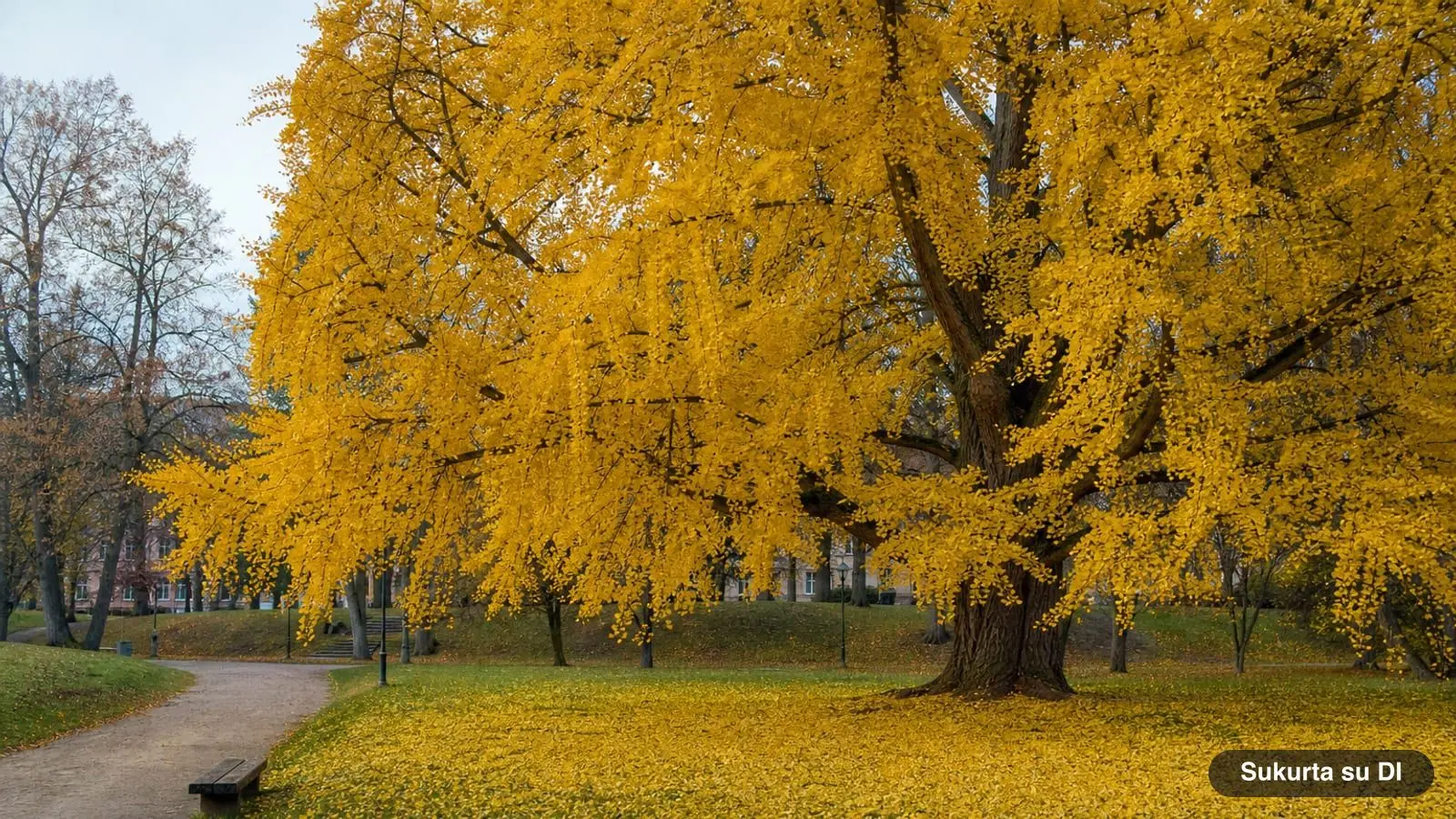
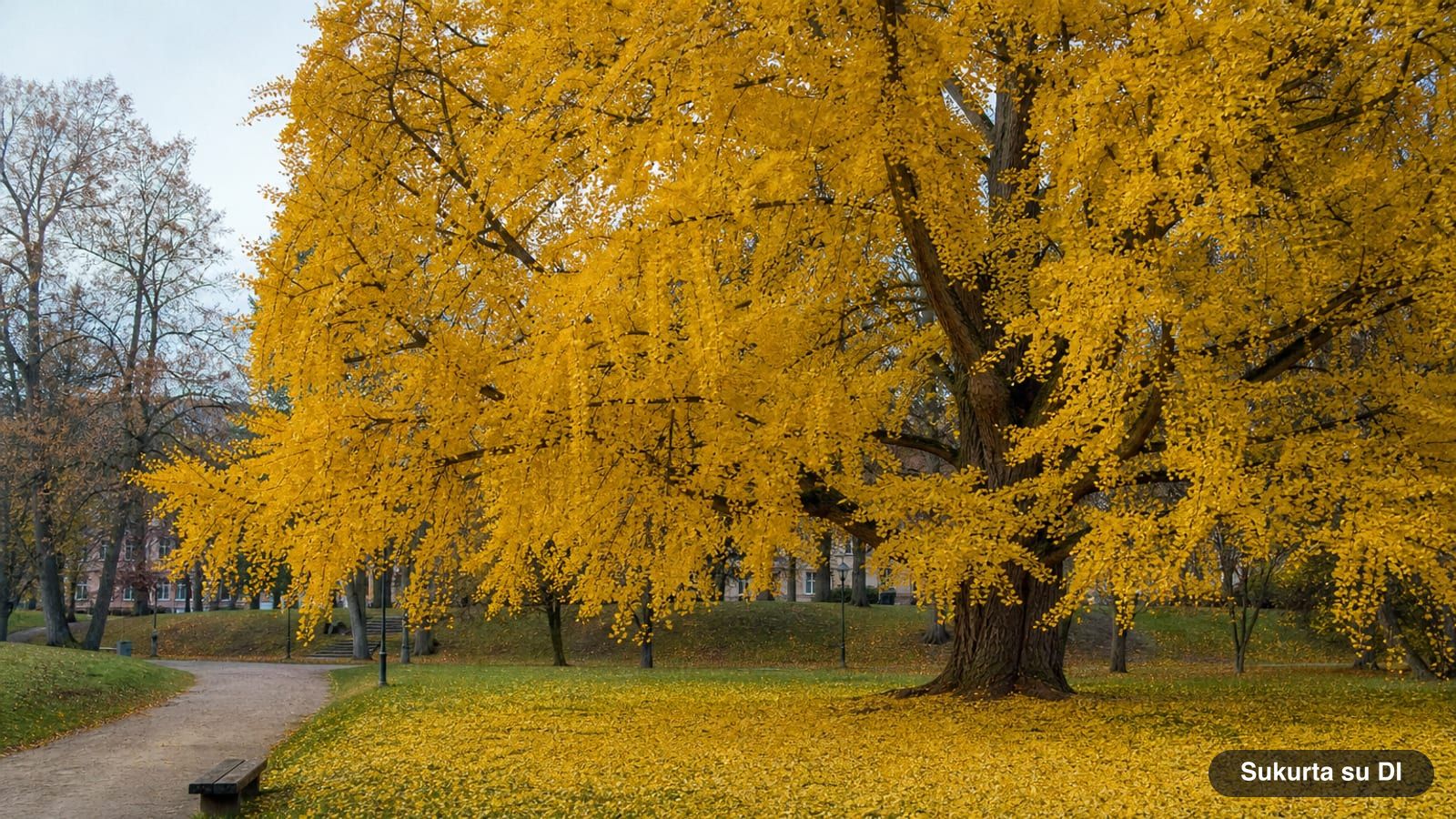
- Leaves are fan-shaped, often with a notch in the middle and branching veins; in the fall, they turn bright saffron yellow and drop within a few days.
- Ginkgo is dioecious: female trees produce seeds with a fleshy coating that smells like rancid butter, so male trees are usually preferred for urban planting.
- Brought to Europe around 1730, the ginkgo is now widely planted in parks, botanical gardens, and along streets across temperate regions worldwide.
- The European Medicines Agency recognizes ginkgo leaf extracts for mild dementia in adults, though they may increase the risk of bleeding.
This article is part of the 77.today trees guide, prepared by the 77.today editors from the sources listed at the end.
The ginkgo is unlike any other tree: its leaves resemble small fans, and in the fall, the entire tree turns bright yellow and drops its leaves almost simultaneously within a few days. It is not just an exotic park tree, but a true living fossil—the only surviving representative of a plant class that thrived during the time of the dinosaurs. While native to East Asia, ginkgos are now widely planted in gardens and parks across temperate regions globally. In this Tree Guide profile, learn how to identify the ginkgo, the differences between male and female trees, and what medical regulators say about ginkgo leaves.
| Latin name | Ginkgo biloba |
|---|---|
| Family | Ginkgoaceae – the only species in its class |
| Group | Deciduous gymnosperm tree, introduced globally |
| Origin | East Asia, China |
| Height | In its native range, typically 65–130 ft (20–40 m) |
| Age | Over 1,600 years, with the oldest estimated at over 3,500 years |
| Seeds | 0.8–1.2 inches (2–3 cm), with a fleshy, foul-smelling coating, ripening in October (in the Northern Hemisphere) |
| Where it grows | Widely cultivated in botanical gardens, parks, and urban streets in temperate climates (USDA zones 3–8) |
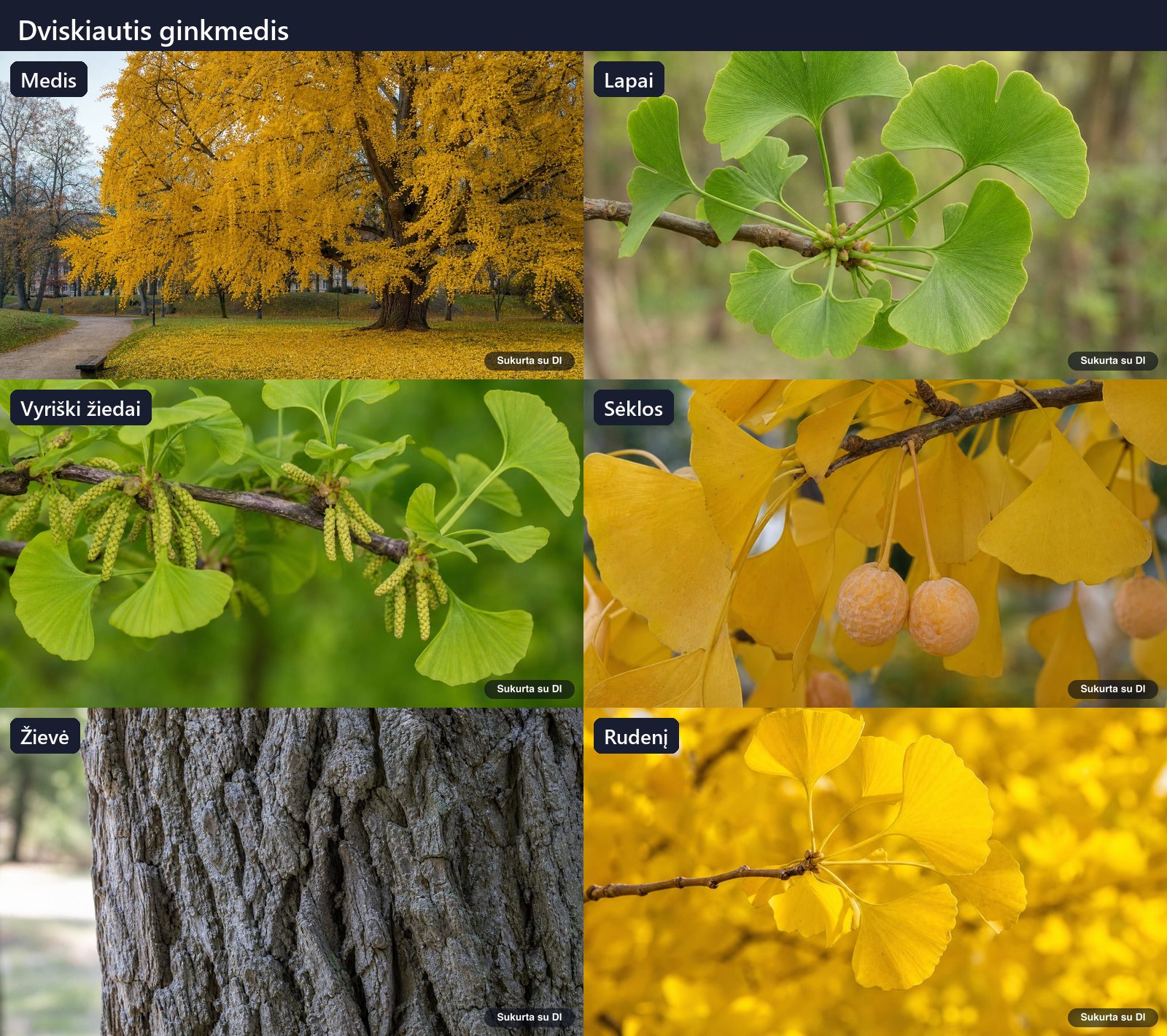
How to identify a ginkgo
The ginkgo is a deciduous tree with an initially narrow, conical crown that later becomes broader and irregular. In its native habitat, it grows 65–130 ft (20–40 m) tall, and a tree in Korea is known to reach 210 ft (64 m). Ginkgos are not demanding regarding soil; they prefer fertile, adequately moist soil, are highly resistant to cold, diseases, and pests, and thrive even in polluted cities.
Leaves
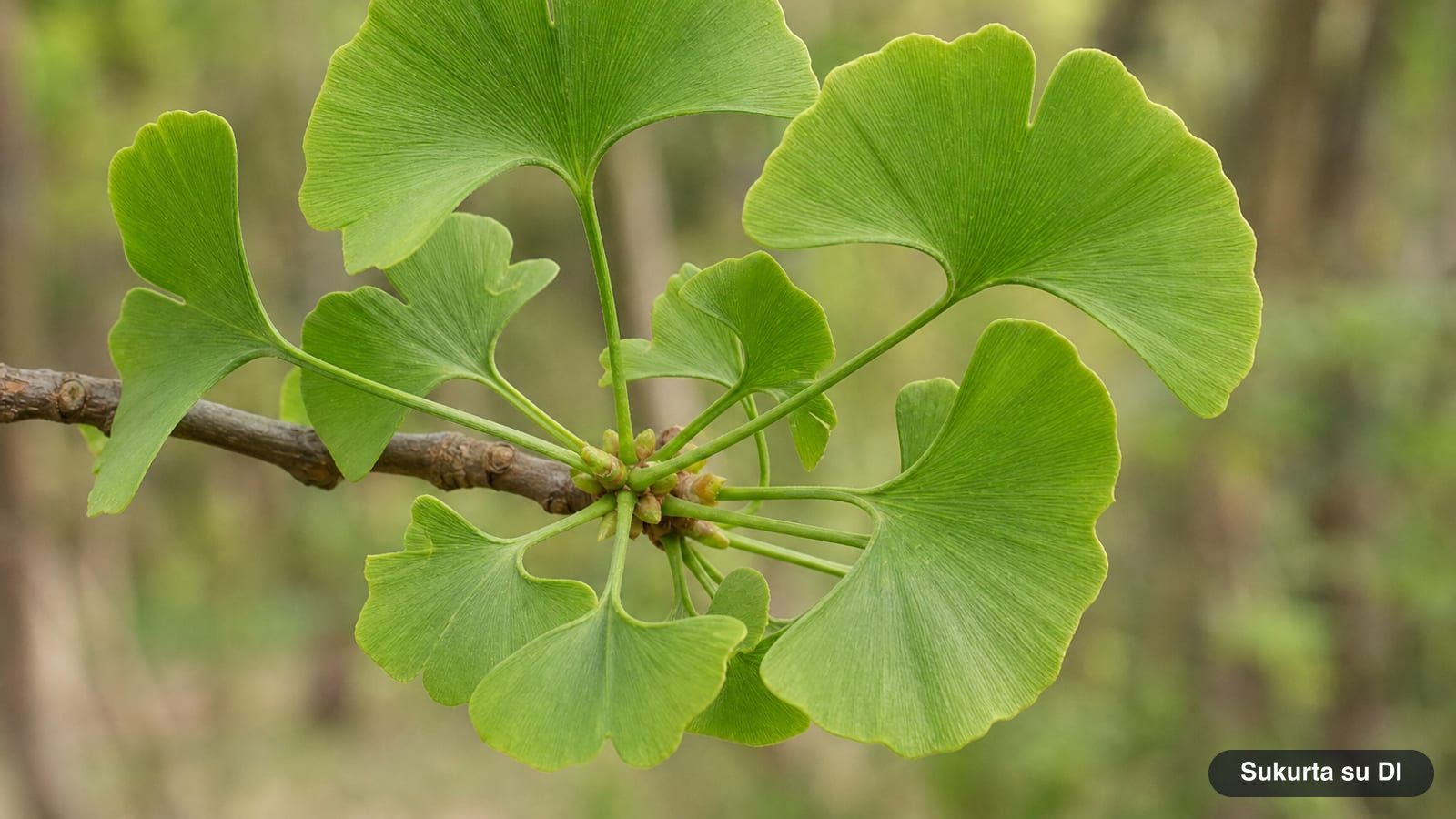
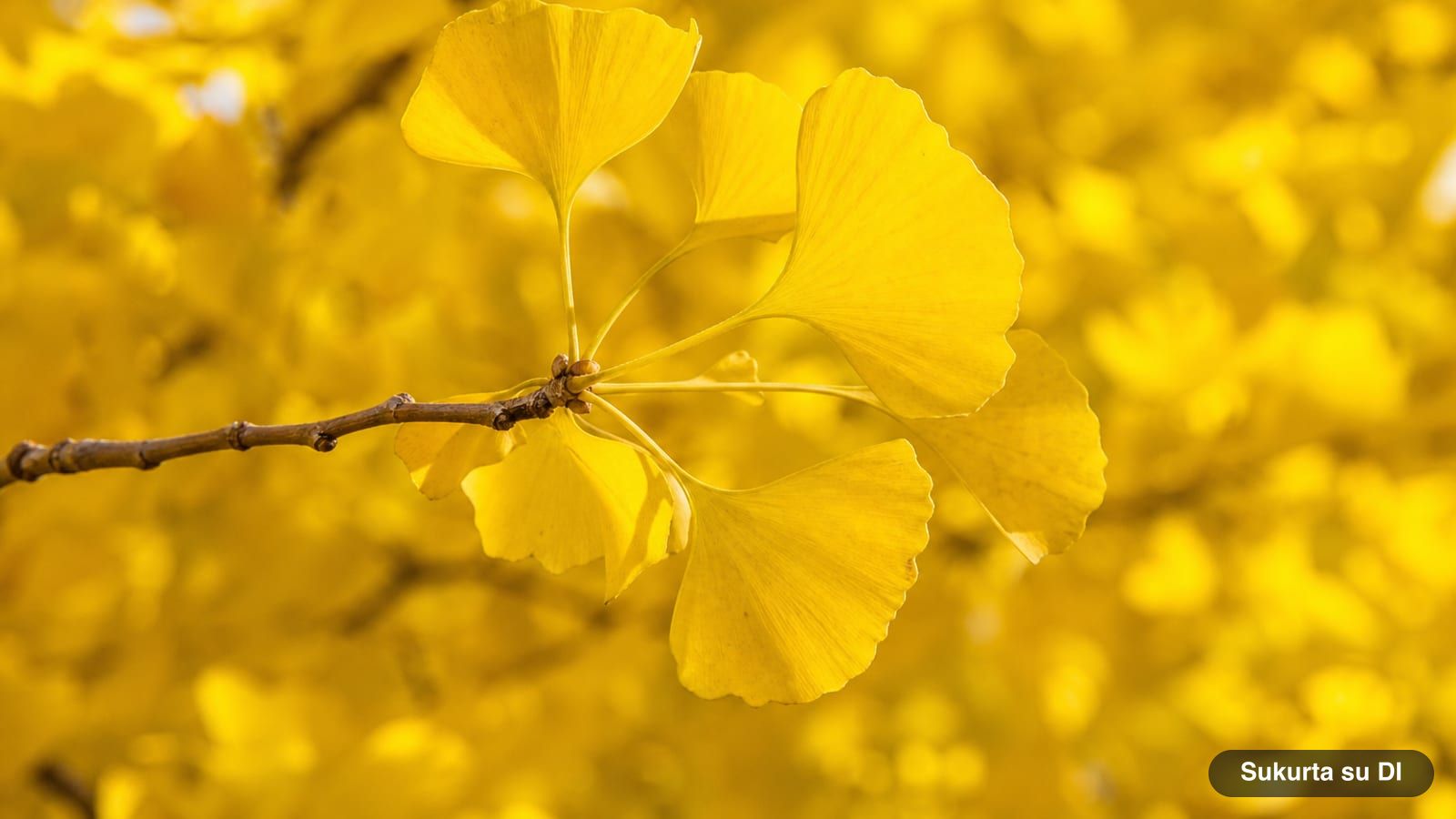
Ginkgo leaves are among the easiest to recognize: fan-shaped, usually 2–4 inches (5–10 cm) across, often with a notch in the middle, from which the species got its name biloba—"two-lobed." The leaf veins are not netted like most broadleaf trees; instead, they fork repeatedly and run parallel to the edge. The leaves are green on both sides and sit on long stalks. On long shoots, they are arranged singly, while on short, thick spur shoots, they grow in clusters of 5–7. In the fall, the leaves turn a saffron yellow and drop very quickly—sometimes in a single day, or over a period of up to fifteen days.
Flowers
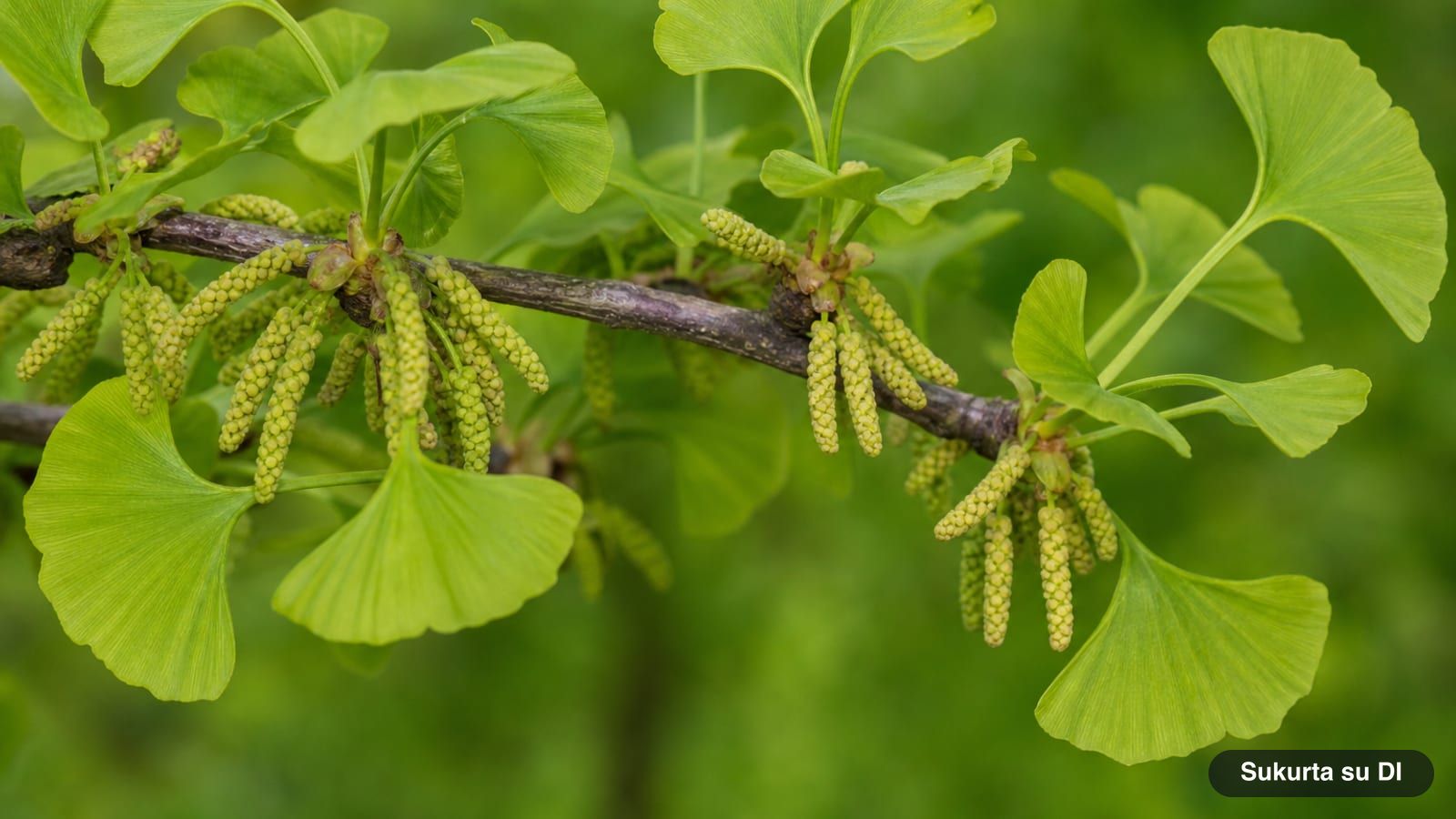
The ginkgo is dioecious: in nature, there are roughly equal numbers of male and female trees. In spring, male trees produce small, catkin-like pollen cones hanging at the ends of short shoots. The ovules of female trees are clustered in pairs at the ends of long stalks. The ginkgo is a gymnosperm, meaning it has no true flowers or fruits, and its "fruits" are actually seeds.
Seeds
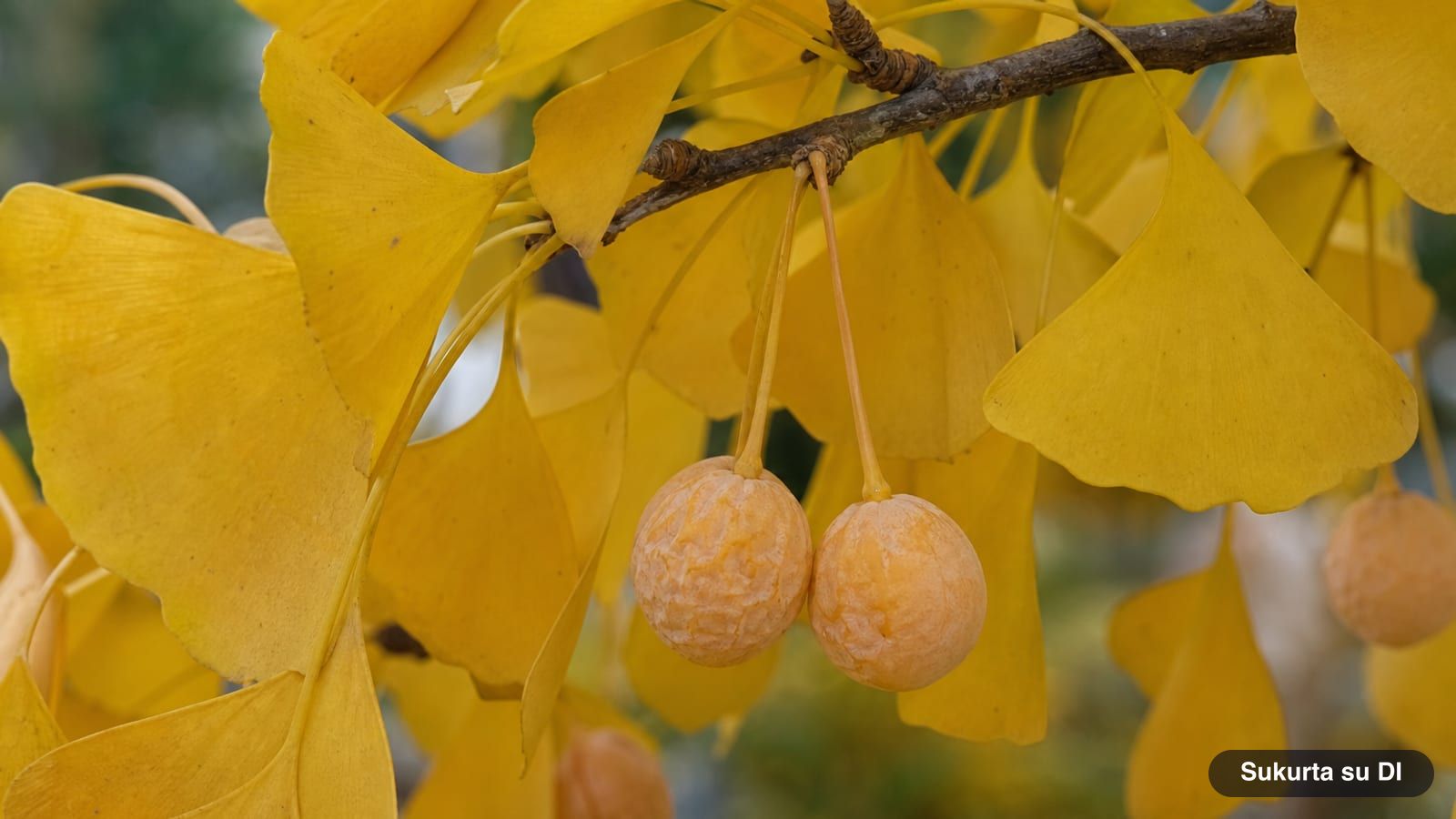
The seeds of female trees are spherical, about 0.8–1.2 inches (2–3 cm) long, resembling an apricot or drupe: on the outside, they are covered by a fleshy, yellowish-brown coating, and inside is a hard, ridged "nut." The seeds ripen in October (in the Northern Hemisphere) and fall along with the leaves. The fleshy layer contains butyric acid, so the fallen seeds smell like rancid butter. While unpleasant to humans, this scent attracts certain animals, such as squirrels, which help disperse the seeds.
Bark and fall color
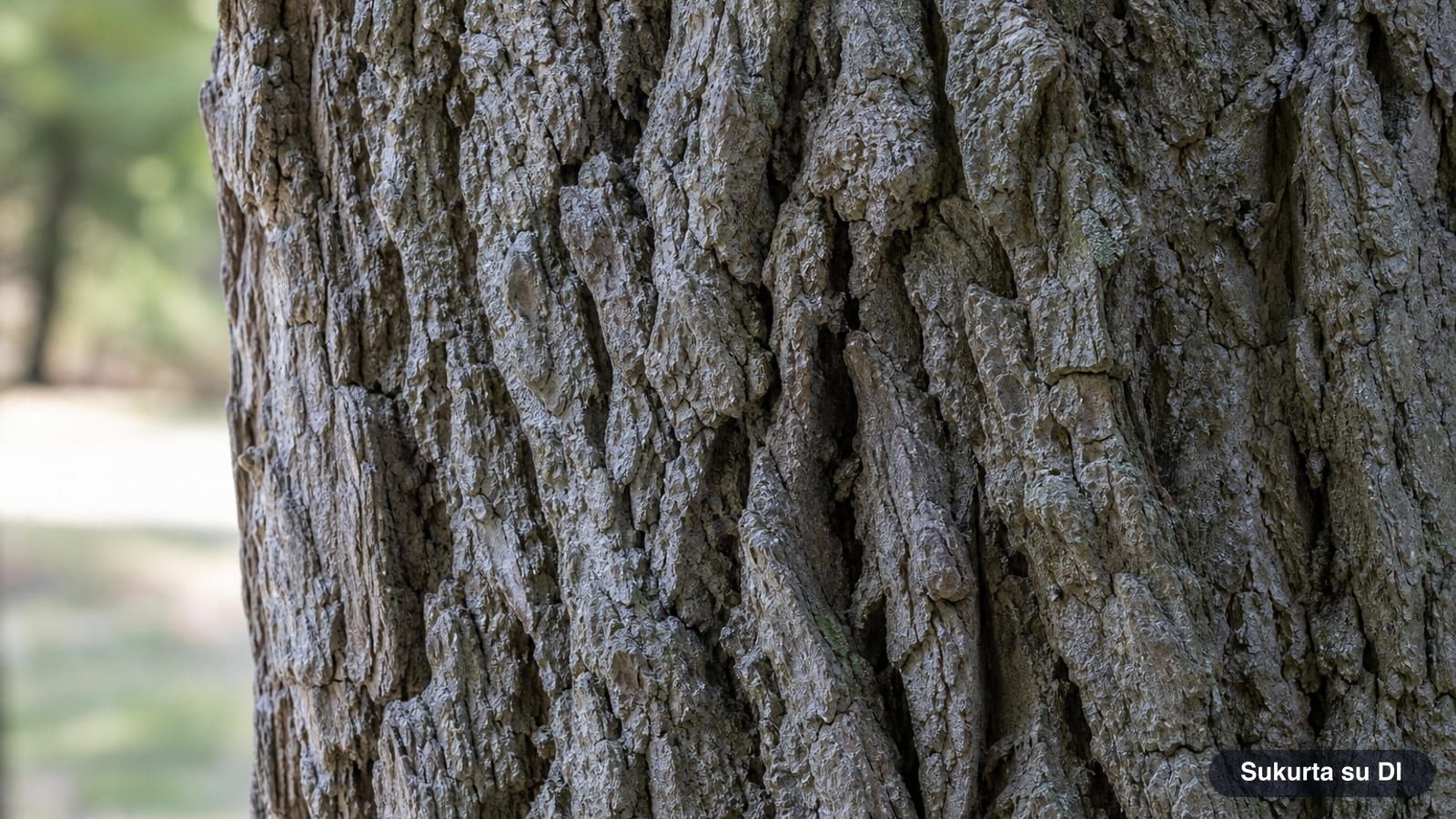
The bark of young trees is grayish-brown and relatively smooth, while older trees have deeply furrowed bark with irregular longitudinal ridges and corky fissures. In winter, the ginkgo is easy to recognize by its thick, short spur shoots, from which clusters of leaves emerge in the spring.
A living fossil
The ginkgo is the only surviving species of the Ginkgophyta division and the Ginkgoopsida class. Representatives of this plant group are found in Triassic sediments, and during the Jurassic and Cretaceous periods, when dinosaurs roamed the Earth, ginkgos grew throughout the Northern Hemisphere. Over time, all other related species went extinct, but Ginkgo biloba survived in China, where it has long been cultivated around temples. Its closest living relatives are the cycads.
The ginkgo is also famous for its resilience. Some trees are over 1,600 years old, and the largest are estimated to be over 3,500 years old. A few ginkgo trees even survived the 1945 atomic bombing of Hiroshima and leafed out again. The tree is resistant to insects, diseases, and urban pollution, which is why it is planted in streets and parks worldwide.
Ginkgo or other trees?
| Feature | Ginkgo | Broadleaf trees | Conifers |
|---|---|---|---|
| Leaves | fan-shaped, veins fork and run parallel | broad, netted veins | needles or scales |
| Seeds | naked, with a fleshy coating | inside fruits | on cone scales |
| In fall | drops leaves | most drop leaves | most evergreen, larch drops needles |
| Sex | male and female trees | mostly monoecious | mostly monoecious |
The ginkgo, like conifers, is a gymnosperm, but it drops its leaves in the fall like broadleaf trees and the larch. For more on the differences between broadleaf trees and conifers, see the introduction to the Tree Guide.
Growing ginkgo in the garden
Brought to Europe around 1730, the ginkgo has since been widely cultivated in parks and botanical gardens across the globe. The tree is highly cold-hardy (generally suitable for USDA zones 3–8) and adapts well to various temperate climates.
- Male or female? Most ginkgos planted today are male cultivars grafted onto seed-grown rootstocks, as male trees do not produce foul-smelling seeds. For example, the popular variety 'Autumn Gold' is a male clone. A ginkgo grown from seed could be either male or female.
- Location. Ginkgos prefer alkaline, fertile, adequately moist soil and a sunny location, but they are highly adaptable and tolerate urban conditions, including compacted soil and pollution.
- Resilience. The ginkgo is rarely attacked by insects or diseases and withstands severe cold, requiring very little maintenance. Once mature, it becomes a spectacular autumn focal point.
Ginkgo leaves and seeds: what medical agencies say
Ginkgo leaves have long been used in traditional Chinese medicine, and today they are used to make medicines and dietary supplements. The European Medicines Agency's Committee on Herbal Medicinal Products recognizes that dry ginkgo leaf extracts can improve age-related cognitive impairment and quality of life for adults with mild dementia. Based on long-standing use, preparations of crushed leaves can be used to relieve the sensation of heavy legs and cold hands and feet associated with minor circulatory issues.
The agency warns of side effects: when using the extract for dementia, the most common side effect was a headache, and cases of bleeding—into the eye, nose, brain, or gastrointestinal tract—have been reported. Therefore, those prone to bleeding or taking blood-thinners should only use ginkgo extracts after consulting a doctor.
The inner part of ginkgo seeds is used in traditional Asian cuisine, but the seeds contain ginkgotoxin. Eating them in large quantities or improperly prepared can cause poisoning.
Name and wood
In Chinese, ginkgo seeds have long been called "silver fruit" or "white fruit." The name ginkgo came about due to an error: in 1690, the German naturalist Engelbert Kaempfer, who described the tree in Nagasaki, inaccurately transcribed the Japanese word ginkyō. Ginkgo wood is light, soft, and easy to work with—it is suitable for furniture, small crafts, and packing boxes. Read about other introduced trees grown in parks in the profiles for walnut, fir, and beech.
Frequently asked questions
Why is the ginkgo called a living fossil?
Ginkgo is the only surviving species of its class. Its relatives were widespread across the Northern Hemisphere during the Jurassic and Cretaceous periods, with the oldest fossils of this lineage dating back to the Permian. All other related species went extinct, while the ginkgo's structure has remained almost unchanged for millions of years.
Where do ginkgo trees grow?
Native to China, ginkgo trees are now widely cultivated in parks, gardens, and along city streets in temperate regions worldwide. The tree is highly resistant to cold, diseases, and pests, making it adaptable to a variety of climates, generally thriving in USDA zones 3–8.
Why do ginkgo seeds smell?
The seeds of female trees are covered by a fleshy, yellowish-brown layer containing butyric acid, which makes fallen seeds smell like rancid butter. For this reason, seedless male ginkgo trees are most commonly planted in urban areas.
Are ginkgo seeds edible?
The inner part of the seed is used in traditional Asian dishes, but the seeds contain ginkgotoxin. Eating them raw or in large quantities can cause poisoning, especially in children. They must be properly prepared before consumption.
Do ginkgo leaves improve memory?
The European Medicines Agency recognizes that dry ginkgo leaf extracts can improve age-related cognitive impairment and quality of life for adults with mild dementia. The most common side effect is a headache, and bleeding can occur. Those prone to bleeding or taking blood thinners should consult a doctor before use.
How long does a ginkgo tree live?
Ginkgos are extremely long-lived: some measured trees are over 1,600 years old, and the oldest are estimated to be over 3,500 years old. A few ginkgo trees even survived the 1945 atomic bombing of Hiroshima.
Log in to comment
No comments yet. Be the first.