Pomeranian: Temperament, Size, Care & Health
- The Pomeranian is the smallest of the spitz-type dogs; the FCI classifies it under the German Spitz breed (No. 97).
- The name comes from the Pomerania region, now divided between Poland and Germany.
- Queen Victoria popularized and miniaturized the breed—during her lifetime alone, the breed's size decreased by half.
- Weighing 3–7 lbs, they have the widest variety of colors among dog breeds, most commonly orange, black, and cream.
- Common health issues include luxating patellas, collapsing trachea, alopecia X, and dental disease.
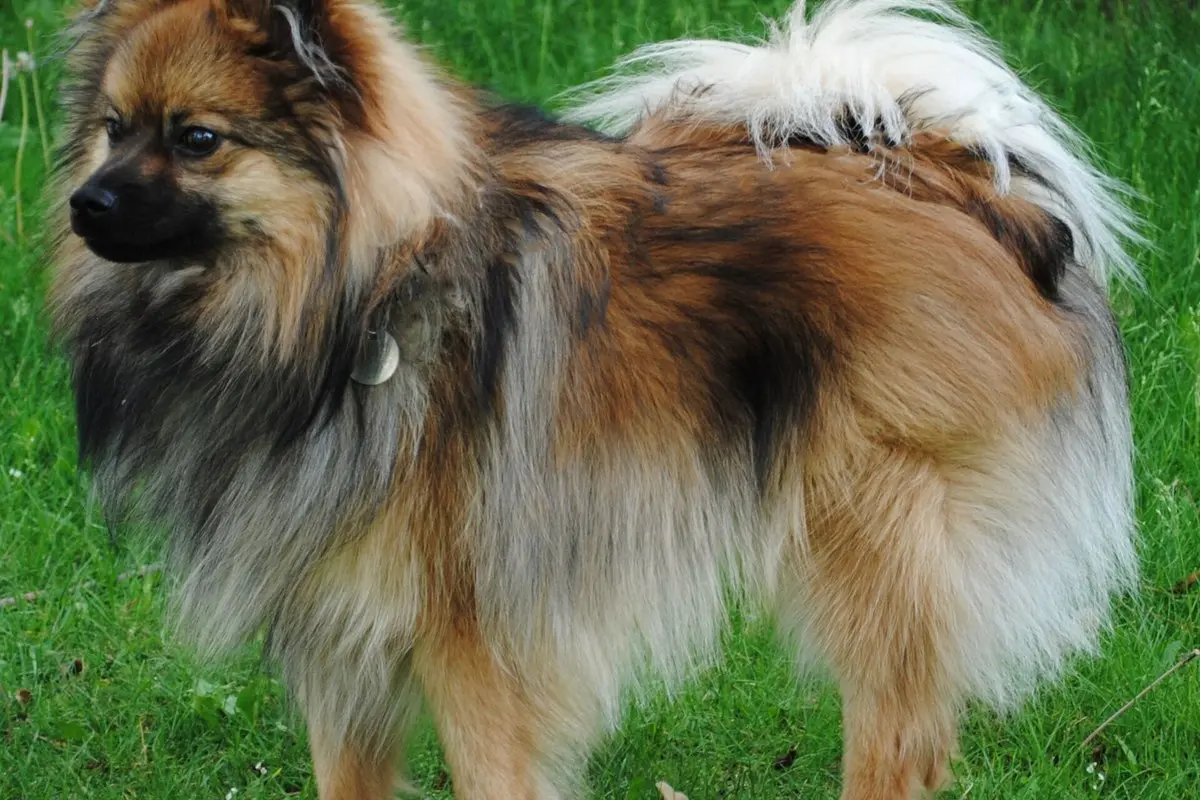
- The Pomeranian: A Miniaturized Relative of Arctic Dogs
- Appearance: A Fluffy Coat and a Fox-Like Face
- Temperament: Big Dog Attitude in a Small Body
- Health: Patellas, Trachea, and Skin
- Care: Brushing Down to the Skin and Safety
- German Spitz Sizes
- The Pomeranian is Great for Apartments, But Needs to Learn Quiet Commands
- How to Choose a Pomeranian Puppy
This article is part of the 77.today dog breeds guide, prepared by the 77.today editors from the sources listed at the end.
The Pomeranian is a small, fluffy ball of fur with a fox-like face, prick ears, and a heavily plumed tail carried flat over the back. The AKC calls them the ideal companion: lively, intelligent, easy to train for tricks, and happy to entertain their humans. Although they weigh just a few pounds, they carry themselves like a large dog, and their coat requires significant maintenance. In this dog breed guide profile, you will find the Pomeranian's origins, appearance, temperament, grooming needs, and health risks.
| Origin | Germany (Pomerania region) |
|---|---|
| FCI Group | Group 5: Spitz and primitive types; German Spitz variety (No. 97) |
| Height | about 6–7 inches (AKC) |
| Weight | 3–7 lbs |
| Coat | abundant double coat with a frill and hindquarters skirt |
| Colors | orange, black, cream, white, brown, sable, and many others |
| Lifespan | 12–16 years |
| Temperament | alert, intelligent, playful, prone to barking |
| Best suited for | apartments, city living, families with older children |
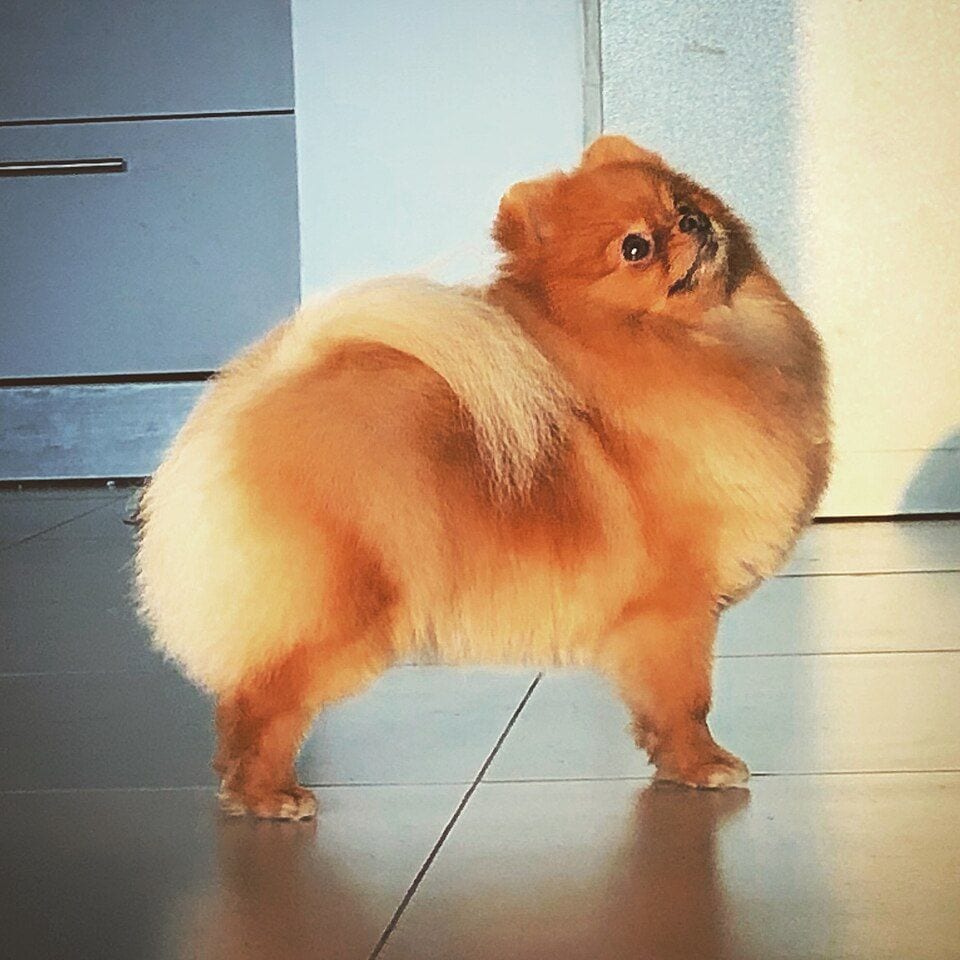
The Pomeranian: A Miniaturized Relative of Arctic Dogs
The Pomeranian descends from larger spitz-type dogs closely related to Arctic sled dogs, with the German Spitz being its direct ancestor. The breed is named after Pomerania, a historical region along the Baltic Sea now divided between Poland and Germany. Centuries ago, breeders there developed smaller dogs from their larger relatives. In some countries, the breed is simply called the Dwarf Spitz (Zwergspitz in German), and under the FCI standard, it is considered a variety of the German Spitz.
The breed was particularly popularized by royal owners. Queen Victoria fell in love with Pomeranians while visiting Florence and became a serious breeder. In 1888, she acquired a small red dog, and at the 1891 Crufts dog show, she exhibited six dogs from her kennel, with Windsor Marco taking first place. According to the AKC, Victoria is credited with reducing the Pomeranian's weight from around 30 lbs down to its current toy size—during her lifetime alone, the breed's size decreased by half. Marie Antoinette, Émile Zola, and Wolfgang Amadeus Mozart also owned Pomeranians.
Appearance: A Fluffy Coat and a Fox-Like Face
The Pomeranian is a compact but sturdy little dog. The head features a short, fox-like muzzle, small erect ears, and dark, lively eyes. The heavily plumed tail is set high and carried flat over the back. The outer coat forms a lush frill around the neck, and the hind legs have fluffy "skirts." The double coat is a defining characteristic of the breed—it stands off the body rather than lying flat.
Early Pomeranians were white, sometimes brown or black; the red color became popular after Queen Victoria's red dog. Today, Pomeranians boast the widest variety of colors among all dog breeds: white, black, brown, red, orange, cream, blue, sable, black and tan, spotted, brindle, merle, and combinations thereof. The most common are orange, black, and cream. Merle dogs can be deaf, blind, or have eye defects, especially if both parents are merle.
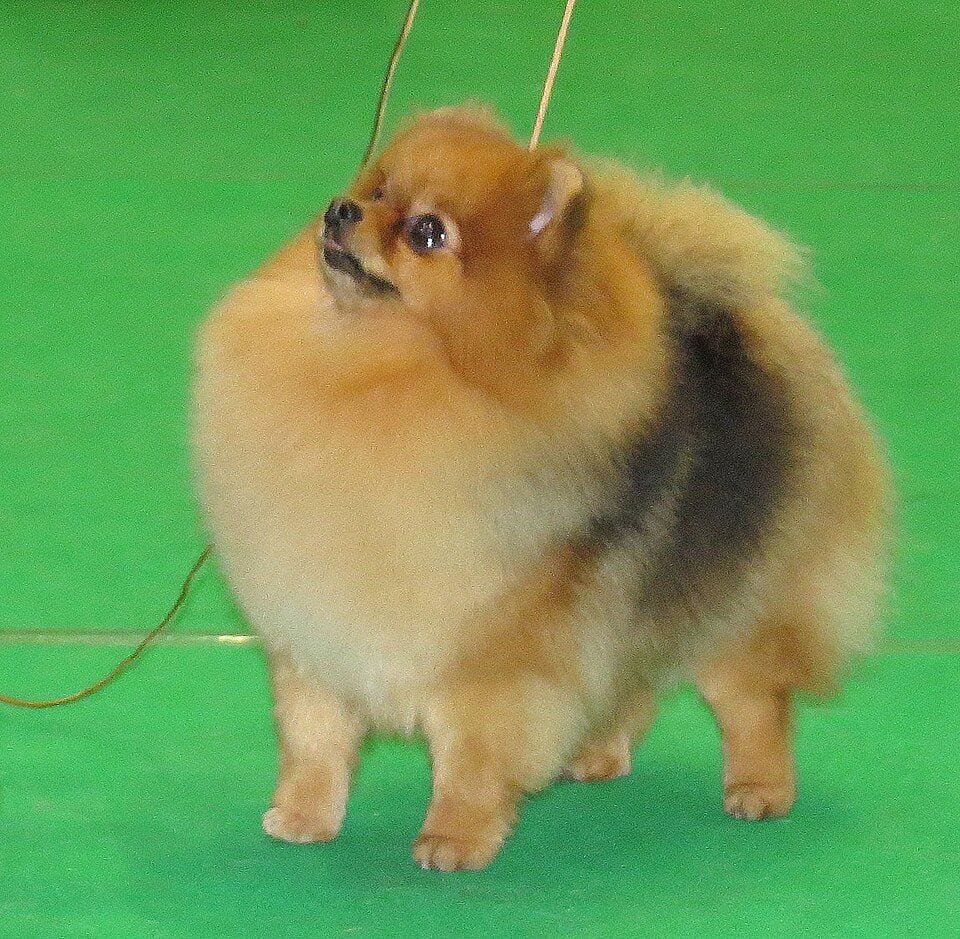
Temperament: Big Dog Attitude in a Small Body
The AKC describes the Pomeranian as an alert, intelligent, and easily trainable dog that quickly learns tricks and games, successfully competes in agility, rally, and obedience, and even works as a therapy dog. They make excellent little watchdogs because they notice every change in their environment. However, this same alertness can turn into a habit of barking at everything, so teaching a "quiet" command from an early age is essential.
The Pomeranian is well-suited for families with children who, as the AKC notes, are old enough to know the difference between a toy dog and a toy. Housetraining can sometimes be a challenge, requiring consistency and patience. This dog thrives in both the city and the suburbs, as indoor play and short walks provide plenty of exercise.
Health: Patellas, Trachea, and Skin
- Luxating patella – A UK study found that Pomeranians had the highest prevalence among all breeds (6.5%).
- Collapsing trachea – Causes a honking cough; it is better to walk them with a harness rather than a collar.
- Alopecia X – Hair loss and skin darkening; the breed is particularly prone to this condition.
- Others – Thyroid issues, congestive heart failure, seizures, cryptorchidism in males, and obesity.
Pomeranian litters are among the smallest, averaging 1.9 to 2.7 puppies.
Care: Brushing Down to the Skin and Safety
- Coat. Brush down to the skin once a week with a pin brush and a slicker brush; professional grooming is recommended every 4 to 6 weeks.
- Teeth. Brush their teeth during your weekly grooming routine, as tartar builds up quickly in their small mouths.
- Jumping. Do not allow them to jump off sofas and beds, as they can easily injure their joints or even break a bone.
- Outdoors. Pomeranians can slip through small gaps in fences, and birds of prey might mistake them for rabbits—never leave them outside unsupervised.
German Spitz Sizes
| Variety (FCI) | Size | Notes |
|---|---|---|
| Keeshond (Wolfspitz) | largest | grey shaded |
| Giant Spitz (Grossespitz) | large | white, brown, black |
| Medium Spitz (Mittelspitz) | medium | various colors |
| Miniature Spitz (Kleinspitz) | small | various colors |
| Pomeranian (Zwergspitz) | smallest | wide variety of colors |
The Pomeranian is Great for Apartments, But Needs to Learn Quiet Commands
The small, fluffy, and cheerful Pomeranian makes a wonderful companion for those who want a tiny but highly spirited dog. Short walks and indoor playtime are plenty to keep them happy.
- Best for: Apartments and suburban homes, adults and families with older children, people interested in teaching tricks or doing agility.
- Not for: Families with toddlers, neighbors who are bothered by barking, or those who lack the time for coat maintenance.
Pomeranians tend to overestimate their size and may challenge much larger dogs, so it is important to keep them on a leash during walks. Always use a harness rather than a collar, which can put dangerous pressure on their fragile trachea.
How to Choose a Pomeranian Puppy
Ask the breeder for the parents' patella, heart, and eye health test results, and inquire about any history of alopecia X or tracheal issues in the bloodline. Avoid merle puppies bred from two merle parents, as well as breeders advertising "mini" or "teacup" Pomeranians. Because litters are small, you may have to join a waitlist for a puppy from a reputable breeder. Remember that a responsible breeder will ensure puppies are microchipped and registered with a major kennel club like the AKC before they go to their new homes; for more tips on finding an ethical breeder, check out our guide introduction.
You can find other small companions in our Chihuahua and Yorkshire Terrier profiles, or learn about a larger spitz relative in our Samoyed guide.
Frequently asked questions
What is the difference between a Pomeranian and a Miniature German Spitz?
The FCI considers all German Spitz dogs as one breed with several size varieties, from the Keeshond to the Pomeranian (Zwergspitz). The Pomeranian is the smallest variety. In the US, the AKC registers the Pomeranian as a distinct breed.
How much does a Pomeranian weigh?
The AKC breed standard states that a Pomeranian should weigh between 3 and 7 pounds, with the ideal weight being 4 to 6 pounds. The ideal height is 6 to 7 inches at the withers.
Do Pomeranians bark a lot?
Yes, they are prone to barking. Spitz breeds are alert and sensitive to changes in their environment, so barking at new sounds can easily become a habit. It is highly recommended to teach quiet commands from a young age.
What is alopecia X?
This is a hair loss condition of unknown origin where the dog gradually loses its coat and the skin darkens (also known as 'black skin disease'). Pomeranians are particularly susceptible to it: in a specialized Japanese clinic, they accounted for 79.3% of such cases.
How long do Pomeranians live?
The AKC notes a lifespan of 12 to 16 years. A UK study found an average lifespan of 12.2 years, while data from Japanese pet cemeteries suggests around 14 years.
Sources
- Wikipedia: Pomeranian (dog)
- AKC (American Kennel Club): Pomeranian breed profile
- FCI: German Spitz breed standard (No. 97)
- Cover photo: Pomeranian standing in grass (by Jpkollman, CC0)
- Wikimedia Commons: Orange Pomeranian standing on tiles (by Elinor21, CC BY-SA 4.0)
- Wikimedia Commons: Pomeranian at a dog show (by Tomasina, CC BY-SA 3.0)
Log in to comment
No comments yet. Be the first.