Shih Tzu: Temperament, Size, Coat Care & Health
- The Shih Tzu originated in Tibet and was refined in the Chinese imperial palaces; its ancestors are believed to be the Lhasa Apso and the Pekingese.
- The name comes from the Chinese word for "lion" – the dogs were bred to resemble the lion in traditional Eastern art.
- The first Shih Tzu arrived in England in 1928; the UK Kennel Club recognized the breed in 1940, and the AKC followed in 1969.
- They stand up to 10.5 inches tall and ideally weigh 9–16.5 lbs; their lifespan is 10–18 years.
- Due to their short snout and heavy coat, the Shih Tzu does not tolerate heat well and is a poor swimmer.
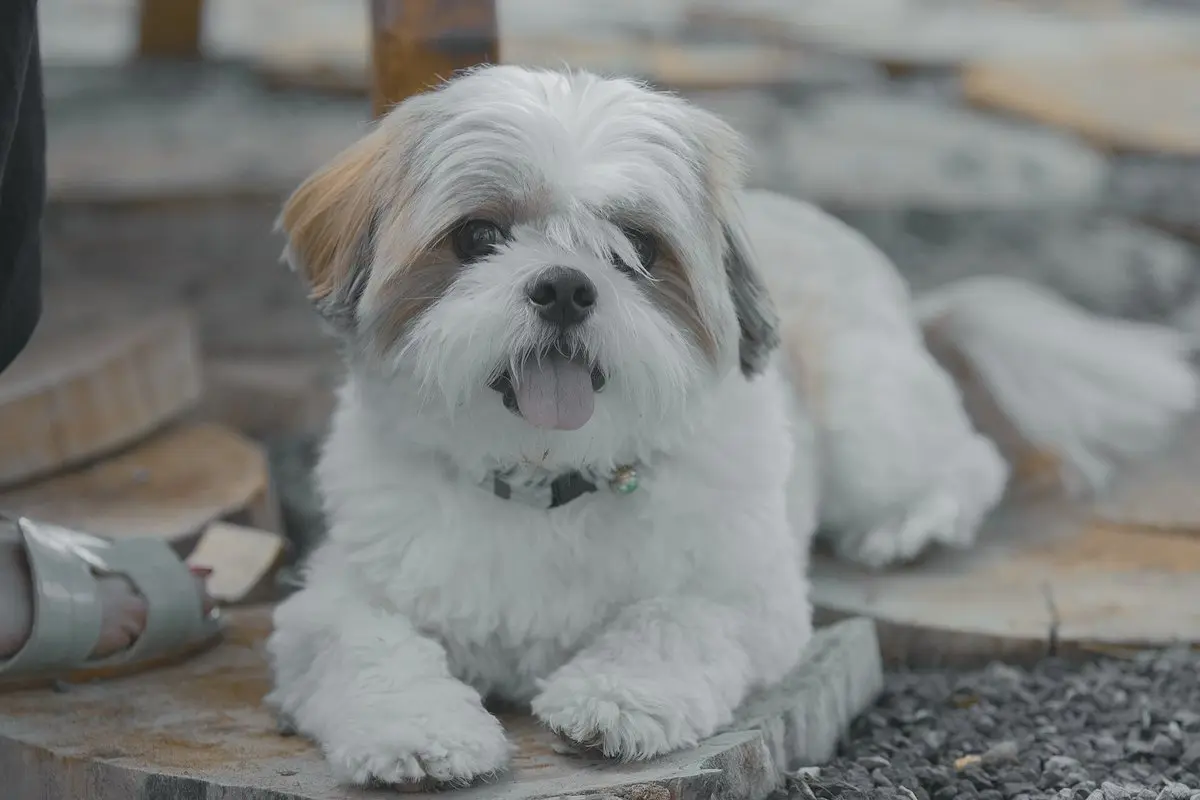
This article is part of the 77.today dog breeds guide, prepared by the 77.today editors from the sources listed at the end.
The Shih Tzu is a small but surprisingly sturdy dog with large dark eyes, a short muzzle, and a long, silky double coat. Its name means "lion," but as the AKC points out, this "lion dog's" idea of fun is sitting on its owner's lap and looking adorable while they try to watch television. Wherever a Shih Tzu goes, laughter and mischief follow. In this dog breed guide, you will find the history, appearance, temperament, and grooming needs of the Shih Tzu.
| Origin | Tibet (China); Patronage: Great Britain |
|---|---|
| FCI Group | Group 9 – Companion and Toy Dogs, Tibetan breeds (No. 208) |
| Height | up to 10.5 inches |
| Weight | 9–16.5 lbs |
| Coat | long, soft, double coat, mats easily |
| Colors | any color; often white with gray patches |
| Lifespan | 10–18 years |
| Temperament | affectionate, playful, friendly, devoted |
| Suitable for | apartments, families, seniors |
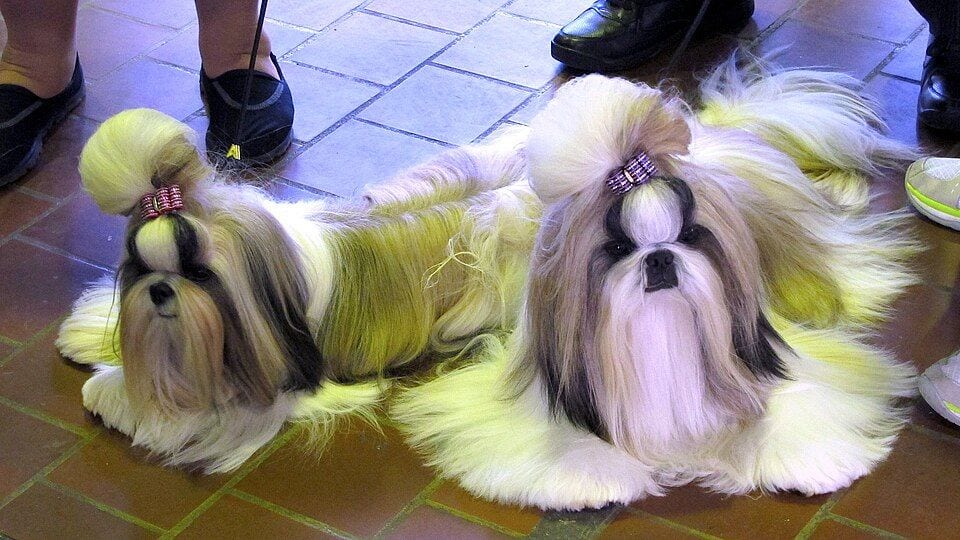
The Shih Tzu – The "Lion Dog" of Imperial Palaces
The name Shih Tzu comes from the Mandarin word for "lion" – these dogs were bred to resemble the lion as depicted in traditional Eastern art. In modern Chinese, the Shih Tzu is more often called the Xi Shi dog, after one of the most beautiful women of ancient China, and in 1930s England, it was known as the "chrysanthemum dog." Whether the breed should be called Tibetan or Chinese remains a subject of debate to this day.
The AKC notes that the Shih Tzu was developed by imperial palace breeders from Tibetan dogs, most likely by crossing two even older breeds – the Lhasa Apso and the Pekingese. During the Ming Dynasty, the Shih Tzu was so highly valued that the Chinese refused to sell, trade, or give them away. Empress Cixi had a special breeding program, and palace eunuchs bred the Shih Tzu to curry favor with the emperor. Until the 1930s, the breed was almost unknown outside the palace walls. In 1928, Lady Brownrigg, an Englishwoman living in China, brought two Shih Tzus back to England. At the 1933 Crufts show, it was determined that the Tibetan Terrier, Lhasa Apso, and Shih Tzu were distinct breeds. The first European standard was written in 1935, and the UK Kennel Club recognized the breed on May 7, 1940. The FCI recognized it in 1957, and the AKC followed in 1969. In 1952, Pekingese blood was introduced into the breed, and their descendants are considered purebred today.
Appearance: The "Owl Head" and Long Silk
The Shih Tzu is a sturdy little dog with a short muzzle and large, dark brown eyes. The ears are drop and covered with long hair, while the heavily plumed tail is curled over the back. The breed standard requires an underbite. The Chinese called its head shape an "owl head" or "lion head," its mouth a "frog mouth," and its lips "earthworm lips."
The coat is long, soft, and double-layered, and can be any color; white with gray patches is common. If the coat is not brushed at least every 2 to 3 days, it mats quickly. A show Shih Tzu's coat reaches the ground, but pet owners often opt for a short "puppy cut."
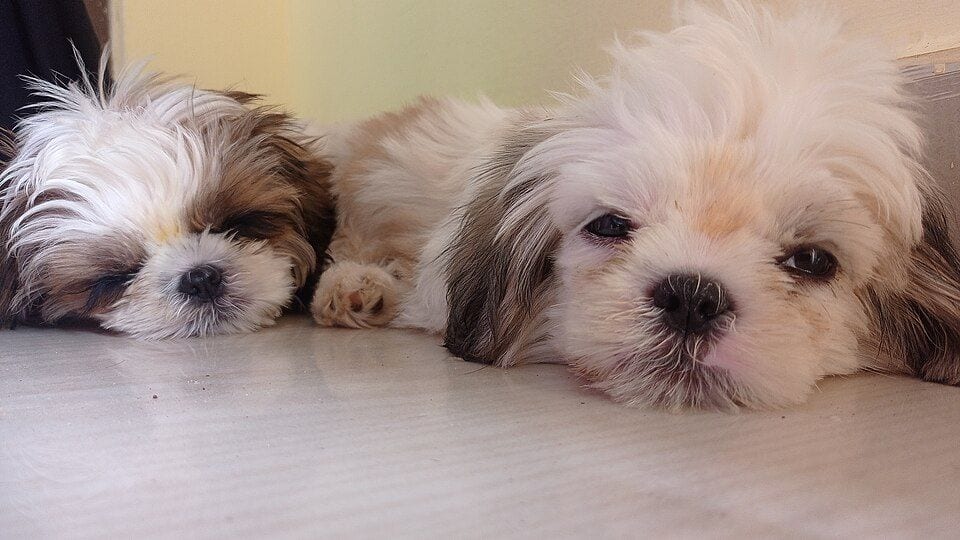
Temperament: A Companion to the Core
The AKC emphasizes that the Shih Tzu is especially affectionate with children. As a small dog bred to spend its days in palaces, it is perfectly suited for an apartment or a home without a large yard. It does not require much exercise – short daily walks and indoor playtime are sufficient. The Shih Tzu is highly people-oriented and loves to be near its human family.
Training, according to the AKC, can be both amusing and frustrating: the Shih Tzu tends to charm its owner and demand its own way, which can lead to a dog that is overweight, not fully house-trained, and difficult to groom. Praise and treats work best, as harsh corrections do not suit this breed. New habits should be taught gradually, with consistency and without giving in when the dog misbehaves.
Health: Heat, Eyes, and Joints
- Heat and water. Because of their heavy coat and short snout, the Shih Tzu does not tolerate heat well and is a poor swimmer.
- Eyes. Cataracts, progressive retinal atrophy, and retinal detachment; due to eyelids that may not close completely, they can suffer from corneal dryness and inflammation.
- Joints. Hip dysplasia and patellar luxation – parents should be health-tested.
- Weight. The Shih Tzu is prone to begging for treats, so portion control is essential.
Grooming
- Daily. Brush the long coat with a flexible wire pin brush, working in layers down to the skin; comb the mustache and topknot.
- Eyes. Trim the hair above the eyes or tie it into a topknot, and wipe the corners of the eyes with a damp cloth.
- Bathing. Approximately every 3 to 4 weeks.
- Ears and nails. Clean and trim regularly.
The Shih Tzu and Other Eastern Companions
| Trait | Shih Tzu | Pekingese | Pug |
|---|---|---|---|
| Weight | 9–16.5 lbs | 7–14 lbs | 13–18 lbs |
| Coat | long, silky | long, with a "mane" | short |
| Origin | Tibet / China | China | China |
| Exercise needs | low | low | moderate |
The Shih Tzu is Perfect for Apartments and Quiet Homes
The Shih Tzu was bred to be a companion, so its needs are simple: a human by its side, short walks, and careful grooming.
- Good for: apartments, seniors, families with gentle children, and people who spend a lot of time at home.
- Not for: runners and hikers, hot homes without air conditioning, or those unwilling to brush daily or pay for regular grooming.
The hair from their forehead easily falls into their eyes, so it is usually tied up in a topknot or cut short. Because of their short snout, the Shih Tzu must be protected from overheating, and if flying, it is worth checking airline regulations for brachycephalic (short-snouted) dogs in advance.
How to Choose a Shih Tzu Puppy
Ask the breeder for the parents' eye, hip, and patella health test results, and observe how the parents breathe and move. Be prepared for daily grooming or regular trips to a professional groomer. When looking for a puppy in the US, ensure you work with a reputable breeder who registers their litters with the AKC, provides a clear contract, and avoids puppy mills or pet stores. Alternatively, consider adopting through a local shelter or a breed-specific rescue. We discuss more tips on finding a responsible breeder in our guide introduction.
You can find other Eastern companions in the Pekingese, Pug, and Tibetan Mastiff profiles, and another long-haired little dog in the Maltese description.
Frequently asked questions
How much does a Shih Tzu weigh?
A Shih Tzu should be no taller than 10.5 inches at the withers, with an ideal weight of 9–16.5 lbs. The AKC specifies a weight of 9–16 lbs and a height of 9–10.5 inches.
How do you groom a Shih Tzu's coat?
The long coat needs daily brushing with a flexible wire pin brush, working in layers down to the skin, and a bath every 3–4 weeks. The mustache and topknot should be combed daily, and the eye corners wiped with a damp cloth. A professional short "puppy cut" is much easier to maintain.
Is a Shih Tzu good for an apartment?
Yes. The AKC notes that the Shih Tzu was bred to spend most of its day inside royal palaces, making it perfectly suited for an apartment or a home without a large yard. Short daily walks and indoor playtime are plenty.
Is a Shih Tzu good for a family with children?
The AKC states that the Shih Tzu is especially affectionate with children. However, because it is a small dog, children must be taught how to handle it gently.
What is the difference between a Shih Tzu and a Lhasa Apso?
Both breeds originated in Tibet and were long confused – it was at the 1933 Crufts show that the Tibetan Terrier, Lhasa Apso, and Shih Tzu were classified as distinct breeds. The Shih Tzu has a shorter snout and a characteristic underbite, while the Lhasa Apso has a longer snout.
Sources
- Wikipedia: Shih Tzu
- AKC (American Kennel Club): Shih Tzu breed profile
- FCI: Shih Tzu breed standard (No. 208)
- Cover photo: White and gray Shih Tzu lying on rocks (Photo: Mostafameraji, CC0)
- Wikimedia Commons: Two long-haired Shih Tzus at a dog show (Photo: Pets Adviser from Brooklyn, USA, CC BY 2.0)
- Wikimedia Commons: Two Shih Tzu puppies lying on the floor (Photo: Sasipriya Narayanaswamy, CC BY-SA 4.0)
Log in to comment
No comments yet. Be the first.