Maltese: Temperament, Size, Care & Health Guide
- The Maltese is one of the oldest companion breeds; ancient Greeks called them the "Melitaie dog."
- Believed to have been brought to Malta by the Phoenicians, Aristotle described them as "perfectly proportioned."
- Weighing under 7 lbs with a height of 7–9 inches, their coat is pure white, long, straight, and silky.
- Maltese hardly shed, but their coat requires daily brushing down to the skin to prevent mats.
- Key health screenings include patella and cardiac exams, plus a bile acid test to rule out liver shunts; dental care is essential.
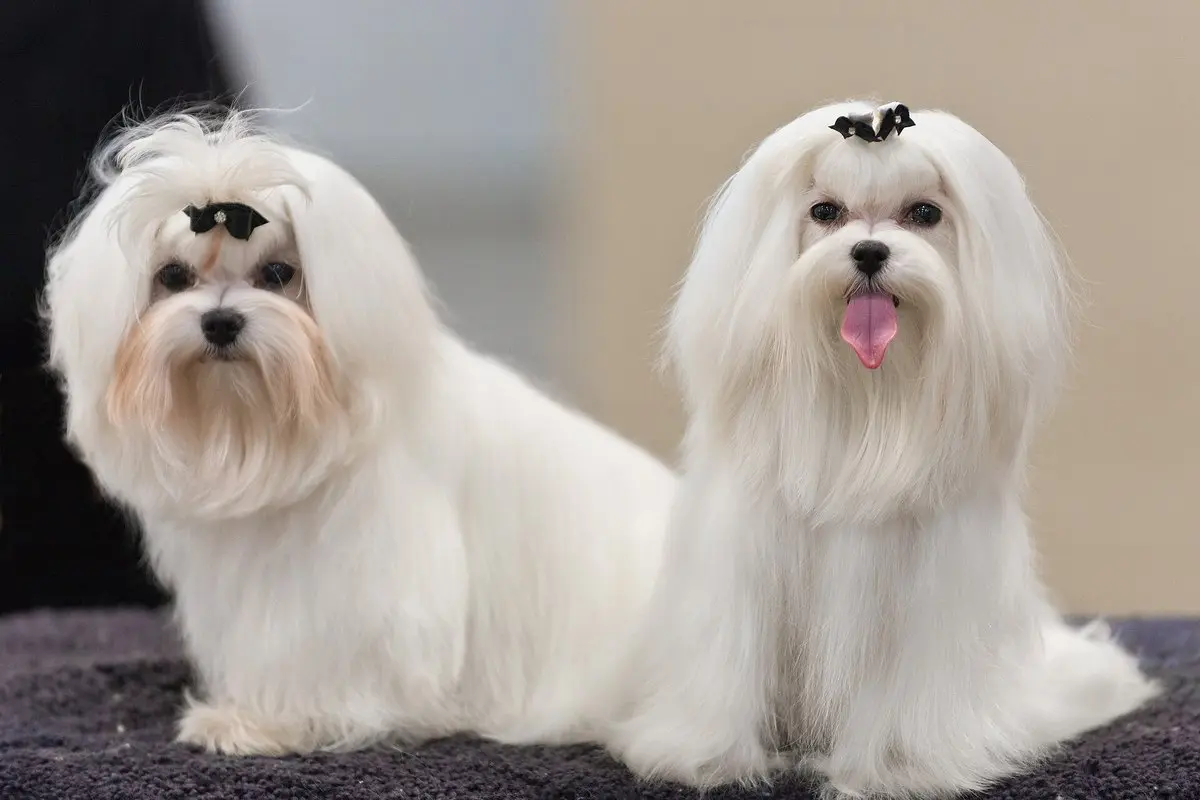
This article is part of the 77.today dog breeds guide, prepared by the 77.today editors from the sources listed at the end.
The Maltese is a small, affectionate dog covered in a long, straight, silky white coat, hiding a compact body that moves with a smooth, effortless gait. Large dark eyes and a black "gumdrop" nose, according to the AKC, can charm even the biggest skeptic. Despite their aristocratic bearing, Maltese are hardy and adaptable pets, brave little watchdogs, and even agile agility competitors. In this dog breeds directory profile, you will find the history, appearance, temperament, and care of the Maltese.
| Origin | Central Mediterranean basin; Patronage: Italy |
|---|---|
| FCI Group | Group 9 – Companion and Toy Dogs, Bichons (No. 65) |
| Height | about 7–9 inches |
| Weight | under 7 lbs |
| Coat | long, straight, silky, no undercoat, hardly sheds |
| Color | pure white |
| Lifespan | 12–15 years |
| Temperament | playful, affectionate, alert, sometimes stubborn |
| Suitable for | apartments, seniors, families with gentle children |
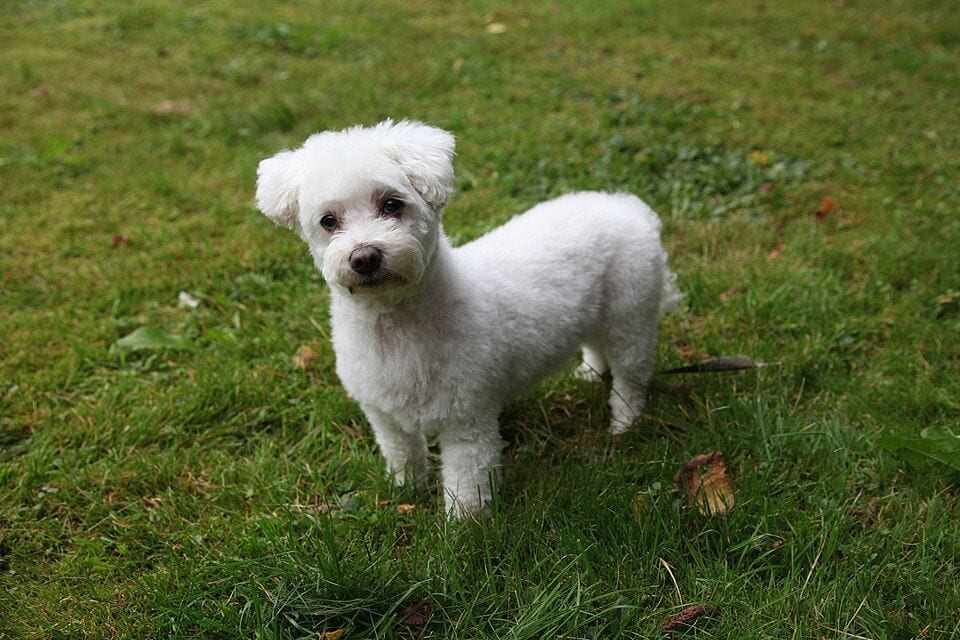
The Maltese – Darling of the Ancient World
The name "Maltese" covers both an ancient variety of small white dogs and the modern breed, which is genetically related to the Bichon Frise, Bolognese, and Havanese; their exact connection remains unknown. The ancient Maltese seems to have been the most common or favored pet dog of antiquity. An Athenian amphora dating back to around 500 BC depicts a small, pointy-nosed dog with the inscription "Melitaie." In Classical Greece, small dogs were called "little dogs from Melita," and Melita was the Latin name for both Malta and the Adriatic island of Mljet – the debate over their exact origin continues, though modern researchers lean more toward Malta.
The AKC notes that by 3500 BC, Malta was already a thriving port through which spices, silks, gemstones, and a small white lap dog favored by wealthy ladies passed. They were likely brought to Malta by the Phoenicians. In the 4th and 5th centuries BC, the Greeks admired their beauty, and Aristotle described them as "perfectly proportioned." The philosopher Diogenes of Sinope called himself a "Maltese dog," and in one of Aesop's fables, a pampered Maltese is contrasted with a hardworking donkey. According to Stanley Coren, these dogs may have been among the first human companions. The FCI recognized the breed in 1955, listing the Central Mediterranean basin as its region of origin and Italy as its patron.
Appearance: Floor-Length White Silk
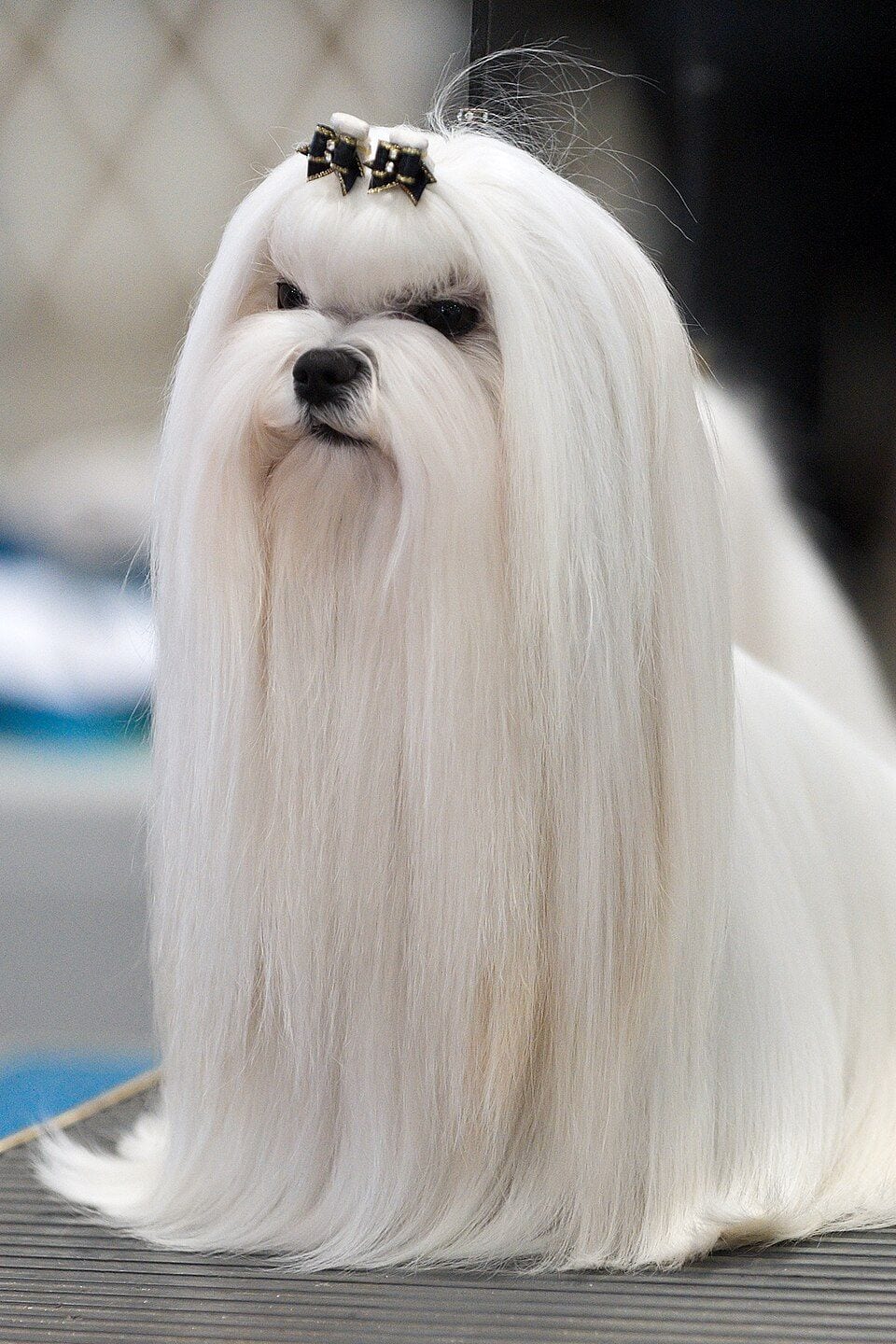
The Maltese is a compact, well-proportioned little dog weighing under 7 lbs. The coat is pure white, long, straight, and silky, reaching the floor on show dogs, and lacks an undercoat. The ears are drop, covered with long hair, and the tail is carried gracefully over the back. Large dark eyes and a black nose create a characteristic gentle expression, and the overall figure appears elegant and balanced.
Some researchers believe that ancient Maltese may have resembled spitz-type dogs, with a short muzzle and erect ears. The modern breed is different: it features drop ears, a long straight coat, and a curled tail.
Temperament: Playful and Brave Little Dog
The AKC describes the Maltese as playful, charming, and adaptable companions, alert watchdogs, and fearless in a toy-dog way. They happily make friends with people of all ages. Maltese are highly intelligent – through centuries of living with humans, they have learned exactly how to get what they want, which can sometimes make them stubborn and willful. Positive reinforcement training works best.
Maltese are full of energy, but occasional bursts of activity are usually enough for them: daily walks with their owner or running around in a fenced yard, or even indoors, help keep them in shape. Because of their small size, they are perfect for apartment living, but caution is needed with small children, as this fragile dog can easily be injured.
Health: Liver, Heart, and Teeth
- Patellar luxation – parental screening recommended.
- Patent ductus arteriosus (PDA) – a congenital heart defect; cardiac exam recommended.
- Liver shunt and microvascular dysplasia – a bile acid test is recommended for puppies.
- Encephalitis (GME) – occurs occasionally; no test is currently available.
- Teeth – prone to dental disease as they age, so daily teeth brushing is essential.
Coat Care
- Daily. Gently brush down to the skin to prevent mats and tangles.
- Bathing. Bathe regularly using a high-quality conditioner.
- Eyes. Monitor for tear stains and consult a vet if necessary.
- Nails and ears. Nails grow fast and should be trimmed regularly; check ears weekly.
| Feature | Maltese | Bichon Frise | Yorkshire Terrier |
|---|---|---|---|
| Weight | under 7 lbs | about 11–12 lbs | under 7 lbs |
| Coat | long, straight, silky | curly, with undercoat | long, silky |
| Color | white | white | steel blue and gold |
| Origin | Mediterranean region | Belgium, France | Great Britain |
The Maltese is Great for Apartments and Patient Families
The Maltese is a small, cheerful dog that forms strong bonds with its people, making it thrive in apartments and a popular choice for seniors.
- Good for: city dwellers, seniors, people who dislike shedding hair, and families with older children.
- Not ideal for: families with toddlers, people who frequently leave the dog alone, and those unwilling to commit to grooming.
The white fur around their eyes often turns reddish-brown from tears, so their face should be wiped daily with a damp wipe. Maltese are sensitive to the cold, so a warm dog sweater or coat will be very useful during cold winters.
How to Choose a Maltese Puppy
Ask the breeder for the parents' patella and cardiac evaluations, as well as the puppy's bile acid test results. Avoid "mini" or "teacup" Maltese, as undersized dogs are much more fragile and prone to health issues. Consider whether you can dedicate time to daily coat care or if you prefer keeping them in a short puppy cut. When looking for a Maltese puppy, ensure you are working with a reputable breeder who prioritizes health and temperament over profit. Avoid pet stores and puppy mills, and ask to meet the puppy's parents. Alternatively, consider adopting through a local shelter or a breed-specific rescue. For more details on finding a responsible breeder or adopting, check out the guide introduction.
You can find other small white companions in the Bichon Frise profile, and the popular Maltese-Poodle mix in the Maltipoo guide. For another similar long-haired toy breed, check out the Yorkshire Terrier profile.
Frequently asked questions
How much does a Maltese weigh?
The AKC standard specifies a weight of under 7 lbs, with a height at the withers typically reaching 7–9 inches. Some sources mention weights up to 7–9 lbs for non-show dogs.
Does the Maltese shed?
Maltese hardly shed, making them a frequent recommendation for people who do not want dog hair around the house. However, no dog is completely hypoallergenic, so allergy sufferers should spend time with the breed before getting one.
What is the difference between a Maltese and a Bichon Frise?
Both breeds belong to the same family and are white. The Maltese is smaller with a long, straight, silky coat and no undercoat, while the Bichon Frise is larger with a curly coat and a dense undercoat.
What health tests should a Maltese puppy have?
The AKC recommends patella and cardiac (patent ductus arteriosus) evaluations for the parents, and a bile acid test for puppies to rule out congenital liver disorders (liver shunt, microvascular dysplasia).
Why does the Maltese get brown tear stains under its eyes?
Tear stains on a white coat are common. If they are very prominent, the AKC advises consulting a veterinarian to determine the underlying cause.
Sources
- Wikipedia: Maltese dog
- AKC (American Kennel Club): Maltese breed profile
- FCI: Maltese breed standard (No. 65)
- Cover photo: Two long-haired Maltese sitting side by side (Photo: SheltieBoy, CC BY 2.0)
- Wikimedia Commons photo: Short-clipped Maltese standing in grass (Photo: CulmSee-Axel-acad.2161, CC BY-SA 4.0)
- Wikimedia Commons photo: Maltese at a dog show with a topknot (Photo: SheltieBoy, CC BY 2.0)
Log in to comment
No comments yet. Be the first.