Border Collie: Temperament, Size, Care & Health
- The Border Collie originated from sheepdogs on the Anglo-Scottish border; the name was first used in 1915 by ISDS secretary James Reid.
- All purebred Border Collies share a common ancestor: Old Hemp, born in Northumberland in 1893.
- Under the FCI standard, the breed was recognized in 1977; males stand about 19–22 inches tall and weigh 30–55 lbs.
- There are two coat varieties: rough (medium length with feathering) and smooth (short); they come in many colors, most commonly black and white.
- This dog requires intense daily physical and mental exercise—it is definitely not a breed for couch potatoes.
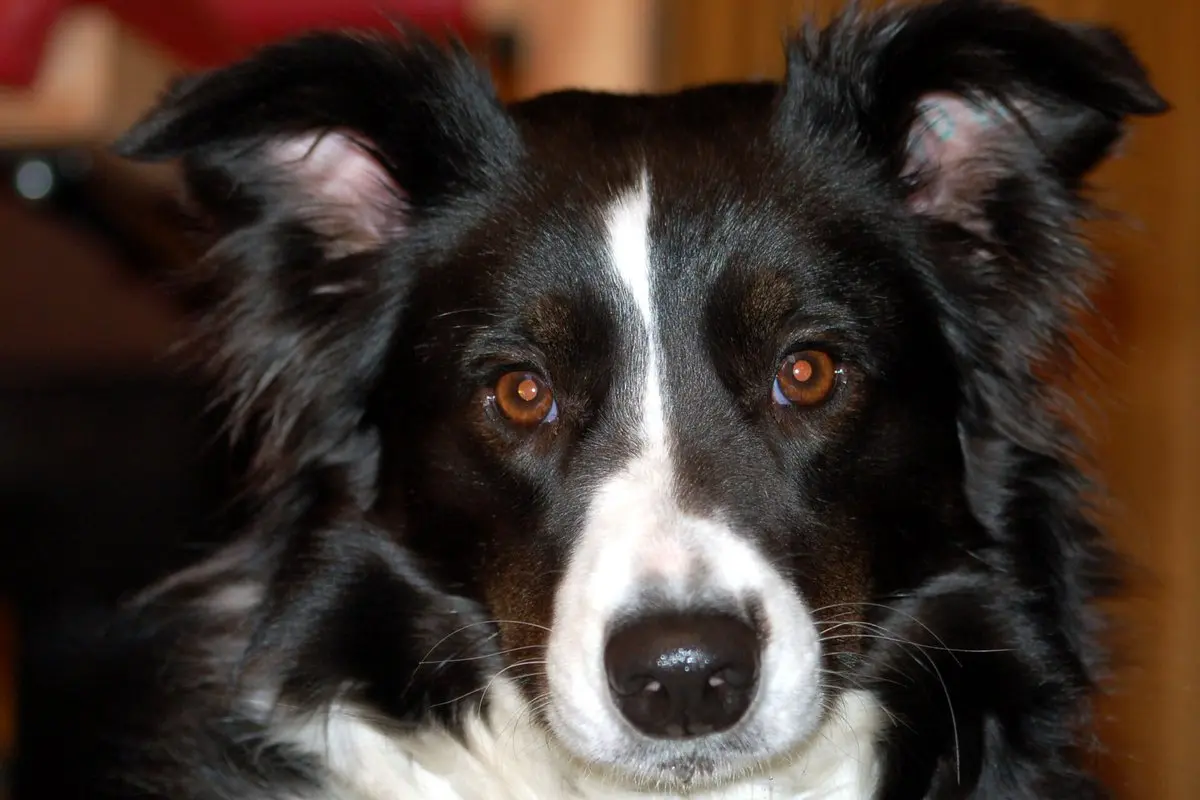
- The Border Collie originated from border sheepdogs
- Appearance: An athlete with the "herding eye"
- Temperament: A workaholic that needs a job
- Health: Recommended tests
- Care: Daily exercise and brushing
- The Border Collie vs. other herding dogs
- A Border Collie needs a job every single day
- Who is the Border Collie for and how to choose a puppy
This article is part of the 77.today dog breeds guide, prepared by the 77.today editors from the sources listed at the end.
The Border Collie is a medium-sized, agile, and fast herding dog whose intense "herding eye" can stop a flock of sheep in its tracks. Widely considered one of the smartest dogs in the world, they dominate herding and agility competitions, and the movie "Babe" made them famous globally. However, this intelligence comes at a price: without a job, a Border Collie will get bored and find activities that their owner will not appreciate. In this dog breed guide profile, you will find the history, appearance, temperament, care, and health of the Border Collie.
| Origin | Great Britain (Anglo-Scottish border) |
|---|---|
| FCI Group | Group 1 – Sheepdogs and Cattle Dogs (No. 297) |
| Height | males 19–22 inches, females 18–21 inches |
| Weight | 30–55 lbs |
| Coat | double coat: rough (medium length with feathering) or smooth (short) |
| Colors | mostly black and white; also tricolor, brown, blue, merle, etc. |
| Lifespan | 12–15 years |
| Temperament | highly intelligent, hardworking, sensitive, reserved with strangers |
| Working Trial | yes – FCI requires a working trial |
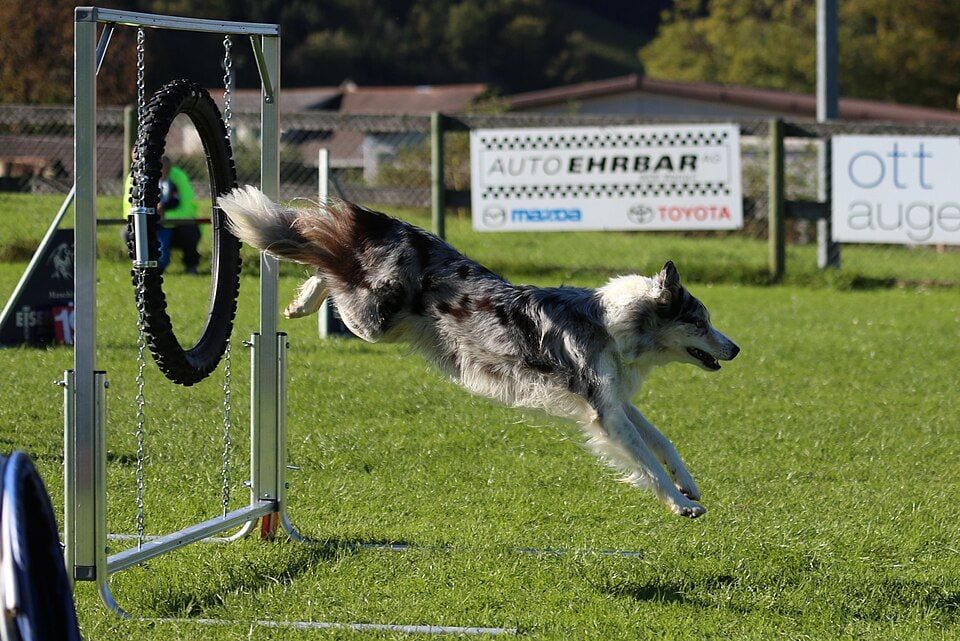
The Border Collie originated from border sheepdogs
According to the AKC, the Border Collie's roots trace back to Roman times: Roman legions brought large, heavy herding dogs to Britain, and later the Vikings introduced smaller, agile spitz-type herders. Crosses between these dogs resulted in compact, nimble sheepdogs perfectly suited for working in the hilly highlands of Scotland and Wales. The breed developed from traditional British herding dogs, and the name comes from its likely homeland—the Anglo-Scottish border. The word "collie" is derived from the Scottish dialect.
The genealogy of most modern Border Collies leads back to one dog: Old Hemp. This tricolor dog was born in Northumberland in September 1893 and bred by Adam Telfer. Quiet but powerful, Hemp handled sheep so well that shepherds used him extensively for breeding—it is estimated he sired around 200 puppies, and his working style became the signature Border Collie style. In 1915, James Reid, secretary of the International Sheep Dog Society (ISDS), first used the name "Border Collie" to distinguish working ISDS dogs from show Collies. Another important ancestor is Wiston Cap, born in 1963, whose silhouette graces the ISDS badge. The breed was officially recognized by the FCI in 1977.
Appearance: An athlete with the "herding eye"
The Border Collie is a medium-sized, muscular yet light and agile dog whose appearance, as the AKC notes, is "unspoiled by fads." Their most defining feature is their almond-shaped eyes and the intense gaze they use to control sheep. The ears are erect or semi-erect, and the tail is carried low. In motion, the Border Collie is one of the most agile, well-balanced, and tireless dogs.
The double coat is weather-resistant and comes in two types: rough (medium length with feathering) and smooth (shorter and coarser). The most common color is black and white, but the breed comes in almost every color known to dogs: black tricolor, brown and white, red tricolor, blue, lilac, merle, brindle, and more.
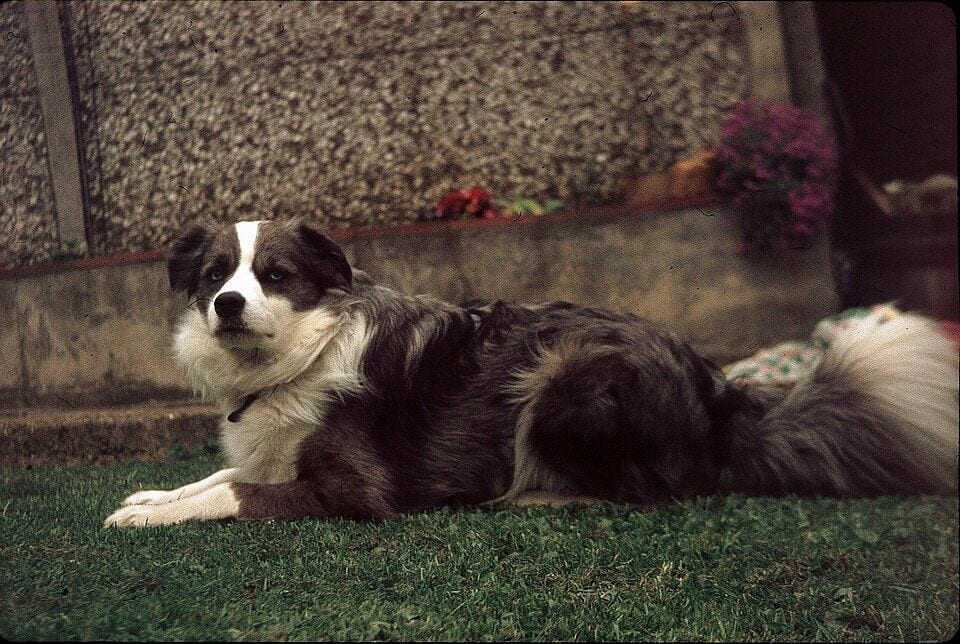
Temperament: A workaholic that needs a job
The AKC calls the Border Collie a remarkably bright workaholic that can be "too much dog" for owners without the time, energy, or means to keep them occupied. A job—whether herding, agility, obedience, frisbee, or flyball—is the key to their happiness. After a long day of work, a Border Collie will happily cuddle with their family, but without enough exercise, they become restless and destructive.
With their people, the Border Collie is affectionate and sensitive, but they can be reserved with strangers. Because their herding instinct is so strong, they may try to "herd" running children, cyclists, or cats—which is why they are best suited for families with older, calm children. The AKC emphasizes that early socialization is especially critical up to about 7 months of age, and obedience training should continue throughout their life.
Health: Recommended tests
- Hip dysplasia – parental X-ray evaluation.
- Eye conditions – Collie eye anomaly and progressive retinal atrophy; an ophthalmologist exam is essential.
- Deafness and epilepsy – occasionally seen in the breed.
- Neuronal ceroid lipofuscinosis and trapped neutrophil syndrome – hereditary diseases with available DNA tests.
Generally, Border Collies are hardy dogs with a lifespan of 12–15 years.
Care: Daily exercise and brushing
- Exercise. Much more than a short walk—daily running, hiking, and dog sports are required.
- Mental stimulation. Tricks, scent games, puzzle toys, and ongoing training.
- Coat. Brush 1–2 times a week, and daily during shedding seasons.
- Travel. This dog is not suitable for people who are frequently away from home for long periods.
The Border Collie vs. other herding dogs
| Trait | Border Collie | Australian Shepherd | Pembroke Welsh Corgi |
|---|---|---|---|
| Weight | 30–55 lbs | 40–65 lbs | up to 30 lbs |
| Energy | very high | very high | high |
| Origin | Great Britain | USA | Great Britain |
| Good for apartments | only with an active owner | only with an active owner | yes |
A Border Collie needs a job every single day
A walk around the block is not enough for a Border Collie—they need a task that engages their mind. These dogs thrive when they are learning or working on something new every day.
- Herding – the ultimate activity, if you have access to herding clinics with sheep.
- Agility, frisbee, and flyball – dog sports where Border Collies frequently take home the gold.
- Scent games and tricks – perfect for rainy days indoors: hiding treats, puzzle toys, and teaching new commands.
Without this level of activity, even a well-trained Collie will find their own job—chasing cars, digging up the yard, or catching shadows. This is not a character flaw, but a fundamental breed requirement that must be considered before getting a puppy.
Who is the Border Collie for and how to choose a puppy
The Border Collie is ideal for athletic people who spend a lot of time outdoors or those who want to compete in dog sports. Before buying, honestly evaluate whether you can dedicate at least a couple of hours every day to exercise and training. Look for a reputable breeder who can explain whether the parents are from working or show lines, and always ask to see the results of hip, eye, and DNA tests. When bringing a Border Collie puppy home, ensure they have been checked by a veterinarian and microchipped, which is highly recommended for their safety. Always ask to meet the parents, review the contract, and verify AKC registration if applicable; for more details on finding a responsible breeder, see our guide introduction.
You can find other herding dogs in the profiles for the Australian Shepherd, Pembroke Welsh Corgi, and German Shepherd.
Frequently asked questions
Is the Border Collie really the smartest dog?
The Border Collie is widely considered the smartest breed, excelling in obedience, agility, and herding trials. The AKC describes them as "remarkably bright workaholics" who need a job to be happy.
Is a Border Collie good for an apartment?
They can live in an apartment only with a highly active owner. The AKC emphasizes that a Border Collie needs much more than a walk around the block—intense daily exercise and tasks are essential, otherwise the dog will start "herding" people or destroying things.
How much does a Border Collie weigh?
According to the AKC, Border Collies weigh 30–55 lbs. Males stand 19–22 inches tall, while females are 18–21 inches tall.
Is a Border Collie good for a family with children?
They are best suited for families with older, calm children. The AKC notes that due to their strong herding instinct, Border Collies may try to "herd" running children by nipping at their heels.
What health tests do Border Collie breeders perform?
The AKC recommends screening for hip dysplasia, eye conditions (Collie eye anomaly, progressive retinal atrophy), deafness, epilepsy, neuronal ceroid lipofuscinosis, and trapped neutrophil syndrome.
Sources
- Wikipedia: Border Collie
- AKC (American Kennel Club): Border Collie breed profile
- FCI (Fédération Cynologique Internationale): Border Collie breed standard (No. 297)
- Cover photo: Black and white Border Collie looking at the camera (Photo: Lilly M, CC BY-SA 3.0)
- Wikimedia Commons photo: Blue merle Border Collie jumping through a tire in an agility competition (Photo: A. Buser, CC BY-SA 3.0 ch)
- Wikimedia Commons photo: Blue merle Border Collie lying by a fence (Photo: Kolforn, CC BY-SA 4.0)
Log in to comment
No comments yet. Be the first.