Miniature Schnauzer: Temperament, Size, Care & Health
- Schnauzers—Miniature, Standard, and Giant—originated in southern Germany and share a common history with Pinschers.
- The name comes from the German words "Schnauze" (snout) and "Schnauzbart" (walrus mustache); it was officially recognized in 1917.
- The Miniature Schnauzer was bred in the late 19th century from the smallest Standard Schnauzers, possibly mixed with Affenpinschers and Poodles.
- They stand 12–14 inches tall and weigh 11–20 lbs; FCI recognized colors are pepper and salt, black, black and silver, and white.
- Schnauzers shed very little, but their coat requires clipping or hand-stripping every 5 to 8 weeks.
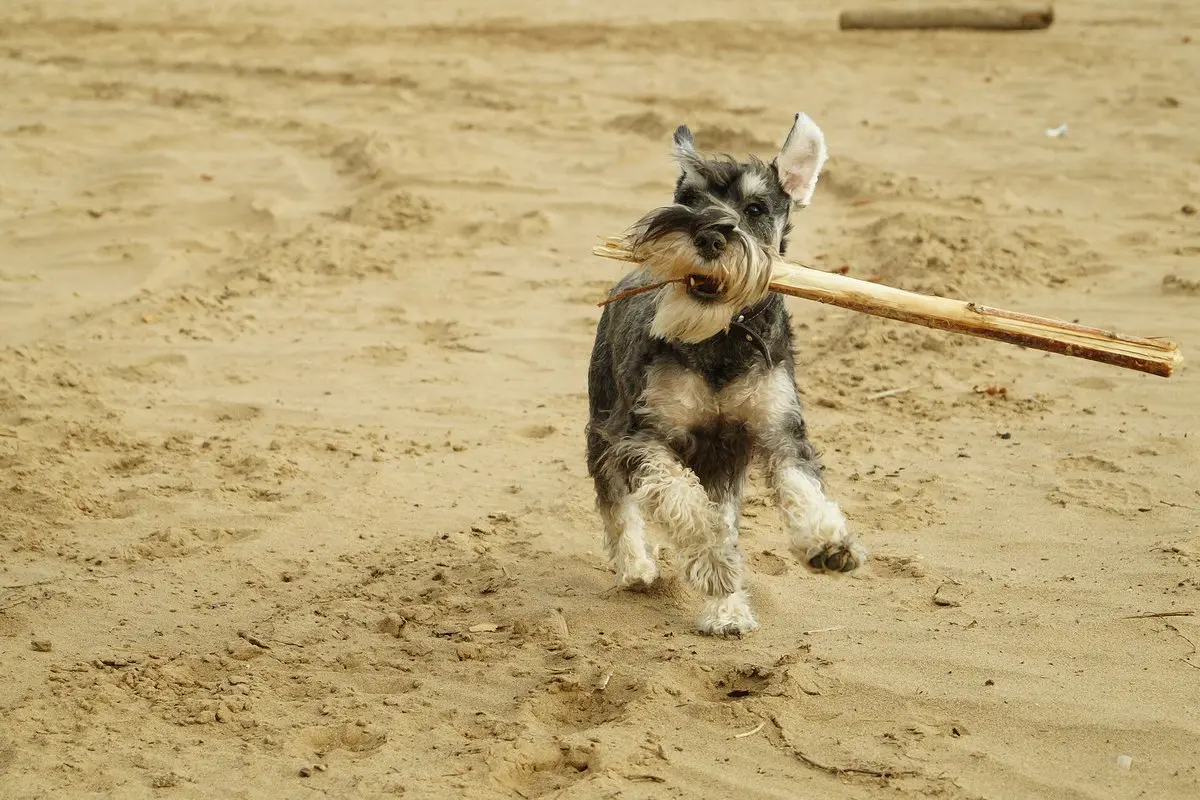
This article is part of the 77.today dog breeds guide, prepared by the 77.today editors from the sources listed at the end.
The Schnauzer is a sturdy, muscular dog with a bushy beard and eyebrows that give them an almost human expression. By nature, they are farm and stable ratters—tough and fearless, but never aggressive. Of the three Schnauzer breeds, the Miniature Schnauzer is the most popular, described by the AKC as a healthy, long-lived, low-shedding companion and an ideal family dog. In this dog breed guide profile, you will find the history, appearance, temperament, and grooming needs of the Schnauzer.
| Origin | Germany (southern region) |
|---|---|
| FCI Group | Group 2 – Pinschers and Schnauzers (Miniature No. 183) |
| Height | 12–14 inches (Miniature) |
| Weight | 11–20 lbs (Miniature) |
| Coat | Double coat: wiry topcoat and soft undercoat |
| Colors | Pepper and salt, black, black and silver, white (under the FCI standard) |
| Lifespan | 12–15 years |
| Temperament | Friendly, alert, smart, playful |
| Good for | Apartments, families with children, dog sports |
The Schnauzer: A Southern German Stable Ratter
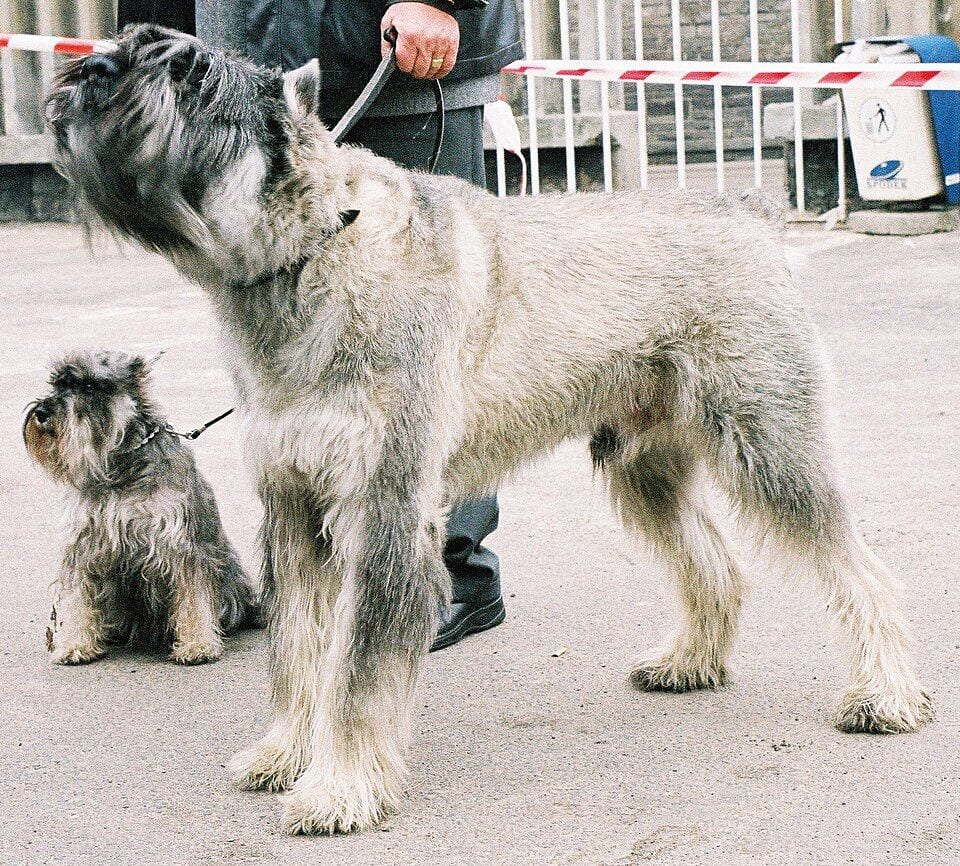
All three Schnauzers—the Miniature Schnauzer, Standard Schnauzer, and Giant Schnauzer—originated in southern Germany and share a common history with Pinschers. These wire-haired and smooth-haired dogs of various sizes were kept near carriages and in stables, earning them the nickname "stable pinschers," and they were excellent ratters. The wire-haired dogs that eventually evolved into Schnauzers were also known as rat catchers (Rattler, Rattenfänger). In the early days, wire-haired and smooth-haired puppies could be born in the exact same litter.
The German word Schnauze means snout, while Schnauz and Schnauzbart refer to a walrus mustache, though the exact origin of the name remains a bit of a mystery. At the 1879 Hanover show, a dog named Schnautzer won in the wire-haired pinscher class, and in 1880, the pinscher was entered into the German stud book with its first standard. In 1917, the wire-haired pinscher was officially renamed the Schnauzer. The Miniature Schnauzer was developed in the late 19th century—possibly from the smallest Standard Schnauzers or by crossing them with Affenpinschers, Miniature Pinschers, and Poodles. The AKC notes that this is the only breed in the AKC Terrier Group without British blood. The FCI officially recognized the Miniature Schnauzer in 1955, and in a 2013 FCI census, it ranked tenth in total registrations worldwide.
Appearance: Beards, Eyebrows, and a Wiry Coat
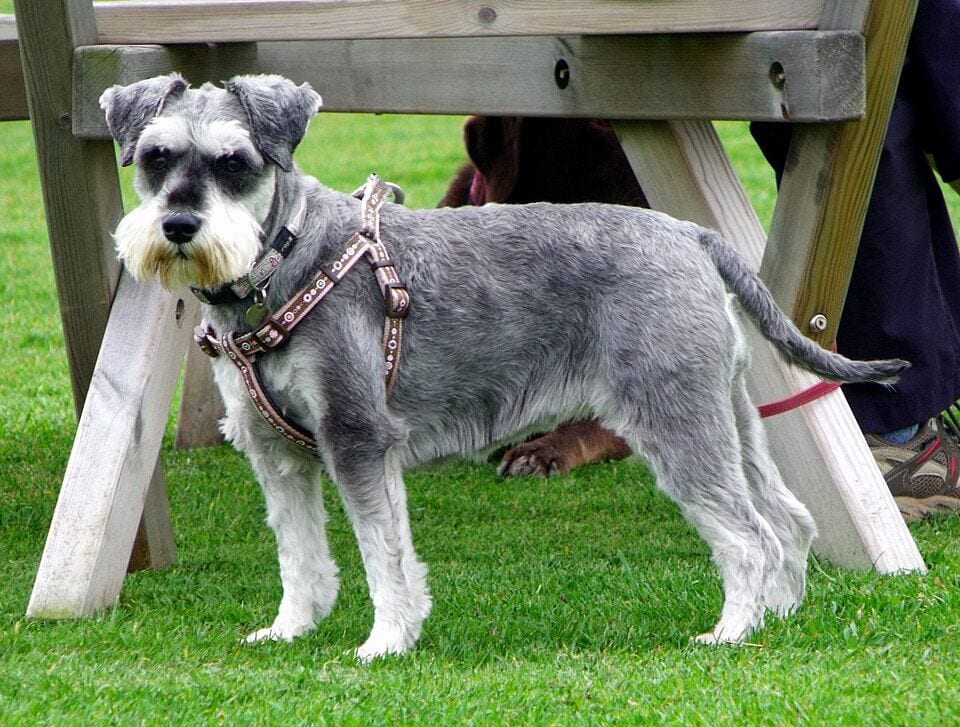
The Miniature Schnauzer is a stocky, sturdy dog standing 12 to 14 inches tall, essentially a scaled-down version of the Standard Schnauzer. The head is long, featuring a bushy beard and prominent eyebrows, with dark eyes and naturally drop ears. The coat is double-layered: a harsh, wiry topcoat and a soft undercoat. This breed sheds very little.
Under the FCI standard, four colors are recognized: pepper and salt (gray banded), solid black with a black undercoat, black and silver, and solid white with a white undercoat. The AKC only recognizes the first three. In older standards for wire-haired dogs, colors like iron gray, silver gray, and grayish-yellow were also mentioned.
Temperament: A Friendly Watchdog Without the British Terrier Fire
The AKC notes that while the Miniature Schnauzer performed the traditional work of small terriers, their personality differs from British terriers: they are openly friendly, lively, yet obedient and eager to please. They are tough, muscular, and fearless, but not aggressive, getting along well with other animals and children, and enjoying energetic play. Schnauzers are highly home- and family-oriented, making them excellent watchdogs—Wikipedia describes them as having a strong guarding instinct without the tendency to bite.
Because of their high intelligence, training must be fun and varied, as repetitive tasks quickly bore a Schnauzer. They excel in agility, obedience, rally, and even earthdog trials. The Miniature Schnauzer has a strong prey drive, so they should never be let off-leash in an unfenced area.
Health
- Cataracts and other eye diseases – requires screening by a veterinary ophthalmologist.
- Hyperlipidemia (high levels of fat in the blood) and pancreatitis – a moderate, low-fat diet is crucial.
- Liver shunts and urinary stones.
- Heart issues – the AKC recommends a cardiac exam.
- Teeth – frequent brushing is necessary.
Grooming
- Brushing. Frequently comb the beard, eyebrows, and leg furnishings to prevent matting.
- Clipping. Pet Schnauzers are usually clipped with clippers every 5 to 8 weeks; show dogs are hand-stripped.
- Bathing. About once a month.
- Nails and ears. Trim nails monthly and check ears weekly.
The Three Schnauzer Breeds
| Breed | Size | Primary Purpose |
|---|---|---|
| Miniature Schnauzer | Smallest, 12–14 inches | Ratting, companion |
| Standard Schnauzer | Medium | Versatile farm dog |
| Giant Schnauzer | Largest | Guard dog, working dog |
The Miniature Schnauzer Fits Almost Every Family
The Miniature Schnauzer is one of the most versatile small dogs: friendly, alert, low-shedding, and highly trainable. They are well-suited for both apartments and houses.
- Good for: Families with children, first-time owners, seniors, and people interested in agility or obedience sports.
- Not for: Homes with small pet rodents, those who cannot tolerate barking, and people unwilling to commit to regular clipping or stripping.
A Schnauzer's beard gets wet and messy after eating and drinking, so it needs to be wiped and combed regularly. Because the breed is prone to pancreatitis and high blood fat levels, it is important to avoid fatty foods and table scraps. The larger Schnauzers—the Standard and Giant—are much more energetic and are better suited for experienced owners.
How to Choose a Schnauzer Puppy
First, decide on the size—the three Schnauzer breeds differ significantly in energy levels and original purpose. When looking for a Miniature Schnauzer, always ask reputable breeders for the parents' eye and cardiac health test results, and inquire about any history of pancreatitis or urinary stones in the bloodline. Be prepared for regular grooming expenses. When buying a puppy, ensure you are working with a responsible breeder who registers their litters with the AKC, rather than a pet store or puppy mill. It is also highly recommended by veterinarians to have your new puppy microchipped; you can learn more about general guidelines in our guide introduction.
You can find other low-shedding dogs in our Poodle and Bichon Frise profiles, and learn about another German pinscher relative in the Doberman Pinscher guide.
Frequently asked questions
What sizes do Schnauzers come in?
There are three distinct breeds: the Miniature Schnauzer, the Standard Schnauzer, and the Giant Schnauzer. All originated in southern Germany, with the Miniature being the most popular.
How much does a Miniature Schnauzer weigh?
According to the AKC, a Miniature Schnauzer weighs 11–20 lbs and stands 12–14 inches tall at the shoulder.
Do Schnauzers shed?
The Miniature Schnauzer sheds very little. However, their double coat—a wiry topcoat and soft undercoat—requires frequent brushing and needs to be clipped or hand-stripped (for show dogs) every 5 to 8 weeks.
What colors do Miniature Schnauzers come in?
The FCI recognizes four colors: pepper and salt, solid black, black and silver, and solid white. The AKC does not recognize the white variety.
Is a Schnauzer a good family dog?
Yes. The AKC describes the Miniature Schnauzer as an ideal family dog—friendly, smart, highly trainable, and great with children and other animals. They adapt perfectly to both apartments and farms.
Sources
- Wikipedia: Miniature Schnauzer
- AKC: Miniature Schnauzer breed profile
- FCI: Miniature Schnauzer breed standard (No. 183)
- Cover photo: Young Miniature Schnauzer carrying a stick on the sand (Photo: Schnaps, CC BY-SA 4.0)
- Wikimedia Commons photo: Giant and Miniature Schnauzers standing side by side (Photo: Pleple2000, CC BY-SA 3.0)
- Wikimedia Commons photo: Pepper and salt Schnauzer standing in grass (Photo: grassrootsgroundswell, CC BY 2.0)
Log in to comment
No comments yet. Be the first.