Poodle: Standard, Miniature & Toy – Size, Temperament & Care
- The Poodle is a water dog: the name comes from the Low German word 'puddeln,' meaning to splash in water; in French, it is called the Caniche.
- The FCI recognizes four sizes: Standard (18–24.5 inches), Medium (14–18 inches), Miniature (11–14 inches), and Toy (9.5–11 inches). The AKC recognizes three.
- Their curly coat is virtually non-shedding, but without regular brushing and clipping, it will mat—expect grooming every 4–6 weeks.
- Poodles live 10–18 years; the smaller sizes generally have longer lifespans.
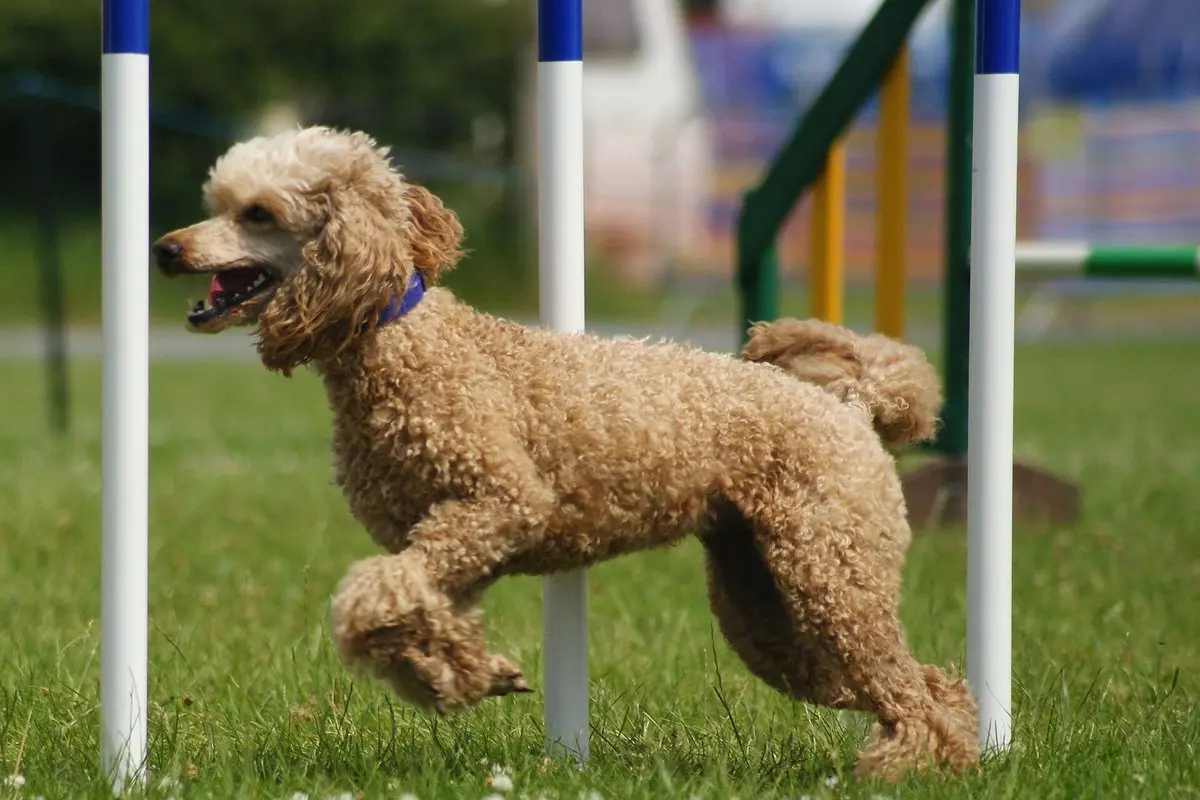
- They are among the most easily trainable dogs, excelling at swimming, retrieving, and dog sports.
This article is part of the 77.today dog breeds guide, prepared by the 77.today editors from the sources listed at the end.
The Poodle has two reputations. One is the elegant show dog with pompons on its legs and tail. The other, lesser-known reputation is that of a working waterfowl retriever, an excellent swimmer, and one of the smartest dogs in the world. Both are true: beneath that curly coat lies an athlete who can jog alongside a runner or live peacefully in an apartment. In this dog breed guide profile, you will find the history of the Poodle, its various sizes, temperament, grooming needs, and health risks.
| Origin | The FCI lists France; most canine experts consider it a German water dog |
|---|---|
| FCI Group | Group 9 – Companion and Toy Dogs (No. 172) |
| Sizes | Standard 18–24.5 inches, Medium 14–18 inches, Miniature 11–14 inches, Toy 9.5–11 inches |
| Weight | Standard male about 60–70 lbs (AKC); Toy – just a few pounds |
| Coat | Curly, dense, virtually non-shedding |
| Colors | Black, white, brown, gray, fawn (apricot, red) |
| Lifespan | 10–18 years |
| Temperament | Intelligent, playful, people-oriented |
| Suitable for | Families, allergy sufferers, dog sports |
The Poodle Was Born as a Water Retriever
Most canine experts believe the Poodle originated in medieval Germany as a local water dog—much like the Water Spaniel in England, the Barbet in France, or the Wetterhoun in the Netherlands. The name reflects this: the Low German word puddeln means to splash in water. German artists depicted Poodle-type dogs as early as the 17th century. The FCI and some historians hold a different view, stating the breed is French and descends from the Barbet. The French call the Poodle Caniche, and the AKC refers to it as the national dog of France.
Both names attest to the same original purpose: retrieving shot birds and missed arrows from the water. Thanks to their high intelligence and obedience, Poodles also became circus stars. In French circuses, they were bred smaller and smaller to be easier to transport, which led to the creation of the Miniature Poodle. In the early 20th century, breeders downsized them even further to the Toy size, and the FCI later recognized the Medium Poodle. The UK Kennel Club recognized Poodles in 1874, and the AKC followed in 1886. From 1960 to 1982, the Poodle was the most popular breed registered by the AKC.
Four Sizes and a Curly Coat
All Poodles share the same build: squarely proportioned with a straight back, an elegant head with a long muzzle, and long, hanging ears. The only difference is size. The FCI standard recognizes the Standard at 18–24.5 inches (45–62 cm), Medium at 14–18 inches (35–45 cm), Miniature at 11–14 inches (28–35 cm), and Toy at 9.5–11 inches (24–28 cm). The AKC does not recognize the Medium size and categorizes them into just three varieties: Standard, Miniature, and Toy. Attempts to breed even smaller "teacup" Poodles have caused severe genetic issues and are widely discouraged by reputable organizations.
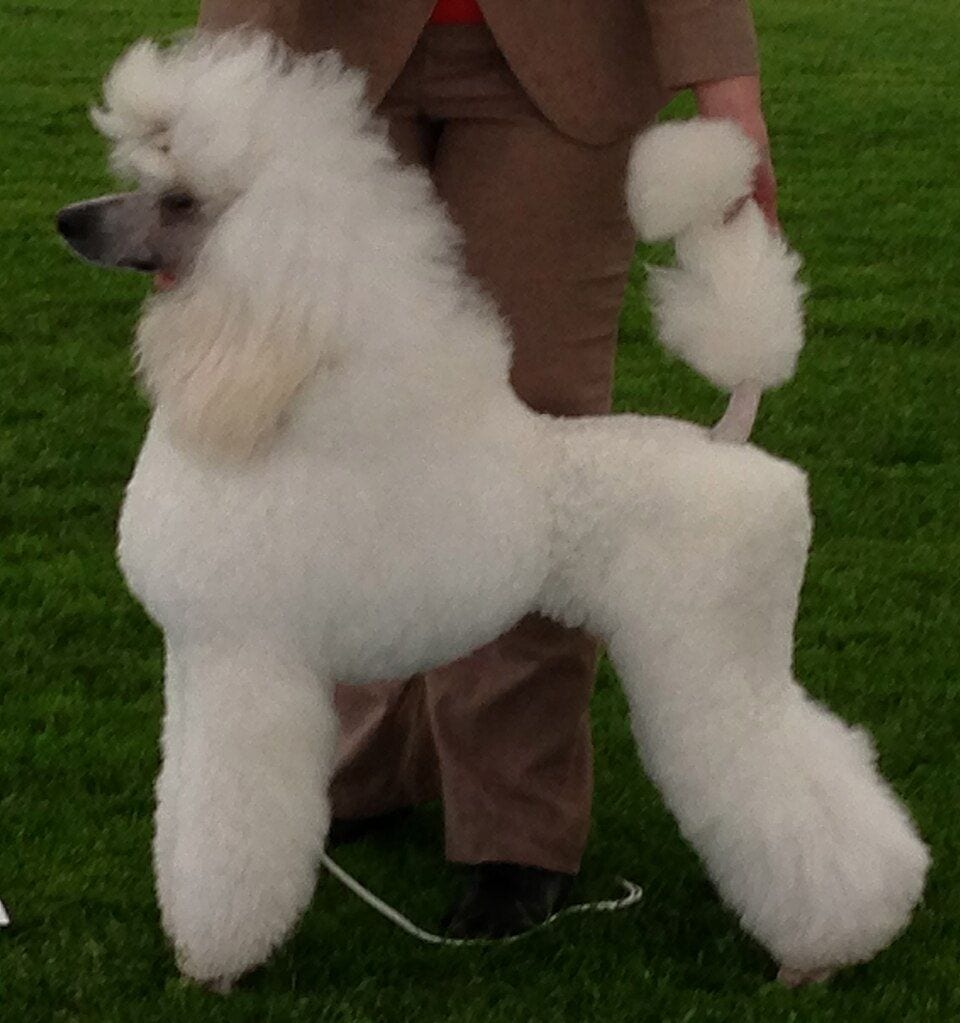
The coat is dense and curly, with a cotton-like undercoat that traps air: even when the surface gets wet, the skin underneath stays dry. Only solid colors are permitted—black, white, brown, gray, and fawn (apricot or red), with no spots. The famous show clip with pompons actually had a practical purpose: hunters would shave the legs, neck, and tail to help the dog swim more easily, but left the coat over the chest, hips, and joints to protect them from the freezing water.
Temperament: Intelligent and Highly People-Oriented
The AKC describes Poodles as eager, athletic, and "wickedly smart." They learn incredibly fast and excel in obedience, agility, and tracking sports. Standard and Miniature Poodles can even participate in retriever hunting tests. The Poodle is deeply oriented toward its people and strongly dislikes being left alone for long periods.
Poodles of all sizes are active dogs. They need daily exercise and love to swim and play fetch. The Standard Poodle is the best athlete, well-suited for running and hiking, while the Toy Poodle will thrive in an apartment, though it still requires playtime and mental stimulation. Poodles generally get along great with children, but the smallest sizes need to be protected from overly rough play.
Health: What to Expect Across Different Sizes
- All sizes: Hip dysplasia, eye disorders (such as progressive retinal atrophy), idiopathic epilepsy, von Willebrand's disease (a blood clotting disorder), and immune-mediated conditions.
- Toy and Miniature: Luxating patellas (slipping kneecaps) and Legg-Calvé-Perthes disease (a hip joint disorder).
- Standard: Gastric dilatation-volvulus (bloat) and sebaceous adenitis (inflammation of the sebaceous glands).
Poodles have a long lifespan, typically living 10–18 years, with the smaller varieties generally outliving the Standard size.
Grooming: Brushes and the Grooming Salon
- Clipping: Most owners keep their dogs in a short "sporting" clip and visit the groomer every 4–6 weeks.
- Brushing: A long coat must be brushed down to the skin daily—otherwise, painful mats will form.
- Ears: The densely haired ears should be checked and cleaned regularly to prevent infections.
- Exercise: Daily walks, games of fetch, swimming, as well as puzzle toys and trick training for mental enrichment.
Poodles and Their Mixes
Because of their non-shedding coats, Poodles are frequently crossed with other breeds, resulting in the Maltipoo, Labradoodle, Goldendoodle, and other so-called designer dogs. We discuss these in more detail in our Poodle mixes guide. It is important to know that a mixed breed's coat can be unpredictable—and it may still shed.
| Size (FCI) | Height | Best Suited For |
|---|---|---|
| Standard | 18–24.5 inches | Active people, dog sports, swimming |
| Medium | 14–18 inches | Families, apartment living with an active lifestyle |
| Miniature | 11–14 inches | Apartments, families with older children |
| Toy | 9.5–11 inches | Apartments, singles, or couples |
How to Choose a Poodle Puppy
First, decide on the right size for your lifestyle, as this dictates their energy level, grooming needs, and specific health risks. Look for a reputable breeder who registers their litters with the AKC or UKC and provides comprehensive health clearances for the parents—including eye and joint evaluations, plus patella certifications for the smaller varieties. Avoid breeders advertising "teacup" or "micro" Poodles, as breeding for extreme smallness is linked to severe health issues. Whether you buy from a breeder or adopt through a breed rescue, ensure your new puppy is microchipped and registered, as recommended by veterinarians. We discuss these steps and more in our dog breed guide introduction.
You can find other non-shedding dogs in our Bichon Frise, Maltese, and Shih Tzu profiles.
Frequently asked questions
What is the difference between Toy, Miniature, and Standard Poodles?
They are the exact same breed, differing only in size. Under the FCI standard, the Standard Poodle is 18–24.5 inches tall, the Medium is 14–18 inches, the Miniature is 11–14 inches, and the Toy is 9.5–11 inches at the shoulder. The AKC recognizes Standard, Miniature, and Toy. Their build and proportions are identical.
Are Poodles good for people with allergies?
The Poodle's coat is virtually non-shedding, making it a great choice for allergy sufferers according to the AKC. However, no dog is completely hypoallergenic, as allergens are also found in saliva and dander. It is always a good idea to spend time with a Poodle before bringing one home.
How often does a Poodle need to be groomed?
Most owners keep their Poodle in a short clip and visit a professional groomer every 4–6 weeks. If the coat is kept long, it must be brushed down to the skin daily, otherwise mats will form at the roots, requiring the dog to be shaved down.
What is the lifespan of a Poodle?
Poodles live 10–18 years. The smaller varieties—Miniature and Toy—typically live longer than Standard Poodles.
What health issues are common in Poodles?
The AKC notes hip dysplasia, eye disorders, epilepsy, sebaceous adenitis, von Willebrand's disease, and immune-mediated conditions. The smaller sizes are more prone to luxating patellas and Legg-Calvé-Perthes disease, while Standard Poodles face a higher risk of gastric dilatation-volvulus (bloat).
Sources
- Wikipedia: Poodle
- AKC: Poodle breed profile
- FCI: Poodle breed standard (No. 172)
- Cover photo: Apricot Poodle running an agility course (Photo: mister b 1138, CC BY 2.0)
- Wikimedia Commons: White Standard Poodle in a show clip (Photo: Sagaciousphil, CC BY-SA 3.0)
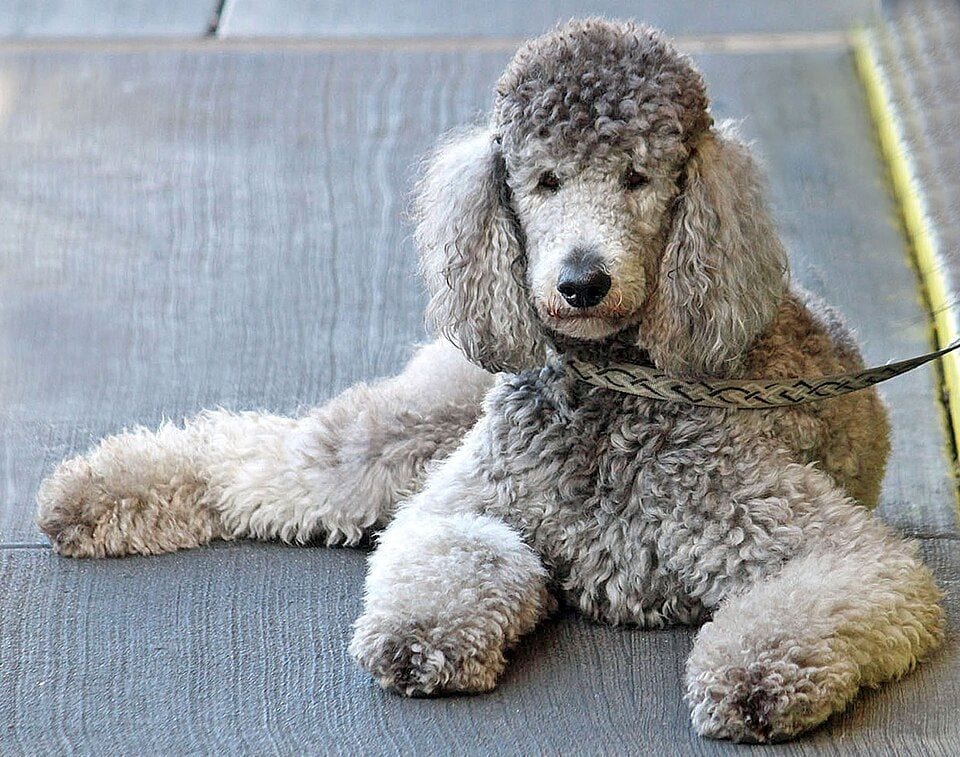
- Wikimedia Commons: Gray Poodle lying on a wooden floor (Photo: Lou Alexander, CC BY 2.0)
Log in to comment
No comments yet. Be the first.