Yorkshire Terrier: Temperament, Size, Care & Health
- The Yorkshire Terrier was developed in the mid-19th century in Yorkshire and Lancashire to catch rats for mill and mine workers.
- The 1860s show dog Huddersfield Ben is widely considered the father of the breed.
- Recognized by the AKC in 1885, the Yorkie should weigh no more than 7 pounds.
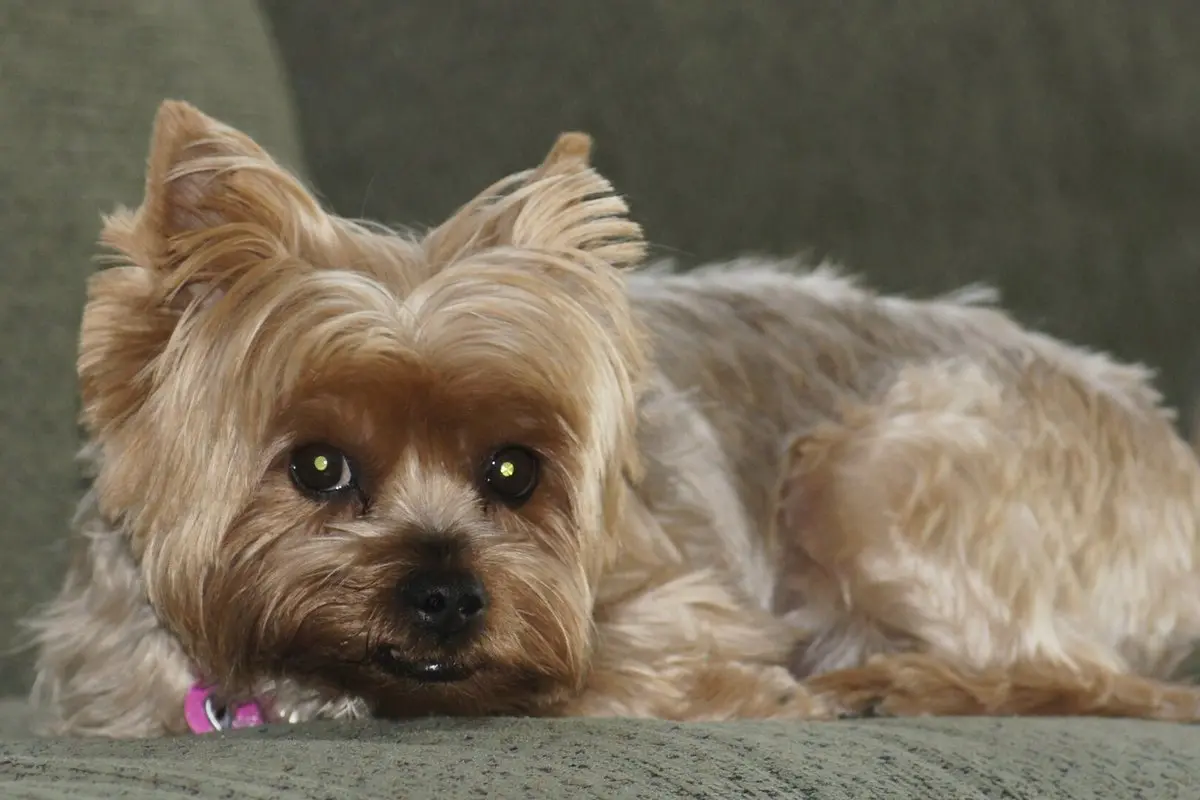
- The coat is long, silky, and similar to human hair, featuring a steel-blue body with a golden tan head and legs.
- Common health issues include dental disease and luxating patellas; Yorkies typically live 11 to 15 years.
- The Yorkshire Terrier Was Born in Mills and Mines
- Appearance: Silk in Steel and Gold
- Temperament: A True Terrier in a Pocket Size
- Health: Teeth, Patellas, and Fragility
- Grooming and Exercise
- The Yorkie and Other Small Long-Haired Breeds
- The Yorkie is Great for the City, if the Owner is Ready to Groom
- How to Choose a Yorkshire Terrier Puppy
This article is part of the 77.today dog breeds guide, prepared by the 77.today editors from the sources listed at the end.
The Yorkshire Terrier is one of the smallest dogs in the world, but beneath that floor-length silky coat beats the heart of a feisty ancient terrier, according to the AKC. Yorkies became famous as Victorian-era lapdogs with ribbons, but before that, they earned their keep catching rats in mines and textile mills. Today, the Yorkie is one of the most popular city dogs, perfect for apartments and low-shedding. In the dog breed catalog, you will find the Yorkshire Terrier's origins, appearance, temperament, grooming, and health.
| Origin | Great Britain (Yorkshire and Lancashire) |
|---|---|
| FCI Group | Group 3 – Terriers, Toy Terriers (No. 86) |
| Height | about 7–8 inches |
| Weight | up to 7 lbs |
| Coat | long, straight, silky, no undercoat |
| Colors | dark steel blue and golden tan |
| Lifespan | 11–15 years |
| Temperament | brave, lively, sometimes bossy, affectionate |
| Suited for | apartments, city living, allergy sufferers (with caveats) |

The Yorkshire Terrier Was Born in Mills and Mines
In the mid-19th century, Scottish weavers moved to the Northern English counties of Yorkshire and Lancashire to look for work, bringing their terriers with them. Cotton and wool mill workers, as well as miners, crossed these dogs to develop a small, brave rat hunter that could squeeze into the tightest crevices. The Yorkie's ancestors are believed to include extinct Scottish terriers like the Paisley and Clydesdale, along with the Black and Tan Terrier, Skye Terrier, and Dandie Dinmont Terrier; some sources also mention a Maltese mix. Because the breed was created by everyday workers, very few reliable records remain.
In the early days, almost any long-haired terrier with a blue body and tan head was called a Yorkie. The breed type was defined in the 1860s by a famous show dog named Huddersfield Ben, owned by Mary Ann Foster. His descendants are in the pedigree of most show Yorkies, earning him the title of "father of the breed." In 1886, the British Kennel Club recognized the Yorkshire Terrier, and the dog became a fashionable ladies' companion—and gradually grew smaller. Yorkies arrived in North America in 1872, and the AKC registered its first one in 1885. Interest in the breed was later revived by the World War II hero dog, Smoky.
Appearance: Silk in Steel and Gold
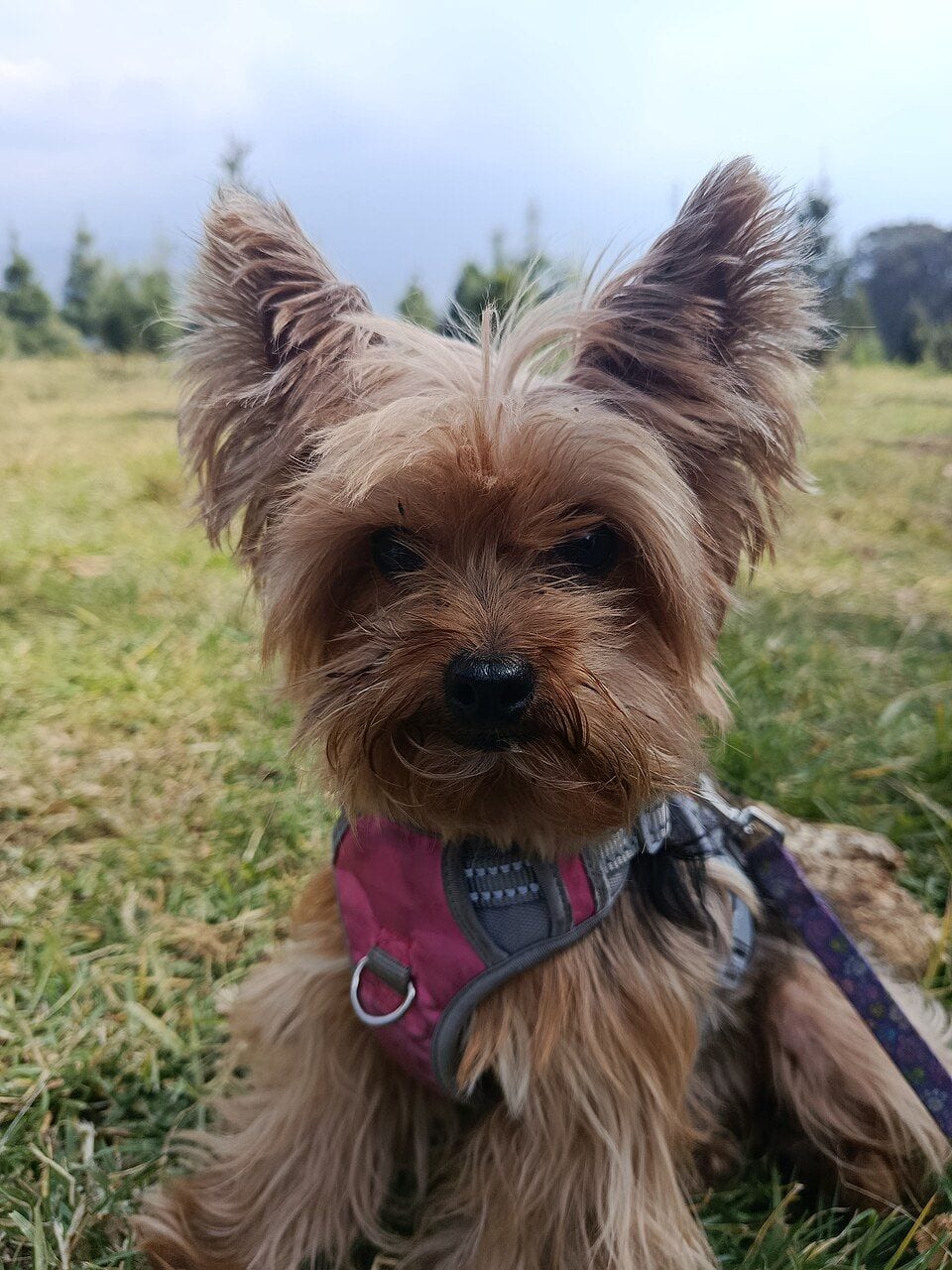
The Yorkie is a compact little terrier with a straight back and a proud carriage. The head is small, the muzzle is not too long, the eyes are dark and lively, and the ears are small, V-shaped, and erect. Its crowning glory is a long, straight, glossy, and silky coat that reaches the ground on show dogs and is parted down the middle of the back. It has no undercoat, and its texture is more like human hair than animal fur.
The standard allows only one color combination: from the back of the neck to the tail, it must be dark steel blue (not silver and not black), while the head, chest, and legs are a rich golden tan. Neither the AKC nor the FCI recognizes dogs of other colors, so offers for "rare color" Yorkies mean the dog does not meet the breed standard.
Temperament: A True Terrier in a Pocket Size
The AKC describes the Yorkie as tenacious, feisty, brave, and sometimes bossy, possessing all the traits of a true terrier. Yorkies are often known for their "big city attitude," making them excellent little watchdogs that will announce every visitor. At the same time, they are deeply attached to their owners, highly intelligent, and eager to please, meaning they respond well to praise and treats rather than harsh corrections.
Despite their small size, Yorkies successfully compete in rally, agility, and obedience sports, and they even work as therapy dogs. They need socialization from an early age—exposure to new situations, people, and other dogs in a calm, positive environment—so their terrier bravery does not turn into barking at everything.
Health: Teeth, Patellas, and Fragility
- Dental disease – Teeth can become crowded in their small mouths; if a puppy has not lost its baby teeth by 7 to 8 months, a vet visit is necessary.
- Luxating patella – The AKC advises limiting a puppy's jumping from heights to prevent slipped stifles.
- Eye conditions – An examination by a veterinary ophthalmologist is recommended.
- Injuries – Due to their tiny size, falls and being stepped on are highly dangerous.
Yorkies live a long time—the AKC notes a lifespan of 11 to 15 years.
Grooming and Exercise
- Brushing. A long coat needs daily brushing; a short clip requires brushing a few times a week.
- Head. The hair above the eyes should be trimmed or tied into a topknot so it does not irritate the eyes.
- Bathing. About once a week, using a dog-specific shampoo.
- Exercise. Two short walks a day plus playtime; Yorkies enjoy short bursts of energy.
The Yorkie and Other Small Long-Haired Breeds
| Trait | Yorkshire Terrier | Maltese | Shih Tzu |
|---|---|---|---|
| Weight | up to 7 lbs | up to 7 lbs | 9–16 lbs |
| Color | steel blue and gold | white | various |
| Shedding | low | low | low |
| Temperament | terrier-like, brave | gentle, playful | calm, friendly |
The Yorkie is Great for the City, if the Owner is Ready to Groom
The Yorkshire Terrier weighs just a few pounds, barely sheds, and travels easily, which is why it is so popular in apartments. However, it remains a true terrier at heart.
- Good for: City dwellers, seniors, people who want a small but alert and cheerful companion, and allergy sufferers who are bothered by shedding hair.
- Not for: Families with small children who might accidentally injure the dog, and those who cannot tolerate barking.
The long silky coat is beautiful but requires daily brushing, so many owners opt to give their Yorkie a short "puppy cut"—this saves time and does not harm the dog.
How to Choose a Yorkshire Terrier Puppy
Choose a reputable breeder whose dogs are registered with the AKC and who performs health screenings for patellas and eyes. Avoid breeders advertising "mini" or "teacup" Yorkies—dogs bred to be exceptionally tiny are much more fragile and prone to severe health issues. Ask to meet the puppy's parents to evaluate their temperament. When buying a puppy, ensure you receive a clear contract and health guarantee. Microchipping is highly recommended by veterinarians to keep your pet safe; you can read more about finding a responsible breeder in our guide introduction.
You can find other small companions in the Chihuahua, Maltese, and Shih Tzu profiles.
Frequently asked questions
How much does a Yorkshire Terrier weigh?
According to AKC and FCI standards, an adult Yorkie should weigh no more than 7 pounds. Height at the withers is typically 7 to 8 inches.
Are Yorkshire Terriers hypoallergenic?
The AKC considers Yorkies hypoallergenic because their coat is more like human hair than animal fur and lacks an undercoat, making them low-shedding. However, no dog is 100% hypoallergenic, so it is best to spend time with a Yorkie before getting one.
How do you groom a Yorkie's coat?
If kept long, the coat needs daily brushing, and the hair above the eyes should be trimmed or tied into a topknot. The AKC recommends bathing about once a week. Most owners opt for a short "puppy cut" to make maintenance much easier.
What is the lifespan of a Yorkshire Terrier?
The AKC notes a lifespan of 11 to 15 years. Dental care and protection from injuries are especially important for their longevity.
Is a Yorkie a good family dog?
Yorkies are loving, smart, and brave, but they are very small and easily injured by rough play or falls. They are best suited for families with older children who understand how to handle a tiny dog gently.
Sources
- Wikipedia: Yorkshire Terrier
- AKC (American Kennel Club): Yorkshire Terrier breed profile
- FCI: Yorkshire Terrier breed standard (No. 86)
- Cover photo: Yorkshire Terrier lying on a sofa (Photo: Cbalentine, CC BY-SA 3.0)
- Wikimedia Commons: Tan and gray Yorkshire Terrier sitting on a sofa (Public Domain)
- Wikimedia Commons: Yorkshire Terrier on a leash in the grass (Photo: Pauxchis, CC BY-SA 4.0)
Log in to comment
No comments yet. Be the first.