Shiba Inu: Temperament, Size, Care & Health
- The Shiba Inu is the smallest of the six ancient Japanese breeds; the name translates to 'brushwood dog'.
- After World War II, the breed was restored from three surviving bloodlines: the Shinshu, Mino, and San'in.
- Declared a Japanese natural monument in 1936, the breed was recognized by the FCI in 1964 and the AKC in 1992.
- Males weigh about 22 lbs, and females about 17 lbs; their lifespan is 13–16 years.
- Shibas are very clean and house-train quickly, but they can never be trusted off-leash in an unfenced area.
This article is part of the 77.today dog breeds guide, prepared by the 77.today editors from the sources listed at the end.
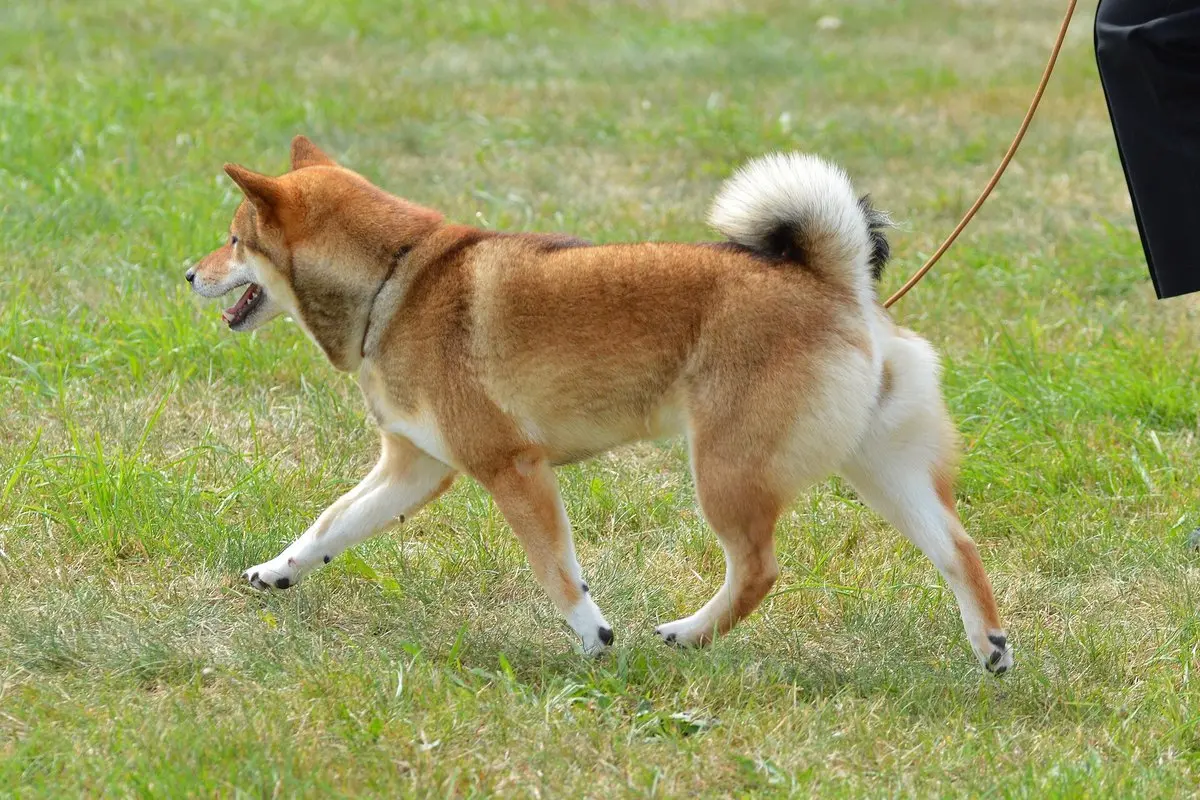
From a distance, the Shiba Inu looks like a fox: a reddish coat, pointed prick ears, lively triangular eyes, and a tail curled over its back. This is a small but sturdy and muscular hunting dog from the mountains of Japan, which has become the most popular companion breed in its homeland. The Shiba is admired for its cleanliness, boldness, and intelligence, but it is not a plush toy—it is an independent personality with a strong prey drive. In this dog breed directory guide, you will find the origins, appearance, temperament, and care of the Shiba Inu.
| Origin | Japan (Mountains of the Chubu region) |
|---|---|
| FCI Group | Group 5: Spitz and primitive types (No. 257) |
| Height | Males 14.5–16.5 inches, females 13.5–15.5 inches |
| Weight | Males about 22 lbs, females about 17 lbs |
| Coat | Double coat: stiff outer coat and soft, dense undercoat |
| Colors | Red, sesame, black and tan; always with urajiro markings |
| Lifespan | 13–16 years |
| Temperament | Alert, bold, independent, stubborn |
| Special Trait | Very clean, easily house-trained |
The Shiba Inu: One of the Oldest Dog Breeds
Geneticists classify the Shiba as a basal breed, meaning it predates the emergence of modern breeds in the 19th century. Similar dogs were depicted in clay figurines from the prehistoric Jomon period, and the AKC dates the breed back to around 300 BC. In Japanese, inu means dog, and shiba means brushwood or bushes. This name was likely given because the Shiba hunted in dense mountain brushwood, or perhaps because of its reddish coat color. Shibas helped hunters flush out birds and rabbits in the mountains of the Chubu region.
During the Meiji Restoration, when Western dog breeds were imported to Japan, they were widely crossed with native dogs. By 1912–1926, pure Shibas were almost extinct. From 1928, hunters and intellectuals began preserving the remaining dogs. The first breed standard was published in 1934, and in 1936, the Shiba was declared a Japanese natural monument. World War II, food shortages, and a distemper epidemic in the 1950s nearly wiped out the breed entirely. All modern Shibas descend from three surviving bloodlines: the small, red Shinshu, the prick-eared Mino, and the larger, black San'in dogs. The first Shiba was brought to the United States in 1954. The breed was recognized by the FCI in 1964 and by the AKC in 1992.
Appearance: A Compact "Fox" with Urajiro
The Shiba is a small to medium-sized dog that is sturdy and muscular, featuring a short, compact body and a light, nimble gait. The head is broad, the muzzle is of moderate length, the eyes are small and triangular, and the ears are small, erect, and slightly angled forward. The tail is thick and curls over the back. The coat is double-layered: the outer guard hairs are stiff and straight, while the undercoat is soft and dense. Occasionally, when both parents carry a recessive gene, long-haired Shibas are born.
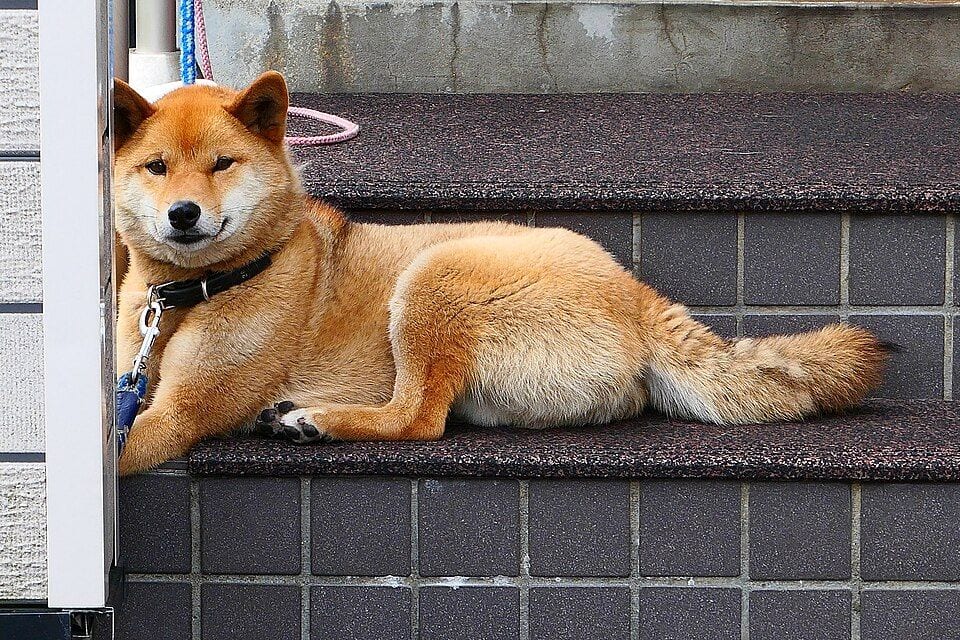
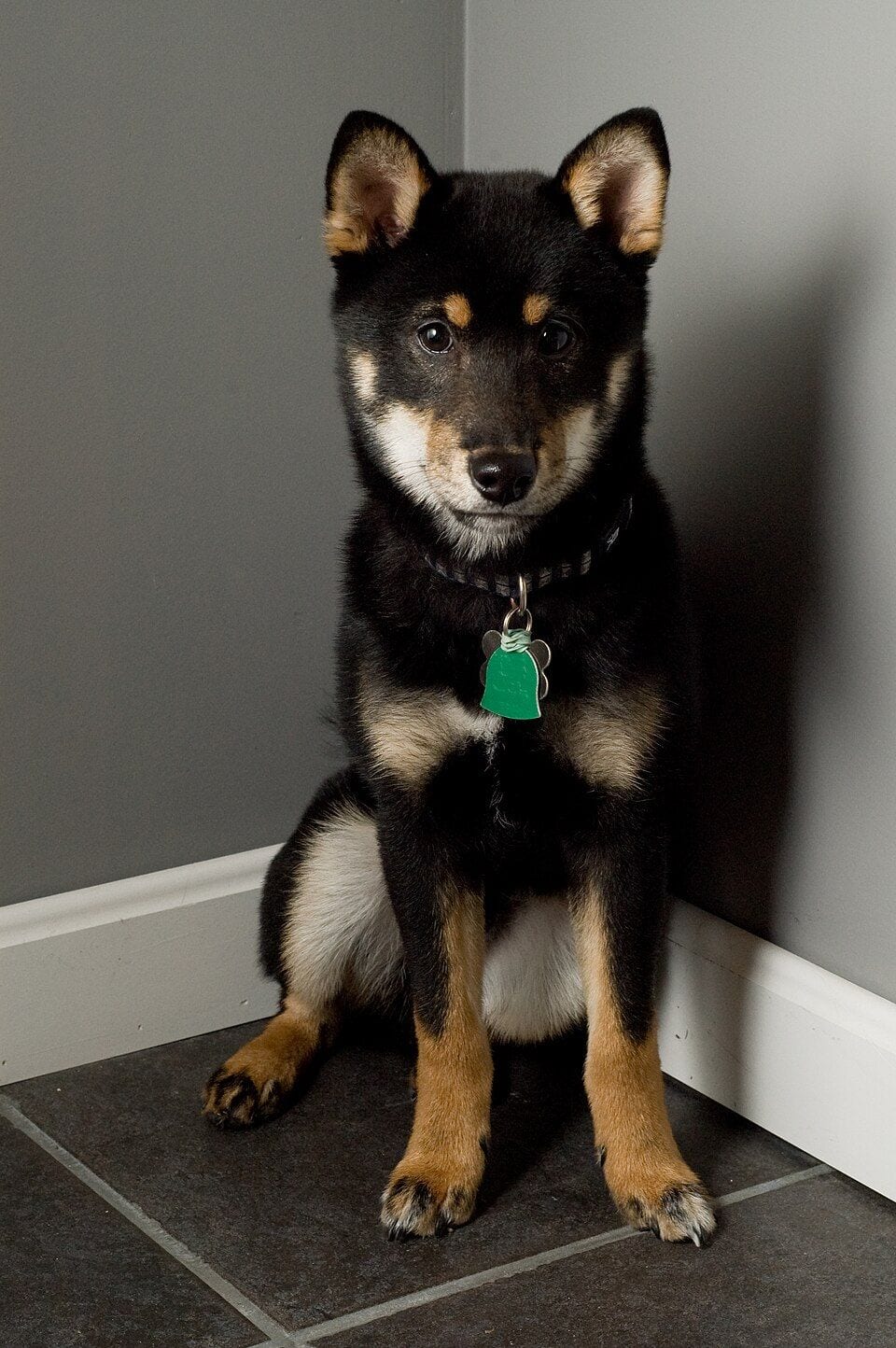
Standard colors are red, sesame (red with black-tipped hairs), and black and tan. All of them must feature urajiro—cream or white markings on the sides of the muzzle, cheeks, inside the ears, neck, chest, belly, and the inner sides of the legs. On black and tan or sesame Shibas, the urajiro on the chest often forms triangular shapes resembling a bowtie. A solid cream or white color is considered a serious fault under the Japanese, AKC, and FCI breed standards.
Temperament: Bold, Independent, and Clean
Japanese cynologists describe the Shiba using three concepts: spirited boldness, good nature, and artlessness. Shibas are alert, affectionate with their families, and highly intelligent, but they are also independent and stubborn. In expert surveys, the breed is rated as having a higher tendency for reactivity and moderate trainability, making early socialization with people and other dogs absolutely essential. Shibas are known for being aloof with strangers and for their loud "Shiba scream" when they are unhappy or overly excited.
The AKC highlights a few crucial things every owner should know. First, a Shiba can never be considered reliable off-leash in an unfenced area—their prey drive is stronger than any recall command. Second, the Shiba is practically born house-trained: even at four weeks old, puppies will try to do their business as far away from their sleeping area as possible. A survey conducted in Japan showed that Shibas are less likely to bark at noises in the house, but more likely to chase their tails or resist walking on a leash.
Health and Lifespan
- Allergies – The AKC lists these as the most common health issue; they usually present as itchy skin and typically appear after six months of age.
- Hip dysplasia and patellar luxation – Breeding parents should be health-tested for joint issues.
- Eye conditions – An examination by a veterinary ophthalmologist is highly recommended.
Shibas are a long-lived breed, with the AKC noting an average lifespan of 13 to 16 years.
Care: Heavy Shedding and Daily Walks
- Shedding. They shed heavily twice a year. During these blowouts, frequent brushing is necessary, and a strong high-velocity dryer can be very helpful.
- Exercise. They need daily walks on a leash and active playtime in a securely fenced area.
- Nails. Shibas often despise having their nails trimmed. It is crucial to desensitize them from a young age or leave the task to a professional groomer or vet.
- Separation anxiety. Some Shibas struggle with being left alone; crate training and establishing a consistent routine can help.
The Shiba Inu vs. Other Spitz Breeds
| Feature | Shiba Inu | Akita | Pomeranian |
|---|---|---|---|
| Weight | 17–22 lbs | 70–130 lbs | 3–7 lbs |
| Origin | Japan | Japan | Germany |
| Shedding | Heavy | Heavy | Heavy |
| Independence | High | High | Moderate |
What to Know Before Getting a Shiba Inu Puppy
The Shiba is ideal for owners who appreciate an independent, clean, and bold personality, and who are prepared to provide consistent training while always keeping the dog on a leash outdoors. When looking for a puppy, choose a reputable breeder who registers their litters with the AKC and performs comprehensive health testing on the parents, including hip, patella, and eye evaluations. It is also important to meet the parents to gauge their temperament. Avoid backyard breeders, puppy mills, or anyone selling undocumented puppies, as well as breeders specifically advertising solid cream coats without the required urajiro markings. Before bringing your new companion home, ensure they are microchipped and up to date on vaccinations, as recommended by veterinarians. For more information on finding a responsible breeder or exploring breed-specific rescues, check out the introduction to our dog breed guide.
You can learn about a larger Japanese breed in our Akita profile, or explore other spitz-type dogs in our guides to the Pomeranian and the Siberian Husky.
Frequently asked questions
How much does a Shiba Inu weigh?
According to the AKC, males weigh about 22 lbs and females about 17 lbs. The height at the withers is 14.5–16.5 inches for males and 13.5–15.5 inches for females.
Can a Shiba Inu be let off the leash?
The AKC warns that a Shiba can never be considered reliable off-leash in an unfenced area, and no amount of obedience training will change that. Their strong prey drive and independent nature can lead them far from home.
Do Shiba Inus shed a lot?
Yes. Their double coat sheds heavily—officially twice a year, though owners often joke that each shedding season lasts six months. Brushing during these periods helps reduce the amount of hair around the house.
What colors do Shiba Inus come in?
Standard colors are red, sesame (red with black-tipped hairs), and black and tan. Shibas of all colors must have cream or white markings, known as urajiro, on their cheeks, chest, belly, and the inside of their legs.
What is the 'Shiba scream'?
This is a loud, high-pitched scream that Shibas let out when they are excited, unhappy, or provoked. It is often triggered by anxiety, stress, or a lack of physical and mental stimulation.
Sources
- Wikipedia: Shiba Inu
- AKC: Shiba Inu breed profile
- FCI: Shiba breed standard (No. 257)
- Cover photo: A red Shiba Inu walking on a leash in the grass (Photo: Wojciech Pędzich, CC BY-SA 4.0)
- Wikimedia Commons photo: Shiba Inu lying on stairs (Photo: bryan, CC BY-SA 2.0)
- Wikimedia Commons photo: Black and tan Shiba Inu sitting in a corner (Photo: Maarten from Netherlands, CC BY 2.0)
Log in to comment
No comments yet. Be the first.