Akita: Temperament, Size, Care & the Hachiko Story
- Akitas descend from dogs in the Odate region, kept by samurai and wealthy farmers; the breed was declared a Japanese natural monument in 1931.
- The FCI has recognized two distinct breeds since 1999: the Japanese Akita and the American Akita; the AKC separated them in 2020.
- Under the AKC standard (American Akita), males are 26–28 inches and 100–130 lbs, while females are 24–26 inches and 70–100 lbs.
- The Akita is quiet, clean, and deeply loyal to its family, but wary of strangers and often intolerant of other animals.
- Akitas blow their dense undercoat twice a year; common health risks include bloat, hip dysplasia, and thyroid or eye disorders.
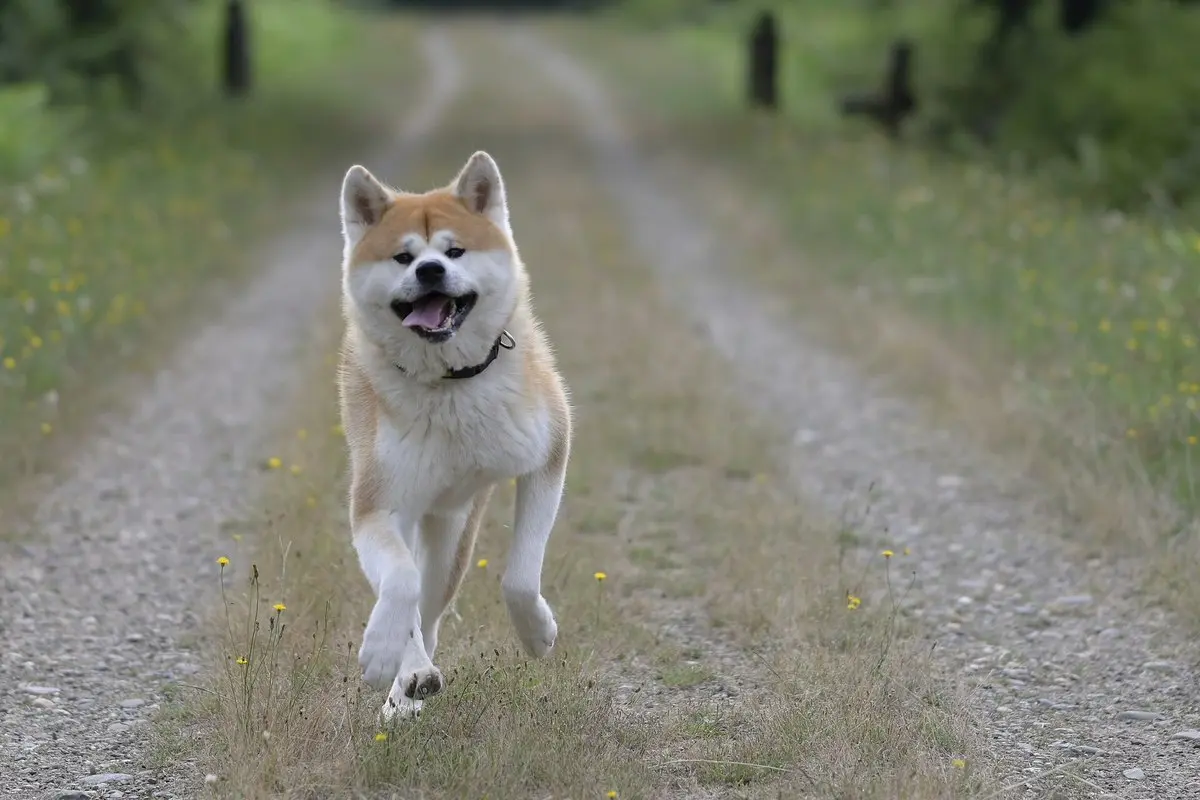
- The Akita originated from northern Japan's hunters and guard dogs
- Hachiko – a symbol of loyalty
- Appearance: a massive spitz with a curled tail
- Temperament: calm, dignified, and protective
- Health and care
- Japanese vs. American Akita
- The Akita needs clear rules and a calm home
- Who is the Akita for and how to choose a puppy
This article is part of the 77.today dog breeds guide, prepared by the 77.today editors from the sources listed at the end.
The Akita is a large, sturdy, heavy-boned spitz-type dog with a broad head, small erect ears, and a full tail curled over its back. In Japan, the Akita is revered as a family protector and a symbol of health, happiness, and a long life—when a child is born, parents are often gifted an Akita statue. The breed was made famous worldwide by the legendary, loyal Hachiko. In this dog breeds guide profile, you will find the Akita's history, the differences between Japanese and American Akitas, temperament, care, and health.
| Origin | Japan (Akita Prefecture) |
|---|---|
| FCI Group | Group 5 – Spitz and primitive types (Japanese Akita No. 255) |
| Height | males 26–28 inches, females 24–26 inches (AKC) |
| Weight | males 100–130 lbs, females 70–100 lbs (AKC) |
| Coat | thick double coat, dense undercoat |
| Colors | Japanese – red, sesame, brindle, white; American – various |
| Lifespan | 10–14 years |
| Temperament | dignified, calm, loyal, protective, independent |
| Suitable for | experienced owners with no other dominant dogs |
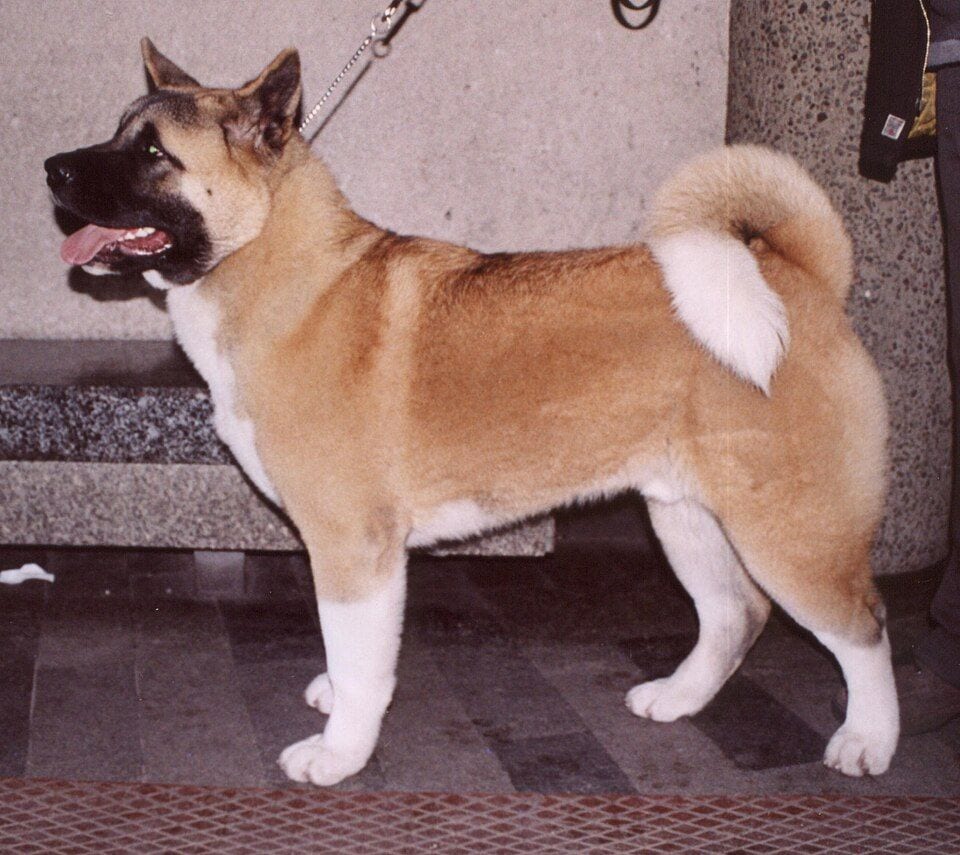
The Akita originated from northern Japan's hunters and guard dogs
The Tohoku region of northern Japan was historically home to the Matagi hunters, who used medium-sized Matagi dogs to track and hunt black bears, wild boars, and serows in the snow-covered mountains. The direct ancestor of the Akita is the dog from the Odate region, which samurai and wealthy farmers kept as a guard and fighting dog; until 1931, it was known as the Odate dog. The AKC notes that in the early 17th century, a nobleman exiled to the Akita Prefecture encouraged his vassals to compete in breeding a large, versatile hunting dog that hunted wild boars, deer, and bears in packs. For a time, only the imperial family and the court were allowed to own Akitas.
During the 19th and 20th centuries, Akitas were crossed with Tosa fighting dogs and foreign breeds, losing their uniformity. In 1931, the Akita was declared a Japanese natural monument, the mayor of Odate founded a society to preserve the pure Akita, and the first standard was published in 1934. During World War II, the government ordered the culling of non-military dogs, leading some to cross Akitas with German Shepherds to save them. After the war, US servicemen brought back larger Akitas, which formed the foundation of the American type. The FCI separated the breeds in 1999, naming the American type the American Akita in 2006, while the AKC officially separated them in 2020.
Hachiko – a symbol of loyalty
Hachiko was born in 1923 and belonged to Tokyo professor Hidesaburo Ueno, who lived near Shibuya railway station. The dog accompanied his owner to the station every day and waited for his return. On May 25, 1925, the professor died at work from a cerebral hemorrhage, but Hachiko continued to go to the station every day to wait for him for another nine years. In 1934, shortly before the dog's death, a bronze statue of him was erected at the station; it was melted down during the war but later restored, and since 1936, a memorial ceremony has been held in Shibuya every March 8th. This story helped the Akita gain worldwide fame, and the AKC calls Hachiko one of Japan's most cherished symbols.
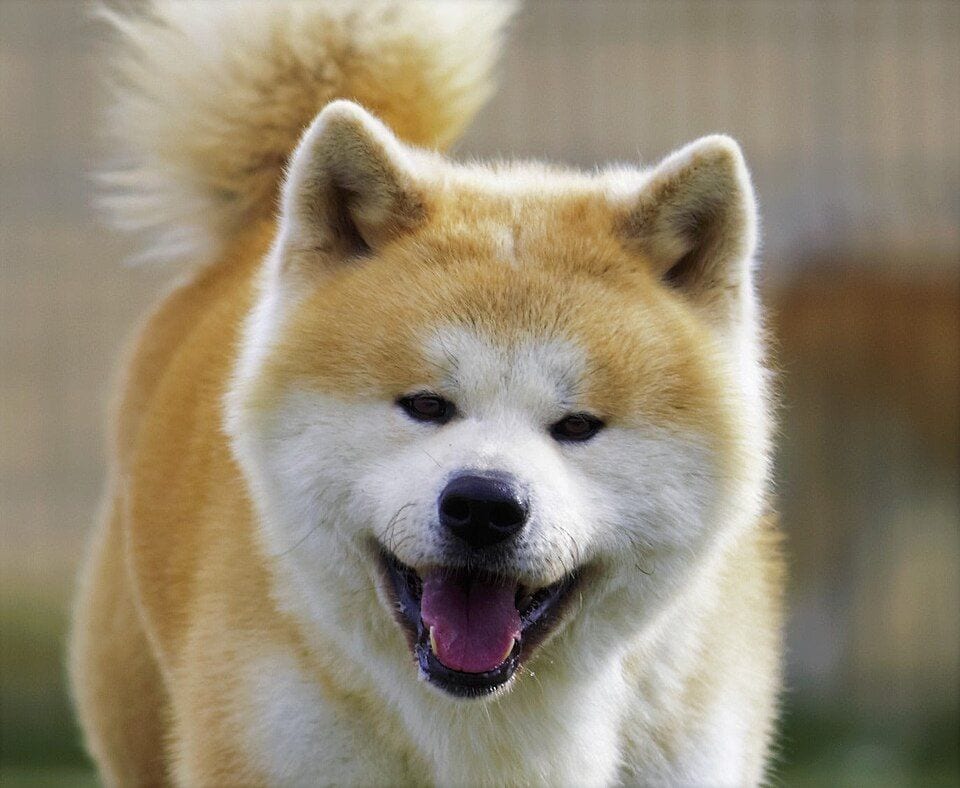
Appearance: a massive spitz with a curled tail
The Akita is a large, muscular, heavy-boned dog. The head is broad and massive, balanced by a full tail curled over the back. Erect ears and dark, shining eyes give it an alert expression—a hallmark of the breed. The coat is thick and double-layered, with a dense undercoat designed for the harsh winters of northern Japan. The Japanese Akita is lighter with a more fox-like face, and its colors are red, sesame, brindle, and white, with cream or white markings. The American Akita is more massive, often sporting a black mask, and comes in a wider variety of colors.
Temperament: calm, dignified, and protective
The AKC describes Akitas as quiet and very clean, wary of strangers, and often intolerant of other animals. With family and friends, they reveal their silly, affectionate side and crave human companionship. The Akita is an instinctive guardian, independent-thinking and stubborn, so consistent training for this massive and very strong dog must begin in puppyhood. Early and extensive socialization with people and other dogs is essential.
The Akita is not an overly active breed, but it does need moderate exercise: a jog or a brisk walk at least once a day. With enough activity, Akitas do well even in smaller homes, as they were bred not only for hunting but also as house guards.
Health and care
- Gastric dilatation-volvulus (bloat) – a life-threatening emergency; knowing the signs is crucial.
- Hip dysplasia – requires X-ray evaluations of the parents.
- Eye and thyroid disorders – breeding dogs should be screened.
- Coat. Brush at least once a week, and daily twice a year when the undercoat blows out in clumps.
- Nails and teeth. Trim and brush regularly.
Japanese vs. American Akita
| Trait | Japanese Akita | American Akita |
|---|---|---|
| FCI recognition | since 1964 | separate breed since 1999 |
| Build | lighter, fox-like face | more massive, broad head |
| Colors | red, sesame, brindle, white | various, often with a black mask |
| Origin | Japan | US (from Japanese Akitas) |
The Akita needs clear rules and a calm home
The Akita is a serious dog whose training begins on day one. Its independence means the dog decides for itself whether a command is worth obeying, so rules must be clear and consistent.
- Other animals: Akitas are often intolerant of dogs of the same sex, so it is best to keep a single dog or a male-female pair in the home.
- Guests: The Akita is wary of strangers, so it must be taught to accept guests calmly rather than guarding the house against them.
- Shedding: Twice a year, the thick undercoat sheds very heavily—daily brushing is required during these times.
A properly trained Akita is a loyal, quiet, and clean family member who will not bother the neighbors with nuisance barking.
Who is the Akita for and how to choose a puppy
The Akita is suited for an experienced, calm, and consistent owner who appreciates a dignified, independent dog and does not have other dominant dogs in the home. First, decide which breed—Japanese or American—you want, as they are distinct breeds with different standards. When looking for a puppy, choose a reputable breeder who registers their litters with the AKC or UKC, performs health screenings for hips, eyes, and thyroids, and allows you to meet the parents to gauge their temperament. Avoid puppy mills and pet stores, and consider adopting through a breed-specific rescue. Vets also highly recommend microchipping your new puppy and checking local ordinances, as breed-specific legislation or homeowners insurance policies can sometimes restrict large guardian breeds. We cover more general tips in our guide introduction.
You can find the smaller Japanese breed in the Shiba Inu profile, and other northern spitz breeds in the Siberian Husky and Alaskan Malamute descriptions.
Frequently asked questions
What is the difference between a Japanese and American Akita?
Both descend from the same Japanese dogs, but a larger, heavier type with a black mask and more colors developed in the US after WWII. The FCI recognized them as separate breeds in 1999, and the AKC followed in 2020. The Japanese Akita is lighter, has a more fox-like face, and comes in red, sesame, brindle, or white.
Who was Hachiko?
Hachiko was an Akita born in 1923 who, after his owner Professor Ueno died in 1925, waited for him every day at Tokyo's Shibuya Station for nine more years. A statue was erected there in 1934, and his story made the Akita famous worldwide.
Is the Akita good for a family with other dogs?
Caution is needed. The AKC notes that Akitas are wary of strangers and often intolerant of other animals, especially dogs of the same sex. Early and extensive socialization with people and other dogs is absolutely essential.
How much does an Akita weigh?
The AKC standard for the American Akita specifies 100–130 lbs and 26–28 inches for males, and 70–100 lbs and 24–26 inches for females. The Japanese Akita is generally lighter.
Does the Akita shed a lot?
For most of the year, the Akita sheds minimally, but twice a year, its dense undercoat 'blows' and falls out in clumps all over the house. During this time, frequent brushing is required.
Sources
- Wikipedia: Akita (dog breed)
- AKC (American Kennel Club): Akita breed profile
- FCI: Akita breed standard (No. 255)
- Cover photo: Red Japanese Akita running on a path (Photo: Azurfrog, CC BY 4.0)
- Wikimedia Commons photo: American Akita with a black mask standing in profile (Photo: Unknown author, CC BY-SA 3.0)
- Wikimedia Commons photo: Head of a red Japanese Akita (Photo: Jon Cano, CC BY-SA 4.0)
Log in to comment
No comments yet. Be the first.