Belgian Malinois: Temperament, Size, Care & Health
- The Belgian Shepherd has four varieties: the black long-haired Groenendael, rough-haired Laekenois, short-haired Malinois, and long-haired Tervuren.
- In 1891, veterinarian Adolphe Reul gathered 117 dogs and began standardizing the breed; the current standard was adopted in 1956.
- The Malinois is named after the city of Malines (Mechelen); the AKC has recognized it as a distinct breed since 1959.
- Males stand 24–26 inches and weigh 60–80 lbs, while females are 22–24 inches and 40–60 lbs; they live 14–16 years.
- This is a working dog with a high prey drive, meaning a simple daily walk is never enough.
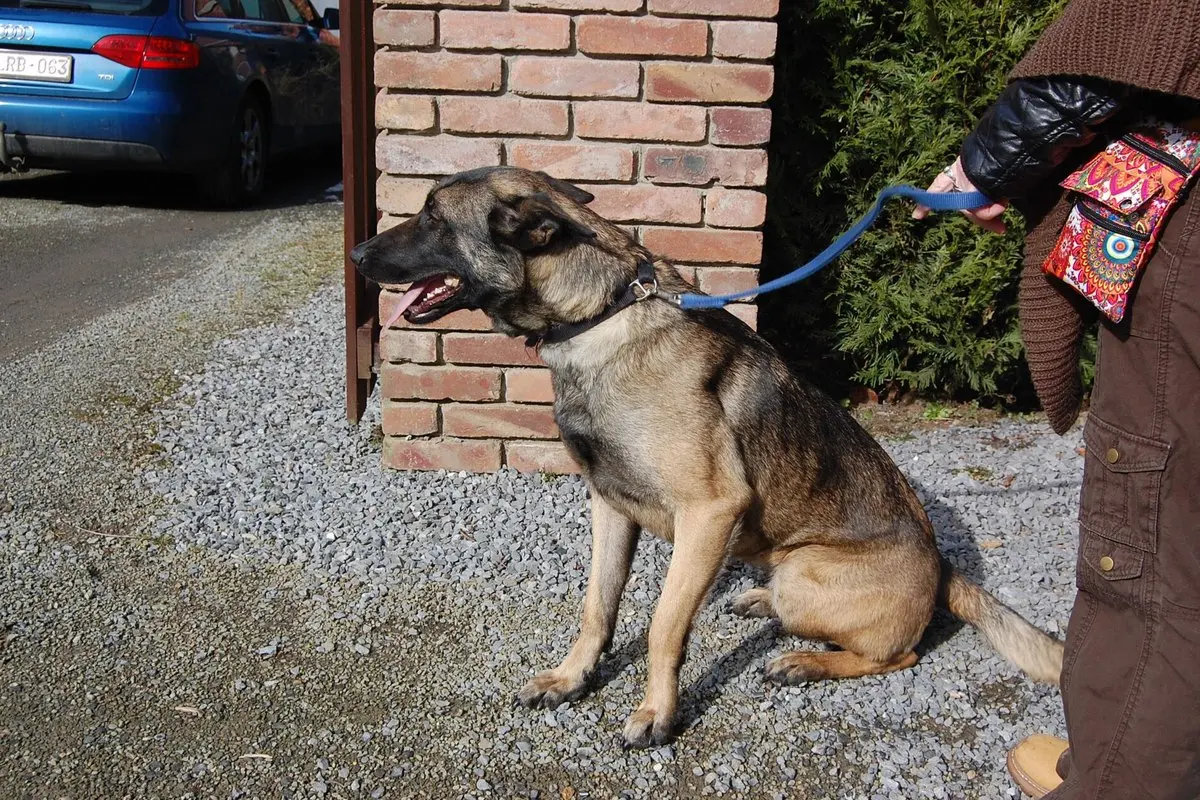
- The Belgian Shepherd: One Breed, Four Varieties
- Appearance: A Square, Elegant Worker
- Temperament: Work is the Meaning of Life
- Health: A Robust and Long-Lived Breed
- Care: Simple Coat, Complex Engagement
- Belgian Shepherd Varieties
- A Malinois's Daily Routine Resembles an Athlete's Training Schedule
- Who is the Malinois Right For and How to Choose a Puppy
This article is part of the 77.today dog breeds guide, prepared by the 77.today editors from the sources listed at the end.
The Belgian Malinois is a lean, muscular, fawn-colored dog with a black mask and a proudly carried head. The AKC describes it as a world-class worker that forms an unbreakable bond with its human. Today, the Malinois is one of the most popular breeds for police, military, search and rescue, and protection sports. However, this same working drive means that without tasks and owner attention, the Malinois will suffer. In this dog breed guide profile, you will find the history, appearance, temperament, and advice on who is best suited for the Belgian Malinois.
| Origin | Belgium (Malines / Mechelen region) |
|---|---|
| FCI Group | Group 1 - Sheepdogs and Cattle Dogs (No. 15, Malinois variety) |
| Height | males 24–26 inches, females 22–24 inches |
| Weight | males 60–80 lbs, females 40–60 lbs |
| Coat | short, dense, water-resistant |
| Colors | rich fawn to mahogany, with a black mask and ears |
| Lifespan | 14–16 years |
| Temperament | intelligent, hardworking, devoted, high prey drive |
| Working Trial | yes - FCI requires a working trial |
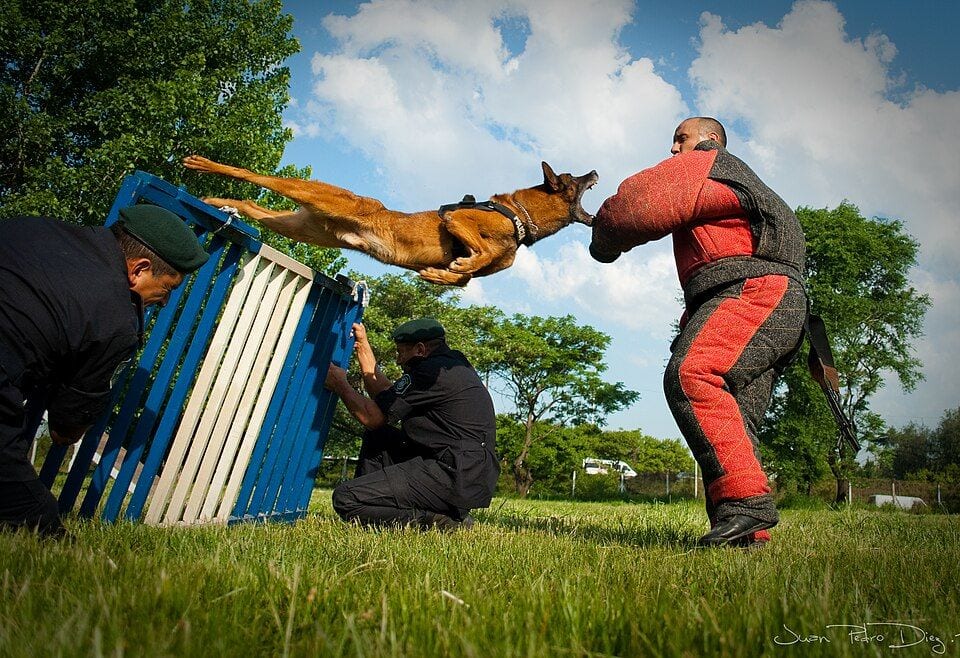
The Belgian Shepherd: One Breed, Four Varieties
The Belgian Shepherd originates from the same Western European herding dog type as the German Shepherd, Dutch Shepherd, and Bouvier des Ardennes. For centuries, it served Belgian shepherds, but by the late 19th century, when herding breeds in other countries were already being standardized, the Belgian dogs faced the threat of extinction. The Belgian Shepherd Dog Club was founded in 1891, and a team led by Adolphe Reul from the Cureghem Veterinary School gathered 117 dogs to begin categorizing them into varieties. Because these dogs had been bred for centuries for work rather than appearance, they varied greatly.
The first standard was drafted in 1892, and the number of recognized varieties fluctuated between two and eight until 1956. In 1905, crossbreeding between varieties was banned, but it was permitted again after both World Wars as dog populations dwindled. The current standard, adopted in 1956, recognizes four varieties: the Groenendael, Laekenois, Malinois, and Tervuren. The Malinois was primarily bred around the city of Malines (Mechelen) in northwestern Belgium. Its breeders focused mostly on working qualities rather than passing fads, making it the ultimate helper for Belgian shepherds and cattle drovers. Belgian Shepherds served in the Belgian army during both World Wars, and the Malinois was first brought to the US in 1911. The FCI fully recognized the breed in 1956.
Appearance: A Square, Elegant Worker
The Malinois is a square-proportioned, proud, and alert herding dog. The AKC describes it as strong and well-muscled, yet more elegant than bulky, with an "honest, no-frills" look suited for a dog built to work hard. A key characteristic of the breed is its proud head carriage. The ears are erect and triangular, the eyes are dark brown, and the expression is questioning and lively.
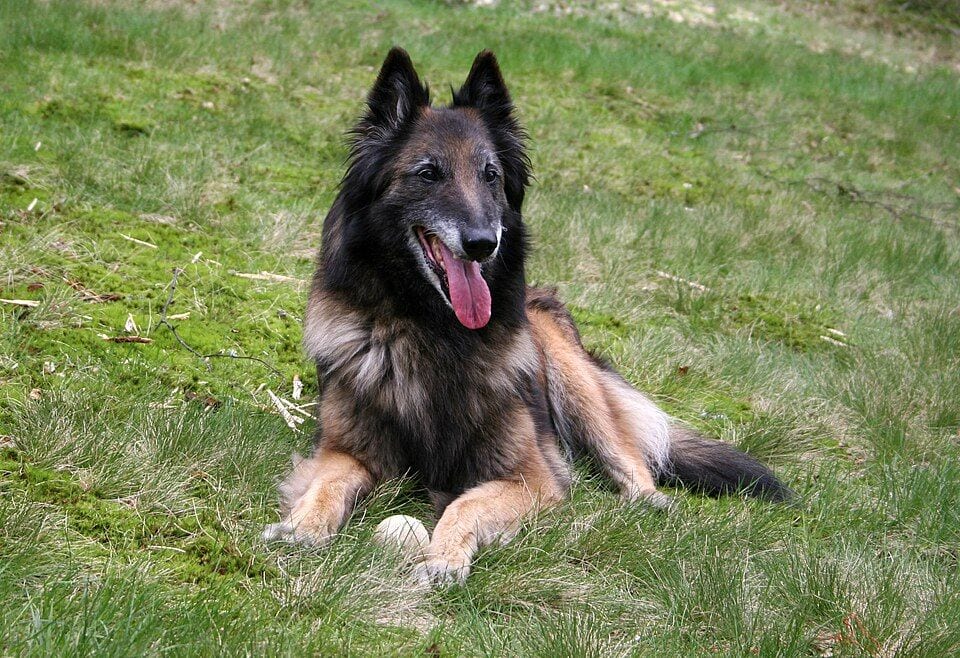
The coat is short, dense, and water-resistant. The color ranges from rich fawn to mahogany, featuring a black mask and black ears. Compared to the German Shepherd, the Malinois has a different head shape, is leggier, and has finer bone structure. The other Belgian Shepherd varieties differ primarily in their coats: the Groenendael is black and long-haired, the Tervuren is fawn and long-haired with a black mask, and the Laekenois is fawn and rough-haired.
Temperament: Work is the Meaning of Life
The AKC states that depriving a Malinois of activity and human companionship is to deprive it of its very reason for living. Highly intelligent, athletic, and incredibly devoted, this breed must be actively engaged both physically and mentally. This is not a backyard dog, and daily walks are simply not enough. The Malinois excels at running, hiking, biking, agility, tracking, herding, obedience, and protection sports.
Like most herding dogs, the Malinois has a strong prey drive and is fascinated by moving objects: it may chase children, cars, or other animals if this instinct is not channeled into acceptable activities. Therefore, early socialization and obedience training are mandatory. Problems typically arise when this people-oriented dog is underemployed and neglected.
Health: A Robust and Long-Lived Breed
- Hip and elbow dysplasia – X-ray evaluations of the parents are essential.
- Eye conditions – an examination by a veterinary ophthalmologist is recommended.
- Ears and teeth – require regular inspection and cleaning.
The Malinois is considered a healthy breed and lives a long time. The AKC notes a lifespan of 14–16 years, which is longer than many dogs of a similar size.
Care: Simple Coat, Complex Engagement
- Coat. Go over it occasionally with a rubber grooming mitt; they shed twice a year, during which daily brushing is needed.
- Exercise. At least a few hours of vigorous activity every day, ideally alongside their owner.
- Mental stimulation. Tracking, search and rescue games, obedience exercises, and trick training.
- Training. Consistent, positive reinforcement with an experienced instructor; redirect their high prey drive into structured play.
Belgian Shepherd Varieties
| Variety | Coat | Color |
|---|---|---|
| Malinois | short | fawn with a black mask |
| Groenendael | long | black |
| Tervuren | long | fawn with a black mask |
| Laekenois | rough | fawn |
A Malinois's Daily Routine Resembles an Athlete's Training Schedule
A Malinois owner needs to plan their day much like a training regimen. A simple walk is not enough for this dog—it requires running, tasks, and training.
- Morning: A run, a bike ride, or an active game of fetch with a toy.
- Daytime: Short obedience or tracking sessions, scent games, and chew toys for when the dog is left alone.
- Evening: A long walk and quiet time with the family.
It is no coincidence that the Malinois is the dog of choice for police and military forces—this breed works with all its might. At home, that same energy, if left undirected, turns into destructive chewing, barking, and chasing moving objects. For this reason, beginners are strongly advised to immediately seek out a professional dog trainer or a dog sports club.
Who is the Malinois Right For and How to Choose a Puppy
The Malinois is best suited for experienced owners who participate in dog sports, working roles, or highly active outdoor hobbies and can dedicate several hours a day to their dog. A quiet family looking for a laid-back companion would be much better off with a less demanding breed. When looking for a puppy, choose a reputable breeder whose dogs are registered with the AKC, have undergone hip, elbow, and eye health screenings, and possess working titles. Be sure to ask whether the puppy comes from a working line or a show line. A responsible breeder will provide a contract, let you meet the parents, and ensure the puppy is microchipped and vaccinated before going to its new home; for more details, see our guide introduction.
You can find related working dogs in our German Shepherd and Doberman Pinscher profiles, or learn about another hardworking herder in the Border Collie guide.
Frequently asked questions
How does the Belgian Malinois differ from the German Shepherd?
The AKC notes that the Malinois only faintly resembles the German Shepherd: its head is different, it is leggier, and it has finer bones. The Malinois has a short fawn to mahogany coat with a black mask and ears, and it typically possesses even more energy and working drive.
What are the varieties of the Belgian Shepherd?
Under the FCI standard, the Belgian Shepherd is considered one breed with four varieties: Groenendael (black, long-haired), Laekenois (fawn, rough-haired), Malinois (fawn, short-haired with a black mask), and Tervuren (fawn, long-haired). The AKC registers them as separate breeds.
Is the Belgian Malinois a good family dog?
It is only suitable for a highly active family that can engage the dog physically and mentally every day. The AKC warns that a Malinois cannot be left alone in the yard and that daily walks are insufficient; due to its high prey drive, it may chase children, vehicles, or other animals.
How much does a Belgian Malinois weigh?
According to the AKC, males weigh 60–80 lbs and stand 24–26 inches tall, while females weigh 40–60 lbs and are 22–24 inches tall.
What is the lifespan of a Belgian Malinois?
The AKC states they live 14–16 years, making them one of the longer-lived breeds of this size.
Sources
- Wikipedia: Belgian Shepherd
- AKC: Belgian Malinois breed profile
- FCI: Belgian Shepherd Dog breed standard (No. 15)
- Cover photo: Belgian Malinois sitting by a brick wall (Photo: Lucyin, CC BY-SA 4.0)
- Wikimedia Commons: Malinois jumping on a bite sleeve during training (Photo: Juan Pedro Diez from La Plata, Argentina, CC BY 2.0)
- Wikimedia Commons: Long-haired Tervuren lying in the grass (Photo: Wicker1, Public Domain)
Log in to comment
No comments yet. Be the first.