Caucasian Shepherd Dog: Temperament, Size, Care & Training
- Caucasian Shepherd Dogs have guarded sheep from wolves and thieves for centuries in the mountains of Georgia, Armenia, Azerbaijan, and Dagestan.
- Soviet cynologists developed the breed from local dogs in the 20th century; the FCI officially recognized it in 1984.
- Males typically stand 28–30 inches and weigh at least 110 lbs, while females are 26–28 inches and at least 90 lbs; typical weight is 100–155 lbs.
- Due to their protective nature, Caucasian Shepherds may be subject to local breed-specific legislation (BSL), requiring secure fencing, muzzles in public, or specific insurance.
- This is a highly independent, territorial guardian suited only for experienced owners with a securely fenced property.
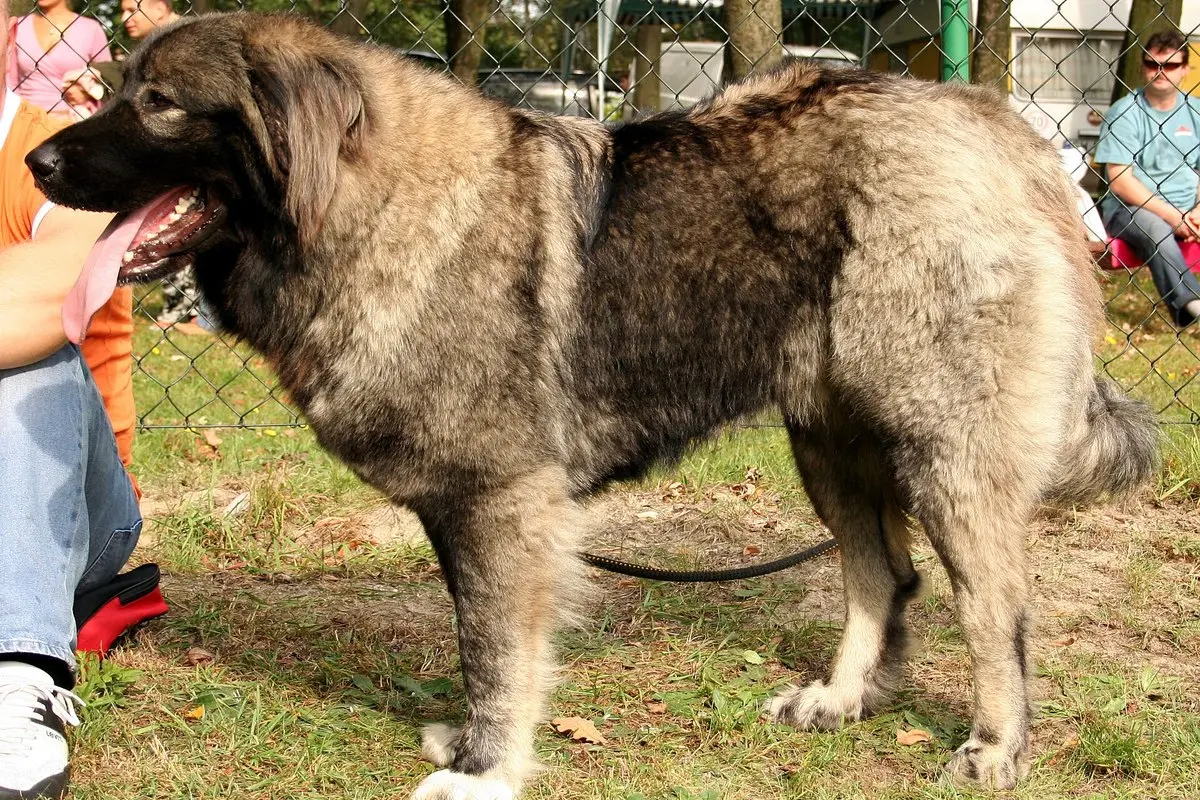
This article is part of the 77.today dog breeds guide, prepared by the 77.today editors from the sources listed at the end.
The Caucasian Shepherd Dog is one of the largest dog breeds in the world: massive, muscular, with a thick coat and a bear-like head. For centuries, they have guarded flocks of sheep in the Caucasus Mountains from wolves and thieves, so their instincts remain focused on one goal: defending their territory and their people. Because of their fierce guarding nature, the breed is sometimes subject to breed-specific legislation (BSL) and strict ownership rules. In our dog breed directory profile, you will find the Caucasian Shepherd Dog's origins, appearance, temperament, and legal requirements.
| Origin | Caucasus; breed developed by the Soviet Union (FCI country of origin: Russia) |
|---|---|
| FCI Group | Group 2 – Molossoid breeds, Mountain type (no. 328) |
| Height | males 28–30 inches (min. 27), females 26–28 inches (min. 25) |
| Weight | typically 100–155 lbs; males at least 110 lbs |
| Coat | long or short, always with a dense undercoat |
| Colors | various – from solid to piebald |
| Lifespan | about 10–11 years |
| Temperament | independent, alert, territorial, loyal |
| Legal Status | subject to BSL in some areas |
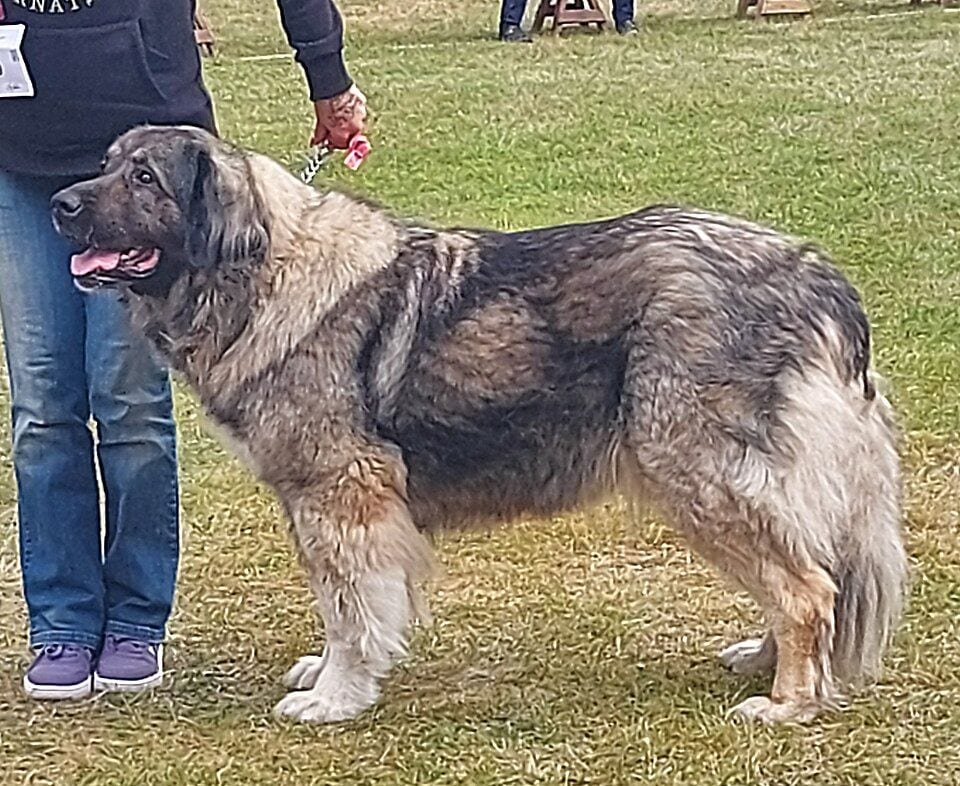
Caucasian Shepherd Dog – Mountain Flock Guardian
For centuries, dogs similar to the Caucasian Shepherd served shepherds in the Caucasus Mountains as flock guardians, defending sheep from predators—mostly wolves—and thieves. These dogs are spread across a vast territory, so regional differences are significant: dogs from Azerbaijan are tall and more lightly built, those from Dagestan are smaller and squarely proportioned, while dogs from Chechnya and Ingushetia are extremely massive. It is widely acknowledged that the dogs from Georgia were the best and most uniform, making the Georgian SSR the primary breeding region.
In the 20th century, starting around 1920, Soviet breeders developed the modern Caucasian Shepherd Dog breed from several local varieties, also incorporating South Russian Steppe dogs. The first scientific description belongs to Russian cynologist Aleksandr Mazover. The FCI officially recognized the breed in 1984 under the patronage of the Soviet Union. Experts often distinguish two types—the heavier, longer-coated mountain type and the leaner, longer-legged steppe type. Today, these formidable dogs are even used to guard prisons in Russia.
Appearance: Massive and Powerful
The Caucasian Shepherd Dog is a heavily built, rugged dog that is incredibly strong and resilient. Under the FCI standard, the desired height at the withers is 28–30 inches for males and 26–28 inches for females. The absolute minimum dimensions allowed for registration are 27 inches and 110 lbs for males, and 25 inches and 90 lbs for females. Most of these dogs weigh between 100 and 155 lbs. The coat can be long or short, but it always features a dense undercoat to protect against the freezing mountain cold. Colors vary widely, ranging from solid shades to piebald patterns.
In the past, Caucasian Shepherds traditionally had their ears cropped—both as a custom and to prevent injuries during fights with wolves or other dogs. Today, ear cropping is highly controversial. While it is still performed in some parts of the US, many veterinary associations oppose the procedure for cosmetic reasons, and it is entirely banned in many European countries.
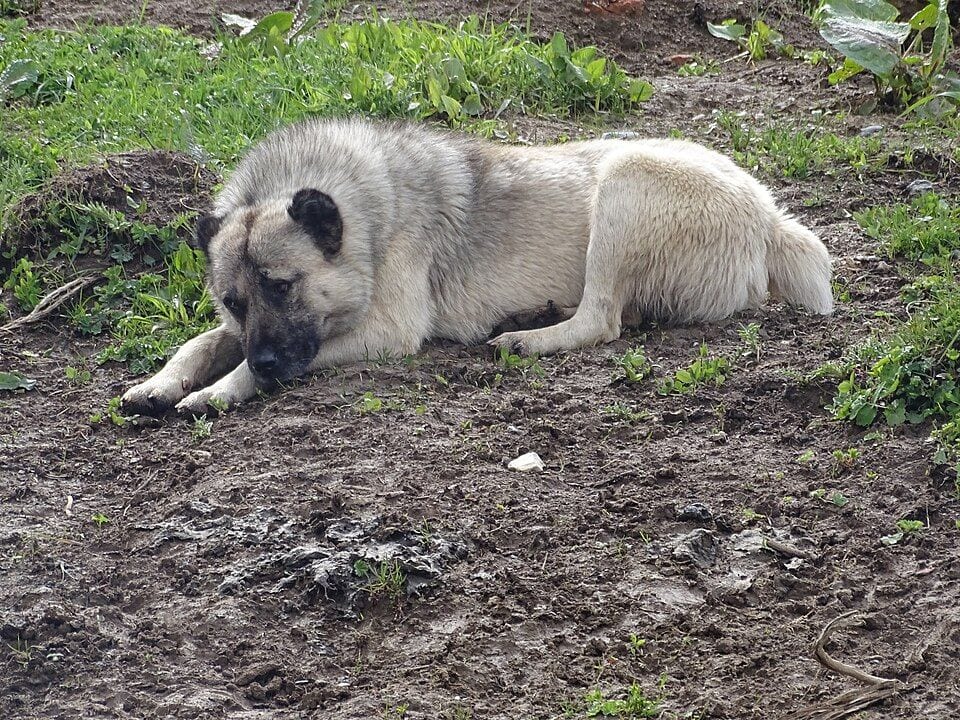
Temperament: Independent Territorial Defender
Breed experts emphasize that the Caucasian Shepherd Dog is highly independent and will take every opportunity to test their owner's character and look for weaknesses. Training requires immense patience, and physical punishment is strictly off-limits—the dog may react with aggression or become fearful and unpredictable. They can be aggressive toward other dogs and animals, possess an incredibly strong territorial guarding instinct, and in a critical situation, they may attack without warning. At the same time, to a caring and firm owner, they remain fiercely loyal for life.
Pack hierarchy within the family is crucial for a Caucasian Shepherd, so all family members must interact with them from a young age to ensure the dog does not view them as competitors. This is a dog that requires a large property with a sturdy fence and a highly experienced owner, rather than an apartment in the city.
Caucasian Shepherd Dog and US Legal Restrictions
Because of their immense size and guarding instincts, Caucasian Shepherds are sometimes subject to breed-specific legislation (BSL) or local ordinances in the United States. While not as commonly restricted as some other breeds, their classification as a large guardian dog means owners must be aware of potential legal and insurance requirements:
- Local Ordinances. Some cities or counties may require a special permit to own, breed, or keep a large guardian breed.
- Insurance Restrictions. Many homeowners or renters insurance policies have breed restriction lists. You may need to seek out specialized canine liability insurance.
- Registration and Microchipping. While recognized by the AKC Foundation Stock Service and the UKC, local laws often mandate standard registration, microchipping, and up-to-date rabies vaccinations.
- Public Spaces. In areas with strict BSL, you may be required to keep the dog on a short leash and wear a muzzle when out in public.
- Secure Property. A securely fenced yard is an absolute must. Some jurisdictions require visible warning signs, such as "Beware of Dog," at the entrances to your property.
Internationally, this breed is completely banned in countries like Denmark, and heavily restricted in others.
Care
- Coat. Brush weekly, and more frequently during seasonal shedding periods.
- Socialization. From day one, they need extensive socialization with family members, the vet, guests, and controlled introductions to other dogs.
- Training. It is highly recommended to work with a professional dog trainer who has specific experience with large guardian breeds.
| Trait | Caucasian Shepherd Dog | Central Asian Shepherd Dog | Tibetan Mastiff |
|---|---|---|---|
| Origin | Caucasus | Central Asia | Tibet |
| Size | 100–155 lbs | males from 27.5 inches | 70–150 lbs |
| BSL Restrictions | sometimes | rarely | rarely |
| Purpose | flock and territory guardian | flock guardian | monastery and village guardian |
The Caucasian Shepherd is Not for Apartments or Beginners
The Caucasian Shepherd Dog was bred to protect flocks from wolves, and those intense instincts remain strong today. To ensure they are safe around others, the owner needs both extensive experience and the right living conditions.
- Requirements: A spacious property with a tall, heavy-duty fence, potential local permits, dedicated time for socialization from day one, and an experienced trainer.
- Not suitable for: Apartments, city centers, households that frequently host guests, or anyone who has never owned a large, dominant dog.
This shepherd usually bonds deeply with their own family, but considers any other people or animals on the property to be intruders. Therefore, visiting guests, delivery drivers, or neighborhood children should only enter the yard when the dog is securely put away.
What to Know Before Getting a Caucasian Shepherd Dog
Before looking for a puppy, check your local city and state laws regarding large guardian breeds and breed-specific legislation. Choose a reputable breeder who health-tests their dogs, provides a clear contract, and allows you to meet the parents on-site. Evaluate honestly whether you have a securely fenced property and the time required for lifelong, consistent training. You can read more about general microchipping and registration rules in our guide introduction.
You can find other large guardian breeds in the profiles for the Central Asian Shepherd Dog, Tibetan Mastiff, and Cane Corso, and read about other breeds often affected by BSL in the Staffordshire Bull Terrier and American Pit Bull Terrier guides.
Frequently asked questions
Are there legal restrictions for owning a Caucasian Shepherd Dog?
Yes, in many areas. Because of their size and guarding instincts, Caucasian Shepherds are sometimes subject to breed-specific legislation (BSL) or local ordinances. You may need a special permit, specific homeowners insurance, or be required to muzzle them in public. Always check your city and state laws before bringing one home.
How should you walk a Caucasian Shepherd Dog in public?
Due to their protective instincts, they should always be walked on a strong, short leash. In areas with breed-specific legislation, they may also be required to wear a muzzle in public spaces and common areas. A securely fenced yard with warning signs is often recommended or required at home.
How much does a Caucasian Shepherd Dog weigh?
They typically weigh between 100 and 155 lbs. Under the FCI standard, the desired height for males is 28–30 inches, and 26–28 inches for females. The absolute minimums are 27 inches and 110 lbs for males, and 25 inches and 90 lbs for females.
Is the Caucasian Shepherd Dog a good family dog?
They can be incredibly loyal to their own family, but they are independent, territorial guardians that will test an owner's authority and may be aggressive toward strangers or unfamiliar animals. They are best suited for experienced owners with a securely fenced property, rather than a busy household.
What is the lifespan of a Caucasian Shepherd Dog?
According to 2020 data, they typically live about 10–11 years. A 2024 study found a median of just 5.4 years, but it only included 22 dogs, making that specific result unreliable.
Sources
- Wikipedia: Caucasian Shepherd Dog
- FCI: Caucasian Shepherd Dog breed standard (no. 328)
- Cover photo: Gray Caucasian Shepherd Dog standing with handler (Photo: Pleple2000, CC BY-SA 3.0)
- Wikimedia Commons photo: Gray Caucasian Shepherd Dog at a show (Photo: Canarian, CC BY-SA 4.0)
- Wikimedia Commons photo: Light Caucasian Shepherd Dog lying on the ground (Photo: Giftzwerg 88, CC BY-SA 3.0)
Log in to comment
No comments yet. Be the first.