Newfoundland Dog: Size, Temperament, Care & Health
- Newfoundlands were bred as working dogs for fishermen in Newfoundland, Canada, pulling nets, hauling the catch, and rescuing people from the water.
- Their webbed paws, muscular build, and water-resistant double coat make them exceptional swimmers.
- Under AKC standards, males are around 28 inches and 130–150 lbs, while females are about 26 inches and 100–120 lbs; some can exceed 200 lbs.
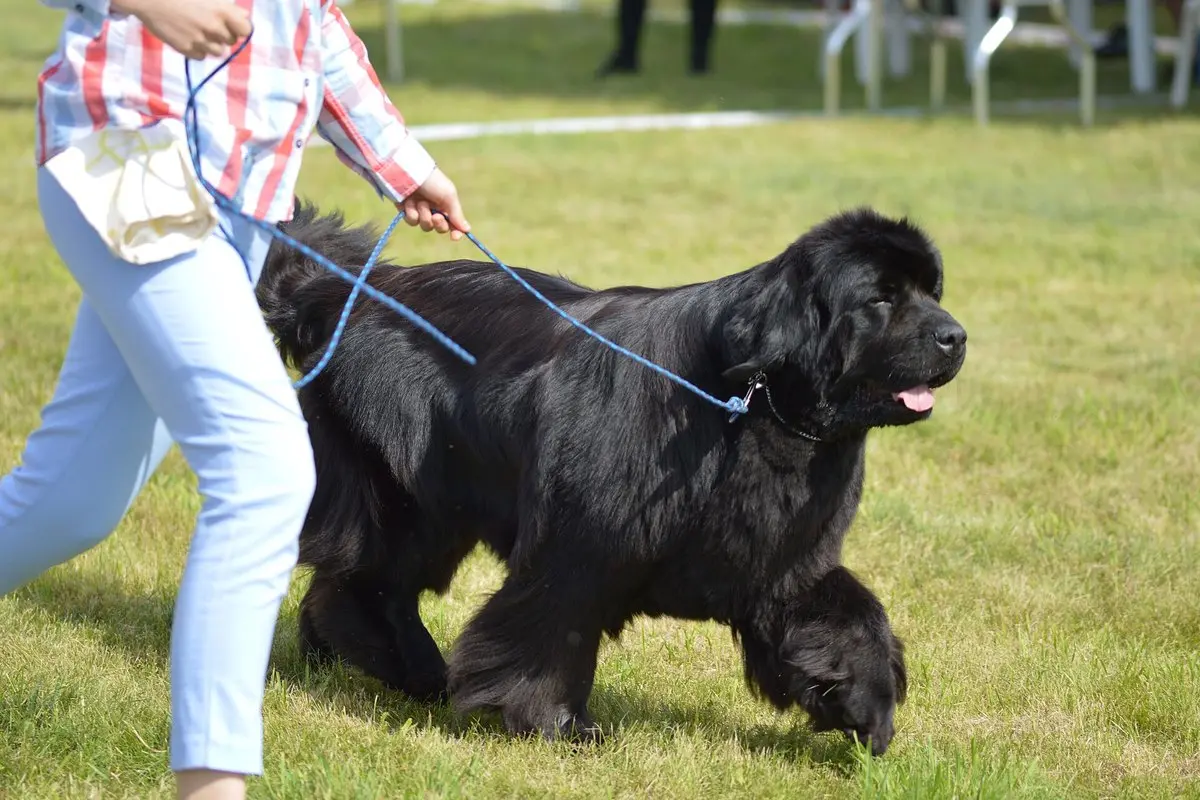
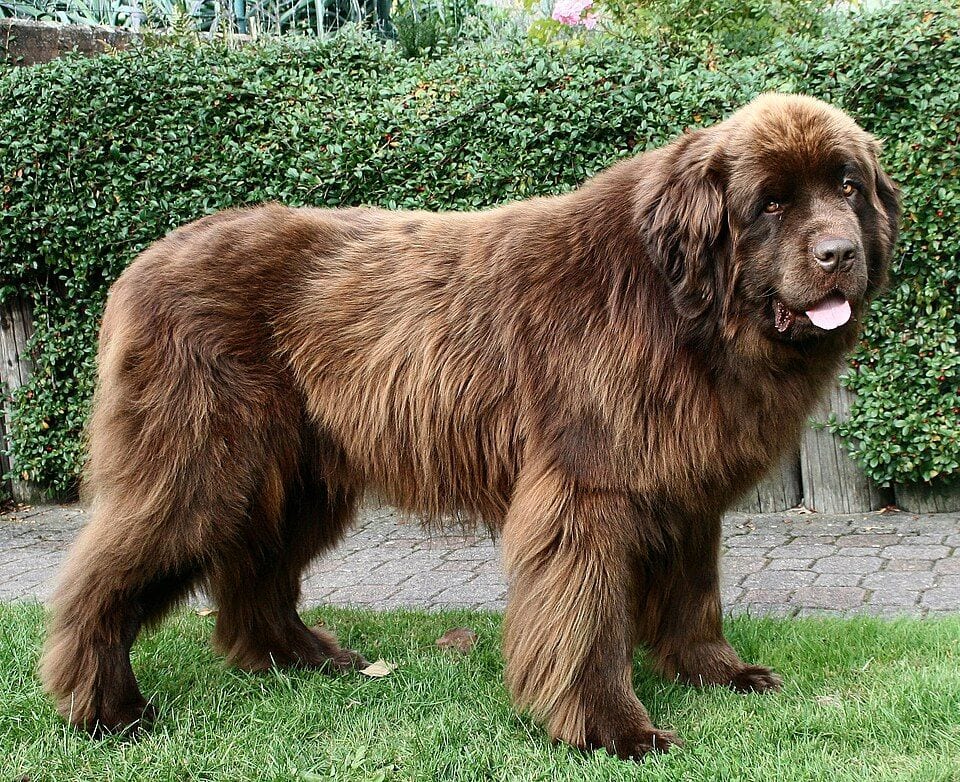
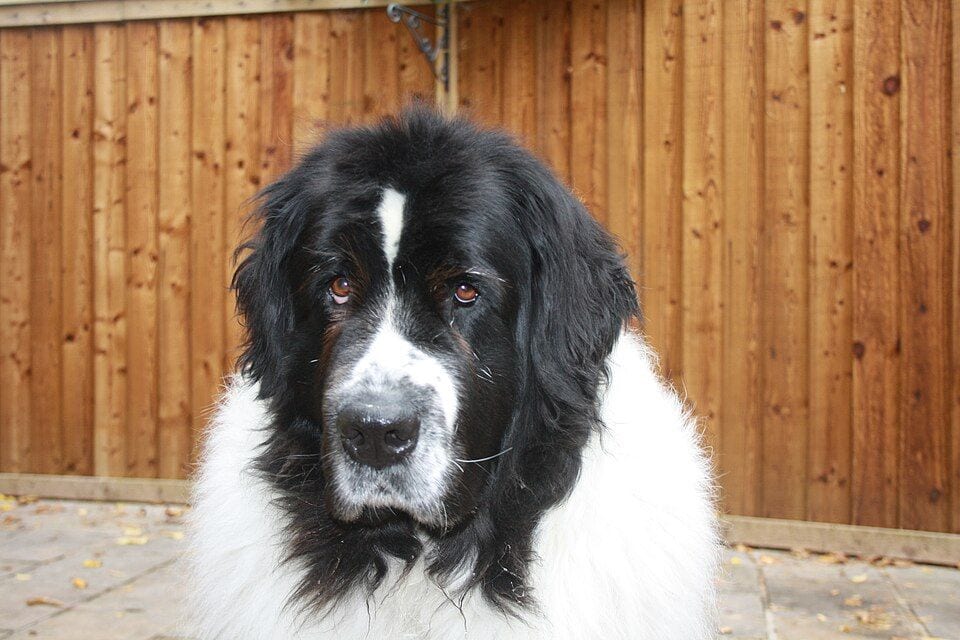
- The FCI standard allows three colors: black, brown, and white and black (Landseer).
- The breed is prone to hip and elbow dysplasia, dilated cardiomyopathy, and gastric dilatation-volvulus (bloat).
This article is part of the 77.today dog breeds guide, prepared by the 77.today editors from the sources listed at the end.
The Newfoundland is a massive, powerful, heavy-boned, and dignified working dog whose majestic head and soft, soulful expression immediately reveal their true nature. The breed standard calls a sweet temperament the single most important characteristic of the breed, and the AKC notes that the Newfoundland is to the icy waters of the North Atlantic what the Saint Bernard is to the Alps. In this dog breed guide profile, you will find the history, appearance, temperament, health, and care of the Newfoundland.
| Origin | Canada (Newfoundland); patron - FCI |
|---|---|
| FCI Group | Group 2 - Molossoid breeds, Mountain type (No. 50) |
| Height | males about 28 inches, females about 26 inches |
| Weight | males 130–150 lbs, females 100–120 lbs (AKC) |
| Coat | double coat: dense, soft undercoat and coarse, water-resistant outer coat |
| Colors | black, brown, white and black (FCI); AKC also allows gray |
| Lifespan | 9–10 years |
| Temperament | sweet, patient, watchful, eager to learn |
| Distinctive feature | webbed paws, born swimmer |
The Newfoundland: Rescuer of the North Atlantic
Newfoundlands were bred as working dogs for fishermen on the island of Newfoundland. The AKC notes that Canadian fishermen valued them as indispensable ship dogs, especially for rescuing people from the water. Newfoundlands are born swimmers, possessing partially webbed feet and enough strength to pull a drowning adult man to safety. They also hauled fishing nets to shore and carted the day's catch to market. Although their days of working on fishing boats are mostly in the past, the breed is still considered the ultimate water rescue dog and is used for this purpose around the world.
History is full of examples of the Newfoundland's devotion. In 1802, when Meriwether Lewis and William Clark set out on their famous 8,000-mile journey across the American continent, a Newfoundland named Seaman accompanied the expedition. He hunted, guarded the camp, and once saved lives by chasing away a charging buffalo. Today, Seaman is featured on ten different Lewis and Clark monuments. In the Dominion of Newfoundland, before it became part of Canada, only black and white-and-black dogs were considered true representatives of the breed. The FCI officially recognized the breed in 1954.
Appearance: A Massive but Gentle Giant
The Newfoundland is one of the largest dogs in the world. According to the AKC, males weigh up to 150 lbs and stand about 28 inches tall, while Wikipedia notes weights of 143–176 lbs for males, with some dogs exceeding 200 lbs. The head is majestic, and the expression is soft. The double coat consists of a dense, soft, warming undercoat and coarse, medium-length, water-resistant outer hairs that are naturally oily to insulate against cold water.
The FCI and the UK Kennel Club allow three colors: black, brown, and white with black patches, while the AKC also permits gray. The white and black pattern is named Landseer, after the painter Sir Edwin Landseer, who featured these dogs in many of his paintings. Under the FCI standard, there is also a separately recognized breed—the European Continental type Landseer, developed in Germany and Switzerland, which is taller and leaner.
Temperament: A Patient "Nanny" for Kids
The AKC calls the Newfoundland a famously good companion that has earned a reputation as a patient and watchful "nanny" for children. Puppies should be outgoing, intelligent, and curious—never timid or aggressive. Newfoundlands are eager to please and generally easy to train, responding well to gentle guidance. Daily interaction with their human family is absolutely essential for them.
The Newfoundland is a versatile dog, comfortable both on land and in the water. They need at least half an hour of moderate exercise every day. They enjoy swimming, going for long walks, and pulling carts, and some even compete in drafting, agility, dock diving, obedience, and tracking events. A puppy intended for water work should be carefully introduced to the water before they are 4 months old.
Health: Joints, Heart, and Stomach
- Hip dysplasia – In a North American study, Newfoundlands were found to be highly prone to this condition (17.16% compared to 3.52% overall); another study found a 24.8% prevalence of hip dysplasia and 22.7% for elbow dysplasia.
- Cruciate ligament ruptures – They also have one of the highest prevalences among all breeds.
- Dilated cardiomyopathy – A thorough screening by a veterinary cardiologist is essential.
- Cystinuria – This condition causes urinary stones; genetic testing is available.
- Gastric dilatation-volvulus (bloat) and skin conditions (allergies, seborrhea).
Care
- Coat. Thorough brushing is required at least once a week using a slicker brush and a long-toothed comb, increasing to daily brushing during shedding seasons.
- Ears. Their drop ears should be checked and cleaned regularly.
- Drool and water. Be prepared for wet rugs and keep plenty of towels handy.
- Space and cost. Food, medications, and veterinary care for a giant breed cost significantly more.
| Feature | Newfoundland | Saint Bernard | Labrador Retriever |
|---|---|---|---|
| Weight (males) | 130–150 lbs | 140–180 lbs | 65–80 lbs |
| Origin | Canada | Switzerland | Great Britain |
| Work | water rescue | mountain rescue | bird retrieving |
| Lifespan | 9–10 years | 8–10 years | 11–13 years |
The Newfoundland is Perfect for a Family with Space Near the Water
The Newfoundland is patient, gentle, and gets along wonderfully with children, but their size, heavy coat, and drool require the right living conditions.
- Good fit for: Families with children, homes with a fenced yard, people living near a lake or the ocean, and enthusiasts of water rescue training.
- Not a good fit for: Small apartments, those who dislike drool and dog hair, or hot climates without air conditioning.
Local lakes, beaches, and safe waterways across the US provide the best training grounds for a Newfoundland. Swimming builds muscle without putting stress on the joints, making it especially beneficial for a growing dog. After a swim, their thick coat must be dried thoroughly to prevent hot spots and skin infections.
How to Choose a Newfoundland Puppy
Because of the high risk of joint and heart diseases, it is crucial to choose a reputable breeder who provides hip and elbow evaluations, cardiologist exams, and cystinuria DNA tests for the parents. Always ask to meet the puppy's parents to ensure they have the sweet, calm temperament the breed is known for. Carefully consider whether you have the space and budget for a giant breed. A responsible breeder will also ensure the puppy is microchipped and registered with the AKC before they go to their new home, and you can learn more about finding ethical sources in our breed guide introduction.
You can find other large family dogs in our profiles for the Saint Bernard and the Bernese Mountain Dog, and learn about another breed originating from Newfoundland in our Labrador Retriever guide.
Frequently asked questions
How much does a Newfoundland weigh?
According to the AKC, males weigh 130–150 lbs (59–68 kg) and stand about 28 inches tall, while females weigh 100–120 lbs and are 26 inches tall. Wikipedia notes even heavier weights of 143–176 lbs for males, with some dogs exceeding 200 lbs.
Why are Newfoundlands such good swimmers?
They have partially webbed feet, a powerful muscular body, and a thick double coat with an oily, water-resistant outer layer that protects them from cold water. To this day, they are considered the best water rescue dogs in the world.
Is a Newfoundland a good family dog for children?
Yes. The AKC calls the Newfoundland a patient and watchful "nanny" for kids, and the breed standard considers a sweet temperament the most important single characteristic of the breed. However, due to their giant size, playtime with small children should always be supervised.
What is a Landseer Newfoundland?
A Landseer is a white Newfoundland with black patches, named in honor of the painter Sir Edwin Landseer, who frequently painted them. The FCI also recognizes a separate breed—the European Continental type Landseer, which is taller and leaner.
How long do Newfoundlands live?
The AKC lists their lifespan as 9–10 years, while a 2024 UK study found an average lifespan of 11 years. According to Swedish insurance data, 62% of Newfoundlands passed away before reaching 10 years of age.
Sources
- Wikipedia: Newfoundland dog
- AKC (American Kennel Club): Newfoundland breed profile
- FCI (Fédération Cynologique Internationale): Newfoundland breed standard (No. 50)
- Cover photo: Black Newfoundland walking with handler at a show (Photo: Wojciech Pędzich, CC BY-SA 4.0)
- Wikimedia Commons photo: Brown Newfoundland standing in the yard (Photo: Peter Ludes, 66507 Reifenberg, Germany, CC BY-SA 3.0)
- Wikimedia Commons photo: Head of a white and black Newfoundland (Photo: Mbewegrey, CC BY-SA 4.0)
Log in to comment
No comments yet. Be the first.