Doberman Pinscher: Temperament, Size, Care & Health
- The Doberman Pinscher was developed around 1890 in Apolda, Germany, by tax collector and dog pound keeper Louis Dobermann.
- Under the FCI standard, males stand 27–28.5 inches and weigh 88–99 lbs, while females are 25–27 inches and 70–77 lbs.
- The FCI recognizes two colors—black and brown with rust-red markings; the AKC also allows blue and fawn.
- While ear cropping and tail docking are historically common in the US, many international registries now require natural ears and tails.
- Key health risks include dilated cardiomyopathy (DCM), von Willebrand's disease, and gastric dilatation-volvulus (bloat).
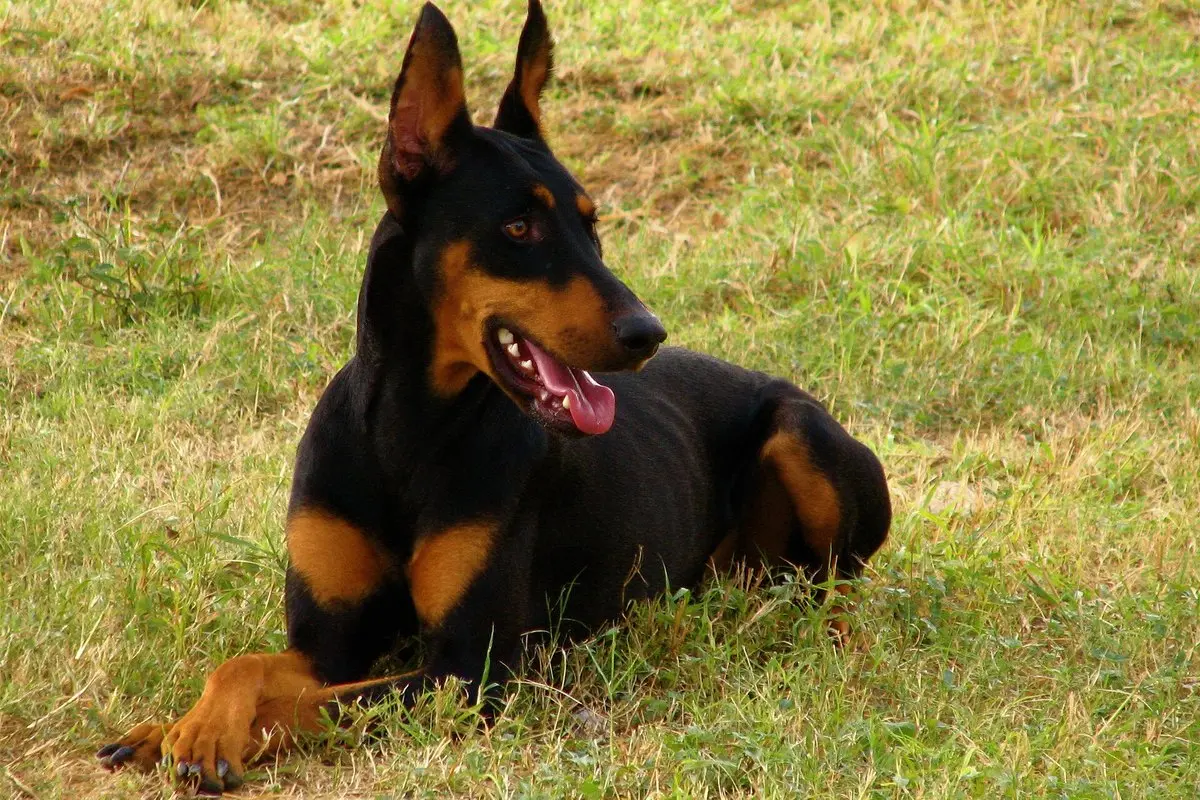
- The Doberman Pinscher – The Tax Collector's Dog
- Appearance: An Athlete with a Sleek Coat
- Temperament: A Guardian Who Wants to Be Indoors
- Health: Heart and Clotting Issues
- Care: Simple Coat, Lots of Exercise
- The Doberman Pinscher and Other Guard Dogs
- The Doberman Pinscher is Suited for an Experienced and Active Owner
- How to Choose a Doberman Pinscher Puppy
This article is part of the 77.today dog breeds guide, prepared by the 77.today editors from the sources listed at the end.
The Doberman Pinscher is one of the most elegant working dogs: a lean but muscular body, a wedge-shaped head, a glossy black or brown coat with rust markings, and a proud, effortless gait. The AKC calls them one of the world's noble breeds and a premier personal protection dog. With their family, the Doberman is affectionate and playful, but they need plenty of exercise, a job to do, and consistent training. In this dog breed guide profile, you will find the history, appearance, temperament, health, and tips for future owners of the Doberman Pinscher.
| Origin | Germany (Apolda, Thuringia) |
|---|---|
| FCI Group | Group 2 – Pinschers and Schnauzers, Molossoid Breeds and Swiss Mountain and Cattle Dogs (No. 143) |
| Height | males 27–28.5 inches, females 25–27 inches |
| Weight | males 88–99 lbs, females 70–77 lbs |
| Coat | short, thick, hard, close-lying, no undercoat |
| Colors | black or brown with rust-red markings (FCI) |
| Lifespan | 10–12 years |
| Temperament | intelligent, alert, brave, loyal |
| Working Trial | yes – FCI requires a working trial |
The Doberman Pinscher – The Tax Collector's Dog
In the 1880s, Karl Friedrich Louis Dobermann, who lived in the town of Apolda in Thuringia, worked as a tax collector and managed the local dog pound. Nobody liked tax collectors, so he wanted a tough, strong, and intelligent dog to protect him. Having access to many different dogs, Dobermann began creating a new type. The exact components of the mix are unknown, but historians mention the old German shorthaired shepherd, the Rottweiler, the black and tan terrier (an ancestor of the Manchester Terrier), and the German Pinscher; crosses with Greyhounds are also documented.
After Dobermann's death in 1894, the Germans named the breed the Doberman Pinscher in his honor, dropping the word "Pinscher" half a century later. The breed was further refined by Otto Goeller. The "tax collector's dog" quickly gained fame as an excellent working dog—serving in the police, military, and rescue services. During World War II, US Marine Corps Dobermans became famous in the Pacific, with 25 of them dying in the Battle of Guam. In the US and Canada, the breed is still known as the Doberman Pinscher.
Appearance: An Athlete with a Sleek Coat
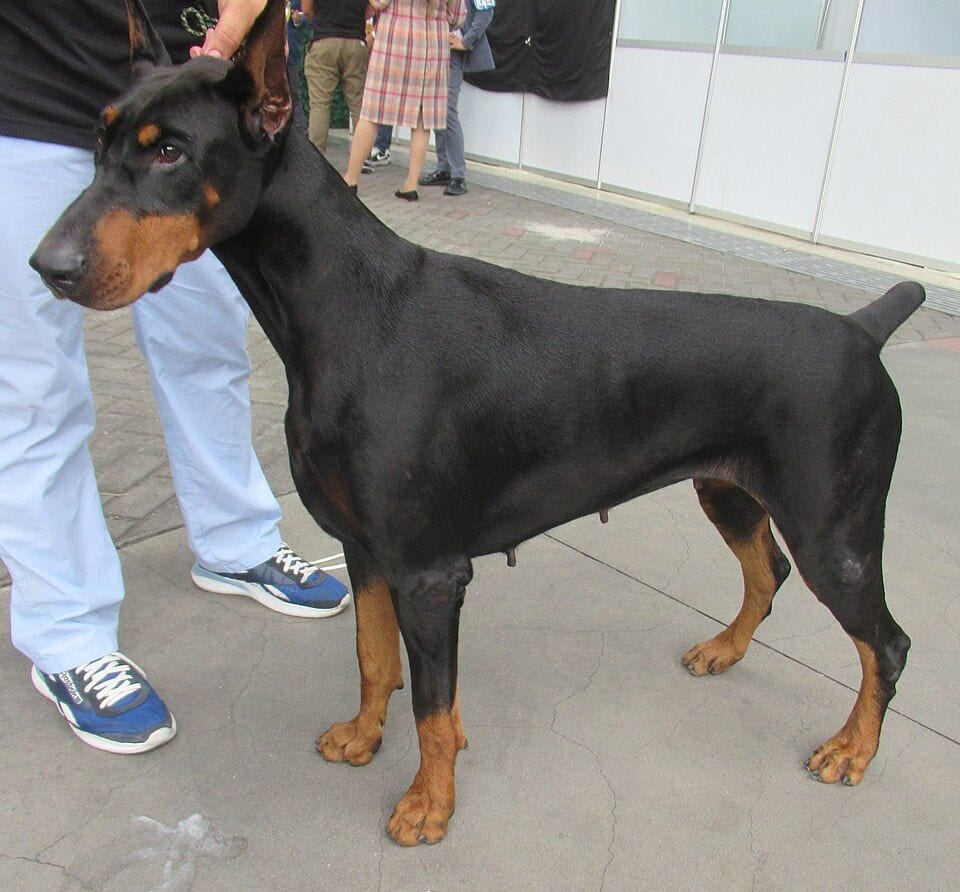
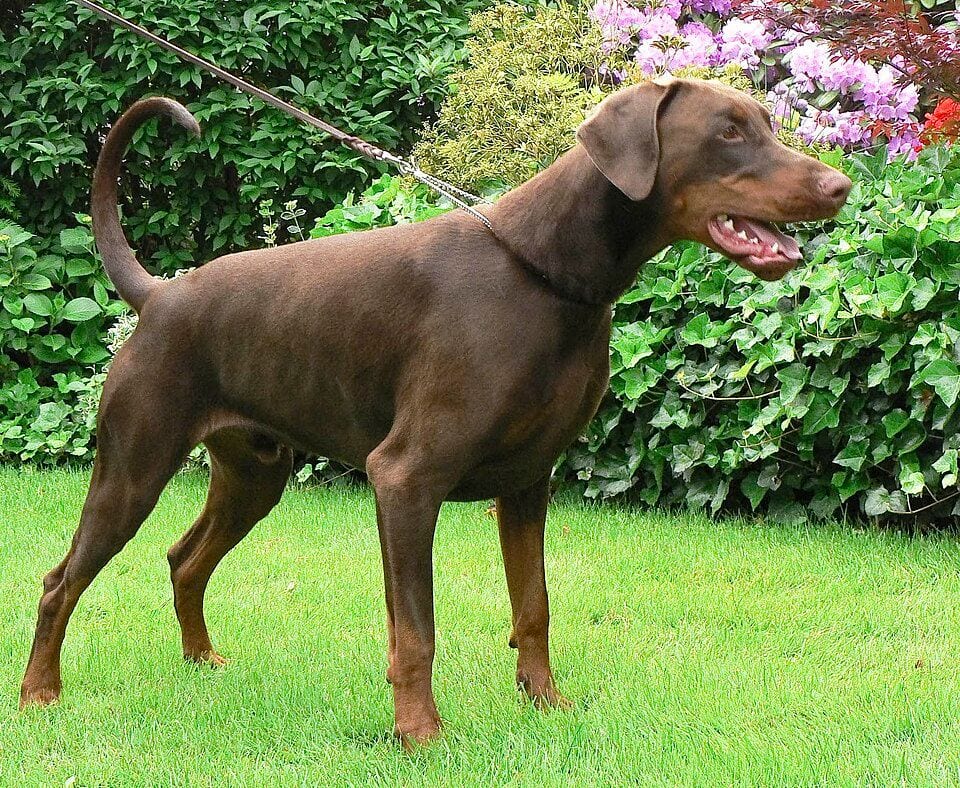
The Doberman Pinscher is a medium-to-large, square-built, compact, and muscular dog. From above, the head resembles a blunt wedge, the nose is broad, the eyes are dark, and the coat is short, thick, and close-lying, with no undercoat. The FCI recognizes two colors—black and brown with distinct rust-red markings on the muzzle, chest, legs, and under the tail. The AKC additionally allows blue and fawn (Isabella) colors, which are caused by a dilution gene; dogs with these colors can experience hair loss. White Dobermans are albinos and highly sensitive to sunlight.
For decades, it has been customary to crop a Doberman's ears and dock their tail, a practice that remains standard in the US under AKC guidelines. However, the FCI and the International Dobermann Club have removed these procedures from their standards. Internationally, dogs born after 2016 can often only compete in shows with natural drop ears and long tails, as many countries and registries have moved to ban cosmetic alterations without a medical reason.
Temperament: A Guardian Who Wants to Be Indoors
The AKC describes Doberman Pinschers as highly intelligent, quick learners, and loving, fun companions. At the same time, they are powerful dogs that, if raised incorrectly, can become pushy, destructive, and difficult to manage. Therefore, socialization from puppyhood, obedience training, and puppy classes are essential. A Doberman must live indoors with their people, not in a backyard or outdoor kennel.
Breed experts emphasize that Dobermans are gentle and loyal to their families, but their protective nature means they will fiercely defend their owners, making proper training critical to prevent aggressive behaviors. The Doberman Pinscher excels in obedience, tracking, and agility sports. They require long daily walks and a securely fenced area to run freely.
Health: Heart and Clotting Issues
- Dilated cardiomyopathy (DCM) – a disease of the heart muscle that is one of the most significant risks for Dobermans; breeding dogs must be tested regularly.
- Von Willebrand's disease (Type I) – a blood clotting disorder; a DNA test is available.
- Hip dysplasia, thyroid dysfunction, and progressive retinal atrophy (PRA).
- Gastric dilatation-volvulus (bloat) – it is crucial to know the symptoms.
The AKC urges buyers never to purchase a puppy from a breeder who has not tested their breeding dogs for these conditions.
Care: Simple Coat, Lots of Exercise
- Coat. A quick brush with a rubber grooming mitt or hound glove is enough; bathe infrequently.
- Nails and ears. Trim nails at least once a month, and carefully clean the ears every few days.
- Exercise. Long daily walks or hikes and free running in a fenced area are required.
- Cold weather. Without an undercoat, the Doberman gets cold easily, so they need a warm place in winter and, if necessary, a dog coat.
The Doberman Pinscher and Other Guard Dogs
| Trait | Doberman Pinscher | Rottweiler | German Shepherd |
|---|---|---|---|
| Weight (males) | 88–99 lbs | 110–132 lbs | 66–88 lbs |
| Coat | short, no undercoat | short with undercoat | double coat |
| Origin | Germany | Germany | Germany |
| Lifespan | 10–12 years | 9–10 years | 12–14 years |
The Doberman Pinscher is Suited for an Experienced and Active Owner
The Doberman is fast, intelligent, and deeply attached to their people, but their strength and guarding instincts demand responsibility. The most important question is whether you can dedicate time to training and exercise every single day.
- Suitable for: people who have previously owned a dog, athletes, those interested in obedience or tracking sports, and families who will keep the dog indoors with them.
- Not suitable for: anyone planning to keep the dog in a yard or kennel, people who are away from home for long hours, or those who lack the time for long daily walks.
Their short coat provides poor insulation, so on cold days, a Doberman needs shorter outings or a dog coat.
How to Choose a Doberman Pinscher Puppy
Ask the breeder for the parents' heart evaluations, von Willebrand's disease DNA tests, hip X-rays, and thyroid test results. Meet the mother to observe her temperament—she should be calm and confident. A reputable breeder will prioritize health and temperament over cosmetic appearance, and will provide a clear contract. Remember that adopting through breed-specific rescues is also a great option. Vets highly recommend microchipping your new dog, and you should always check local ordinances or homeowners insurance policies, as some areas have breed-specific legislation. For more tips on finding a responsible AKC breeder or rescue, see our guide introduction.
You can find other guardian breeds in the profiles for the Rottweiler, Cane Corso, and German Shepherd.
Frequently asked questions
How much does a Doberman Pinscher weigh?
Under the FCI standard, males weigh 88–99 lbs and stand 27–28.5 inches tall, while females are 70–77 lbs and 25–27 inches. The AKC specifies broader ranges: males 75–100 lbs, females 60–90 lbs.
Are a Doberman's ears and tail cropped and docked?
In the US, ear cropping and tail docking are still common and part of the AKC breed standard, though it is a personal choice. Internationally, many organizations, including the FCI, now ban these procedures and only allow dogs with natural ears and tails in shows.
Is the Doberman Pinscher a good family dog?
Yes, if they receive early socialization, consistent training, and live indoors with their family. The AKC warns that a powerful Doberman raised incorrectly can become pushy, destructive, and difficult to manage.
What is the lifespan of a Doberman Pinscher?
The AKC notes a lifespan of 10 to 12 years. The biggest health threat is dilated cardiomyopathy (a heart disease), so breeding dogs should have their hearts tested regularly.
What colors do Doberman Pinschers come in?
The FCI recognizes black and brown with distinct rust-red markings. The AKC also allows blue and fawn (Isabella), but dogs with these dilute colors can suffer from hair loss (color dilution alopecia). White Dobermans are albinos and highly sensitive to the sun.
Sources
- Wikipedia: Dobermann
- AKC (American Kennel Club): Doberman Pinscher Breed Profile
- FCI (Fédération Cynologique Internationale): Dobermann Breed Standard (No. 143)
- Cover photo: Black and rust Doberman lying in the grass (Photo: pato garza, CC BY 2.0)
- Wikimedia Commons photo: Black and rust Doberman standing in profile at a show (Photo: Unknown author, CC BY-SA 4.0)
- Wikimedia Commons photo: Brown Doberman standing in a garden (Photo: Unknown author, CC BY-SA 3.0)
Log in to comment
No comments yet. Be the first.