Dachshund: Size, Temperament, Coat Types & Back Health
- The Dachshund (meaning "badger dog" in German) was bred in Germany to hunt burrowing animals like badgers, foxes, and rabbits.
- The FCI recognizes three sizes—standard, miniature, and rabbit—and three coat types: smooth, longhaired, and wirehaired.
- A standard Dachshund weighs about 16–32 lbs, while a miniature is under 11 lbs; their lifespan is 12–16 years.
- Their long spine is a weak point: it is crucial to protect them from obesity and prevent them from jumping off furniture or using stairs.
- Dachshunds are smart, brave, and have a loud bark, but they are also independent and stubborn, so training requires patience.
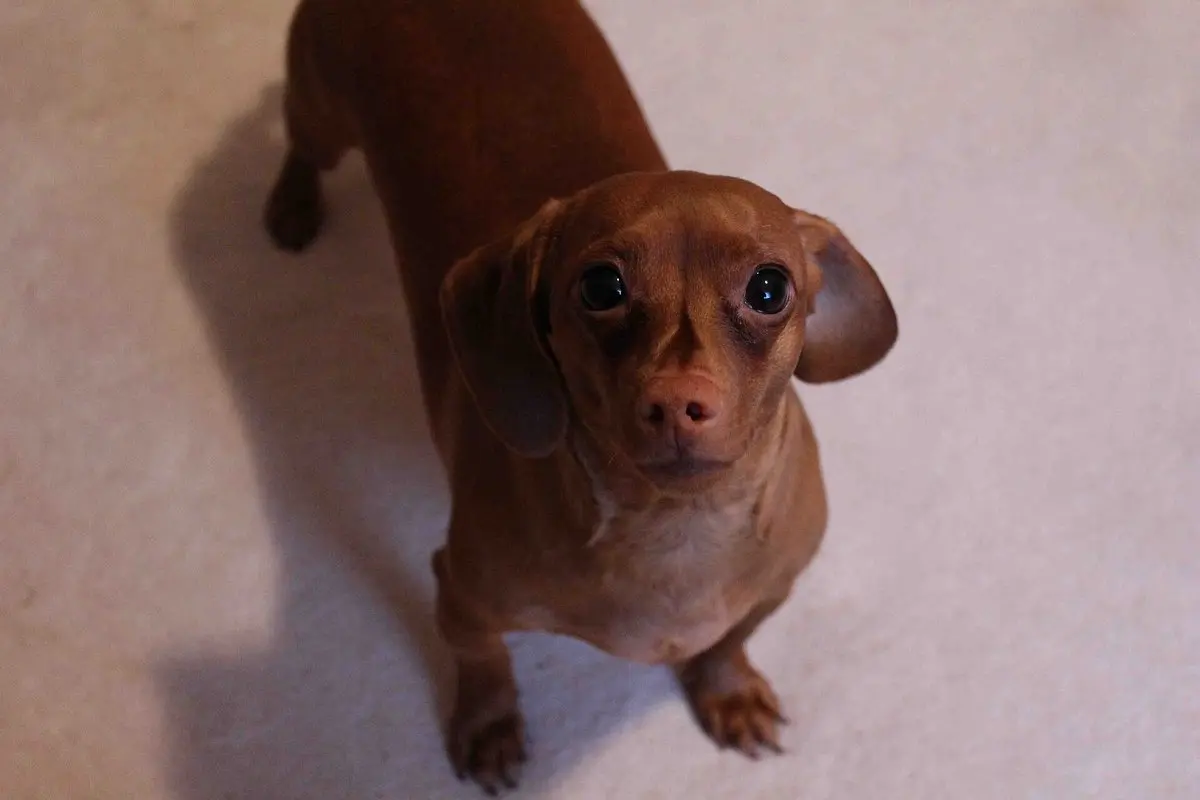
This article is part of the 77.today dog breeds guide, prepared by the 77.today editors from the sources listed at the end.
The Dachshund has one of the most recognizable dog silhouettes in the world: a long body, short legs, drop ears, and an ever-alert expression. Because of their shape, English speakers affectionately call them "wiener dogs," but beneath that comical appearance lies a brave earth dog capable of taking on a badger. Today, Dachshunds mostly live as companions, yet their hunting temperament remains. In this dog breed directory guide, you will find the Dachshund's (German: Dachshund, Dackel, Teckel) origins, sizes, coat types, personality, and back care tips.
| Origin | Germany |
|---|---|
| FCI group | Group 4 – Dachshunds (No. 148) |
| Sizes | standard, miniature, rabbit (under the FCI standard) |
| Weight | standard about 16–32 lbs, miniature under 11 lbs |
| Coat types | smooth, longhaired, wirehaired |
| Colors | solid (red, cream), two-colored (black and tan, chocolate and tan), dapple, brindle |
| Lifespan | 12–16 years |
| Temperament | brave, alert, smart, independent |
| Working trial | yes – FCI requires a working trial |
The Dachshund: A Badger Hunter from Germany
The German word Dachshund translates to "badger dog" (Dachs meaning badger, and Hund meaning dog). The first reliable references to this breed, known as a "badger crawler" or "badger warrior," are found in books from the early 18th century; the AKC traces the breed's history in Germany back some 600 years. A badger is a formidable opponent weighing 24–40 lbs (11–18 kg) with sharp teeth and claws, so Dachshunds needed courage, endurance, and strength. The loud, hound-like bark of the Dachshund also serves a working purpose: it allowed the hunter above ground to know exactly where their dog was underground.
The first German Dachshunds were larger than today's dogs, weighing 30–40 lbs (14–18 kg). They hunted not only badgers but also foxes and rabbits, tracked wounded deer, and in packs, even hunted wild boar. Their drop ears protected the ear canal from dirt, while their tail helped hunters spot the dog in tall grass and pull them out of a burrow. The oldest type is the smooth coat; the longhaired variety likely originated from it (possibly with some spaniel crosses), and the wirehaired was developed in the late 19th century by crossing with wirehaired terriers and pinschers. Dachshunds were favored in European royal courts, especially by Queen Victoria. The AKC recognized the breed in 1885, and the FCI followed in 1955.
Appearance: Three Sizes and Three Coats
The Dachshund is a low-to-ground, long, compact, and muscular dog with a proud head carriage and an alert expression. The body is long, the chest is deep, the legs are short and sturdy, the ears are dropped, and the tail continues the line of the back. The FCI recognizes three sizes based on chest circumference—standard, miniature, and rabbit—while the AKC recognizes only two: standard (usually 16–32 lbs) and miniature (11 lbs and under).
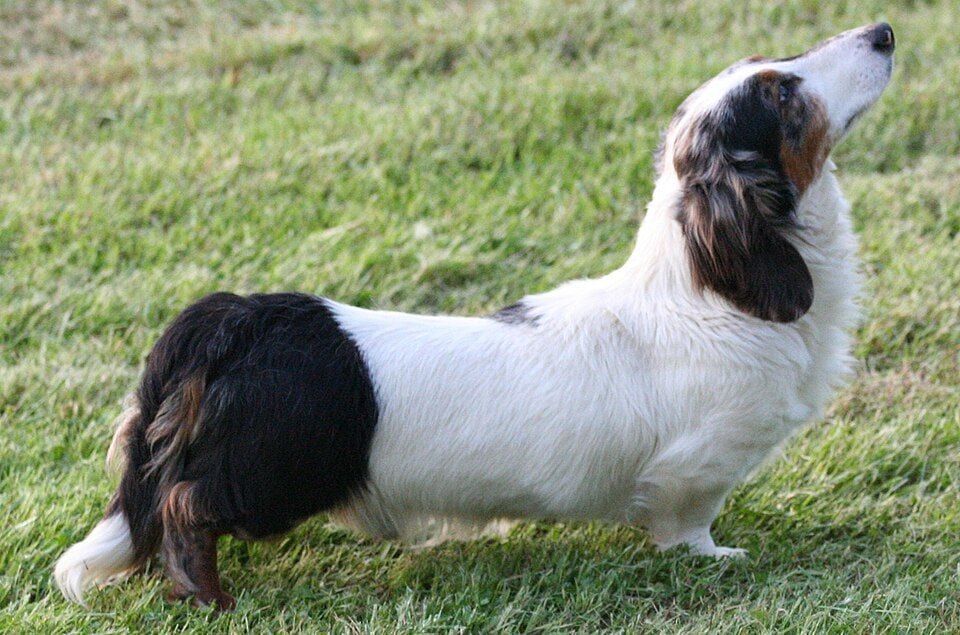
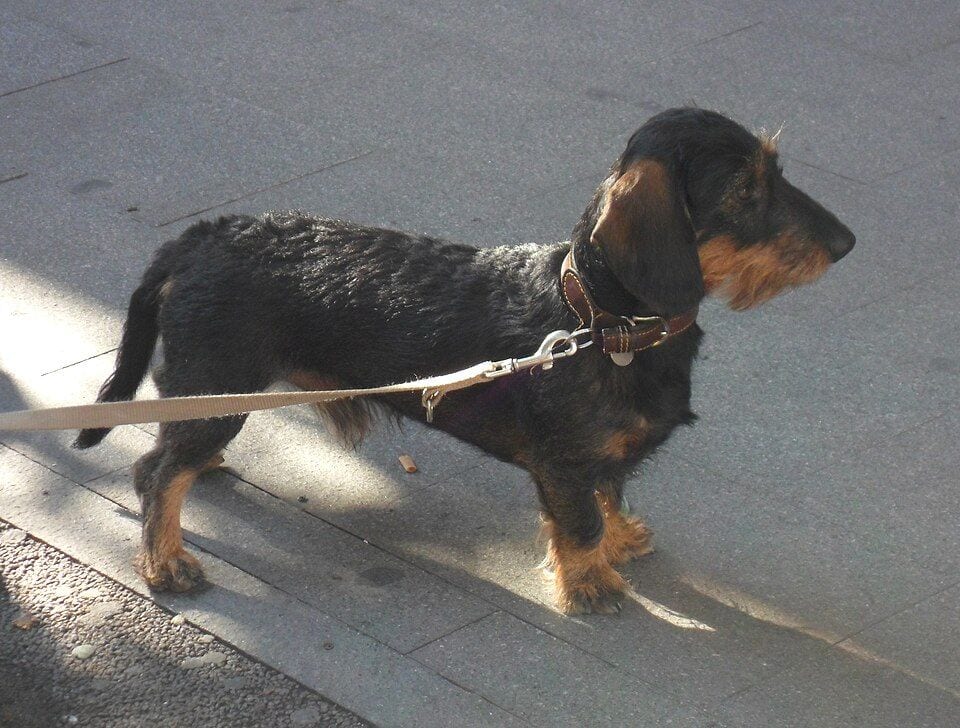
Dachshunds of all sizes come in three coat types. The smooth (or shorthaired) has a short, shiny, close-lying coat. The longhaired has a soft coat that is longer on the ears, chest, legs, and tail. The wirehaired has a harsh coat with a beard and eyebrows, bred for working in thorny brush. Colors vary widely: red, cream, black or chocolate with tan points, dapple, and brindle. It is important to know that double dapple dogs, born from crossing two dapples, are prone to severe eye diseases, blindness, and deafness.
Temperament: Brave to the Point of Recklessness
The AKC describes Dachshunds as smart and vigilant dogs with a "big dog" bark, making them excellent watchdogs. Because they were bred to independently hunt dangerous prey, they are brave to the point of recklessness and can sometimes be stubborn. Dachshunds are highly social and want to live indoors with their people, not out in the yard. They are sensitive, so harsh words and punishments do not work well for them—patient, consistent training with praise and treats yields the best results.
Dachshunds have an excellent sense of smell and a strong prey drive. Once they catch an interesting scent, they might "tune out" their owner's commands, so it is always a good idea to use a leash during walks. They generally get along well with other dogs, but they may view small pets, such as rodents, as prey.
Health: Protect the Back
- Intervertebral Disc Disease (IVDD). The long spine is the Dachshund's greatest health risk. The AKC advises against letting them get overweight, climb stairs, or jump off furniture.
- Muscles. Two moderate walks a day help strengthen the muscles that support the back.
- Eyes, heart, and patellas. The AKC recommends patella, cardiac, and ophthalmologist evaluations.
- Ears. Their drop ears need regular cleaning to prevent infections.
With proper care, a Dachshund can live 12–16 years.
Grooming by Coat Type
- Smooth. A quick wipe with a towel or hound glove is usually enough.
- Longhaired. Requires more frequent brushing, especially behind the ears and on the legs.
- Wirehaired. Needs hand-stripping a few times a year, trimming of the beard and eyebrows, and brushing 1–2 times a week.
- Nails. For all coat types, nails should be trimmed monthly.
Dachshunds and Other Small Hunting Dogs
| Trait | Dachshund | Beagle | Jack Russell Terrier |
|---|---|---|---|
| Weight | 16–32 lbs (std.) | 20–30 lbs | 9–15 lbs |
| Hunting type | earth dog | hound | working terrier |
| Barking | loud | loud, baying | frequent |
| Origin | Germany | Great Britain | Great Britain |
Dachshunds Suit Smaller Homes, But Not Stairs
The Dachshund is compact, cheerful, and devoted to their family, making them well-suited for apartment living. However, their long back and hunting temperament do come with a few limitations.
- Good for: Families and singles looking for a small but brave dog, hunters (earth dog trials), and both city and country dwellers.
- Not ideal for: Homes with small rodents, those wanting a perfectly obedient dog, and multi-level homes where the dog would have to climb many stairs daily.
Protecting their back comes down to simple habits: keeping them lean, preventing them from jumping off sofas and beds, and always supporting both their chest and hindquarters when picking them up.
How to Choose a Dachshund Puppy
First, decide on the size and coat type, as these influence both grooming needs and temperament: wirehaired dogs are often more energetic, while longhaired ones tend to be calmer. When looking for a reputable breeder, ask for the parents' health clearances for patellas, eyes, and heart. Inquire about any history of back problems in the bloodline, and never buy a double dapple puppy. In the US, a responsible breeder will register their litters with the AKC, provide a clear contract, and welcome you to meet the puppy's parents. Avoid pet stores and puppy mills. Alternatively, consider adopting through a local shelter or a breed-specific rescue. Vets also highly recommend microchipping your new puppy to ensure they can always find their way home—we discussed more general tips in the guide introduction.
You can find other small hunting dogs in the Beagle and Jack Russell Terrier profiles, and learn about the Lithuanian Hound in its breed overview.
Frequently asked questions
What sizes do Dachshunds come in?
The FCI recognizes three sizes: standard, miniature, and rabbit. The AKC uses two: standard (usually 16–32 lbs) and miniature (11 lbs and under). All sizes come in three coat types.
What is the difference between smooth, longhaired, and wirehaired Dachshunds?
The smooth (shorthaired) is the oldest type and requires very little grooming. The longhaired has a soft, longer coat and needs more frequent brushing. The wirehaired was bred to hunt in thorny brush; its harsh coat must be hand-stripped a few times a year, and its beard and eyebrows need trimming.
How can I protect my Dachshund's back?
The AKC advises keeping your Dachshund at a healthy weight, avoiding stairs, and preventing them from jumping on or off furniture. You should also strengthen their muscles with two moderate walks a day. Strong back muscles help protect their intervertebral discs.
How long do Dachshunds live?
The AKC states a lifespan of 12–16 years, provided the Dachshund is properly fed and gets enough exercise.
Is a Dachshund good for an apartment?
Yes, a Dachshund does well in an apartment because they love being with their people and are small in size. However, they have a loud bark, so they need to be taught quietness, and they still require daily walks.
Sources
- Wikipedia: Dachshund
- AKC (American Kennel Club): Dachshund Breed Profile
- FCI: Dachshund Breed Standard (No. 148)
- Cover photo: Smooth Miniature Dachshund standing on the floor (Photo: OakvilleGuy, CC BY-SA 3.0)
- Wikimedia Commons photo: Dapple Longhaired Dachshund in the grass (Photo: Raven Underwood, CC BY 2.0)
- Wikimedia Commons photo: Wirehaired Dachshund walking on a leash in Madrid (Photo: Luis García (Zaqarbal), CC BY-SA 3.0)
Log in to comment
No comments yet. Be the first.