Burmilla Cat: Size, Temperament, Care & Health
- The Burmilla originated in the UK in 1981 after a cleaner left a door open, allowing a Chinchilla Persian to mate with a Lilac Burmese.
- The first litter produced four silver shaded shorthair female kittens: Galatea, Gemma, Gabriela, and Gisella.
- Their coat can be short or semi-long; FIFe recognizes silver and (since 2011) golden varieties.
- Burmillas weigh about 7–13 lbs, and their eyes can be any shade of green.
- Their temperament blends Burmese curiosity with Persian calmness: playful but undemanding.
This article is part of the 77.today cat breeds guide, prepared by the 77.today editors from the sources listed at the end.
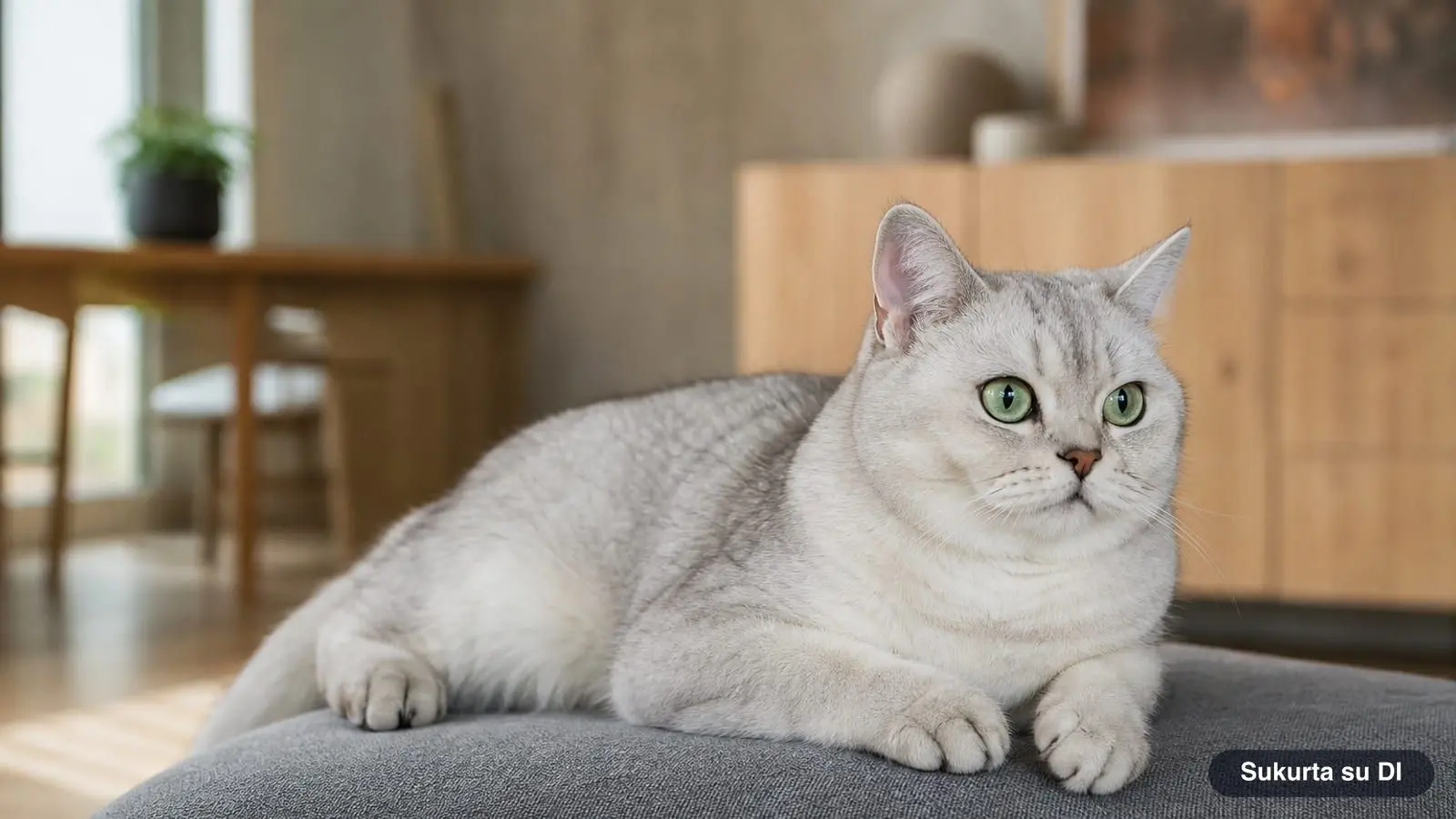
The Burmilla is one of the most beautiful accidents in cat history. Its coat is almost white at the roots with dark-colored tips, making the entire cat seem to sparkle with silver or gold. The eyes, nose, and lips are outlined by striking dark lines reminiscent of makeup, and their large eyes shine green. The breed is known as the Burmilla (a blend of "Burmese" and "Chinchilla"). You can find the Burmilla's origin story, appearance, temperament, and care in this cat breed guide profile.
| Origin | Great Britain, 1981 |
|---|---|
| Parents | Chinchilla Persian male × Lilac European Burmese female |
| Recognition | GCCF championship status in 1995; FIFe; CFA registration in 2011, championship status in 2014 |
| Weight | about 7–13 lbs |
| Coat | short or semi-long, silky, light at the roots |
| Pattern | tipped or shaded |
| Colors | silver; FIFe and ACF also recognize golden |
| Eyes | large, any shade of green |
| Temperament | playful, calm, friendly |
The Burmilla Originated From an Open Door
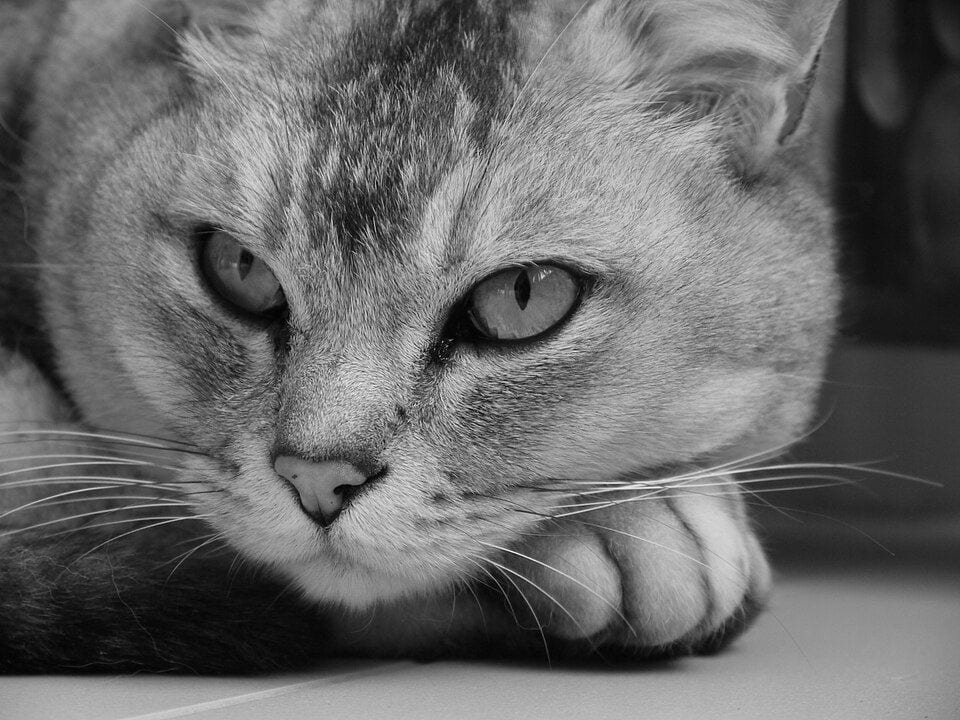
In 1981 in the UK, Baroness Miranda von Kirchberg bought a Chinchilla Persian male named Sanquist for her husband, while a Lilac European Burmese female named Fabergé was also waiting in the cattery. Both animals were awaiting their respective mates in different rooms, but one night a cleaner left the door open. Soon, four shorthaired silver shaded female kittens were born—Galatea, Gemma, Gabriela, and Gisella. Their appearance so captivated the breeder that she and her friend Therese Clarke started a new breed program.
In 1984, Clarke founded the Burmilla Cat Club, and breed standards were drafted. The UK's GCCF granted championship status in 1995, classifying the Burmilla in the Asian cat group. FIFe recognizes the breed as the Burmilla and accepted golden varieties in late 2011. The CFA registered Burmillas in 2011 and granted them championship status in 2014.
A Sparkling Silver Coat and Eye "Makeup"
The most important feature of the Burmilla is its silky, sparkling coat, which is light at the roots with colored tips. Depending on how much of the hair is pigmented, two patterns are distinguished. Tipped: only about 1/8 to 1/4 of the hair is colored, making silver Burmillas look almost white. Shaded: 1/4 to 1/2 of the hair is colored, creating a darker mantle on the back, shoulders, and the outside of the legs. The color can be black, brown (sepia), blue, chocolate, or lilac; some registries also accept red, cream, and tortoiseshell. Most organizations only recognize silver varieties, while FIFe and the Australian Cat Federation (ACF) also accept golden ones.
The nose, lips, and eyes are outlined by striking dark lines, while the nose leather and paw pads match the coat color. The eyes are large, set wide apart, slightly slanted, and can be any shade of green; a golden tint is allowed in young cats. The head is gently rounded on top, wide at the eyebrow level and jaws, tapering to a short, blunt wedge. The body is medium-sized, muscular, and elegant.
Shorthair and Semi-Longhair Burmillas
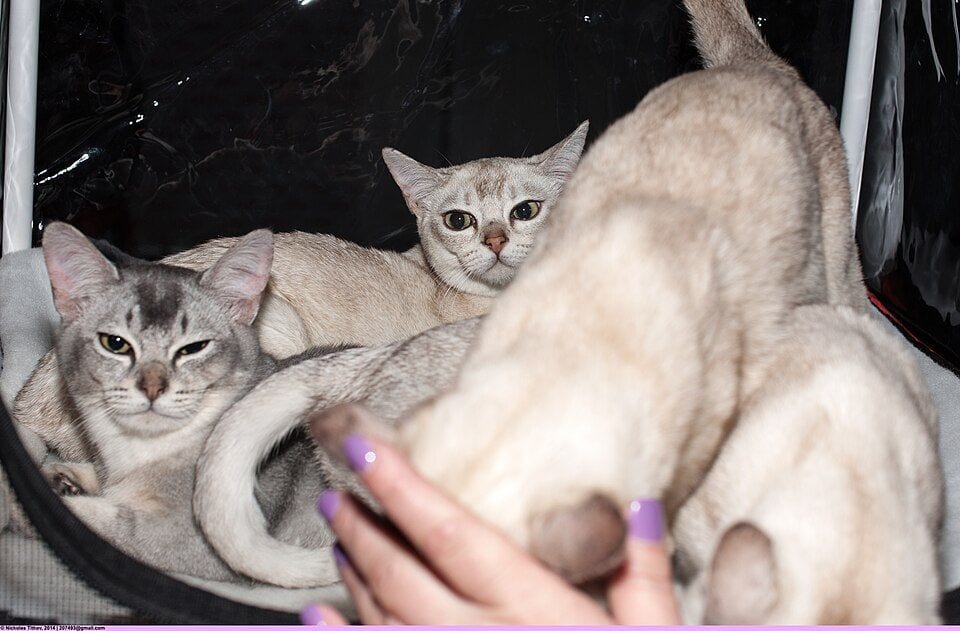
The most common is the shorthair Burmilla with a short, close-lying coat similar to the Burmese, but slightly softer due to the undercoat. A recessive longhair gene inherited from their Persian ancestors also results in semi-longhair Burmillas: their coat is silky, following the lines of the body, and the tail is large and plumed. The UK's GCCF calls longhaired Burmillas Tiffanies. The Australian Tiffanie also exists in Australia, but it is a separate line with more Persian blood.
Temperament: Burmese Curiosity and Persian Calmness
The CFA notes that the Burmilla's temperament combines the friendly and mischievous nature of the European Burmese with the calm disposition of the Chinchilla Persian—resulting in a pleasant character without extremes. Burmillas are energetic but not hyperactive: after a burst of play, they happily take long naps on the couch. They are affectionate and people-oriented, yet undemanding and unobtrusive, and they are usually not overly vocal. Although very friendly, they also appreciate their independence and can be left alone during the workday.
Burmillas get along well with dogs, other cats, and children, and they quickly welcome even strangers into their circle. Because this is an intelligent breed, the CFA advises providing them with toys, climbing structures, and high observation perches.
Health: Risks From Parent Breeds
Burmillas are generally healthy, but they can inherit some predispositions from their parent breeds. From the Persian side, it is worth looking out for Polycystic Kidney Disease (PKD), and from the Burmese side, hypokalemia and other conditions typical of Burmese cats. The CFA notes that responsible breeders test their breeding cats to avoid passing on genetic diseases and, aware of the breed's small gene pool, continuously introduce unrelated cats—creating new lines and importing cats from other countries.
Care: Once a Week, Regardless of Coat
- Coat. The CFA recommends brushing a Burmilla at least once a week with a stainless steel comb or a small brush, whether the coat is short or long.
- Nails, ears, teeth. Regularly trim their nails, clean their ears, and maintain their dental hygiene.
- Activity. Provide toys, climbing trees, and high perches.
- Bathing. Usually unnecessary.
Burmilla, Burmese, and Persian
| Trait | Burmilla | Burmese | Persian |
|---|---|---|---|
| Coat | short or semi-long, sparkling | very short, satiny | long |
| Color | silver or golden with colored tips | sepia colors | numerous |
| Eyes | green | golden or green | copper, blue, etc. |
| Temperament | playful but calm | highly social, active | very calm |
How to Choose a Burmilla Kitten
The Burmilla is a breed with a small population, so it is worth looking for a kitten well in advance and asking how the breeder maintains genetic diversity. Ask for the parents' genetic test results (such as for PKD) and see what varieties the parents are—tipped or shaded, silver or golden. The eyes of young cats may still have a yellowish tint. FIFe rules state that kittens can only go to their new homes from 14 weeks of age. When bringing a kitten home in the US, ensure you work with a reputable breeder who provides a contract and health guarantees, rather than a pet store or kitten mill. Microchipping is highly recommended by veterinarians to keep your pet safe, and it's always wise to check local ordinances or homeowners insurance policies, though Burmillas are rarely subject to any breed-specific restrictions.
You can find related breeds in the Burmese and Persian profiles.
Frequently asked questions
How did the Burmilla originate?
In 1981, at Baroness Miranda von Kirchberg's cattery in the UK, a cleaner left a door open between rooms housing a Chinchilla Persian male and a Lilac Burmese female. Four silver shaded kittens were born, captivating breeders who then started a new breed program.
What color are a Burmilla's eyes?
Burmillas have large, luminous eyes in any shade of green. A golden or yellowish tint is permissible in kittens and young cats.
Can a Burmilla be left alone?
Yes. The CFA notes that while Burmillas are very friendly, they also appreciate their independence and can be left alone during the workday. They do need toys and places to climb.
What is the difference between tipped and shaded Burmillas?
Tipped Burmillas have pigment on only about 1/8 to 1/4 of the hair tip, making silver ones look almost white. Shaded Burmillas have pigment on 1/4 to 1/2 of the hair, creating a darker "mantle" on their back, shoulders, and the outside of their legs.
Are there longhaired Burmillas?
Yes. A recessive longhair gene inherited from their Persian ancestors results in semi-longhaired Burmillas with a silky coat and a plumed tail. The UK's GCCF calls them Tiffanies, while the CFA and FIFe register them as Burmillas.
Sources
- Wikipedia: Burmilla
- CFA (Cat Fanciers' Association): Burmilla breed profile
- FIFe: Recognized cat breeds and standards
- Wikipedia: Asian cat (Asian group)
- FIFe Breeding Statistics 2025 (registrations by breed and country)
- FIFe Breeding & Registration Rules (2.3.3 – kittens no earlier than 14 weeks)
- Wikimedia Commons photo: Silvery grey Burmilla
- Wikimedia Commons photo: Burmilla kittens in a cattery
Log in to comment
No comments yet. Be the first.