American Shorthair Cat: Size, Temperament & Care
- The American Shorthair descends from cats brought on ships by European colonists to catch rodents, such as on the Mayflower.
- It was among the first five breeds registered by the CFA in 1906; until 1965–1966, it was called the Domestic Shorthair.
- Males weigh 11–15.5 lbs, and females weigh 5.5–12 lbs; over 80 colors and patterns are recognized.
- Their temperament is calm, patient, and independent; the breed is famous for its "silent meow."
- While not recognized by FIFe, they played a crucial role in the origins of other breeds, including the Exotic Shorthair, Bombay, and Scottish Fold.
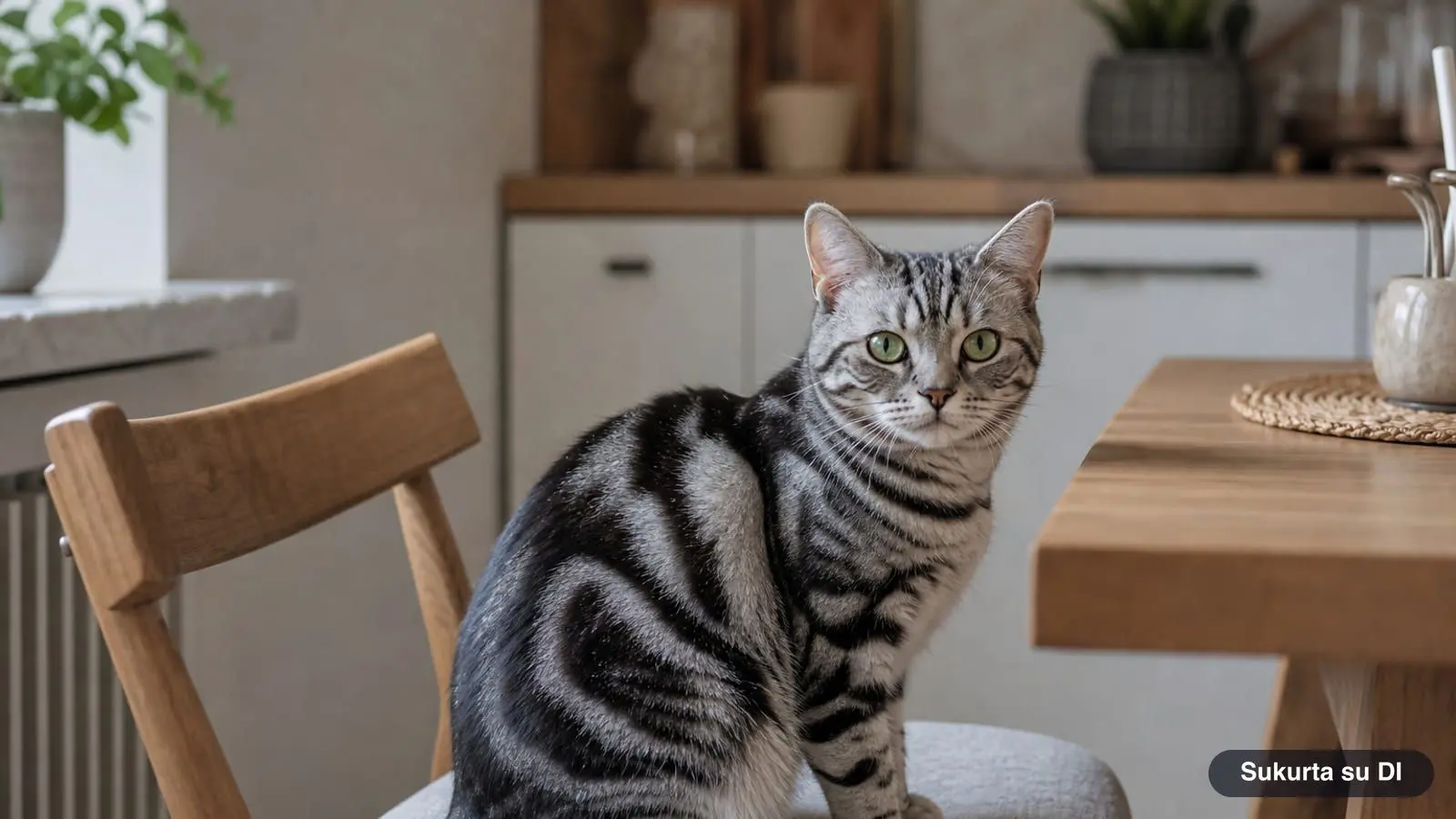
- The American Shorthair descends from ship mousers
- Hard coat and distinctive eye shape
- Temperament: calm, patient, and clever
- Health: a robust breed, but worth a PKD test
- Why the American Shorthair is not just a tabby mix
- Care: brushing, playtime, and portions
- American, British, and European Shorthairs
- How to choose an American Shorthair kitten
This article is part of the 77.today cat breeds guide, prepared by the 77.today editors from the sources listed at the end.
The American Shorthair cat is a true working cat with a great pedigree. Its ancestors crossed the Atlantic Ocean on colonial ships, where they protected supplies from mice and rats, and later traveled west with pioneers to guard farms. Today, it is a sturdy, muscular, and calm family cat, whose most famous variety is the silver with striking black classic tabby markings. In the cat breed catalog profile, you will find the history, appearance, temperament, and care tips for the American Shorthair.
| Origin | USA, from European colonists' ship cats |
|---|---|
| Recognition | CFA since 1906; all North American organizations; FIFe – not recognized |
| Weight | males 11–15.5 lbs, females 5.5–12 lbs |
| Body | medium to large, muscular, powerful |
| Head | oval, slightly longer than wide, strong jaw |
| Coat | short, dense, hard |
| Colors | over 80; most popular – silver and brown classic tabby |
| Temperament | calm, patient, independent |
| Grooming | brush or grooming glove |
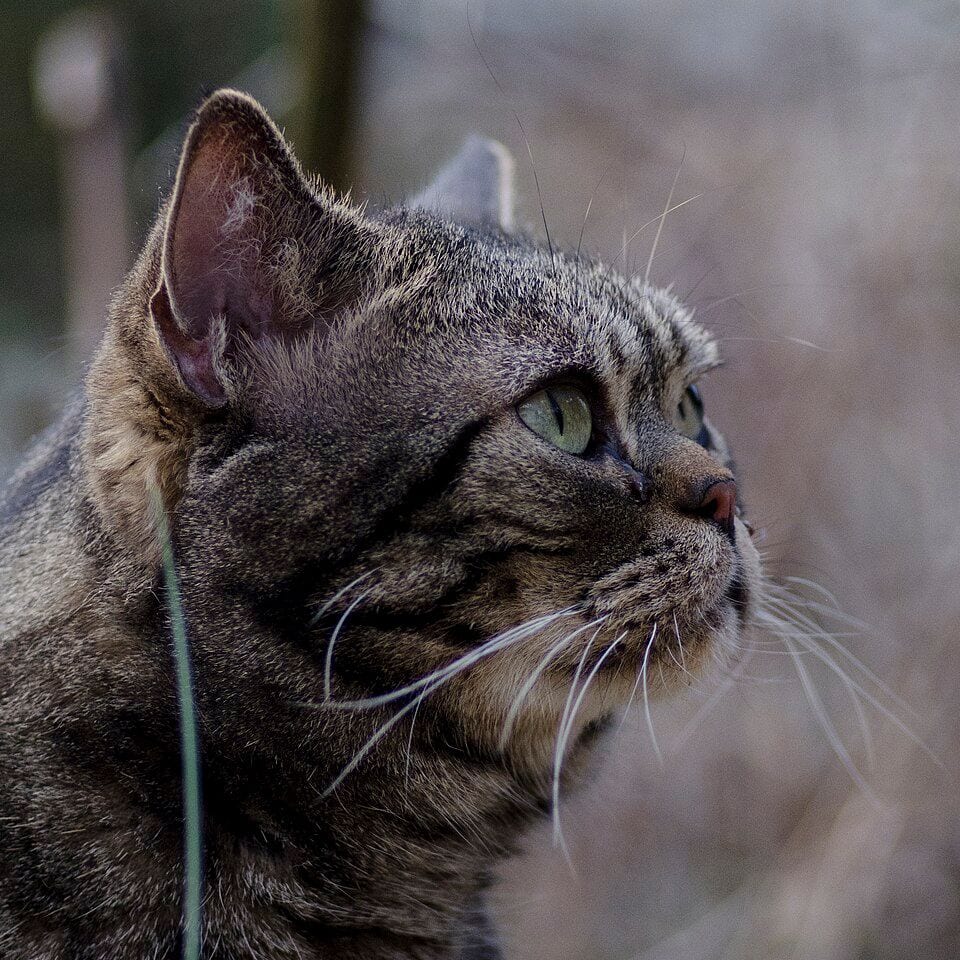
The American Shorthair descends from ship mousers
European colonists sailing to North America kept cats on their ships to protect supplies from rodents—it is believed that such cats were even on the Mayflower. Once ashore, the cats interbred and adapted over generations to their new life and climate. In the early 20th century, purposeful selective breeding began with the goal of preserving the best traits of these working cats. At the first US cat show in 1895, there were over 50 of these cats, and in 1906, the CFA registered them—then called Domestic Shorthairs—among its first five breeds.
In 1965–1966, the breed was renamed the American Shorthair to emphasize its "all-American" origins and to distinguish it from random-bred shorthair mixed breeds that might look similar. American Shorthairs contributed to the creation of other breeds: the Exotic Shorthair was developed by crossing them with Persians, the Bombay with Burmese cats, and they were also used to strengthen Scottish Fold lines.
Hard coat and distinctive eye shape
The CFA emphasizes that the American Shorthair gives an impression of strength and power. The medium to large muscular body is protected by a dense, hard coat that can withstand bad weather, brush, and thorns. The head is oval, slightly longer than it is wide, with a strong jaw. The eyes are large and set wide apart; the CFA notes a breed-specific shape—the upper lid is gently oval, while the lower lid is more fully rounded. The ears are medium-sized with slightly rounded tips, and the neck and legs are of medium length and muscular.
Over 80 colors and patterns are recognized (the CFA mentions well over 100 combinations): from brown patched tabby and blue-eyed white to silvers (tabby, shaded, smoke, cameo) and van-patterned calicos. The most popular are the silver and brown classic tabbies. Cats with colors showing evidence of hybridization—such as chocolate, sable, lilac, or Siamese-type points—are disqualified at shows.
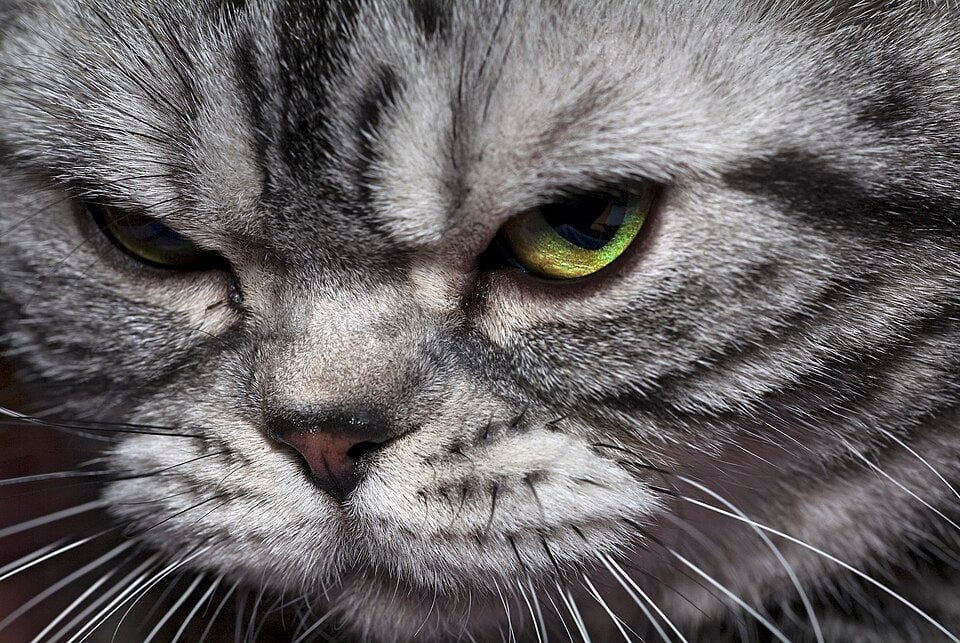
Temperament: calm, patient, and clever
The CFA calls the American Shorthair the perfect family cat: sturdy and independent, yet affectionate and playful. They often prefer to observe household chores with keen interest rather than actively participate in them. Their long history of battling rodents has given them patience, intelligence, and a strong hunting instinct, which needs to be regularly satisfied with interactive toys. If you play with them at the same time every day, don't be surprised to find them "dancing" in anticipation of playtime.
These cats are easily trained—they can be taught to stay off countertops, use a scratching post, and even fetch toys. However, they can also figure out how to open drawers or doors, especially if treats are hidden inside. American Shorthairs are very tolerant of other animals and small children, communicate without loud meowing, and are famous for their "silent meow"—greeting you by opening their mouths without making a sound.
Health: a robust breed, but worth a PKD test
The CFA notes that there are currently no known breed-specific health problems for American Shorthairs. In the 1990s, hypertrophic cardiomyopathy was identified in some cats, but thanks to preventive screenings and selective breeding, it has largely disappeared from the breed. In a Japanese study examining cats suspected of having kidney disease, 47% of the tested American Shorthairs had the PKD1 mutation, so it is worth testing for PKD. In a US review of urate stone cases, this breed, conversely, was affected less frequently than mixed breeds.
Why the American Shorthair is not just a tabby mix
The American Shorthair is often confused with common tabby shorthair cats because they originate from the same population of working cats. However, a purebred cat has a pedigree and meets a strict standard: a sturdy muscular body, an oval head with a strong jaw, a hard dense coat, and a breed-specific eye shape. This is exactly why the CFA changed the breed's name in 1965—to make it easier to distinguish from random-bred shorthair cats.
Care: brushing, playtime, and portions
- Coat. The cat sheds its undercoat in the spring and has a lighter shedding of guard hairs in the fall. The CFA advises regularly brushing the coat with a wire brush or grooming glove—this is usually enough to control shedding. Bathing is generally not necessary.
- Playtime. Daily hunting games with feather wands and fishing pole toys.
- Weight. A calm and sturdy cat can easily gain weight—it is worth measuring their food portions.
- Scratching post. A sturdy scratching post and training to use it from an early age.
American, British, and European Shorthairs
| Trait | American Shorthair | British Shorthair | European Shorthair |
|---|---|---|---|
| Origin | USA, colonists' cats | Great Britain | Scandinavia |
| Head | oval, strong jaw | round, chubby cheeks | slightly round, natural |
| Coat | hard, dense | plush | dense, glossy |
| FIFe | not recognized | recognized | recognized (since 1949) |
How to choose an American Shorthair kitten
When looking for an American Shorthair kitten, it is essential to work with a reputable breeder registered with major organizations like the CFA or TICA. Always ask to see the pedigree papers to ensure you are getting a purebred cat rather than a similar-looking tabby mix. A responsible breeder will provide health clearances for the parents, including PKD tests and heart screenings. The CFA notes that you may have to wait for a kitten, so it is also worth considering adopting a retired adult show or breeding cat. Before bringing a cat home, ensure they are microchipped by a vet, and check your local ordinances or homeowners insurance for any pet regulations, though this breed is rarely restricted. We cover general adoption and registration tips at the beginning of our guide.
You can find cats of similar sturdiness in the British Shorthair and European Shorthair profiles.
Frequently asked questions
How does the American Shorthair differ from the British Shorthair?
Both are sturdy and shorthaired, but the American Shorthair has an oval head, slightly longer than it is wide, with a strong jaw, while the British has a round head with chubby cheeks. The American's coat is hard and resilient, whereas the British has a plush coat. The most famous American color is the silver tabby, while the British is best known for being blue.
Does FIFe recognize the American Shorthair?
No, the American Shorthair is not on the list of breeds recognized by FIFe. However, it is recognized by all North American registries, such as the CFA and TICA.
How much does an American Shorthair cat weigh?
Males typically weigh 11–15.5 lbs, and females weigh 5.5–12 lbs. It is a medium to large, muscular cat.
What is the "silent meow"?
The CFA notes that American Shorthairs are famous for their silent greetings: they open their mouths as if to meow but make no sound, politely asking for attention.
Can an American Shorthair be left alone?
Yes. They enjoy human company and playing, but they are independent enough to keep themselves occupied while their owners are at work. Still, they need daily hunting games.
Log in to comment
No comments yet. Be the first.