British Longhair Cat: Temperament, Care, Health & Size
- The British Longhair is a variant of the British Shorthair with a longer, denser coat; the longhair gene comes from 20th-century crosses with Persian cats.
- For decades, longhaired kittens were used in British Shorthair breeding programs until breeders decided to develop them as a distinct breed.
- FIFe recognized the British Longhair in 2017; TICA also considers it a separate breed, while the GCCF registers it as a British Shorthair variant.
- They share the British Shorthair's body type: a stocky build, broad chest, short sturdy legs, and a round head.
- In 2025, 1,534 kittens were registered in FIFe studbooks—ranking 14th overall and marking an increase of 141 kittens from 2024.
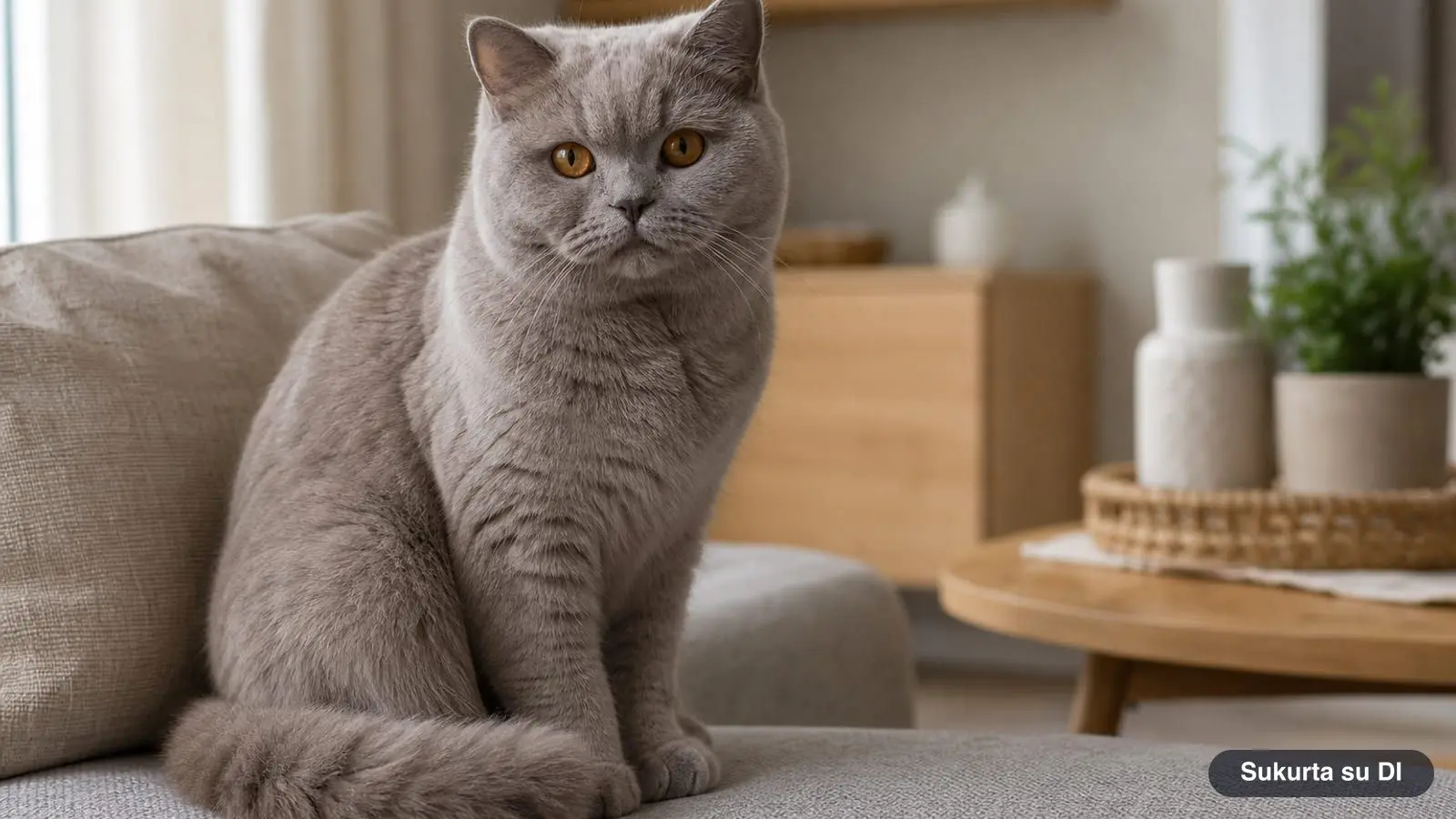
- British Longhair – A British Shorthair with Persian Heritage
- Appearance: A Stocky Body Beneath a Fluffy Coat
- Temperament: Calm, Adaptable, and Undemanding
- Health: HCM and PKD Risks Similar to British Shorthairs
- Grooming: More Brushing Than a Shorthair, Less Than a Persian
- British Longhair, British Shorthair, and Persian Cat
- How to Choose a British Longhair Kitten
This article is part of the 77.today cat breeds guide, prepared by the 77.today editors from the sources listed at the end.
The British Longhair is essentially a British Shorthair with a fluffy, semi-long coat. They share the same round head with chubby cheeks, large round eyes, stocky body, and calm, independent temperament, but their coat is longer and denser, featuring a full ruff and a plumed tail. In some regions, the breed is also known as the Highlander or Highland Straight. In recent years, it has become one of the fastest-growing breeds in popularity across Europe and the US. In this cat breed guide profile, you will discover the origins, temperament, grooming needs, and health specifics of the British Longhair.
| Origin | Great Britain; longhair gene from Persian cats |
|---|---|
| Recognition | FIFe in 2017; TICA as a separate breed; GCCF as a British Shorthair variant |
| Body | medium to large, stocky, broad chest, massive neck |
| Head | large, round, chubby cheeks |
| Coat | semi-long, dense, with a neck ruff and plumed tail |
| Colors | numerous, same as the British Shorthair |
| Eyes | large, round; ranging from deep copper to bright green |
| Temperament | calm, gentle, independent |
| Grooming | brush at least twice a week |
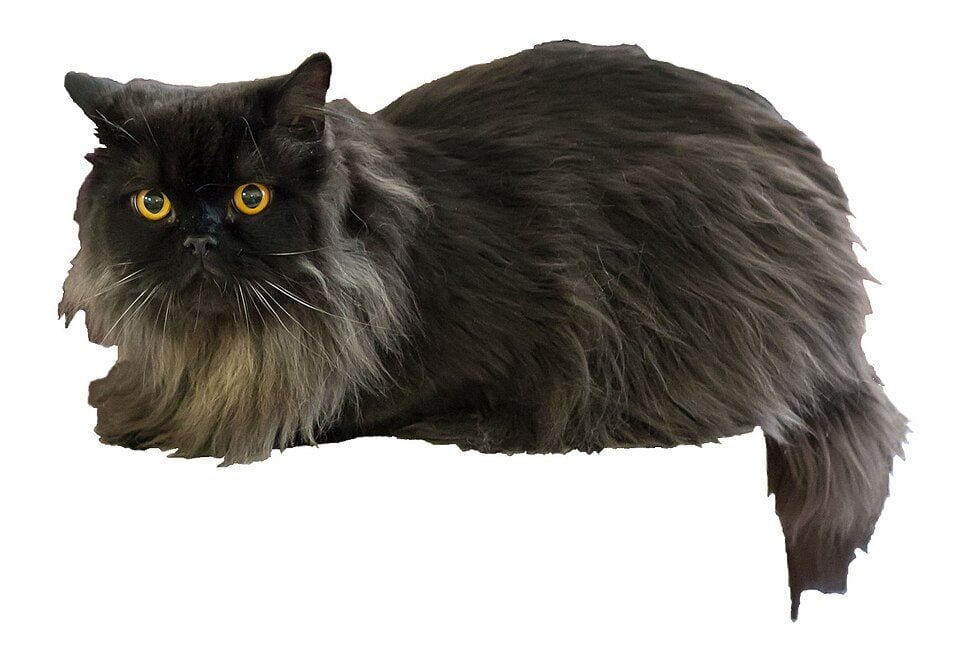
British Longhair – A British Shorthair with Persian Heritage
According to the FIFe breed profile, British Shorthairs—whose blue coloration was highly popular—were crossed with Russian Blues and Chartreux cats in the 20th century, and later with Persian cats. It was the Persians that introduced the recessive longhair gene, which became the foundation of the British Longhair. For decades, longhaired kittens born in British litters were simply used in Shorthair breeding programs, until breeders eventually decided to develop them as a distinct breed.
FIFe recognized the British Longhair as a separate breed in 2017, and currently, additional golden varieties have been preliminarily recognized. TICA also considers longhaired British cats to be a distinct breed, while the UK's GCCF registers them as a British Shorthair variant simply called "British." The breed is rapidly gaining popularity: in 2025, 1,534 kittens were registered in FIFe studbooks—an increase of 141 from the previous year. In the United States, the breed's popularity continues to grow among feline enthusiasts, with many reputable TICA-registered breeders dedicated to preserving their unique plush coats and sturdy build.
Appearance: A Stocky Body Beneath a Fluffy Coat
Under the FIFe standard, both the British Shorthair and Longhair are medium to large, powerful cats with a broad chest, massive neck, strong hips, stocky body, short muscular legs, and heavy boning. The head is large and round, with round cheeks, a round forehead, and rounded ear tips. Their large, round eyes have an open expression, and their eye color depends on the coat—ranging from deep copper to bright green.
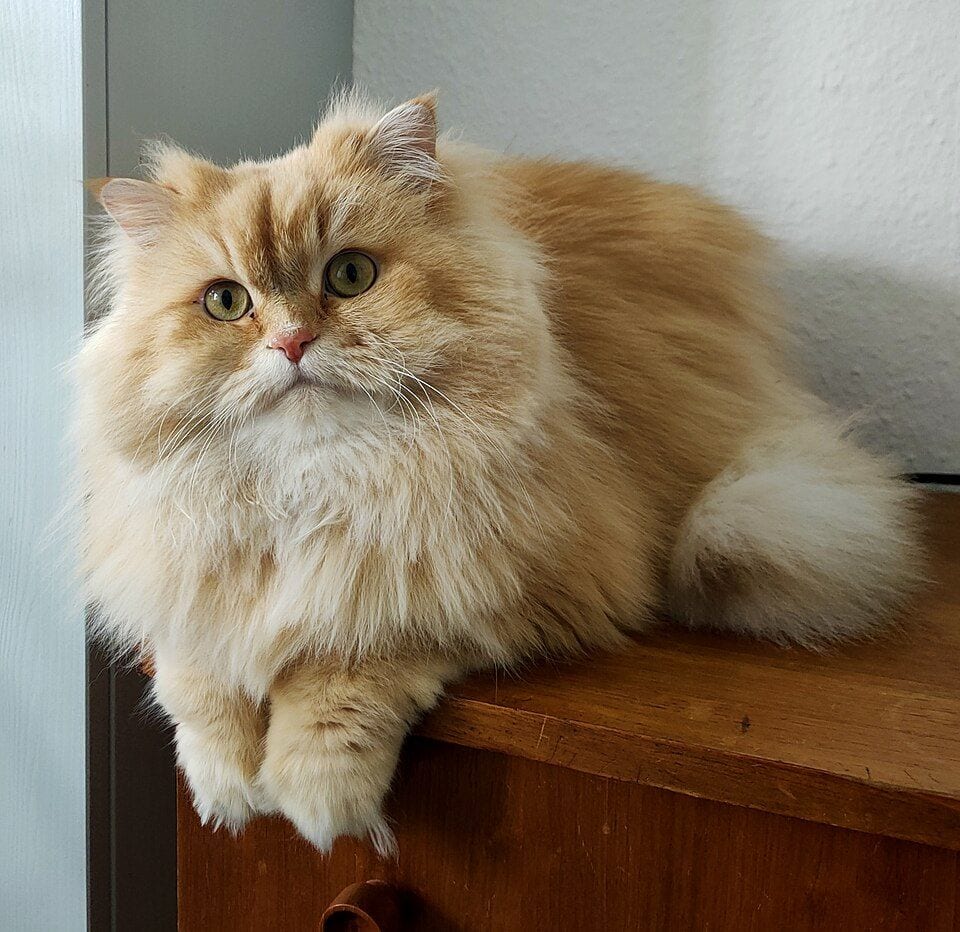
The Longhair's coat is semi-long, dense, and fluffy, featuring a prominent neck ruff, "britches" on the hind legs, and a plumed tail, though it is not quite as long as a Persian's coat. The color selection is just as broad as that of the Shorthair: blue, lilac, black, chocolate, cream, red, cinnamon, and fawn, as well as tabby, silver and golden, bicolor, tortoiseshell, and colorpoint.
Temperament: Calm, Adaptable, and Undemanding
FIFe describes British cats as calm, affectionate, gentle, and easygoing felines that get along well with children and other pets. They are not overly vocal, typically expressing their contentment through purring. British Longhairs are independent and can tolerate being left alone longer than many other breeds, but they still happily seek out their owner's company to snuggle up or take a nap together. Like their shorthaired sisters, Longhairs generally do not enjoy being carried around, but they love to be right by your side.
This temperament makes the British Longhair an excellent companion for working professionals or families who want a calm, fluffy pet but are not quite ready for the daily grooming demands of a Persian.
Health: HCM and PKD Risks Similar to British Shorthairs
- Hypertrophic cardiomyopathy (HCM). In a Danish study, HCM was found in 20.4% of male and 2.1% of female British cats, prompting the Danish FIFe member Felis Danica to make testing mandatory for breeding males.
- Polycystic kidney disease (PKD). Because the longhair gene was inherited from Persians, it is highly recommended that breeding cats undergo a PKD1 genetic test.
- Obesity. A calm, relatively inactive cat can easily gain weight, so it is important to measure their food portions.
In a UK veterinary records study, the life expectancy of British Shorthairs and Longhairs was evaluated together, averaging 9.6 years.
Grooming: More Brushing Than a Shorthair, Less Than a Persian
- Coat. Brush their semi-long, dense coat at least twice a week, and more frequently during shedding seasons. Pay the most attention to the armpits, belly, and "britches."
- Eyes. The British Longhair does not have a flat face, so their eyes typically do not water as much as a Persian's, but you should still check and clean them regularly.
- Diet. A balanced diet and portion control are essential. Just like the Shorthairs, their heavy bone structure requires high-quality nutrition.
- Playtime. Short, daily hunting games help keep them in good physical shape.
British Longhair, British Shorthair, and Persian Cat
| Trait | British Longhair | British Shorthair | Persian Cat |
|---|---|---|---|
| Coat | semi-long, dense | short, plush | long, very dense |
| Muzzle | short but distinct | short but distinct | often very flat |
| Grooming | a few times a week | once a week | daily |
| FIFe kittens in 2025 | 1,534 | 16,207 | 1,825 |
How to Choose a British Longhair Kitten
Because the longhair gene is recessive, longhaired kittens can be born in litters from two shorthaired carriers. Therefore, it is important to know which organization the kitten will be registered with and how—whether as a British Longhair or a Shorthair variant. Always ask reputable breeders for the parents' PKD1 test results and echocardiogram reports, especially for the sire. Ask to see the parents' coats, as this will give you a good idea of what the kitten's adult coat will look like. Ethical breeders, following guidelines from associations like TICA, typically will not let kittens go to their new homes before 12 to 14 weeks of age. For more information on finding a responsible breeder, microchipping, and general adoption advice, be sure to read our cat breed guide introduction.
You can learn about their shorthaired sister in the British Shorthair profile, or read about an even longer coat in the Persian cat guide.
Frequently asked questions
How does the British Longhair differ from the Persian cat?
The British Longhair has the body and head of a British Shorthair: round, but with a distinct, short muzzle and nose, rather than a flat face. Its coat is semi-long, whereas the Persian's is long and extremely dense. The British Longhair generally requires less grooming than a Persian.
Is the British Longhair a separate breed?
It depends on the registry. FIFe recognized the British Longhair as a distinct breed in 2017, and TICA also accepts it as a separate breed. However, the UK's GCCF considers it a variant of the British Shorthair, simply calling it "British."
What is the British Longhair's temperament like?
It is identical to the British Shorthair: calm, gentle, adaptable, and great with children and other pets. They are not very vocal, usually showing contentment through purring, and can tolerate being left alone longer than many other breeds.
How do you groom a British Longhair's coat?
Their dense, semi-long coat should be brushed at least twice a week, and more frequently during shedding seasons. Pay special attention to the armpits, belly, and "britches" (hind legs), where mats are most likely to form.
What is the lifespan of a British Longhair cat?
In a UK veterinary records study, the life expectancy for British Shorthairs and Longhairs was evaluated together at 9.6 years, compared to an average of 11.7 years for all cats.
Sources
- Wikipedia: British Shorthair (British Longhair)
- FIFe: British Longhair / Shorthair breed standard
- FIFe: British Longhair / Shorthair breed profile (PDF)
- Wikipedia: Hypertrophic cardiomyopathy (HCM)
- FIFe Breeding Statistics 2025 (registrations by breed and country)
- FIFe Breeding & Registration Rules (2.3.3 – kittens no earlier than 14 weeks)
- Wikimedia Commons photo: British Longhair cat on a white background
- Wikimedia Commons photo: Cream golden shaded British Longhair cat
Log in to comment
No comments yet. Be the first.