European Shorthair: Temperament, Size, Care & History
- The European Shorthair is a pedigreed cat that must fit the natural type of a European domestic cat without Persian or other breed influences.
- Until 1982, it was judged by the same standard as the British Shorthair; then, FIFe recognized the Scandinavian type as a separate breed.
- FIFe has recognized the breed since 1949; the oldest FIFe-registered European Shorthair was born in 1940.
- All natural Western colors are permitted; under the FIFe standard, tabby with white and smoke with white combinations are not allowed.
- Most popular in Scandinavia and Germany; it is the national cat of Finland and is listed as an endangered breed in Sweden.
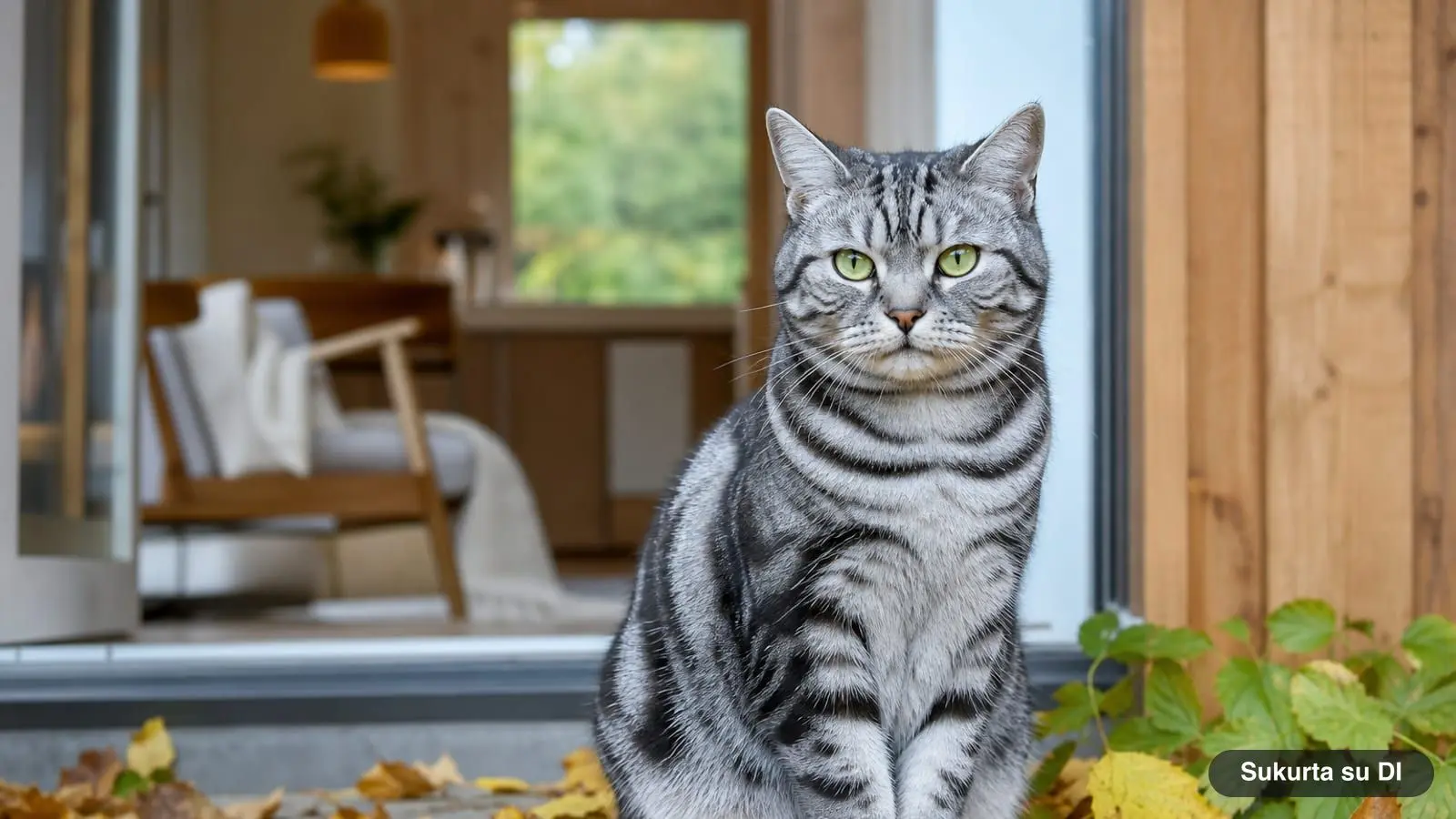
- The European Shorthair separated from the British Shorthair in 1982
- Appearance: A typical European cat without exaggerated features
- Temperament: A friendly and clever mouse hunter
- Health and care
- European, British, and American Shorthairs
- Daily life with a European Shorthair
- How to find a European Shorthair kitten
This article is part of the 77.today cat breeds guide, prepared by the 77.today editors from the sources listed at the end.
The European Shorthair is a paradoxical breed: it is meant to look like an ordinary European yard or farm cat, yet it has a pedigree, a breed standard, and decades of selective breeding for health and a good temperament. It is also simply called the European or Celtic Shorthair. In the final profile of our cat breeds guide, we explain how the European Shorthair separated from the British Shorthair, what it looks like, its personality, and how it differs from a non-pedigreed cat.
| Origin | Europe; standard developed in Scandinavia |
|---|---|
| Recognition | FIFe (since 1949, separate standard since 1982), WCF, LOOF, ACF; TICA – registration only |
| Size | medium–large, muscular |
| Head | fairly round, prominent cheekbones |
| Ears | medium, slightly rounded tips |
| Coat | short, dense, glossy |
| Colors | all natural Western colors, plus white |
| Eyes | round; yellow, green, orange (blue also allowed for white cats) |
| Temperament | strong, active, friendly, good hunter |
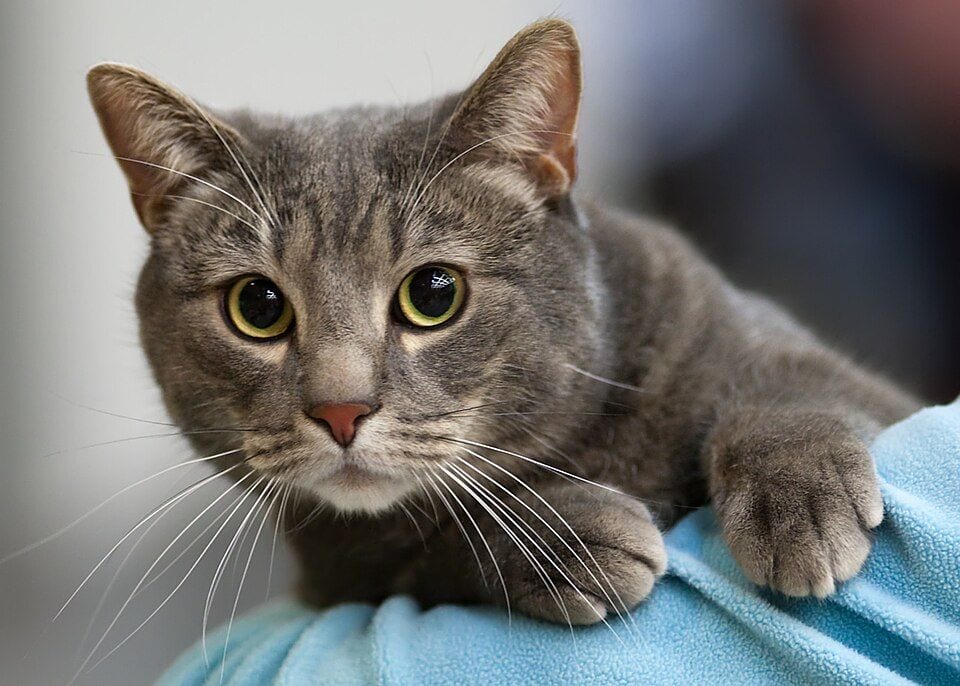
The European Shorthair separated from the British Shorthair in 1982
Until the early 20th century, the role of the European domestic cat at shows was filled by the British Shorthair, even though it was stockier than most cats on the continent. Later, British Shorthairs were crossed with Persian cats and selectively bred to become even more compact, with a shorter muzzle and denser coat. Scandinavian breeders found it strange that both cats were called European Shorthairs despite looking completely different: cat federations considered them the same breed and judged them by the same standard at shows.
In 1982, FIFe registered the Scandinavian-type European Shorthair as a separate breed with its own standard, while the continental line with Persian blood has since been called the British Shorthair. The oldest FIFe-registered European Shorthair was born in 1940, and the breed itself has been recognized by the federation since its founding in 1949. Today, it is recognized by FIFe, WCF, France's LOOF, and Australia's ACF, while TICA only registers them. A very similar role in the US is filled by the American Shorthair.
Appearance: A typical European cat without exaggerated features
The European Shorthair is a medium to large, muscular cat that resembles a well-built domestic shorthair. The chest is broad and sturdy, the legs are strong and of medium length, and the paws are round. The head is fairly round with prominent cheekbones, but not as broad and flat as the British Shorthair's. The ears are medium-sized, upright, with slightly rounded tips, and set fairly wide apart. The eyes are round and open, and the tail is of medium length, thick at the base, and tapering to a rounded tip.
The coat is short, dense, glossy, and smooth. All natural Western colors are permitted—black, blue, red, cream—with tabby, tortoiseshell, silver patterns, or white patches, as well as solid white. Under the FIFe standard, tabby with white and smoke with white combinations are not allowed, and colorpoint, chocolate, or lilac colors, which would indicate the influence of other breeds, are not recognized. Eye color corresponds to the coat—yellow, green, or orange; blue or odd-colored eyes are only permitted for white cats.
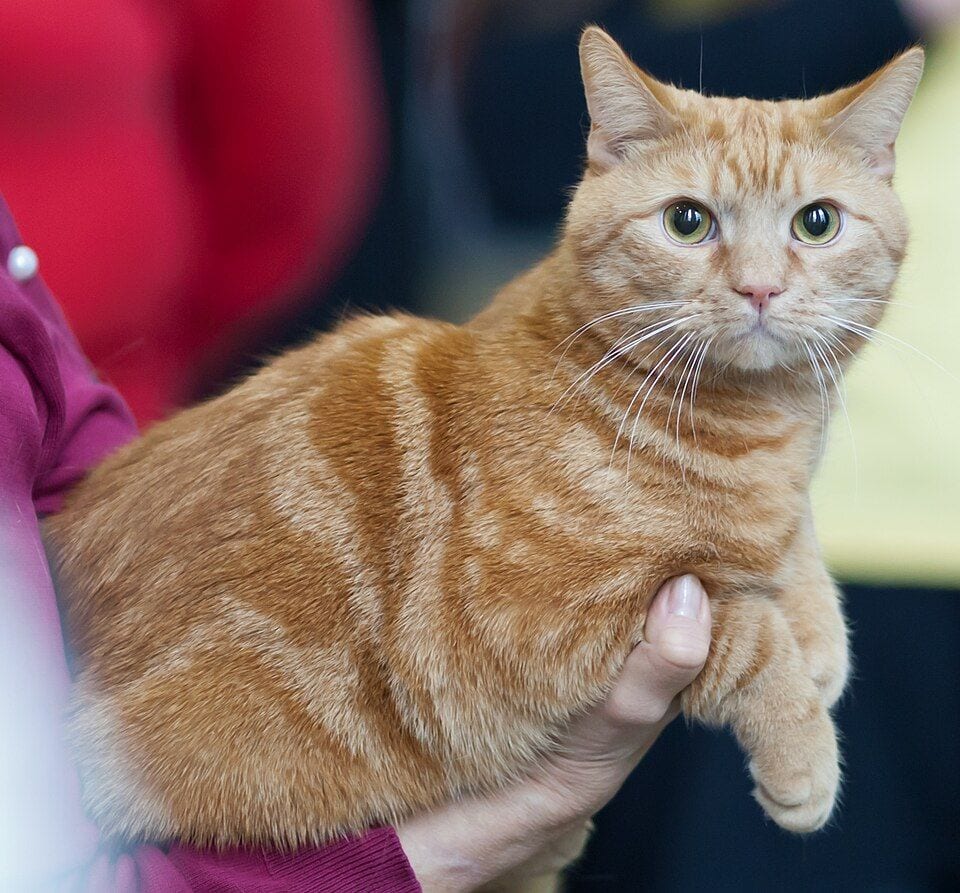
Temperament: A friendly and clever mouse hunter
The breed developed from natural European mouse hunters, so most European Shorthairs are strong, active, and clever cats that are excellent at keeping homes and gardens free of rodents. They are generally friendly toward people of all ages, get along well with other cats, tolerate dogs, and are highly intelligent and playful. Because the breed originates from domestic cats with varying personalities, their temperaments can differ significantly—some are affectionate and calm, while others are more independent wanderers. Temperament is often inherited, so it is worth meeting both parents if possible.
Health and care
The European Shorthair is considered a robust breed with no exaggerated physical traits. In one US study covering more than 5,000 cases of urate urinary stones, the proportion of European Shorthairs was the highest—53 cats out of 78 studied, though the sample size was small. Therefore, it is important to ensure your cat drinks enough water and to have their urine checked regularly.
- Coat. The short, dense coat only needs to be brushed once a week, and more frequently during shedding seasons.
- Water. A pet water fountain or wet food encourages them to drink more.
- Activity. Hunting games, and if possible, a safely enclosed balcony or yard (catio).
European, British, and American Shorthairs
| Trait | European Shorthair | British Shorthair | American Shorthair |
|---|---|---|---|
| Origin | Scandinavia, Europe | Great Britain | USA |
| Type | natural, medium | stocky, round | sturdy, medium–large |
| Persian influence | no | yes | no |
| FIFe kittens in 2025 | 195 | 16,207 | not recognized |
Daily life with a European Shorthair
The European Shorthair is an undemanding cat that does well in both apartments and houses with yards. Since the breed descends from hunters, it requires daily play that mimics hunting: stalking, pouncing, and catching "prey." If you let your cat outside, it should be microchipped and registered, and a breakaway collar with the owner's contact info helps return them faster if they get lost. A safer option is an enclosed balcony or yard where the cat can bird-watch and sunbathe without the dangers of the street. As with other shorthairs, portion control is important—after being spayed or neutered, this active cat can easily gain weight.
How to find a European Shorthair kitten
Finding a European Shorthair kitten in the US is extremely difficult, as the breed is virtually nonexistent here. You will likely need to look to Scandinavia or other European countries—the breed is most popular in Finland, Sweden, and Germany. Make sure the kitten has a verifiable pedigree: a non-pedigreed cat, no matter how similar it looks, is not a true European Shorthair. When importing or buying from a reputable breeder, ensure they provide health-test results for the parents, a clear contract, and avoid puppy mills or pet stores. Kittens should ideally stay with their mother until they are at least 14 weeks old and fully vaccinated. Vets highly recommend microchipping your new pet, and you should always check local ordinances regarding pet ownership—read more in our guide introduction.
You can find similar breeds in the British Shorthair and American Shorthair profiles, and compare all 50 breeds in our cat breeds guide.
Frequently asked questions
Is every common house cat a European Shorthair?
No. The name is sometimes mistakenly used for any non-pedigreed European cat, but the European Shorthair is a specific breed with a pedigree and standard. It is bred to look like a typical European cat but is selectively bred for structure, coat, and temperament.
How does the European Shorthair differ from the British Shorthair?
The British Shorthair was crossed with Persian cats, making it stockier with a shorter muzzle and a denser, fluffier coat. The European Shorthair is leaner, more natural in type, medium-sized, and has a less rounded head. Until 1982, both were judged by the same standard.
What colors do European Shorthairs come in?
All natural Western colors are allowed: black, blue, red, cream, with tabby, tortoiseshell, silver patterns, or white patches, as well as solid white. Under the FIFe standard, tabby and smoke colors with white are not permitted. Eyes are yellow, green, or orange; white cats may have blue or odd-colored eyes.
Is the European Shorthair a good hunter?
Yes. The breed descends from natural European mouse hunters, and most of them are excellent at keeping homes and gardens free of rodents.
Are European Shorthairs common in the United States?
No, they are extremely rare in the US. While FIFe registered 195 kittens globally in 2025, the breed is mostly found in Scandinavian countries, especially Finland and Sweden. In the US, the American Shorthair fills a very similar niche.
Sources
- Wikipedia: European Shorthair
- FIFe (Fédération Internationale Féline): European breed standard
- FIFe Breeding Statistics 2025 (registrations by breed and country)
- FIFe Breeding & Registration Rules (2.3.3 – kittens no earlier than 14 weeks)
- Wikimedia Commons photo: Grey tabby European Shorthair cat at a Turku show
- Wikimedia Commons photo: Red European Shorthair cat at a Helsinki show
Log in to comment
No comments yet. Be the first.