Kurilian Bobtail Cat: Size, Temperament, Care & Health
- The Kurilian Bobtail is a natural breed known in the Kuril Islands for over 200 years; it is also found on Sakhalin and Kamchatka.
- The tail is short (about 1–3 inches), kinked, composed of 2 to 10 vertebrae, and fluffy like a pom-pom.
- They come in shorthair and semi-longhair varieties; recognized by TICA, as well as FIFe since 2004 and WCF since 1994.
- The main origin theory involves the crossbreeding of Japanese Bobtails and Siberian cats brought to the islands by sailors.
- Their temperament is intelligent and gentle; they are excellent hunters and "fishers" who love playing with water.
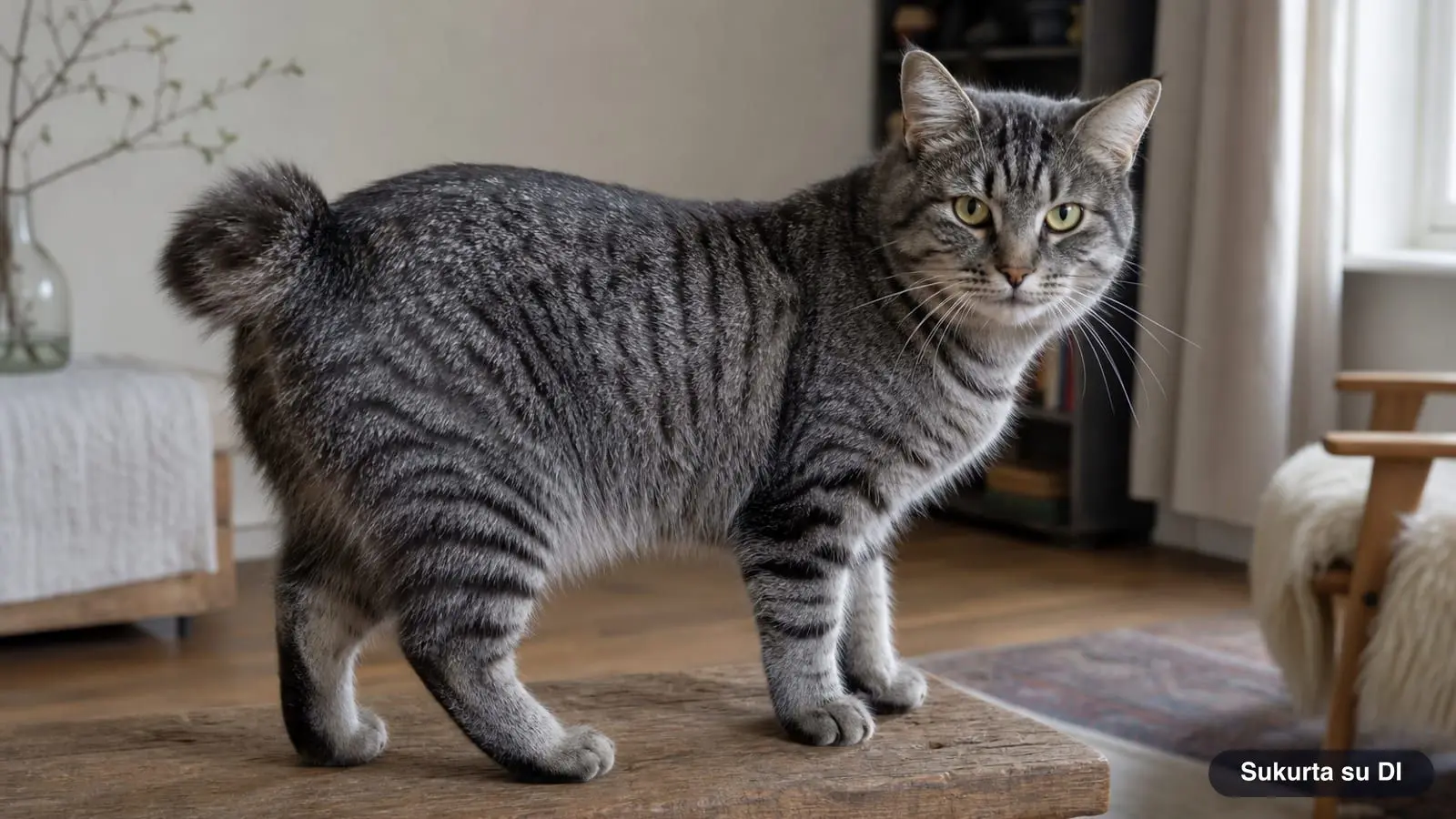
- Pom-Pom Tail – A Natural Kuril Island Mutation
- Origin: Japanese Bobtails, Siberian Cats, or Karelian Relatives
- Temperament: Intelligent Hunter and "Fisher"
- Shorthair or Longhair Bobtail
- Health: A Natural, Sturdy Breed
- Care: Minimal for Shorthairs, Weekly for Longhairs
- Short-Tailed Breeds: Kurilian, Japanese, American Bobtails, and Manx
- How to Choose a Kurilian Bobtail Kitten
This article is part of the 77.today cat breeds guide, prepared by the 77.today editors from the sources listed at the end.
The Kurilian Bobtail is a sturdy, muscular cat with a slightly wild appearance and a short, kinked, fluffy tail that looks like an attached pom-pom. This is a natural breed from Russia's Kuril Islands, Sakhalin, and Kamchatka, where these cats spent centuries catching rodents and even fishing. While highly popular in their native region, they are still relatively rare in the United States, though they are steadily gaining a dedicated following among American cat enthusiasts. You will find everything you need to know about this fascinating breed in our cat breed directory.
| Origin | Russia: Kuril Islands, Sakhalin, Kamchatka |
|---|---|
| Recognition | WCF 1994, FIFe 2004 (longhair and shorthair); TICA |
| Size | Medium to large, sturdy, muscular |
| Tail | Short, kinked, 2–10 vertebrae, fluffy |
| Coat | Shorthair or semi-longhair |
| Head | Broad, trapezoid-shaped, wide cheeks |
| Colors | All colors except colorpoint |
| Eyes | Complement the coat; yellow and green are highly prized |
| Temperament | Intelligent, gentle, excellent hunter |
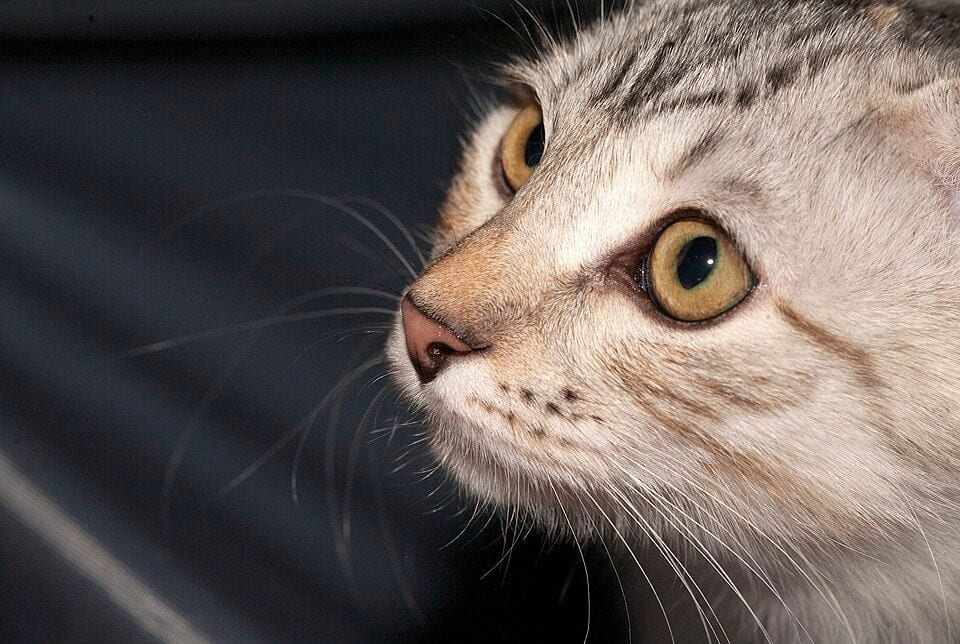
Pom-Pom Tail – A Natural Kuril Island Mutation
The Kurilian Bobtail's tail is short, kinked, and twisted, measuring about 1 to 3 inches in length and consisting of 2 to 10 vertebrae. The fluffy fur turns the tail into a distinct pom-pom, meaning every bobtail's tail is completely unique. Scientists believe the short tail likely originated as a spontaneous mutation that became common on the isolated islands due to limited genetic diversity—similar to the taillessness of the Manx cat on the Isle of Man or the short tail of the Japanese Bobtail in Japan.
The body is sturdy, stocky, and muscular, with a slightly arched back because the hind legs are longer than the front legs—much like the Manx. The head is broad, described in breed standards as trapezoid-shaped and wide at the cheeks. There are shorthair and semi-longhair Kurilian Bobtails; major registries often classify them as two separate breeds (KBS and KBL). All colors are permitted except for colorpoint (dark points), and the eyes should complement the coat color.
Origin: Japanese Bobtails, Siberian Cats, or Karelian Relatives
Natural shorthair Kurilian Bobtails have been known on the islands for over 200 years. The Kurils are an island chain stretching between Kamchatka and Japan's Hokkaido island, so the leading origin theory suggests the breed emerged when local Japanese Bobtails crossed with Siberian cats brought over by sailors. Another theory links the bobtail to the similarly named Karelian Bobtail from western Russia and Finland. Ultimately, genetic testing may provide the final answer.
Since the mid-20th century, Kurilian Bobtails have been popular pets in the Soviet Union, especially for their hunting skills, and have gained some traction in other European countries, though they remain rare in North America. The breed is developed as a distinct Russian aboriginal breed, entirely independent of the Japanese Bobtail. The WCF recognized it in 1994, and FIFe followed in 2004. One reason for their rarity is their small litter sizes, typically consisting of just two or three kittens.
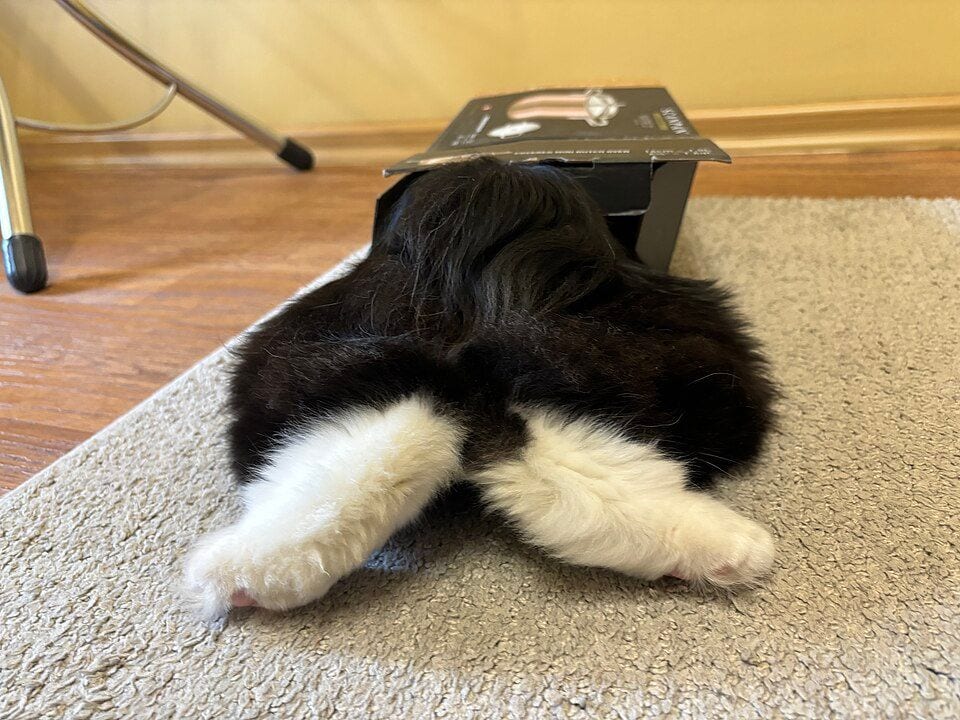
Temperament: Intelligent Hunter and "Fisher"
The wild appearance of the Kurilian Bobtail does not reflect its temperament: breed standards describe them as intelligent and gentle. In the wild, these cats were excellent fishers and hunters, which explains why many bobtails love playing with water. They generally get along well with other cats and dogs, adapt easily to changes, and are friendly and unobtrusive, though they certainly enjoy receiving attention.
Their strong hunting instinct means a bobtail needs plenty of activity: wand toys to simulate hunting, food puzzles, and high perches for observing their territory. It is generally best not to keep pet rodents or birds in a home with a Kurilian Bobtail.
Shorthair or Longhair Bobtail
Both types share the same body structure, head, and tail, differing only in their coat. The shorthair bobtail has a short, dense, and close-lying coat, with a smaller and more compact tail pom-pom. The semi-longhair variety features longer fur on the ruff, "britches," and belly, while the tail forms a larger, fluffier ball. In registry studbooks, longhair bobtails are significantly more popular: in 2025, FIFe registered 158 longhair kittens compared to just 38 shorthairs. When choosing, consider how much time you can dedicate to grooming—the longhair requires more frequent brushing, especially during the spring and fall shedding seasons.
Health: A Natural, Sturdy Breed
There are no documented hereditary diseases specific to Kurilian Bobtails—this is a natural breed that developed in harsh conditions. However, it is worth noting that in short-tailed breeds, the tail vertebrae are often fused or kinked, so the tail should be handled with care. If you notice any signs of pain, consult a veterinarian. As with all cats, annual check-ups, core vaccinations, and weight management are highly recommended.
Care: Minimal for Shorthairs, Weekly for Longhairs
- Coat. Shorthairs only need occasional brushing, while semi-longhairs should be brushed once a week, especially during shedding season.
- Tail. Gently comb the fluffy tail to prevent matting, and never pull on it.
- Activity. Hunting games, tall cat trees, and feather toys are essential; for those that love water, a pet water fountain or shallow bowl is a great addition.
- Diet. A large, active cat requires high-quality, protein-rich food, with portion sizes carefully measured according to their weight.
Short-Tailed Breeds: Kurilian, Japanese, American Bobtails, and Manx
| Trait | Kurilian Bobtail | Japanese Bobtail | Manx |
|---|---|---|---|
| Origin | Kuril Islands, Russia | Japan | Isle of Man |
| Tail | 1–3 inches, kinked, fluffy | short, twisted | ranging from tailless to long |
| Body | sturdy, stocky | lean, angular | round, compact |
| Recognition | recognized (2004) | recognized | recognized (since 1949) |
How to Choose a Kurilian Bobtail Kitten
Decide whether you want a shorthair or longhair bobtail, and always ask to meet both parents. Because litters are small, you may need to join a waiting list. Look for reputable breeders registered with TICA (the main US registry that recognizes the breed), who prioritize health and temperament over volume. Inspect the kitten's tail—it should be short and kinked, but the cat should not show any signs of pain when it is gently touched. Ethical breeders will not let kittens go to their new homes before they are 12 to 14 weeks old. We discussed the importance of microchipping and local registration requirements in our guide introduction.
You can find other short-tailed breeds in our profiles for the Japanese Bobtail, American Bobtail, and Manx.
Frequently asked questions
How does the Kurilian Bobtail differ from the Japanese Bobtail?
Both have short, kinked tails, but the Japanese Bobtail is leaner and more angular, while the Kurilian Bobtail is sturdier and stockier with a broad, trapezoid-shaped face. The Kurilian Bobtail is bred as a distinct Russian aboriginal breed; one theory suggests its ancestors were Japanese Bobtails crossed with Siberian cats.
How long is a Kurilian Bobtail's tail?
Breed standards state that the tail is short and kinked, about 1 to 3 inches long, consisting of 2 to 10 vertebrae. Because of the fluffy coat, the tail resembles a pom-pom.
Do Kurilian Bobtails like water?
Many of them love playing with water. This is believed to be tied to their history: in the wild, these cats were excellent fishers and hunters.
What colors do Kurilian Bobtails come in?
All colors are allowed except for colorpoint (dark points). Tabbies, blacks, reds, and bicolors with white patches are common. Eye color complements the coat, with yellow, green, and yellow-green being highly prized.
Are Kurilian Bobtails bred in the US?
Yes, though they remain quite rare in North America compared to Europe and Russia. You can find reputable breeders registered with TICA. Because litters are small, you may need to join a waiting list for a kitten.
Sources
- Wikipedia: Kurilian Bobtail
- FIFe: Kurilean Bobtail Longhair & Shorthair Breed Standard
- Wikipedia: Japanese Bobtail
- FIFe Breeding Statistics 2025
- FIFe Breeding & Registration Rules
- Wikimedia Commons: Semi-longhair Kurilian Bobtail at a cat show
- Wikimedia Commons: Close-up of a fluffy short Kurilian Bobtail tail
Log in to comment
No comments yet. Be the first.