Munchkin Cat: Size, Temperament, Health & Controversy
- Today's Munchkins trace back to a cat named Blackberry, found in Louisiana in 1983 by music teacher Sandra Hochenedel.
- Their short legs are caused by a dominant chondrodysplasia mutation; two copies of the gene are fatal, so living Munchkins always have just one.
- Males typically weigh 6–9 lbs, while females weigh 4–8 lbs; they come in both shorthair and longhair varieties.
- The breed is recognized by TICA and the WCF, but FIFe, the GCCF, and the CFA do not recognize it, viewing it as based on a genetic disease.
- Munchkins have a higher risk of spinal lordosis, a sunken chest (pectus excavatum), and severe osteoarthritis.
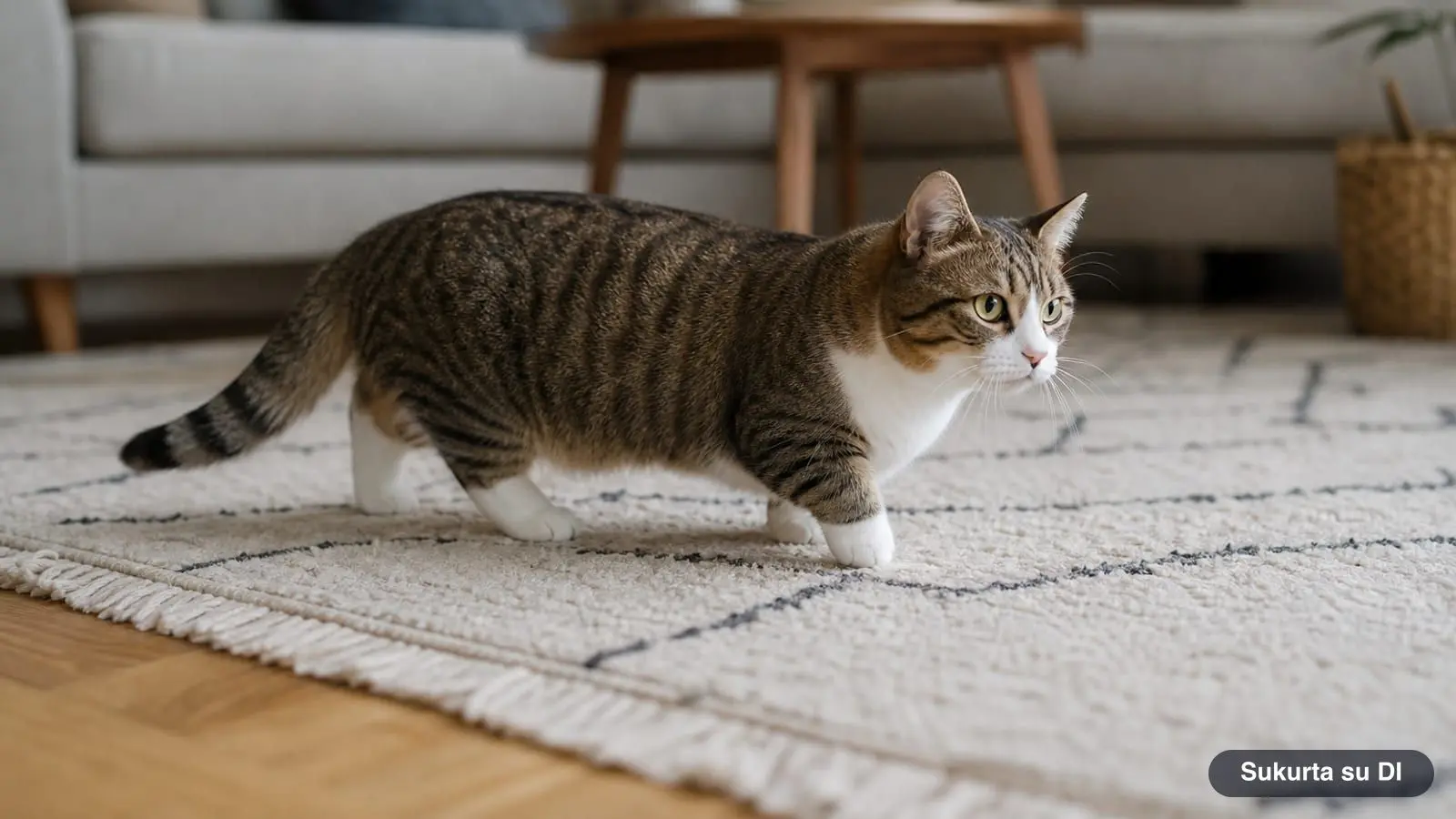
- Chondrodysplasia Causes the Munchkin's Short Legs
- History: From Blackberry in Louisiana to TICA Controversies
- The CFA, FIFe, and GCCF Do Not Recognize Munchkins
- Health: Lordosis, Sunken Chest, and Osteoarthritis
- Temperament: Playful, Curious, and Friendly
- Care: Pet Stairs, Lean Weight, and a Low Litter Box
- The Munchkin and Other Breeds with Genetic Structural Changes
- Consider Alternatives Before Getting a Munchkin
This article is part of the 77.today cat breeds guide, prepared by the 77.today editors from the sources listed at the end.
The Munchkin looks like a regular cat that had its legs cut in half: a normal-length body and head, but legs that are just a few inches long. Because of this appearance, the Munchkin has become highly popular on social media. However, these short legs are not just a cosmetic feature, but a cartilage and bone growth disorder, which is why the breed has sparked fierce controversy since its inception. In this cat breed guide profile, we honestly discuss the Munchkin's origins, health risks, temperament, and what you should know before getting one.
| Origin | USA, Louisiana |
|---|---|
| Recognition | TICA, WCF, Australian Cat Federation; FIFe, GCCF, CFA – do not recognize |
| Weight | males 6–9 lbs, females 4–8 lbs |
| Legs | very short due to chondrodysplasia |
| Coat | shorthair – medium plush, longhair – semi-long, silky |
| Colors | all colors and patterns |
| Inheritance | dominant; two copies of the gene are lethal |
| Health risks | lordosis, sunken chest, osteoarthritis |
| Temperament | active, playful, curious |
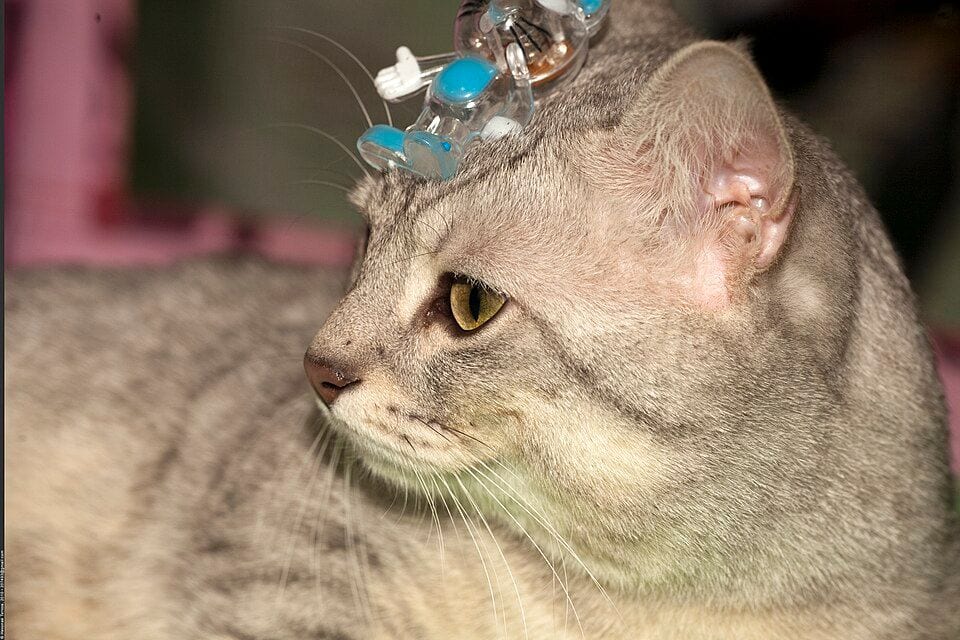
Chondrodysplasia Causes the Munchkin's Short Legs
The Munchkin's short stature is caused by a dominant mutation that leads to chondrodysplasia, a disorder affecting cartilage and bone growth. A kitten that inherits a copy of the gene from both parents cannot develop, so all living short-legged Munchkins possess only one copy. When two Munchkins are bred together, roughly a quarter of the embryos perish, half of the kittens are born with short legs, and a quarter have normal-length legs. When a Munchkin is bred with a normal cat, half the litter will have short legs, while the others will be so-called non-standard, long-legged Munchkins.
In other respects, the Munchkin resembles a standard domestic cat, as the breed is frequently outcrossed with mixed-breed cats. It is a small to medium-sized cat with a moderately built body. The hind legs can be slightly longer than the front legs, causing the back to slope slightly upward toward the tail. Legs that are excessively bowed or turned inward are considered a fault in the show ring. Munchkins come in all colors and patterns, and can be shorthaired (with a medium plush coat) or longhaired (with a semi-long, silky coat). In 2014, the Guinness Book of World Records recognized a California Munchkin named Lilieput as the shortest living cat, standing at just 5.2 inches tall.
History: From Blackberry in Louisiana to TICA Controversies
Short-legged cats were described as early as 1944 in a British veterinary report, which noted four generations of such cats, but this line disappeared during World War II. Later, similar cats were spotted in Russia (in 1956) and the US. The modern breed began in 1983 when Sandra Hochenedel, a music teacher in Rayville, Louisiana, found two pregnant cats that had been chased under a truck by a bulldog. She kept one of them, named Blackberry, and half of her kittens were born with short legs. She gave a short-legged male named Toulouse to a friend, and all of today's Munchkins are descended from the offspring of Blackberry and Toulouse. The breed's name was taken from the little people in L. Frank Baum's book "The Wonderful Wizard of Oz."
Munchkins were introduced to the public at a 1991 TICA show, but critics immediately warned of potential back, hip, and leg problems, similar to those seen in Dachshunds. In September 1994, TICA accepted the breed into its New Breed development program, prompting veteran show judge Katherine Crawford to resign in protest. Today, the breed is fully recognized only by TICA, the WCF, the Southern Africa Cat Council, the Australian Cat Federation, and New Zealand's Catz Inc.
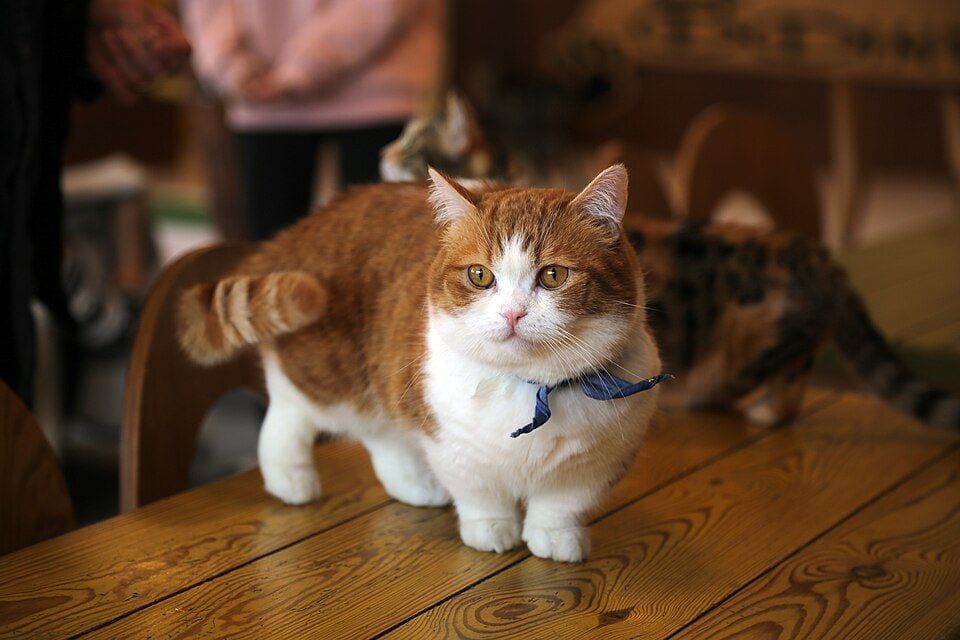
The CFA, FIFe, and GCCF Do Not Recognize Munchkins
The Cat Fanciers' Association (CFA) does not recognize the Munchkin. Similarly, the European registry FIFe bans breeds based on dwarfism and specifically mentions the Munchkin as an unacceptable use of a "genetic disease" (achondroplasia). The British GCCF also refuses to recognize the breed, considering breeds based on "abnormal structure or development" to be unacceptable. Due to these health and welfare concerns, some regions around the world have enacted strict breeding regulations. For instance, the Netherlands banned the breeding of animals with genetic defects in 2014, and the Australian state of Victoria, along with the Australian Capital Territory, consider Munchkins to be deformed animals whose intentional breeding is unacceptable. In the United States, while there is no federal legislation banning the breeding of Munchkins, many animal welfare advocates and veterinary professionals strongly discourage the practice. They point out that breeding for exaggerated physical traits compromises the animal's quality of life, and some local ordinances are beginning to scrutinize the breeding of pets with severe structural deformities.
Breeders have also attempted to create new short-legged breeds by crossing the Munchkin with other cats: the Bambino (Munchkin crossed with a Sphynx), the Kinkalow (with an American Curl), the Minuet (with Persian cats), and others. In 2019, the Netherlands Food and Consumer Product Safety Authority ordered a couple to stop breeding Bambinos due to severe animal welfare concerns.
Health: Lordosis, Sunken Chest, and Osteoarthritis
- Osteoarthritis. Munchkins have a higher risk of severe osteoarthritis than other breeds because their short limbs alter their movement and behavior. X-rays are required to assess the severity of the disease.
- Lordosis. An excessive inward curvature of the spine that can put pressure on internal organs.
- Sunken chest (pectus excavatum) – a deformity of the breastbone.
If a Munchkin already lives in your home, the most important thing is to keep them lean so that their joints bear as little weight as possible, and to visit the vet regularly. If you notice that your cat is avoiding movement, limping, or reluctant to climb stairs, it is worth having their joints examined.
Temperament: Playful, Curious, and Friendly
Munchkins are generally described as active, playful, highly curious, and affectionate cats that get along well with other felines and dogs. They run and play vigorously, and when exploring their surroundings, they will sometimes stand up on their hind legs like a prairie dog. Because the breed is frequently outcrossed with various domestic cats, their temperament and appearance can vary quite a bit.
Care: Pet Stairs, Lean Weight, and a Low Litter Box
- Accessible home. While Munchkins are good climbers, they typically cannot leap onto a high counter or table in a single bound. Pet stairs leading up to the sofa or bed, low scratching posts, and a litter box with a low entry point will make their daily life much easier.
- Weight management. Every extra pound increases the strain on their joints, so it is highly recommended to measure their food portions.
- Coat. Shorthairs only need to be brushed once a week, while longhairs require more frequent grooming; a short-legged cat has a harder time cleaning its own belly and hindquarters.
- Veterinarian. Regular check-ups and, if necessary, joint X-rays are essential.
The Munchkin and Other Breeds with Genetic Structural Changes
| Breed | Trait | Cause | FIFe Recognition |
|---|---|---|---|
| Munchkin | very short legs | chondrodysplasia | not recognized |
| Scottish Fold | folded ears | osteochondrodysplasia (TRPV4) | not recognized |
| American Curl | backward-curled ears | ear cartilage mutation | recognized |
| Manx | short or no tail | tail vertebrae mutation | recognized |
Consider Alternatives Before Getting a Munchkin
Before buying, it is worth considering whether you want to support a breeding practice that major cat organizations deem unacceptable. If you still choose to get a Munchkin, look for a reputable breeder who never breeds two short-legged cats together, can show you the parents' veterinary health records, and answers questions about joint diseases in the bloodline honestly. Because the CFA does not recognize the breed, pedigrees are only issued by other organizations, such as TICA or the WCF. In any case, it is highly recommended by US veterinarians to have your kitten microchipped and registered with your local municipality—we cover this in the guide introduction.
If you like small, playful cats but want to avoid skeletal mutations, consider looking into the Singapura or the Devon Rex.
Frequently asked questions
Why do Munchkin cats have short legs?
Their short legs are caused by a dominant mutation that leads to chondrodysplasia, a cartilage and bone growth disorder. A kitten inheriting two copies of this gene cannot develop, so all living short-legged Munchkins have only one copy. When breeding two Munchkins, about a quarter of the embryos perish.
Is the Munchkin recognized by major cat registries?
No. The CFA and the European registry FIFe refuse to recognize the breed, with FIFe specifically citing it as an unacceptable use of a genetic disease. The British GCCF also does not recognize them. However, they are fully recognized by TICA, the WCF, the Southern Africa Cat Council, the Australian Cat Federation, and a few other organizations.
Are Munchkin cats healthy?
Munchkins have a higher risk than other cats for spinal curvature (lordosis), a sunken chest, and severe osteoarthritis, as their short limbs alter their movement and stress their joints. Because of these health risks, breeding them is restricted or banned in some regions, such as the Netherlands and parts of Australia.
Can a Munchkin cat jump?
Munchkins run and play actively, but sources disagree on their jumping ability: some claim their short legs do not hinder them, while others note they cannot jump very high. Generally, a Munchkin is a good climber but may not be able to leap onto a counter in a single bound, making pet stairs a helpful addition to the home.
How much does a Munchkin weigh?
Male Munchkins typically weigh 6–9 lbs and are larger than females, which weigh 4–8 lbs. They are considered small to medium-sized cats.
Log in to comment
No comments yet. Be the first.