Executive Order 9066: The Japanese American Internment
- During World War II, Executive Order 9066 authorized the forced relocation of Japanese Americans.
- Approximately 120,000 people, mostly US citizens, were incarcerated in isolated military-style camps.
- The Japanese American internment stripped families of their homes, properties, and civil rights.
- Decades later, the US government formally apologized and offered reparations for the injustice.
- The historical significance of Executive Order 9066 continues to resonate in modern immigration and family separation debates.
The Japanese American internment: A tragedy conveniently ignored
During wartime, numerous crimes against humanity are recorded: the killing and torture of civilians, rapes, the persecution of nations, and targeted exterminations. While some crimes are widely discussed and taught from history textbooks since childhood, others are conveniently ignored.
One such event is the creation of internment camps by the US government during World War II, where innocent Japanese people and even Americans with Japanese roots were incarcerated.
Japanese internment camps were established during World War II by President Franklin D. Roosevelt himself through his now-infamous Executive Order 9066, spanning from 1942 to 1945 [1].
The US government implemented a policy under which individuals of Japanese descent, including US citizens, were imprisoned in these isolated camps.
Americans took this cruel and almost incomprehensible step in response to the attack on Pearl Harbor [2] and the ensuing conflict, which ultimately led the US to the decision to use nuclear weapons on Japanese cities.
Today, the internment camps are considered one of the most severe violations of American civil rights in the 20th century.
Entire military zones were created in California, Washington, and Oregon—states with large populations of Japanese Americans.
Under President Roosevelt's executive order, Japanese Americans were forcibly evicted from their homes, and entire extended families were separated. It is estimated that this US policy affected the lives of approximately 120,000 people.
Executive Order 9066: How President Roosevelt's decree changed history
Speaking to Congress shortly after the bloody events of December 7, 1941, President Franklin D. Roosevelt declared that the attack on Pearl Harbor [2] would "live in infamy."
It was already clear then that the US was preparing a massive response against Japan, but domestically, there were fears of national unrest supposedly provoked specifically by Japanese individuals or Japanese Americans.
Just two months after the Pearl Harbor attack, in February 1942, President Roosevelt, acting as commander-in-chief, issued Executive Order 9066, which led to the mass removal and detention of Japanese Americans living on the West Coast.
This decree authorized military commanders to evacuate any persons who might pose a threat to national security. They were to be relocated from their homes on the West Coast to temporary "relocation centers" situated inland.
At the time, about 120,000 people of Japanese descent lived in the continental United States, mostly along the Pacific coast. Roughly two-thirds of them were full US citizens, born and raised in America [3]. Despite this, they suddenly became unwanted and even considered dangerous.
In other words, they became scapegoats. Following the Pearl Harbor attack, a wave of public backlash arose, pressuring the government to take action. The most convenient solution at the time, under the guise of security, was simply to isolate and detain an unwanted segment of society.
This meant that almost all Japanese Americans were forced to leave their homes, property, and sometimes even their families to move into camps.
Families were given only a few days to pack all their belongings and arrive at temporary centers, where they were held until larger relocation centers were ready to accommodate more people.
Some people's property was seized and confiscated, meaning they had no certainty about their future, fearing that upon release from the camps, they would have no homes and become homeless.
Families were generally not separated, though there were cases where individuals imprisoned for "rebellion" or other crimes were kept apart from their families and even young children. However, Japanese individuals and Japanese Americans, even when not separated from their families, lost their sense of identity when detained and crammed into camps [4].
Furthermore, the living conditions in these camps were horrific. Families were often housed in stables or other outdoor facilities without basic amenities or conditions to meet essential human needs.
The situation in the permanent relocation centers was not much better. In these 10 camps, operating mostly in the West, military-style barracks were built to house the evacuees. They offered little protection from extreme heat or cold.
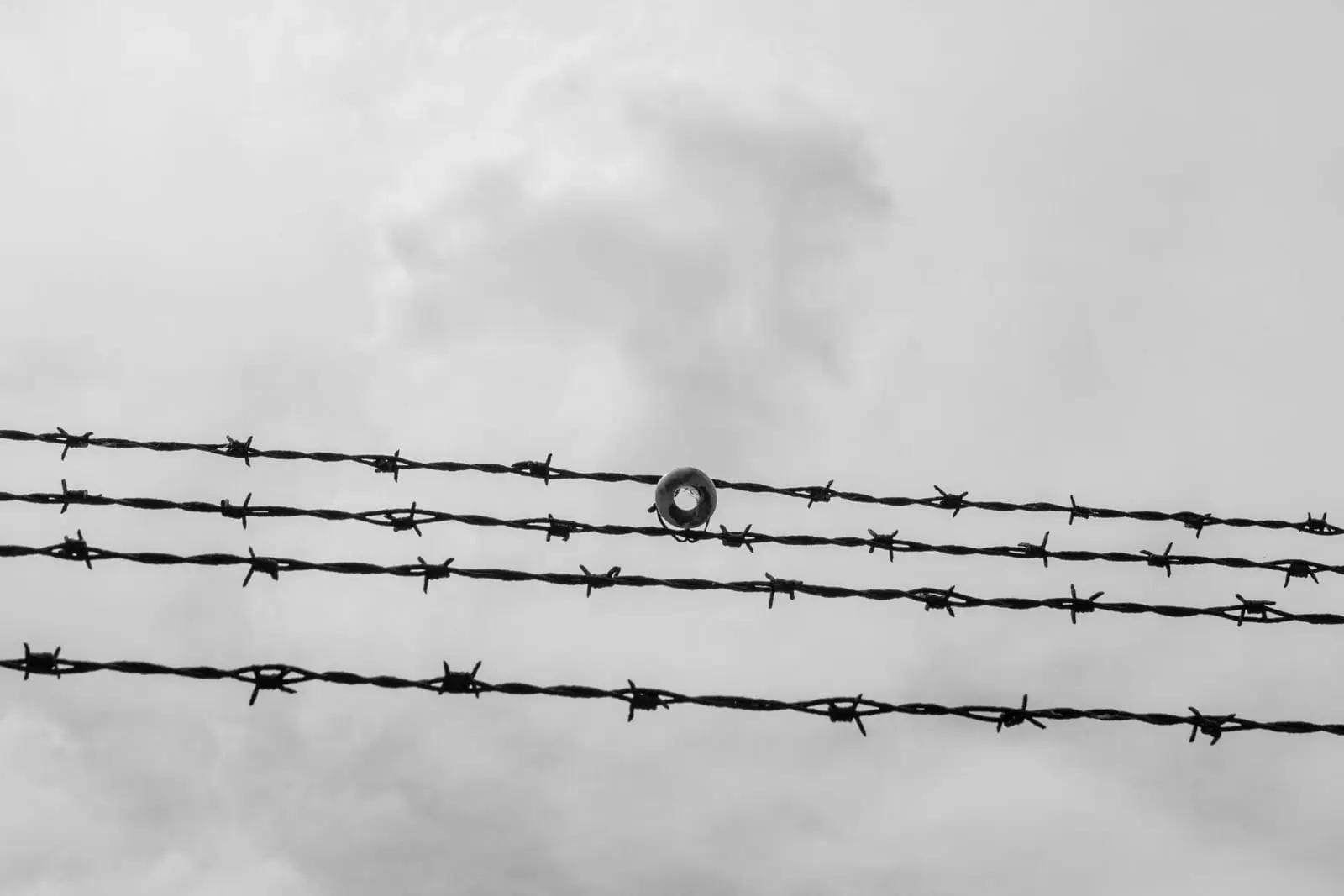
Although residents were not required to work in the camps, guard towers and barbed wire fences prevented them from moving freely, severely restricting their lives.
The significance of Executive Order 9066 is felt to this day
The resentment over such living conditions and government decisions remains to this day. Many camp residents, especially those who were American citizens, were deeply insulted by the government's blatant suspicion that they might still be loyal to Japan.
It was not until December 1944 that President Roosevelt's administration announced that the period of "necessity" for relocating Japanese and Japanese Americans to military camps had ended. Officials then began allowing Japanese Americans to return home.
More than three decades later, in 1976, President Gerald Ford formally apologized to the internees. He stated that their incarceration was a "setback to fundamental American principles."
In 1988, the US Congress authorized the payment of reparations to citizens who had been unlawfully imprisoned at the time.
Today, this dark period in US history is considered a profound disgrace and an example of how totalitarianism and militarism can completely trample on any provisions of human and civil rights [5].
Failing to learn from the Japanese American internment
However, the US does not always learn from its painful historical events. Many note that the policy of detaining Japanese Americans and separating families is strikingly similar to the one applied by President Donald Trump to immigrants arriving from Mexico and their families.
During that period, children were separated from their parents, and some of them have still not been reunited with their relatives.
It was reported that out of more than 5,000 children who, according to court documents, were separated from their parents under the zero-tolerance policy, about 180 had not yet been returned to their parents or guardians as of 2022 [6].
Many of their parents were deported from the United States, while the children ended up in foster care facilities or foster homes; others were placed with relatives they had never met before.
Lawyers from the American Civil Liberties Union believe that the number of children not yet returned to their parents is much higher than officially reported.
Frequently asked questions
What did Executive Order 9066 do?
Executive Order 9066 authorized the military to forcibly remove individuals of Japanese descent, including US citizens, from the West Coast and place them in isolated internment camps during World War II.
What is a short summary of Executive Order 9066?
In short, President Franklin D. Roosevelt issued the decree in February 1942. It led to the incarceration of about 120,000 Japanese Americans in military-style barracks surrounded by barbed wire, stripping them of their civil rights under the guise of national security.
What is the significance of Executive Order 9066?
The significance of Executive Order 9066 lies in its stark reminder of how civil liberties can be violated during times of panic. It is frequently cited as a historical warning when discussing modern policies, such as family separations at borders.
Sources
- National WWII Museum: Japanese American Incarceration
- History.com: Japanese Internment Camps
- Smithsonian Magazine: The Injustice of Japanese-American Internment Camps Resonates Strongly to This Day
- Quartz: Japanese-American internment camps taught us what happens to the health of separated families
- Time: Family Separation Is Being Compared to Japanese Internment
- VOA News: Five Years Later, Work of Reuniting Families Separated at US-Mexico Border Remains Unfinished
Log in to comment
No comments yet. Be the first.