Figure AI Humanoid Robot: OpenAI's Workforce Revolution
- OpenAI and Figure have partnered to develop a humanoid robot that learns complex tasks by observing human movements.
- These advanced robots aim to increase productivity by working alongside humans in the manufacturing and healthcare sectors.
- The technology utilizes deep learning algorithms to analyze real-time human behavior and replicate intricate manual tasks.
- Creating these machines requires massive resources to ensure safe operation in dynamic environments like factories and hospitals.
- This collaboration marks a major milestone in the evolution of anthropomorphic machines, building on decades of robotics history.

- OpenAI and Figure present a new project: the Figure AI humanoid robot for the labor market
- In the future, machines will work alongside humans, or maybe even take their jobs
- The beginning is not that simple, as massive resources are required
- Humanoid robots: what are they and why do they sound so creepy?
OpenAI and Figure present a new project: the Figure AI humanoid robot for the labor market
OpenAI and Figure have launched a groundbreaking partnership to create a Figure robot that can learn complex tasks by observing human movements. This unprecedented collaboration between a company known for cutting-edge artificial intelligence and an innovative startup specializing in robotics and automation could revolutionize not only manufacturing but also the healthcare sector, ushering in a new era of automation and innovation [1].
The goal of this partnership is to develop a humanoid robot that learns from the subtle nuances of human actions by harnessing the power of AI and deep learning algorithms. This breakthrough has far-reaching implications, as it can streamline production processes and revolutionize healthcare delivery. Artificial intelligence is already being utilized across various industries, and it continues to advance rapidly.
In the industrial sector, the introduction of humanoid robots for manufacturing that are capable of learning from human movements will increase productivity and efficiency. These robots can be trained to replicate complex manual labor and work alongside humans to accelerate production while maintaining quality standards. The integration of this advanced technology promises to optimize workflows and create a harmonious synergy between human ingenuity and robotic precision [2].
The impact of this collaboration between OpenAI and Figure will extend beyond manufacturing into healthcare, where humanoid robots capable of learning from human movements could fundamentally change patient care and medical procedures. They can be trained to assist in delicate surgeries, accurately mimic human movements during rehabilitation exercises, and provide personalized assistance to patients with limited mobility.
In the future, machines will work alongside humans, or maybe even take their jobs
This innovation could ease the burden on healthcare professionals, improve treatment outcomes, and enhance the overall patient experience. AI technology is increasingly being applied in medical research and treatments. This corporate partnership marks a pivotal moment in the trajectory of robotics and artificial intelligence. It highlights the relentless pursuit of progress that redefines the boundaries of what is possible [3].
These two visionaries are combining their expertise to set the stage for a future where humanoid robots seamlessly integrate into various industries, expanding human capabilities and leading us into a new era of automation and innovation. The potential consequences of this collaboration are vast and inspiring.
The technology pioneers had been discussed for some time, and in 2023, the companies officially presented their project [4]. By bridging the gap between human movement and machine learning, OpenAI and Figure are pushing the boundaries of technology, initiating a future where machines will truly understand and adapt to human behavior. Their joint efforts are laying the foundation for a world where the possibilities of automation are limited only by our imagination.
This groundbreaking collaboration could transform the manufacturing and healthcare sectors, as well as many other industries. A humanoid robot learning from human movements represents a major milestone in robotics and AI, and its potential applications are incredibly broad.
It could fundamentally change the way we work and live, creating a new era of automation, innovation, and human-machine collaboration. As this project continues to develop, we can expect to see even more advanced humanoid robots capable of learning from human behavior and adapting to new environments, paving the way for a future where machines can work alongside humans to achieve a common goal.
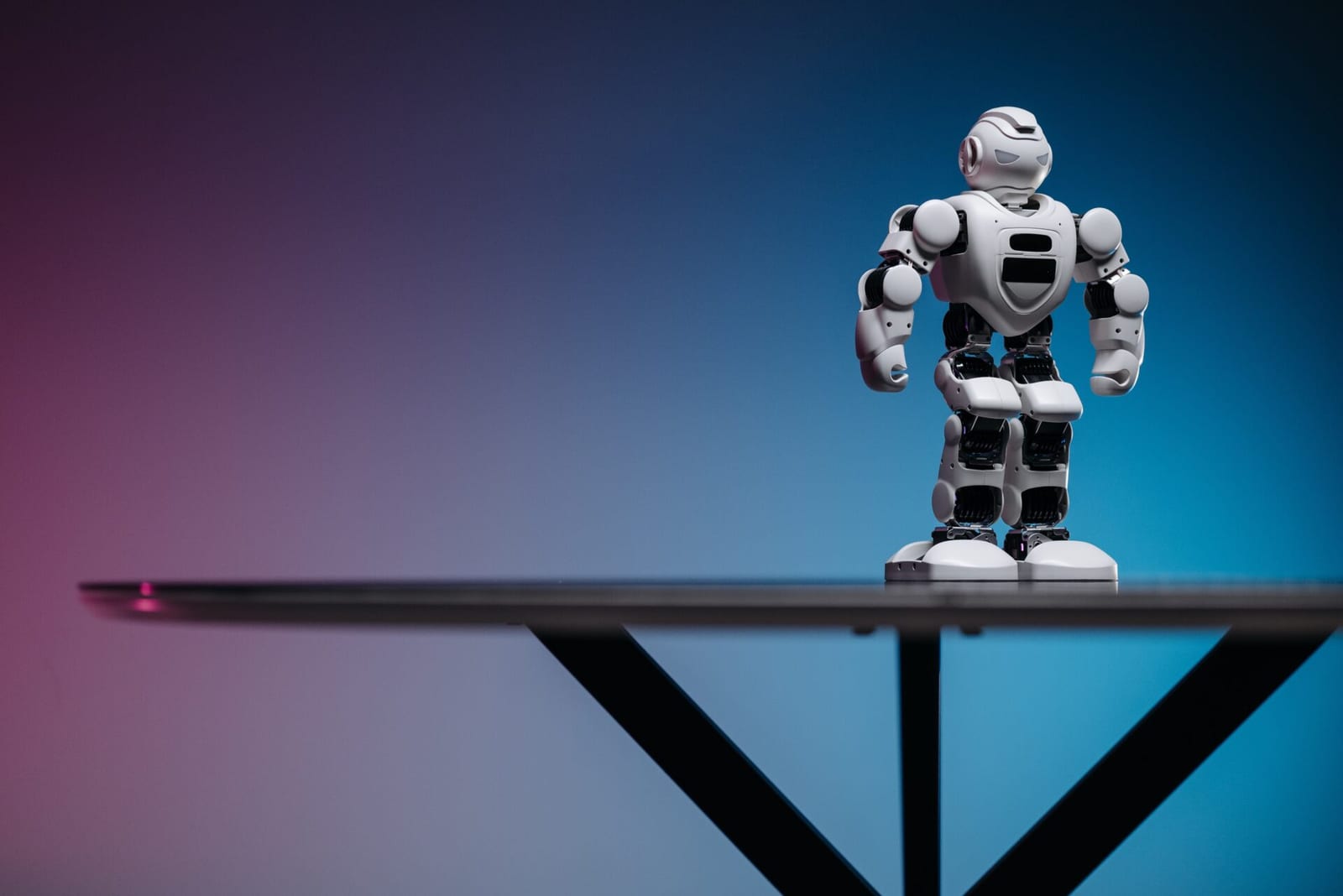
The beginning is not that simple, as massive resources are required
Bringing this ambitious OpenAI and Figure project to life requires significant time, resources, and talent. However, the benefits of this collaboration are immense and have already sparked interest and enthusiasm among industry experts and technology enthusiasts. Building a humanoid robot that can learn from human movements requires a multidisciplinary approach, uniting experts in robotics, AI, deep learning, and human behavior.
It involves designing and building a robot that closely resembles the human body, featuring numerous joints and limbs capable of coordinated and fluid movement. It also requires developing complex algorithms and control systems that can analyze and interpret human movements, extracting knowledge from these observations to acquire new skills and perform intricate tasks.
One of the greatest challenges in creating such a machine is developing an AI system that can accurately understand and interpret human behavior. This requires building a deep learning framework capable of analyzing human movements in real time, identifying patterns, and extrapolating knowledge from these observations. It also necessitates an intuitive user interface that allows people to interact with the robot naturally and seamlessly.
Another challenge is engineering a robot that can operate safely and efficiently in diverse environments, such as factories, hospitals, or homes. This means ensuring the robot can recognize and overcome obstacles, avoid collisions, and adapt to environmental changes. Safety features must also be developed to prevent accidents and protect both the robot and the people around it.
Despite these challenges, the collaboration between OpenAI and Figure has the potential to reshape the robotics industry and create new opportunities for automation and innovation. The development of a humanoid robot capable of learning from human movements has implications for various fields. It could also be utilized in education, entertainment, and other industries where its advanced capabilities would help increase productivity, efficiency, and safety.
Humanoid robots: what are they and why do they sound so creepy?
Humanoid robots are also known as anthropomorphic robots. These are machines designed to resemble the human body in both shape and function. For decades, they have been a popular subject in science fiction, but in recent years, they have increasingly been deployed in the real world.
The history of humanoid robots can be traced back to the 18th century when various automatons were created to perform simple tasks like writing or drawing. However, it was not until the 20th century that scientists began to seriously explore the possibility of building robots that could mimic human movements and behavior.
One of the first humanoid robots was created in 1954 by George Devol. Named "Unimate," it was designed to perform simple factory tasks, such as lifting and moving heavy objects. Since then, many other humanoid robots have been developed, each boasting unique capabilities and features [5].
Today, humanoid robots are used across a variety of industries, from healthcare to entertainment. They are often deployed in situations where it is unsafe or impractical for humans to perform certain tasks, such as working in hazardous environments or assisting with delicate surgical procedures.
One of the most famous examples of a humanoid robot is Honda's ASIMO. First introduced in 2000, it has since undergone several improvements and upgrades. It can walk, run, and even climb stairs, and has been used at events worldwide to demonstrate advanced robotics technology.
This technology represents a crucial area of robotics research and development. Furthermore, this collaboration between OpenAI and Figure is a significant step forward in creating advanced robotic systems. By combining their expertise, they are pushing the boundaries of what is possible and creating new opportunities for human-machine collaboration.
As this initiative progresses, we can anticipate the arrival of even more sophisticated humanoid robots that learn from human behavior and adapt to novel environments. This will pave the way for a future where machines work in tandem with humans to achieve shared objectives.
Frequently asked questions
What is the Figure AI humanoid robot?
It is an advanced anthropomorphic machine developed through a partnership between Figure and OpenAI, designed to learn and perform complex tasks by observing and replicating human movements.
How will humanoid robots for manufacturing improve productivity?
By learning from human actions, these robots can replicate intricate manual labor and work safely alongside human employees to streamline production processes and maintain high quality standards.
Are these new AI robots safe to use around people?
Yes, developers are focusing heavily on safety features, ensuring the robots can recognize obstacles, avoid collisions, and adapt to dynamic environments such as factories, hospitals, and homes.
Sources
- BNN: OpenAI and Figure Pioneer Humanoid Robot Learning from Human Movements
- TechCrunch: OpenAI launches an API for ChatGPT, a startup attempts a humanoid robot, and Salesforce turns it around
- Fox News: OpenAI and Figure develop terrifyingly creepy humanoid robots for the workforce
- Futurism: OH GOD... OPENAI IS WORKING ON A HUMANOID ROBOT
- Wikipedia: Humanoid robots
Log in to comment
No comments yet. Be the first.